
Sleep Soundly: Using Apps Specifically Designed for Better Rest and Relaxation


Welcome to Mind Care Guide, a sanctuary for your mental well-being.
Feeling overwhelmed and anxious, especially when trying to sleep? You're not alone. Discover how sleep apps for anxiety relief are revolutionizing the way we approach rest and relaxation. We understand the struggle, and we're here to guide you toward a more peaceful night's sleep. Curious to learn how your phone can become your personal sleep sanctuary? Let's explore together...
- Achieving Restful Sleep: Leveraging Apps for Enhanced Relaxation and Sleep Quality
- Exploring the Link: Stress, Sleep Disruption, and the Potential of Sleep Apps
- Sleep Apps for Stress Reduction: An Examination
- Recommended Sleep Apps for Stress Relief: A Handpicked List
- Selecting the Ideal Sleep App for Your Requirements
- Optimizing Sleep App Usage: Recommended Strategies
- Addressing Possible Drawbacks and Cautions
- Complementary Strategies for Improved Sleep and Stress Management
- Conclusion: Integrating Technology for Improved Sleep and Mental Wellness
-
Frequently Asked Questions
- What are sleep apps, and how can they help with anxiety?
- How do sleep apps specifically target anxiety relief?
- Are sleep apps a replacement for professional mental health treatment?
- What features should I look for in a sleep app for anxiety relief?
- Are there any potential downsides to using sleep apps for anxiety?
- Final Reflection: The Quiet Revolution of Sleep Apps
- Unlock Your Best Sleep Yet!
Achieving Restful Sleep: Leveraging Apps for Enhanced Relaxation and Sleep Quality
Understanding the Relationship Between Sleep and Mental Well-being
Sleep is not merely a period of rest; it's a fundamental pillar supporting overall health, especially mental wellness. During sleep, our brains consolidate memories, process emotions, and regulate mood. A lack of sufficient, quality sleep can profoundly impact our emotional resilience, cognitive function, and ability to manage stress and anxiety. Studies consistently show a strong bidirectional relationship: poor sleep exacerbates mental health challenges, and mental health conditions often disrupt sleep patterns.
Consider the impact on emotional regulation. Research indicates that just one night of poor sleep can make individuals more reactive to negative stimuli and less responsive to positive ones. This heightened emotional reactivity is a common symptom experienced by those struggling with anxiety. Furthermore, chronic sleep deprivation has been linked to an increased risk of developing anxiety disorders and depression. Addressing sleep issues is therefore a critical component of a comprehensive approach to mental well-being, and exploring tools like sleep apps for anxiety relief becomes relevant for many.
Exploring the Link: Stress, Sleep Disruption, and the Potential of Sleep Apps
How Stress Undermines Sleep
Stress activates the body's "fight or flight" response, releasing hormones like cortisol. While beneficial in short bursts, chronic stress keeps these hormones elevated, making it difficult for the body and mind to relax enough to fall asleep or stay asleep. A racing mind filled with worries is a classic symptom of stress-induced insomnia. The constant state of alertness prevents the transition into deeper, restorative sleep stages.
For example, someone facing significant work pressure might find themselves lying awake for hours, replaying stressful events or anticipating future challenges. This isn't just a mental annoyance; the physiological effects of prolonged stress actively interfere with the sleep-wake cycle regulated by the body's circadian rhythm. The elevated cortisol levels can suppress melatonin production, the hormone crucial for signaling sleep onset, further complicating the ability to achieve restful slumber.
The Cycle of Sleep Loss and Increased Stress
The relationship between stress and sleep is a vicious cycle. High stress levels make it hard to sleep, and lack of sleep, in turn, reduces our ability to cope with stress. When we are sleep-deprived, our resilience is lower, our patience wears thin, and minor irritations can feel overwhelming. This reduced capacity to handle daily stressors often leads to increased anxiety and worry, which then further disrupts sleep.
Imagine this scenario: Feeling exhausted after a poor night's sleep, you are less equipped to handle a difficult conversation at work. This interaction causes more stress, which then makes it even harder to relax that evening, leading to another night of poor sleep. Breaking this cycle is essential for improving both sleep and mental health. Tools that promote relaxation and mindfulness, including specifically designed sleep apps for anxiety relief, can offer a pathway to interrupting this negative feedback loop.
Can Technology Provide Solutions?
In recent years, technology has emerged as a potential ally in the quest for better sleep and stress management. A vast array of mobile applications, commonly referred to as sleep apps, have been developed to address various sleep-related issues. These range from simple tools that generate calming sounds to sophisticated programs based on clinical therapeutic techniques.
While no app can replace professional medical advice or treatment for severe sleep disorders or anxiety, many offer accessible and convenient resources for managing mild to moderate sleep difficulties stemming from stress or everyday anxiety. They provide guided exercises, soothing environments, and tracking capabilities that can empower individuals to take proactive steps towards improving their sleep hygiene and reducing the mental chatter that often precedes sleepless nights.
Exploring the features of different sleep apps for anxiety relief can reveal options tailored to specific needs, such as guided meditations focused on releasing worry or sleep stories designed to distract a busy mind.
Sleep Apps for Stress Reduction: An Examination
What are Sleep Apps and Their Mechanisms?
Sleep apps are mobile applications designed with the primary goal of helping users improve their sleep quality and duration. While their features vary widely, most aim to facilitate relaxation, create a conducive sleep environment, or provide insights into sleep patterns. Their mechanisms often involve leveraging principles from psychology, sound therapy, and sleep science to induce a state of calm necessary for sleep onset.
Many apps employ techniques like guided imagery, progressive muscle relaxation, or body scans, which are known methods for reducing physiological arousal and mental rumination. Others focus on creating auditory environments, such as white noise or nature sounds, to block out disruptive noises and create a consistent soundscape. The most advanced sleep apps for anxiety relief often combine these approaches, offering a multi-faceted tool for users struggling with the mental and emotional components of sleeplessness.
Categories of Sleep Apps: A Detailed Exploration
Sleep apps can generally be grouped into several categories based on their primary function and the techniques they employ. Understanding these categories can help users identify which type of app might best suit their specific needs, whether it's quieting a busy mind, blocking out noise, or understanding sleep patterns.
Guided Meditation and Relaxation Apps
These apps focus on calming the mind and body through structured exercises. They often feature guided meditations, breathing exercises, body scans, and sometimes "sleep stories" – narratives designed to be soothing and non-engaging enough to drift off to. The goal is to shift focus away from stressful thoughts and induce a state of deep relaxation conducive to sleep.
Examples often include sessions specifically tagged for sleep or anxiety, guiding users through techniques like mindfulness meditation or visualization. A typical session might last from 5 to 30 minutes and involve a calming voice instructing the user to focus on their breath or imagine a peaceful scene. Many users find these particularly helpful as sleep apps for anxiety relief, as the guided nature helps interrupt the cycle of anxious thoughts that can prevent sleep.
Ambient Sound and White Noise Generators
This category includes apps that provide a variety of sounds intended to either mask disruptive noises or create a calming auditory environment. Options often range from static white, pink, or brown noise to nature sounds like rain, ocean waves, or forest ambiance, and even atmospheric sounds like distant trains or café chatter.
The principle behind these apps is twofold: consistent, unobtrusive sound can help block out sudden noises (like traffic or household sounds) that might wake someone up, and certain frequencies (like pink noise) are thought to have a calming effect that can promote deeper sleep. While perhaps simpler than meditation apps, they serve a practical purpose for many, creating a predictable sonic backdrop that signals bedtime and helps maintain sleep continuity.
Sleep Monitoring and Analysis Tools
These apps use smartphone sensors (like the accelerometer or microphone) or connect with wearable devices (like smartwatches or fitness trackers) to track sleep patterns. They can record movement, sound (snoring, talking), and even estimate sleep stages based on movement data. The app then provides analysis, showing sleep duration, quality scores, wake-ups, and trends over time.
The benefit here lies in gaining insight into one's sleep habits. Seeing concrete data can help identify patterns related to bedtime routines, caffeine intake, or stress levels. While the accuracy can vary depending on the technology used, these apps offer valuable self-monitoring capabilities that can inform behavioral changes. For someone using sleep apps for anxiety relief, tracking data might reveal how specific relaxation practices impact their sleep quality.
Cognitive Behavioral Therapy for Insomnia (CBT-I) Based Apps
CBT-I is a highly effective, evidence-based therapy for chronic insomnia. Some apps are designed to deliver key components of CBT-I digitally. These programs typically involve modules on sleep restriction, stimulus control, cognitive restructuring (challenging unhelpful thoughts about sleep), and sleep hygiene education.
These apps offer a structured, multi-week program that guides users through behavioral and cognitive changes aimed at improving sleep. They often require commitment and active participation, similar to in-person therapy. For individuals whose insomnia is significantly driven by anxious thoughts or unhelpful sleep behaviors, a CBT-I based app can be a powerful tool, potentially offering a more targeted approach than general relaxation apps, and serving as specific sleep apps for anxiety relief rooted in therapeutic principles.
Recommended Sleep Apps for Stress Relief: A Handpicked List
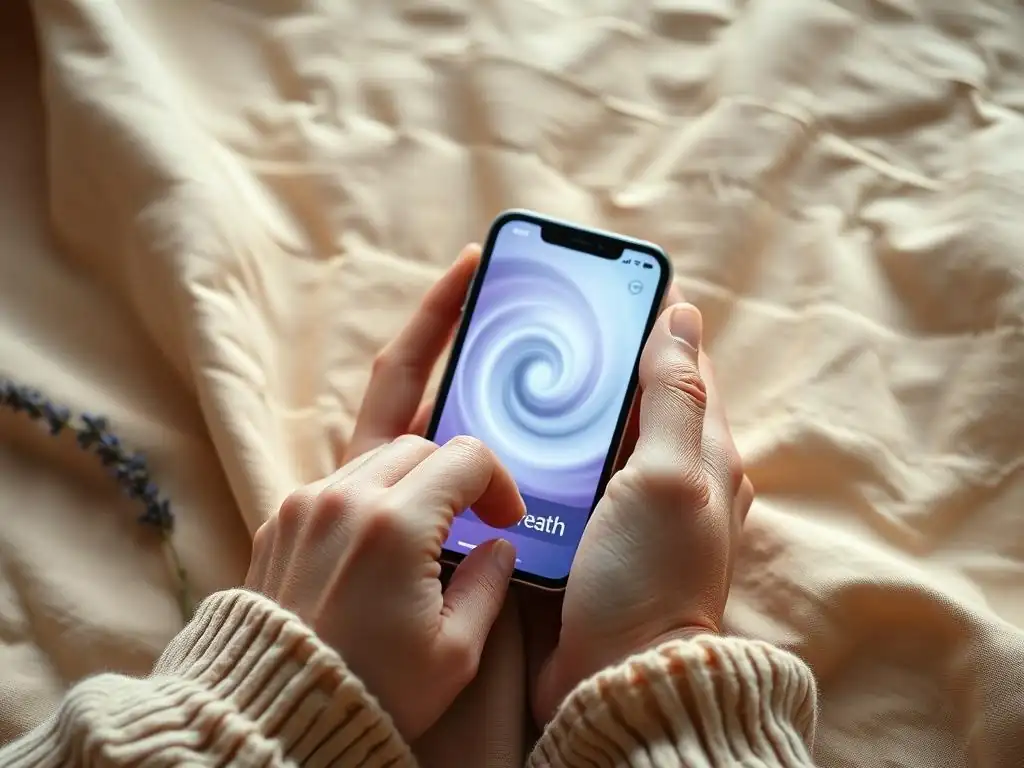
Calm: Features, Advantages, and User Feedback
Calm is one of the most popular mindfulness and sleep apps available, widely recognized for its extensive library of guided meditations, sleep stories, breathing programs, and stretching exercises. It features a large collection of "Sleep Stories," often narrated by famous voices, designed to help users drift off. The app also includes ambient nature sounds and specific meditation programs focused on sleep and reducing anxiety.
Its advantages lie in its polished interface, high-quality content, and wide variety of options catering to different preferences. Users frequently praise the effectiveness of the Sleep Stories and the calming effect of the guided meditations. With millions of downloads and average user ratings often exceeding 4.5 stars on major app stores, it's a highly regarded option for those seeking sleep apps for anxiety relief and general relaxation.
Headspace: Features, Advantages, and User Feedback
Headspace is another leading meditation app that has significantly expanded its offerings to include dedicated sleep content. It provides guided meditations for sleep, sleep sounds, and "Sleepcasts" – unique audio experiences that combine narration with ambient sounds to create a relaxing environment. The app also offers "SOS" sessions for moments of acute stress or anxiety.
Headspace is known for its friendly, accessible approach to mindfulness, making it suitable for beginners. Its sleep content is well-produced and integrates seamlessly with its broader meditation library. User feedback generally highlights the app's effectiveness in promoting relaxation and improving sleep onset, with millions of users globally and consistently high ratings (often above 4.6 stars). It's a strong contender for individuals looking for sleep apps for anxiety relief with a solid foundation in mindfulness training.
Sleep Cycle: Features, Advantages, and User Feedback
Sleep Cycle operates differently from Calm or Headspace, focusing primarily on sleep tracking and analysis. It uses your phone's microphone or accelerometer to monitor your sleep patterns and aims to wake you up during your lightest sleep phase within a set window, helping you feel more refreshed. Beyond tracking, it offers features like a smart alarm, sleep notes (to track habits like caffeine or stress), and correlation analysis.
While not a relaxation app in the same vein as the others, Sleep Cycle provides valuable data insights that can indirectly help manage sleep issues related to anxiety by identifying patterns. Understanding how much sleep you're actually getting, or how certain activities affect your sleep, can reduce anxiety about sleep itself. Users appreciate its smart alarm feature and the detailed statistics, with ratings often in the 4.4-4.7 star range, though some note variability in tracking accuracy depending on phone placement.
Selecting the Ideal Sleep App for Your Requirements
Choosing the right sleep app from the multitude available can feel overwhelming. It's important to consider your specific sleep challenges, what features you find most appealing, and practical factors like cost and user reviews. Taking a structured approach can help you narrow down the options and find the best sleep app for anxiety relief tailored to your situation.
Pinpointing Your Specific Sleep Issues
Before downloading any app, take a moment to identify why you're struggling with sleep. Is it difficulty falling asleep because your mind is racing with worries? Do you wake up frequently during the night due to stress? Are you simply trying to establish a more consistent bedtime routine? Understanding the root cause of your sleep problems is the first step.
If anxiety and a busy mind are the primary culprits preventing sleep onset, apps focusing on guided meditation, relaxation techniques, or sleep stories might be most effective. If noise is the issue, an ambient sound app could be the solution. If you're unsure about your sleep patterns or suspect other factors are at play, a sleep tracking app might provide useful data. Many individuals seeking sleep apps for anxiety relief find that apps combining relaxation techniques with tools for managing anxious thoughts offer the most direct support.
Essential Features to Consider in a Sleep App
Once you've identified your main sleep challenge, look for apps that offer features directly addressing it. Consider the following:
- Content Library: Does it offer a variety of meditations, sounds, or stories? Is the content high-quality and regularly updated?
- Customization: Can you adjust sound mixes, session lengths, or program types?
- Ease of Use: Is the interface intuitive and calming, especially when you're tired?
- Offline Access: Can you download content to use without an internet connection?
- Tracking & Insights: Does it offer sleep tracking, habit logging, or personalized insights? (Note: This is less critical if your primary need is relaxation, but useful if you want to understand patterns).
- Integration: Does it integrate with other health platforms or wearable devices you use?
A good sleep app for anxiety relief should ideally offer specific content designed to calm anxious thoughts or promote relaxation before bed. Look for tags like "sleep," "anxiety," "stress relief," or "calming."
Analyzing User Feedback and Ratings
App store ratings and user reviews provide valuable insights into the real-world effectiveness and usability of an app. While individual experiences vary, consistently high ratings (e.g., 4.5 stars and above) and positive comments about specific features (like content quality or effectiveness for sleep) are good indicators. Conversely, numerous complaints about bugs, intrusive ads, or ineffective content should raise caution.
Pay attention to reviews from users who seem to have similar sleep challenges to your own. Do they report improvement in falling asleep faster or feeling more relaxed? For sleep apps targeting anxiety relief, look for reviews specifically mentioning their impact on reducing worry or quieting the mind before bed. Reading a range of reviews, not just the top ones, can provide a balanced perspective.
Understanding Pricing and Subscription Options
Most popular sleep apps operate on a freemium model, offering basic features for free but requiring a subscription for full access to their content library and advanced features. Subscription costs can vary significantly, from a few dollars per month to over $100 per year. Some apps also offer one-time purchase options.
Before committing to a paid subscription, take advantage of free trials if available. Evaluate the value proposition – is the cost justified by the quality and quantity of content and how well it meets your needs for sleep and anxiety relief? Consider starting with free versions or free trials of a few different apps to see which style and content resonate most with you before investing in a subscription.
Optimizing Sleep App Usage: Recommended Strategies
Simply downloading a sleep app isn't a magic bullet. To get the most out of using sleep apps for anxiety relief and better rest, it's crucial to integrate them effectively into your nightly routine and overall sleep hygiene. Consistency and mindful usage are key.
Establishing a Soothing Nightly Ritual
Make using your sleep app a consistent part of your wind-down routine. This ritual signals to your brain and body that it's time to prepare for sleep. About 30-60 minutes before you plan to go to bed, dim the lights, turn off electronic devices (except the one running the app), and engage with your chosen app's content.
This might involve listening to a guided meditation, a sleep story, or ambient sounds while you read, stretch, or simply lie in bed. The key is regularity. Doing the same sequence of calming activities, including using your app, every night helps reinforce the association between these actions and sleep, making it easier to transition from wakefulness to rest.
Consistent App Utilization
The benefits of using sleep apps, especially those focused on behavioral change or mindfulness, often accumulate over time. Sporadic use is less likely to yield significant results. Aim to use your chosen app most nights, even on nights when you feel less stressed or tired.
Think of it like building a muscle; consistency strengthens the habit and makes the techniques more effective. For sleep apps for anxiety relief, regular practice helps train your mind to relax and detach from anxious thoughts more readily when it's time for sleep. Even on nights when sleep feels difficult, engaging with the app's content can still promote relaxation and reduce frustration.
Enhancing Your Sleep Space
While an app provides auditory or mental comfort, your physical environment plays a significant role in sleep quality. Optimize your bedroom to be dark, quiet, and cool. Use blackout curtains, earplugs if needed, and set a comfortable temperature.
Using a sleep app in a chaotic or poorly prepared sleep environment can limit its effectiveness. The app works best when it complements a sleep-friendly space, rather than trying to counteract significant environmental disruptions. If you're using a sound app, ensure it's loud enough to mask noise but not so loud that it's disruptive itself. For meditation apps, a quiet, comfortable space allows for better focus and relaxation.
Integrating Sleep Apps with Other Relaxation Methods
Sleep apps are powerful tools, but they can be even more effective when combined with other proven relaxation techniques. Consider incorporating gentle stretching, deep breathing exercises independent of the app, journaling to clear your mind, or taking a warm bath before using your app.
For instance, you might take a warm bath, then spend 10 minutes journaling about your day's worries to get them out of your head, and then put on your headphones to listen to a sleep story or guided meditation from your app. This multi-pronged approach addresses both physical tension and mental stress, creating a more robust pathway to restful sleep and enhancing the benefits of using sleep apps for anxiety relief.
Addressing Possible Drawbacks and Cautions
While sleep apps offer numerous benefits and convenient access to relaxation techniques, it's important to be aware of potential limitations and use them mindfully. They are tools to support better sleep and stress management, not replacements for professional help or healthy habits.
The Significance of Expert Medical Consultation
Sleep apps can be excellent complementary tools, but they are not a substitute for professional medical advice, especially for chronic or severe sleep disorders like clinically diagnosed insomnia, sleep apnea, or restless legs syndrome. Similarly, if your anxiety is severe or significantly impacting your daily life, an app alone is unlikely to be sufficient.
If you've been struggling with sleep or anxiety for an extended period (e.g., several weeks or months), experiencing significant daytime impairment, or suspect an underlying medical condition, consult a doctor or a sleep specialist. They can properly diagnose the issue and recommend appropriate treatment, which may include lifestyle changes, therapy (like CBT-I), or medication. Sleep apps for anxiety relief are generally intended for managing mild to moderate issues or as a supportive tool alongside professional care.
Potential Reliance on Technology for Sleep
There is a potential risk of becoming overly reliant on a sleep app to fall asleep. If you feel you cannot sleep without using the app, or if its absence causes significant anxiety, it might be counterproductive in the long run. The goal is to build healthy sleep habits and the ability to relax, not to become dependent on a digital crutch.
Monitor your feelings around app usage. If dependence seems to be developing, consider occasionally trying to fall asleep without it or using it only for part of your wind-down routine rather than relying on it to be playing as you drift off. The aim is empowerment – using the app to learn relaxation skills you can eventually access independently.
Privacy and Data Protection Concerns
Many sleep apps collect data about your usage, sleep patterns, and potentially even location or other health metrics if integrated with wearables. Before using an app, especially one that tracks detailed information, review its privacy policy. Understand what data is collected, how it's stored, and whether it's shared with third parties.
While most reputable apps prioritize user privacy, data breaches are a possibility, and the sale of anonymized health data is a common business model. If privacy is a significant concern, choose apps with transparent policies and consider limiting the permissions you grant the app on your device. For users exploring sleep apps for anxiety relief, ensuring that sensitive data about mental state isn't mishandled is a valid consideration.
Complementary Strategies for Improved Sleep and Stress Management
While sleep apps can be beneficial, they function best as part of a holistic approach to sleep and mental well-being. Integrating healthy lifestyle choices and seeking appropriate support are crucial for long-term improvement.
The Impact of Nutrition and Physical Activity
What you eat and how active you are profoundly affect both your sleep and stress levels. Regular physical activity can reduce stress hormones and improve sleep quality, though intense exercise close to bedtime should be avoided. Similarly, a balanced diet supports overall health, while avoiding heavy meals, caffeine, and alcohol close to bedtime can prevent sleep disruption.
For example, studies show that regular aerobic exercise can significantly improve insomnia symptoms. Similarly, limiting caffeine intake, especially in the afternoon and evening (as caffeine's effects can last for several hours), is a simple yet effective step. Pairing the use of sleep apps for anxiety relief with consistent exercise and mindful eating habits creates a powerful combination for enhancing well-being.
Implementing Mindfulness and Meditation
Beyond using a guided meditation app, cultivating a general practice of mindfulness throughout the day can significantly reduce stress and improve your ability to relax at night. Mindfulness involves paying attention to the present moment without judgment, which can help you observe anxious thoughts without getting carried away by them.
Simple practices like mindful breathing for a few minutes each day, paying full attention while eating, or taking short breaks to notice your surroundings can build your capacity for presence. This general mindfulness can make the specific relaxation techniques offered by sleep apps for anxiety relief even more effective when it's time to wind down.
Seeking Professional Support for Stress and Sleep Problems
If stress, anxiety, or sleep problems are persistent and significantly impacting your life, seeking help from a mental health professional or sleep specialist is a sign of strength, not weakness. Therapies like Cognitive Behavioral Therapy (CBT), Acceptance and Commitment Therapy (ACT), or specific CBT-I are highly effective for addressing underlying issues contributing to sleep and anxiety problems.
A therapist can provide personalized strategies, help you work through root causes of anxiety, and teach coping mechanisms that go beyond what an app can offer. Combining professional therapy with the supportive tools provided by sleep apps for anxiety relief can lead to comprehensive and lasting improvements in both your mental well-being and your ability to sleep soundly.
Conclusion: Integrating Technology for Improved Sleep and Mental Wellness
Sleep Apps as a Supportive Tool for Stress Reduction
Sleep apps have emerged as accessible and versatile tools that can play a valuable role in managing stress and improving sleep quality. By offering features like guided meditations, relaxing sounds, sleep stories, and tracking capabilities, they provide users with resources to calm a racing mind, create a conducive sleep environment, and gain insights into their sleep patterns. For many individuals, particularly those dealing with everyday stress or mild to moderate anxiety that impacts sleep, using sleep apps for anxiety relief can be a practical first step towards better rest.
They empower users by providing convenient access to techniques that promote relaxation and mindfulness, which are essential for breaking the negative cycle between stress and sleep disruption. While they should not be seen as a panacea, their ability to deliver targeted content and track progress makes them a helpful component of a personal wellness strategy. The variety of apps available means there are options suited to different preferences and specific challenges, from quieting a busy mind to masking disruptive noises.
The Need for a Holistic Strategy for Sleep and Mental Health
Ultimately, achieving truly restful sleep and managing stress effectively requires a holistic approach that extends beyond the use of technology. Sleep apps are most effective when integrated into a broader strategy that includes healthy lifestyle habits, such as regular exercise, balanced nutrition, and consistent sleep hygiene. They are supportive tools that complement, rather than replace, the foundational elements of good health.
Furthermore, recognizing when professional help is needed is crucial. For persistent or severe sleep disorders or anxiety, consulting a doctor or therapist is essential. By combining the benefits of sleep apps for anxiety relief with healthy behaviors and professional support when necessary, individuals can build a comprehensive and sustainable path towards improved sleep, reduced stress, and enhanced overall mental well-being.
Frequently Asked Questions
What are sleep apps, and how can they help with anxiety?
Sleep apps are mobile applications designed to improve sleep quality by providing features like guided meditations, white noise, and sleep tracking. They can help with anxiety by promoting relaxation and reducing racing thoughts before bed.
How do sleep apps specifically target anxiety relief?
These apps often incorporate techniques like cognitive behavioral therapy (CBT) and mindfulness exercises to address anxiety-related sleep disturbances. They may also offer features such as breathing exercises and journaling prompts specifically designed to manage anxiety.
Are sleep apps a replacement for professional mental health treatment?
No, sleep apps are not a substitute for professional help. They can be a helpful supplement to therapy or medication, but it's crucial to consult with a mental health professional for proper diagnosis and treatment of anxiety disorders.
What features should I look for in a sleep app for anxiety relief?
Consider apps with features like guided meditations, customizable soundscapes, sleep tracking, and cognitive restructuring exercises. Look for options that offer a free trial period to test compatibility.
Are there any potential downsides to using sleep apps for anxiety?
Over-reliance on sleep apps can sometimes create anxiety if the app doesn't perform as expected. It's also important to be mindful of data privacy and subscription costs associated with certain apps.
Final Reflection: The Quiet Revolution of Sleep Apps
The pursuit of restful sleep is no longer a solitary struggle; it's a shared journey aided by the quiet revolution of sleep apps. These digital tools, once a novelty, are now vital resources for millions grappling with anxiety and sleeplessness, offering personalized pathways to improved rest and mental well-being. The accessibility and diverse functionalities of these apps represent a significant shift in how we approach sleep health.
The impact of anxiety on sleep is profound, and the rise of sleep apps reflects a growing societal awareness of this connection. These apps aren't just about counting sheep; they offer a range of techniques, from guided meditations and calming soundscapes to sleep tracking and personalized recommendations, all designed to address the root causes of sleep disturbances. This shift towards proactive sleep management is empowering, allowing individuals to take control of their mental and physical health. Sleep is the best meditation.
- Dalai Lama XIV. This simple statement highlights the profound restorative power of sleep, a power that sleep apps are helping us harness more effectively.
Consider the potential within your grasp. You now have access to a wealth of resources designed to help you navigate the complexities of sleep and anxiety. Don't let restless nights define you; instead, explore the world of sleep apps. Experiment with different techniques, find what works best for you, and prioritize the gift of restorative sleep. Your mental and physical well-being will thank you for it. Begin your journey towards a more peaceful and productive tomorrow, starting tonight.
Unlock Your Best Sleep Yet!
Thanks for taking the time to explore the world of sleep apps with us! We hope you've gained valuable insights into how technology can improve your rest. Now it's time to put that knowledge into practice.
- Prioritize your sleep hygiene: Download at least one sleep app from our recommendations and use it for a week. Track your sleep patterns and notice the difference!
- Share your experience: Tell us (and others!) about your sleep app journey. What app worked best for you? What surprised you?
- Discover more sleep solutions: Explore Mind Care Guide for additional resources on improving your overall well-being, including articles and guides on meditation and mindfulness.
Ready to transform your sleep? What small change will you make tonight to prioritize a more restful sleep?