
Social Media and Body Dysmorphia: Understanding the Connection

Welcome to Mind Care Guide, a haven dedicated to nurturing your mental well-being.
Ever wondered how the constant stream of images on social media might be subtly shaping your perception of yourself? In this vital exploration, we delve into the unsettling truth behind the social media body dysmorphia impact, shedding light on the connection and offering pathways to navigate this modern challenge. Discover insights and practical steps to cultivate a healthier relationship with your body image and break free from the comparison trap. Let's embark on this journey of self-discovery and reclaim your confidence together.
- Social Media and Body Dysmorphia: Understanding the Connection - Mind Care Guide
- How Social Media Contributes to Body Dysmorphia
- The Social Media Body Dysmorphia Impact: Specific Platforms and Their Effects
- Recognizing the Symptoms of Body Dysmorphia Influenced by Social Media
- The Link Between Social Media Addiction and Body Dysmorphia
- Strategies for Mitigating the Negative Impact of Social Media on Body Image
- Seeking Professional Help for Body Dysmorphia and Social Media Addiction
- Parents and Educators: Addressing Social Media Body Dysmorphia Impact in Youth
- Conclusion: Fostering a Healthy Relationship with Social Media and Your Body
-
Frequently Asked Questions
- What is body dysmorphia, and how does it relate to social media?
- How does social media contribute to feelings of inadequacy regarding body image?
- What are some signs that someone might be experiencing body dysmorphia influenced by social media?
- Are there specific social media platforms that are more likely to contribute to body dysmorphia?
- What are some strategies for mitigating the negative impact of social media on body image?
- Final Reflection: The Unseen Scars of Social Media
- Unlock Your Confidence: Take Control of Your Online Wellbeing
Defining Body Dysmorphia: A Mental Health Perspective
Body Dysmorphic Disorder (BDD) is a mental health condition characterized by a persistent and intrusive preoccupation with an imagined or slight defect in one's physical appearance. Individuals with BDD believe they look abnormal, ugly, or deformed, even when their appearance is normal or perceived as only slightly imperfect by others. This intense distress and preoccupation can lead to significant impairment in social, occupational, and other important areas of functioning.
The symptoms of BDD often involve repetitive behaviors related to the perceived defect, such as excessive mirror checking, grooming, skin picking, or seeking reassurance about their appearance. They may also compare their appearance with others, sometimes for hours each day. These thoughts and behaviors are difficult to control and can consume a significant portion of a person's time, contributing significantly to the social media body dysmorphia impact observed today.
Social media platforms have become deeply integrated into daily life for billions of people worldwide. While they offer connection and information, they also present highly curated and often unrealistic depictions of reality, particularly concerning physical appearance. The constant stream of idealized images, coupled with features that enable easy comparison and editing, creates an environment ripe for exacerbating existing body image concerns or potentially contributing to the development of new ones.
The widespread use of social media means that exposure to these idealized images is nearly constant for many individuals, especially younger generations. This pervasive influence shapes perceptions of what is considered "normal" or "beautiful," often setting unattainable standards. Understanding the social media body dysmorphia impact requires acknowledging how these platforms fundamentally alter how we see ourselves and others.
The Idealized Self: Curated Content and Unrealistic Expectations
Social media encourages the presentation of an idealized version of the self. Users carefully select photos, apply filters, and edit images before sharing them, creating a highlight reel of their lives and appearances. This curated content rarely reflects genuine reality, yet it becomes the standard against which users compare themselves and others. The pressure to maintain this "perfect" online persona can fuel anxiety and dissatisfaction with one's actual appearance.
This constant exposure to idealized images sets unrealistic expectations about what is achievable or even real. When individuals compare their everyday appearance to these polished digital representations, they are often left feeling inadequate. This contributes significantly to the social media body dysmorphia impact, as the gap between the real self and the perceived online ideal widens, intensifying feelings of perceived flaws and imperfections.
Filters, Editing, and the Illusion of Perfection on Social Media
Modern social media platforms offer sophisticated tools that allow users to easily alter their appearance in photos and videos. Filters can smooth skin, change face shape, enlarge eyes, and even alter body proportions. Editing apps provide even more granular control, allowing for significant transformations that can erase perceived imperfections entirely. These tools make it simple to create an illusion of perfection that doesn't exist offline.
The widespread use of these tools means that many images online are heavily manipulated. Studies have shown that prolonged exposure to filtered and edited images can distort one's perception of normal appearance, leading individuals to view their natural features as flawed. This phenomenon, sometimes informally referred to as "Snapchat dysmorphia," highlights a direct social media body dysmorphia impact, where people seek cosmetic procedures to achieve the altered look presented by filters.
Social comparison theory suggests that individuals determine their own social and personal worth by comparing themselves against others. Social media platforms, particularly visual ones like Instagram, are built on this principle, providing endless opportunities for comparison. Users are constantly exposed to images of others' bodies, lifestyles, and perceived successes, often presented in their most favorable light.
This environment of constant comparison, especially "upward comparison" where individuals compare themselves to those they perceive as better off, can severely impact self-esteem and body image. Seeing a continuous stream of seemingly perfect bodies can lead to feelings of inadequacy, envy, and self-doubt about one's own appearance. This relentless cycle of comparison is a core component of the social media body dysmorphia impact.
The Downward Spiral: Comparing Yourself to Others' Highlight Reels
Social media feeds are essentially highlight reels – carefully curated collections of the best moments and most flattering appearances. Users rarely post photos when they feel insecure or look "average." When individuals compare their own unedited, everyday reality to these polished highlights, it's an inherently unfair comparison. This can lead to a "downward spiral" of negative self-perception.
Spending significant time scrolling through these highlight reels can reinforce the belief that everyone else is perfect, leading to increased dissatisfaction with one's own life and appearance. This constant exposure to unattainable standards, combined with the ease of comparison, is a major driver of the social media body dysmorphia impact, making individuals more vulnerable to developing or worsening body image issues.
Cyberbullying and Body Shaming: Amplifying Negative Self-Perception
Social media provides a platform for communication, but it also facilitates negative interactions, including cyberbullying and body shaming. Comments, messages, or posts that criticize or mock a person's physical appearance can be incredibly damaging, especially when visible publicly or shared widely. Unlike face-to-face bullying, cyberbullying can be persistent and difficult to escape, reaching individuals in their own homes.
Receiving negative comments about one's body or appearance online can significantly amplify existing insecurities and contribute to negative self-perception. For individuals already struggling with body image, these online attacks can be devastating, confirming their worst fears about their perceived flaws. This direct form of online harassment is a severe social media body dysmorphia impact.
The Impact of Online Harassment on Body Image and Mental Health
Online harassment targeting appearance can have profound and lasting effects on body image and overall mental health. Victims may internalize the negative comments, leading to increased self-criticism and shame. The anonymity or distance afforded by the internet can embolden bullies, making the attacks more vicious and harder to dismiss.
The fear of receiving negative comments can also lead to avoidance behaviors, such as hesitating to post photos, withdrawing from online interactions, or even avoiding real-life social situations. This isolation further exacerbates feelings of inadequacy and can contribute to anxiety and depression. The emotional toll of cyberbullying on body image is a critical aspect of the social media body dysmorphia impact.
Instagram: The Visual Platform and its Link to Body Dissatisfaction
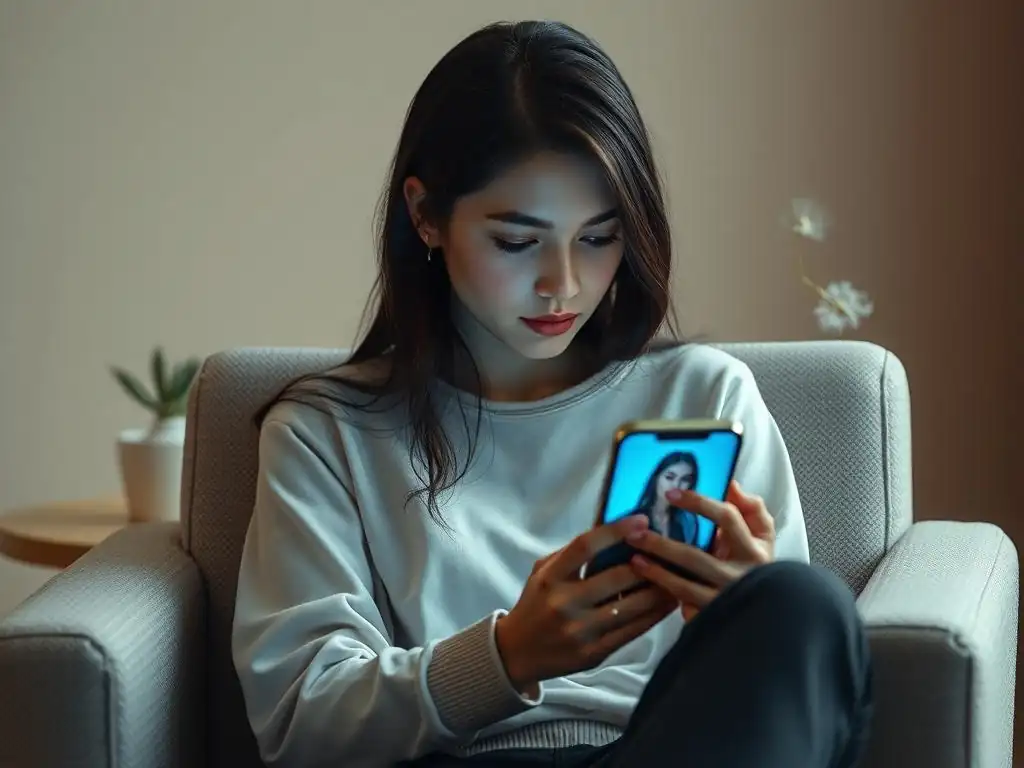
Instagram is arguably the platform most strongly associated with body image issues due to its heavily visual nature. It is built around sharing photos and videos, making appearance a central focus. The prevalence of influencers, models, and celebrities posting highly curated and often sponsored content sets incredibly high beauty standards.
Research has consistently linked high Instagram usage to increased body dissatisfaction, especially among young women. The platform's features, such as filters, editing tools, and the emphasis on likes and comments as validation, create a perfect storm for fostering appearance-based anxiety. The social media body dysmorphia impact is particularly pronounced here, as users are bombarded with images designed to look perfect, making their own reality seem inadequate.
TikTok: Trends, Challenges, and the Pressure to Conform
TikTok, known for its short-form video content, presents its own unique challenges related to body image. Trends and challenges often involve dancing, lip-syncing, or demonstrating physical feats, putting bodies on display. Viral beauty trends, often involving specific makeup looks, filters, or even suggesting cosmetic procedures, spread rapidly across the platform.
The pressure to participate in trends and gain views can lead users to adopt appearances or behaviors that conform to popular ideals, regardless of whether they are healthy or realistic for them. The use of body-altering filters is also rampant. This environment fosters a culture of conformity and comparison, contributing to the social media body dysmorphia impact by promoting fleeting, often unattainable beauty standards and pressuring users to fit in.
While less visually focused on individual appearance than Instagram or TikTok, Facebook still contributes to body image concerns through broader social comparison. Users share photos from events, vacations, and daily life, often presenting an idealized version of their overall lifestyle, which includes their appearance. Seeing friends and acquaintances seemingly living perfect lives with perfect bodies can trigger feelings of inadequacy.
Facebook also involves seeking social validation through likes, comments, and reactions. The emphasis on positive feedback can link self-worth to online approval, including approval of one's appearance. Furthermore, targeted advertising based on user data can expose individuals to weight loss products, cosmetic procedures, or beauty standards that exacerbate existing body image concerns. This platform's contribution to the social media body dysmorphia impact lies in its fostering of broader social comparison and the pursuit of general online validation.
Obsessive Thoughts About Perceived Flaws
One of the hallmark symptoms of body dysmorphia is experiencing persistent, intrusive, and obsessive thoughts about perceived flaws in one's appearance. These thoughts are unwanted and difficult to control, occupying a significant amount of mental energy. Social media can fuel these obsessions by constantly highlighting perceived imperfections through comparison or exposure to unrealistic ideals.
For example, someone might endlessly scroll through images of people with a specific feature they feel insecure about (e.g., nose shape, skin texture) and become fixated on their own perceived deficiency. The volume of images and the ease of comparison online can intensify these thoughts, making them more frequent and distressing. The social media body dysmorphia impact manifests as these platforms becoming triggers and amplifiers for obsessive thinking.
Excessive Grooming and Mirror Checking Behaviors
Individuals with body dysmorphia often engage in repetitive, time-consuming behaviors aimed at fixing, hiding, or checking their perceived flaws. These can include excessive grooming (e.g., styling hair for hours, applying excessive makeup), skin picking, or, very commonly, repetitive mirror checking. They might spend hours examining their reflection, seeking reassurance, or trying to find ways to conceal the perceived defect.
Social media can exacerbate these behaviors. For instance, the pressure to look perfect in selfies might lead to excessive time spent taking photos, applying filters, and editing images. The constant feedback loop of posting and checking for likes or comments can also become a compulsive behavior linked to appearance. The social media body dysmorphia impact is seen when these online pressures translate into real-world compulsive actions related to appearance.
Seeking Cosmetic Procedures to Achieve Unrealistic Beauty Standards
A significant symptom of body dysmorphia is the pursuit of cosmetic procedures (both surgical and non-surgical) to correct perceived flaws. However, because the distress is rooted in a distorted perception rather than an actual physical defect, these procedures rarely alleviate the distress and can even worsen it, leading to a cycle of repeated surgeries.
The rise of social media has been linked to an increase in people seeking cosmetic procedures based on filtered or edited images – sometimes referred to as "Snapchat dysmorphia." Patients bring in filtered selfies and ask surgeons to make them look like the altered image. This trend clearly illustrates a direct social media body dysmorphia impact, showing how unrealistic digital beauty standards are driving real-world medical interventions.
Body dysmorphia often leads to significant social anxiety and isolation. Individuals may avoid social situations altogether due to fear that others will notice their perceived flaws and judge them. They might struggle to maintain relationships or participate in activities they once enjoyed.
Social media can contribute to this by creating a fear of being seen "as they are" or of not measuring up to the online standards of friends and peers. The anxiety of posting photos or interacting online while feeling insecure about appearance can lead to withdrawal from both online and offline social circles. This avoidance and isolation is a critical part of the social media body dysmorphia impact on mental health.
Compulsive Use and the Cycle of Negative Comparison
There is a strong link between compulsive social media use, sometimes termed social media addiction, and body dysmorphia. Individuals preoccupied with their appearance may find themselves compulsively checking social media feeds, driven by a need to compare themselves to others, seek validation, or monitor how others present themselves. This compulsive behavior feeds the cycle of negative comparison.
The more time spent online engaging in these comparisons, the more opportunities there are to encounter images that trigger feelings of inadequacy or reinforce obsessive thoughts about perceived flaws. This creates a feedback loop: feeling bad about appearance leads to more social media use for comparison or validation, which in turn exacerbates negative feelings. This compulsive engagement is a key element of the social media body dysmorphia impact.
The Dopamine Effect: Seeking Validation and Approval Online
Social media platforms are designed to be addictive, utilizing features like likes, comments, and notifications that trigger dopamine release in the brain, creating a reward system. For individuals with body image concerns, receiving positive feedback on posts, particularly those focused on appearance, can provide a temporary sense of validation and a dopamine hit.
This desire for validation can drive compulsive posting and checking behavior. However, the validation is often fleeting and conditional, tied to external approval rather than internal self-worth. When posts don't receive the desired engagement, or when negative comments are received, it can reinforce feelings of inadequacy, pushing the individual back into the cycle of seeking more validation. This pursuit of external approval through the platform's reward system is a significant social media body dysmorphia impact mechanism.

One of the most effective strategies is to practice mindful social media consumption. This involves paying attention to how social media makes you feel while you're using it. Notice which accounts, types of content, or specific interactions trigger negative emotions, comparison, or obsessive thoughts about your appearance.
By becoming aware of these triggers, you can take steps to avoid or reduce exposure to them. This isn't about avoiding social media entirely, but about using it intentionally and consciously. Recognizing the specific ways social media contributes to your body image concerns is the first step in mitigating the social media body dysmorphia impact.
Curating Your Feed: Following Accounts That Promote Body Positivity and Self-Acceptance
Actively curating your social media feed can transform it from a source of anxiety into a source of inspiration and support. Unfollow accounts that promote unrealistic beauty standards, excessive consumerism related to appearance, or trigger negative self-comparison.
Seek out and follow accounts that promote body positivity, body neutrality, self-acceptance, and realistic depictions of diverse bodies. Fill your feed with content that makes you feel good about yourself and encourages a healthy relationship with your body. This proactive approach can significantly reduce the negative social media body dysmorphia impact.
Limiting Screen Time: Detoxing from the Constant Comparison
Reducing the amount of time spent on social media can be crucial for improving body image. The less time you spend scrolling through curated feeds and engaging in comparisons, the less exposure you have to potential triggers for body dissatisfaction.
Set specific time limits for social media use each day and stick to them. Consider taking regular "digital detoxes," stepping away from platforms for a day, a weekend, or longer. Use the time freed up to engage in activities that promote real-world connection, physical activity, or hobbies that build self-esteem based on skills and achievements rather than appearance. Limiting screen time directly reduces the opportunity for the social media body dysmorphia impact to take hold.
Practicing Self-Compassion: Recognizing Your Worth Beyond Physical Appearance
Cultivating self-compassion is vital in counteracting the negative messages absorbed from social media. Self-compassion involves treating yourself with the same kindness, understanding, and acceptance you would offer a friend who is struggling. Recognize that it's normal to have insecurities, and that your worth is not determined by your physical appearance or how you compare to others online.
Challenge negative self-talk and replace it with compassionate self-statements. Remind yourself that the images you see online are often not real and do not reflect the full complexity and value of a person. Focusing on your strengths, values, and achievements outside of appearance helps build a more resilient sense of self, lessening the social media body dysmorphia impact.
Cognitive Behavioral Therapy (CBT) for Body Image Issues
Cognitive Behavioral Therapy (CBT) is a highly effective form of psychotherapy for treating Body Dysmorphic Disorder. CBT helps individuals identify and challenge the distorted thoughts and beliefs they have about their appearance. A therapist works with the individual to understand the connection between their thoughts, feelings, and behaviors related to their body image.
Through techniques like exposure and response prevention (ERP), individuals gradually confront situations they avoid due to body image fears (e.g., being seen without makeup) and learn to resist engaging in compulsive behaviors (e.g., mirror checking). CBT provides practical tools to manage distress and develop healthier coping mechanisms, directly addressing the core issues behind the social media body dysmorphia impact.
Given the strong link between social media use and body dysmorphia, addressing compulsive social media habits is often an important part of treatment. Therapy can help individuals understand why they use social media compulsively and develop strategies for reducing problematic usage.
Therapists can help individuals identify triggers for excessive use, develop healthier online habits, and find alternative ways to cope with stress, seek connection, and build self-esteem that don't rely on online validation. Addressing both the body image issues and the problematic social media use provides a comprehensive approach to mitigating the social media body dysmorphia impact.
Support Groups and Online Resources for Body Dysmorphia
Joining a support group can be incredibly beneficial for individuals struggling with body dysmorphia and the social media body dysmorphia impact. Connecting with others who share similar experiences can reduce feelings of isolation, provide validation, and offer practical advice and coping strategies.
Many organizations dedicated to mental health and body image offer online resources, forums, and support groups. These resources can provide valuable information, coping tools, and a sense of community. While using online resources, it's important to choose reputable sources and be mindful of content that might inadvertently trigger negative comparisons.
Parents and educators play a crucial role in helping young people navigate the complex relationship between social media and body image. Fostering open and non-judgmental communication is key. Create a safe space where children and teens feel comfortable discussing their feelings about their appearance, what they see online, and any pressures they feel.
Initiate conversations about body image early and often. Ask questions about their social media use: what accounts they follow, how certain posts make them feel, and whether they feel pressure to look or act a certain way online. Listening actively and validating their feelings can help them process the social media body dysmorphia impact they might be experiencing.
Educating Children and Teens About Media Literacy and Critical Thinking
Teaching media literacy is essential in the digital age. Help young people understand that social media content is often curated, edited, and not a true reflection of reality. Explain how filters and editing tools work to alter appearances and create illusions.
Encourage critical thinking about the messages they receive online regarding beauty standards, success, and happiness. Discuss who is creating the content, why they are creating it, and what biases might be present. Empowering them to deconstruct online messages helps them build resilience against the negative social media body dysmorphia impact.
Promoting Healthy Body Image and Self-Esteem
Beyond critiquing social media, focus on building a strong foundation of healthy body image and self-esteem in young people. Emphasize that appearance is just one small part of who they are and that their worth is based on their character, kindness, talents, and contributions.
Encourage engagement in activities that build confidence and competence outside of appearance, such as sports, hobbies, academics, or volunteering. Model healthy attitudes towards your own body and social media use. By fostering a strong sense of self-worth independent of online validation, you can significantly reduce the vulnerability to the social media body dysmorphia impact.
Emphasizing Self-Acceptance and Body Positivity
Navigating the digital landscape while maintaining a healthy body image is an ongoing process. At its core, fostering a healthy relationship with both social media and your body requires a commitment to self-acceptance and, ideally, body positivity. This means consciously choosing to value yourself as you are, recognizing that true worth is not tied to fitting narrow, often digitally constructed, beauty standards.
Embracing self-acceptance involves acknowledging and appreciating your unique qualities, both internal and external. Body positivity, while sometimes debated in its modern form, fundamentally encourages celebrating the diversity of human bodies and rejecting the notion that only certain body types are valuable or beautiful. Cultivating these attitudes serves as a powerful shield against the pervasive social media body dysmorphia impact.
Promoting a More Realistic and Inclusive Online Environment
While individual strategies are crucial, addressing the social media body dysmorphia impact also requires collective effort to promote a more realistic and inclusive online environment. This involves advocating for platform changes, supporting content creators who promote authenticity and diversity, and actively contributing to positive online communities.
As individuals, we can choose to share more realistic depictions of ourselves (when comfortable), celebrate diversity in the content we engage with, and call out harmful trends or behaviors when we see them. By collectively shifting the online culture towards greater authenticity, empathy, and acceptance, we can help mitigate the negative effects of social media on body image for ourselves and future generations.
Frequently Asked Questions
Body dysmorphia is a mental health condition where someone is preoccupied with perceived flaws in their appearance. Social media can exacerbate this by presenting unrealistic beauty standards and promoting constant comparison.
Social media often showcases highly curated and filtered images, leading individuals to compare themselves to an unattainable ideal. This constant exposure can fuel feelings of self-doubt and dissatisfaction with one's own body.
Signs include excessive time spent worrying about appearance, constant checking in mirrors, seeking reassurance about looks, and altering photos excessively before posting. Increased anxiety related to social media engagement is also a key indicator.
Platforms heavily focused on visual content, like Instagram and TikTok, are often cited as contributing factors. The emphasis on aesthetics and the prevalence of editing filters can heighten body image concerns.
Strategies include limiting social media use, unfollowing accounts that promote unrealistic ideals, focusing on self-acceptance, and seeking professional help if body image concerns are causing significant distress. Remember to prioritize your mental well-being.
The curated perfection we see on social media is a mirage, and its impact on body image, particularly fueling body dysmorphia, is a pervasive and urgent crisis. The seemingly effortless beauty and idealized physiques presented online are not only unrealistic but actively contribute to a growing mental health epidemic, affecting millions worldwide. This carefully constructed illusion has real-world consequences, leading to increased anxiety, depression, and disordered eating.
The insidious nature of this influence lies in its constant presence; a subtle yet powerful drip-feed of unrealistic expectations that slowly erode self-esteem and body confidence. The constant comparison, the relentless pursuit of unattainable ideals, and the pressure to conform to narrow beauty standards are all amplified by the algorithms designed to keep us scrolling. We don't see ourselves as we are, but as we are seen, or as we believe we are seen.
This quote perfectly encapsulates the distorted self-perception fostered by the curated realities of social media, leading many down a path of self-doubt and body dysmorphia.
Now, consider your own relationship with social media. How does the content you consume impact your self-perception? Are you consciously choosing to follow accounts that promote body positivity and self-acceptance? This isn't about abandoning social media entirely, but about cultivating a mindful and critical approach.
Take control of your feed, challenge unrealistic beauty standards, and actively seek out content that promotes self-love and body neutrality. Remember, your worth is not defined by your appearance, and true beauty lies in embracing your unique and authentic self. Let's work together to create a more positive and supportive online environment, one where self-acceptance thrives and body dysmorphia is understood and addressed.
Unlock Your Confidence: Take Control of Your Online Wellbeing
Thanks for taking the time to explore the complex relationship between social media and body dysmorphia. We hope this article provided valuable insights and helped you understand the challenges involved. Now it's time to move forward!
Here are a few ways you can actively cultivate a healthier online experience:
- Prioritize mindful social media use: Set realistic time limits for scrolling and actively choose accounts that uplift and inspire you, rather than triggering negative self-comparisons. This is your primary step towards a more positive online relationship with your body image.
- Share this article: Spread awareness by sharing this article with friends, family, or online communities who might benefit from understanding this important connection. Let's create a supportive network for better mental health!
- Engage in self-compassion practices: Explore journaling, meditation, or other self-care activities that promote self-acceptance and boost your self-esteem.
What steps will you take today to foster a healthier relationship with social media and your body image?