
The Subtle Ways Social Media Affects Your Mood


Welcome to Mind Care Guide.
Are you finding yourself scrolling endlessly, only to feel more anxious or down afterwards? It's a feeling many of us know. In today's digital age, understanding the subtle ways social media impacts your mood is crucial for maintaining mental well-being. Join us as we delve into the often-overlooked connections between your online life and your emotional state, and discover practical strategies to navigate the digital landscape with greater awareness and resilience. Let's explore together!
- Introduction: Understanding the Social Media Mood Impact
- The Psychology Behind Social Media's Emotional Effects
- Specific Ways Social Media Impacts Emotional Well-being
- Positive Aspects of Social Media and Mood
- Strategies to Mitigate the Negative Social Media Mood Impact
- Conclusion: Reclaiming Control Over Your Mood in the Digital Age
-
Frequently Asked Questions
- How does social media affect my mood in the short term?
- What are some signs that social media is negatively impacting my mental well-being?
- Can social media actually contribute to long-term mental health issues?
- What are some practical steps I can take to mitigate the negative effects of social media on my mood?
- Are there any benefits to using social media for mental well-being?
- Final Reflection: Unplugging to Reconnect: The Lasting Impact of Social Media on Our Moods
- Unlock Your Mood's Potential: Take Control Now!
Social media has woven itself deeply into the fabric of modern life, becoming an almost inescapable part of our daily routines. From the moment many of us wake up, the first impulse is often to check notifications, scroll through feeds, and see what's happened while we were offline. This constant connectivity isn't limited to personal time; it spills into work, education, and even social gatherings, fundamentally altering how we communicate, consume information, and perceive the world around us.
The sheer volume of time spent on these platforms is staggering; reports often indicate users spend, on average, several hours daily engaging with social media content. This level of integration means that the social media mood impact is not a fringe issue but a significant factor in overall psychological well-being.
This pervasive presence means that the influences of social media are subtle yet constant. It's not just about direct interactions; it's the background hum of comparison, the curated realities presented by others, and the algorithmic feeds designed to keep us engaged for as long as possible. This environment, while offering connections and information, also creates a unique set of pressures and stimuli that can significantly affect our emotional states. Understanding this widespread influence is the first step in recognizing the potential social media mood impact on individuals across different demographics and life stages.
When we talk about the social media mood impact, we're referring to the temporary emotional states or feelings that arise directly or indirectly from interacting with social media platforms. Mood is a broader, less intense emotional state than a specific emotion like joy or anger, and it can last for hours or even days.
In the context of social media, this might manifest as feeling slightly irritable after seeing certain posts, experiencing a lingering sense of inadequacy after comparing oneself to others online, or feeling a temporary uplift from receiving likes and positive comments. It's the shift in our general emotional disposition that occurs as a consequence of our online activities.
This definition encompasses a wide range of experiences, from subtle shifts in outlook to more pronounced feelings of stress, anxiety, or sadness. It includes the immediate reaction to specific content – a funny meme might boost spirits, while a distressing news story or a friend's seemingly perfect vacation photos could dampen them. Crucially, it also includes the cumulative effect of prolonged exposure and interaction, which can shape a person's baseline mood over time. Recognizing these shifts is key to understanding the complex social media mood impact and its implications for mental health.
Grasping the nuances of how social media affects our mood is not merely an academic exercise; it is vital for safeguarding our mental well-being in the digital age. Given the significant amount of time spent online and the deep integration of social media into our lives, ignoring its emotional consequences would be detrimental. Just as we pay attention to the impact of diet and exercise on our physical health, we must also be mindful of the digital inputs that shape our psychological state.
Awareness is the first step towards developing healthier online habits and mitigating potential negative effects. Without this understanding, individuals may experience negative mood shifts, increased stress, or feelings of isolation without fully realizing the role their social media use plays.
Furthermore, understanding the social media mood impact empowers individuals to make conscious choices about their online behavior. It enables them to identify triggers, recognize unhealthy patterns, and implement strategies to create a more positive and supportive online environment for themselves.
This knowledge is particularly important for vulnerable populations, such as adolescents and young adults, who are heavy users of social media and are still developing their sense of self and emotional regulation skills. By highlighting the potential effects, both positive and negative, we can encourage a more balanced and mindful approach to digital engagement, ultimately fostering greater resilience and promoting better mental health outcomes.
Social Comparison Theory, first proposed by psychologist Leon Festinger in the 1950s, posits that individuals evaluate their own abilities, opinions, and emotions by comparing themselves to others. While this is a natural human tendency, social media platforms amplify it dramatically by providing an endless stream of potentially upward comparisons – viewing others who appear to be doing better, having more, or living more exciting lives.
Users are constantly exposed to curated highlight reels of friends, acquaintances, and even strangers, showcasing achievements, perfect appearances, extravagant vacations, and seemingly effortless happiness. This constant exposure to idealized realities makes it easy for individuals to feel inadequate, unsuccessful, or less attractive by comparison, directly contributing to a negative social media mood impact.
The nature of social media exacerbates this effect because the comparisons are often based on incomplete or artificial information. People tend to present their best selves online, carefully selecting photos and crafting posts that highlight positive experiences while omitting struggles, mundane moments, or imperfections. This creates a distorted picture of reality, where everyone else seems to have it all together.
For example, studies have shown that spending time viewing idealized images on platforms like Instagram can lead to decreased body image satisfaction in young women. This relentless stream of seemingly perfect lives fosters a breeding ground for feelings of envy, jealousy, and a pervasive sense of not being "good enough," significantly impacting mood and self-esteem.
The dopamine loop: Seeking validation and instant gratification
Social media platforms are expertly designed to tap into the brain's reward system, particularly the release of dopamine. When a user receives a like, a comment, a share, or a new follower, it triggers a small release of dopamine, a neurotransmitter associated with pleasure, motivation, and reward. This creates a positive feedback loop: post something -> get likes/comments -> feel good -> want more likes/comments -> post again.
This intermittent reinforcement – the unpredictable timing and quantity of rewards – is particularly effective at driving compulsive behavior, similar to how slot machines keep players engaged. This constant seeking of external validation becomes a powerful driver of social media use, often leading to checking behavior that is habitual rather than intentional.
This pursuit of validation can have a significant social media mood impact. Relying on external metrics like likes and comments for self-worth can make individuals' moods highly dependent on their online interactions. A post that receives many likes might lead to a temporary mood boost, while one that receives few can result in feelings of disappointment, rejection, and anxiety.
This creates emotional volatility, as mood fluctuates based on the performance of online content. The constant craving for this digital "hit" can also lead to excessive screen time, displacing healthier activities and contributing to feelings of emptiness or dissatisfaction when offline, further illustrating the complex social media mood impact.
Fear of Missing Out (FOMO): Anxiety and the constant need to be connected
Fear of Missing Out, or FOMO, is a pervasive anxiety that others might be having rewarding experiences from which one is absent. Social media platforms are prime catalysts for FOMO. By constantly displaying what friends, acquaintances, and even strangers are doing – attending events, traveling, socializing, or achieving milestones – social media creates an environment where users are perpetually confronted with the possibility that they are missing out on something better.
This can manifest as a nagging feeling of discontent, restlessness, and a compulsive need to check feeds to stay updated, lest they miss a crucial piece of information or a social opportunity. This constant vigilance and anxiety are significant contributors to the negative social media mood impact.
FOMO drives excessive social media use, as individuals feel compelled to stay connected and informed to alleviate the anxiety of being left out. This can lead to checking social media late at night, during meals, or in the middle of conversations, disrupting sleep, real-life interactions, and focus.
The more one sees others enjoying seemingly fulfilling experiences, the stronger the feeling of FOMO becomes, creating a vicious cycle. This persistent anxiety and the pressure to keep up can lead to increased stress levels and a diminished capacity to enjoy one's own present experiences, highlighting a significant aspect of the social media mood impact.
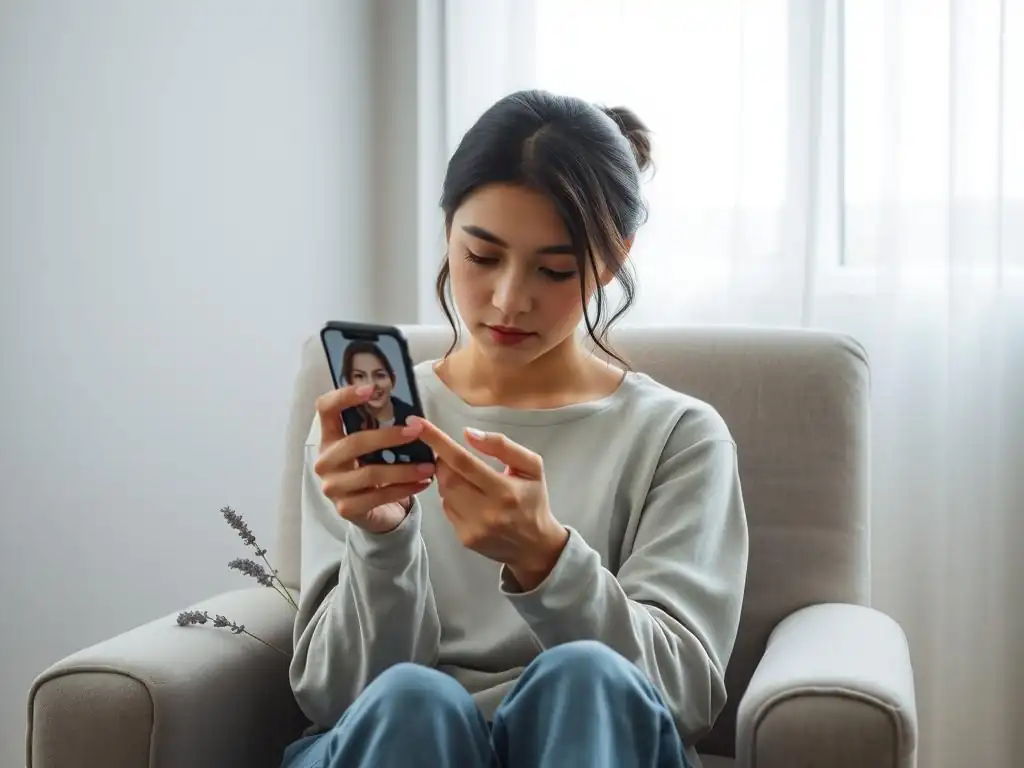
Excessive or unmindful social media use is frequently linked to elevated levels of anxiety and stress. The constant stream of information, notifications, and the pressure to engage can create a feeling of being perpetually "on call." Furthermore, exposure to distressing news headlines, online conflicts, or even the sheer volume of content can contribute to a sense of overwhelm and unease.
For instance, a survey conducted by the Royal Society for Public Health in the UK found that Instagram was perceived to have the most negative impact on young people's mental health, particularly concerning anxiety and sleep. This pervasive digital environment, while offering connection, also harbors numerous potential stressors that contribute to a negative social media mood impact.
The anxiety isn't solely derived from consuming content; the pressure to create content also plays a significant role. Many users feel compelled to present an idealized version of their lives, leading to stress around crafting the perfect post, choosing the right filters, and managing their online image. This performance aspect adds another layer of pressure to daily life.
The relentless cycle of checking for updates and responses, fueled by the fear of missing out or the desire for validation, keeps the mind in a state of heightened alert, making it difficult to relax and contributing to chronic stress. Understanding these specific mechanisms is crucial for addressing the social media mood impact effectively.
The pressure to maintain a perfect online persona
On social media, there's an unspoken expectation, often self-imposed, to curate and present an idealized version of oneself. This involves carefully selecting photos, highlighting achievements, and often downplaying or omitting struggles and imperfections. Maintaining this polished persona requires significant effort and can be emotionally draining. Users may feel pressured to appear constantly happy, successful, and popular, leading to feelings of inauthenticity and the fear of not living up to the image they project. This pressure is particularly acute for influencers or individuals whose work is tied to their online presence, but it affects everyday users as well.
The stress associated with maintaining this facade can lead to anxiety about being "found out" or not being able to keep up appearances. It can also make it difficult to connect with others on a genuine level, as interactions are based on curated versions of reality rather than authentic selves. This constant performance contributes significantly to stress and can lead to a disconnect between one's real life and their online representation, impacting self-perception and overall social media mood impact.
The impact of constant notifications and alerts on stress
Social media platforms are designed to capture and hold attention, often through persistent notifications and alerts. Likes, comments, messages, mentions, and news updates constantly ping on our devices throughout the day and night. While intended to keep users engaged, this barrage of alerts can keep the brain in a state of hyper-vigilance, anticipating the next notification. This constant interruption disrupts focus, fragments attention, and prevents the mind from truly resting, contributing to feelings of stress and overwhelm. The mere presence of a smartphone with potential notifications nearby can be enough to increase anxiety levels.
Research has shown that frequent interruptions, such as those caused by notifications, can impair cognitive function and increase stress hormone levels. The expectation of receiving alerts, even when not actively using the app, can maintain a background level of tension. This constant state of readiness makes it difficult to fully disconnect and relax, significantly contributing to the negative social media mood impact by keeping stress levels elevated throughout the day.
Cyberbullying and online harassment: A significant source of anxiety
One of the most direct and damaging ways social media impacts mental health is through cyberbullying and online harassment. Unlike traditional bullying, cyberbullying can be relentless, reaching victims at any time and in any place through their devices. It can involve spreading rumors, posting embarrassing photos or videos, sending threatening messages, or excluding individuals from online groups. The anonymity or perceived distance of online interactions can sometimes embolden perpetrators to be more aggressive or cruel than they might be in face-to-face interactions.
The effects of cyberbullying on victims can be devastating, leading to severe anxiety, depression, isolation, and even suicidal thoughts. The public nature of some online harassment means that humiliating content can be seen by a wide audience, amplifying the victim's distress. Reports indicate that a significant percentage of young people have experienced cyberbullying, highlighting it as a major threat to emotional well-being in the digital space. The fear of being targeted or witnessing harassment can itself contribute to anxiety related to social media use, underscoring its profound negative social media mood impact.
Numerous studies have explored the correlation between excessive social media use and symptoms of depression and low self-esteem. While the relationship is complex and not simply cause-and-effect, there is growing evidence suggesting that certain patterns of social media engagement can exacerbate or contribute to depressive feelings. Passive consumption of content, where users scroll through feeds without actively interacting, has been particularly linked to decreased well-being and increased depressive symptoms, possibly because it heightens feelings of social comparison and inadequacy without providing genuine connection. This passive scrolling allows the negative social media mood impact to take hold subtly over time.
The constant exposure to idealized, often unattainable, lifestyles and appearances can chip away at a person's self-worth. Seeing others present seemingly perfect lives can lead individuals to feel their own life is lacking, contributing to feelings of sadness, hopelessness, and worthlessness – key symptoms of depression. Furthermore, the emphasis on external validation through likes and comments can make individuals' self-esteem contingent on online approval, leading to fragility and vulnerability to negative feedback or lack of engagement. This reliance on external metrics for internal validation is a significant driver of the negative social media mood impact on self-esteem.
The correlation between excessive social media use and depressive symptoms
Research consistently shows a correlation between higher levels of social media usage and increased prevalence of depressive symptoms, particularly among adolescents and young adults. While correlation doesn't equal causation, studies utilizing longitudinal designs suggest that increased social media use can predict future depressive symptoms in some individuals.
For example, one study found that using multiple social media platforms was associated with higher levels of depression and anxiety among young adults. This link is thought to be mediated by factors such as social comparison, cyberbullying, reduced face-to-face interaction, and disrupted sleep patterns – all contributors to a negative social media mood impact.
It's important to note that the relationship is likely bidirectional; individuals experiencing depression may also turn to social media as a form of withdrawal or seeking connection, potentially creating a feedback loop. However, the mechanisms described, such as constant exposure to idealized lives and the pressure for online validation, strongly suggest that excessive use can actively contribute to or worsen depressive feelings for many users. Recognizing this correlation is a critical step in addressing the social media mood impact on mental health.
The effects of curated content on self-perception and body image
Social media platforms are flooded with highly curated content, especially images and videos, that often present unrealistic standards of beauty, lifestyle, and success. Photos are frequently filtered, edited, and posed to present an idealized version of reality. Exposure to this constant stream of perfection can significantly distort self-perception and negatively impact body image. Individuals may compare their natural appearance and everyday life to these polished online presentations, leading to feelings of dissatisfaction with their own bodies, homes, and lives.
This comparison can be particularly damaging for individuals already struggling with body image issues or low self-esteem. It can fuel negative self-talk and contribute to body dissatisfaction, disordered eating patterns, and cosmetic surgery seeking. The pressure to conform to these unrealistic standards, often perpetuated by influencers and celebrities, creates an environment where genuine self-acceptance is challenging. This constant exposure to curated perfection is a major factor in the negative social media mood impact on self-esteem and body image.
Loneliness and isolation despite being "connected" online
Paradoxically, despite being designed for connection, excessive social media use can lead to increased feelings of loneliness and social isolation. Spending hours scrolling through feeds can displace real-life interactions with family and friends. While online interactions can provide some level of connection, they often lack the depth, nuance, and emotional richness of face-to-face relationships. Seeing others' seemingly active social lives online can also make individuals feel more acutely aware of their own lack of in-person social engagement, exacerbating feelings of loneliness.
Furthermore, the focus on presenting an idealized self online can prevent individuals from sharing their true feelings and vulnerabilities, hindering the formation of deep, meaningful connections. The superficial nature of many online interactions can leave individuals feeling disconnected and misunderstood, even while having hundreds or thousands of online "friends" or followers. This gap between perceived online connection and actual emotional connection contributes significantly to the negative social media mood impact, leading to feelings of isolation despite constant digital contact.
Sleep is fundamental to mental and emotional well-being. Social media use, particularly before bedtime, can significantly disrupt sleep patterns, which in turn negatively impacts mood. The temptation to scroll "just a little longer" can lead to later bedtimes and insufficient sleep duration. Furthermore, the content consumed online, whether it's engaging, exciting, or even distressing, can stimulate the mind and make it harder to fall asleep. This disruption of the natural sleep cycle is a significant factor in the negative social media mood impact.
Poor sleep is strongly linked to various mood disturbances, including irritability, anxiety, and depressive symptoms. A single night of poor sleep can make a person feel more stressed and less able to cope with challenges the next day. Chronic sleep deprivation, often exacerbated by late-night social media use, can have more profound and lasting effects on emotional regulation and overall mental health. Understanding this connection is crucial for recognizing the full scope of the social media mood impact.
Blue light exposure and its impact on sleep quality
Electronic devices, including smartphones and tablets used for social media, emit blue light. Exposure to blue light, especially in the evening, can interfere with the body's production of melatonin, a hormone that signals to the brain that it's time to sleep. By suppressing melatonin release, blue light makes it harder to fall asleep and can disrupt the natural sleep-wake cycle (circadian rhythm). This means that scrolling through social media in bed can actively work against your body's natural preparation for sleep.
Even short periods of exposure to blue light before bed can have a noticeable effect on sleep onset and quality. Many experts recommend avoiding screens for at least an hour before bedtime to allow the body to naturally prepare for sleep. Ignoring this can lead to fragmented sleep, reduced deep sleep, and overall insufficient rest, contributing to the negative social media mood impact through sleep deprivation.
The association between poor sleep and mood disturbances
The link between poor sleep and mood disturbances is well-established in psychological and medical research. Sleep deprivation can significantly impair emotional regulation, making individuals more prone to irritability, mood swings, and heightened reactivity to stress. Chronic lack of sleep is also a known risk factor for developing depression and anxiety disorders. For example, studies have shown that individuals with insomnia are significantly more likely to experience depression and anxiety.
When the body and mind do not get adequate rest, the ability to cope with daily challenges is diminished. Minor frustrations can feel overwhelming, and positive emotions may be harder to access. Since social media often contributes to poor sleep through late-night use and blue light exposure, it indirectly but powerfully contributes to a negative social media mood impact by disrupting this essential biological process necessary for emotional stability.
Setting boundaries for social media use before bedtime
Recognizing the detrimental effect of screens on sleep, setting clear boundaries for social media use before bedtime is a practical and effective strategy to improve both sleep and mood. This might involve establishing a "digital curfew," such as putting away all electronic devices an hour or two before planning to sleep. Charging devices outside the bedroom can also reduce the temptation for late-night scrolling.
Replacing social media use with relaxing activities like reading a physical book, listening to calm music, or practicing mindfulness can help the mind wind down and prepare for rest. Implementing these boundaries helps protect sleep quality, which in turn supports better emotional regulation and reduces the negative social media mood impact associated with sleep deprivation. Making a conscious effort to disconnect digitally before sleeping is a powerful step towards reclaiming control over your rest and mood.
While not yet formally recognized as a clinical disorder in the DSM-5, problematic or addictive social media use is a growing concern with significant implications for emotional stability. It shares characteristics with other behavioral addictions, involving compulsive engagement despite negative consequences, withdrawal symptoms when unable to access platforms, and a preoccupation with social media. This addictive pattern can lead to significant disruptions in daily life, relationships, and overall mental health, contributing to a volatile and negative social media mood impact.
Individuals struggling with social media addiction may experience intense mood swings depending on their ability to access platforms or the nature of their online interactions. They might feel anxious or irritable when disconnected and experience a temporary high when deeply engaged online, only to feel empty or depressed afterward. This cycle of craving, engagement, and subsequent negative feelings creates significant emotional instability and makes it difficult to maintain a balanced mood, highlighting a severe aspect of the social media mood impact.
Recognizing the signs of social media addiction
Identifying problematic social media use is crucial for addressing its impact on mood. Signs of potential social media addiction include:
- Spending excessive amounts of time on social media, often more than intended.
- Feeling restless, anxious, or irritable when unable to access social media.
- Neglecting responsibilities (work, school, chores) in favor of social media.
- Prioritizing social media over real-life social interactions.
- Experiencing a persistent urge to check notifications or feeds.
- Using social media to escape from negative feelings or problems.
- Attempting to cut back on social media use but being unsuccessful.
- Feeling the need to use social media increasingly to achieve the same level of satisfaction.
Recognizing these signs is the first step in understanding if social media use has crossed the line from casual habit to potential addiction, and thus significantly contributing to a negative social media mood impact.
The connection between addiction and mood swings
Addiction, whether to substances or behaviors like social media use, fundamentally disrupts emotional regulation and is strongly linked to mood swings. The intense highs experienced during compulsive engagement are often followed by lows when the activity stops or when negative consequences arise. For social media addiction, this can mean a temporary lift from receiving likes or engaging in online drama, followed by feelings of emptiness, guilt, or anxiety after prolonged use or negative online experiences.
This creates a pattern of emotional instability, where mood fluctuates wildly depending on online interactions and access. Individuals may find it difficult to maintain a stable baseline mood, constantly seeking the next online 'hit' to feel better, only for the effect to be temporary. This cycle of seeking and subsequent letdown is a core feature of addiction and significantly contributes to the negative social media mood impact by undermining emotional resilience.
Seeking help for social media addiction
If you recognize signs of problematic or addictive social media use and feel it is negatively impacting your emotional stability and overall life, seeking professional help is an important step. Therapists specializing in addiction or behavioral issues can provide strategies and support to manage compulsive social media use. Cognitive Behavioral Therapy (CBT) or other forms of counseling can help individuals understand the underlying reasons for their excessive use and develop healthier coping mechanisms.
Support groups or online resources can also offer valuable peer support and shared strategies. Recognizing the need for help and taking action is a sign of strength and is crucial for regaining control over your digital habits and mitigating the severe social media mood impact associated with addiction. Professional guidance can provide the tools needed to build a healthier relationship with technology and foster greater emotional well-being.
While the focus is often on the negative social media mood impact, it's important to acknowledge that social media isn't inherently bad and can have positive effects on mood and well-being when used mindfully. These platforms can serve as valuable tools for connection, support, information, and self-expression, all of which can contribute to positive emotional states. Understanding these benefits provides a more balanced perspective on the complex relationship between social media and mood.
For many, social media offers a space to connect with like-minded individuals, share experiences, and access information that might otherwise be difficult to find. It can be a source of inspiration, entertainment, and even education. Recognizing and leveraging these positive aspects is key to maximizing the benefits of social media while minimizing its potential downsides, leading to a more positive overall social media mood impact.
One of the most significant positive aspects of social media is its potential to facilitate social support and community building. For individuals with niche interests, rare conditions, or those who feel isolated in their local communities, online platforms can provide a lifeline to connect with others who share similar experiences. Support groups for mental health conditions, chronic illnesses, or specific life challenges allow individuals to share their struggles, receive empathy, and feel understood. This sense of belonging and validation can be incredibly powerful for improving mood and reducing feelings of loneliness.
Social media also allows people to stay connected with friends and family, especially those who live far away. Sharing updates, photos, and messages can help maintain relationships and provide a sense of closeness. During challenging times, online communities can offer a readily available source of encouragement and practical advice. This ability to connect and receive support highlights a crucial positive social media mood impact.
Access to information and resources for mental health
Social media platforms have become significant channels for disseminating information and resources, including those related to mental health. Many mental health organizations, therapists, and advocates use social media to share educational content, coping strategies, inspirational messages, and information about support services. This makes mental health information more accessible to a wider audience, helping to destigmatize conditions and encourage help-seeking behavior.
Users can find accounts dedicated to promoting positive mental health, sharing mindfulness techniques, or offering tips for managing stress and anxiety. While it's important to be critical of the source and accuracy of online information, social media can serve as a valuable starting point for individuals seeking to learn more about mental well-being and find relevant resources. This increased access to information can empower individuals and contribute positively to their social media mood impact by providing tools for self-care.
Opportunities for self-expression and creativity
Social media offers diverse platforms for self-expression and creativity. Users can share their thoughts, feelings, art, music, photography, writing, and other creative endeavors with a potential global audience. This ability to express oneself and receive feedback can be validating and empowering, boosting self-esteem and mood. For individuals who may be shy or have limited opportunities for creative expression in their offline lives, social media can provide a crucial outlet.
Sharing personal experiences can also help individuals process emotions and connect with others who have gone through similar situations. Platforms like blogs, vlogs, and artistic profiles allow users to build a portfolio of their work and connect with other creatives. This opportunity for self-expression and the potential for positive feedback contribute significantly to a positive social media mood impact, fostering a sense of identity and accomplishment.

Given the potential for social media to negatively affect mood, it's essential to develop proactive strategies to manage our relationship with these platforms. Simply being aware of the risks is not enough; taking concrete steps to change how we use social media can significantly reduce its negative social media mood impact and promote healthier emotional well-being. These strategies focus on setting boundaries, curating content, practicing mindful use, and prioritizing real-life connections.
Implementing these strategies requires intentional effort and consistency. It's about shifting from passive, reactive social media consumption to active, conscious engagement. By taking control of our social media habits, we can minimize exposure to negative influences and maximize the potential for positive interactions, thereby improving our overall social media mood impact.
One of the most effective ways to mitigate the negative social media mood impact is to consciously limit the amount of time spent on these platforms. Excessive time online often correlates with increased feelings of anxiety, depression, and social comparison. Setting clear, non-negotiable time limits helps prevent endless scrolling and ensures that social media doesn't consume disproportionate amounts of time that could be spent on other mood-boosting activities like exercise, hobbies, or in-person social interaction. For example, if you currently spend 3 hours a day, aim to reduce it to 1-1.5 hours.
Implementing time limits requires discipline, but the benefits for mood and productivity can be significant. It helps break the compulsive checking habit and reduces exposure to potentially triggering content. By consciously deciding how much time you will allocate to social media each day, you regain control over your schedule and minimize the potential for negative emotional consequences associated with excessive use, thus improving your social media mood impact.
Utilizing built-in app timers and website blockers
Many smartphones and social media apps now offer built-in tools to help users monitor and limit their usage. Features like screen time reports and app timers allow you to see exactly how much time you are spending on each app and set daily limits. Once the limit is reached, the app may become unavailable until the next day, requiring a conscious decision to override the restriction.
For desktop use, browser extensions and dedicated software can block access to specific websites after a set amount of time or during designated periods. These tools act as external supports, making it easier to stick to your intended limits and resist the urge to endlessly scroll. Utilizing these technological aids is a practical step in managing your social media habits and reducing their negative social media mood impact.
Establishing "digital detox" periods
Beyond daily limits, scheduling regular "digital detox" periods can be highly beneficial for mental well-being. This could involve taking a break from social media for a few hours each day (e.g., no social media after dinner), dedicating entire weekends to being offline, or even taking longer breaks of several days or weeks. These periods allow the mind to rest from the constant stimulation and comparison inherent in social media.
During a digital detox, you can focus on activities that are known to boost mood and reduce stress, such as spending time in nature, exercising, reading, or engaging in creative pursuits. Experiencing life without the constant pressure to document or consume online content can be liberating and help reset your relationship with technology. Implementing regular detox periods is a powerful strategy to counteract the chronic social media mood impact and improve overall emotional health.
Curating Your Feed: Unfollowing Accounts that Trigger Negative Emotions
The content you consume on social media has a direct impact on your mood. If your feed is filled with accounts that make you feel inadequate, anxious, or angry, it will inevitably contribute to a negative social media mood impact. A proactive strategy is to curate your feed by unfollowing or muting accounts that consistently trigger negative emotions. This includes accounts that promote unrealistic standards, spread negativity, or make you feel envious or less-than.
Take time to scroll through your following list and honestly assess how each account makes you feel. If an account consistently leaves you feeling worse about yourself or the world, it's time to unfollow. This isn't about avoiding reality entirely, but about protecting your mental space from unnecessary negativity and comparison. By intentionally shaping the content you see, you create a more positive and supportive online environment, significantly improving your social media mood impact.
Identifying toxic accounts and content
Toxic accounts and content come in many forms. They might be individuals who constantly brag or present an unrealistically perfect life, news sources that primarily share sensational or distressing content, or accounts that promote hate speech, body shaming, or harmful ideologies. Recognizing these patterns is the first step. Pay attention to how you feel emotionally after engaging with certain accounts or types of content. Do you feel drained, anxious, angry, or sad?
Identifying toxic elements involves being self-aware of your emotional responses. If seeing posts from a particular friend always leaves you feeling jealous, or if following a certain celebrity makes you feel bad about your own body, these are indicators of content that may be toxic for your mental health. Actively identifying these triggers is crucial for effective feed curation and reducing their negative social media mood impact.
Following accounts that promote positivity and well-being
Conversely, actively seek out and follow accounts that promote positivity, inspiration, education, and genuine connection. This could include accounts focused on mental health tips, mindfulness practices, inspirational quotes, humor, nature, art, or communities centered around your hobbies and interests. Fill your feed with content that uplifts, informs, and makes you feel good about yourself and the world.
Following accounts that share relatable experiences, promote self-compassion, or offer practical advice for improving well-being can counteract the negative effects of idealized content. By intentionally surrounding yourself with positive influences online, you can transform your social media experience from a source of stress and comparison into a tool for learning, inspiration, and connection, thereby fostering a more positive social media mood impact.
Mindfulness, often associated with meditation, can also be applied to social media use. Mindful social media consumption involves paying deliberate attention to how you are using social media and how it makes you feel in the moment, without judgment. Instead of mindlessly scrolling, take a moment before opening an app to consider your intention. Why are you logging on? Are you seeking connection, information, or just avoiding something else?
While using the platform, pay attention to your physical and emotional responses. Do you feel tension in your shoulders? A knot in your stomach? Are you feeling envious, bored, or anxious? Noticing these feelings in real-time allows you to recognize the social media mood impact as it's happening and make conscious decisions about whether to continue or disengage. This practice shifts social media use from an automatic habit to an intentional activity.
Being aware of your emotional response to content
A key aspect of mindful social media use is cultivating awareness of your emotional reactions to specific content. When you see a post, pause for a moment and check in with yourself. Does it make you feel happy, interested, inspired, or does it trigger feelings of jealousy, inadequacy, anger, or sadness? Recognizing these feelings without immediately reacting allows you to understand what types of content are beneficial and which are detrimental to your mood.
If you notice a consistently negative emotional response to certain content or accounts, this awareness can inform your decision to unfollow or limit exposure. This self-monitoring helps you become an active participant in managing your social media mood impact rather than a passive recipient of whatever the algorithm feeds you. It empowers you to curate an online experience that supports your emotional well-being.
Engaging in active and critical thinking
Mindful social media use also involves engaging with content critically rather than accepting everything at face value. Remember that what you see online is often a curated, filtered, or even manipulated version of reality. Question the authenticity of overly perfect presentations, be skeptical of sensational headlines, and consider the source of information. This critical thinking helps to counteract the negative effects of social comparison and misinformation.
Instead of passively consuming, actively engage with content that genuinely interests you or adds value to your life. Participate in meaningful conversations, share thoughtful comments, or use social media to learn new skills. Engaging actively and critically reduces the likelihood of falling into the trap of passive comparison and helps you use social media as a tool for growth and connection, thereby influencing your social media mood impact positively.
Prioritizing Real-Life Connections and Activities
Ultimately, human connection is a fundamental need that social media can supplement but not fully replace. Prioritizing real-life connections and engaging in offline activities are crucial strategies for mitigating the negative social media mood impact and fostering genuine well-being. Spending quality time with friends and family, participating in face-to-face conversations, and sharing experiences in person provide a depth of emotional connection and support that online interactions often lack.
Making a conscious effort to schedule and protect time for offline activities – whether it's meeting a friend for coffee, joining a local club, volunteering, or spending time in nature – helps create a balanced life that is not solely centered around digital engagement. These activities provide authentic experiences, reduce reliance on online validation, and offer reliable sources of joy and fulfillment, significantly improving overall mood and reducing the potential negative social media mood impact.
Spending time with loved ones offline
Nurturing relationships with loved ones through in-person interactions is vital for emotional health. Sharing a meal, going for a walk, or simply spending time together without the distraction of screens strengthens bonds, provides emotional support, and creates lasting memories. These interactions offer non-verbal cues, empathy, and a sense of presence that are difficult to replicate online.
Make it a priority to schedule regular face-to-face time with friends and family. Be fully present during these interactions by putting away your phone and minimizing distractions. These genuine connections provide a strong buffer against the potential negative social media mood impact by fulfilling the innate human need for belonging and close relationships.
Engaging in hobbies and activities that bring joy
Spending time on hobbies and activities you genuinely enjoy is a powerful way to boost mood and reduce the time spent on social media. Whether it's painting, playing music, gardening, cooking, hiking, or playing sports, engaging in activities that are personally fulfilling provides a sense of accomplishment, reduces stress, and increases positive emotions.
These activities offer a break from the digital world and provide a sense of purpose and flow. They allow you to focus on the present moment and engage in activities that are intrinsically rewarding, rather than seeking external validation online. Prioritizing these sources of joy helps create a richer, more fulfilling life that is less susceptible to the negative social media mood impact.
Seeking Professional Help When Needed
It's important to recognize that while self-help strategies are valuable, there are times when the negative social media mood impact is significant enough to warrant professional intervention. If you find that your social media use is consistently contributing to feelings of severe anxiety, depression, low self-esteem, or is interfering with your daily life and relationships, reaching out to a mental health professional is a sign of strength and a crucial step towards recovery.
Therapists are trained to help individuals understand the root causes of their struggles, develop effective coping mechanisms, and address underlying issues that may be exacerbated by social media use. They can provide personalized strategies for managing screen time, building healthier habits, and improving overall mental well-being. Don't hesitate to seek support if you feel overwhelmed by the social media mood impact on your life.
Recognizing when social media is negatively impacting your mental health
Identifying the signs that social media is having a harmful effect on your mental health is the first step towards seeking help. These signs might include:
- Persistent feelings of sadness, anxiety, or irritability related to social media use.
- Significant drops in self-esteem after spending time online.
- Difficulty controlling your social media use, despite wanting to cut back.
- Neglecting real-life responsibilities or relationships due to social media.
- Experiencing physical symptoms like disrupted sleep or increased stress directly linked to online activity.
- Using social media as a primary way to cope with negative emotions, which ultimately makes you feel worse.
If these experiences resonate with you, it's a strong indicator that the social media mood impact is becoming detrimental and professional support may be beneficial.
Finding a therapist or counselor who specializes in social media issues
As the impact of technology on mental health becomes more apparent, many therapists and counselors are developing expertise in this area. Look for professionals who list experience with technology addiction, internet use disorder, or the psychological effects of social media in their profiles. Online directories of therapists often allow you to filter by specialization.
Don't be afraid to ask potential therapists about their experience and approach to addressing issues related to social media use. Finding a therapist you feel comfortable with and who understands the unique challenges posed by the digital world is essential for receiving effective support and navigating the complex social media mood impact.
Conclusion: Reclaiming Control Over Your Mood in the Digital Age
The relationship between social media and mood is undeniably complex and multifaceted. While platforms offer valuable opportunities for connection, support, and self-expression, they also present significant challenges. The constant comparison fueled by curated content, the addictive nature of the dopamine reward loop, the anxiety driven by FOMO and notifications, and the serious threat of cyberbullying can all contribute to a negative social media mood impact, leading to increased stress, anxiety, depression, and low self-esteem. Understanding these subtle and overt influences is the first step in navigating the digital landscape more healthily.
It's clear that social media is not going away, and its influence on our emotional lives will likely continue to grow. Therefore, developing a mindful and intentional approach to how we engage with these platforms is not just advisable, but essential for maintaining good mental health in the modern world. The social media mood impact is real, and acknowledging its power is crucial for taking proactive steps.
At the core of mitigating the negative social media mood impact lies self-awareness. Paying attention to how social media makes you feel, recognizing your triggers, and understanding your own usage patterns are fundamental. Armed with this self-knowledge, you can then practice responsible social media use – setting boundaries on time, curating your feed to filter out negativity, and engaging mindfully rather than passively scrolling.
Responsible use means making conscious choices about when, why, and how you interact with social media. It involves prioritizing your well-being over the pressure to constantly be online or present a perfect image. This intentional approach shifts the power dynamic, allowing you to use social media as a tool rather than letting it control your mood and time. Embracing self-awareness and responsibility is key to managing the social media mood impact.
Empowering readers to take control of their online experience for better mental health
Ultimately, the power to manage the social media mood impact rests with the individual. While platforms have their design challenges, you have the agency to shape your online experience and protect your mental health. By implementing strategies like setting time limits, curating your feed, practicing mindfulness, prioritizing real-life connections, and seeking help when needed, you can reclaim control.
Taking these steps is an act of self-care in the digital age. It's about creating a balanced relationship with technology that supports, rather than undermines, your emotional well-being. Empower yourself to be intentional about your social media use, recognizing its potential social media mood impact, and actively working to make your online interactions contribute positively to your life. Your mood and mental health are too important to leave to chance in the digital stream.
Frequently Asked Questions
Social media can trigger immediate emotional responses. Comparing yourself to others can lead to feelings of inadequacy and temporary mood dips.
Look out for increased anxiety, irritability, or a persistent feeling of sadness after using social media. Noticeable changes in your sleep patterns can also be a sign.
Yes, excessive social media use has been linked to increased rates of depression, anxiety disorders, and body image issues, especially in vulnerable individuals.
Try setting time limits for social media use, unfollowing accounts that trigger negative emotions, and prioritizing real-life interactions.
While primarily associated with negative effects, social media can offer social support through online communities and provide access to mental health resources. It's about conscious and mindful use.
The pervasive nature of social media in modern life means its subtle yet significant impact on our emotional well-being is no longer a niche concern; it's a fundamental aspect of the human experience in the 21st century. We've explored the insidious ways algorithms, curated content, and the constant pressure of comparison can chip away at our self-esteem and overall happiness, leaving many feeling anxious, inadequate, and disconnected. This isn't just about fleeting feelings; it's about the long-term cultivation of a healthier relationship with ourselves and the world around us.
The insidious creep of social media's influence into our daily lives is something I've personally witnessed, not just in my research but in my own experiences and those of my friends and family. The constant stream of seemingly perfect lives can be incredibly disheartening, fostering a sense of inadequacy that's difficult to shake. Comparison is the thief of joy,
as Theodore Roosevelt wisely stated, and this rings truer than ever in the age of social media. Understanding this subtle theft is the first step towards reclaiming our emotional well-being.
Now, it's your turn. Consider the ways social media impacts your own mood. Are you actively engaging with platforms in a way that nourishes your mental health, or are you allowing yourself to be passively consumed by the endless scroll? Take a moment to reflect on your relationship with these platforms.
Perhaps it's time for a digital detox, a mindful reassessment of your online habits, or a conscious effort to curate your feed to reflect positivity and genuine connection. The power to shape your digital landscape, and consequently, your emotional landscape, lies within your hands. Choose wisely, and choose well.
Unlock Your Mood's Potential: Take Control Now!
Thanks for diving into the fascinating world of social media and mood! We hope you gained valuable insights into how these platforms subtly impact your emotional wellbeing. Now it's time to put that knowledge into action.
Here's how you can start reclaiming your emotional space:
- Mindfully curate your feed: Identify and unfollow accounts that consistently leave you feeling drained or negative. This is your first step towards a more positive online experience.
- Schedule dedicated "digital detox" time: Set aside specific periods each day or week where you disconnect completely from social media. Use this time to engage in activities that truly nourish your soul.
- Share your insights: Discuss your experiences and newfound awareness with friends or family – starting a conversation can be a powerful way to support each other in navigating the digital world.
What small step will you take today to improve your relationship with social media and boost your mood?