
Gamification and Technology in Boosting Workplace Wellbeing Engagement

Welcome to Mind Care Guide, a sanctuary for your mental well-being.
Feeling overwhelmed at work? Discover how innovative workplace wellbeing gamification strategies can transform your daily grind into a rewarding journey. Unlock the secrets to boosting engagement and fostering a healthier, happier work environment. Intrigued? Let's explore how technology and game mechanics are revolutionizing the business of mental health. Read on to learn more and start your journey to a thriving workplace!
Gamification and Technology in Boosting Workplace Wellbeing Engagement
- Introduction: The Power of Gamification for Employee Wellbeing
- Defining Workplace Wellbeing Gamification Strategies
- Benefits of Implementing Gamification in Workplace Wellbeing
- Technology Platforms for Workplace Wellbeing Gamification
- Successful Workplace Wellbeing Gamification Examples
- Implementing Effective Workplace Wellbeing Gamification Strategies: A Step-by-Step Guide
- Addressing Potential Challenges in Workplace Wellbeing Gamification
- Future Trends in Workplace Wellbeing and Gamification Technologies
- Conclusion: Creating a Thriving Workplace Through Gamified Wellbeing
-
Frequently Asked Questions
- How can gamification improve workplace wellbeing?
- What are some examples of workplace wellbeing gamification strategies?
- How does technology play a role in workplace wellbeing gamification?
- What are the benefits of using gamification for workplace wellbeing engagement compared to traditional methods?
- How can employers ensure the ethical and inclusive implementation of workplace wellbeing gamification strategies?
- Final Reflection: The Future of Engaged Workforces Through Play
- Unlock Your Team's Wellbeing Potential!
Introduction: The Power of Gamification for Employee Wellbeing
Understanding the Growing Importance of Workplace Wellbeing Programs
In today's dynamic work environment, the mental and physical health of employees has moved from a secondary concern to a critical business imperative. Organizations are increasingly recognizing that a healthy workforce is a more productive, engaged, and resilient workforce. Poor employee wellbeing can lead to significant costs, including increased absenteeism, presenteeism (being at work but not productive), higher healthcare expenses, and reduced retention rates. Studies consistently show that investing in comprehensive workplace wellbeing programs can yield substantial returns, sometimes estimated at a return of $4 to $6 for every dollar spent, primarily through reduced health costs and improved productivity.
However, despite the recognized benefits, many traditional workplace wellbeing programs struggle with low participation and engagement. Employees may find programs inconvenient, uninspiring, or disconnected from their daily routines. This gap between offering resources and employees actually utilizing them highlights the need for innovative approaches to make wellbeing initiatives more appealing and accessible. The challenge lies in creating programs that capture employees' attention, foster sustained participation, and genuinely integrate healthy habits into the flow of work and life.
How Gamification and Technology Can Revolutionize Employee Engagement
This is where the power of gamification and technology comes into play. Gamification, the application of game-like elements and mechanics to non-game contexts, offers a compelling way to transform mundane or challenging tasks, such as adopting new health habits, into engaging experiences. By introducing elements like points, badges, leaderboards, and challenges, workplace wellbeing programs can tap into intrinsic human motivators like achievement, competition, and social connection.
Coupled with advancements in technology – including mobile apps, wearable devices, and sophisticated online platforms – gamification can deliver personalized, accessible, and interactive wellbeing experiences directly to employees. Technology provides the infrastructure to track progress, deliver content, facilitate social interaction, and automate reward systems. This combination has the potential to significantly boost engagement levels in wellbeing programs, making them more effective in promoting positive health behaviors and fostering a culture of wellbeing within the organization. Exploring effective workplace wellbeing gamification strategies is key to unlocking this potential.
Defining Workplace Wellbeing Gamification Strategies
What is Gamification in the Context of Employee Wellbeing?
Gamification in the context of employee wellbeing involves applying principles derived from games to encourage participation in health-promoting activities and programs. It's not about turning wellbeing into a competitive sport in a negative sense, but rather using motivational techniques commonly found in games – such as goal setting, feedback loops, progress tracking, and rewards – to make engaging in healthy behaviors more enjoyable and intrinsically rewarding. The goal is to make the journey towards better health feel less like a chore and more like a personal quest or team challenge.
These workplace wellbeing gamification strategies can be applied to a wide range of activities, from encouraging physical exercise and mindful breaks to promoting participation in mental health workshops or completing health assessments. By framing these actions within a gamified structure, organizations can create a sense of purpose, provide clear pathways for progress, and celebrate achievements, ultimately fostering a positive feedback loop that encourages continued engagement. The emphasis is on creating a supportive environment where employees feel motivated and recognized for taking steps towards improving their health.
Key Elements of Effective Workplace Wellbeing Gamification
Effective workplace wellbeing gamification strategies leverage several core game mechanics to drive engagement and behavior change. Understanding these elements is crucial for designing programs that resonate with employees and achieve desired outcomes. A well-designed gamified program integrates these elements seamlessly to create a compelling user experience.
Points, Badges, and Leaderboards
Points are often the most fundamental element, acting as a basic unit of progress measurement. Employees earn points for completing specific wellbeing activities, such as taking a walking break, participating in a stress reduction workshop, or tracking their sleep. Accumulating points provides immediate feedback and a sense of accomplishment.
Badges serve as virtual awards or trophies recognizing specific achievements or milestones, like completing a certain number of meditation sessions ("Mindfulness Master" badge) or reaching a step goal for a week ("Weekly Walker" badge). Leaderboards introduce a social comparison element, allowing employees (individually or as teams) to see how they stack up against others, fostering friendly competition and motivation. While leaderboards can be powerful, it's important to design them inclusively to avoid discouraging those who aren't at the top.
Challenges and Quests
Challenges and quests provide structure and narrative to the gamified experience. Challenges are specific, often time-bound activities or goals that employees are encouraged to complete, such as a "Drink More Water" challenge lasting a week or a "30-Day Mindfulness" challenge. Quests can be more involved, multi-step journeys that guide employees through a series of related wellbeing activities, perhaps starting with a health assessment, then participating in educational modules, and finally engaging in a specific exercise program. These elements provide clear objectives, a sense of progression, and can be tailored to target specific health behaviors the organization wishes to promote.
Rewards and Recognition
Rewards and recognition are essential components that reinforce desired behaviors. Rewards can be tangible, such as gift cards, extra time off, or company merchandise, given for reaching certain point thresholds, earning specific badges, or completing challenges. However, intangible rewards and recognition are often just as, if not more, powerful.
This includes public acknowledgment (e.g., mentions in company newsletters), virtual trophies, or progression to higher levels within the gamified system. The key is to align rewards with what employees value and ensure they are perceived as fair and attainable. Recognition, whether public or private, validates employees' efforts and encourages continued participation in the workplace wellbeing gamification strategies.
Benefits of Implementing Gamification in Workplace Wellbeing
Increased Employee Engagement in Wellbeing Programs
One of the most significant benefits of integrating gamification into wellbeing initiatives is a noticeable increase in employee engagement. Traditional programs often see participation rates plateau, but gamification injects fun, novelty, and intrinsic motivation, making employees more willing to participate. For instance, a study by a major employee benefits provider found that companies using gamified wellbeing platforms saw engagement rates up to 50% higher compared to those using non-gamified approaches. This higher level of participation means that wellbeing resources are actually being utilized, leading to a greater potential impact on employee health outcomes.
Gamification transforms passive participation into active involvement by providing immediate feedback and a sense of progress. Instead of simply being offered access to a gym discount or a health portal, employees are actively involved in earning points, completing challenges, and achieving milestones. This active engagement fosters a sense of ownership over their health journey and makes the process feel more rewarding. The interactive nature of gamified programs keeps employees coming back, turning sporadic interest into consistent participation in workplace wellbeing activities.
Improved Employee Morale and Motivation
Successfully engaging in gamified wellbeing activities can have a direct positive impact on employee morale and motivation. Achieving goals, earning rewards, and receiving recognition for healthy behaviors boosts self-esteem and creates a sense of accomplishment. This positive reinforcement extends beyond the wellbeing program itself, contributing to a more positive overall attitude towards work and the organization. When employees feel that their employer is genuinely invested in their health and provides engaging ways to support it, their loyalty and job satisfaction can increase.
Furthermore, the element of friendly competition and the opportunity to earn recognition can be powerful motivators. Seeing personal progress or contributing to a team's success on a leaderboard can inspire continued effort. This boost in motivation isn't solely driven by external rewards; the inherent satisfaction of mastering a challenge or forming positive habits through an enjoyable process contributes significantly to improved morale. Effective workplace wellbeing gamification strategies create a positive cycle where participation leads to positive feelings, which in turn encourages further participation.
Enhanced Team Building and Collaboration Through Gamified Challenges
Many workplace wellbeing gamification strategies incorporate team-based challenges, which can be excellent tools for fostering team building and collaboration. Activities like team step challenges, group mindfulness goals, or collaborative healthy recipe contests encourage employees to work together, support each other, and build camaraderie outside of their usual work tasks. This shared pursuit of wellbeing goals can strengthen relationships, improve communication, and build a stronger sense of community within teams and across departments.
For example, a team step challenge might involve colleagues forming groups and collectively working towards a shared step target each week. This encourages team members to motivate one another, share tips, and even take walking meetings together. Such activities not only promote physical health but also break down silos, improve interpersonal connections, and contribute to a more positive and collaborative work environment. The shared experience of participating in a gamified challenge can create lasting bonds and improve overall team cohesion.
Data-Driven Insights into Employee Wellbeing Needs
Technology platforms used for workplace wellbeing gamification collect valuable data on employee participation, preferences, and engagement patterns (while respecting privacy). This data provides organizations with unprecedented insights into which wellbeing initiatives are most popular, which areas employees might be struggling with, and the overall effectiveness of different strategies. For instance, data might show high engagement with physical activity challenges but low participation in mental health resources, indicating a need to revise approaches for the latter.
Analyzing this data allows companies to move beyond guesswork and make informed decisions about their wellbeing investments. They can identify trends, measure the impact of specific programs, and tailor their offerings to better meet the diverse needs of their workforce. This data-driven approach ensures that resources are allocated effectively and that wellbeing programs evolve based on actual employee behavior and feedback, leading to more impactful and relevant initiatives in the long run. Understanding these insights is vital for refining workplace wellbeing gamification strategies.
Technology Platforms for Workplace Wellbeing Gamification
Choosing the Right Technology Platform for Your Organization
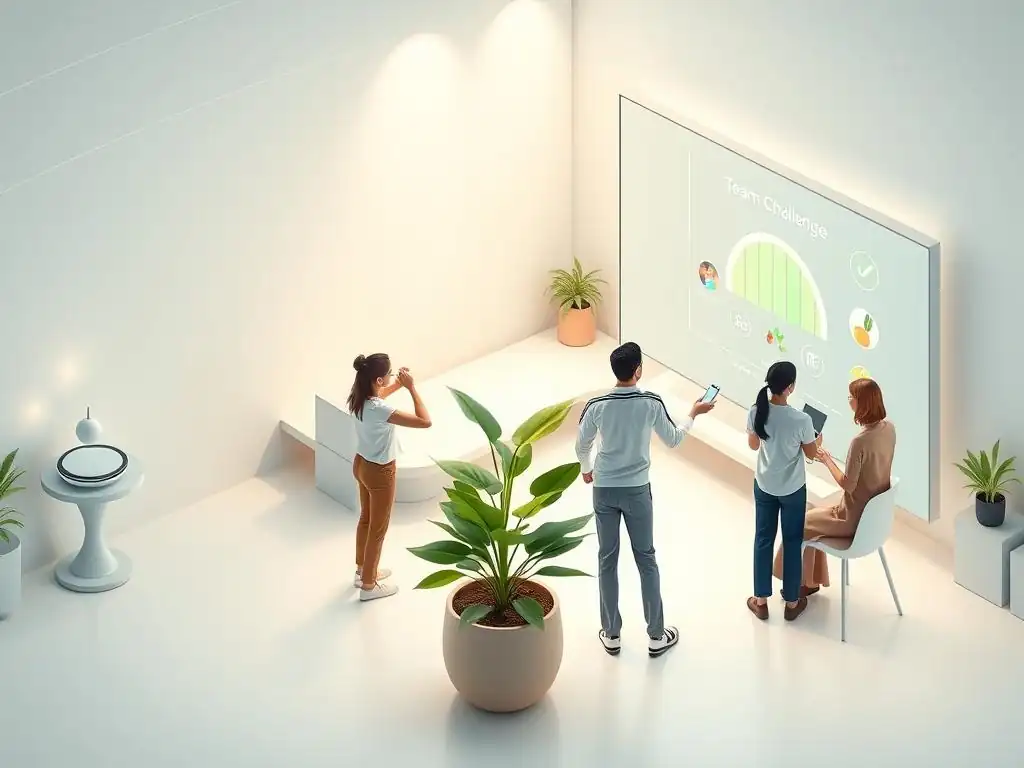
Selecting the appropriate technology platform is a critical step in successfully implementing workplace wellbeing gamification strategies. The right platform should align with your organization's specific goals, culture, budget, and technical infrastructure. Companies should evaluate platforms based on their features, scalability, ease of use for both administrators and employees, and the level of support provided by the vendor. A platform that is difficult to navigate or frequently glitches will quickly undermine engagement efforts, regardless of how well-designed the gamification elements are.
Consider the diversity of your workforce and their technical comfort levels. A platform that is mobile-first and intuitive is often best, as employees need easy access to participate from anywhere. It's also important to think about how the platform will integrate with existing HR systems or other relevant software. A seamless integration can streamline administrative tasks and provide a more unified employee experience. Thorough research, demo requests, and potentially pilot programs are recommended before committing to a platform.
Key Features to Look for in a Wellbeing Gamification Platform
When evaluating technology platforms to support your workplace wellbeing gamification strategies, several key features are essential for ensuring effectiveness and sustainability. These features contribute to a positive user experience, provide necessary administrative capabilities, and enable data-driven decision-making. Prioritizing platforms that offer a robust set of these features is crucial for maximizing the potential impact of your gamified wellbeing program.
Integration with Existing HR Systems
Seamless integration with existing Human Resources Information Systems (HRIS) or other employee data platforms is highly beneficial. This can simplify user onboarding, sync employee data (like department or location for team challenges), and potentially integrate with payroll or benefits systems for rewards. Integration reduces the administrative burden and ensures that the wellbeing platform is connected to the broader employee ecosystem, providing a more unified and efficient experience. A platform that requires manual data entry or operates in isolation can create unnecessary work and potential data inconsistencies.
Mobile Accessibility
Given that many employees work remotely, are on the go, or simply prefer using their smartphones, mobile accessibility is non-negotiable. A dedicated mobile app or a highly responsive web platform ensures that employees can easily participate in challenges, track activities, receive notifications, and access resources from anywhere, at any time. A mobile-first design promotes consistent engagement and makes it convenient for employees to incorporate wellbeing activities into their daily routines, whether it's logging steps during a lunch break or completing a mindfulness exercise before a meeting.
Customizable Challenges and Rewards
Every organization has unique wellbeing goals and a distinct culture. The platform should offer the flexibility to create and customize challenges, quests, and reward structures that align with these specific needs and values. This includes the ability to define different types of activities (e.g., physical, mental, social, financial wellbeing), set specific goals and rules for challenges, and configure various reward options (points, badges, virtual items, real-world incentives). Customization ensures that the gamified experience feels relevant and tailored to the workforce, increasing the likelihood of adoption and success.
Data Analytics and Reporting
Robust data analytics and reporting capabilities are vital for measuring the impact of your workplace wellbeing gamification strategies. The platform should provide administrators with dashboards and reports that track key metrics such as participation rates, challenge completion rates, popular activities, and trends over time. This data allows organizations to assess the effectiveness of their programs, identify areas for improvement, understand employee preferences, and demonstrate the return on investment (ROI) of their wellbeing initiatives. Access to actionable data is essential for iterating and optimizing the program for continuous improvement.
Successful Workplace Wellbeing Gamification Examples
Case Study 1: Financial Services Firm - Reducing Stress Through Mindfulness Gamification
A large financial services firm recognized that stress and burnout were significant issues affecting employee productivity and morale, particularly among client-facing teams. They implemented a workplace wellbeing gamification strategy focused specifically on promoting mindfulness and stress reduction techniques. Using a mobile platform, employees were encouraged to participate in daily guided meditation sessions, mindful stretching exercises, and short breathing exercises. The platform awarded points for completing sessions, offered badges for consistency (e.g., "7-Day Streak" or "Mindful Month"), and included team-based challenges where departments competed to accumulate the most mindfulness minutes.
After six months, the firm reported a notable increase in the reported use of mindfulness techniques among participating employees. Surveys indicated that a significant percentage of regular participants felt more equipped to manage stress during peak periods. While direct ROI is complex to measure solely on stress reduction, the firm observed a slight decrease in stress-related short-term absences within participating teams and received positive feedback in employee engagement surveys regarding the support for mental wellbeing. The gamified approach made stress reduction activities feel more accessible and less intimidating, encouraging regular practice.
Case Study 2: Tech Company - Promoting Physical Activity with Step Challenges
A rapidly growing tech company wanted to counter the sedentary nature of office work and encourage more physical activity among its employees. They launched a workplace wellbeing gamification program centered around step challenges, integrating with popular fitness trackers and smartphone apps. Employees could join individual or team-based challenges, competing to reach daily or weekly step goals.
The platform featured leaderboards showing individual and team rankings, awarded points for steps taken, and offered virtual badges for achieving distance milestones or reaching personal bests. Rewards included small incentives like branded water bottles, fitness class vouchers, and entries into prize draws for larger items.
Within the first quarter, the average daily step count among participating employees increased by approximately 25%. Team challenges fostered significant inter-departmental interaction and friendly rivalry. Beyond the quantitative data, the company noted an increase in employees taking walking meetings, using stairs instead of elevators, and organizing group walks during breaks. The gamified step challenge successfully transformed a simple activity like walking into a fun, competitive, and social event, significantly boosting participation in physical activity across the company.
Case Study 3: Healthcare Organization - Enhancing Mental Wellbeing Through Cognitive Training Games
A large healthcare organization sought innovative ways to support the mental agility and reduce cognitive fatigue among its clinical and administrative staff who face demanding cognitive loads. They adopted a workplace wellbeing gamification platform that included access to a suite of scientifically-designed cognitive training games and exercises. The platform gamified the experience by allowing users to track their progress, unlock new game levels, earn points based on performance, and see improvements in specific cognitive areas like memory, attention, and problem-solving over time. It also incorporated optional team-based challenges focused on collective cognitive performance goals.
Initial participation rates were encouraging, particularly among staff looking for engaging ways to take mental breaks. While measuring direct clinical outcomes was beyond the scope of the program, anecdotal feedback and platform data indicated that employees found the games stimulating and reported feeling more mentally sharp after regular use. The gamified structure encouraged consistent practice, which is key to cognitive training effectiveness. This approach demonstrated how gamification could be applied not just to physical health, but also to support specific aspects of mental fitness and resilience within a demanding professional environment.
Implementing Effective Workplace Wellbeing Gamification Strategies: A Step-by-Step Guide
Step 1: Define Clear Wellbeing Goals and Objectives
Before launching any gamified program, it's crucial to clearly define what you want to achieve. Are you aiming to reduce stress, increase physical activity, improve financial literacy, or enhance mental resilience? Specific, measurable, achievable, relevant, and time-bound (SMART) goals will guide the design of your workplace wellbeing gamification strategies. For instance, a goal might be to increase participation in stress reduction workshops by 20% within six months or to achieve an average daily step count of 8,000 steps among employees.
Understanding your organization's specific challenges and employee needs is paramount in this stage. Conduct surveys, focus groups, or analyze existing health data (aggregated and anonymized) to identify the most pressing wellbeing issues. These insights will inform the types of behaviors you need to encourage and the challenges you need to address through gamification. Clear objectives provide a roadmap for the entire process and criteria for measuring success later on.
Step 2: Identify Target Behaviors and Challenges
Once goals are defined, identify the specific employee behaviors that will help achieve those goals. If the goal is to reduce stress, target behaviors might include meditating daily, taking regular breaks, or participating in stress management training. If the goal is to increase physical activity, target behaviors could be hitting daily step counts, exercising for a certain duration, or participating in group fitness classes. These behaviors will form the basis of the gamified activities.
Translate these target behaviors into engaging challenges or quests within the gamification platform. Design challenges that are achievable but require effort, offering varying levels of difficulty to cater to different employee starting points. For example, a challenge might be "Mindful Monday" (complete one guided meditation) or a longer quest like "Build Your Resilience" (complete a series of modules on stress management and coping techniques). These specific actions provide employees with clear tasks to complete within the gamified framework.
Step 3: Design Engaging Gamified Activities
Designing the actual gamified experience is where creativity comes into play. Determine how points will be earned, what badges represent, how leaderboards will be structured (individual, team, or both), and what types of rewards will be offered. Ensure the rules are clear, the interface is intuitive, and the activities are genuinely enjoyable and motivating. Consider incorporating elements like narrative themes, personalized avatars, or progress visualizations to make the experience more immersive.
Think about balancing competition with collaboration. While leaderboards can drive some, they might demotivate others. Incorporating team challenges or focusing on individual progress milestones alongside competitive elements can ensure broader appeal. The design should encourage consistent participation and positive habit formation, not just short-term bursts of activity. Gather feedback from a pilot group of employees during the design phase to refine the activities and ensure they resonate with the target audience.
Step 4: Select the Appropriate Technology Platform
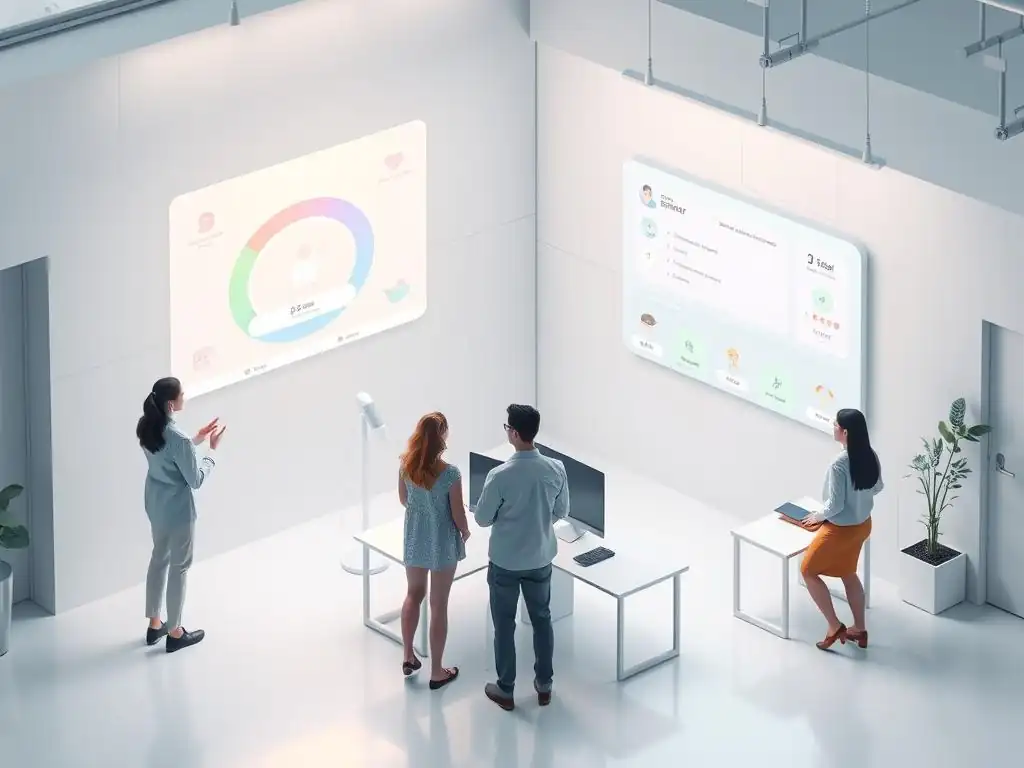
Based on the defined goals, target behaviors, and desired gamified activities, select a technology platform that can effectively support your workplace wellbeing gamification strategies. Revisit the key features discussed earlier: integration capabilities, mobile accessibility, customization options for challenges and rewards, and robust data analytics. Evaluate vendors carefully, considering their experience with wellbeing programs, security protocols, and ongoing support.
Request demonstrations from potential vendors to see the platform in action and assess its user-friendliness from both the administrator and employee perspectives. Consider the platform's scalability – can it grow with your organization? Does it offer flexibility to evolve the program over time? The right platform is an investment that will underpin the success of your entire gamified wellbeing initiative, so choose wisely based on a thorough assessment of your needs and the platform's capabilities.
Step 5: Launch and Promote the Program
A successful launch requires careful planning and effective communication. Introduce the workplace wellbeing gamification program with enthusiasm, clearly explaining its purpose, benefits, and how employees can participate. Highlight the fun and engaging aspects of the gamified experience. Use multiple communication channels – email, intranet, company meetings, posters – to build awareness and excitement. Consider hosting launch events or introductory workshops to help employees get started with the platform and understand the rules.
Leadership support and participation are crucial for demonstrating the program's importance and encouraging employee buy-in. Ensure that managers are informed and can promote the program within their teams. Make it easy for employees to sign up and access the platform, providing clear instructions and technical support if needed. A well-executed launch sets the stage for strong initial participation and momentum.
Step 6: Monitor Progress and Make Adjustments Based on Data
Once the program is live, continuous monitoring and evaluation are essential. Utilize the data analytics features of your chosen platform to track participation rates, challenge completion, popular activities, and other relevant metrics. Gather feedback from employees through surveys, focus groups, or suggestion boxes. Pay attention to what's working well and where employees might be encountering difficulties or losing interest.
Use the insights gained from data and feedback to make informed adjustments to your workplace wellbeing gamification strategies. This might involve tweaking challenge rules, introducing new types of activities, modifying the reward structure, or improving communication about the program. Gamification is an iterative process; regularly refining the program based on real-world performance and employee input ensures its continued relevance, engagement, and effectiveness in supporting employee wellbeing over the long term.
Addressing Potential Challenges in Workplace Wellbeing Gamification
Avoiding Over-Competitiveness and Burnout
While competition can be a powerful motivator in workplace wellbeing gamification, it's crucial to design programs that avoid fostering an environment of excessive rivalry or pressure that could lead to stress or burnout. Not all employees are motivated by competition, and some might feel discouraged if they consistently rank low on leaderboards. To mitigate this, balance competitive elements with opportunities for individual achievement and collaborative challenges.
Focus on celebrating personal progress and participation as much as, if not more than, competitive wins. Offer diverse challenges that cater to different interests and fitness levels, ensuring that everyone has a chance to succeed. Provide options for employees to participate anonymously or hide their progress on leaderboards if they prefer. Regularly communicate the program's core purpose – supporting health and wellbeing – rather than solely emphasizing winning, helping to maintain a positive and inclusive atmosphere.
Ensuring Inclusivity and Accessibility for All Employees
A key challenge is ensuring that workplace wellbeing gamification strategies are inclusive and accessible to all employees, regardless of their physical abilities, health status, technological literacy, or work arrangements (e.g., remote vs. office-based). Gamified activities should offer variety and flexibility to accommodate different needs and preferences. For example, alongside step challenges, include options for mindfulness minutes, healthy eating logs, virtual stretching sessions, or educational quizzes.
Ensure the technology platform is accessible according to relevant standards (e.g., WCAG) and provides clear instructions and support for users with varying levels of technical expertise. Consider employees who may not have smartphones or reliable internet access at home and explore alternative ways for them to participate or track progress. Actively solicit feedback from diverse groups within your workforce to identify potential barriers to participation and adapt the program accordingly to ensure everyone feels welcome and able to engage.
Maintaining Data Privacy and Security
Employee wellbeing data is sensitive, and maintaining privacy and security is paramount. Organizations must be transparent with employees about what data is collected, how it is used, and how it is protected. Clearly communicate privacy policies and ensure compliance with relevant data protection regulations (like GDPR or CCPA). Use platforms that employ robust security measures to protect employee information from breaches.
Wherever possible, use aggregated and anonymized data for reporting and analysis, avoiding the display of individual sensitive health information within the platform or reports visible to colleagues or managers. Ensure that participation in wellbeing programs is voluntary and does not negatively impact employees' job security or performance evaluations. Building trust through strong data privacy practices is essential for encouraging employee participation and maintaining ethical standards in workplace wellbeing gamification.
Measuring the ROI of Wellbeing Gamification Initiatives
Quantifying the return on investment (ROI) for wellbeing programs, including those that are gamified, can be challenging as the benefits are often long-term and multifaceted (e.g., reduced healthcare costs, decreased absenteeism, improved productivity, higher retention). However, it is crucial for demonstrating the value of these initiatives to leadership and securing continued investment.
Develop clear metrics aligned with your initial goals (Step 1). Track participation rates, completion rates for specific challenges, reported changes in behavior (via surveys), and potentially look at trends in health-related claims data (aggregated and anonymized), absenteeism rates, or employee satisfaction scores over time. While direct causation can be hard to prove, correlation and trend analysis can provide strong indicators of impact. Present findings in a clear, data-driven manner that highlights the link between program participation and positive organizational outcomes, making a compelling case for the effectiveness of your workplace wellbeing gamification strategies.
Future Trends in Workplace Wellbeing and Gamification Technologies
The Rise of Personalized Wellbeing Programs
The future of workplace wellbeing gamification is moving towards highly personalized experiences. Instead of offering a one-size-fits-all program, platforms will leverage data (with explicit employee consent) and potentially AI to tailor challenges, goals, and content to individual employee needs, preferences, and health profiles. For example, an employee interested in improving sleep might receive personalized sleep tracking challenges and access to guided sleep meditations, while someone focused on fitness might get tailored workout routines and activity goals.
This level of personalization makes the gamified experience more relevant and impactful for each individual, increasing motivation and engagement. Future platforms may offer adaptive challenges that adjust difficulty based on user progress or suggest activities based on past behavior patterns. Personalized workplace wellbeing gamification strategies promise to deliver more targeted support, helping employees focus on the areas of wellbeing that matter most to them.
Integration of AI and Machine Learning for Predictive Wellbeing
Artificial intelligence (AI) and machine learning (ML) are poised to play a significant role in the future of wellbeing technology. By analyzing anonymized and aggregated data from gamified platforms, AI algorithms could potentially identify trends and patterns that might predict an employee group's risk factors for burnout, stress, or other wellbeing issues. This predictive capability could allow organizations to proactively offer targeted support or resources before issues escalate.
AI could also be used to enhance the gamified experience itself, for example, by providing intelligent recommendations for challenges based on user activity, offering personalized motivational messages, or creating dynamic storylines within quests. The integration of AI and ML could make workplace wellbeing gamification more intelligent, adaptive, and effective at promoting long-term health and resilience across the workforce.
The Metaverse and Immersive Wellbeing Experiences
While still in early stages, the development of the metaverse and other immersive technologies (like virtual and augmented reality) opens up possibilities for entirely new types of gamified wellbeing experiences. Imagine employees participating in a virtual reality meditation session in a peaceful digital environment, joining an augmented reality scavenger hunt for wellness tips around the office, or competing in virtual fitness challenges within a shared digital space.
These immersive environments could offer novel ways to engage employees, provide realistic simulations for stress management or mindfulness training, and create a stronger sense of presence and connection, especially for remote teams. While widespread adoption is still some time away, the potential for creating highly engaging and impactful workplace wellbeing gamification experiences within immersive digital worlds represents an exciting future trend.
Conclusion: Creating a Thriving Workplace Through Gamified Wellbeing
The Long-Term Impact of Gamification on Employee Wellbeing
Implementing effective workplace wellbeing gamification strategies has the potential for significant and lasting positive impacts on employee health and the organizational culture. By making wellbeing activities engaging, rewarding, and accessible, gamification can foster the development of healthy habits that extend far beyond the duration of any specific challenge. Increased participation in wellbeing programs leads to a workforce that is not only physically healthier but also more resilient, mentally agile, and better equipped to handle the demands of modern work.
Over time, a consistent focus on gamified wellbeing can contribute to a reduction in stress levels, improved morale, stronger team cohesion, and a decrease in health-related costs. It shifts the perception of wellbeing from a passive benefit to an active, integrated part of the employee experience. The long-term impact lies in cultivating a culture where wellbeing is valued, supported, and actively pursued by individuals and teams alike, creating a foundation for sustained employee health and organizational success.
Investing in Employee Wellbeing: A Strategic Imperative for Businesses
Investing in employee wellbeing, particularly through innovative and engaging approaches like workplace wellbeing gamification strategies powered by technology, is no longer just a matter of corporate social responsibility – it is a strategic imperative for businesses aiming for long-term success. A healthy, engaged workforce is a competitive advantage, driving higher productivity, reducing turnover, fostering innovation, and building a positive employer brand.
By embracing gamification and leveraging technology, organizations can overcome common barriers to wellbeing program engagement and create initiatives that truly resonate with their employees. As the work landscape continues to evolve, prioritizing and investing in employee wellbeing through smart, technology-enabled strategies is essential for building a resilient, motivated, and thriving workforce ready to face future challenges. The journey towards a healthier workplace is a continuous one, and gamification offers a dynamic and effective way to keep employees engaged every step of the way.
Frequently Asked Questions
How can gamification improve workplace wellbeing?
Gamification uses game-design elements to increase engagement and motivation in workplace wellbeing initiatives. This leads to better participation and improved mental health outcomes through fun and rewarding experiences.
What are some examples of workplace wellbeing gamification strategies?
Examples include points systems for completing wellbeing activities, leaderboards to foster friendly competition, and badges or rewards for achieving milestones. These strategies aim to make wellbeing programs more attractive and engaging.
How does technology play a role in workplace wellbeing gamification?
Technology enables the delivery and tracking of gamified wellbeing programs through apps, platforms, and wearables. It allows for personalized experiences, real-time feedback, and data-driven insights into employee wellbeing.
What are the benefits of using gamification for workplace wellbeing engagement compared to traditional methods?
Gamification offers increased engagement, higher participation rates, and improved motivation compared to traditional, non-gamified wellbeing programs. The element of fun makes it more appealing and sustainable.
How can employers ensure the ethical and inclusive implementation of workplace wellbeing gamification strategies?
Employers should prioritize privacy, fairness, and accessibility. Ensure the gamified program doesn't create undue pressure or exclude employees with disabilities or diverse needs.
Final Reflection: The Future of Engaged Workforces Through Play
The integration of gamification strategies into workplace wellbeing programs is no longer a futuristic concept; it's a vital tool for cultivating thriving, engaged workforces in today's demanding environment. The evidence presented throughout this article clearly demonstrates the powerful impact of playful mechanics in motivating employees, fostering healthy habits, and ultimately boosting overall wellbeing and productivity. This isn't just about adding fun; it's about strategically leveraging the principles of game design to achieve tangible, positive results.
The shift towards a more holistic approach to workplace wellbeing, one that recognizes the importance of intrinsic motivation and employee engagement, is profoundly shaping the cultural landscape of modern businesses. This isn't simply a trend; it's a necessary evolution in how we understand and value our employees. As the renowned psychologist Mihaly Csikszentmihalyi stated, The best moments usually occur when a person's body or mind is stretched to its limits in a voluntary effort to accomplish something difficult and worthwhile.
Gamification, when implemented thoughtfully, provides the framework for creating these "best moments" within the workplace, fostering a sense of accomplishment and purpose.
Consider the potential within your own sphere of influence. What innovative gamification strategies could you implement to enhance the wellbeing of your team or organization? Don't be afraid to experiment, to test different approaches, and to learn from both successes and failures. The journey towards a more engaged and well-supported workforce is an ongoing process, but the rewards – a happier, healthier, and more productive team – are immeasurable. Embrace the power of play, and unlock the potential for a truly thriving workplace.
Unlock Your Team's Wellbeing Potential!
Thanks for taking the time to explore the power of gamification in boosting workplace wellbeing! We hope you gained valuable insights into how technology can make a real difference. Now it's time to put that knowledge into action.
- Launch your own wellbeing challenge: Start small! Choose one simple gamified element (a points system, a leaderboard, or even a friendly competition) to introduce to your team this week.
- Share this article with your colleagues and spark a conversation about implementing fun, engaging wellbeing initiatives.
- Explore further: Research other gamified wellbeing apps or platforms to discover what might best fit your team's needs.
What small step will you take today to improve your team's wellbeing engagement?