
The Impact of Workplace Design on Employee Mental Health

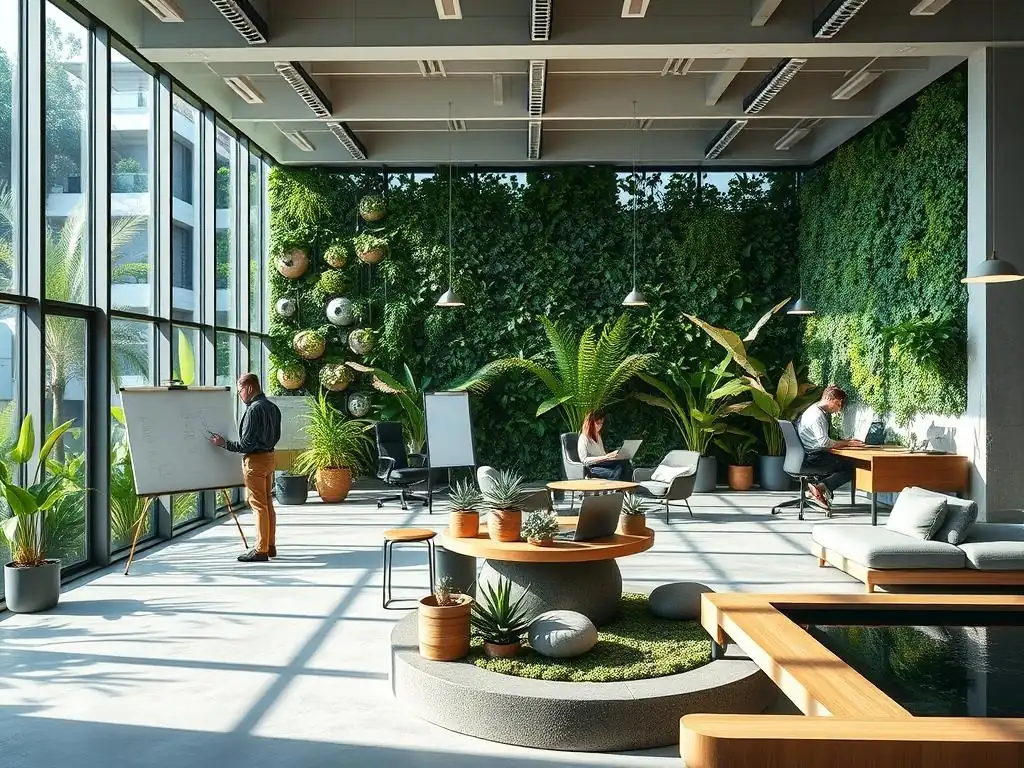
Welcome to Mind Care Guide, your sanctuary for nurturing mental well-being.
Are you feeling the daily grind? Discover how workplace design boosts mental health, creating spaces that foster productivity and peace. We understand the vital connection between our environment and our minds. Intrigued? Let's explore the transformative power of thoughtful design together, uncovering practical strategies to cultivate a healthier, happier work life for everyone. Dive in and unlock the secrets to building a more supportive and mentally stimulating workspace.
The Impact of Workplace Design on Employee Mental Health
- Introduction: How Workplace Design Influences Mental Well-being
- Understanding the Link Between Office Space and Mental Health
- Negative Impacts of Poor Workplace Design on Employee Mental Health
- Positive Impacts of Well-Designed Workplaces on Employee Mental Health
-
Key Design Principles for Mental Well-being in the Workplace
- Ergonomics and Physical Comfort: Prioritizing Employee Well-being
- Natural Light and Ventilation: The Importance of Biophilic Design
- Color Psychology: Choosing Colors That Enhance Mood and Productivity
- Space Optimization: Creating Functional and Flexible Work Areas
- Noise Reduction: Minimizing Distractions and Promoting Focus
- Breakout and Relaxation Areas: Providing Spaces for Rest and Rejuvenation
- Practical Examples of Workplace Design that Boosts Mental Health
- Measuring the ROI of Mental Health-Focused Workplace Design
- Future Trends in Workplace Design and Mental Health
- Conclusion: Investing in Workplace Design for a Healthier Workforce
-
Frequently Asked Questions
- How does workplace design actually impact employee mental health?
- What are some key elements of workplace design that contribute to positive mental health?
- Can flexible workspace options improve employee mental well-being?
- What role does color play in the workplace and its impact on mental health?
- How can employers measure the effectiveness of workplace design changes on employee mental health?
- Final Reflection: Designing for Wellbeing: The Mindful Workplace
- Unleash Your Team's Potential: Design a Thriving Workspace
Introduction: How Workplace Design Influences Mental Well-being
The modern workplace is more than just a place to perform tasks; it's an environment that profoundly impacts the well-being of its occupants. While much focus is often placed on job roles, company culture, and management styles, the physical space itself plays a critical, often underestimated, role in shaping employee mental health. From the layout of desks to the quality of light and air, every element of workplace design contributes to the overall psychological state of the workforce.
Understanding this connection is vital for organizations aiming to foster a healthy, productive, and engaged employee base. A well-designed workplace can serve as a powerful tool in promoting positive mental well-being, reducing stress, and even mitigating the effects of mental health challenges. Conversely, a poorly designed space can exacerbate stress, decrease morale, and negatively impact cognitive function. Recognizing that workplace design boosts mental health is the first step towards creating spaces that truly support people.
Understanding the Link Between Office Space and Mental Health
The relationship between our physical environment and our mental state is deeply rooted in human psychology and biology. We react to the spaces we inhabit, consciously and subconsciously. The design of an office, therefore, isn't just about aesthetics or efficiency; it's about creating an atmosphere that either supports or hinders psychological comfort and performance. This link is becoming increasingly recognized as a crucial component of overall employee well-being strategies.
Considering how workplace design boosts mental health involves looking beyond purely functional requirements. It requires an empathetic approach that considers how the physical space makes people feel. Do they feel safe, comfortable, stimulated, or overwhelmed? These feelings directly influence stress levels, mood, focus, and interaction with colleagues, all of which are fundamental aspects of mental health in the workplace.
The Psychology of Space: How Physical Environments Affect Our Minds
Our brains are constantly processing information from our surroundings, and the characteristics of a physical space can trigger specific psychological responses. For instance, enclosed, dimly lit spaces might evoke feelings of confinement or anxiety for some, while open, bright areas could promote feelings of freedom and positivity. The amount of personal space, the level of privacy, and the accessibility of resources all contribute to an individual's sense of control and comfort within their work environment.
Research in environmental psychology indicates that factors like clutter can impair focus and increase stress, while access to views of nature can reduce mental fatigue and improve concentration. A study by the University of Exeter found that employees who had control over their workspace layout and were in environments enhanced with plants were 15% more productive than those in lean, unadorned spaces. This highlights how seemingly small design choices can have tangible psychological and performance outcomes, demonstrating how strategic workplace design boosts mental health and productivity.
Key Elements of Workplace Design That Impact Mental Health
Several specific design elements have a significant impact on psychological well-being. These include lighting (natural vs. artificial, intensity, glare), acoustics (noise levels, privacy of conversations), air quality and temperature, ergonomic considerations (furniture comfort, adjustability), layout (open plan vs. private offices, access to collaborative or quiet zones), aesthetics (color schemes, artwork, plants), and access to amenities like break rooms or outdoor spaces.
Consider acoustics: excessive noise in an open-plan office can lead to increased stress, difficulty concentrating, and irritability. Conversely, providing quiet zones or incorporating sound-masking technology can significantly improve focus and reduce stress. Similarly, inadequate lighting can cause eye strain and fatigue, impacting mood and productivity, while abundant natural light is consistently linked to improved mood, reduced stress, and better sleep patterns. Addressing these elements is crucial for effective workplace design that boosts mental health.
Negative Impacts of Poor Workplace Design on Employee Mental Health
Ignoring the principles of good design can lead to a work environment that actively undermines employee well-being. Poorly conceived spaces can become sources of constant frustration, discomfort, and stress, contributing to a decline in mental health over time. The cumulative effect of daily exposure to an unsupportive physical environment can be significant, impacting not just individual employees but the overall health and effectiveness of the organization.
The costs associated with poor mental health in the workplace, including absenteeism, presenteeism (being at work but not productive), and employee turnover, are substantial. Estimates suggest that mental health issues cost the global economy trillions of dollars annually. While workplace design is not the sole factor, it is a modifiable element that can contribute positively or negatively to this picture. Recognizing the negative impacts is key to understanding why workplace design boosts mental health when done correctly.
Increased Stress and Anxiety in Poorly Designed Workspaces
Poor acoustics leading to constant noise distractions, lack of privacy in dense layouts, uncomfortable temperatures, and inadequate lighting can all contribute to heightened stress and anxiety levels. For example, working in an overly crowded open-plan office where private conversations are impossible can lead to feelings of being constantly "on display" and lacking personal boundaries, increasing stress. A 2018 study published in the Journal of Environmental Psychology found that employees in open-plan offices reported higher levels of stress and lower job satisfaction compared to those in private or shared offices with fewer occupants.
Furthermore, environments that offer no respite or quiet zones can prevent employees from decompressing or finding moments of focus, leading to mental fatigue and burnout. The inability to escape constant stimulation or find a quiet spot for focused work or a brief mental break directly impacts an individual's capacity to manage stress and maintain emotional balance throughout the workday. This demonstrates how the absence of thoughtful workplace design elements can negatively impact mental health.
Reduced Productivity and Engagement Due to Uncomfortable Environments
Physical discomfort and environmental stressors directly interfere with cognitive function and motivation. Uncomfortable chairs leading to back pain, glare on computer screens causing eye strain, or distracting noise levels make it harder to concentrate, solve problems, and engage with tasks. When employees are constantly battling their environment, their mental resources are diverted away from productive work.
For instance, a study by the Center for the Built Environment at UC Berkeley indicated that poor ventilation and low air quality can reduce cognitive function scores significantly. Participants in rooms with higher ventilation rates performed better on tests of concentration, recall, and decision-making. This suggests that even invisible environmental factors like air quality, often overlooked in design, have a tangible impact on cognitive performance and, by extension, employee engagement and productivity. An uncomfortable or irritating workspace is unlikely to foster a sense of connection or motivation, hindering how workplace design boosts mental health and performance.
Physical Health Problems Stemming from Inadequate Ergonomics
While primarily linked to physical comfort, poor ergonomics also have a significant impact on mental health. Chronic pain or discomfort resulting from ill-fitting furniture, awkward postures, or repetitive strain injuries can lead to frustration, irritability, decreased mood, and even depression. Constantly being in physical pain adds a significant burden to an individual's mental state, diverting energy and focus.
For example, estimates suggest that musculoskeletal disorders, often linked to poor ergonomics, account for a large percentage of work-related illnesses and associated costs. Employees dealing with chronic back pain or carpal tunnel syndrome are likely to experience increased stress and reduced psychological well-being alongside their physical ailments. Addressing ergonomic needs through adjustable furniture, proper equipment, and promoting healthy postures is a fundamental aspect of creating a supportive physical environment that prevents both physical pain and the associated negative mental health impacts.
Positive Impacts of Well-Designed Workplaces on Employee Mental Health
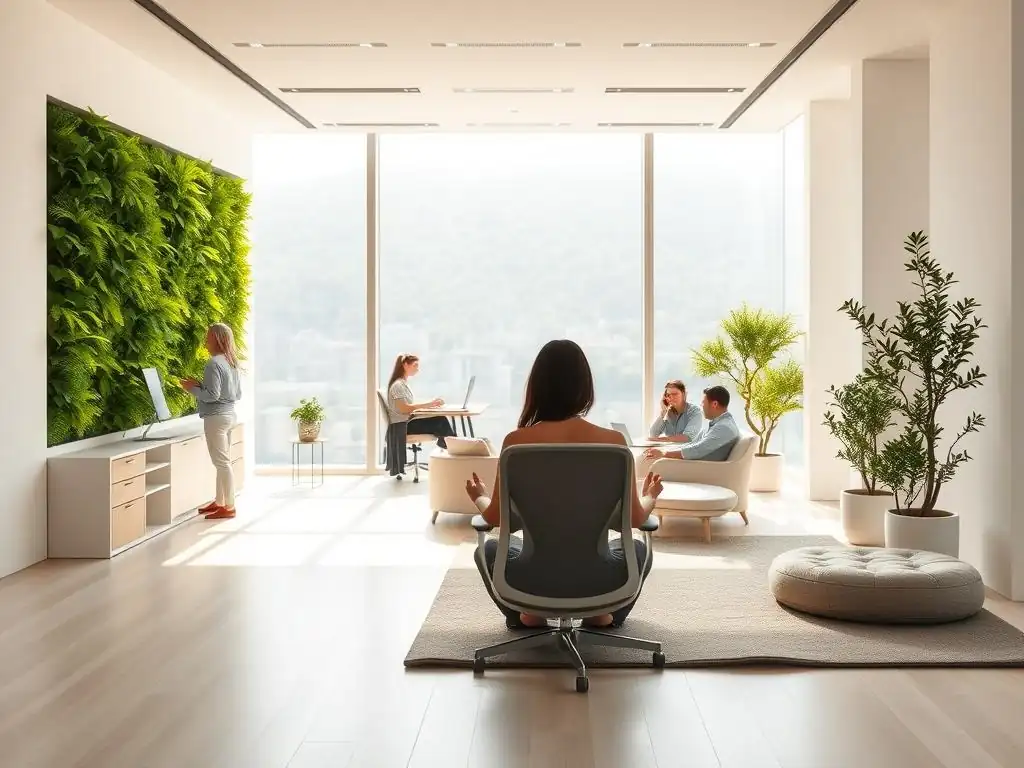
Conversely, thoughtful and intentional workplace design can create environments that actively support and enhance mental well-being. When spaces are designed with human needs and comfort in mind, they can foster a sense of belonging, reduce stress, stimulate creativity, and improve overall mood. Investing in design that prioritizes mental health is an investment in the workforce itself.
The positive effects extend beyond individual comfort; they can shape the entire organizational culture. A workplace that feels supportive and nurturing communicates to employees that their well-being is valued. This can build trust, improve morale, and create a more positive and resilient workforce. This is where the concept that workplace design boosts mental health truly comes to life, becoming a strategic asset for the organization.
Boosting Employee Morale and Motivation Through Design
A well-designed office can be a source of pride and satisfaction for employees. Features like comfortable break areas, aesthetically pleasing decor, access to natural light, and dedicated spaces for different types of work (focus, collaboration, relaxation) contribute to a positive daily experience. When employees feel comfortable and supported by their physical environment, their morale is likely to improve.
Consider the impact of a welcoming entrance, comfortable seating in common areas, or even the simple addition of plants and natural elements. These design choices can make an office feel less sterile and more like a community space, fostering a sense of belonging. A survey by Gensler found that employees in highly effective workplaces (often characterized by good design) reported higher levels of job satisfaction and motivation. This underscores how a positive physical environment contributes significantly to psychological well-being and drive.
Fostering Creativity and Innovation Through Collaborative Spaces
Design can actively facilitate interaction and idea exchange, crucial elements for creativity and innovation. Providing a variety of spaces – from informal lounge areas with comfortable seating to dedicated meeting rooms with whiteboards and technology – encourages spontaneous conversations and planned brainstorming sessions. The layout and furnishings can either hinder or help teams connect and collaborate effectively.
For instance, companies like Pixar Animation Studios are renowned for their campus design, which incorporates large, central atriums and deliberately placed common areas to encourage chance encounters and informal discussions among employees from different departments. This architectural approach is specifically intended to spark cross-pollination of ideas, demonstrating how physical space can be intentionally designed to foster the conditions necessary for creative thinking and problem-solving. Creating spaces that encourage interaction is a key way workplace design boosts mental health through social connection and intellectual stimulation.
Reducing Stress and Promoting Relaxation with Biophilic Design
Integrating elements of nature into the workplace, known as biophilic design, has been shown to have significant stress-reducing effects. This can include incorporating indoor plants, maximizing access to natural light and views of greenery, using natural materials like wood and stone, and even incorporating water features or natural patterns. Connecting with nature has an inherent calming effect on the human nervous system.
A study conducted by Human Spaces found that employees in offices with natural elements reported a 15% higher level of well-being, a 6% higher level of productivity, and 15% higher creativity levels compared to those in offices without nature. Simple additions like potted plants or providing access to outdoor spaces can make a substantial difference in reducing stress and promoting a sense of calm and restoration throughout the workday. This highlights the powerful, therapeutic impact of biophilic workplace design that boosts mental health.
Key Design Principles for Mental Well-being in the Workplace
Implementing design strategies that prioritize mental health requires a thoughtful approach based on established principles. It's not about following fads but understanding the fundamental human needs that a physical space should support. These principles serve as a guide for creating environments where employees can thrive psychologically, fostering focus, collaboration, relaxation, and overall comfort.
Prioritizing these principles ensures that design decisions are rooted in supporting the people who inhabit the space daily. It moves workplace design from a purely functional exercise to a strategic tool for enhancing human performance and well-being. Adhering to these guidelines is essential for creating workplace design that boosts mental health effectively and sustainably.
Ergonomics and Physical Comfort: Prioritizing Employee Well-being
Ergonomics is the science of designing the workplace to fit the user, reducing fatigue and discomfort. This goes beyond just adjustable chairs; it includes desk height, monitor placement, keyboard and mouse positioning, and even the layout of frequently used items. Ensuring physical comfort is foundational because physical discomfort is a significant source of stress and distraction.
A well-designed ergonomic setup can prevent musculoskeletal issues, reduce fatigue, and improve focus. For example, providing ergonomic assessments and adjustable standing desks allows employees to vary their posture throughout the day, reducing the strain of prolonged sitting. Companies that invest in ergonomic furniture and training report fewer injury claims and increased employee comfort, which indirectly supports mental well-being by removing a common source of physical stress and pain.
Natural Light and Ventilation: The Importance of Biophilic Design
Access to natural light is perhaps one of the most impactful environmental factors for mood and energy levels. Natural light helps regulate our circadian rhythms, improving sleep quality and daytime alertness. Offices with ample windows and layouts that allow light penetration are consistently preferred by employees. Good ventilation and air quality are equally crucial, impacting concentration and reducing headaches or fatigue.
Ensuring fresh air circulation and minimizing indoor pollutants is vital. Studies have shown that improving ventilation rates in offices can lead to significant improvements in cognitive function and reductions in sick building syndrome symptoms like headaches and dizziness. Designing spaces with operable windows or advanced ventilation systems, combined with maximizing natural light sources, are fundamental steps in creating a healthy and mentally supportive environment. This is a core component of biophilic workplace design that boosts mental health.
Color Psychology: Choosing Colors That Enhance Mood and Productivity
Colors have a profound psychological effect, influencing mood, energy levels, and even cognitive performance. Different colors can evoke different feelings – blues and greens are often calming and associated with nature, reds can be stimulating or even stress-inducing in large doses, while yellows can promote creativity and optimism. The strategic use of color in a workplace can help define different zones and influence the atmosphere.
For instance, using calming blues or greens in quiet zones or break areas can help employees relax and de-stress. Brighter, more energetic colors might be suitable for collaborative or creative spaces, used judiciously to stimulate without overwhelming. A study by the University of Texas found that gray, beige, and white offices induced feelings of sadness and depression, particularly in women, while splashes of color had a positive impact. Choosing colors intentionally is a simple yet effective way workplace design boosts mental health by shaping the emotional landscape of the office.
Space Optimization: Creating Functional and Flexible Work Areas
The layout of a workplace significantly impacts flow, collaboration, and the ability to concentrate. Modern offices often benefit from a mix of different types of spaces to accommodate diverse work styles and tasks. This includes open areas for teamwork, quiet zones for focused work, private rooms for calls or confidential discussions, and comfortable breakout areas for informal meetings or relaxation.
Optimizing space means creating functional zones that support different activities without causing disruption. For example, placing quiet zones away from high-traffic areas or noisy collaboration hubs is essential. Flexible furniture and modular layouts allow spaces to be easily reconfigured to meet changing needs, giving employees a sense of adaptability and control. Providing choice in where and how to work is a powerful way workplace design boosts mental health by empowering employees and reducing frustration.
Noise Reduction: Minimizing Distractions and Promoting Focus
Noise is one of the most frequently cited stressors in open-plan offices. Constant chatter, phone calls, and movement can make it incredibly difficult to concentrate, leading to frustration and reduced productivity. Effective noise reduction strategies are critical for creating a calm and focused environment.
This can involve incorporating sound-absorbing materials in ceilings, walls, and flooring, using acoustic panels or dividers, implementing sound-masking systems that create a low level of ambient noise to mask conversations, and providing designated quiet zones or booths for focused work or private calls. Addressing acoustics directly tackles a major source of workplace stress and allows employees to concentrate more effectively, demonstrating how targeted workplace design boosts mental health by reducing irritants.
Breakout and Relaxation Areas: Providing Spaces for Rest and Rejuvenation
Dedicated spaces for breaks and relaxation are essential for preventing burnout and promoting mental recovery throughout the day. These areas should be distinct from workstations, offering comfortable seating, a change of scenery, and amenities like refreshments or even recreational activities. They provide employees with an opportunity to step away from their tasks, clear their minds, and recharge.
These spaces can range from simple kitchen areas with tables to more elaborate lounges, quiet rooms for meditation, or even outdoor patios. Encouraging employees to take regular breaks in these areas helps reduce stress, improve mood, and enhance cognitive function upon returning to work. Providing accessible, comfortable, and inviting spaces for rest is a clear way workplace design boosts mental health by prioritizing recovery and well-being.
Practical Examples of Workplace Design that Boosts Mental Health
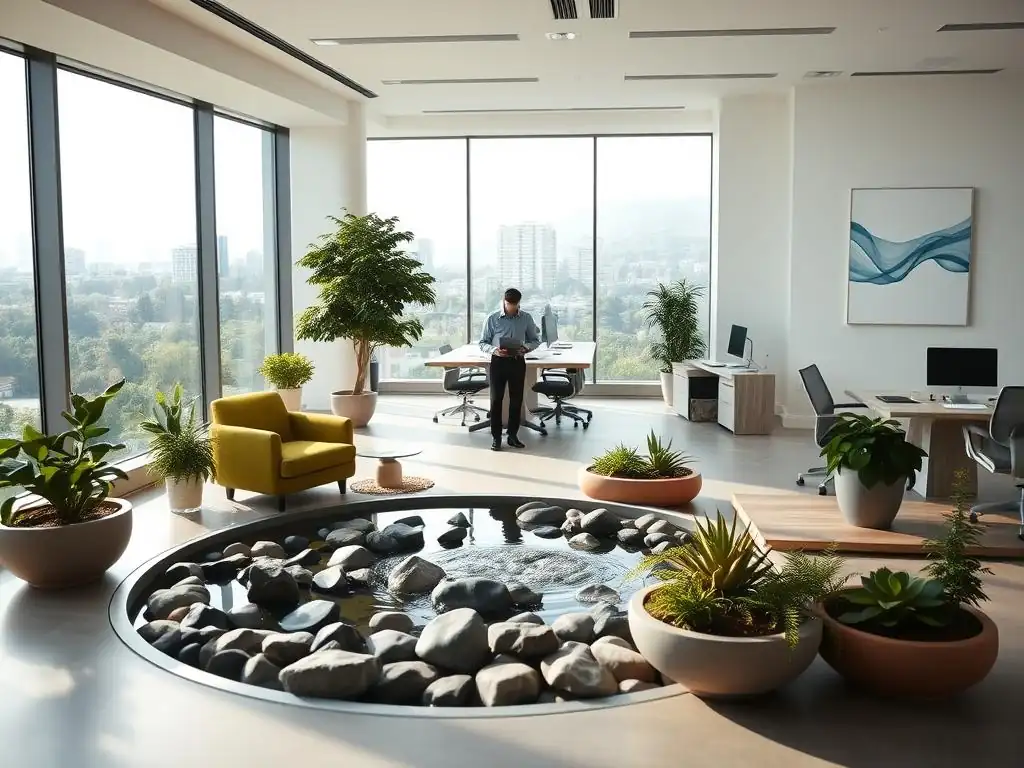
Examining real-world examples provides concrete illustration of how these design principles are applied and their tangible effects on employees. Many forward-thinking companies have invested significantly in their physical spaces, recognizing the strategic advantage of creating environments that support mental well-being and productivity. These case studies demonstrate that intentional workplace design boosts mental health and delivers measurable benefits.
These examples showcase diverse approaches, from integrating nature to fostering collaboration and prioritizing physical comfort. They serve as inspiration and evidence that investing in the built environment is a valuable strategy for enhancing employee well-being and organizational performance.
Case Study 1: Interface - Implementing Biophilic Design for Stress Reduction
Interface, a global flooring company, is a well-known pioneer in sustainable and biophilic design. Their offices globally incorporate extensive use of natural light, indoor plants, natural materials, and patterns inspired by nature. For instance, their headquarters features large windows, living walls, and carpets designed to mimic natural textures and landscapes.
The company has reported positive outcomes from these design choices, including improved employee satisfaction and well-being. Studies conducted within Interface have shown that their biophilic spaces contribute to reduced stress levels among employees and a greater sense of connection to nature, aligning with their sustainability mission. This commitment to integrating natural elements is a prime example of how workplace design boosts mental health through a connection to the natural world.
Case Study 2: Google - Creating Collaborative Spaces for Enhanced Teamwork
Google is renowned for its innovative office designs that prioritize collaboration, creativity, and employee comfort. Their campuses feature a wide variety of informal meeting areas, cafes, micro-kitchens, and comfortable lounge spaces deliberately placed to encourage interaction and spontaneous idea sharing among employees from different teams.
While not solely focused on mental health, the emphasis on providing diverse, comfortable, and stimulating spaces fosters a sense of community and reduces the stress of being confined to a single workstation. The availability of various work settings allows employees to choose the environment best suited for their task, promoting autonomy and reducing frustration. Google's approach demonstrates how providing choice and fostering connection through design contributes positively to employee well-being and productivity, showcasing a different facet of how workplace design boosts mental health.
Case Study 3: Herman Miller - Utilizing Ergonomic Design to Improve Employee Comfort
Herman Miller, a leading furniture manufacturer, is an exemplar of prioritizing ergonomic design not just in the products they sell but also in their own workspaces. Their offices are equipped with a range of adjustable, ergonomic furniture, and they emphasize creating workstations that can be customized to individual needs.
By providing employees with high-quality, adjustable chairs, desks, and accessories, they directly address potential sources of physical discomfort and pain. This focus on physical well-being has a direct positive impact on mental health by reducing stress associated with discomfort and enabling employees to work more comfortably and effectively for longer periods. Their internal practices reflect their product philosophy, showing how a fundamental focus on ergonomics is a vital part of workplace design that boosts mental health.
Measuring the ROI of Mental Health-Focused Workplace Design
Justifying investment in workplace design often requires demonstrating a return on investment (ROI). While quantifying the impact on mental health directly can be complex, organizations can track various metrics that correlate with improved well-being and productivity. Showing tangible benefits helps make the case for prioritizing mental health in design decisions.
Measuring ROI involves looking at both cost savings (e.g., reduced absenteeism, lower healthcare costs) and productivity gains (e.g., increased output, improved engagement). Combining quantitative data with qualitative feedback from employees provides a comprehensive picture of the impact of design changes. Understanding the ROI reinforces the value proposition that workplace design boosts mental health and business outcomes.
Quantifying the Benefits: Increased Productivity and Reduced Absenteeism
Improved workplace design can lead to measurable increases in productivity. As discussed, factors like better lighting, acoustics, and ergonomics reduce distractions and physical discomfort, allowing employees to focus and work more efficiently. While precise figures vary by industry and specific changes, studies have shown potential productivity boosts ranging from a few percentage points to over 15% in environments with optimized conditions.
Reduced absenteeism is another key metric. When employees are less stressed, more comfortable, and feel better supported in their environment, they are less likely to take sick days related to stress, burnout, or physical discomfort. For example, addressing poor air quality alone has been linked to significant reductions in short-term sick leave. Quantifying the cost savings from fewer sick days and improved productivity provides a strong financial argument for investing in workplace design that boosts mental health.
Employee Surveys and Feedback: Assessing the Impact of Design Changes
Gathering qualitative data directly from employees is crucial for understanding how design changes are perceived and their impact on well-being. Anonymous surveys can assess satisfaction with various aspects of the physical environment, perceived stress levels, comfort, and overall sense of well-being.
Before-and-after surveys following design interventions can provide valuable insights into which changes had the most positive impact. Open-ended questions allow employees to share specific experiences and suggestions. This feedback loop is essential not only for measuring impact but also for identifying areas for further improvement, ensuring that design continues to support the workforce effectively. Collecting direct feedback is a vital way to confirm that workplace design boosts mental health from the employee perspective.
- [ ] Conduct baseline employee survey on environmental satisfaction.
- [ ] Implement specific design changes (e.g., improve lighting, add quiet zones).
- [ ] Conduct follow-up survey 6-12 months after changes are implemented.
- [ ] Analyze changes in perceived stress, comfort, and satisfaction scores.
- [ ] Correlate survey results with productivity or absenteeism data.
Tracking Mental Health Metrics: Monitoring Employee Well-being Over Time
Organizations can also track broader mental health metrics, where available and appropriate, to assess the long-term impact of workplace design and other well-being initiatives. This might involve analyzing aggregate data from employee assistance programs (EAPs), health insurance claims related to mental health services (while maintaining privacy), or participation rates in well-being programs.
While it's challenging to attribute changes solely to workplace design, tracking trends in these metrics alongside design interventions can provide supportive evidence. For example, a sustained decrease in EAP utilization for stress-related issues following significant environmental improvements could suggest a positive correlation. This long-term monitoring helps build a comprehensive picture of how various factors, including workplace design, contribute to overall employee mental health.
Future Trends in Workplace Design and Mental Health
The concept of the workplace is constantly evolving, influenced by technological advancements, changing work styles, and a growing understanding of the importance of well-being. Future trends in workplace design will likely place an even greater emphasis on creating flexible, personalized, and health-supportive environments.
These trends reflect a deeper commitment to understanding and proactively addressing the psychological needs of employees. As organizations continue to navigate the complexities of the modern work landscape, innovative design solutions will play a crucial role in attracting talent, fostering resilience, and ensuring that workplace design boosts mental health for the workforce of tomorrow.
The Rise of Hybrid Workspaces and Their Impact on Mental Health
The shift towards hybrid work models, where employees split time between home and office, presents new challenges and opportunities for workplace design. The office must now serve different purposes – acting as a hub for collaboration, a space for focused work away from home distractions, and a place to connect with colleagues. Designing spaces that effectively support both in-office and remote employees is critical.
Hybrid workspaces need to offer diverse settings that cater to different needs on different days. This includes high-quality technology for seamless virtual collaboration, comfortable and quiet areas for focused work when needed, and inviting social spaces to facilitate in-person connection. Ensuring employees feel equally supported and connected whether they are in the office or working remotely is a key challenge for maintaining mental well-being in a hybrid model. The design must actively support the hybrid workflow to ensure workplace design boosts mental health across all working locations.
Integrating Technology to Enhance Employee Well-being
Technology is increasingly being integrated into workplace design to enhance comfort, productivity, and well-being. This ranges from smart lighting systems that adjust automatically based on natural light levels and occupancy to advanced air filtration and monitoring systems that ensure optimal air quality.
Apps and platforms can also play a role, helping employees book desired workspaces (e.g., quiet booths or collaboration rooms), provide real-time feedback on environmental conditions (like temperature or noise levels), or even access resources for stress management. Technology can make the workplace more responsive to individual needs and provide data to inform future design improvements, further enhancing how workplace design boosts mental health through personalized and responsive environments.
// Example of a simple concept for a well-being dashboard feature in a workplace app
interface WorkplaceWellbeingMetrics {
  temperature: number; // Degrees Celsius or Fahrenheit
  humidity: number; // Percentage
  co2Level: number; // Parts per million (ppm)
  noiseLevel: number; // Decibels (dB)
  availableQuietZones: number;
  availableCollaborationAreas: number;
}

function displayWellbeingStatus(metrics: WorkplaceWellbeingMetrics): void {
  console.log("Current Workplace Conditions:");
  console.log(`- Temperature: ${metrics.temperature}°C`);
  console.log(`- Air Quality (CO2): ${metrics.co2Level} ppm`);
  console.log(`- Noise Level: ${metrics.noiseLevel} dB`);

  if (metrics.noiseLevel > 60) { // Example threshold
    console.warn("Noise levels are high. Consider moving to a quiet zone.");
  }
  if (metrics.co2Level > 800) { // Example threshold for stuffiness
     console.warn("CO2 levels indicate poor ventilation. Try taking a break or seeking fresh air.");
  }

  console.log(`- Quiet Zones Available: ${metrics.availableQuietZones}`);
  console.log(`- Collaboration Areas Available: ${metrics.availableCollaborationAreas}`);
}
Personalization and Customization: Tailoring Workspaces to Individual Needs
Recognizing that one size does not fit all, future workplace design will likely offer greater opportunities for personalization and customization. While completely private offices for everyone may not be feasible, providing employees with choices in their work settings and the ability to adjust their immediate environment (e.g., lighting levels, desk height, temperature within zones) can significantly impact their comfort and sense of control.
This trend moves away from rigid, uniform layouts towards more flexible and adaptable spaces. It acknowledges that individual preferences regarding noise, light, and privacy vary widely and that empowering employees to tailor their space where possible supports their diverse needs. Offering elements of personalization is a powerful way workplace design boosts mental health by respecting individual differences and promoting autonomy.
Conclusion: Investing in Workplace Design for a Healthier Workforce
The physical environment of a workplace is not merely a backdrop for work; it is an active participant in shaping employee mental health and overall well-being. From the subtle psychological effects of color and light to the tangible impacts of ergonomics and acoustics, every design choice matters. Poor design can contribute to stress, reduce productivity, and negatively impact morale, while thoughtful design can foster comfort, creativity, and resilience.
Organizations that recognize that workplace design boosts mental health are better positioned to attract and retain talent, reduce absenteeism and presenteeism, and cultivate a positive and productive culture. Investing in principles like biophilic design, ergonomic comfort, noise reduction, and providing diverse work settings is a strategic investment in the health and performance of the most valuable asset: the people. As the understanding of the mind-body connection deepens, the role of the built environment in supporting mental well-being will only become more critical, making intentional workplace design an essential component of any comprehensive well-being strategy.
Frequently Asked Questions
How does workplace design actually impact employee mental health?
Workplace design significantly impacts mental health by influencing stress levels, social interaction, and feelings of belonging. A well-designed space can foster a sense of calm and community, while a poorly designed one can induce anxiety and isolation.
What are some key elements of workplace design that contribute to positive mental health?
Key elements include natural light, ergonomic furniture, and biophilic design (incorporating natural elements). These features create a more comfortable and stimulating environment, reducing stress and increasing productivity.
Can flexible workspace options improve employee mental well-being?
Yes, offering flexible workspace options, such as remote work opportunities or activity-based working, can empower employees. This allows them to choose environments that best suit their needs and work styles, reducing stress and burnout.
What role does color play in the workplace and its impact on mental health?
Color psychology suggests that certain colors can evoke specific emotions. Using calming colors like blues and greens in the workplace can promote relaxation and reduce anxiety, while bright colors can boost energy and creativity.
How can employers measure the effectiveness of workplace design changes on employee mental health?
Employers can use surveys, focus groups, and data analysis to assess the impact. Tracking metrics like employee satisfaction, stress levels, and productivity can provide valuable insights into the effectiveness of design changes.
Final Reflection: Designing for Wellbeing: The Mindful Workplace
The way we design our workplaces profoundly impacts employee mental health, and this impact is more critical now than ever before. The modern workplace, increasingly demanding and digitally driven, necessitates a conscious shift towards environments that prioritize wellbeing, not just productivity. Ignoring this crucial link between physical space and mental state is not just short-sighted, it's detrimental to both individual employees and the overall success of organizations.
The conversation surrounding mental health in the workplace is finally gaining momentum, but we still have a long way to go. The shift towards prioritizing mental wellbeing isn't merely a trend; it's a fundamental change in how we understand the employee-employer relationship. It's about recognizing the intrinsic link between a supportive environment and a thriving workforce. The spaces we inhabit profoundly shape our experiences, our emotions, and ultimately, our well-being.
This quote highlights the power of intentional design to foster a positive and productive atmosphere. The ongoing challenge lies in translating this understanding into tangible changes within organizations, ensuring that design isn't just an aesthetic consideration, but a strategic investment in human capital.
You, the reader, now hold the power to influence this change. Consider your own workspace – what elements contribute to your stress, and what aspects foster a sense of calm and focus? Advocate for changes in your workplace that prioritize mental wellbeing, whether it's advocating for better lighting, more natural elements, or simply more opportunities for social interaction and breaks. By actively participating in shaping our work environments, we can collectively cultivate workplaces that nurture not only productivity, but also the mental health and overall wellbeing of every individual within them.
Unleash Your Team's Potential: Design a Thriving Workspace
Thanks for taking the time to explore the crucial link between workplace design and employee well-being! You've learned how impactful thoughtful design can be on mental health and productivity. Now, let's put this knowledge into action:
- Prioritize one small change: Identify one element of your workspace (lighting, plants, noise levels) that could easily be improved to boost team morale. Implement that change this week!
- Share this insight: Forward this article to a colleague or manager who could benefit from understanding the power of workspace design. Let's spark a conversation!
- Explore further: Dive deeper into the resources available on MindCareGuide.org (hypothetical) to discover more tips and strategies for creating a mentally supportive work environment.
Ready to transform your workplace into a haven of well-being? What's the first small step you'll take to improve your team's mental health at work?