
Understanding Your EAP: Unlocking Free Mental Health Sessions


Welcome to Mind Care Guide, your trusted companion on the journey to mental well-being.
Feeling overwhelmed? You're not alone. Many are unaware of the resources available to them, particularly within their workplace. Ever wondered if you could access EAP mental health sessions free of charge? We're here to illuminate the path, offering insights and guidance on navigating your Employee Assistance Program. Discover how to unlock these valuable benefits and take a proactive step towards a healthier, happier you. Curious to know more? Let's begin.
- Understanding Your EAP: Unlocking Mental Health Support - A Comprehensive Guide
- What is an Employee Assistance Program (EAP) and How Does it Benefit Your Mental Health?
- How to Access Mental Health Support Through Your EAP
-
Maximizing Your EAP Mental Health Benefits: Tips and Strategies
- Understanding the Scope of EAP Services: Counseling, Coaching, and Resources
- Preparing for Your First EAP Session: Setting Goals and Expectations
- Communicating Effectively with Your EAP Counselor
- Extending Your EAP Benefits: Options and Considerations
- What to do if you need more support than your EAP provides
- The Value of EAP Mental Health Support: Understanding the Investment
- Beyond Counseling: Other Mental Health Resources Offered by EAPs
-
Common Misconceptions About EAPs and Mental Health
- Myth: EAPs are Only for Crisis Situations
- Reality: EAPs Offer Preventative and Ongoing Support
- Myth: Using an EAP Will Negatively Impact My Career
- Reality: EAP Services are Confidential and Protected
- Myth: EAP Counseling is Not as Effective as Private Therapy
- Reality: EAP Counselors are Qualified and Provide Valuable Support
- Utilizing Your EAP for Optimal Mental Well-being: A Recap
-
Frequently Asked Questions
- What is an EAP and does it always offer free mental health sessions?
- How can I find out if my employer offers EAP mental health sessions free?
- Are EAP mental health sessions completely confidential?
- How many free mental health sessions are usually included in an EAP?
- What types of mental health issues can be addressed through EAP mental health sessions free?
- Final Reflection: The Power of Access: Claiming Your Right to Mental Wellbeing
- Unlock Your Wellness: Start Your EAP Journey Today!
Understanding Your EAP: Unlocking Mental Health Support - A Comprehensive Guide
What is an Employee Assistance Program (EAP) and How Does it Benefit Your Mental Health?
Defining Employee Assistance Programs (EAPs)
An Employee Assistance Program (EAP) is a confidential, short-term counseling and referral service typically provided by employers to their employees and, in many cases, their eligible dependents. These programs are designed to help individuals address various personal and work-related issues that might negatively impact their job performance, health, and overall well-being. While often associated with crisis intervention, EAPs offer proactive support for a wide range of challenges, including stress, relationship problems, financial concerns, legal issues, and crucially, mental health struggles. Think of it as a valuable, often free, benefit designed to support your holistic health.
EAPs are usually third-party services contracted by the employer to ensure confidentiality and impartiality. This structure allows employees to seek help without fear that their employer will be directly informed of their specific issues. The services typically include assessment, short-term counseling, referrals to long-term care providers (if needed), and follow-up services. The primary goal is to provide accessible support that can help employees navigate difficulties before they escalate into larger crises, contributing to a healthier and more productive workforce.
The Core Benefits of EAPs for Mental Wellbeing
The most significant benefit of an EAP for mental wellbeing is access to professional counseling and support at no direct cost to the employee. For many individuals, the financial barrier is a major hurdle in seeking mental health care. EAPs remove this obstacle by providing a set number of free EAP mental health sessions, typically ranging from three to six sessions per issue or per year, depending on the specific program design. This allows individuals to receive timely support for common mental health concerns like anxiety, depression, grief, and stress.
Beyond free counseling, EAPs offer a gateway to a broader network of mental health resources. If the short-term counseling provided through the EAP isn't sufficient for a complex or chronic condition, the EAP counselor can provide referrals to specialists, therapists, or treatment centers that are covered by the employee's health insurance or available in their community. This referral service helps individuals navigate the often complex mental healthcare system, making it easier to find appropriate long-term support. Additionally, EAPs often provide educational materials, webinars, and online tools focused on mental health topics, promoting awareness and self-care strategies.
EAPs and Confidentiality: Protecting Your Privacy
Confidentiality is a cornerstone of Employee Assistance Programs and is critical for fostering trust and encouraging employees to utilize the service. When you contact an EAP, your conversations with counselors are kept confidential within the limits of the law, just like discussions with any other mental health professional. This means your employer is generally not informed that you have used the EAP, nor are they told about the specific issues you discussed. The EAP provider's contract with your employer typically outlines strict confidentiality protocols.
There are standard legal and ethical exceptions to confidentiality, which are consistent with those in private therapy. These exceptions typically involve situations where there is an imminent risk of harm to yourself or others, or in cases of suspected child or elder abuse. In such rare circumstances, the counselor may be required to break confidentiality to ensure safety. However, for the vast majority of interactions, your privacy is protected, allowing you to openly discuss sensitive mental health concerns and access free EAP mental health sessions without worrying about your information being shared with your employer.
How to Access Mental Health Support Through Your EAP
Eligibility Requirements for EAP Mental Health Services
Eligibility for EAP mental health services is typically straightforward and tied to your employment status. Generally, if you are a benefits-eligible employee, you are eligible to use the EAP. This often includes full-time and part-time employees, though eligibility rules can vary slightly depending on the employer's specific contract with the EAP provider. It's important to verify your eligibility through your company's HR department or benefits portal.
Furthermore, most EAPs extend eligibility to immediate family members or dependents residing in the employee's household. This is a significant benefit, as mental health challenges often affect the entire family unit. Dependents, such as spouses, partners, and children (up to a certain age, typically 18 or 26 if a student), can often access the same free EAP counseling and resources as the employee. Checking your specific EAP documentation will provide precise details on who in your family is covered.
Finding Your EAP Provider: A Step-by-Step Guide
Locating information about your EAP provider is usually quite simple. The first place to check is your company's internal communications, such as the employee handbook, intranet portal, or benefits enrollment materials. Employers typically highlight the EAP as a key benefit and provide contact information, including a phone number and website.
**Steps to Find Your EAP:**
1.  Check your employee handbook or benefits guide.
2.  Visit your company's HR or benefits website/intranet.
3.  Look for internal company newsletters or emails announcing benefits.
4.  Contact your Human Resources department directly.
5.  Ask a colleague (though HR is the official source).
Once you find the name of the EAP provider and their contact details, you can reach out directly. They will verify your eligibility using your employer's name and perhaps your employee ID or other identifying information. This initial contact is the first step toward accessing your free EAP counseling sessions.
Initial Assessment and Session Allocation: What to Expect
When you first contact your EAP provider, you will likely speak with a trained intake specialist or counselor. They will conduct a brief initial assessment to understand the nature of the issue you are facing and determine the best course of action. This assessment helps them determine if short-term counseling through the EAP is appropriate or if a referral to a different type of service or a long-term provider is necessary.
Based on this assessment, the EAP will typically allocate a specific number of free EAP mental health sessions. As mentioned earlier, this number commonly falls within the range of 3 to 6 sessions per issue or per year. The counselor will then help you find a therapist or counselor within their network who is a good fit for your needs, considering factors like their specialization, location (for in-person sessions, though many now offer virtual), and availability.
Navigating the EAP process is designed to be as user-friendly as possible. It generally starts with a simple phone call or online inquiry to the EAP provider identified by your employer. You don't need a referral from a doctor or manager; you can initiate contact yourself.
- Contact the EAP: Use the phone number or website provided by your employer.
- Initial Screening: Speak with an intake specialist who will ask brief questions about your situation and verify eligibility.
- Assessment & Referral: A counselor assesses your needs and refers you to an appropriate professional within the EAP network. They will also inform you of the number of free sessions available.
- Schedule Sessions: The EAP may help you schedule your first appointment, or they may provide you with contact information for referred providers to schedule yourself.
- Receive Counseling: Attend your allocated free EAP mental health sessions.
- Follow-up/Referral: At the end of your sessions, the counselor may discuss your progress and provide referrals for ongoing care if needed.
The process emphasizes privacy and accessibility, aiming to reduce barriers to seeking help for mental health challenges.
Maximizing Your EAP Mental Health Benefits: Tips and Strategies

Understanding the Scope of EAP Services: Counseling, Coaching, and Resources
While often highlighted for free EAP mental health sessions, EAPs offer a broader spectrum of services. Short-term counseling is a primary component, addressing issues like stress, anxiety, depression, grief, and relationship conflicts. These sessions are typically goal-oriented and focused on addressing immediate concerns or developing coping strategies.
Beyond traditional counseling, many EAPs also provide coaching services, which can focus on areas like work-life balance, communication skills, or career development. They are also a valuable source of information and resources. This can include referrals to community services, financial advisors, legal consultants, and educational materials on various health and wellness topics. Understanding this full scope allows you to leverage your EAP for a wider range of support beyond just therapy.
Preparing for Your First EAP Session: Setting Goals and Expectations
To make the most of your free EAP counseling sessions, it's helpful to prepare for your first appointment. Think about what specific issues you want to address and what you hope to gain from the counseling. Setting clear, achievable goals for the limited number of sessions can help focus the therapeutic work.
Consider writing down the main points you want to discuss, any symptoms you're experiencing, and what outcomes you're hoping for. Be open and honest with your counselor during the initial session; this helps them understand your situation quickly and tailor their approach. Remember that EAP counseling is often short-term, so the focus might be on immediate problem-solving and coping skills rather than deep, long-term therapeutic exploration.
Communicating Effectively with Your EAP Counselor
Effective communication is key to a productive counseling experience. Be prepared to share your thoughts, feelings, and experiences openly with your EAP counselor. Don't hesitate to ask questions about the process, the counselor's approach, or the limits of confidentiality.
It's also important to provide feedback to your counselor about what feels helpful or not helpful during the sessions. If you feel you're not connecting with the counselor or the approach isn't working, you can discuss this with them or even request to see a different counselor through the EAP, depending on their policies and availability. Clear and honest communication ensures that the sessions are focused on your needs and goals.
Extending Your EAP Benefits: Options and Considerations
EAPs provide a valuable initial resource with their free EAP mental health sessions, but the allocated number of sessions is often limited. If your situation requires more extensive or long-term support than the EAP can provide, your counselor will discuss options for continuing care.
Typically, the EAP counselor will provide referrals to external mental health professionals or services that are covered by your primary health insurance plan or are available through community resources. They can help you understand how to use your insurance benefits for mental health treatment. While these subsequent services will likely not be free, the EAP serves as a crucial first step, helping you identify the need for further support and connecting you with potential providers.
What to do if you need more support than your EAP provides
If your EAP sessions are nearing their limit and you feel you need continued support, discuss this frankly with your EAP counselor. They are equipped to help you transition to longer-term care.
- Discuss Referrals: Your EAP counselor can provide referrals to therapists, psychologists, or psychiatrists outside of the EAP network.
- Check Insurance: Understand your health insurance benefits for mental health coverage, including deductibles, co-pays, and in-network providers. The EAP can sometimes help you understand this.
- Explore Community Resources: Look into local mental health clinics, non-profit organizations, or support groups that offer low-cost or sliding-scale services.
- Consider Telehealth: Many providers offer virtual therapy, which can increase accessibility and sometimes offer more flexible scheduling.
Utilizing the referral process facilitated by your EAP ensures a smoother transition to ongoing care if necessary, leveraging the initial free sessions effectively.
The Value of EAP Mental Health Support: Understanding the Investment
EAPs as a Proactive Mental Health Solution
EAPs represent a proactive investment in employee well-being and organizational health. By offering easily accessible, free EAP counseling and support, employers enable employees to address mental health issues early, often before they significantly impact their work or personal lives. This preventative approach is crucial in today's demanding work environment, where stress, burnout, and mental health conditions are increasingly prevalent.
Providing EAP services sends a clear message to employees that their mental health is valued. This can contribute to a more supportive and less stigmatizing workplace culture, encouraging employees to seek help without fear or shame. Proactive support helps individuals build resilience, develop coping mechanisms, and maintain their overall well-being, which benefits both the individual and the organization.
How Employers Benefit from Providing EAP Mental Health Services
Employers gain significant benefits by offering EAP mental health services, often seeing a positive return on their investment. Mentally healthy employees are typically more engaged, productive, and present. Studies and industry data consistently show that EAPs can lead to reduced absenteeism, presenteeism (being at work but not productive due to health issues), and workplace accidents.
For example, some reports suggest that for every dollar invested in an EAP, employers see a return of anywhere from $3 to $10 in terms of reduced healthcare costs, decreased turnover, and improved productivity. While specific figures vary, the trend indicates a clear link between providing mental health support like free EAP counseling and a healthier, more efficient workforce. It also contributes to positive employee morale and can be a factor in attracting and retaining talent.
Comparing EAP Benefits to Other Mental Healthcare Options
EAPs offer a unique entry point into mental healthcare, particularly due to their accessibility and cost-effectiveness. Compared to traditional therapy accessed directly through insurance, EAP mental health sessions are free for the employee, removing the barrier of co-pays, deductibles, and potential out-of-network costs for the initial sessions.
- EAP:
- Free short-term sessions (typically 3-6).
- Easy access, self-referral.
- Confidential (within legal limits).
- Often includes other services (financial, legal, etc. ).
- May require referral for long-term care.
- Traditional Therapy (via Insurance):
- Requires co-pays or meeting deductibles.
- May involve navigating insurance networks.
- Confidential.
- Suitable for long-term therapy.
- Access often requires finding a provider and verifying coverage.
While EAPs are not a substitute for long-term therapy for chronic conditions, they provide invaluable immediate support and a bridge to further care, making free EAP counseling a critical first step for many.
Beyond Counseling: Other Mental Health Resources Offered by EAPs
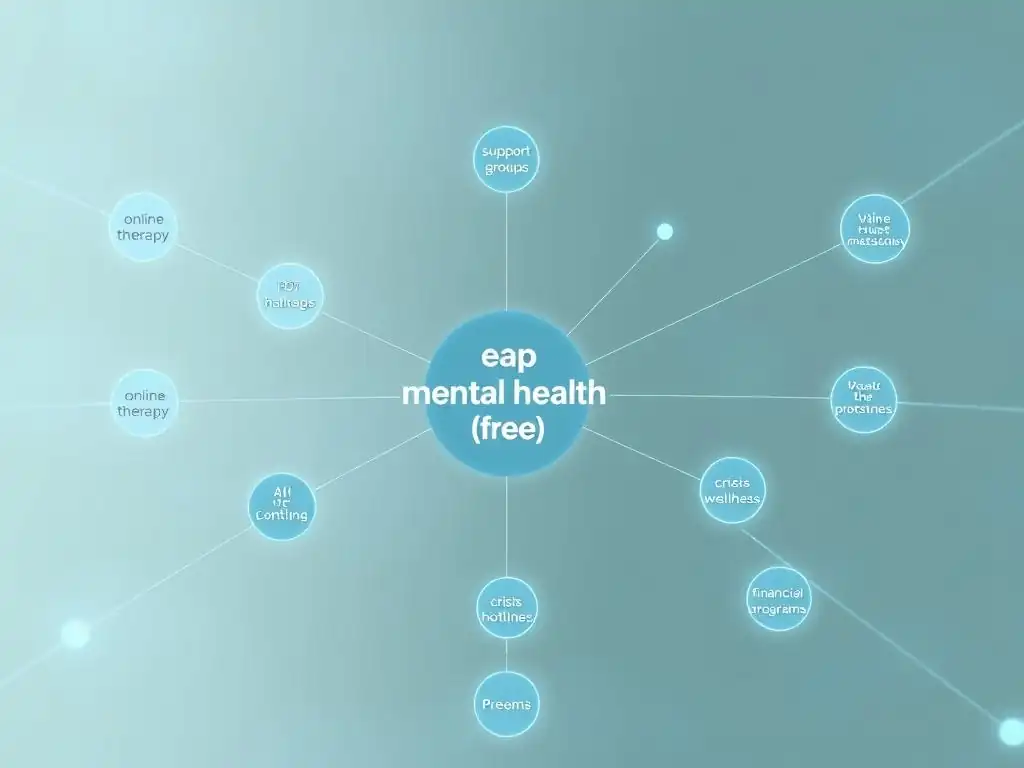
EAP Support for Stress Management and Resilience Building
Stress is a pervasive issue affecting employee mental health. EAPs often provide resources specifically aimed at stress management and building resilience. This can include workshops (in-person or virtual), webinars, online tools, and educational materials covering topics such as time management, mindfulness techniques, relaxation exercises, and healthy coping strategies.
These resources are designed to equip employees with practical skills to navigate daily stressors more effectively, both at work and in their personal lives. By offering these tools, EAPs contribute to a more proactive approach to mental wellness, empowering individuals to build their capacity to bounce back from challenges and maintain emotional balance.
EAP Resources for Addiction and Recovery
Many EAPs offer support and resources for employees and their families dealing with substance abuse and addiction. While EAPs typically do not provide long-term addiction treatment themselves, they are a critical first point of contact for assessment, crisis intervention, and referral to specialized treatment programs.
EAP counselors can help individuals understand their options, navigate the complexities of addiction treatment, and find appropriate inpatient or outpatient facilities. They can also provide support to family members affected by a loved one's addiction. This aspect of EAP services is vital, given the significant impact addiction can have on an individual's health, relationships, and work performance.
EAP Services for Family and Relationship Challenges
Issues within families and relationships can significantly impact an individual's mental health and work life. EAPs commonly provide counseling and resources to help employees address marital conflicts, parenting challenges, elder care concerns, and other family dynamics.
These services can include short-term couples counseling, family counseling, or individual sessions focused on relationship issues. The goal is to provide a safe space to explore difficulties, improve communication, and find constructive ways to resolve conflicts, contributing to healthier relationships and reduced personal stress.
Financial and Legal Consultation through EAPs
Recognizing that financial and legal stress can heavily impact mental well-being, many EAPs offer access to financial and legal consultation services. While not directly mental health counseling, these services address root causes of stress and anxiety.
Employees might receive a limited number of free consultations with financial advisors on topics like budgeting, debt management, or financial planning. Similarly, legal consultations might cover issues like wills, divorce, or landlord-tenant disputes. Providing access to these expert resources helps alleviate significant sources of worry, indirectly supporting the employee's mental health.
Common Misconceptions About EAPs and Mental Health
Myth: EAPs are Only for Crisis Situations
A frequent misconception is that EAPs are only intended for employees experiencing severe crises, such as a death in the family or a major traumatic event. This leads many employees to believe their everyday struggles with stress, anxiety, or relationship issues are not "serious enough" to warrant using the service.
In reality, EAPs are designed to help with a wide spectrum of concerns, from major life events to common daily stressors. Seeking support early for less severe issues can prevent them from escalating into crises. Utilizing your free EAP mental health sessions for proactive support or mild to moderate difficulties is precisely what the program is for.
Reality: EAPs Offer Preventative and Ongoing Support
The true value of an EAP lies in its ability to provide preventative care and early intervention. By offering confidential access to counseling and resources, EAPs empower employees to address challenges before they become overwhelming. This includes support for managing work stress, improving communication, dealing with minor conflicts, and developing healthier habits.
Furthermore, while the counseling is short-term, EAPs provide ongoing access to a wealth of resources and information. Many offer online portals with articles, videos, and self-assessment tools covering various mental health and wellness topics. This ongoing access allows employees to continuously engage with resources that support their well-being over time.
Myth: Using an EAP Will Negatively Impact My Career
A significant barrier to EAP utilization is the fear that using the service will be reported to the employer and negatively affect job security, promotion prospects, or how they are perceived by management. This fear stems from concerns about confidentiality.
As discussed earlier, EAP services are confidential. The EAP provider does not disclose to your employer that you have used the service or what you discussed, except in specific, legally mandated situations related to safety. Employers promote EAPs as a benefit to support employees, not to monitor them. Utilizing your free EAP mental health sessions is a sign of responsible self-care, not a professional liability.
Reality: EAP Services are Confidential and Protected
The confidentiality of EAP services is protected by strict ethical guidelines and contractual agreements between the employer and the EAP provider. Information shared with an EAP counselor is treated with the same level of privacy as information shared with any other healthcare professional.
Employers receive aggregate data from the EAP provider, such as overall utilization rates or common categories of issues (e.g., stress, family issues), but this data is anonymized and does not identify individual employees. This ensures that while the employer can understand the overall impact and value of the EAP, they have no access to personal information about who is using the service or why. This robust confidentiality is fundamental to the EAP model and allows employees to confidently access free EAP counseling.
Myth: EAP Counseling is Not as Effective as Private Therapy
Some individuals believe that because EAP counseling is free and short-term, it is of lower quality or less effective than private therapy. This misconception can prevent people from utilizing a valuable resource.
EAP counselors are qualified mental health professionals, including licensed social workers, counselors, and psychologists. They are experienced in providing short-term, solution-focused therapy and assessment. While EAP counseling is structured differently than long-term private therapy (focusing on immediate issues and coping strategies), it can be highly effective for addressing a wide range of common mental health concerns and providing crucial support during challenging times. For many, the free EAP mental health sessions are exactly what they need to navigate a specific issue or crisis.
Reality: EAP Counselors are Qualified and Provide Valuable Support
The professionals who provide EAP counseling are licensed and experienced clinicians. They adhere to professional ethical standards and are skilled in delivering brief interventions. For many common issues like adjusting to change, managing stress, dealing with grief, or navigating relationship difficulties, the short-term support offered by an EAP can be incredibly valuable and sufficient.
Furthermore, EAP counselors are adept at assessing when a situation requires more intensive or long-term care and can provide appropriate referrals. They serve as a critical first point of contact, offering expert guidance and connecting individuals to the right level of support. The quality of care provided in free EAP counseling sessions is generally high, making it a worthwhile option for anyone needing support.
Utilizing Your EAP for Optimal Mental Well-being: A Recap
Key Takeaways for Accessing EAP Mental Health Services
Accessing your EAP for mental health support is a straightforward and confidential process. Remember that your EAP offers free EAP mental health sessions and is designed to help you navigate personal and work-related challenges. Eligibility typically includes employees and their dependents.
Finding your EAP details is usually possible through company HR resources or benefits information. Once you contact the provider, you'll undergo an initial assessment to determine the best course of action and the number of free sessions available. Don't hesitate to reach out; it's a benefit designed for your well-being.
Empowering Yourself Through EAP Resources
Your EAP is more than just counseling; it's a comprehensive resource hub. By understanding and utilizing the full scope of services – from counseling and coaching to financial and legal consultations and educational materials – you empower yourself to address various aspects of your well-being proactively.
Taking advantage of the preventative resources, like stress management workshops or online tools, can help you build resilience and maintain mental wellness over time. Don't wait for a crisis; explore the resources available through your EAP to support your ongoing mental health journey.
Prioritizing Mental Health with Employer-Sponsored Programs
Employer-sponsored programs like EAPs play a crucial role in making mental health support more accessible and affordable. By offering free EAP mental health sessions, employers remove significant barriers that often prevent individuals from seeking help.
Prioritizing your mental health is essential for your overall quality of life and professional success. View your EAP as a valuable tool provided by your employer to support you in this endeavor. Utilizing this benefit is a positive step towards managing stress, addressing challenges, and enhancing your overall well-being. Don't let misconceptions or concerns about cost or confidentiality hold you back from accessing the support you deserve.
Frequently Asked Questions
What is an EAP and does it always offer free mental health sessions?
An EAP, or Employee Assistance Program, is a work-based program offering resources to employees. While many EAPs offer some mental health support, free mental health sessions are a common, but not universal, benefit.
How can I find out if my employer offers EAP mental health sessions free?
Contact your company's Human Resources department or review your employee benefits package. Look for information about Employee Assistance Programs and the specific services they provide, including mental health counseling.
Are EAP mental health sessions completely confidential?
Generally, yes. EAP sessions are usually confidential between the employee and the counselor, with limited exceptions such as mandated reporting situations like risk of harm to self or others. Your employer typically only receives aggregated, anonymized data.
How many free mental health sessions are usually included in an EAP?
The number of free sessions varies depending on the employer's EAP contract. It could range from a few sessions to a more comprehensive package of several counseling sessions per year.
What types of mental health issues can be addressed through EAP mental health sessions free?
EAP sessions can address a wide range of issues, including stress, anxiety, depression, relationship problems, and workplace conflicts. They're designed to provide short-term support and referrals for more specialized or long-term treatment.
Final Reflection: The Power of Access: Claiming Your Right to Mental Wellbeing
The accessibility of mental healthcare remains a critical issue, and understanding your Employee Assistance Program (EAP) is a powerful first step towards addressing this. Ignoring the readily available resources within your EAP is akin to leaving money on the table – money representing your mental and emotional wellbeing. This often-overlooked benefit offers a lifeline to many struggling in silence.
The impact of readily available mental health support cannot be overstated. It's not just about therapy sessions; it's about normalizing the conversation around mental health, reducing stigma, and empowering individuals to prioritize their wellbeing. The greatest barrier to mental health care is not the lack of resources, but the lack of awareness and access.
This quote highlights the crucial role EAPs play in dismantling those barriers and fostering a culture of support. My own experience researching this topic underscored the profound need for clear, accessible information about these often-underutilized programs.
Now, consider your own situation. Do you know the details of your company's EAP? Have you explored the services offered? I urge you to take the time to discover this valuable resource. Don't let the stigma or uncertainty prevent you from accessing the support you deserve. Take that first step – reach out, inquire, and prioritize your mental wellbeing. Your future self will thank you for it.
Unlock Your Wellness: Start Your EAP Journey Today!
Thanks for taking the time to learn about your Employee Assistance Program (EAP)! We hope this article helped you understand the valuable mental health resources available to you. Now it's time to put that knowledge into action.
- Schedule your first EAP session: This is the most important step! Take the initiative and book that appointment – it's a simple step towards prioritizing your well-being.
- Explore additional EAP resources: Many EAPs offer more than just counseling. Check if they provide workshops, online tools, or other support services that might benefit you.
- Share your experience: Let your colleagues know about the helpful resources your EAP provides – you could be making a real difference in their lives!
What's one small step you can take today to invest in your mental wellness?