
Understanding the Needs of Different Employee Groups for Tailored Programs

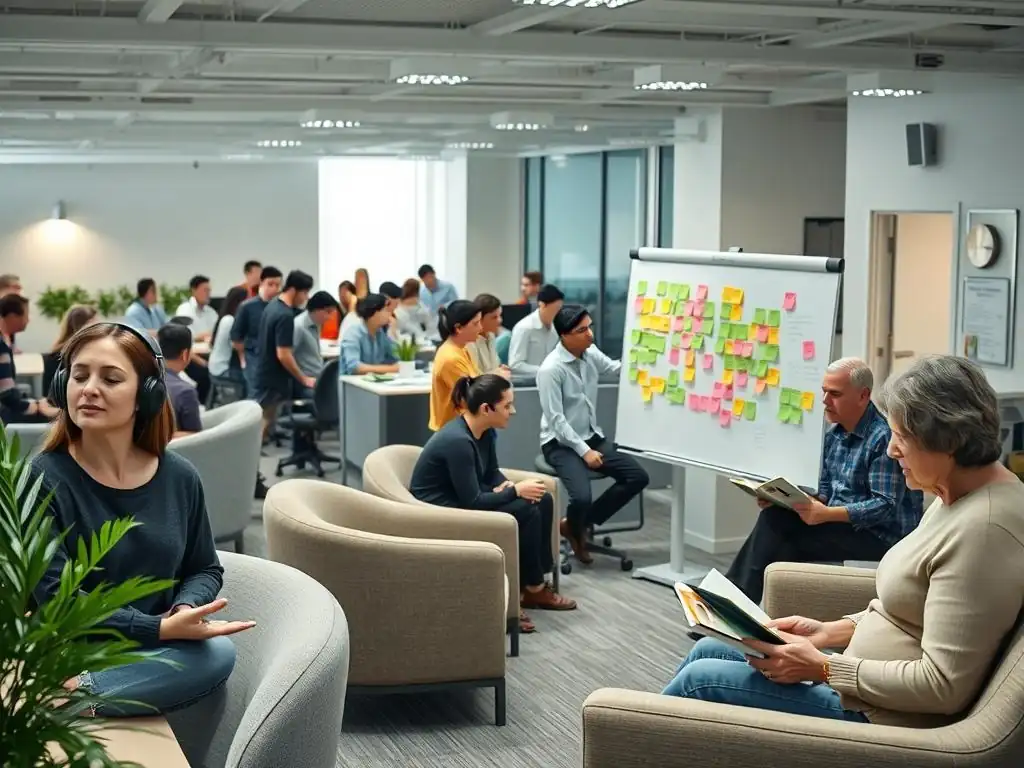
Welcome to Mind Care Guide, your trusted resource for navigating the complexities of mental well-being.
Feeling overwhelmed trying to create effective mental health support at work? You're not alone. In this article, we delve into Employee mental health program needs, exploring how understanding the unique challenges faced by different employee groups is crucial for building truly impactful and supportive initiatives. Discover how to move beyond generic solutions and tailor your approach for lasting positive change. Ready to make a real difference in your workplace?
- Understanding Employee Mental Health Program Needs: A Tailored Approach
- Identifying Specific Employee Groups and Their Unique Mental Health Challenges
- Assessing Employee Mental Health Needs: Data-Driven Insights
- Designing Tailored Mental Health Programs: Key Considerations
- Examples of Tailored Mental Health Program Initiatives
- Measuring the Impact of Tailored Mental Health Programs
- Overcoming Challenges in Implementing Tailored Mental Health Programs
- Conclusion: Creating a Supportive and Inclusive Workplace Through Tailored Mental Health Programs
-
Frequently Asked Questions
- What is the core purpose of tailoring employee mental health programs?
- Why is a one-size-fits-all approach ineffective for employee mental health?
- How can employers identify the specific mental health needs of different employee groups?
- What are some examples of employee groups that might require different mental health program components?
- What are the potential benefits of implementing tailored employee mental health programs?
- Final Reflection: Cultivating a Thriving Workforce Through Understanding
- Unlock Your Team's Potential: Tailor Programs for Success!
Understanding Employee Mental Health Program Needs: A Tailored Approach
Introduction: Why Tailoring Mental Health Programs is Crucial
In today's dynamic workplace, the mental well-being of employees is no longer a peripheral concern but a core component of organizational success. A one-size-fits-all approach to supporting employee mental health program needs often falls short because the workforce is incredibly diverse. Each individual brings their unique life experiences, challenges, and stressors to work, meaning their needs for mental health support will vary significantly. Implementing generic programs without considering these differences can lead to low engagement, wasted resources, and ultimately, failure to provide meaningful support to those who need it most.
Tailoring mental health programs demonstrates a genuine commitment to understanding and addressing the specific pressures faced by different groups within the organization. It acknowledges that a new parent's stress differs from that of a frontline worker, or that a recent graduate's expectations around mental health support might differ from those nearing retirement. By customizing resources, communication, and delivery methods, companies can build more effective, accessible, and impactful programs that truly resonate with their employees, fostering a culture of care and support that enhances overall well-being and productivity.
The Diverse Landscape of Employee Needs in Mental Well-being
The modern workforce is a mosaic of ages, backgrounds, roles, and experiences, each contributing to a complex array of mental health challenges and support preferences. Factors such as generational differences influence how employees perceive and seek mental health assistance. For example, younger generations might be more open to discussing mental health but prefer digital-first solutions, while older generations might value privacy and traditional counseling options. Understanding these nuances is fundamental to designing effective employee mental health program needs strategies.
Beyond age, job function, location (remote vs. in-office), and personal circumstances like caregiving responsibilities or health conditions significantly shape an individual's mental health landscape. Employees in high-stress roles, such as emergency services or tight-deadline project management, face unique pressures that require targeted interventions like stress management or resilience training.
Remote workers might struggle with isolation or maintaining boundaries, necessitating programs focused on connection and work-life integration. Recognizing and segmenting these diverse groups allows organizations to move beyond generic offerings and build a comprehensive suite of resources that genuinely address the specific employee mental health program needs across the entire company.
Identifying Specific Employee Groups and Their Unique Mental Health Challenges
Generational Differences in Mental Health Expectations and Needs
Generational cohorts often exhibit distinct attitudes towards mental health, shaped by societal norms, technological exposure, and life stages. Understanding these perspectives is vital when assessing employee mental health program needs. For instance, recent data suggests that younger employees, particularly Gen Z and Millennials, are more likely to report experiencing mental health symptoms and are more open to seeking help, but they may also have higher expectations for employer-provided support and prefer digital or app-based resources.
Conversely, older generations, like Gen X and Baby Boomers, may have grown up in environments where mental health was more stigmatized, potentially making them less likely to openly discuss their struggles or seek formal therapy. Their preferences might lean towards traditional EAP services or confidential in-person support. Acknowledging these differing comfort levels and preferred modalities is crucial for designing programs that are accessible and appealing across the age spectrum, ensuring that the unique employee mental health program needs of each generation are met effectively.
Addressing the Mental Health Concerns of Gen Z Employees
Gen Z, broadly those born from the late 1990s to early 2010s, entered the workforce during a period of significant global uncertainty and rapid technological change. Research indicates that Gen Z reports the highest levels of stress and anxiety compared to previous generations, often linked to academic pressure, social media influence, financial concerns, and global events. They are generally more comfortable discussing mental health openly but may lack awareness of available resources or face financial barriers to accessing care.
Their digital native status means they often prefer support delivered via technology, such as mental wellness apps, online therapy platforms, and digital coaching. They also value authenticity and transparency from employers. To meet the employee mental health program needs of this group, companies should consider integrating technology-driven solutions, creating open forums for discussion (like employee resource groups focused on mental health), and providing clear, easy-to-access information about benefits and services, perhaps through engaging digital campaigns.
Supporting the Mental Well-being of Millennial Workers
Millennials, typically born between the early 1980s and late 1990s, now form the largest segment of the workforce. They are often juggling multiple responsibilities, including managing student loan debt, starting families, and caring for aging parents, leading to unique stressors related to work-life balance and financial stability. While more open about mental health than previous generations, they still face significant challenges, with studies frequently showing high rates of burnout among this group.
Their employee mental health program needs often revolve around flexibility, work-life integration, and support for major life transitions. Programs that offer flexible work arrangements, parental leave support, financial wellness resources integrated with mental health support, and access to coaching or therapy that fits into busy schedules (e.g., virtual appointments) are particularly valuable. They also respond well to peer support networks and programs that demonstrate a clear link between well-being and career growth.
Meeting the Mental Health Needs of Gen X and Baby Boomer Employees
Gen X (mid-1960s to early 1980s) and Baby Boomers (mid-1940s to mid-1960s) often represent leadership and experienced roles within organizations. While they may report lower rates of diagnosed mental health conditions compared to younger generations, this could be influenced by differing attitudes towards reporting and seeking help. Their stressors might include concerns about retirement, age-related health issues, caregiving for multiple generations ("sandwich generation"), and adapting to rapid technological changes in the workplace.
Their employee mental health program needs may lean towards traditional, confidential support channels like Employee Assistance Programs (EAPs) with experienced counselors. They may also benefit from programs focused on managing stress related to leadership responsibilities, financial planning for retirement, and navigating workplace changes. Ensuring clear, confidential communication about available resources through familiar channels (like email or company intranet) is important, alongside options for in-person or telephonic support that aligns with their preferences.
Addressing the Needs of Employees with Different Job Roles and Responsibilities
Job roles inherently come with varying levels of stress, pressure, and unique environmental factors that impact mental well-being. Acknowledging these role-specific challenges is critical for designing effective employee mental health program needs strategies. For example, someone in a high-pressure sales role faces different stressors than someone in a routine administrative position or a field service technician working in isolation.
Tailoring support based on job function ensures that interventions are relevant and address the root causes of stress and mental health challenges specific to that role. This might involve providing resilience training for roles with high emotional labor, offering ergonomic and boundary-setting support for remote workers, or implementing critical incident stress management for roles exposed to trauma. Understanding the day-to-day realities of different positions allows HR and well-being teams to allocate resources effectively and develop targeted programs that truly resonate with employees' lived experiences.
Mental Health Support for High-Stress Roles
Certain job roles inherently involve high levels of stress due to demanding workloads, tight deadlines, exposure to traumatic events, or constant pressure to perform. Examples include healthcare professionals, first responders, project managers in fast-paced industries, and customer-facing roles dealing with difficult interactions. Studies consistently show higher rates of burnout, anxiety, and depression in these professions.
To address the employee mental health program needs in these roles, organizations should consider implementing specific support mechanisms. This might include regular stress management workshops, access to specialized counseling for trauma or burnout, peer support groups within departments facing similar pressures, and training for managers to recognize and address signs of distress in their teams. Providing resources like mindfulness apps specifically tailored for stress reduction or offering mandatory breaks and workload management support can also be highly beneficial.
Strategies for Supporting Remote and Hybrid Workers' Mental Health
The shift towards remote and hybrid work models has introduced new mental health challenges, including feelings of isolation, difficulty disconnecting from work, lack of clear boundaries between personal and professional life, and challenges in team connection. While offering flexibility, these models can inadvertently contribute to burnout and reduced well-being if not supported adequately.
Addressing the employee mental health program needs of remote and hybrid workers requires intentional strategies. This includes providing tools and training on effective remote communication and collaboration, encouraging managers to check in regularly on well-being (beyond just tasks), offering virtual social events or coffee breaks to foster connection, and providing resources specifically focused on maintaining work-life boundaries. Access to virtual therapy or coaching is particularly convenient for this group, and companies should ensure their EAP services are easily accessible remotely.
Addressing the Mental Health Needs of Frontline Employees
Frontline employees, such as those in retail, hospitality, manufacturing, or essential services, often face unique stressors including unpredictable schedules, physical demands, direct exposure to customer issues or public health risks, and sometimes lower wages or fewer benefits compared to corporate staff. The COVID-19 pandemic particularly highlighted the immense pressure and mental toll on these essential workers.
Their employee mental health program needs may require different approaches. Accessibility is key, as they may have limited access to computers or quiet spaces during shifts. Support could include on-site or easily accessible counseling services, flexible scheduling options where possible, training on de-escalation techniques for customer interactions, and ensuring they feel valued and supported by leadership. Providing practical resources, like financial wellness support or assistance with childcare, can also alleviate significant stressors impacting their mental health.
Considering Demographic Factors and Cultural Sensitivity in Mental Health Programs
An effective employee mental health program must acknowledge and respect the diverse demographic and cultural identities within the workforce. Factors such as race, ethnicity, religion, sexual orientation, gender identity, disability status, and socioeconomic background significantly influence an individual's experiences with mental health, including the types of challenges they face, their comfort level seeking help, and their preferences for support.
Ignoring these differences can lead to programs that are inaccessible, irrelevant, or even alienating for certain groups. For example, a program designed without considering cultural perspectives on mental health may not resonate with employees from backgrounds where mental health issues are highly stigmatized. Tailoring programs to be culturally competent and inclusive ensures that all employees feel seen, understood, and supported in a way that respects their individual identities and experiences, thereby meeting their unique employee mental health program needs more effectively.
Culturally Competent Mental Health Resources
Culturally competent mental health resources are essential for serving a diverse workforce. This means providing access to therapists and counselors who are trained to understand and navigate the impact of cultural factors, systemic inequalities, and historical trauma on mental health. It also involves offering materials and resources in multiple languages and ensuring that program content is relevant and sensitive to different cultural backgrounds and beliefs about mental well-being.
For instance, an EAP network should ideally include providers who represent diverse backgrounds and have experience working with specific cultural groups. Offering employee resource groups (ERGs) focused on mental health for specific racial or ethnic groups can provide a safe space for shared experiences and peer support. Companies might partner with organizations specializing in culturally specific mental health support to supplement their internal offerings and better address the employee mental health program needs shaped by cultural context.
Supporting the Mental Health of LGBTQ+ Employees
LGBTQ+ employees may face unique stressors in the workplace and society, including potential discrimination, lack of acceptance, and the emotional labor of navigating their identity professionally. Studies have shown higher rates of anxiety, depression, and stress among LGBTQ+ individuals compared to their heterosexual and cisgender counterparts.
Addressing the employee mental health program needs of this group requires specific considerations. This includes ensuring that mental health benefits are inclusive of gender-affirming care and mental health support for transition-related stress, providing access to therapists who specialize in LGBTQ+ issues, and fostering an inclusive workplace culture through visible support from leadership, clear anti-discrimination policies, and active LGBTQ+ ERGs. Training for managers on supporting transgender and gender non-conforming employees' mental well-being is also crucial.
Addressing the Mental Health Needs of Employees with Disabilities
Employees with disabilities, whether visible or invisible (including mental health conditions), may face specific challenges that impact their well-being, such as accessibility barriers, potential stigma, or the stress of managing their condition alongside work responsibilities. Their experiences and support needs can vary significantly depending on the nature of their disability.
Meeting the employee mental health program needs of employees with disabilities involves ensuring programs are accessible to all, regardless of physical or cognitive limitations. This might mean providing materials in accessible formats (e.g., large print, screen reader compatible), offering various communication methods, and ensuring therapy platforms are accessible. It also includes educating the workforce about invisible disabilities and reducing stigma, providing flexible work arrangements or accommodations where needed, and offering specific resources or support groups for employees managing chronic health conditions or mental health disabilities.
Assessing Employee Mental Health Needs: Data-Driven Insights

Effective tailoring of employee mental health programs begins with a thorough understanding of the specific needs and challenges faced by the workforce. Guessing what employees need is inefficient and can lead to misallocated resources. A data-driven approach provides concrete insights into the prevalent stressors, preferred support methods, and existing gaps in current offerings, forming the essential foundation for designing targeted interventions that truly matter to employees and address their specific employee mental health program needs.
Collecting both quantitative and qualitative data allows organizations to paint a comprehensive picture. Quantitative data from surveys or EAP utilization reports can highlight trends and areas of high need across the organization or within specific departments. Qualitative data from focus groups or interviews provides the crucial context, allowing employers to understand the why behind the numbers and uncover nuances that surveys might miss. Combining these data sources ensures that program design is informed by real employee experiences and preferences.
Conducting Employee Surveys and Mental Health Assessments
Anonymous employee surveys specifically focused on mental health and well-being are a powerful tool for gathering quantitative data on a large scale. These surveys can ask about stress levels, common stressors (e.g., workload, manager support, work-life balance), awareness and utilization of existing mental health resources, perceived barriers to seeking help, and preferences for different types of support (e.g., therapy, coaching, digital apps, workshops).
Implementing regular mental health pulse surveys can help track trends over time and measure the impact of implemented programs. For example, a survey might reveal that 60% of employees report high stress levels related to workload, or that only 15% are aware of the full scope of the EAP. Such data points directly inform the specific employee mental health program needs that require urgent attention, allowing organizations to prioritize interventions like workload management training or enhanced communication about EAP services.
Analyzing Data to Identify Key Areas of Concern and Program Gaps
Once data from surveys, EAP utilization reports, absenteeism records, and productivity metrics (where appropriate and anonymized) is collected, rigorous analysis is required to identify patterns and pinpoint specific employee mental health program needs. This involves segmenting the data by demographics (age, gender, tenure), job roles, departments, or locations to identify disparities and unique challenges within different employee groups.
Analyzing EAP data might reveal that a specific department has significantly lower utilization rates despite reporting high stress in surveys, indicating potential barriers related to stigma or accessibility. Survey data might show that remote workers report higher levels of isolation than in-office staff. These analyses highlight critical areas of concern and reveal gaps where current programs are not effectively reaching or supporting certain segments of the workforce, guiding the design of more targeted and effective employee mental health program needs initiatives.
Utilizing Focus Groups and Interviews to Gather Qualitative Insights
While surveys provide valuable quantitative data, focus groups and one-on-one interviews offer rich qualitative insights into the nuanced experiences and perspectives of employees. These smaller, facilitated discussions allow employees to share their stories, elaborate on their challenges, and provide detailed feedback on existing resources and desired support. This method is particularly effective for understanding the cultural context around mental health, identifying specific barriers to access, and exploring preferences for program delivery.
For example, a focus group with frontline workers might reveal that their unpredictable schedules make it impossible to attend scheduled workshops, suggesting a need for on-demand or shift-based support. An interview with employees from a specific cultural background might uncover reasons why they feel uncomfortable using standard EAP services. These qualitative insights are invaluable for understanding the why behind the survey data and ensuring that tailored employee mental health program needs are designed with genuine empathy and practical relevance.
Designing Tailored Mental Health Programs: Key Considerations
Designing effective employee mental health programs that truly meet diverse needs requires careful planning and a focus on customization. It's not enough to simply offer a range of services; the programs must be accessible, relevant, and appealing to the specific groups they are intended to support. This involves actively incorporating employee feedback, adapting program content and delivery methods, and allocating resources strategically to ensure maximum impact across the entire workforce.
The goal is to create a comprehensive ecosystem of support where different employees can find the resources that best fit their individual circumstances, preferences, and challenges. This tailored approach acknowledges that mental well-being is personal and requires flexible, responsive solutions. By focusing on these key considerations, organizations can move beyond generic offerings and build programs that are truly effective in addressing the unique employee mental health program needs of their diverse workforce.
Incorporating Employee Feedback and Preferences
Employee feedback is the cornerstone of effective program design. Organizations should establish clear channels for employees to share their experiences, voice their needs, and provide input on proposed programs. This feedback can be gathered through the assessment methods mentioned previously (surveys, focus groups, interviews), as well as through suggestions boxes, dedicated email addresses, or discussions with employee resource groups and union representatives.
Using this feedback ensures that programs are not just theoretically sound but also practically relevant and desired by the people they serve. For instance, if feedback consistently highlights a need for support related to financial stress, the program should include resources like financial counseling or workshops, perhaps integrated with mental health support. If employees express a preference for digital resources that can be accessed anytime, anywhere, investing in a robust mental wellness app becomes a priority to meet those employee mental health program needs.
Customizing Program Content and Delivery Methods
Customization goes beyond simply offering options; it involves adapting the content, format, and timing of programs to suit different groups. This might mean developing specific workshops for managers on supporting team mental health, creating resilience training tailored for high-stress roles, or offering financial wellness seminars during shifts that are convenient for frontline staff.
The delivery method is equally important. While some employees may thrive in group settings or prefer in-person interactions, others may require the privacy and flexibility of virtual or digital resources. Offering a mix of modalities ensures that programs are accessible to employees with different schedules, locations, and comfort levels, effectively addressing the varied employee mental health program needs across the organization.
Flexible Program Options: Online, In-Person, and Hybrid
Providing a range of delivery options is crucial for accessibility. Online resources, such as mental wellness apps, virtual therapy platforms, webinars, and digital self-help tools, offer flexibility and convenience, particularly for remote or hybrid workers and those with busy schedules. They can be accessed anytime, anywhere.
In-person options, such as on-site counseling, group workshops, or facilitated support groups, can provide a sense of community and direct interaction that some employees prefer. Hybrid models, which combine elements of both, such as virtual pre-work followed by an in-person session or blended coaching programs, can offer the best of both worlds. Acknowledging that different employee groups will have different preferences and access capabilities is key to effectively meeting diverse employee mental health program needs.
Tailoring Communication Strategies to Reach Different Employee Groups
Even the best programs won't be utilized if employees aren't aware of them or don't understand how they can help. Communication about mental health resources must be tailored to reach different employee groups through channels they trust and use regularly. What works for a corporate office worker might not work for a manufacturing plant employee or a retail associate.
This means using a multi-channel approach: email, intranet announcements, posters in break rooms, team meetings, manager communications, and potentially even text messages for frontline staff. The language used should be clear, empathetic, and destigmatizing, avoiding jargon. Specific communications can be targeted to groups facing particular challenges, highlighting relevant resources. For example, an email to new parents could highlight parental coaching benefits, while a notice in a high-stress department could focus on stress management resources, directly addressing specific employee mental health program needs.
Budgeting and Resource Allocation for Diverse Mental Health Needs
Tailoring mental health programs effectively requires a strategic approach to budgeting and resource allocation. Simply increasing the overall budget for well-being is a good start, but it's crucial to ensure that funds are distributed in a way that addresses the specific, identified needs of different employee groups. This might mean investing more in digital tools for a tech-savvy workforce, allocating budget for specialized training for managers in high-stress departments, or funding culturally specific counseling services.
Organizations should analyze the data gathered during the assessment phase to prioritize spending based on the prevalence and severity of different employee mental health program needs. It's also important to consider the cost-effectiveness of different interventions for different groups. For instance, a company-wide subscription to a mindfulness app might be cost-effective for broad access, while targeted group coaching might be more effective for a smaller group experiencing specific challenges like burnout. Flexibility in budget allocation allows for adaptation as needs evolve.
Examples of Tailored Mental Health Program Initiatives
Seeing concrete examples can illustrate how organizations can effectively address specific employee mental health program needs. These initiatives move beyond generic EAP offerings to provide targeted support that resonates with particular groups within the workforce. While specific company names are often confidential, the types of programs implemented across various industries provide valuable models.
These examples highlight how understanding the unique challenges and preferences of different employee segments leads to the development of relevant and impactful support systems. They demonstrate that tailoring isn't just about offering more options, but about offering the right options in the right way to the right people, ultimately leading to better engagement and improved mental well-being outcomes across the organization.
Addressing Burnout in Customer Service Teams Through Mindfulness Training
Customer service roles are notoriously high-stress, often involving dealing with frustrated individuals and repetitive tasks, leading to significant risk of burnout. Recognizing this specific employee mental health program need, many companies have implemented targeted mindfulness and stress reduction training for their customer service teams.
For example, some organizations offer short, guided mindfulness sessions integrated into the workday, perhaps before or after shifts or during breaks. Others provide access to premium mindfulness app subscriptions with content specifically designed for managing stress and emotional regulation in demanding roles. The goal is to equip employees with practical, in-the-moment techniques to manage the emotional toll of their work, thereby reducing burnout and improving resilience in a role where it is critically needed.
Supporting the Mental Health of New Parents with Dedicated Coaching Programs
The transition to parenthood is a significant life change that can bring unique stressors, including sleep deprivation, financial worries, and challenges balancing work and family responsibilities. Recognizing the specific employee mental health program needs of new parents, some forward-thinking companies offer dedicated support programs.
This might include access to specialized coaching focused on navigating the challenges of working parenthood, connecting parents with peer support groups, or providing resources on managing post-partum mental health. Offering flexible return-to-work options and clearly communicating parental leave benefits also contribute significantly to supporting the mental well-being of this employee group. These programs acknowledge a specific life stage and provide targeted resources to ease the transition.
Providing Culturally Sensitive Mental Health Resources and Language Assistance
For organizations with a diverse workforce, ensuring mental health resources are culturally sensitive and accessible in multiple languages is a critical tailored approach. This directly addresses the employee mental health program needs of employees from different ethnic, racial, and linguistic backgrounds.
Initiatives include expanding EAP provider networks to include therapists who are fluent in various languages and have expertise in culturally specific mental health issues. Companies might also translate key mental health resources, such as informational brochures or website content, into the dominant languages spoken by their employees. Partnering with community organizations that offer culturally specific mental health services can also provide valuable supplementary support, ensuring employees can access help in a way that feels comfortable and relevant to their background.
Measuring the Impact of Tailored Mental Health Programs

Implementing tailored employee mental health programs is an investment, and like any investment, measuring its impact is crucial to assess effectiveness, demonstrate value, and inform future strategy. Measurement helps determine if the programs are reaching the intended groups, if they are being utilized, and whether they are leading to positive changes in employee well-being and organizational outcomes.
Without measurement, it's impossible to know if the tailored approach is successfully addressing the specific employee mental health program needs it was designed for. Tracking key performance indicators (KPIs), monitoring engagement, and evaluating the return on investment provide the data needed to refine programs, justify continued investment, and ensure that mental health initiatives are truly making a difference in employees' lives and contributing to a healthier, more productive workplace.
Key Performance Indicators (KPIs) for Mental Health Program Success
Establishing clear KPIs is essential for tracking the success of tailored mental health programs. These metrics should align with the program's objectives and the specific employee mental health program needs they aim to address. Examples of relevant KPIs include:
- EAP utilization rates (overall and segmented by employee group)
- Participation rates in specific workshops or programs (e.g., mindfulness training for customer service, parental coaching)
- Changes in employee survey data related to stress levels, burnout, and perceived organizational support for mental health
- Absenteeism and presenteeism rates (tracking trends before and after program implementation)
- Employee retention rates (particularly in high-stress roles or among specific demographic groups)
- Reported levels of stigma reduction in the workplace
Tracking these KPIs, ideally segmented by the target groups of tailored programs, provides concrete data on program reach and potential impact on well-being.
Tracking Employee Engagement and Participation Rates
High engagement and participation rates are strong indicators that tailored programs are relevant and accessible to employees. Simply offering a program is not enough; employees must be aware of it, feel comfortable using it, and find value in it. Tracking who is participating in which programs helps assess if the tailored approach is successfully resonating with the intended audiences.
For example, if a company offers a virtual therapy option specifically for remote workers, tracking its utilization rate among that group versus in-person options for local staff can show if the tailored delivery method is effective. Low participation in a program designed for a specific group might indicate issues with communication, accessibility, or relevance, prompting a need to revisit the design or promotion strategy to better meet those specific employee mental health program needs.
Evaluating the Return on Investment (ROI) of Tailored Programs
While the primary goal of mental health programs is employee well-being, demonstrating a positive ROI can help secure continued leadership buy-in and budget. Calculating ROI involves quantifying the costs of the programs and comparing them to the estimated savings or gains resulting from improved employee mental health.
ROI calculations can consider factors like reduced absenteeism (estimated cost savings from fewer sick days), decreased presenteeism (estimated productivity gains), lower healthcare costs (potential reduction in mental health-related claims over time), and improved retention (cost savings from reduced recruitment and training). While challenging to measure precisely, approximating ROI helps illustrate the business case for investing in tailored employee mental health program needs and demonstrates that supporting well-being is not just a cost, but a strategic investment in the workforce.
Overcoming Challenges in Implementing Tailored Mental Health Programs
Implementing tailored mental health programs is not without its challenges. Organizations may face hurdles related to addressing stigma, ensuring equitable access for all employees, and maintaining the long-term sustainability and adaptability of their initiatives. Proactively identifying and addressing these challenges is crucial for the success and effectiveness of tailored programs.
Overcoming these obstacles requires a commitment from leadership, open communication, and a willingness to continuously evaluate and adapt programs based on employee feedback and changing needs. By addressing these challenges head-on, companies can build more robust, inclusive, and impactful mental health support systems that truly serve their diverse workforce and effectively meet evolving employee mental health program needs.
Addressing Stigma and Promoting Open Communication
One of the biggest barriers to utilizing mental health resources is the stigma surrounding mental health issues in the workplace. Employees may fear judgment, negative career repercussions, or simply feel uncomfortable discussing their struggles. This stigma can be particularly pronounced in certain industries, roles, or cultural groups.
To address this, organizations must actively work to create a culture of psychological safety where employees feel safe to be open about their mental health without fear of reprisal. This involves visible support from senior leadership who share personal stories or endorse mental health initiatives, training for managers on having empathetic conversations about mental health, and ongoing communication campaigns that normalize seeking help and highlight the benefits of mental well-being. Promoting open communication is fundamental to ensuring tailored programs are actually used.
Ensuring Accessibility and Inclusivity for All Employees
Tailoring programs aims to improve accessibility, but organizations must be vigilant to ensure that the tailored approach doesn't inadvertently exclude or disadvantage any group. Accessibility goes beyond just online vs. in-person; it includes considering factors like language barriers, digital literacy, physical accessibility of locations, availability during different shifts, and cultural or religious considerations.
Ensuring inclusivity means actively seeking input from underrepresented groups during the design phase and regularly reviewing program utilization data across all segments of the workforce to identify any disparities. For example, if data shows low engagement from employees who do not speak English as a first language, it highlights a need for more resources in different languages. A truly tailored approach to employee mental health program needs means ensuring that every employee, regardless of their background or circumstances, feels they have access to the support they need.
Maintaining Program Sustainability and Adaptability
The mental health needs of employees are not static; they evolve over time due to changes in the workforce, economic conditions, global events, and individual life stages. Therefore, tailored mental health programs must be sustainable and adaptable, not one-off initiatives.
Sustainability requires ongoing budget allocation, dedicated resources (including staff time), and integration of mental health support into the overall employee experience and company culture. Adaptability means regularly assessing the effectiveness of current programs, gathering continuous feedback from employees, and being willing to modify or introduce new resources as needs change. For example, a program tailored for remote work mental health might need to be adjusted as the company shifts back to a hybrid model. A commitment to ongoing evaluation and flexibility is key to meeting long-term employee mental health program needs.
Conclusion: Creating a Supportive and Inclusive Workplace Through Tailored Mental Health Programs
Investing in employee mental health is an investment in the human capital that drives an organization. Recognizing that the workforce is diverse and that employee mental health program needs vary significantly is the crucial first step towards building truly effective support systems. Moving beyond generic offerings to design tailored programs demonstrates a deep understanding of employees' unique challenges and a genuine commitment to their well-being.
By using data to identify specific needs, designing programs that are accessible and relevant to different groups, and continuously measuring their impact, organizations can create a workplace culture where every employee feels supported, valued, and empowered to prioritize their mental health. This not only benefits individual employees but also contributes to a more engaged, productive, and resilient workforce overall.
The Future of Employee Mental Health: A Personalized Approach
The future of employee mental health support lies in increasingly personalized approaches. As technology advances and data collection becomes more sophisticated, organizations will have even greater opportunities to understand individual and group-specific employee mental health program needs. This could lead to more dynamic, responsive programs that adapt to an employee's changing circumstances or preferences in real-time.
Ultimately, creating a supportive and inclusive workplace through tailored mental health programs is an ongoing journey. It requires continuous listening, learning, and adaptation. By prioritizing the diverse employee mental health program needs, companies can foster environments where employees not only survive but thrive, contributing to both their own well-being and the collective success of the organization.
Frequently Asked Questions
What is the core purpose of tailoring employee mental health programs?
The core purpose is to ensure relevance and effectiveness by addressing the unique needs and challenges faced by different employee groups. This leads to better program engagement and outcomes.
Why is a one-size-fits-all approach ineffective for employee mental health?
A single approach often fails because diverse groups within a company have varying stressors, responsibilities, and access to resources. Tailoring ensures specific needs are met, promoting overall well-being.
How can employers identify the specific mental health needs of different employee groups?
Employers can use surveys, focus groups, and data analysis to understand specific stressors and challenges. This data should inform the program design and resource allocation for each group.
What are some examples of employee groups that might require different mental health program components?
Examples include new hires, senior management, remote workers, and employees with specific job roles (e.g., customer service). Each group faces distinct challenges impacting their mental well-being.
What are the potential benefits of implementing tailored employee mental health programs?
Tailored programs can lead to increased employee engagement, reduced absenteeism, improved productivity, and a stronger sense of organizational support and belonging. This fosters a healthier and more supportive work environment.
Final Reflection: Cultivating a Thriving Workforce Through Understanding
The mental well-being of employees is no longer a fringe benefit; it's the cornerstone of a productive and successful organization. Ignoring the diverse needs within a workforce is not only ethically questionable but also financially detrimental. This article has highlighted the critical importance of understanding the unique challenges faced by different employee groups, from generational differences to varying roles and responsibilities, to effectively design and implement tailored mental health programs.
The impact of a supportive and understanding work environment on employee morale and productivity is undeniable. It fosters a culture of trust and open communication, leading to increased engagement and reduced burnout. As the renowned psychologist Abraham Maslow stated, What a man can be, he must be. This need we may call self-actualization.
Providing the resources and support necessary for employees to reach their full potential, including prioritizing their mental health, is not just beneficial for the individual but essential for the overall success of the company. This includes acknowledging and addressing the unique stressors faced by different demographics within the workforce.
Now, consider your own workplace. What specific needs are being met, and where are the gaps? Take the time to actively listen to your colleagues and understand their individual experiences. Advocate for programs and initiatives that address these needs, fostering a culture of empathy and support. By prioritizing the mental health and well-being of your employees, you are not only investing in their individual success but also in the future prosperity of your organization. Let's work together to create workplaces where everyone can thrive.
Unlock Your Team's Potential: Tailor Programs for Success!
Thanks for diving into the world of employee well-being! You've now gained valuable insights into understanding the diverse needs within your workforce. Let's put this knowledge into action.
- Prioritize one specific employee group: Identify the team with the most pressing needs based on your article learnings and develop a tailored program focusing on their unique challenges and aspirations. This is your primary focus.
- Share your insights: Discuss your findings and potential solutions with your team or HR department to foster a culture of understanding and support. Consider starting a brief discussion about the needs of this group.
- Explore additional resources: Dive deeper into specific strategies for your chosen employee group by researching relevant articles, workshops, or online resources. Think outside the box – perhaps a team-building activity tailored to their needs would be effective.
Ready to empower your employees and build a more supportive workplace? What specific action will you take today to begin tailoring programs to your team's unique needs?