
VR/AR in Therapy: Immersive Solutions for Mental Health Challenges

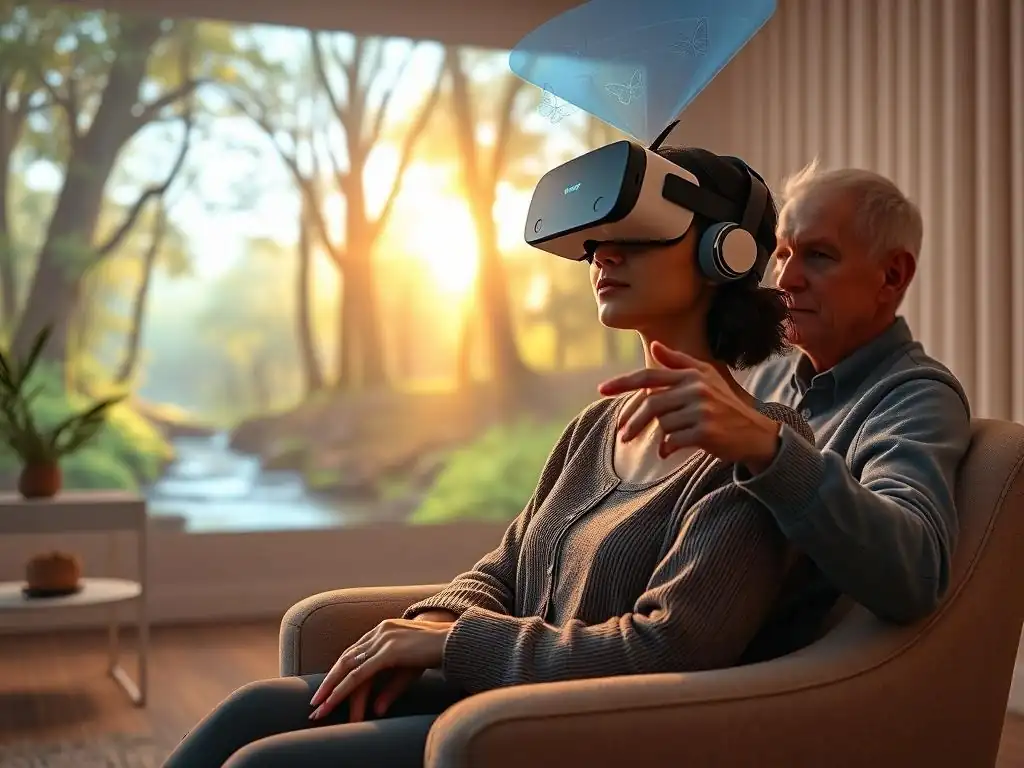
Welcome to Mind Care Guide, your trusted companion on the path to mental well-being. Are you grappling with the complexities of modern mental health solutions? Perhaps you're curious about innovative approaches to therapy? Delve into our exploration of VR AR therapy benefits and discover how immersive technology is revolutionizing mental healthcare, offering promising new avenues for healing and growth. Let's unravel the potential together, and see how VR/AR can pave the way for a brighter, healthier future. Read on to learn more!
- VR/AR in Therapy: Immersive Solutions for Mental Health Challenges - Mind Care Guide
- VR AR Therapy Benefits: Unlocking New Possibilities for Mental Well-being
-
Applications of VR/AR Therapy: Addressing Specific Mental Health Conditions
- VR Therapy for Anxiety Disorders: Overcoming Fears in a Safe Virtual Environment
- Treating PTSD with VR Exposure Therapy: Rebuilding Lives Through Simulated Experiences
- Using AR to Manage Phobias: Gradual Exposure and Real-World Skills Training
- VR/AR Interventions for Depression: Enhancing Mood and Motivation
- Utilizing Virtual Reality for Autism Spectrum Disorder: Improving Social Skills and Communication
- How VR/AR Therapy Works: A Detailed Look at the Process
- Comparing VR/AR Therapy to Traditional Therapy Approaches
- The Future of VR/AR in Mental Health: Trends and Innovations to Watch
- Potential Challenges and Considerations for VR/AR Therapy Adoption
- Finding VR/AR Therapy: Resources and Guidance for Patients and Professionals
- Conclusion: Embracing the Potential of VR/AR for a Brighter Future in Mental Health
-
Frequently Asked Questions
- What are the main VR AR therapy benefits for mental health?
- How does VR/AR therapy differ from traditional therapy methods?
- What types of mental health conditions can benefit from VR/AR therapy?
- Is VR/AR therapy safe and accessible for most individuals?
- Where can I find qualified professionals offering VR/AR therapy?
- Final Reflection: The Emerging Dawn of Immersive Mental Healthcare
- Unleash Your Inner Resilience: Take the Next Step in Mental Wellness
VR/AR in Therapy: Immersive Solutions for Mental Health Challenges - Mind Care Guide
Understanding VR AR Therapy: A New Frontier in Mental Health Treatment
VR/AR therapy, standing for Virtual Reality and Augmented Reality therapy, represents a groundbreaking evolution in how mental health treatment is delivered. Instead of relying solely on traditional face-to-face dialogue or medication, these technologies immerse patients in simulated or enhanced environments designed to address specific psychological challenges. Virtual reality creates entirely digital worlds that users can interact with, while augmented reality overlays digital information or objects onto the real world. This immersive quality allows therapists to create controlled, safe, and highly customizable scenarios that would be difficult or impossible to replicate in a standard clinical setting.
This innovative approach is rapidly gaining traction within the mental healthcare field, offering novel ways to engage patients and provide therapeutic interventions. Early research and clinical trials have demonstrated promising outcomes for a range of conditions. The core idea is to leverage the brain's response to sensory input within these engineered environments to facilitate emotional processing, behavioral change, and skill development. Understanding the fundamental mechanisms and potential applications of VR AR therapy is crucial for both practitioners and individuals seeking treatment, highlighting a significant shift in the therapeutic landscape.
How Virtual and Augmented Reality Are Transforming Mental Healthcare Delivery
Virtual and augmented reality are fundamentally changing the delivery of mental healthcare by offering unprecedented levels of control and specificity in therapeutic interventions. Therapists can now place patients directly into scenarios that trigger their anxieties, phobias, or trauma responses in a controlled setting.
For instance, someone with a fear of public speaking can practice delivering a speech to a virtual audience, experiencing the physiological and psychological reactions in a safe space where they can pause, rewind, or stop the simulation at any time. This level of exposure and practice is often far more effective and less overwhelming than real-world attempts.
Furthermore, VR/AR technologies are enhancing traditional therapeutic techniques. Cognitive Behavioral Therapy (CBT), for example, can be augmented by VR simulations that allow patients to confront distorted thought patterns in specific situations. Social skills training for individuals with autism spectrum disorder can take place in realistic virtual social settings, providing a low-stakes environment to practice interactions. These technologies also offer the potential for remote therapy sessions where patients can access immersive experiences from their own homes, potentially increasing accessibility for those in rural areas or with mobility issues, thereby broadening the reach of mental health services.
VR AR Therapy Benefits: Unlocking New Possibilities for Mental Well-being
What are the Key Advantages of Using VR/AR in Therapy?
One of the most significant VR AR therapy benefits is the creation of realistic yet controlled environments. This allows patients to safely confront triggers and practice coping mechanisms in situations that closely mimic real life but without actual danger or unpredictable elements.
For someone with acrophobia (fear of heights), ascending a virtual skyscraper or walking a plank high above the ground provides a powerful simulation of the fear-inducing situation, enabling systematic desensitization in a way that talking about it cannot fully achieve. This controlled exposure is a cornerstone of treating anxiety disorders and phobias, and VR makes it highly scalable and repeatable.
Another key advantage lies in patient engagement and vividness of experience. Traditional therapy can sometimes feel abstract, but VR/AR makes therapeutic concepts tangible and experiential. Patients often report feeling more present and emotionally connected to the scenarios within the simulation, which can deepen therapeutic processing. The ability to customize scenarios to a patient's specific fears or experiences also offers a level of personalization difficult to achieve otherwise. These VR AR therapy benefits contribute to potentially faster progress and more lasting outcomes for many individuals.
Exploring the Therapeutic Benefits of Virtual Reality for Mental Health
The therapeutic benefits of virtual reality for mental health are wide-ranging, particularly in the area of exposure therapy. Conditions like PTSD, phobias, and social anxiety often involve avoidance behaviors that perpetuate the disorder. VR allows for graded exposure, starting with less intense simulations and gradually increasing the difficulty as the patient builds confidence and coping skills. Studies have shown significant reductions in phobia symptoms after VR exposure therapy, with some research indicating success rates comparable to or even exceeding in-vivo (real-world) exposure for certain conditions like fear of flying or heights.
Beyond exposure, VR is also being used for pain management and distraction techniques, which can indirectly benefit mental well-being for individuals suffering from chronic pain or undergoing painful medical procedures. Immersive VR environments can divert attention away from pain signals and reduce anxiety associated with medical treatments. Furthermore, VR offers potential for improving emotional regulation and mindfulness through guided meditations or simulations designed to promote relaxation and self-awareness, adding another dimension to the therapeutic benefits of VR and AR in mental health.
Augmented Reality Applications in Mental Health: Extending Therapy Beyond the Clinic
Augmented reality (AR) offers distinct advantages by integrating therapeutic elements into the patient's real-world environment. Unlike VR, which replaces reality, AR enhances it. This is particularly useful for interventions that require practicing skills in everyday settings. For example, someone managing social anxiety could use an AR application that provides subtle, real-time feedback or prompts during social interactions, like suggesting conversation starters or providing calming cues visible only to the user. This bridges the gap between skills learned in therapy and their application in daily life.
AR is also being explored for managing conditions like paranoia or hallucinations in psychosis. AR applications could potentially help patients test reality by overlaying information that contradicts delusional thoughts or provides coping strategies in moments of distress. While still an emerging field, the potential of AR to provide just-in-time support and interventions within the context of a person's actual environment represents a significant VR AR therapy benefit, extending the reach and application of therapeutic techniques beyond the confines of the clinic.
Applications of VR/AR Therapy: Addressing Specific Mental Health Conditions
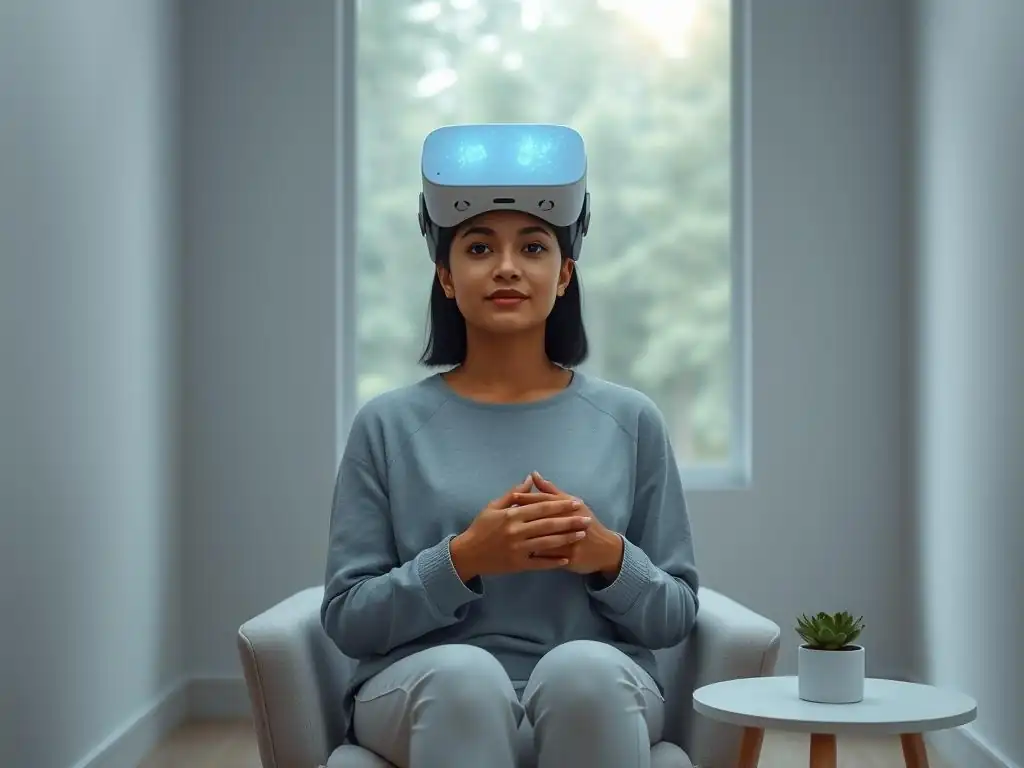
VR Therapy for Anxiety Disorders: Overcoming Fears in a Safe Virtual Environment
VR therapy has become a powerful tool for treating various anxiety disorders, including specific phobias, social anxiety disorder, and generalized anxiety disorder. For specific phobias like arachnophobia (fear of spiders) or claustrophobia (fear of enclosed spaces), VR allows for controlled, gradual exposure to the feared object or situation. A person with fear of public speaking can practice in front of virtual audiences of varying sizes and reactions. This systematic desensitization process, conducted in a therapist-guided virtual environment, enables patients to experience anxiety responses without real-world consequences, learning to manage their fear and avoidance behaviors effectively.
Clinical studies demonstrate the efficacy of VR exposure therapy for phobias. For instance, research on treating fear of heights has shown significant reductions in anxiety levels and avoidance behaviors, with effects often maintained over time. Patients can repeat scenarios as needed, gaining mastery over their fear responses. The ability to customize the intensity and elements of the virtual environment—from the size of the spider to the height of the building—makes VR therapy highly adaptable to individual patient needs, offering a compelling pathway to overcoming debilitating fears.
Treating PTSD with VR Exposure Therapy: Rebuilding Lives Through Simulated Experiences
Post-Traumatic Stress Disorder (PTSD) is another area where VR therapy shows significant promise, particularly through a technique known as Virtual Reality Exposure Therapy (VRET). VRET for PTSD involves immersing patients in virtual environments that simulate aspects of their traumatic experience in a safe, therapeutic setting. This could involve simulations of combat zones for veterans, or other scenarios relevant to the individual's trauma. The goal is to help patients process the traumatic memories and associated emotions in a controlled environment, guided by a therapist.
By confronting elements of the trauma narrative in VR, patients can begin to habituate to the distressing cues and reduce the emotional intensity of their memories. This is often done in conjunction with traditional therapeutic techniques like cognitive processing therapy. Early research, particularly with military veterans, has indicated that VRET can lead to significant reductions in PTSD symptoms, including intrusive thoughts, avoidance, and hyperarousal. While challenging, this form of therapy provides a powerful mechanism for patients to re-engage with and ultimately process their trauma, facilitating recovery and improving quality of life.
Using AR to Manage Phobias: Gradual Exposure and Real-World Skills Training
While VR is excellent for immersive simulations, Augmented Reality (AR) offers a different approach to managing phobias, focusing on integrating exposure and skills training into the real world. Instead of stepping into a fully virtual environment, AR overlays digital elements onto the user's actual surroundings. For someone with arachnophobia, an AR app could place a virtual spider onto a real-world surface like a table. The patient can then approach the spider, interact with it (e.g., virtually poke it with a stick), and practice coping strategies while remaining grounded in reality.
This method allows for highly personalized and context-specific exposure. A person afraid of public transport could see virtual crowds overlaid onto a real bus stop, gradually increasing the number of virtual people. AR can also provide real-time prompts for relaxation techniques or positive self-talk during exposure moments. This blend of virtual elements within the real world helps patients generalize skills learned in therapy to their everyday environments, offering a practical and accessible way to confront phobias outside the clinic.
VR/AR Interventions for Depression: Enhancing Mood and Motivation
Beyond anxiety and trauma, VR/AR is being explored for its potential in treating depression. While not as direct as exposure therapy for phobias, immersive technologies can be used to address symptoms like social isolation, lack of motivation, and negative self-perception. VR environments can provide opportunities for 'behavioral activation,' encouraging depressed individuals to engage in activities they once enjoyed or to explore new, positive experiences within a virtual world. This could involve virtual nature walks, social interactions with avatars, or engaging in virtual hobbies.
Furthermore, VR can be used to cultivate positive self-perception and empathy. Some VR experiences are designed to allow individuals to embody different perspectives, for example, seeing themselves performing a task successfully or experiencing the world from the viewpoint of someone else. This can help challenge negative self-talk and build empathy. While research is ongoing, these applications highlight the potential for VR/AR to offer novel ways to enhance mood, increase engagement, and provide positive experiences for individuals struggling with depression, contributing to the growing list of VR AR therapy benefits.
Virtual reality is proving to be a valuable tool for individuals with Autism Spectrum Disorder (ASD), particularly in developing social skills and communication abilities. Many individuals with ASD find real-world social situations overwhelming and unpredictable. VR provides a safe, controlled, and repeatable environment to practice social interactions without the associated anxiety of real-life consequences. Simulations can range from simple one-on-one conversations to navigating complex social gatherings, allowing users to practice eye contact, interpreting facial expressions, understanding social cues, and managing conversational flow.
Therapists can pause simulations to discuss interactions, provide feedback, and allow patients to retry scenarios. This structured practice helps individuals with ASD build confidence and generalize these skills to real-world settings. Some VR programs also focus on teaching life skills, such as job interview practice or navigating public transport, further enhancing independence and reducing anxiety associated with daily tasks. The ability to customize the complexity and intensity of social scenarios makes VR an adaptable and effective platform for social skills training in ASD.
How VR/AR Therapy Works: A Detailed Look at the Process
The Technology Behind VR/AR Therapy: Hardware and Software Overview
VR/AR therapy relies on a combination of specialized hardware and software. The most common hardware for VR therapy includes head-mounted displays (HMDs) like the Meta Quest, HTC Vive, or PlayStation VR, which present visual and auditory stimuli to create the immersive experience. These HMDs often include hand controllers or sensors to track movement and allow interaction within the virtual environment.
High-performance computers or consoles are typically needed to run the complex software that generates the virtual worlds. For AR therapy, hardware can range from smartphones and tablets using their built-in cameras and screens to more advanced AR glasses that overlay digital images onto the user's view of the real world.
The software is the core of the therapeutic intervention. This includes specialized programs designed to create specific virtual scenarios (e.g., a crowded elevator, a battlefield, a social gathering, a presentation stage) or AR overlays (e.g., virtual spiders on a table, crowd simulations in a public space). These programs are developed by companies specializing in therapeutic technology and are often designed in collaboration with mental health professionals.
The software allows therapists to control the environment, introduce stimuli, track patient responses, and customize the experience based on the therapeutic goals and the patient's progress. Integration with biometric sensors (like heart rate monitors) is also becoming more common to provide therapists with real-time data on a patient's physiological responses during a session.
The Role of the Therapist in VR/AR Therapy Sessions: Guiding and Supporting Patients
Contrary to a common misconception, VR/AR therapy does not replace the therapist; it provides them with a powerful new tool. The therapist's role remains central to the therapeutic process. They are responsible for assessing the patient, developing a treatment plan that may incorporate VR/AR, preparing the patient for the immersive experience, and guiding them through the session. During a VR/AR session, the therapist typically observes the patient (often via a monitor displaying what the patient sees in the HMD), provides instructions, offers support, and helps the patient process their reactions in real-time.
The therapist also controls the parameters of the virtual or augmented environment, adjusting the intensity, duration, and specific elements of the simulation based on the patient's tolerance and therapeutic goals. Post-session debriefing is crucial, where the therapist helps the patient integrate the experience, discuss their thoughts and feelings, and reinforce coping strategies. The therapist's expertise is essential for ensuring the safety and effectiveness of the VR/AR intervention, making informed decisions about when and how to use the technology, and integrating it within the broader context of the patient's overall treatment plan.
Structure of a VR/AR Therapy Session: Immersion, Interaction, and Debriefing
A typical VR/AR therapy session follows a structured process, although it can vary depending on the specific condition being treated and the therapeutic approach. It generally begins with preparation, where the therapist discusses the session's goals, prepares the patient psychologically, and ensures they are comfortable with the technology. This is followed by the immersion phase, where the patient puts on the HMD or uses the AR device and enters the simulated or augmented environment. The therapist guides the patient verbally throughout this phase, observing their reactions and adjusting the scenario as needed.
The interaction phase involves the patient engaging with the environment and the stimuli designed to evoke the target response (e.g., walking across a virtual bridge if they have a fear of heights). The therapist facilitates this interaction, prompting the patient to use coping skills or process their feelings. The session concludes with a crucial debriefing phase.
The patient removes the headset, and the therapist leads a discussion about the experience, the emotions and thoughts that arose, and how the session contributes to the overall treatment goals. This debriefing is essential for integrating the virtual experience into real-world learning and progress, highlighting the comprehensive nature of VR AR therapy benefits when properly administered.
Comparing VR/AR Therapy to Traditional Therapy Approaches
VR/AR Therapy vs. Traditional Talk Therapy: Advantages and Disadvantages
When comparing VR/AR therapy to traditional talk therapy (such as CBT or psychodynamic therapy delivered solely through conversation), the key difference lies in the experiential element. Traditional talk therapy relies heavily on verbal processing, introspection, and cognitive restructuring. It is highly effective for many conditions, particularly those where insight and understanding are primary goals. However, it can sometimes be challenging for patients to vividly recall or emotionally connect with past experiences or feared situations through dialogue alone.
VR/AR therapy's main advantage is its ability to provide immersive, controlled exposure and experiential learning. This can be significantly more impactful for conditions where confronting specific stimuli is crucial, like phobias or PTSD. It also allows for practicing skills in realistic scenarios.
However, disadvantages include the initial cost of technology, potential for motion sickness in some users, and the fact that it may not be suitable for all conditions or all patients. Talk therapy, being less reliant on technology, is often more accessible and has a longer history of empirical validation across a wider range of mental health issues. The choice between or combination of approaches depends heavily on the individual's needs and the specific condition being treated.
Integrating VR/AR Therapy with Existing Treatment Plans: A Holistic Approach
Rather than being a standalone replacement for traditional therapy, VR/AR is often most effective when integrated into existing, comprehensive treatment plans. Therapists can use VR/AR sessions as powerful adjuncts to talk therapy, medication management, and other therapeutic modalities. For example, a patient receiving CBT for social anxiety might use VR to practice social interactions between traditional sessions, reinforcing skills learned in therapy. A veteran with PTSD might combine VRET with group therapy or individual processing sessions.
This integrated approach leverages the unique VR AR therapy benefits, such as controlled exposure and experiential learning, while retaining the foundational support, insight-building, and relationship-based healing offered by traditional methods. A holistic treatment plan ensures that the patient receives care that addresses the full spectrum of their needs, using technology where it offers a distinct advantage and relying on established therapeutic practices for broader support and skill development. This collaboration between innovative technology and proven methods represents the most promising path forward.
The Future of VR/AR in Mental Health: Trends and Innovations to Watch
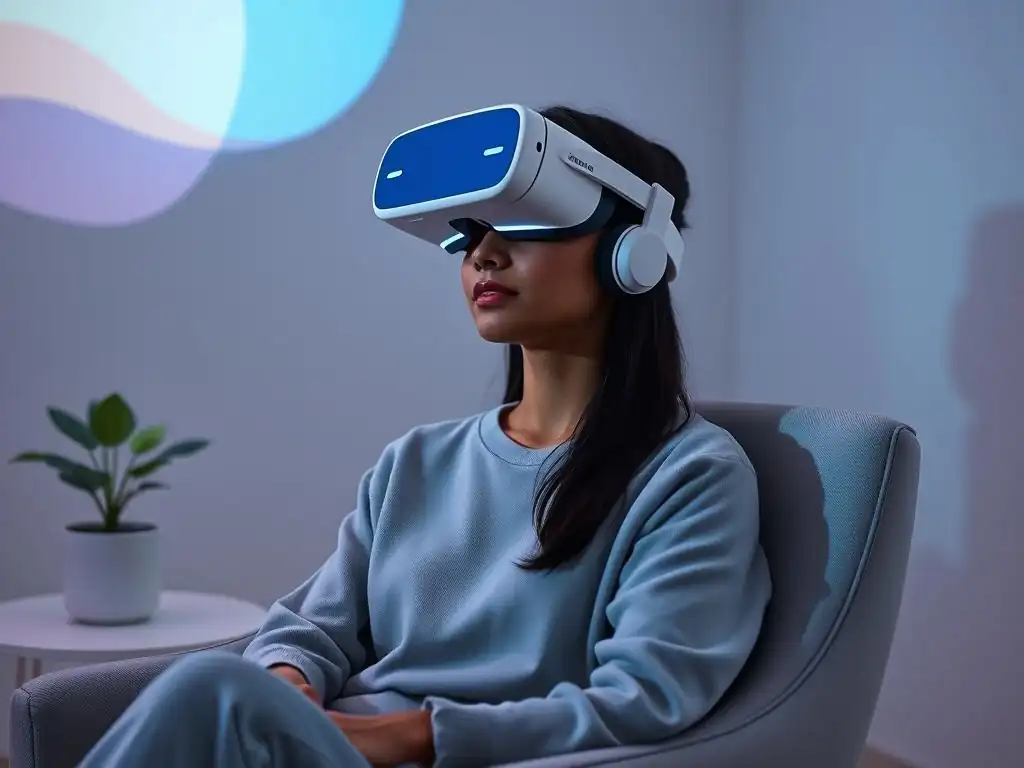
Emerging Technologies in VR/AR Therapy: Advancements in Sensory Feedback and AI Integration
The future of VR/AR therapy is poised for significant advancements driven by emerging technologies. One key trend is enhanced sensory feedback, moving beyond just sight and sound to incorporate haptics (touch), smell, and even temperature. Imagine a VR simulation for anxiety where the patient not only sees and hears a crowded train but also feels the subtle vibrations or smells the air, making the experience even more realistic and therapeutically potent. This increased fidelity can deepen immersion and potentially enhance therapeutic outcomes.
Another major area of innovation is the integration of Artificial Intelligence (AI). AI can power more dynamic and responsive virtual environments and avatars. For example, AI-driven virtual humans could react more realistically to a patient's verbal and non-verbal cues during social skills training. AI can also analyze patient data (like physiological responses or interaction patterns within the simulation) to personalize the therapeutic experience in real-time, adjusting the scenario based on the patient's progress or distress levels. These advancements promise to make VR/AR therapy more sophisticated, personalized, and effective.
Accessibility and Affordability of VR/AR Therapy: Expanding Reach to Underserved Populations
A critical trend for the future is improving the accessibility and affordability of VR/AR therapy, particularly to reach underserved populations. Currently, the cost of high-end VR/AR equipment and specialized software can be a barrier for many clinics and individuals. However, as the technology matures, hardware costs are decreasing, and more affordable, standalone VR headsets are becoming widely available. This democratization of hardware is making VR therapy more feasible for a broader range of providers and potentially for at-home use under clinical supervision.
Furthermore, the development of more scalable software solutions and potentially lower licensing fees for therapeutic content could reduce costs for clinics. The potential for remote VR/AR therapy sessions also opens up access for individuals in rural areas, those with mobility issues, or people who face stigma in accessing local care. Addressing these accessibility and affordability challenges is crucial for ensuring that the significant VR AR therapy benefits are available to everyone who could benefit from them, not just those with access to specialized centers.
The Potential of Personalized VR/AR Therapy: Tailoring Treatments to Individual Needs
The inherent flexibility of VR/AR technology offers immense potential for creating highly personalized therapeutic experiences. Unlike traditional interventions that might follow a more standardized protocol, VR/AR allows therapists to tailor the simulated environment and therapeutic tasks precisely to an individual's specific fears, trauma triggers, social challenges, or recovery goals. For a phobia, this means creating a scenario with the exact type and intensity of the feared object or situation. For PTSD, it means simulating specific aspects of the traumatic event that are relevant to the individual's experience.
This level of customization ensures that the therapy is directly targeting the patient's unique challenges, potentially leading to more efficient and effective treatment. Coupled with AI that can adapt scenarios in real-time based on patient responses, personalized VR/AR therapy holds the promise of delivering interventions that are not only immersive but also optimally tuned to each individual's journey towards mental well-being. This focus on tailored experiences is a key aspect of the future VR AR therapy benefits.
Potential Challenges and Considerations for VR/AR Therapy Adoption
Ethical Considerations in VR/AR Therapy: Privacy, Data Security, and Informed Consent
As VR/AR therapy becomes more prevalent, addressing ethical considerations is paramount. Privacy and data security are significant concerns. VR/AR systems can collect vast amounts of data about user behavior, physiological responses, and interactions within the virtual world. Ensuring this sensitive health data is stored securely, anonymized where possible, and used only for therapeutic purposes is critical. Robust data protection protocols and compliance with health information regulations (like HIPAA in the US) are essential.
Informed consent takes on added complexity in VR/AR therapy. Patients need to fully understand the nature of the immersive experience, the potential emotional intensity, and the fact that while the environment is simulated, their reactions are real. Therapists must clearly explain what to expect, potential side effects (like motion sickness), and the patient's right to stop the session at any time. Ensuring patients feel empowered and safe within the therapeutic process, despite the technological interface, is a core ethical responsibility.
Addressing Concerns About VR/AR Therapy: Motion Sickness and Accessibility
While the VR AR therapy benefits are significant, potential challenges need to be addressed for wider adoption. Motion sickness (cybersickness) is a common concern for some users, caused by a mismatch between visual input and physical sensation. While technology is improving to mitigate this, it can still be a barrier for certain individuals. Therapists need to be aware of this possibility, use appropriate hardware and software designed to minimize motion sickness, and have strategies to manage it if it occurs, including pausing or stopping the session.
Accessibility is another practical consideration. While hardware costs are decreasing, access to high-quality equipment and reliable internet connections (for some applications) can still be limited, particularly in certain geographical areas or socioeconomic groups. Ensuring that the technology is user-friendly for individuals with varying levels of tech literacy and addressing physical accessibility needs (e.g., for individuals with mobility impairments) are crucial steps towards making VR/AR therapy a truly inclusive option.
The Importance of Evidence-Based Practices in VR/AR Therapy: Ensuring Safety and Efficacy
For VR/AR therapy to be widely accepted and trusted, it is essential that its applications are grounded in evidence-based practices. While promising research exists for certain conditions, more rigorous, large-scale studies are needed across a wider range of mental health issues and diverse patient populations. Therapists and clinics adopting VR/AR must rely on protocols and software that have demonstrated clinical effectiveness and safety through research.
Regulatory bodies and professional organizations play a vital role in establishing guidelines and standards for the ethical and effective use of VR/AR in therapy. Ongoing research, therapist training in using the technology effectively, and a commitment to evaluating outcomes are necessary to build a strong evidence base and ensure that VR/AR therapy is not just innovative but also consistently safe and beneficial for patients. Prioritizing empirical validation will solidify the position of VR AR therapy benefits within mainstream mental healthcare.
Finding VR/AR Therapy: Resources and Guidance for Patients and Professionals
Locating Qualified VR/AR Therapists and Clinics
Finding qualified therapists and clinics offering VR/AR therapy requires seeking out mental health professionals who have received specific training in using these technologies for therapeutic purposes. Not all therapists are equipped or trained to provide VR/AR interventions. Patients can begin by asking their current therapist if they incorporate VR/AR into their practice or can provide referrals. Professional organizations related to mental health and technology in therapy may also list directories of practitioners.
Searching online databases or directories specifically for VR/AR therapy providers can also be helpful, though it's crucial to verify the credentials and training of any potential therapist. University medical centers or large mental health clinics, particularly those involved in research or innovation, are often early adopters of VR/AR therapy and may be good places to inquire. Patients should feel comfortable asking potential therapists about their experience, the technology they use, and how VR/AR fits into their overall treatment philosophy.
Resources for Learning More About VR/AR Therapy
For both patients and professionals interested in learning more about VR/AR therapy, several resources are available. Academic journals and research databases (like PubMed or PsycINFO) contain studies on the efficacy and applications of VR/AR in mental health. Professional organizations focused on mental health technology often publish white papers, guidelines, and educational materials.
Websites dedicated to mental health innovation, like Mind Care Guide, provide accessible articles and information. Companies developing VR/AR therapy software and hardware often have resources explaining their technology and its intended uses, though it's important to consider these alongside independent research. Educational workshops and training programs are increasingly available for mental health professionals seeking to incorporate VR/AR into their practice, ensuring they can effectively deliver the VR AR therapy benefits to their clients.
Conclusion: Embracing the Potential of VR/AR for a Brighter Future in Mental Health
The integration of Virtual and Augmented Reality into mental healthcare represents a significant leap forward, offering immersive, controlled, and highly personalized therapeutic experiences. From revolutionizing exposure therapy for anxiety and PTSD to providing novel approaches for social skills training in ASD and enhancing mood in depression, the VR AR therapy benefits are becoming increasingly evident. These technologies empower therapists with new tools to address challenging conditions and offer patients engaging and effective pathways towards healing and well-being.
While challenges related to accessibility, affordability, and the need for continued research exist, the trajectory of VR/AR in mental health is undeniably promising. As the technology becomes more sophisticated, affordable, and widely available, and as the evidence base continues to grow, VR/AR therapy is poised to become a standard component of comprehensive mental healthcare. By embracing these immersive solutions responsibly and ethically, we can unlock new possibilities and contribute to a brighter future for mental health treatment.
Frequently Asked Questions
What are the main VR AR therapy benefits for mental health?
VR/AR therapy offers benefits like reduced anxiety through simulated exposure, improved cognitive rehabilitation, and enhanced social skills training in safe environments.
How does VR/AR therapy differ from traditional therapy methods?
VR/AR therapy utilizes immersive environments and interactive simulations, while traditional therapy relies more on verbal communication and cognitive exercises. This allows for experiential learning and a more engaging therapeutic process.
What types of mental health conditions can benefit from VR/AR therapy?
VR/AR therapy has shown promise in treating anxiety disorders, PTSD, phobias, and even certain cognitive impairments by creating controlled and customizable scenarios.
Is VR/AR therapy safe and accessible for most individuals?
While generally safe, VR/AR therapy requires proper screening to avoid motion sickness or sensory overload. Accessibility is improving, but cost and availability can still be barriers for some individuals.
Where can I find qualified professionals offering VR/AR therapy?
Consult with a mental health professional or research clinics specializing in innovative therapies. Look for therapists with specific training and experience in using VR/AR technology for mental health treatment.
Final Reflection: The Emerging Dawn of Immersive Mental Healthcare
The integration of VR/AR technologies into therapeutic practices isn't just a futuristic concept; it's a rapidly evolving reality with the potential to revolutionize mental healthcare access and effectiveness. The benefits outlined – from reducing anxiety and PTSD symptoms through exposure therapy to fostering social skills development in individuals with autism – represent a significant leap forward in addressing the pervasive challenges within the mental health landscape. This isn't simply about technological advancement; it's about human connection and healing, made more accessible and impactful through immersive experiences.
The shift towards utilizing VR/AR in therapy underscores a growing recognition of the limitations of traditional methods and the urgent need for innovative solutions. The stigma surrounding mental health remains a significant barrier, and the personalized, controlled environments offered by these technologies can help alleviate some of this anxiety. As we move forward, the ethical considerations surrounding data privacy and accessibility must be addressed proactively. The greatest glory in living lies not in never falling, but in rising every time we fall.
– Nelson Mandela. This quote resonates deeply, as VR/AR therapy offers a safe space for patients to "fall" and rise again, learning and growing in a supportive virtual environment.
Consider the potential impact of this technology on your own life, or the lives of those you know. Imagine a future where anxiety-provoking situations can be safely navigated in a virtual world, where phobias can be confronted without the overwhelming fear of reality, and where social skills can be honed in a supportive, controlled environment.
This isn't just about technological progress; it's about empowering individuals to take control of their mental well-being and build a brighter future. Take a moment to reflect on how immersive technologies could contribute to a more compassionate and effective approach to mental healthcare, and consider how you might contribute to this evolving field.
Unleash Your Inner Resilience: Take the Next Step in Mental Wellness
Thanks for exploring the world of VR/AR in therapy with us! We hope you gained valuable insights into how immersive technology can support mental health journeys. Ready to explore further and integrate these powerful tools into your own well-being?
- Dive deeper: Research local therapists or mental health clinics offering VR/AR-based treatments. Many are pioneering innovative approaches to anxiety, PTSD, and other challenges. This is the key action.
- Share your thoughts: Discuss this article with a friend or family member who might benefit from learning about VR/AR therapy. Starting a conversation can make a real difference.
- Explore further: Look for online resources, documentaries, or podcasts dedicated to the advancements in digital mental health solutions.
So, what's one small step you can take today to enhance your mental wellness journey, using the knowledge you’ve gained?