
Your Brain on Trauma: How to Rewire for Healing

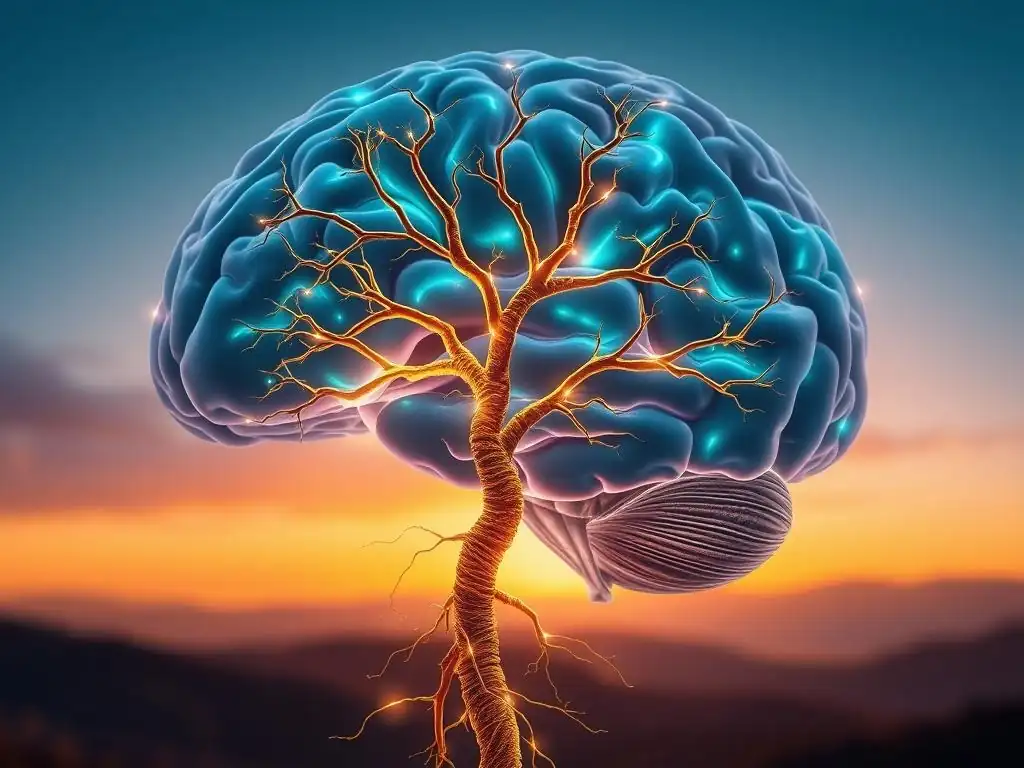
Welcome to Mind Care Guide.
Feeling lost in the aftermath of trauma? You're not alone. It's a journey, and rewiring your brain for healing is absolutely possible. This space is dedicated to providing you with the information and support you need. Let's gently explore trauma rewiring strategies for healing, offering a path towards reclaiming your well-being. Are you ready to understand how your brain responds to trauma and discover actionable steps you can take today?
Rewiring the Brain After Trauma: A Path to Recovery
- Understanding the Impact of Trauma on the Brain
- Neuroplasticity: The Brain's Capacity for Healing and Rewiring
- Therapeutic Approaches for Trauma Rewiring
- Somatic Approaches: Connecting with the Body for Trauma Resolution
- Cultivating Resilience: Building Inner Strength and Coping Skills
- Lifestyle Factors Supporting Brain Health and Trauma Recovery
- Seeking Professional Guidance: When to Consult a Trauma-Informed Therapist
- Sustaining Long-Term Brain Health and Well-being
-
Frequently Asked Questions
- What does "trauma rewiring" mean in the context of healing?
- How does trauma actually affect the brain and its functioning?
- What are some effective strategies for rewiring the brain after trauma?
- How long does it typically take to rewire the brain after trauma?
- Can anyone rewire their brain after trauma, or are some people more resistant?
- Final Reflection: Rewiring Your Brain for a Brighter Future
- Unlock Your Brain's Healing Power: Start Rewiring Today!
Understanding the Impact of Trauma on the Brain
The Amygdala, Hippocampus, and Prefrontal Cortex: How Trauma Affects Key Brain Regions
Traumatic experiences profoundly impact the brain's structure and function, particularly affecting three key regions: the amygdala, the hippocampus, and the prefrontal cortex. The amygdala, often called the brain's "fear center," becomes hyperactive after trauma. This heightened state means it's constantly on alert for danger, even when none is present, leading to feelings of intense anxiety, fear, and hypervigilance. This overactivity can make it difficult to feel safe, creating a persistent sense of threat that underlies many trauma symptoms.
Simultaneously, the hippocampus, crucial for memory formation and context processing, may shrink or become less active. The hippocampus helps us distinguish between past and present, placing events in a temporal context. When its function is impaired by trauma, traumatic memories can feel fragmented, intrusive, and as if they are happening now, rather than being recalled from the past. This disruption contributes to flashbacks and nightmares, making it challenging to integrate the traumatic experience into a coherent life narrative, which is a fundamental step in trauma rewiring strategies for healing.
Structural and Functional Changes in the Brain Following Trauma
Beyond altered activity, trauma can induce measurable structural and functional changes in the brain. Research using neuroimaging techniques, such as fMRI, has shown reduced volume in the hippocampus and sometimes the prefrontal cortex in individuals with PTSD compared to those without. The prefrontal cortex, responsible for executive functions like decision-making, impulse control, and regulating emotions, can become less effective at modulating the amygdala's fear response. This decreased top-down control leaves individuals more susceptible to emotional overwhelm and difficulty managing stress responses.
These structural and functional shifts create a neurobiological state geared towards survival, prioritizing immediate threat detection over rational thought and emotional regulation. The connections between these brain regions also change; for instance, the link between the prefrontal cortex and the amygdala may weaken, while connections within the "default mode network" (related to self-referential thought and rumination) might become stronger in ways that reinforce trauma-related distress.
Understanding these physical changes is vital because it highlights that trauma symptoms are not simply psychological; they have a basis in the brain, and effective trauma rewiring strategies for healing must address these biological underpinnings.
Common Symptoms Reflecting Trauma's Neurological Impact: Hyperarousal, Avoidance, and Intrusion
The neurological changes wrought by trauma manifest as distinct symptom clusters commonly seen in conditions like Post-Traumatic Stress Disorder (PTSD). Hyperarousal symptoms directly reflect the overactive amygdala and compromised prefrontal cortex. These include being easily startled, feeling constantly on edge, difficulty concentrating, irritability, and trouble sleeping. It's the brain's alarm system stuck in the "on" position, perceiving threats everywhere.
Avoidance symptoms stem from the brain's attempt to protect itself from overwhelming distress. This involves actively avoiding reminders of the trauma, such as places, people, or even thoughts and feelings associated with the event. This avoidance can lead to emotional numbing, loss of interest in activities, and feelings of detachment from others.
Intrusive symptoms, such as flashbacks, nightmares, and intrusive thoughts, are linked to the fragmented and decontextualized processing of traumatic memories by the impaired hippocampus, often triggered by cues that resemble aspects of the original trauma. These interconnected symptoms demonstrate how trauma fundamentally alters neural pathways, necessitating targeted trauma rewiring strategies for healing.
Neuroplasticity: The Brain's Capacity for Healing and Rewiring
Understanding Neuroplasticity and Its Role in Trauma Recovery
Neuroplasticity is the remarkable ability of the brain to reorganize itself throughout life, forming new neural connections and pathways in response to experiences, learning, and even injury. This inherent capacity is not just for childhood development; it continues into adulthood. It means that the brain is not fixed in the state induced by trauma; it has the potential to change, adapt, and heal. This concept is fundamental to understanding how trauma rewiring strategies for healing work, offering hope that the brain's altered states are not permanent.
For someone who has experienced trauma, neuroplasticity offers a biological basis for recovery. It implies that through targeted interventions and practices, it is possible to strengthen connections between the prefrontal cortex and the amygdala (restoring emotional regulation), improve hippocampal function (allowing for better memory processing), and build new, healthier neural pathways that override the old, trauma-conditioned responses. This "rewiring" isn't about erasing the past but about changing how the brain processes and responds to trauma memories and triggers, enabling a shift from a state of chronic threat to one of relative safety and regulation.
Strategies to Stimulate Neuroplasticity for Healing
Actively stimulating neuroplasticity is central to effective trauma rewiring strategies for healing. This involves engaging in experiences and practices that encourage the formation of new neural connections and the strengthening of beneficial pathways. Therapeutic modalities, which we will discuss further, are designed precisely for this purpose, providing structured ways to process traumatic memories and build new coping skills.
Beyond formal therapy, various activities can support neuroplasticity. Learning new skills, engaging in regular physical exercise, practicing mindfulness and meditation, ensuring adequate sleep, and maintaining social connections all contribute to a brain environment conducive to change and growth. For example, learning a new language or musical instrument creates new neural pathways, while exercise increases blood flow and releases growth factors that support brain health. These activities, when approached with intention and consistency, act as powerful catalysts in the brain's natural healing process, complementing specific trauma rewiring strategies.
Therapeutic Approaches for Trauma Rewiring

Eye Movement Desensitization and Reprocessing (EMDR): Processing Traumatic Memories
Eye Movement Desensitization and Reprocessing (EMDR) is a highly effective trauma rewiring strategy for healing that focuses on helping the brain reprocess traumatic memories. Developed in the late 1980s, EMDR therapy involves recalling distressing images while simultaneously engaging in bilateral stimulation, typically guided eye movements, but sometimes taps or sounds. The theory suggests that this process helps to unlock traumatic memories that are stuck in the limbic system (where they contribute to symptoms like flashbacks) and allows the brain's natural information processing system to integrate them appropriately into the cerebral cortex.
During EMDR sessions, the therapist guides the client through specific phases, including history taking, preparation, assessment, desensitization, installation of positive beliefs, body scan, closure, and reevaluation. The bilateral stimulation is thought to mimic the brain activity during REM sleep, which is associated with memory consolidation.
By engaging this process while focusing on traumatic material, EMDR aims to reduce the vividness and emotional charge of the memory, allowing it to be stored like a regular memory rather than a live, ongoing threat. Many individuals report a significant reduction in distress associated with the traumatic event after a course of EMDR, often finding that the memory no longer triggers intense emotional or physical reactions.
Cognitive Behavioral Therapy (CBT), particularly trauma-focused CBT (TF-CBT), is another cornerstone among trauma rewiring strategies for healing. CBT operates on the principle that our thoughts, feelings, and behaviors are interconnected. For trauma survivors, distressing events often lead to distorted or unhelpful thought patterns (cognitions) about themselves, the world, and the future, which in turn influence their emotional state and actions (behaviors like avoidance). TF-CBT is adapted to address the specific challenges faced by those who have experienced trauma, including issues of safety, trust, and control.
TF-CBT helps individuals identify and challenge these negative trauma-related thoughts, such as "I am in danger" or "It was my fault." By restructuring these cognitions, clients can develop more balanced and realistic perspectives. The behavioral component involves gradually and safely confronting trauma reminders (exposure therapy) in a controlled environment, helping to reduce avoidance behaviors and demonstrate that these reminders are not inherently dangerous in the present. This systematic process helps the brain learn that the threat is over, facilitating the development of new, healthier neural responses and actively participating in the trauma rewiring process.
Mindfulness-Based Therapies: Cultivating Present Moment Awareness for Emotional Regulation
Mindfulness-based therapies, such as Mindfulness-Based Stress Reduction (MBSR) and Mindfulness-Based Cognitive Therapy (MBCT), offer a distinct yet complementary approach to trauma rewiring strategies for healing. Rather than directly processing the traumatic memory, these therapies focus on cultivating present moment awareness without judgment. Trauma often pulls individuals into the past (through intrusive thoughts and flashbacks) or the future (through anxiety and worry). Mindfulness helps anchor them in the here and now, a place of relative safety.
Practicing mindfulness involves paying attention to thoughts, feelings, bodily sensations, and the surrounding environment with curiosity and acceptance. This practice helps individuals develop a greater capacity to tolerate difficult emotions and physical sensations associated with trauma triggers without being overwhelmed or resorting to avoidance. By strengthening the ability to observe internal experiences without immediate reaction, mindfulness enhances emotional regulation skills. This improved ability to stay present and manage distress is crucial for allowing the brain to move out of a state of chronic hyperarousal and engage in the necessary trauma rewiring for lasting healing.
Somatic Approaches: Connecting with the Body for Trauma Resolution
The Body's Role in Storing Trauma: Somatic Memory
Trauma is not just an event that happens to the mind; it's an experience that is deeply registered and stored in the body. This is often referred to as somatic memory. When an individual experiences an overwhelming threat, the body's survival mechanisms take over, leading to physiological responses like fight, flight, or freeze. If these responses cannot be completed or processed at the time of the trauma, the residual energy and physiological states can become "stuck" in the body, manifesting as chronic tension, pain, digestive issues, fatigue, or a feeling of being perpetually "on edge."
Unlike narrative memory, which is stored in the hippocampus and can be recalled as a story, somatic memory is often non-verbal and held as physical sensations, impulses, and postures. This explains why trauma triggers can lead to sudden physical reactions – like a racing heart, shortness of breath, or trembling – even when there is no current danger. Effective trauma rewiring strategies for healing must therefore include approaches that address this bodily component, helping individuals release stored tension and complete the physiological responses that were interrupted during the traumatic event.
Polyvagal Theory: Understanding the Autonomic Nervous System and Trauma
Polyvagal Theory, developed by Dr. Stephen Porges, provides a framework for understanding how the autonomic nervous system (ANS) mediates our responses to safety and threat, and how this is affected by trauma. The ANS has three main branches, according to this theory: the ventral vagal complex (associated with social engagement and feeling safe), the sympathetic nervous system (responsible for fight or flight), and the dorsal vagal complex (associated with freeze or collapse). In a healthy state, we shift smoothly between these states based on environmental cues.
Trauma can disrupt this natural regulation, leaving individuals stuck in a state of chronic sympathetic activation (hyperarousal) or dorsal vagal shutdown (numbness, dissociation, depression). Understanding these states helps explain why trauma survivors might oscillate between feeling overwhelmed and feeling completely shut down. Somatic trauma rewiring strategies for healing often work by helping individuals gently access and regulate these different ANS states, building their capacity to return to a state of ventral vagal safety and connection.
Grounding Techniques: Reconnecting with the Present Moment Through Sensory Awareness
Grounding techniques are practical, body-oriented tools used to help individuals reconnect with the present moment and their physical body when experiencing overwhelming emotions, dissociation, or flashbacks. They are simple yet powerful trauma rewiring strategies for healing because they interrupt the brain's trauma loop by bringing attention back to the immediate, tangible reality. These techniques work by engaging the senses, which are firmly rooted in the present.
Examples include:
- 5-4-3-2-1 Method: Naming 5 things you can see, 4 things you can touch, 3 things you can hear, 2 things you can smell, and 1 thing you can taste.
- Body Scan: Bringing gentle awareness to different parts of the body, noticing sensations without judgment.
- Deep Breathing: Focusing on the rhythm of the breath, which activates the parasympathetic nervous system, promoting calm.
- Physical Sensation Focus: Noticing the feeling of feet on the ground, clothes on the skin, or the weight of the body in a chair.
These techniques help shift focus away from internal distress and towards external or neutral internal sensations, providing a sense of stability and safety in the present. Regular practice of grounding techniques can strengthen the neural pathways associated with present moment awareness and self-regulation, supporting the brain's capacity for trauma rewiring.
Cultivating Resilience: Building Inner Strength and Coping Skills
Social support is a critical component of trauma rewiring strategies for healing and building resilience. Trauma often leads to feelings of isolation, shame, and difficulty trusting others. However, safe, supportive relationships provide a buffer against stress and can counteract the feeling of being alone in one's suffering. Connecting with understanding friends, family, support groups, or a therapist creates a sense of belonging and validation, which is essential for psychological safety.
Positive social interactions can also influence brain chemistry, releasing oxytocin, sometimes called the "bonding hormone," which promotes feelings of trust and calm and can counteract the effects of stress hormones like cortisol. Sharing one's experience with a trusted individual, even if difficult, can help integrate the traumatic memory and reduce its power. Building and maintaining a strong support network is not just emotionally beneficial; it actively contributes to creating an environment where the brain feels safe enough to engage in the complex process of trauma rewiring.
Developing Healthy Coping Mechanisms: Emotion Regulation and Distress Tolerance
Trauma often overwhelms an individual's natural coping abilities, leading to the development of unhelpful strategies like avoidance, substance use, or emotional outbursts. Developing healthy coping mechanisms is therefore a vital part of trauma rewiring strategies for healing. This involves learning practical skills to manage intense emotions and tolerate distress without making the situation worse.
Key skills include:
- Emotion Regulation: Identifying and understanding emotions, reducing emotional vulnerability, and changing unwanted emotions.
- Distress Tolerance: Learning to get through a crisis situation without making things worse, accepting reality, and finding meaning.
- Interpersonal Effectiveness: Learning how to ask for what you need, say no, and maintain self-respect in relationships.
Therapeutic approaches like Dialectical Behavior Therapy (DBT), while not exclusively for trauma, offer valuable skills in these areas that are highly applicable to trauma recovery. By practicing these skills, individuals build new neural pathways for responding to stress and triggers, gradually replacing old, maladaptive coping patterns with effective ones, thereby supporting the brain's capacity for trauma rewiring.
Practicing Self-Compassion: Treating Yourself with Kindness and Understanding
Trauma can deeply impact a person's sense of self-worth, often leading to intense self-criticism, shame, and guilt. Practicing self-compassion is a powerful antidote and a fundamental element of effective trauma rewiring strategies for healing. Self-compassion involves treating yourself with the same kindness, understanding, and acceptance you would offer a friend who is suffering. It recognizes that suffering, failure, and imperfection are part of the shared human experience.
Cultivating self-compassion involves three core components:
- Self-Kindness vs. Self-Judgment: Being gentle and understanding towards oneself rather than harshly critical.
- Common Humanity vs. Isolation: Recognizing that suffering and personal inadequacy are part of the human experience, not something that happens only to "me."
- Mindfulness vs. Over-Identification: Observing painful thoughts and feelings with balanced awareness, neither suppressing them nor being consumed by them.
Research suggests that self-compassion is linked to greater resilience, reduced symptoms of anxiety and depression, and improved ability to cope with difficult life events. By actively practicing self-compassion, individuals can soothe the nervous system, challenge negative self-beliefs rooted in trauma, and create an internal environment conducive to healing and trauma rewiring.
Lifestyle Factors Supporting Brain Health and Trauma Recovery

Nutrition for Brain Health: Fueling Recovery with a Balanced Diet
The brain is an energy-intensive organ, consuming roughly 20% of the body's metabolic resources. What we eat directly impacts its structure and function, playing a significant role in supporting trauma rewiring strategies for healing. A diet rich in whole foods, including fruits, vegetables, lean proteins, and healthy fats, provides the necessary building blocks and nutrients for optimal brain health.
Specifically, omega-3 fatty acids, found in fish, flaxseeds, and walnuts, are crucial for brain cell membranes and reducing inflammation, which can be elevated in individuals with trauma. B vitamins, found in whole grains, legumes, and leafy greens, are essential for neurotransmitter production. Antioxidants, abundant in colorful fruits and vegetables, protect brain cells from damage. Conversely, diets high in processed foods, sugar, and unhealthy fats can contribute to inflammation and oxidative stress, hindering the brain's ability to heal and adapt. Prioritizing nutrient-dense foods provides the foundational support needed for the brain to engage in trauma rewiring.
The Role of Exercise in Reducing Trauma Symptoms and Promoting Well-being
Regular physical exercise is one of the most accessible and effective trauma rewiring strategies for healing, impacting both physical and mental health. Exercise reduces levels of stress hormones like cortisol and adrenaline, which are often chronically elevated after trauma. It also promotes the release of endorphins, natural mood boosters, and neurotransmitters like serotonin, dopamine, and norepinephrine, which play roles in mood regulation, motivation, and focus.
Moreover, exercise increases blood flow to the brain, supporting neurogenesis (the growth of new neurons) and neuroplasticity. Engaging in rhythmic activities like running, swimming, or walking can be particularly soothing for the nervous system, helping to regulate the fight/flight response. Exercise provides a healthy outlet for pent-up energy and tension stored in the body due to trauma, contributing to somatic release and supporting the brain's ability to rewire itself towards a state of calm and resilience. Aiming for consistent moderate exercise, even just 20-30 minutes most days of the week, can make a significant difference.
Sleep Hygiene: Prioritizing Rest for Optimal Brain Function
Sleep is not merely a period of rest; it is a vital process for brain health, memory consolidation, and emotional regulation. Trauma survivors often struggle with sleep disturbances, including difficulty falling asleep, staying asleep, or experiencing nightmares. However, poor sleep exacerbates trauma symptoms like irritability, difficulty concentrating, and emotional reactivity, creating a vicious cycle. Prioritizing good sleep hygiene is therefore a non-negotiable component of trauma rewiring strategies for healing.
During sleep, particularly REM sleep, the brain processes memories and emotions. This is a crucial time for the natural trauma processing that can be impaired after a traumatic event. Establishing a consistent sleep schedule, creating a relaxing bedtime routine, ensuring the sleep environment is dark, quiet, and cool, and avoiding caffeine and alcohol before bed can significantly improve sleep quality. While addressing trauma-related nightmares may require specific therapeutic interventions, improving overall sleep hygiene provides the brain with the essential restorative period it needs to support neuroplasticity and the ongoing process of trauma rewiring.
Seeking Professional Guidance: When to Consult a Trauma-Informed Therapist
Recognizing the Need for Professional Support
While self-help strategies and lifestyle changes are valuable for supporting trauma rewiring, trauma is complex, and professional guidance is often necessary for effective healing. Recognizing when to seek help is a sign of strength, not weakness. Persistent or worsening symptoms such as debilitating anxiety, intrusive thoughts, flashbacks, severe avoidance that interferes with daily life, difficulty maintaining relationships, substance abuse, or thoughts of self-harm are clear indicators that professional support is needed.
Experiencing trauma can fundamentally alter how you perceive the world and yourself. A trauma-informed therapist has specialized training to understand these impacts and provide a safe environment to process the experience. If you feel stuck, overwhelmed, or unable to manage your symptoms despite trying self-care strategies, reaching out to a professional is a crucial step towards accessing effective trauma rewiring strategies for healing and regaining control over your life.
Finding a Qualified Trauma-Informed Therapist
Finding the right therapist is a critical step in the healing journey. It's important to seek out a professional who is specifically trauma-informed, meaning they understand the pervasive impact of trauma and integrate this understanding into their practice. A trauma-informed therapist prioritizes creating a sense of physical and emotional safety, builds trust, and empowers the client, avoiding practices that could inadvertently re-traumatize.
Look for therapists with experience and training in trauma-specific modalities like EMDR, TF-CBT, Somatic Experiencing, or Internal Family Systems (IFS). You can search directories provided by professional organizations or ask for referrals from trusted healthcare providers. Don't hesitate to ask potential therapists about their experience with trauma, their approach, and their training in specific trauma therapies during an initial consultation. Finding a good fit in terms of rapport and therapeutic style is essential for feeling safe enough to engage in deep trauma rewiring work.
Different Types of Therapy: Finding the Right Fit for Your Needs
There isn't a one-size-fits-all approach to trauma therapy. Different types of therapy address various aspects of trauma's impact, and the most effective path often involves a combination or sequential use of different modalities. Understanding the options can help you discuss possibilities with a therapist to find the best trauma rewiring strategies for healing tailored to your unique needs and experiences.
Common effective therapies include:
- EMDR: Focuses on reprocessing specific traumatic memories.
- Trauma-Focused CBT: Helps challenge negative thoughts and gradually confront trauma reminders.
- Somatic Experiencing (SE): Addresses the physiological symptoms of trauma by helping the body release stored tension.
- Internal Family Systems (IFS): Works with different "parts" of the self that may have been fragmented by trauma, promoting internal harmony.
- Dialectical Behavior Therapy (DBT): Provides skills for managing intense emotions and improving relationships, often helpful for complex trauma.
Some therapies might focus initially on stabilization and skill-building (like grounding and emotional regulation), while others move more directly into memory processing once a foundation of safety is established. Discussing your symptoms, history, and comfort level with a trauma-informed professional will guide you towards the most appropriate trauma rewiring strategies.
Sustaining Long-Term Brain Health and Well-being
Ongoing Self-Care Practices for Continued Healing
Trauma recovery is not a destination but an ongoing process of healing, growth, and integration. Sustaining the gains made in therapy and continuing to support brain health requires a commitment to ongoing self-care practices. These are the daily habits and intentional choices that reinforce new neural pathways and maintain emotional regulation.
Ongoing self-care for trauma survivors might include:
- Continuing to practice mindfulness or meditation.
- Maintaining a regular exercise routine.
- Prioritizing consistent, quality sleep.
- Eating a balanced, nutritious diet.
- Engaging in hobbies and activities that bring joy and a sense of purpose.
- Setting healthy boundaries in relationships.
- Using learned coping skills when faced with stress or triggers.
These practices aren't luxuries; they are essential components of maintaining the brain's capacity for health and resilience, reinforcing the trauma rewiring strategies for healing that have been implemented. They help prevent relapse and support long-term well-being.
Maintaining a Strong Support System
Just as social support is crucial during active recovery, maintaining a strong support system is vital for long-term well-being after trauma. Healing can sometimes feel isolating, even when progress is being made. Staying connected to understanding friends, family, or support groups provides continued validation, encouragement, and a sense of belonging.
This might involve scheduling regular check-ins with supportive individuals, participating in peer support groups (either online or in person), or continuing occasional check-in sessions with a therapist if needed. Sharing experiences and challenges with others who understand can reduce feelings of shame and reinforce the reality that you are not alone. A robust support network acts as a buffer against future stressors and provides a crucial resource for navigating life's inevitable challenges, helping to solidify the long-term effects of trauma rewiring strategies.
Embracing a Meaningful Life After Trauma: Growth and Post-Traumatic Growth
Ultimately, trauma rewiring strategies for healing are about more than just reducing symptoms; they are about reclaiming your life and moving towards a future filled with meaning and purpose. For many survivors, the journey through trauma recovery can paradoxically lead to profound personal growth, known as post-traumatic growth (PTG). PTG is not about saying the trauma was good, but about the positive psychological changes that can occur as a result of struggling with highly challenging life circumstances.
Areas of post-traumatic growth can include:
- Greater appreciation for life.
- Closer, more meaningful relationships.
- Increased personal strength.
- Recognition of new possibilities in life.
- Spiritual or existential development.
Embracing a meaningful life involves actively engaging with the world, pursuing values, and connecting with what matters most. This might mean pursuing a new career, volunteering, deepening relationships, or finding new ways to express creativity. By focusing on building a rich, fulfilling life, individuals solidify the positive changes brought about by trauma rewiring and continue to build resilience, demonstrating the brain's incredible capacity for not just healing, but thriving after adversity.
Frequently Asked Questions
What does "trauma rewiring" mean in the context of healing?
Trauma rewiring refers to the process of changing the neural pathways in the brain that have been altered by traumatic experiences. It involves learning new coping mechanisms and ways of processing memories to reduce the impact of trauma.
How does trauma actually affect the brain and its functioning?
Trauma can lead to heightened activity in the amygdala (fear center) and decreased activity in the prefrontal cortex (reasoning). This can result in increased anxiety, difficulty with emotional regulation, and memory problems.
What are some effective strategies for rewiring the brain after trauma?
Effective strategies include therapy like EMDR or CBT, mindfulness practices, and building a strong support system. Neuroplasticity, the brain's ability to change, is key to this process.
How long does it typically take to rewire the brain after trauma?
The timeline for rewiring the brain after trauma varies greatly depending on the individual, the severity of the trauma, and the consistency of treatment. It's a personalized journey that requires patience and dedication.
Can anyone rewire their brain after trauma, or are some people more resistant?
While everyone has the potential to rewire their brain, factors like genetics, prior experiences, and access to resources can influence the process. Consistent effort and professional support are crucial for everyone.
Final Reflection: Rewiring Your Brain for a Brighter Future
The impact of trauma extends far beyond the initial event; its tendrils reach into our thoughts, feelings, and behaviors, shaping our present and future. Understanding how trauma affects the brain is the crucial first step towards healing, and the strategies discussed in this article offer a powerful pathway to reclaiming your life. This isn't just about managing symptoms; it's about actively rewiring your brain for resilience and lasting well-being.
The journey of trauma recovery is deeply personal, a testament to the incredible strength of the human spirit. It's a process that requires patience, self-compassion, and a willingness to confront difficult emotions. But the potential for transformation is immense. As Bessel van der Kolk eloquently stated, The body keeps the score,
and by understanding the neurological underpinnings of trauma, we can begin to rewrite that score, creating a narrative of healing and empowerment. This article has only scratched the surface of the many available tools and techniques, but hopefully, it has provided a solid foundation for your own exploration and journey.
You are not alone in this process. Take the time to explore the resources mentioned, find a therapist who understands trauma-informed care, and most importantly, be kind to yourself. Embrace the opportunity to heal, to grow, and to build a life filled with joy, peace, and genuine connection. The path to rewiring your brain for healing is a journey of self-discovery, and the rewards are immeasurable. Begin today.
Unlock Your Brain's Healing Power: Start Rewiring Today!
Thanks for taking the time to explore the powerful impact of trauma on the brain and the path to healing. You’ve gained valuable insights into how to begin your journey towards a more resilient and peaceful you. Now, let's put that knowledge into action!
- Prioritize one small self-care practice: Choose just one thing from the article – a mindful breathing exercise, a gentle walk in nature, or journaling – and commit to doing it daily this week. This is your foundational step.
- Share your insights: Did a particular technique resonate with you? Share this article with a friend or family member who might also benefit from understanding trauma's impact. A simple conversation can be incredibly powerful.
- Explore additional resources: Consider researching trauma-informed therapists or support groups in your area. This might be the next important step in your healing journey.
What small step will you take today to nurture your brain's incredible capacity for healing?