
Childhood Trauma's Shadow: Understanding ACEs and Their Impact


Welcome to Mind Care Guide, a safe space dedicated to nurturing your mental well-being. Are you feeling the lingering effects of childhood experiences? You're not alone. We understand the profound way Adverse Childhood Experiences (ACEs) can shape your life. This article delves into how ACEs impact adult mental health, offering insights and pathways to healing. Discover how understanding this connection can be the first step towards reclaiming your peace of mind. Let's explore this together.
Childhood Trauma's Shadow: Understanding ACEs and Their Impact
- Introduction: Unveiling the Long-Term Effects of Adverse Childhood Experiences (ACEs)
- What are Adverse Childhood Experiences (ACEs)? Defining Childhood Trauma
- The Link Between ACEs and Adult Mental Health
- The Physical Health Consequences of ACEs: Beyond Mental Well-being
- Recognizing the Signs of ACEs in Adults: Identifying the Impact of Past Trauma
- Healing from Childhood Trauma: Strategies for Recovery and Building Resilience
- Breaking the Cycle of Trauma: Preventing ACEs and Supporting Children
- Resources for ACEs Survivors: Finding Help and Support
- Conclusion: Empowering ACEs Survivors to Heal and Thrive
-
Frequently Asked Questions
- What are ACEs and why are they important to understand?
- How do ACEs specifically impact adult mental health?
- What kind of experiences are considered ACEs?
- Can the impact of ACEs on adult mental health be mitigated or reversed?
- Where can I find resources and support related to ACEs and adult mental health?
- Final Reflection: The Lingering Shadow of Childhood Trauma
- Unveil Your Resilience: Taking Steps Towards Healing
Introduction: Unveiling the Long-Term Effects of Adverse Childhood Experiences (ACEs)
Adverse Childhood Experiences (ACEs) represent potentially traumatic events that occur in childhood (0-17 years). These experiences can range from abuse and neglect to witnessing violence or growing up in a household with substance misuse or mental health problems. While often dismissed as difficult childhoods, the reality is that ACEs can cast a long shadow, significantly shaping an individual's life trajectory and having a profound ACEs impact adult mental health. Understanding these early traumas is crucial because their effects are not confined to childhood; they can manifest decades later, influencing physical health, emotional well-being, and overall quality of life.
The connection between childhood trauma and adult mental health is a well-established area of research. Studies consistently show that individuals who experienced multiple ACEs face a significantly increased risk of developing a wide range of mental health challenges in adulthood. From anxiety and depression to complex trauma disorders and substance use issues, the echoes of early adversity can be powerful and persistent. Recognizing this link is the first step toward effective prevention, intervention, and healing, offering hope and pathways to recovery for those whose lives have been touched by the shadow of childhood trauma.
What are Adverse Childhood Experiences (ACEs)? Defining Childhood Trauma
Adverse Childhood Experiences (ACEs) are defined as stressful or traumatic events that children experience before the age of 18. These experiences fall into several categories, including abuse (physical, emotional, sexual), neglect (physical, emotional), and household dysfunction (such as parental separation or divorce, witnessing domestic violence, having a household member with a mental illness, substance abuse issue, or who is incarcerated). These events can disrupt a child's sense of safety, stability, and bonding, laying the groundwork for potential difficulties later in life.
The concept of ACEs originated from a groundbreaking study conducted by the Centers for Disease Control and Prevention (CDC) and Kaiser Permanente in the late 1990s. This large-scale research project surveyed over 17,000 adults about their childhood experiences and current health status, revealing a strong, dose-response relationship between the number of ACEs experienced and numerous negative health and well-being outcomes in adulthood. This study fundamentally shifted the understanding of how childhood adversity contributes to lifelong health problems, highlighting the significant and lasting ACEs impact adult mental health and physical health.
Common Examples of ACEs: A Breakdown of Traumatic Events in Childhood
ACEs encompass a range of experiences that can cause significant stress and potential trauma for a child. One major category involves direct abuse, which includes physical abuse (harm to the body), emotional abuse (harm to a child's sense of self-worth or emotional well-being through criticism, humiliation, or threats), and sexual abuse (any sexual act forced upon a child).
While specific statistics vary by region and study, findings from large population surveys indicate that a substantial percentage of adults report experiencing at least one form of childhood abuse. For instance, some data suggests that emotional abuse may be the most prevalent type of abuse reported.
Another significant category covers neglect and household challenges. Neglect can be physical (failing to provide basic needs like food, shelter, or medical care) or emotional (failing to provide adequate nurturing, attention, or emotional support).
Household dysfunction includes witnessing violence between parents or caregivers, living with someone who has a substance use disorder or a mental illness, having a parent who is incarcerated, or experiencing the separation or divorce of parents. These experiences, sometimes occurring repeatedly over time, create unstable and unpredictable environments that can overwhelm a child's coping resources and contribute significantly to the long-term ACEs impact adult mental health.
Understanding the ACE Score: How Childhood Trauma is Quantified
The ACE score is a simple count of the number of different types of Adverse Childhood Experiences an individual has endured. Based on the original CDC-Kaiser Permanente study, the score typically ranges from 0 to 10, with one point assigned for each category of ACE experienced (e.g., one point for physical abuse, one for living with a household member with a substance use disorder, etc.). It's important to note that the ACE score counts the categories of trauma, not the frequency or severity within a category; experiencing severe abuse multiple times still counts as one point for that category.
Research using the ACE score has consistently demonstrated a strong correlation between the number of ACEs and the risk of negative outcomes later in life, including significant ACEs impact adult mental health. A higher ACE score is associated with an increased likelihood of developing a range of physical and mental health conditions, engaging in risky behaviors, and experiencing social problems.
While a score of 0 doesn't guarantee a problem-free life and a high score doesn't dictate a person's future, the score serves as a powerful indicator of risk and highlights the cumulative burden of childhood adversity. For example, individuals with an ACE score of 4 or higher are at a significantly elevated risk for numerous health issues compared to those with a score of 0.
The Link Between ACEs and Adult Mental Health
The connection between Adverse Childhood Experiences and adult mental health is profound and well-documented. The stress and instability of ACEs during critical developmental periods can fundamentally alter brain architecture and function, leading to vulnerabilities that persist throughout life. This section explores the neurological pathways involved and the specific mental health conditions strongly linked to childhood trauma.
How Childhood Trauma Shapes the Developing Brain: Neurological Impact of ACEs
The brain undergoes rapid development during childhood and adolescence, and this period is particularly sensitive to environmental influences, both positive and negative. Chronic exposure to stress and trauma, characteristic of many ACEs, can disrupt this development, especially in areas crucial for regulating emotions, managing stress, and forming healthy relationships. The amygdala, the brain's fear center, can become hyperactive, leading to heightened states of anxiety and reactivity to perceived threats, while the prefrontal cortex, responsible for executive functions like planning and decision-making, may be underdeveloped or impaired.
Furthermore, ACEs can dysregulate the body's stress response system, primarily the hypothalamic-pituitary-adrenal (HPA) axis. Repeated activation of this system floods the body with stress hormones like cortisol. Over time, this can lead to a state of chronic vigilance and a lowered threshold for stress, making individuals more susceptible to anxiety, depression, and other stress-related conditions. This altered neurobiological landscape is a key mechanism through which ACEs impact adult mental health, making it harder for survivors to cope with everyday stressors.
ACEs and Increased Risk of Mental Health Disorders: Trauma and Mental Well-being
Research unequivocally shows that experiencing ACEs significantly increases an individual's risk of developing a wide array of mental health disorders in adulthood. This is not a simple correlation but reflects the deep impact of trauma on brain development, stress response, and coping mechanisms. The number and type of ACEs experienced can influence which specific disorders are more likely to emerge, but the overall pattern indicates a strong link between childhood adversity and adult psychological distress.
The increased vulnerability stems from the biological changes mentioned earlier, combined with learned behaviors and emotional regulation difficulties developed in response to traumatic environments. Individuals with a history of ACEs may struggle with feelings of safety, trust, and self-worth, all of which are foundational to mental well-being. Addressing the ACEs impact adult mental health often requires understanding the root causes in childhood trauma and employing trauma-informed approaches to treatment.
Anxiety Disorders and ACEs: The Connection Explained
Anxiety disorders are among the most common mental health conditions linked to ACEs. Growing up in an unpredictable or threatening environment can condition the brain to be constantly on alert, scanning for danger. This state of hypervigilance, adaptive in a dangerous childhood, becomes maladaptive in adulthood, contributing to symptoms of generalized anxiety, panic attacks, and social anxiety.
Studies consistently demonstrate a strong association; for example, research indicates that individuals with four or more ACEs are at a significantly higher risk of being diagnosed with an anxiety disorder compared to those with no ACEs. This persistent state of worry and fear can be debilitating, affecting relationships, work, and overall quality of life, illustrating a clear ACEs impact adult mental health.
Depression and Childhood Trauma: Understanding the Correlation
Depression is another mental health disorder highly correlated with a history of ACEs. The chronic stress, emotional pain, loss, and feelings of helplessness experienced during childhood trauma can disrupt neurochemical pathways and contribute to persistent sadness, loss of interest, and feelings of worthlessness. Emotional neglect, in particular, can impact the development of self-esteem and the ability to experience pleasure.
Data from large-scale studies, including the original ACE study, show a strong dose-response relationship between the number of ACEs and the likelihood of experiencing major depressive episodes. Individuals with higher ACE scores face a substantially increased risk of depression, often experiencing more severe and chronic forms of the disorder that can be resistant to standard treatments if the underlying trauma is not addressed. This highlights the significant ACEs impact adult mental health in the realm of mood regulation.
PTSD and ACEs: A Complex Relationship
Post-Traumatic Stress Disorder (PTSD) is directly linked to trauma, and certain ACEs, particularly direct abuse or witnessing violence, are significant predictors of developing PTSD. However, the relationship is complex. While not every child who experiences trauma develops PTSD, the repeated nature of some ACEs can lead to complex PTSD, a more pervasive form characterized by difficulties with emotional regulation, self-concept, and relationships, in addition to typical PTSD symptoms like flashbacks and avoidance.
Research indicates that childhood trauma is a major risk factor for developing PTSD, with studies showing that a high percentage of adults diagnosed with PTSD report a history of childhood abuse or neglect. The earlier and more severe the trauma, the greater the risk. The persistent re-experiencing of trauma and the avoidance behaviors associated with PTSD are direct manifestations of the unresolved ACEs impact adult mental health.
Substance Use Disorders: Coping Mechanisms and ACEs
Substance use disorders are frequently observed in individuals with a history of ACEs, often serving as maladaptive coping mechanisms. Alcohol or drugs can provide temporary escape from overwhelming emotions, intrusive memories, or the chronic distress associated with unresolved trauma. This self-medication can lead to addiction and further health and social problems.
Numerous studies, including the original ACE study, have documented a strong link between higher ACE scores and increased rates of substance use, including smoking, alcoholism, and illicit drug use. For instance, individuals with an ACE score of 4 or more were found to be significantly more likely to develop alcoholism or drug dependence. This demonstrates how the lasting ACEs impact adult mental health can lead individuals to seek unhealthy forms of relief from their pain.
Personality Disorders: The Role of Early Trauma
Personality disorders, particularly those characterized by instability in relationships, identity, and emotions (such as Borderline Personality Disorder), have a strong association with childhood trauma. Pervasive neglect and abuse during critical developmental periods can interfere with the formation of a stable sense of self, the ability to regulate intense emotions, and the capacity for secure attachment, core features of many personality disorders.
Clinical research consistently shows a high prevalence of ACEs among individuals diagnosed with personality disorders. For example, studies indicate that a very high percentage of individuals diagnosed with Borderline Personality Disorder report experiencing significant childhood trauma, often including severe abuse and neglect. This underscores the profound ACEs impact adult mental health in shaping fundamental aspects of personality and interpersonal functioning.
The Physical Health Consequences of ACEs: Beyond Mental Well-being
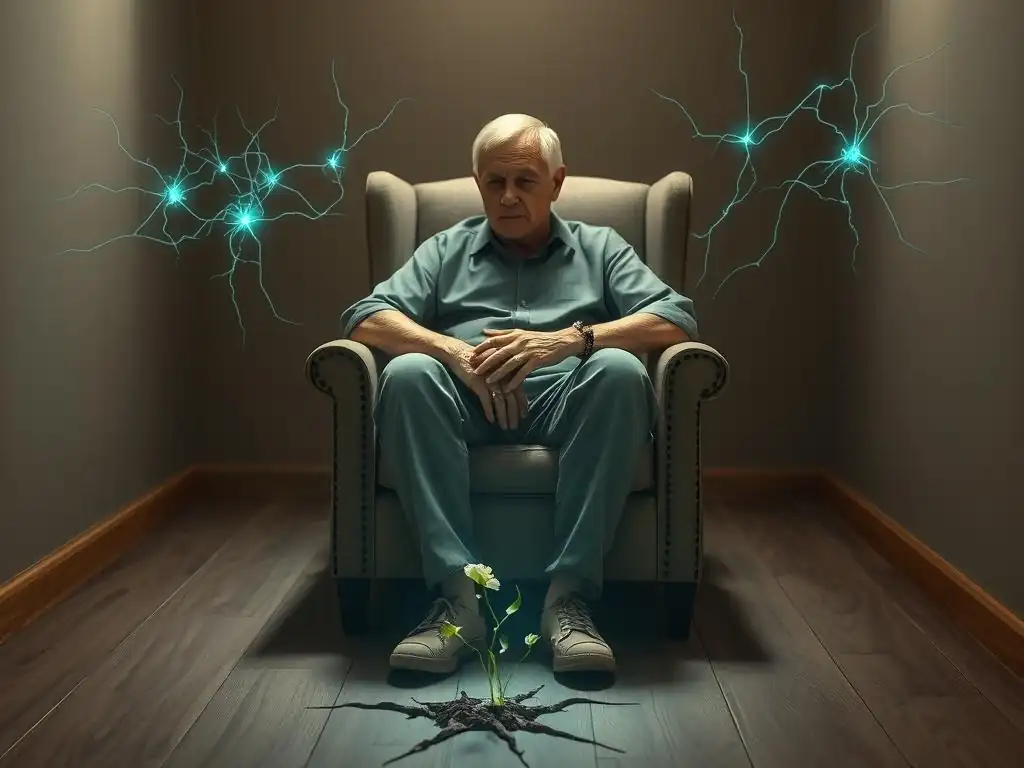
The reach of Adverse Childhood Experiences extends far beyond mental health, significantly impacting an individual's physical health throughout their lifespan. The chronic stress and biological changes initiated by ACEs during childhood can lead to a higher risk of developing numerous chronic diseases in adulthood, highlighting that the ACEs impact adult mental health is often accompanied by significant physical health consequences.
ACEs and Chronic Diseases: The Physical Toll of Childhood Trauma
The original ACE study revealed a striking link between the number of ACEs and the risk of developing several leading causes of death in adults. Individuals with higher ACE scores were found to be at significantly increased risk for conditions such as heart disease, stroke, cancer, chronic respiratory diseases, diabetes, and obesity. This connection is not minor; the cumulative burden of ACEs can substantially impact longevity and quality of life.
For instance, research suggests that having six or more ACEs can potentially shorten a person's lifespan by almost two decades compared to someone with no ACEs, primarily due to the increased risk of these chronic conditions. This strong dose-response relationship underscores the idea that childhood adversity is a major public health issue, with the ACEs impact adult mental health being just one facet of its broader influence on overall well-being.
Inflammation and the Body's Response to Trauma: Understanding the Biological Mechanisms
One key biological pathway linking ACEs to chronic physical diseases is chronic inflammation. Exposure to prolonged or repeated stress during childhood triggers the body's stress response system, leading to elevated levels of stress hormones and inflammatory markers. While acute inflammation is part of the body's healing process, chronic, low-grade inflammation is detrimental and contributes to the development of various diseases.
Studies have shown that adults with a history of ACEs often exhibit higher levels of inflammatory markers, such as C-reactive protein (CRP), even years after the traumatic experiences occurred. This persistent state of inflammation damages tissues and organs over time, increasing vulnerability to conditions like cardiovascular disease, autoimmune disorders, and metabolic syndromes. Understanding this biological mechanism helps explain how the ACEs impact adult mental health is intertwined with physical health outcomes.
Recognizing the Signs of ACEs in Adults: Identifying the Impact of Past Trauma
Identifying the signs of unresolved Adverse Childhood Experiences in adulthood can be challenging, as they can manifest in diverse ways, often years after the trauma occurred. These signs are not simply personality traits but often reflect deep-seated coping mechanisms, emotional dysregulation, and behavioral patterns developed in response to overwhelming childhood experiences. Recognizing these signs is a crucial step towards understanding the ongoing ACEs impact adult mental health and seeking appropriate support.
Survivors may not consciously connect their present struggles to their past, making it important to look for patterns in behavior, emotional responses, and relationship dynamics. These indicators can provide clues that unresolved childhood trauma may be playing a significant role in current difficulties.
Common Behavioral Patterns Associated with ACEs
Adults with a history of ACEs may exhibit a range of behavioral patterns that stem from their past experiences. These can include engaging in high-risk behaviors (such as substance misuse, reckless driving, or unsafe sexual practices) as a way to feel alive or numb emotional pain. Conversely, some may become extremely risk-averse and withdrawn. Difficulty with boundaries is also common; some may struggle to say no or feel exploited, while others may build rigid walls to keep people out.
Self-sabotage, perfectionism, people-pleasing, or difficulty completing tasks can also be linked to ACEs. These behaviors often developed as survival strategies in chaotic or abusive environments but become detrimental in adulthood. Understanding these patterns as potential echoes of childhood trauma is key to addressing the pervasive ACEs impact adult mental health and behavior.
Emotional Regulation Difficulties and ACEs
One of the most significant ACEs impact adult mental health is difficulty regulating emotions. Trauma experienced during childhood can impair the development of the brain regions responsible for processing and managing feelings. This can lead to intense mood swings, difficulty identifying emotions, feeling overwhelmed by even mild stressors, or conversely, feeling emotionally numb or disconnected (dissociation).
Survivors may struggle to calm themselves down when upset, leading to outbursts of anger or prolonged periods of despair. They might also use unhealthy coping mechanisms, such as substance use or self-harm, to manage overwhelming feelings. Learning healthy emotional regulation skills is a vital part of healing from the lasting effects of childhood trauma.
Relationship Challenges Stemming from ACEs
ACEs profoundly affect an individual's ability to form and maintain healthy relationships in adulthood. Trauma, especially neglect or abuse within the family, can disrupt the development of secure attachment styles, leading to difficulties trusting others, fear of intimacy or abandonment, and repeating unhealthy relationship dynamics. Survivors might struggle with communication, conflict resolution, and setting appropriate boundaries.
Some individuals with ACEs may be drawn to partners who replicate aspects of their childhood trauma, unconsciously seeking to resolve past wounds or because familiar dynamics, even unhealthy ones, feel "normal." Others may avoid close relationships altogether to protect themselves from perceived threats of hurt or betrayal. Navigating relationships is a common area where the ACEs impact adult mental health becomes particularly visible.
Healing from Childhood Trauma: Strategies for Recovery and Building Resilience
Healing from the ACEs impact adult mental health is a journey, not a destination, but it is absolutely possible. Recovery involves processing past experiences, developing healthy coping mechanisms, building resilience, and fostering a sense of safety and self-worth. While the path can be challenging, various strategies and resources are available to support survivors.
It's important to remember that healing is a personal process and may look different for everyone. There is no single "right" way to heal, and progress may not be linear. Seeking professional support and engaging in self-care practices are fundamental steps in this journey.
Trauma-Informed Therapy: A Path to Healing from ACEs
Trauma-informed therapy is a cornerstone of healing from childhood trauma. This approach recognizes the widespread impact of trauma and integrates this understanding into all aspects of treatment. Therapists prioritize creating a safe and trusting environment, empowering clients, and avoiding re-traumatization. The focus is on helping individuals process their experiences in a safe, controlled manner and develop skills to manage the lingering effects of trauma.
Effective trauma therapy acknowledges that symptoms like anxiety, depression, or substance use may be coping mechanisms or responses to past adversity. Instead of just treating the symptoms, trauma-informed therapy addresses the root cause, helping individuals build resilience and reclaim their lives from the ACEs impact adult mental health.
EMDR Therapy for Trauma: Reprocessing Traumatic Memories
Eye Movement Desensitization and Reprocessing (EMDR) is a specific therapy approach often used to treat trauma. It helps individuals process distressing memories and reduce their emotional impact by using bilateral stimulation (like eye movements or tapping) while recalling the traumatic event.
Cognitive Behavioral Therapy (CBT): Changing Negative Thought Patterns
Cognitive Behavioral Therapy (CBT) can be adapted for trauma survivors to help identify and challenge negative thought patterns and beliefs that developed as a result of ACEs (e.g., "I am worthless," "The world is dangerous"). By changing these thoughts, individuals can change their emotional responses and behaviors.
Dialectical Behavior Therapy (DBT): Managing Intense Emotions
Dialectical Behavior Therapy (DBT), originally developed for individuals with Borderline Personality Disorder, is highly effective for those with ACEs who struggle with intense emotional dysregulation, impulsivity, and relationship difficulties. DBT teaches skills in mindfulness, distress tolerance, emotional regulation, and interpersonal effectiveness.
Building Resilience After Trauma: Strategies for Coping and Thriving
Resilience is the ability to bounce back from adversity and adapt in the face of stress. While ACEs present significant challenges, individuals can actively build resilience to mitigate the ACEs impact adult mental health. This involves developing coping strategies, fostering supportive relationships, and cultivating a positive outlook.
Strategies for building resilience include practicing mindfulness to stay present and manage anxiety, engaging in regular physical activity which has proven benefits for mood and stress reduction, and setting achievable goals to build a sense of accomplishment and self-efficacy. Developing a strong support network of friends, family, or support groups is also crucial.
Self-Care Practices for ACEs Survivors: Prioritizing Mental and Physical Well-being
Consistent self-care is essential for individuals healing from childhood trauma. It's not a luxury but a necessity for managing stress, regulating emotions, and promoting overall health. Self-care practices help rebuild a sense of safety and control that may have been lost during childhood.
Examples of self-care include establishing healthy sleep routines, eating nutritious foods, engaging in enjoyable hobbies, spending time in nature, practicing relaxation techniques like deep breathing or meditation, and setting firm boundaries in relationships. Prioritizing these practices helps counteract the ongoing ACEs impact adult mental health and physical health.
Breaking the Cycle of Trauma: Preventing ACEs and Supporting Children

Preventing Adverse Childhood Experiences is the most effective long-term strategy for reducing their devastating ACEs impact adult mental health and physical health. This requires a multi-faceted approach focusing on identifying risks early, supporting families, and creating safe and nurturing environments for children. Breaking the cycle of trauma benefits not only the current generation but also future ones.
Community-level efforts, public health initiatives, and accessible support services play a vital role in prevention. Empowering parents and caregivers, recognizing the signs of trauma in children, and providing timely intervention are critical steps in this collective effort.
The Importance of Early Intervention: Identifying and Addressing Childhood Trauma
Identifying and addressing childhood trauma as early as possible is crucial for mitigating its long-term effects. Early intervention can provide children with the support and resources they need to process their experiences, develop healthy coping mechanisms, and build resilience before the trauma becomes deeply embedded and begins to manifest as significant ACEs impact adult mental health.
This involves training professionals who interact with children regularly – such as teachers, pediatricians, and social workers – to recognize the signs of trauma and connect families to appropriate services. Early screening for ACEs in healthcare settings is becoming a more common practice to identify at-risk children and families.
Creating Safe and Supportive Environments for Children: Fostering Resilience
Safe, stable, and nurturing relationships and environments are the most powerful protective factors against the negative effects of ACEs. Children who have at least one consistent, caring adult in their lives are significantly more likely to develop resilience and buffer the potential ACEs impact adult mental health.
Creating these environments involves promoting positive parenting, ensuring access to safe housing, providing quality education, and building strong community support systems that surround families with resources and care. Initiatives that reduce poverty, address substance abuse, and promote mental wellness within communities also contribute to creating safer environments for children.
Parental Support and Education: Empowering Parents to Prevent ACEs
Many ACEs occur within the family unit, making parental support and education a critical component of prevention efforts. Parents who are equipped with knowledge about child development, positive discipline strategies, and stress management techniques are better able to create nurturing and stable homes. Addressing parental ACEs or mental health issues is also essential, as these can impact parenting capacity.
Programs such as home visiting for new parents, parenting classes, and access to affordable mental healthcare and substance abuse treatment for adults can empower parents and reduce the likelihood of ACEs occurring. Supporting parents directly contributes to breaking the intergenerational cycle of trauma and reducing the future ACEs impact adult mental health.
Resources for ACEs Survivors: Finding Help and Support
Finding the right support is a crucial step in healing from the ACEs impact adult mental health. Thankfully, various resources are available for survivors seeking to understand their experiences and embark on a path toward recovery.
Mental Health Professionals Specializing in Trauma
Seeking help from therapists, psychologists, or psychiatrists who specialize in trauma-informed care is highly recommended. They can provide evidence-based therapies tailored to address the complex effects of ACEs.
Support Groups for ACEs Survivors: Connecting with Others Who Understand
Connecting with others who have similar experiences in support groups can provide invaluable validation, understanding, and a sense of community. Sharing stories and coping strategies with peers can reduce feelings of isolation.
Online Resources and Information
Numerous reputable websites and organizations offer information about ACEs, their impact, and strategies for healing. These resources can provide educational materials, self-help tools, and directories of mental health professionals.
Conclusion: Empowering ACEs Survivors to Heal and Thrive
Adverse Childhood Experiences can cast a long and challenging shadow, profoundly influencing physical health, emotional well-being, and relationships throughout life. The ACEs impact adult mental health is undeniable, contributing to increased rates of anxiety, depression, PTSD, substance use disorders, and personality disorders. However, understanding this link is not a sentence of despair but a pathway to hope and healing.
By recognizing the signs of unresolved trauma, seeking trauma-informed support, building resilience, and practicing consistent self-care, individuals can process their past, develop healthier coping mechanisms, and build fulfilling lives. Furthermore, focusing on preventing ACEs and supporting children creates a brighter future for generations to come. Healing from childhood trauma is a testament to the incredible resilience of the human spirit, and with the right support, survivors can move from surviving to thriving, reclaiming their lives from the shadow of the past.
Frequently Asked Questions
What are ACEs and why are they important to understand?
ACEs, or Adverse Childhood Experiences, are traumatic events occurring before age 18. They are important because research shows a strong link between ACEs and increased risk for various mental health challenges in adulthood.
How do ACEs specifically impact adult mental health?
ACEs can significantly increase the likelihood of developing conditions such as depression, anxiety, PTSD, and substance use disorders in adulthood. They can also affect relationship stability and overall quality of life.
What kind of experiences are considered ACEs?
ACEs encompass a range of traumatic events, including physical abuse, emotional neglect, sexual abuse, and witnessing domestic violence. They also include household substance abuse, mental illness, and parental separation or divorce.
Can the impact of ACEs on adult mental health be mitigated or reversed?
Yes, while ACEs can have lasting effects, therapy, particularly trauma-informed therapy, and supportive relationships can help individuals heal and develop coping mechanisms to manage the impact of their childhood trauma.
Resources and support can be found through mental health professionals, support groups, and organizations specializing in trauma and ACEs recovery. Websites like Mind Care Guide can offer valuable information and guidance.
Final Reflection: The Lingering Shadow of Childhood Trauma
The pervasive impact of Adverse Childhood Experiences (ACEs) on adult mental health is undeniable, a silent epidemic shaping the lives of millions. Understanding the far-reaching consequences of trauma experienced in childhood is not merely an academic exercise; it's a crucial step towards building a more compassionate and supportive society.
The data presented throughout this article paints a stark picture, highlighting the strong correlation between ACEs and a range of mental health challenges, from anxiety and depression to substance abuse and chronic physical illnesses. This isn't just about statistics; it's about the very real struggles faced by individuals grappling with the lingering effects of their past.
The exploration of ACEs has profoundly shifted my understanding of mental health, moving beyond a simplistic view of individual pathology to encompass the powerful influence of early life experiences. It underscores the critical need for early intervention and trauma-informed care. The journey towards healing is often long and complex, but the possibility of recovery and resilience is real. As Bessel van der Kolk eloquently states, The body keeps the score,
reminding us that trauma is not simply a mental event but is deeply embedded in our physical and emotional being. This understanding necessitates a holistic approach to treatment, acknowledging the interconnectedness of mind, body, and spirit.
You, the reader, now hold the knowledge to recognize the signs of trauma and understand its far-reaching effects. Take a moment to reflect on your own experiences and the experiences of those around you. Consider how we, as a society, can foster environments of safety, support, and healing for individuals impacted by ACEs. Advocate for policies that prioritize early childhood development and trauma-informed care. Most importantly, extend compassion and understanding to those who carry the weight of their past, remembering that healing is possible, and that you are not alone in this journey.
Unveil Your Resilience: Taking Steps Towards Healing
Thanks for taking the time to explore the impact of Adverse Childhood Experiences (ACEs). Understanding your past is a powerful first step towards building a brighter future. Now, let's turn that understanding into action.
- Prioritize self-care: Identify one small act of self-compassion you can incorporate into your daily routine. This could be anything from a warm bath to a mindful breathing exercise. Small steps make a big difference.
- Connect with supportive resources: Explore online communities or local support groups dedicated to trauma recovery. Sharing your experience can be incredibly validating and empowering.
- Consider professional guidance: Schedule a consultation with a therapist or counselor specializing in trauma-informed care. They can provide personalized support and guidance on your healing journey.
What’s one self-care practice you're excited to try today, and how will you make time for it in your busy schedule?