
Community as Healer: Harnessing Social Support for Refugee Wellbeing

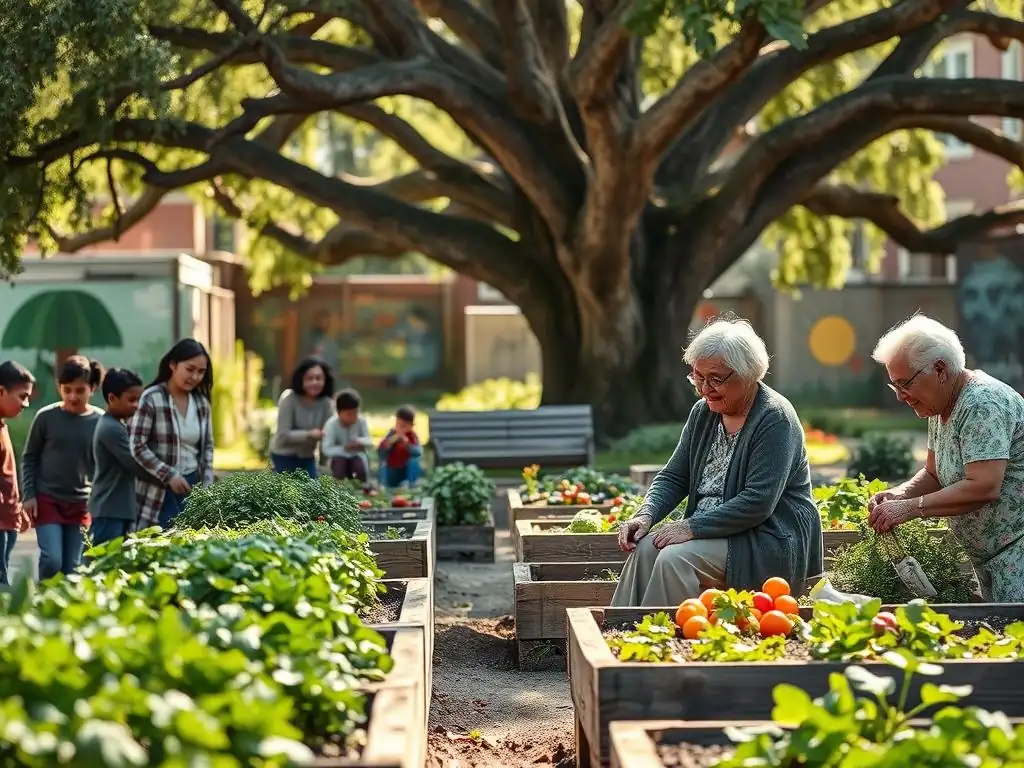
Welcome to Mind Care Guide, a space dedicated to understanding and nurturing your mental well-being.
Have you ever wondered how vital connection can be, especially when rebuilding a life after profound displacement? Our main article, " Community as Healer: Harnessing Social Support for Refugee Wellbeing," delves into the profound impact of social support on the mental health of refugees. Discover how fostering connections can be a powerful antidote to trauma and stress, and explore practical strategies for building supportive networks. Intrigued? Let's explore this vital topic together and uncover the healing power of community.
Community as Healer: Harnessing Social Support for Refugee Wellbeing
- Understanding the Wellbeing Needs of Refugees and the Role of Community
- How Social Support Acts as a Healing Force for Refugees
- Types of Social Support that Benefit Refugee Wellbeing
-
Strategies for Strengthening Refugee Social Support Networks
- Community-Based Mental Health Programs: A Culturally Sensitive Approach
- Peer Support Groups: Creating Safe Spaces for Sharing and Healing
- Mentorship Programs: Connecting Refugees with Established Community Members
- Language and Cultural Bridging Initiatives: Facilitating Communication and Understanding
- Overcoming Barriers to Social Support for Refugees
- The Role of Organizations in Fostering Refugee Social Support
- Measuring the Impact of Social Support on Refugee Wellbeing
- Case Studies: Success Stories of Community-Based Healing
- Future Directions: Enhancing Refugee Social Support Wellbeing Initiatives
-
Frequently Asked Questions
- What is the primary focus of social support programs for refugees?
- How does community involvement contribute to the wellbeing of refugees?
- What are some examples of practical social support initiatives for refugees?
- Why is cultural sensitivity important when providing social support to refugees?
- How can individuals contribute to enhancing refugee social support and wellbeing in their communities?
- Final Reflection: The Enduring Power of Community in Refugee Wellbeing
- Ignite Your Empathy: Take Action for Refugee Wellbeing
Understanding the Wellbeing Needs of Refugees and the Role of Community
The Unique Mental Health Challenges Faced by Refugee Populations
Refugee populations often endure profound trauma before, during, and after displacement. This includes exposure to conflict, violence, loss of loved ones, and the arduous journey to safety. Upon arrival in a new country, they frequently face further stressors such as navigating complex asylum processes, language barriers, cultural differences, discrimination, and economic hardship.
These cumulative experiences significantly impact mental health, leading to higher prevalence rates of conditions like Post-Traumatic Stress Disorder (PTSD), depression, and anxiety compared to host populations. Studies have indicated that rates of PTSD among refugees can be as high as 30-40%, and depression rates similarly elevated, highlighting the urgent need for comprehensive support systems that address these unique challenges and foster refugee social support wellbeing.
Beyond clinical diagnoses, refugees often grapple with a pervasive sense of loss – loss of home, culture, identity, and social networks. This can lead to feelings of isolation, alienation, and difficulty integrating into the new society.
Children and adolescents may face additional challenges in educational settings and social adjustment, while adults may struggle with unemployment and loss of professional status. Addressing these multifaceted impacts requires more than just clinical intervention; it necessitates a holistic approach that recognizes the interconnectedness of mental, emotional, and social health, emphasizing the critical role that robust refugee social support wellbeing plays in recovery and adaptation.
Social connection serves as a fundamental human need and a vital protective factor against psychological distress, particularly for populations that have experienced severe disruption and loss. For refugees, strong social ties can mitigate the effects of trauma, reduce feelings of isolation, and provide a sense of belonging in an unfamiliar environment.
These connections can come from within their own ethnic or cultural community, from interactions with members of the host society, or through participation in structured support programs. The presence of understanding peers and supportive relationships validates their experiences, reduces self-stigma associated with mental health struggles, and fosters a sense of normalcy amidst profound change.
Research consistently demonstrates a strong correlation between social support and improved mental health outcomes across various populations, including refugees. A study involving Syrian refugees in Europe, for instance, found that higher levels of perceived social support were associated with lower levels of depression and anxiety symptoms.
These findings underscore that access to reliable and empathetic social networks is not merely beneficial but often essential for enabling refugees to process trauma, build resilience, and ultimately enhance their overall refugee social support wellbeing. Without these connections, the risk of chronic stress, mental health deterioration, and difficulty integrating into the new society is significantly increased.
Refugee social support wellbeing encompasses a broad spectrum of social interactions and relationships that contribute positively to a refugee's mental, emotional, and practical state. It goes beyond simply having connections and includes the quality, reliability, and perceived helpfulness of those connections. A holistic view recognizes that wellbeing is not solely the absence of illness but the presence of positive states, including a sense of purpose, belonging, security, and the ability to cope with challenges. For refugees, this means having access to networks that provide emotional comfort, practical assistance, information, and a validation of their identity and experiences.
This holistic definition highlights that refugee social support wellbeing is nurtured through diverse sources. This includes intimate relationships with family and close friends, broader connections within ethnic or faith communities, interactions with neighbors and colleagues, and structured support from community organizations and professional services. Effective social support facilitates not only healing from past trauma but also successful integration into the new society. It is about creating an environment where refugees feel seen, heard, valued, and empowered to rebuild their lives, recognizing that strong social foundations are integral to their long-term mental and emotional health.
Building Resilience Through Community Networks
Community networks provide a crucial framework for refugees to build resilience, the ability to adapt positively in the face of adversity. These networks offer shared coping strategies, collective problem-solving, and a sense of solidarity that can buffer the impact of ongoing stressors. Within a supportive community, refugees can find strength in numbers, share their burdens without fear of judgment, and draw upon the collective wisdom and resources of the group. This mutual support reinforces individual capacities and fosters a collective sense of agency, empowering refugees to navigate challenges such as finding housing, accessing education, or dealing with bureaucratic hurdles.
The process of building resilience through community is often organic, emerging from shared cultural backgrounds, languages, and experiences of displacement. For example, within a refugee community, elders may play a vital role in transmitting cultural knowledge and providing guidance, while younger members might assist with language translation and navigating digital systems. This intergenerational exchange strengthens social bonds and creates a resilient ecosystem where individuals feel supported and capable of overcoming obstacles. This dynamic interplay within community networks is fundamental to enhancing refugee social support wellbeing and fostering long-term adaptation.
Social cohesion, defined as the degree of connectedness and solidarity among members of a community, has a significant protective effect on mental health. For refugees, high social cohesion within their own community or with the host society can reduce feelings of isolation and marginalization, which are known risk factors for depression and anxiety. When individuals feel connected to a larger group and believe that others care about their welfare, they are better equipped to cope with stress and adversity. This sense of belonging provides emotional security and reduces the psychological burden of displacement and acculturation.
Studies examining the impact of social cohesion on refugee populations have shown that communities with stronger internal bonds and greater integration with the host society tend to exhibit better mental health outcomes. For instance, research among Somali refugees in the United States found that participation in community activities and strong ethnic ties were associated with lower rates of mental distress.
This protective effect stems from the tangible and intangible resources that cohesive communities provide, including mutual aid, shared cultural practices, and a collective identity that helps individuals maintain a sense of self amidst change, thereby significantly contributing to their refugee social support wellbeing.
Trauma is often isolating, but sharing experiences within a safe and understanding community can be a powerful pathway to healing. For refugees, connecting with others who have undergone similar hardships validates their pain, reduces feelings of shame or guilt often associated with trauma, and fosters a sense of shared humanity.
Peer support groups, for example, provide a structured environment where individuals can recount their stories, process difficult emotions, and receive empathy and encouragement from those who truly understand their journey. This collective witnessing can transform the narrative of trauma from one of individual suffering to one of shared survival and resilience.
Collective healing practices, rooted in cultural traditions or developed within refugee communities, also play a vital role. These might include communal rituals, storytelling sessions, shared artistic expressions, or simply gathering together to share meals and conversation. These activities reinforce cultural identity, provide a sense of continuity with the past, and create a supportive space for emotional release and connection. Engaging in these shared experiences helps to reintegrate fragmented memories and emotions, offering a path towards processing trauma in a way that individual therapy alone may not achieve, thereby enhancing the collective refugee social support wellbeing.
Emotional Support: Fostering Empathy and Understanding
Emotional support involves providing empathy, reassurance, and a listening ear. For refugees, who have often experienced profound loss and emotional distress, having someone who listens without judgment and validates their feelings is incredibly healing. This type of support helps individuals feel understood, less alone, and more capable of managing difficult emotions like grief, fear, and anger. It can come from family members, friends, fellow refugees, or empathetic individuals within the host community. Simple acts of kindness, patience, and compassion constitute crucial forms of emotional support.
Receiving emotional support helps refugees process their traumatic experiences and adjust to their new environment. It provides a safe space to express vulnerability and reduces the psychological burden of carrying painful memories in isolation. For example, a refugee sharing their story of displacement with a trusted friend or peer can alleviate feelings of shame and begin the process of integrating their past into their present reality. This form of connection is fundamental to building trust and security, which are essential components of robust refugee social support wellbeing.
Informational support involves providing guidance, advice, and practical information to help individuals navigate complex systems and access necessary resources. For refugees arriving in a new country, understanding bureaucratic procedures, legal rights, healthcare systems, educational opportunities, and social services is often overwhelming. Access to accurate and timely information can significantly reduce stress and anxiety, empowering refugees to make informed decisions and access the support they need to rebuild their lives. This information can be provided by community leaders, experienced peers, aid workers, or dedicated information centers.
Examples of informational support include explaining the asylum process, helping fill out forms, providing details about language classes, or guiding someone to local food banks or healthcare clinics. Peer-to-peer informational support is particularly valuable, as refugees who have successfully navigated these systems can offer insights and practical tips that are highly relevant and culturally sensitive. This type of support not only facilitates practical integration but also builds confidence and reduces feelings of helplessness, contributing directly to enhanced refugee social support wellbeing by making the new environment less daunting.
Instrumental Support: Practical Assistance for Daily Life
Instrumental support involves providing tangible aid and practical assistance to help individuals meet their basic needs and address daily challenges. This can include help with transportation, childcare, finding housing, securing employment, or accessing essential goods like food and clothing. For refugees who may arrive with limited resources and face significant economic barriers, this type of support is crucial for immediate survival and long-term stability. It addresses the fundamental necessities that allow individuals to focus on healing and integration rather than struggling with basic survival.
Instrumental support can be provided by individuals, community groups, or formal organizations. Examples range from a neighbor helping with grocery shopping, a community group collecting and distributing essential supplies, or an organization providing temporary housing or job placement services. While often seen as purely practical, instrumental support also has significant psychological benefits. Receiving tangible help reduces stress, fosters a sense of security, and demonstrates that the community cares, thereby reinforcing social bonds and contributing positively to refugee social support wellbeing.
Belonging and Identity Support: Rebuilding a Sense of Self
Belonging and identity support focuses on helping refugees maintain their cultural identity while also fostering a sense of belonging within their new community. Displacement can disrupt an individual's sense of self and connection to their heritage. Support that helps refugees connect with others from their cultural background, participate in cultural events, and practice their traditions is vital for maintaining a sense of continuity and identity. Simultaneously, support that facilitates positive interactions with members of the host society helps refugees feel accepted and included, reducing feelings of marginalization and promoting successful integration.
This type of support can manifest through cultural centers, ethnic community organizations, interfaith initiatives, or simply creating opportunities for refugees and host community members to interact and learn from each other. Celebrating cultural holidays, sharing traditional food, or participating in multilingual community events are all ways to foster belonging and identity. By validating their cultural heritage while also facilitating integration into the new social fabric, this support helps refugees rebuild a cohesive sense of self and place, which is fundamental for their overall refugee social support wellbeing.
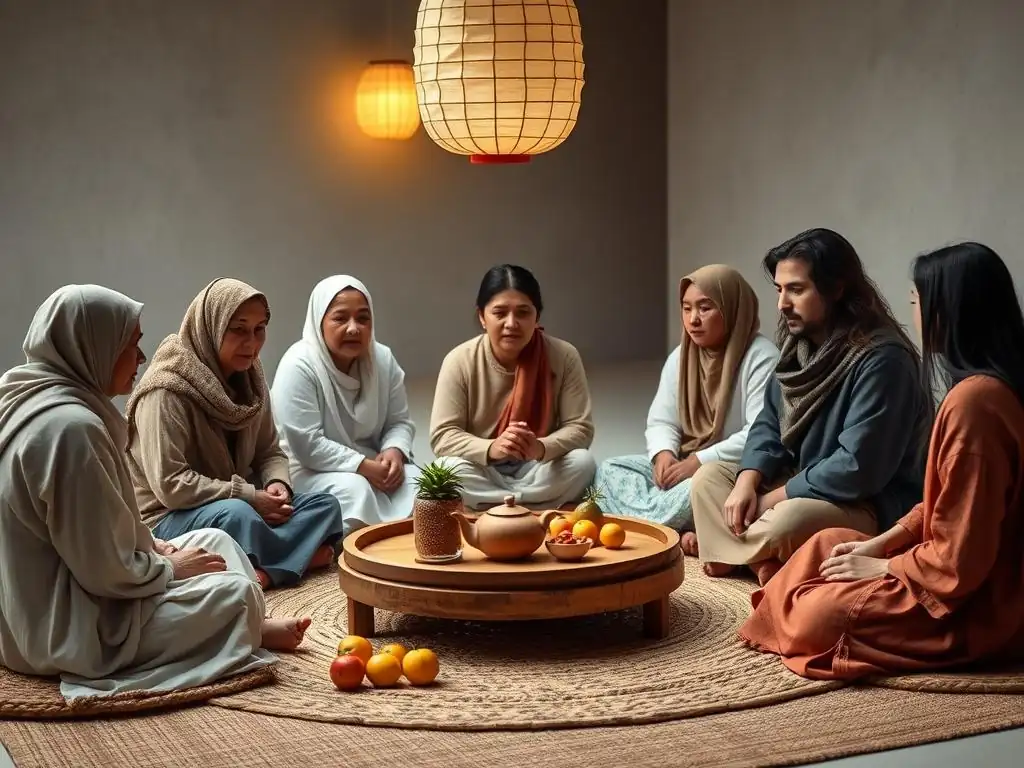
Community-Based Mental Health Programs: A Culturally Sensitive Approach
Community-based mental health programs are crucial for providing support that is accessible, relevant, and culturally sensitive to refugee populations. These programs often operate within refugee communities themselves, utilizing community centers, faith-based organizations, or informal gathering spaces. By locating services within the community, programs reduce barriers related to transportation, stigma, and unfamiliarity with formal institutions. Crucially, they often employ bicultural or bilingual staff and integrate traditional healing practices alongside Western therapeutic approaches, ensuring interventions resonate with refugees' cultural backgrounds and beliefs.
These programs might offer a range of services, including group counseling based on shared experiences, workshops on coping strategies, psychoeducation about trauma and stress, and activities that promote social connection and mutual support. For example, a program might use collective storytelling or art therapy, approaches that may be more culturally appropriate and less stigmatizing than individual talk therapy for some refugee groups. By embedding mental health support within existing social structures and tailoring approaches to cultural contexts, these initiatives significantly enhance refugee social support wellbeing and facilitate healing in a way that is respectful and effective.
Peer Support Groups: Creating Safe Spaces for Sharing and Healing
Peer support groups provide invaluable safe spaces where refugees can connect with others who have undergone similar experiences of displacement, loss, and trauma. These groups are typically facilitated by individuals who have their own lived experience as refugees or are deeply knowledgeable about the challenges faced by this population. The power of peer support lies in the shared understanding and empathy among members, which fosters a sense of solidarity and reduces feelings of isolation. Participants can share their stories, express difficult emotions, exchange practical advice, and offer mutual encouragement without fear of judgment.
These groups can focus on specific themes, such as coping with trauma, navigating the asylum process, parenting in a new culture, or simply providing a space for social connection. For instance, a group for refugee women might discuss challenges related to cultural adjustment and finding support for their children, while a group for young adults might focus on educational and employment goals. The validation and normalization of experiences within peer groups are profoundly therapeutic, helping individuals realize they are not alone in their struggles and building confidence and coping skills, thereby directly strengthening refugee social support wellbeing.
Mentorship Programs: Connecting Refugees with Established Community Members
Mentorship programs pair newly arrived refugees with established members of the host community or with refugees who have successfully integrated. These programs provide one-on-one support, guidance, and friendship, helping refugees navigate the complexities of their new environment and build social connections outside their immediate ethnic group. Mentors can offer practical assistance, such as practicing language skills, explaining cultural norms, or helping access local resources, but their most significant contribution is often the personal connection and emotional support they provide.
A mentor can act as a cultural broker, helping refugees understand the nuances of the host society and reducing misunderstandings. They can also serve as positive role models, demonstrating successful adaptation and offering hope for the future. For example, a mentor might help a refugee practice their English for a job interview or simply spend time listening and offering encouragement during challenging times. These relationships build trust and bridges between different communities, combating isolation and fostering a sense of inclusion, which is vital for enhancing refugee social support wellbeing and facilitating long-term integration.
Language and Cultural Bridging Initiatives: Facilitating Communication and Understanding
Language and cultural differences are significant barriers to refugees building social support networks and integrating into a new society. Initiatives that bridge these gaps are essential. Language classes tailored to adult learners, conversation partners, and language exchange programs help refugees acquire the linguistic skills necessary to communicate and connect with host community members. Equally important are initiatives that promote cultural understanding and exchange between refugees and the host population.
These bridging initiatives can take various forms, such as cultural orientation workshops for refugees, diversity training for host community members, joint cultural events, or community dialogues. For instance, a program might organize a potluck where refugees share traditional foods and stories with local residents, or host workshops where community members learn about the history and culture of refugee groups. By fostering mutual understanding, reducing stereotypes, and improving communication, these initiatives create a more welcoming and inclusive environment, making it easier for refugees to build meaningful social connections and enhancing their overall refugee social support wellbeing.
Addressing Stigma and Discrimination: Promoting Inclusive Communities
Stigma and discrimination pose significant barriers to refugees building social support networks and integrating into the host society. Refugees may face prejudice based on their ethnicity, religion, national origin, or perceived status, leading to social exclusion, isolation, and psychological distress. Addressing these issues requires concerted efforts from both host communities and institutions to promote understanding, challenge stereotypes, and foster inclusive environments where refugees feel safe and welcome. Public awareness campaigns, anti-discrimination policies, and intergroup dialogue initiatives are crucial components of this effort.
Promoting inclusive communities involves educating host populations about the realities of the refugee experience, highlighting refugees' contributions, and creating opportunities for positive interaction. For example, community events that bring refugees and locals together for shared activities, like sports or cultural festivals, can break down barriers and build empathy. Challenging discriminatory attitudes and behaviors is not only a matter of social justice but is also essential for enabling refugees to form the social connections necessary for their healing and to achieve robust refugee social support wellbeing.
Social isolation is a pervasive challenge for many refugees, particularly those who arrive alone, have limited language skills, or live in areas with few existing ethnic community members. Isolation exacerbates mental health problems and hinders integration. Combating it requires proactive outreach efforts to identify vulnerable individuals and connect them with potential sources of support. This can involve home visits by support workers, targeted invitations to community events, or the development of buddy systems that pair isolated individuals with volunteers or mentors.
Effective strategies often involve utilizing community navigators or outreach workers from refugee backgrounds who can build trust and understand the specific barriers faced by isolated individuals. For example, an outreach program might identify elderly refugees who are housebound and connect them with volunteers for regular visits or arrange transportation to community gatherings. Addressing social isolation directly is critical because without initial connections, refugees may struggle to access any form of support, severely limiting their potential for recovery and jeopardizing their refugee social support wellbeing.
Bridging Cultural Differences: Fostering Mutual Respect and Understanding
Cultural differences in communication styles, social norms, and expectations can create misunderstandings and barriers to forming relationships between refugees and host community members. Bridging these differences requires efforts from both sides to develop cultural humility and mutual respect. Refugees may need support in understanding the social cues and norms of the host society, while host community members need education and opportunities to learn about the cultural backgrounds of refugees.
Initiatives that facilitate cultural exchange and dialogue are vital. This could involve workshops on intercultural communication, shared learning experiences, or community events that celebrate diverse cultures. For example, a program might offer workshops for refugees on navigating job interviews in the host country's style, while simultaneously offering workshops for employers on understanding communication differences. By fostering empathy and understanding across cultural divides, these efforts create a more welcoming environment where genuine connections can flourish, significantly improving the potential for refugee social support wellbeing.
Legal and Bureaucratic Barriers to Integration
Complex and lengthy legal and bureaucratic processes can create significant stress and instability for refugees, hindering their ability to focus on building social connections and integrating. Uncertain asylum status, delays in family reunification, restrictions on work permits, and difficulty accessing housing or benefits all contribute to precarity and can limit opportunities for social engagement. Advocating for more streamlined, transparent, and humane policies is essential to reduce these structural barriers that impede refugee social support wellbeing.
Furthermore, navigating these systems often requires significant time, energy, and resources that refugees may not have, leaving little capacity for social activities. Limited access to legal aid or competent interpreters can make these processes even more daunting. Addressing these barriers requires systemic changes, such as advocating for faster processing times for asylum claims, simplifying access to essential services, and ensuring that policies support, rather than hinder, refugees' efforts to establish stable lives and build supportive social networks in their new homes.
NGOs and Humanitarian Organizations: Providing Essential Services
Non-governmental organizations (NGOs) and humanitarian organizations play a critical role in providing essential services that indirectly and directly support refugee social support wellbeing. These organizations often provide initial reception services, including temporary shelter, food, and medical care, which address immediate needs and provide a foundation for stability. Beyond immediate aid, they offer a range of services such as legal assistance for asylum claims, language classes, vocational training, and housing support, all of which facilitate integration and reduce stress.
Many NGOs also run programs specifically designed to foster social connection and mental health. This can include community centers that serve as gathering places, support groups facilitated by trained staff, and cultural orientation programs. For instance, organizations might host regular community meals, organize recreational activities, or provide case management services that connect refugees with local resources and support networks. By addressing both practical needs and social isolation, NGOs are vital pillars in supporting refugees' journey towards recovery and enhanced refugee social support wellbeing.
Faith-Based Organizations: Offering Spiritual and Emotional Support
Faith-based organizations (FBOs) are often among the first points of contact and support for refugees, particularly those who share a similar religious background. FBOs provide spiritual comfort, a sense of community, and practical assistance rooted in their faith traditions. They can offer a familiar and welcoming space, helping refugees connect with others who share their values and cultural practices, which is particularly important for maintaining identity and belonging.
Services offered by FBOs often include religious services, community gatherings, language support, clothing and food donations, and sometimes temporary housing. They can also provide emotional and pastoral care, offering a listening ear and spiritual guidance during times of distress. For example, a local church or mosque might organize a welcome committee for newly arrived refugees, providing not only material aid but also social invitations and opportunities to connect with congregants. These organizations leverage existing social structures and trust within the community to provide vital support that contributes significantly to refugee social support wellbeing.
Government Agencies: Implementing Policies to Support Integration
Government agencies play a crucial role in creating the policy and structural environment that either facilitates or hinders refugee social support wellbeing. Policies related to asylum processing, access to social welfare benefits, housing, education, and employment directly impact a refugee's ability to build a stable life and connect with others. Governments can implement policies that promote integration, reduce discrimination, and fund programs that support refugees' social and emotional needs.
Examples of supportive government actions include providing funding for language and cultural orientation programs, investing in community centers in areas with high refugee populations, developing policies that expedite family reunification, and implementing anti-discrimination laws. Furthermore, government agencies responsible for public health and social services can integrate culturally sensitive mental health support into their offerings and ensure accessibility for refugees. While navigating government systems can sometimes be challenging, supportive policies and accessible services provided by government agencies are foundational to enabling refugees to build strong social support networks and achieve better wellbeing outcomes.
The United Nations High Commissioner for Refugees (UNHCR) plays a significant global role in advocating for the rights and wellbeing of refugees, including promoting access to social support. While UNHCR does not typically provide direct, long-term social support services on the ground in host countries, it works with governments, NGOs, and other partners to create environments where refugee social support wellbeing can flourish. This involves advocating for policies that facilitate integration, funding programs implemented by partners, and providing guidance on best practices for supporting refugee populations.
UNHCR's work includes promoting community-based protection approaches, which emphasize empowering refugees to participate in decisions that affect their lives and leveraging community resources for mutual support. They also advocate for the inclusion of refugees in national social services and community programs. By working at a systemic level and collaborating with a wide range of actors, UNHCR helps to ensure that the importance of social support for refugee mental health and integration is recognized and addressed in global and national responses to displacement, contributing to a framework where refugee social support wellbeing is prioritized.
Qualitative Assessments: Gathering Refugee Perspectives and Experiences
Measuring the impact of social support on refugee wellbeing requires understanding the lived experiences of refugees themselves. Qualitative assessment methods, such as in-depth interviews, focus groups, and participatory workshops, are essential for capturing the nuances of how social connections are formed, maintained, and perceived as helpful or unhelpful. These methods allow researchers and practitioners to gather rich narratives about the role of community, friendships, and institutional support in refugees' journeys of healing and integration.
For instance, focus groups might explore how refugees feel connected to their ethnic community in the host country, what barriers they face in interacting with host nationals, or how participation in a specific support group has impacted their sense of hope or ability to cope with trauma. Interview data can reveal personal stories of finding support in unexpected places or the challenges of losing social networks due to displacement. This qualitative data provides invaluable insights into the mechanisms through which social support influences mental health and overall refugee social support wellbeing, offering a deeper understanding than quantitative data alone.
Quantitative data provides measurable indicators of the impact of social support on refugee wellbeing. This involves collecting numerical data through surveys, questionnaires, and assessments to track changes in mental health symptoms (e.g., levels of depression, anxiety, PTSD), social integration indicators (e.g., participation in community activities, frequency of social interactions, sense of belonging), and overall life satisfaction. Longitudinal studies, which follow refugees over time, are particularly useful for assessing how changes in social support correlate with changes in wellbeing outcomes.
For example, a study might survey refugees participating in a peer support program, collecting data on their social network size, perceived social support levels, and scores on standardized mental health scales before and after their participation. Comparing these scores to a control group could provide quantitative evidence of the program's effectiveness in improving refugee social support wellbeing and reducing psychological distress. While quantitative data offers valuable statistical evidence, it is most powerful when combined with qualitative insights to provide a comprehensive picture of the impact.
Beyond individual social support networks, measuring the broader concepts of social cohesion within refugee communities and integration with the host society is crucial for understanding the environmental factors influencing refugee wellbeing. Indicators of social cohesion might include the frequency of community gatherings, participation in ethnic associations, levels of trust within the group, and collective action on shared issues. Integration indicators could measure intergroup contact, language proficiency in the host language, employment rates, educational attainment, and feelings of acceptance by the host population.
Collecting data on these indicators helps assess the overall social environment in which refugees are living and identify areas where interventions are needed to strengthen social bonds and facilitate integration. For instance, low rates of intergroup contact might suggest a need for more cultural exchange programs, while low participation in community associations within a specific refugee group might indicate barriers to organizing or a lack of resources. Measuring these aspects provides a broader context for understanding refugee social support wellbeing and the societal factors that either enable or impede it.
Case Studies: Success Stories of Community-Based Healing
The Syrian Community Network in Chicago
The Syrian Community Network (SCN) in Chicago is a notable example of a community-based organization founded by Syrian refugees themselves to support their community. Recognizing the unique challenges faced by Syrian newcomers, including trauma, cultural adjustment, and navigating a new system, SCN provides a range of services rooted in cultural understanding and peer support. They offer programs like English language classes, cultural orientation, youth programs, and support for accessing essential services.
A key aspect of SCN's work is fostering social connection and providing culturally sensitive emotional support. They create spaces for community gatherings, celebrations, and mutual aid. By being led by community members, SCN builds trust and ensures that the support provided is relevant and accessible. This approach has been instrumental in helping Syrian refugees in Chicago build strong social networks, reduce isolation, and address the psychological impacts of displacement, significantly enhancing their refugee social support wellbeing and facilitating their integration into the city.
The African Bureau for Immigration and Social Affairs (ABISA) in Ohio has implemented successful peer support programs for African refugees. Recognizing the diverse backgrounds and specific needs within African refugee communities, ABISA's programs connect newcomers with established members who have navigated similar challenges. These peer mentors provide guidance on everything from accessing healthcare and education to understanding local customs and finding employment.
The peer support model employed by ABISA leverages the power of shared experience and cultural understanding. Mentors offer practical advice, emotional encouragement, and a sense of solidarity. This approach not only helps refugees overcome practical barriers to integration but also provides crucial emotional support, reducing feelings of isolation and building confidence. Programs like ABISA's demonstrate how peer-led initiatives can effectively strengthen social networks and contribute significantly to refugee social support wellbeing.
The "Welcome Home" Project in Germany
The "Welcome Home" project in Germany is an example of an initiative aimed at bridging the gap between refugees and host community members. This project, often run by local volunteer groups and NGOs, pairs newly arrived refugees with local families or individuals. The goal is to facilitate personal connections, cultural exchange, and practical support in an informal setting. Participants spend time together, engaging in everyday activities like cooking, visiting local places, or simply having conversations.
While not a formal service program, the "Welcome Home" project focuses specifically on fostering genuine social relationships. These connections help refugees practice their language skills, learn about German culture, and feel more connected to their new community. For host families, it provides an opportunity to learn about different cultures and contribute directly to refugee integration. The personal bonds formed through such initiatives are invaluable for combating isolation and fostering a sense of belonging, directly contributing to refugee social support wellbeing by building bridges between communities.
Integrating Technology to Expand Access to Support
Technology offers promising avenues for expanding access to social support and mental health resources for refugees, particularly those in remote areas or facing mobility challenges. Online platforms, social media groups, and mobile applications can facilitate connections among refugees from the same background, provide access to information in multiple languages, and offer remote peer support or counseling services. Developing culturally appropriate digital tools that are accessible and user-friendly for refugees is a key future direction.
For example, a mobile app could connect refugees with volunteer language partners, provide information on local services via chatbot, or host online peer support forums. Telehealth services can make mental health counseling more accessible for those who cannot easily travel to clinics or prefer the anonymity of remote sessions. While technology cannot replace face-to-face interaction entirely, integrating digital solutions strategically can significantly enhance the reach and accessibility of social support networks, thereby improving refugee social support wellbeing, especially in diverse and geographically dispersed populations.
Sustained efforts are needed to advocate for government policies that actively promote social inclusion and dismantle structural barriers to refugee social support wellbeing. This includes advocating for faster and fairer asylum processes, policies that support family reunification, increased funding for integration programs, and measures to combat discrimination and xenophobia. Policies should recognize the importance of social connection and community support as essential components of refugee integration and wellbeing.
Advocacy efforts can involve lobbying policymakers, raising public awareness about the benefits of inclusive communities, and empowering refugees to share their stories and advocate for themselves. For example, advocating for policies that grant refugees the right to work sooner can reduce economic stress and increase opportunities for social interaction in the workplace. Creating a policy environment that values and supports refugee integration is fundamental to enabling them to build strong social networks and achieve long-term refugee social support wellbeing.
Empowering Refugee Communities to Lead Their Own Healing Processes
Empowering refugee communities to lead and shape their own support initiatives is crucial for ensuring cultural relevance, sustainability, and effectiveness. Refugees possess invaluable knowledge about their own needs, cultural strengths, and potential resources within their community. Initiatives are most impactful when they are developed and implemented in partnership with, or directly led by, members of the refugee community.
This involves providing resources, training, and support for refugees to establish and run their own community organizations, peer support programs, and cultural initiatives. It means listening to and prioritizing the voices of refugees in the design and evaluation of all support services.
For example, providing funding and capacity building for a refugee-led community center allows the community to determine its own priorities and activities. Empowering refugee communities not only builds their capacity and self-reliance but also ensures that social support efforts are truly responsive to their needs, fostering a sense of ownership and agency that is vital for long-term healing and enhanced refugee social support wellbeing.
Frequently Asked Questions
The primary focus is to promote mental and emotional wellbeing by providing a sense of belonging and connection to a new community, helping them adapt to their new environment.
How does community involvement contribute to the wellbeing of refugees?
Community involvement offers refugees access to vital resources, reduces feelings of isolation, and fosters a sense of safety and acceptance, all of which are crucial for their psychological health.
Examples include language classes, cultural orientation programs, employment assistance, and peer support groups that help refugees navigate their new lives and build meaningful connections.
Cultural sensitivity ensures that support is delivered in a way that respects the refugees' backgrounds, beliefs, and experiences, preventing misunderstandings and fostering trust and rapport.
Individuals can volunteer their time, donate to refugee support organizations, advocate for inclusive policies, and simply extend a friendly hand to help refugees feel welcome and supported.
Final Reflection: The Enduring Power of Community in Refugee Wellbeing
The global refugee crisis demands not just material aid, but a profound understanding of the healing power of community. The interconnectedness of social support and mental health outcomes for refugees is undeniable, a truth underscored by the countless stories of resilience born from shared experience and mutual aid. This reality transcends borders and political climates, highlighting the urgent need for comprehensive, community-based support systems.
The impact of social isolation on refugee wellbeing is devastating, often exacerbating pre-existing trauma and hindering successful integration. The most basic of human needs is the need to understand and be understood.
This quote, though not specifically about refugees, speaks volumes about the fundamental human desire for connection, a desire amplified tenfold in the face of displacement and uncertainty. Witnessing the strength and solidarity found within refugee communities themselves, however, offers a powerful counterpoint to the narratives of despair, reminding us of the incredible capacity for human connection to foster healing and hope.
Now, consider your own community. How can you contribute to building a more inclusive and supportive environment for those seeking refuge? Perhaps it's volunteering at a local organization, advocating for more humane policies, or simply extending a hand of friendship to someone new. The journey towards a more just and compassionate world begins with each of us, with the small acts of kindness that ripple outwards, creating a powerful wave of support for those who need it most. Let us choose empathy, let us choose action, and let us choose to build communities that heal.
Ignite Your Empathy: Take Action for Refugee Wellbeing
Thanks for taking the time to explore the powerful role of community in supporting refugee wellbeing. You've learned about the incredible resilience of refugees and the vital impact of social connection. Now, let's turn knowledge into action!
- Become a Friend: Reach out to a local refugee support organization to learn how you can volunteer your time or donate resources directly. This is the most impactful step you can take.
- Share the Story: Spread awareness by sharing this article on social media using #RefugeeWellbeing. Let's inspire others to join the movement!
- Deepen Your Understanding: Explore online resources dedicated to refugee support and learn more about the challenges and successes of refugee communities. It's a journey of ongoing learning and compassion.
What small act of kindness can you commit today to help build a more supportive world for refugees?