
CPTSD: Breaking the Cycle of ReEnactment


Welcome to Mind Care Guide.
Are you caught in a cycle you can't seem to break? It's okay, you're not alone. Understanding how CPTSD trauma reenactment impacts your life is the first step towards healing. This guide offers a compassionate exploration of this challenging experience, providing insights and practical strategies to help you reclaim your narrative and embark on a journey of recovery. Curious about how to dismantle these patterns and build a more resilient future? Let's explore the path forward together.
CPTSD: Breaking the Cycle of Re-Enactment
- Understanding CPTSD and Trauma Re-Enactment
- The Cycle of Re-Enactment: How CPTSD Manifests
- The Neuroscience Behind Trauma Re-Enactment
- Breaking Free: Strategies for CPTSD Trauma Re-Enactment Recovery
- Therapeutic Approaches to Overcoming Re-Enactment
- Self-Care and Support for CPTSD Re-Enactment Recovery
- Long-Term Healing and Growth After CPTSD Re-Enactment
- Frequently Asked Questions
- Final Reflection: Rewriting the Script of Trauma
- Unleash Your Healing Journey: Steps to Break Free
Understanding CPTSD and Trauma Re-Enactment
Complex Post-Traumatic Stress Disorder (CPTSD) is a condition that arises from prolonged, repeated trauma over months or years, often in childhood or adolescence, from which escape is difficult or impossible. Unlike single-incident PTSD, CPTSD involves not just fear but profound difficulties in emotional regulation, self-perception, relationships, and physical health. Understanding CPTSD is the first step towards addressing one of its most challenging aspects: trauma re-enactment.
What is Complex PTSD (C-PTSD)?
Complex PTSD is a psychological injury resulting from chronic interpersonal trauma, such as child abuse, neglect, domestic violence, or captivity. This type of trauma typically occurs within a person's developmental years and involves being under the control of the perpetrator, leaving the individual feeling trapped and helpless. The impact extends far beyond typical PTSD symptoms like flashbacks and hyperarousal, affecting the core sense of self and the ability to form healthy attachments.
Individuals with CPTSD often struggle with severe emotional dysregulation, experiencing intense mood swings, difficulty controlling anger, and chronic feelings of emptiness or despair. They may also develop a distorted self-perception, feeling worthless, guilty, or profoundly different from others. These deep-seated issues contribute significantly to the patterns of behavior and relationship dynamics seen in CPTSD trauma reenactment.
The Core Wound: Trauma's Impact on Development
Early, chronic trauma disrupts the fundamental processes of development, particularly the formation of a stable identity and the capacity for secure attachment. When a child's primary caregivers are the source of fear or neglect, they learn that relationships are inherently unsafe and the world is a dangerous place. This creates a "core wound" – a deep-seated belief about oneself and others that is based on the traumatic experience rather than reality.
This core wound manifests as a profound sense of shame, worthlessness, and an inability to trust oneself or others. It impacts the developing brain's architecture, particularly areas involved in stress response, emotional processing, and social connection. Healing from this core wound is central to CPTSD trauma reenactment recovery, requiring a process of re-learning safety, trust, and self-worth.
Defining Trauma Re-Enactment in CPTSD
Trauma re-enactment refers to the unconscious process by which individuals repeat aspects of their original trauma in current relationships and situations. This isn't a conscious choice but an automatic, often bewildering, pattern driven by unresolved trauma memories and emotional states. It can involve adopting roles from the trauma (victim, perpetrator, rescuer), recreating similar circumstances, or gravitating towards people who mirror aspects of past abusers or neglecters.
For instance, someone who experienced childhood neglect might repeatedly enter relationships where they feel unseen or abandoned, while someone who was abused might find themselves in situations where they are controlled or exploited. This cycle perpetuates the pain of the original trauma, making CPTSD trauma reenactment recovery particularly challenging as individuals feel trapped in familiar, yet destructive, patterns.
The Cycle of Re-Enactment: How CPTSD Manifests
Trauma re-enactment in CPTSD is a complex phenomenon, manifesting in various forms across different areas of life. It's often driven by the brain's attempt to process or gain control over past experiences, ironically leading to the repetition of painful dynamics. Recognizing these patterns is crucial for beginning the journey towards healing and CPTSD trauma reenactment recovery.
Identifying the Patterns: Recognizing Re-Enactment Behaviors
Recognizing re-enactment patterns requires developing keen self-awareness and the ability to observe one's own behaviors and relationship choices without judgment. These patterns often appear as recurring difficulties in relationships, persistent self-sabotaging behaviors, or emotional responses that seem disproportionate to the current situation. An example might be consistently choosing partners who are emotionally unavailable, mirroring a parent who was neglectful.
Another common pattern is repeatedly finding oneself in situations where boundaries are violated, or one feels powerless, reminiscent of the original trauma dynamic. Friends or therapists might point out these recurring themes before the individual recognizes them. Identifying these specific, often painful, loops is a vital step in understanding the depth of the trauma's impact and initiating the process of CPTSD trauma reenactment recovery.
Emotional Re-Enactment: Reliving Past Feelings
Emotional re-enactment involves experiencing intense emotions connected to the original trauma in present-day situations, even when the current trigger is relatively minor. For example, a slight criticism might evoke feelings of intense shame and worthlessness that mirror the feelings experienced during childhood abuse. This is because trauma memories are often stored in the brain primarily as raw emotion and physical sensation, rather than a coherent narrative.
These overwhelming emotional states can lead to impulsive reactions, withdrawal, or difficulty regulating feelings, making it hard to navigate everyday life and relationships. Learning to identify when an emotional response is a re-enactment of past feelings, rather than a proportional response to the present, is fundamental for emotional regulation and a key component of CPTSD trauma reenactment recovery.
Relationship Re-Enactment: Repeating Unhealthy Dynamics
Relationship re-enactment is perhaps the most visible form of trauma re-enactment, where individuals unconsciously seek out or create relationships that mirror the dynamics of their traumatic past. This can involve entering relationships with individuals who are abusive, controlling, neglectful, or exploitative. It's not that the person wants to be harmed, but the familiar dynamics, however painful, can feel strangely normal or even like an attempt to finally "get it right" or change the outcome of the original trauma.
This pattern can manifest in romantic partnerships, friendships, or even professional relationships. Someone who was parentified as a child might repeatedly find themselves in relationships where they are expected to care for their partner's emotional needs excessively, neglecting their own. Breaking this cycle is critical for developing healthy attachment styles and is a significant aspect of CPTSD trauma reenactment recovery.
Self-Sabotaging Behaviors as Re-Enactment
Self-sabotaging behaviors are another common manifestation of trauma re-enactment. These are actions that undermine one's own well-being, success, or happiness. They can stem from core beliefs formed during trauma, such as "I don't deserve good things" or "I am fundamentally flawed." For instance, someone who was told they were stupid might repeatedly drop out of school or quit jobs just when they are on the verge of success.
Other examples include substance abuse, neglecting physical health, isolating oneself, or engaging in risky behaviors. These actions can feel like a perverse form of control or a fulfillment of negative self-prophecies embedded during the trauma. Addressing these self-sabotaging tendencies is essential for building a life that is safe and fulfilling, moving away from the patterns that hinder CPTSD trauma reenactment recovery.
The Neuroscience Behind Trauma Re-Enactment
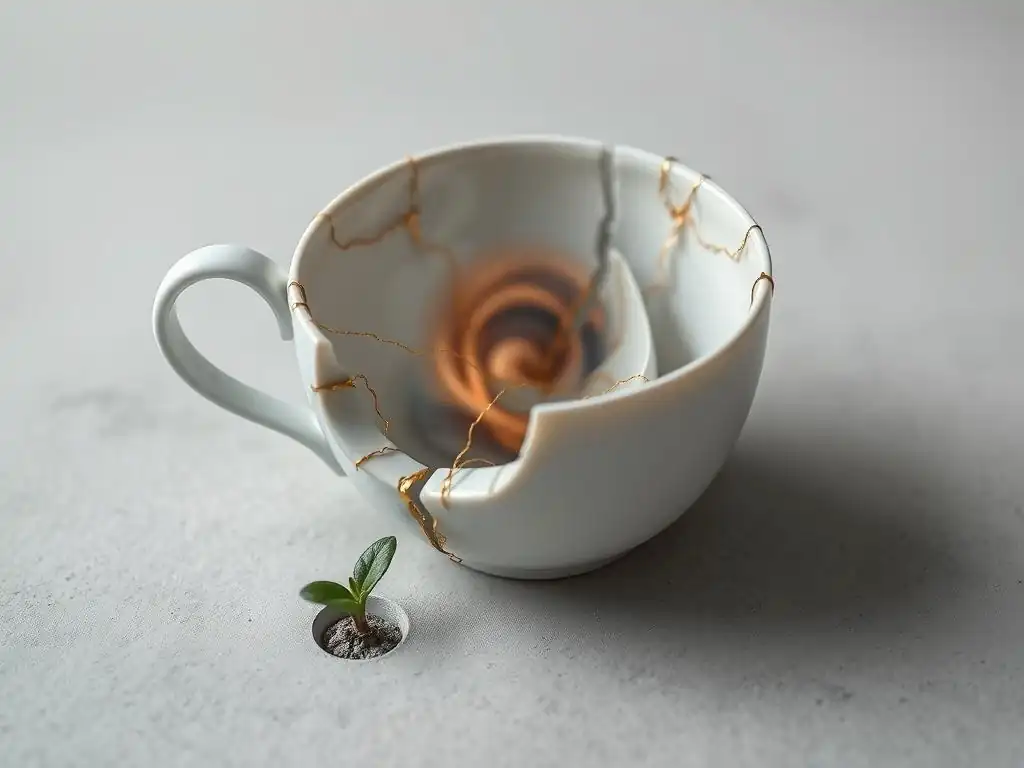
Understanding the brain's response to trauma provides critical insight into why re-enactment occurs. Trauma leaves a lasting imprint on the nervous system, altering how the brain processes information, manages stress, and stores memories. This neurobiological impact underlies the automatic, often unconscious, nature of trauma re-enactment.
The Role of the Amygdala and Hippocampus in Trauma Memory
The amygdala, often referred to as the brain's "smoke detector," becomes hyperactive in response to trauma. It remains on high alert, scanning for potential threats even in safe environments. This heightened state contributes to hypervigilance and exaggerated startle responses common in CPTSD. Trauma memories, often fragmented and lacking context, are heavily influenced by the amygdala's emotional tagging.
Conversely, the hippocampus, responsible for processing context and forming coherent narratives of events, can be inhibited or even shrink in volume due to chronic stress from trauma. This makes it difficult for the brain to place traumatic events in the past, leading them to feel like present dangers. The disconnect between a hyperactive amygdala and an impaired hippocampus is central to the fragmented, emotionally charged nature of trauma memories that fuel CPTSD trauma reenactment.
How Trauma Alters Brain Function and Behavior
Chronic trauma fundamentally rewires the brain's stress response system, primarily involving the hypothalamic-pituitary-adrenal (HPA) axis. This system becomes dysregulated, leading to either an overactive or underactive stress response. This dysregulation contributes to difficulties with emotional regulation, increased anxiety, and a heightened sensitivity to triggers that can initiate re-enactment cycles.
Furthermore, trauma can impact areas like the prefrontal cortex, responsible for executive functions such as planning, decision-making, and impulse control. Impairment here can make it harder to make conscious choices that break away from familiar, albeit destructive, patterns. Understanding these neurobiological changes highlights why CPTSD trauma reenactment recovery is not simply a matter of willpower but requires targeted therapeutic interventions that address brain function.
Implicit Memory and Unconscious Re-Enactment
Trauma memories are often stored as implicit memories – unconscious memories that influence our behavior and feelings without us being consciously aware of them. These are distinct from explicit memories, which are conscious recollections of facts and events. Implicit trauma memories are stored in the amygdala and other non-declarative memory systems, consisting of bodily sensations, emotions, and behavioral responses associated with the trauma.
When a current situation contains elements that resemble the original trauma (even subtly), these implicit memories can be activated, triggering the same emotional and physiological responses experienced during the trauma. This automatic activation drives unconscious re-enactment behaviors, making it feel as though the past is repeating itself. Accessing and processing these implicit memories is a key goal in therapeutic approaches aimed at CPTSD trauma reenactment recovery.
Breaking Free: Strategies for CPTSD Trauma Re-Enactment Recovery
Breaking the cycle of re-enactment is a core aspect of healing from CPTSD. It involves a multi-faceted approach that combines therapeutic work with developing personal skills and self-awareness. This journey requires patience, compassion, and a commitment to building a different future.
Building Self-Awareness: Recognizing Triggers and Patterns
Developing self-awareness is the foundational step in CPTSD trauma reenactment recovery. This involves learning to identify the specific triggers – people, situations, emotions, or even internal states – that activate trauma responses and lead to re-enactment behaviors. Keeping a journal can be incredibly helpful in tracking these triggers and the subsequent thoughts, feelings, and actions.
It also involves recognizing the recurring patterns in relationships and behaviors that reflect the original trauma dynamics. This isn't about blaming oneself but about observing these patterns with curiosity and a desire to understand their origins. Increased self-awareness provides the crucial information needed to make different choices and interrupt the automatic re-enactment cycle.
Developing Emotional Regulation Skills for Trauma Survivors
Emotional dysregulation is a hallmark of CPTSD and a significant driver of re-enactment. Developing skills to manage intense emotions is vital. Techniques such as deep breathing, grounding exercises, distress tolerance skills (e.g., using ice packs, intense physical activity), and mindfulness can help individuals navigate overwhelming feelings without resorting to old, re-enacting behaviors.
Learning to identify and name emotions accurately is also crucial. This is often difficult for trauma survivors who may have learned to suppress or disconnect from their feelings to survive. Building emotional literacy and developing a toolbox of coping strategies empowers individuals to respond to current challenges more effectively, rather than reacting from a place of past trauma, significantly aiding CPTSD trauma reenactment recovery.
Setting Boundaries: Protecting Yourself from Re-Enactment
Setting and maintaining healthy boundaries is essential for protecting oneself from entering or perpetuating re-enacting relationships and situations. This involves clearly defining what is acceptable and unacceptable behavior from others and communicating these limits assertively. For many trauma survivors, setting boundaries is a significant challenge, as they may have been powerless to do so during the original trauma.
Learning to say "no," to express needs, and to distance oneself from relationships or situations that are harmful or triggering is a powerful act of self-protection. Practicing boundary setting builds self-respect and teaches others how to treat you, creating a safer environment that supports CPTSD trauma reenactment recovery and prevents the repetition of past hurts.
Challenging Negative Self-Beliefs: Rewriting Your Narrative
Trauma often instills deeply ingrained negative self-beliefs, such as "I am unlovable," "I am bad," or "I am responsible for what happened." These beliefs act as internal scripts that can drive re-enactment behaviors, leading individuals to seek out relationships or situations that confirm these painful convictions. Identifying these core beliefs is a critical step.
Therapeutic work often focuses on challenging the validity of these beliefs and developing a more compassionate and accurate self-perception. This involves examining the evidence for and against the belief, understanding its origin in the trauma, and consciously choosing to adopt new, empowering beliefs based on present-day reality. Rewriting this internal narrative is fundamental to breaking free from the pull of re-enactment and fostering lasting CPTSD trauma reenactment recovery.
Therapeutic Approaches to Overcoming Re-Enactment

Various therapeutic modalities are highly effective in addressing the root causes of CPTSD and helping individuals break free from the cycle of re-enactment. Finding the right therapist and approach is a deeply personal journey.
Trauma-Focused Therapy: EMDR, TF-CBT, and Somatic Experiencing
Trauma-focused therapies are specifically designed to help individuals process traumatic memories and reduce their impact. Eye Movement Desensitization and Reprocessing (EMDR) helps the brain reprocess distressing memories, reducing their emotional intensity. Trauma-Focused Cognitive Behavioral Therapy (TF-CBT) helps individuals process thoughts and feelings about the trauma and develop coping skills.
Somatic Experiencing (SE) focuses on the physiological responses to trauma stored in the body, helping individuals release trapped energy and regulate their nervous system. These therapies work by addressing the fragmented nature of trauma memories and helping the individual integrate them into a coherent life narrative, thereby reducing the unconscious drive towards CPTSD trauma reenactment.
Dialectical Behavior Therapy (DBT) for Emotional Regulation
Dialectical Behavior Therapy (DBT), originally developed for individuals with Borderline Personality Disorder, is highly effective for CPTSD due to its focus on emotional dysregulation. DBT teaches skills in four key areas: mindfulness, distress tolerance, emotional regulation, and interpersonal effectiveness.
These skills are invaluable for individuals struggling with the intense mood swings and relationship difficulties common in CPTSD that fuel re-enactment. By learning to manage overwhelming emotions and navigate relationships more effectively, individuals gain the tools to interrupt re-enactment patterns in the moment and build healthier connections, supporting CPTSD trauma reenactment recovery.
Internal Family Systems (IFS) Therapy: Healing Internal Parts
Internal Family Systems (IFS) is a model that views the psyche as comprised of various "parts" – sub-personalities that developed in response to life experiences, including trauma. These parts can include wounded "exiles" holding pain and shame, protective "managers" who try to keep the pain contained through control or avoidance, and reactive "firefighters" who use impulsive behaviors to distract from distress.
IFS therapy helps individuals access their core "Self" – a source of compassion, wisdom, and calm – to understand and heal these wounded parts. By addressing the internal dynamics created by trauma, IFS can help resolve the internal conflicts that drive re-enactment, promoting integration and facilitating deep CPTSD trauma reenactment recovery from within.
The Importance of a Safe and Supportive Therapeutic Relationship
Regardless of the specific modality, the relationship with the therapist is paramount in trauma recovery. A safe, trusting, and consistent therapeutic relationship provides a corrective emotional experience, counteracting the relational ruptures caused by trauma. The therapist serves as a secure base from which the individual can explore painful memories and difficult emotions.
This relationship models healthy boundaries, communication, and acceptance, providing a template for building healthier relationships outside of therapy. The felt sense of safety within the therapeutic container is crucial for the nervous system to begin to settle and for the individual to feel secure enough to confront and process the trauma that underlies CPTSD trauma reenactment.
Self-Care and Support for CPTSD Re-Enactment Recovery
Therapy is a powerful tool, but CPTSD trauma reenactment recovery is also an ongoing process that requires commitment to self-care and building a strong support system. These elements provide stability, comfort, and resilience on the healing journey.
Cultivating Mindfulness and Self-Compassion
Mindfulness involves paying attention to the present moment without judgment. For trauma survivors, this can be challenging but incredibly healing. Practicing mindfulness helps individuals become more aware of their internal states – thoughts, feelings, and bodily sensations – without being overwhelmed by them. This awareness is key to recognizing triggers and interrupting re-enactment patterns.
Self-compassion involves treating oneself with the same kindness, understanding, and acceptance one would offer a friend. Trauma often leaves individuals with harsh inner critics. Cultivating self-compassion counters this by acknowledging suffering and offering oneself comfort. Both mindfulness and self-compassion are fundamental practices that support emotional regulation and resilience in CPTSD trauma reenactment recovery.
Building a Strong Support System: Connecting with Others
Connecting with others who understand or are supportive is vital. Isolation is common in CPTSD, but healthy relationships are a powerful antidote to the relational trauma that often caused the condition. This can involve connecting with trusted friends or family members who can offer validation and presence.
Joining a support group specifically for trauma survivors or individuals with CPTSD can provide a sense of community and shared understanding. Hearing others' experiences and knowing you are not alone can reduce shame and provide practical coping strategies. Building these connections reinforces the message that healthy relationships are possible and supports the process of CPTSD trauma reenactment recovery.
Managing Stress and Promoting Well-being
Chronic stress significantly impacts the nervous system and can exacerbate CPTSD symptoms, including the likelihood of re-enactment. Implementing effective stress management techniques is therefore crucial. This might include regular gentle exercise, spending time in nature, engaging in creative activities, or practicing relaxation techniques like progressive muscle relaxation.
Prioritizing sleep, nutrition, and physical health also plays a significant role in regulating the nervous system and improving overall resilience. Taking proactive steps to manage stress and promote physical well-being creates a more stable foundation from which to engage in the challenging work of CPTSD trauma reenactment recovery.
Grounding Techniques for Dissociation and Flashbacks
Dissociation and flashbacks are common CPTSD symptoms that can feel like re-living the trauma and can trigger re-enactment behaviors. Grounding techniques help individuals reconnect with the present moment when they feel disconnected or overwhelmed by traumatic memories. Simple techniques like the "5-4-3-2-1" method (naming 5 things you see, 4 things you feel, 3 things you hear, 2 things you smell, 1 thing you taste) can be very effective.
Other techniques include focusing on the sensations of your feet on the ground, holding a comforting object, or using scents. Practicing these techniques regularly can increase a sense of safety and presence, reducing the likelihood of being pulled into a re-enactment cycle and empowering individuals in their CPTSD trauma reenactment recovery journey.
Long-Term Healing and Growth After CPTSD Re-Enactment
Healing from CPTSD and breaking the cycle of re-enactment is not just about recovering from past wounds; it's also about building a future where you can thrive. This involves actively creating a life that is safe, fulfilling, and reflects your true self, not the limitations imposed by trauma.
Reclaiming Your Life: Creating a Future Free from Re-Enactment
Reclaiming your life involves making conscious choices that align with your values and goals, rather than being driven by unconscious trauma patterns. This might mean pursuing education or career paths you previously felt unworthy of, engaging in hobbies that bring joy, or building relationships based on mutual respect and support.
It requires actively challenging the internal and external forces that might pull you back into familiar, unsafe dynamics. This is an ongoing process of asserting your right to a life free from the constraints of the past, marking significant progress in CPTSD trauma reenactment recovery and building a future of your own design.
Fostering Healthy Relationships and Secure Attachment
One of the most profound aspects of CPTSD trauma reenactment recovery is the capacity to form healthy, secure attachments. This involves learning what healthy relationships look and feel like, practicing effective communication, and allowing yourself to be vulnerable within safe connections. It means choosing partners and friends who are trustworthy, respectful, and supportive, rather than those who mirror past trauma dynamics.
Building secure attachment patterns takes time and practice, often utilizing skills learned in therapy, such as interpersonal effectiveness. It's a process of re-learning how to relate to others from a place of safety and mutual respect, which is central to lasting healing and breaking free from re-enactment.
Developing Resilience and Post-Traumatic Growth
CPTSD trauma reenactment recovery builds immense resilience. Navigating the challenges of healing strengthens internal resources and coping abilities. Many trauma survivors also experience post-traumatic growth – positive changes that occur as a result of struggling with highly challenging life circumstances.
Post-traumatic growth can manifest as a greater appreciation for life, increased personal strength, improved relationships, a sense of new possibilities, and spiritual development. It's not that the trauma was good, but that the difficult process of healing from it can lead to profound personal transformation and a deeper connection to oneself and the world.
Online Support Groups and Mental Health Resources
Accessing ongoing support is crucial for long-term CPTSD trauma reenactment recovery. Online support groups can offer accessible and convenient ways to connect with others who understand, especially for those who face geographical or logistical barriers to in-person groups. Many reputable mental health organizations offer online forums or moderated groups specifically for trauma survivors.
Utilizing online resources from trusted mental health websites, such as articles, webinars, or self-help tools, can also supplement therapeutic work and provide ongoing education about CPTSD and recovery strategies. While not a substitute for professional help, these resources can be valuable components of a comprehensive support plan.
Frequently Asked Questions
What is CPTSD trauma reenactment?
CPTSD trauma reenactment is when someone with Complex Post-Traumatic Stress Disorder unconsciously repeats aspects of their original trauma in current relationships or situations. This can manifest as seeking out similar abusive dynamics or recreating the emotional atmosphere of the past.
Why does CPTSD trauma reenactment happen?
It's often driven by a need for mastery over the trauma or a subconscious attempt to resolve the past. The brain may seek familiar, even painful, patterns because they feel predictable and known, despite being harmful.
How can I identify if I'm engaging in CPTSD trauma reenactment?
Look for patterns in your relationships or life choices where you consistently find yourself in situations mirroring your past trauma. This might involve feeling overly familiar with certain negative dynamics or gravitating towards specific types of people.
What are some strategies for CPTSD trauma reenactment recovery?
Recovery involves therapy focused on trauma processing, developing self-awareness, and learning healthier coping mechanisms. Building a strong support system and practicing self-compassion are also crucial.
How long does CPTSD trauma reenactment recovery typically take?
The timeline for recovery varies greatly depending on the individual and the severity of their trauma. It's a process that requires patience and commitment, and consistent therapeutic support is highly recommended.
Final Reflection: Rewriting the Script of Trauma
The pervasive impact of CPTSD trauma reenactment is not merely a personal struggle; it's a societal challenge demanding our collective attention. Understanding the cyclical nature of reenactment—how past trauma manifests in present-day relationships, behaviors, and choices—is crucial to fostering genuine healing and breaking the intergenerational chains of suffering. This understanding is not just academic; it's a lifeline for countless individuals grappling with the invisible wounds of complex trauma.
The journey of CPTSD recovery is a testament to the resilience of the human spirit, a constant negotiation between the past's grip and the future's promise. It's a journey I've witnessed firsthand, both in my own life and in the lives of others. The process of recognizing and interrupting reenactment patterns is deeply personal, often requiring immense courage and self-compassion. The wound is where the Light enters you,
— Rumi. This quote encapsulates the transformative power of facing our trauma, acknowledging its impact, and actively choosing a different path. The ongoing cultural shift towards acknowledging the complexities of trauma, and the increasing availability of resources for healing, offers hope for a future where reenactment is not the inevitable outcome of CPTSD.
You, the reader, hold the power to rewrite your own script. This article is not just a collection of information; it's an invitation to engage in a profound process of self-discovery and healing. Take the time to reflect on your own experiences, identify potential reenactment patterns, and seek support if needed. Remember, healing is not a linear process, but a journey of growth and self-acceptance. Embrace the opportunity to break free from the cycle, to create a life that reflects your strength, resilience, and unwavering commitment to a healthier, more fulfilling future.
Unleash Your Healing Journey: Steps to Break Free
Thanks for taking the time to explore the complexities of CPTSD and its impact on your life. We hope this article provided valuable insights and empowered you to understand your experiences better. Now, let's turn those insights into action.
- Prioritize self-compassion: Begin a daily practice of self-soothing—even if it's just five minutes of mindful breathing or a warm bath. This is your foundation for healing.
- Explore supportive resources: Research local CPTSD support groups or consider journaling to process your emotions. Connecting with others on a similar path can be incredibly powerful.
- Schedule a consultation (if needed): If you're feeling overwhelmed or ready for professional guidance, reach out to a therapist experienced in trauma-informed care. Taking this step is a sign of strength.
What small act of self-care will you prioritize today to nurture your healing journey?