
The Ethics of War: How Moral Dilemmas Affect Veteran Minds (Moral Injury)

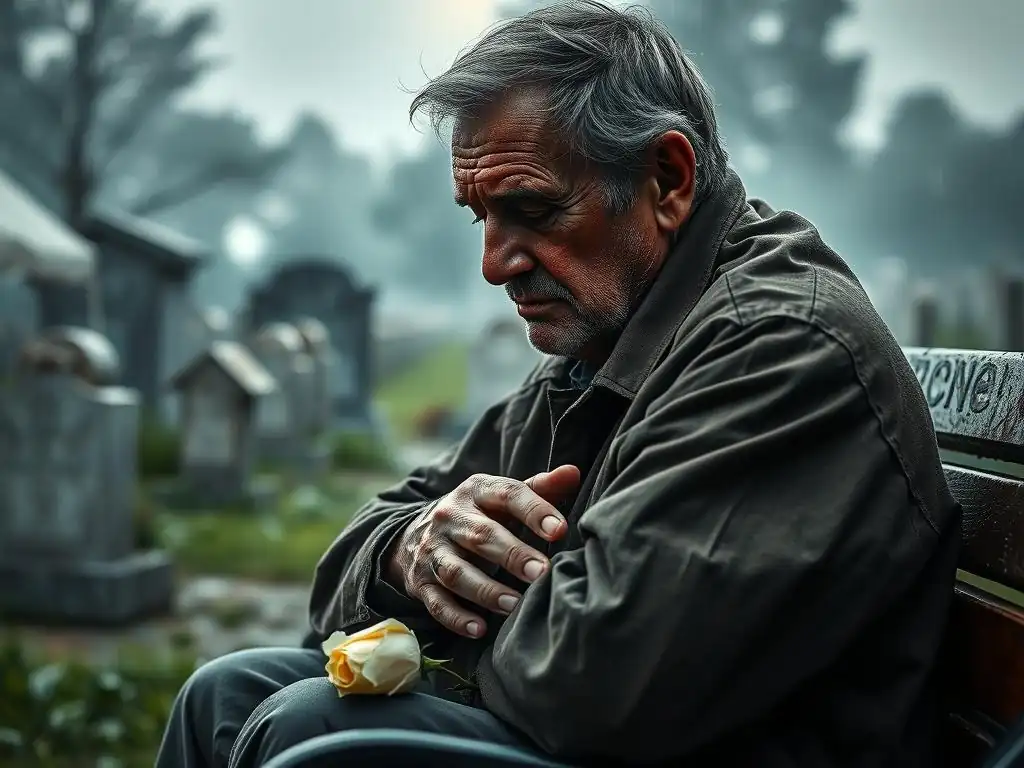
Welcome to Mind Care Guide, a sanctuary for understanding and nurturing your mental well-being. Are you wrestling with unseen wounds, the kind that leave scars on the soul? Many veterans face the profound impact of moral injury, a burden born from ethical dilemmas encountered during service. This article delves deep into the heart of "Moral injury veteran mental health," exploring its causes, symptoms, and pathways to healing. What is the true cost of war, and how can we help those who bear its weight? Discover answers and find solace within these pages.
The Ethics of War: How Moral Dilemmas Affect Veteran Minds (Moral Injury)
- Understanding Moral Injury in Veterans: A Mind Care Guide Perspective
- The Ethical Landscape of Warfare: Sources of Moral Conflict for Veterans
- The Psychological Impact of Moral Injury on Veteran Mental Health
- Moral Injury and Co-Occurring Mental Health Conditions in Veterans
-
Healing from Moral Injury: Treatment Approaches for Veterans
- Cognitive Processing Therapy (CPT) for Moral Injury: Addressing Trauma and Beliefs
- Acceptance and Commitment Therapy (ACT) for Moral Injury: Fostering Acceptance and Value-Based Living
- Group Therapy and Peer Support: Sharing Experiences and Building Resilience
- Spiritual and Existential Therapies: Finding Meaning and Purpose After Moral Injury
- Supporting Veterans with Moral Injury: A Community Approach
- Resources for Veterans and Families Affected by Moral Injury
- The Future of Moral Injury Research and Treatment: Advancing Veteran Mental Health
-
Frequently Asked Questions
- What is moral injury, and how does it differ from PTSD?
- How does military service increase the risk of developing moral injury?
- What are some common symptoms of moral injury in veterans?
- What types of therapy are most effective in treating moral injury among veterans?
- Where can veterans and their families find resources and support for moral injury?
- Final Reflection: The Unseen Scars of War: Moral Injury and the Path to Healing
- Uncover Your Inner Strength: Supporting Veterans Facing Moral Injury
Understanding Moral Injury in Veterans: A Mind Care Guide Perspective
Defining Moral Injury: Beyond PTSD in Veteran Mental Health
Moral injury represents a profound psychological wound that can occur when individuals are exposed to actions or events that deeply violate their core moral beliefs and expectations. This is a critical aspect of understanding veteran mental health, as military service can expose individuals to situations that challenge their sense of right and wrong.
Unlike post-traumatic stress disorder (PTSD), which focuses on fear, trauma, and the threat of death or injury, moral injury centers on the internal conflict and distress arising from perpetrating, failing to prevent, or witnessing acts that transgress deeply held moral codes. It's about the damage done to one's conscience or moral compass.
The concept of moral injury in veteran mental health acknowledges that the psychological toll of war extends beyond the fear-based responses of PTSD. It encompasses the guilt, shame, anger, and spiritual struggles that arise from ethical challenges faced in combat or other operational environments. These challenges can involve difficult decisions under pressure, witnessing atrocities, or feeling betrayed by leadership. Addressing moral injury is vital for comprehensive veteran mental health care, recognizing the unique ethical burdens service members may carry home.
Distinguishing Moral Injury from PTSD: Key Differences in Symptoms and Causes
While moral injury and PTSD often co-occur, they stem from different types of events and manifest with distinct primary symptoms, although there is overlap. PTSD typically results from events perceived as life-threatening or involving serious injury, leading to symptoms like flashbacks, nightmares, hypervigilance, and avoidance behaviors related to the traumatic event. The core emotional response in PTSD is fear.
In contrast, moral injury arises from events that violate moral norms, such as killing in circumstances perceived as unjust, witnessing acts of cruelty without being able to intervene, or feeling betrayed by trusted leaders. The hallmark emotions associated with moral injury are guilt, shame, disgust, anger (particularly moral outrage), and a sense of betrayal, rather than primarily fear. While both can lead to significant distress and functional impairment, understanding this distinction is crucial for tailoring effective interventions for veteran mental health.
The Prevalence of Moral Injury Among Veterans: Examining Rates and Risk Factors
Research indicates that experiences potentially leading to moral injury are common among service members, although precise prevalence rates for diagnosed moral injury are still being established and vary widely depending on the study and definition used. Some studies suggest that a significant percentage of combat veterans, potentially ranging from 30% to over 50% in certain cohorts, report exposure to events considered morally injurious. For example, surveys of veterans from the Iraq and Afghanistan wars have found high rates of reporting actions that conflict with their moral beliefs or witnessing such actions by others.
Risk factors for developing moral injury include exposure to high levels of combat, participation in acts resulting in death or serious harm, witnessing death or suffering (especially of civilians or children), perceiving actions as violations of the rules of engagement or their personal ethics, and experiences of perceived betrayal by leadership or peers. The intensity and duration of exposure, as well as pre-existing moral frameworks and post-deployment support systems, also influence the likelihood and severity of moral injury veteran mental health challenges.
The Ethical Landscape of Warfare: Sources of Moral Conflict for Veterans
Acts of Commission: Perpetrating Actions That Violate Moral Beliefs
Acts of commission are a significant source of moral injury, occurring when service members are directly involved in actions that conflict with their deeply held moral or ethical codes. This can include actions taken in the heat of combat, such as killing enemy combatants in ambiguous situations, or actions taken under orders that are perceived as questionable or wrong. For instance, engaging in acts that result in civilian casualties, even unintentionally or under duress, can profoundly impact a veteran's moral compass and lead to intense guilt and shame upon reflection.
The military environment often requires actions that are antithetical to civilian morality, such as taking a human life. While authorized in the context of war, the psychological processing of such acts, especially when perceived as violating personal values or resulting in unintended harm, can lead to significant moral injury veteran mental health issues. The dissonance between the actions taken and one's internal moral framework is a core component of this type of injury.
Acts of Omission: Failing to Prevent Harm or Injustice
Moral injury can also arise from acts of omission, where individuals witness harmful or unjust actions but feel unable to intervene or prevent them. This could involve witnessing atrocities committed by allies or adversaries, observing mistreatment of prisoners, or seeing fellow service members engage in unethical behavior without stepping in. The feeling of helplessness or paralysis in the face of perceived wrongdoing can be just as damaging as perpetrating the act itself.
The military hierarchy and rules of engagement can sometimes create situations where individuals feel constrained from acting according to their conscience. Failing to report misconduct, being unable to protect non-combatants due to operational constraints, or witnessing suffering they are forbidden to alleviate can lead to profound guilt, regret, and a sense of moral failure, contributing significantly to moral injury veteran mental health challenges.
Betrayal by Leaders or Institutions: Erosion of Trust and Moral Injury
A particularly damaging source of moral injury is the perception of betrayal by trusted leaders, peers, or the military institution itself. This can occur when leaders issue orders that violate moral standards, fail to protect their troops, or prioritize political or strategic goals over the well-being or ethical conduct of their subordinates. For example, veterans may feel betrayed if they believe their sacrifices were in vain due to poor strategy, or if they perceive a lack of support or honesty from their command regarding the realities or ethics of their mission.
Institutional betrayal can also manifest in insufficient support upon returning home, bureaucratic hurdles in accessing care, or a perceived failure by the military or government to acknowledge the true costs and ethical complexities of the conflicts they served in. This erosion of trust can leave veterans feeling abandoned, disillusioned, and questioning the moral integrity of the institutions they served, exacerbating moral injury veteran mental health difficulties and hindering their reintegration into civilian life.
The Psychological Impact of Moral Injury on Veteran Mental Health

Shame, Guilt, and Self-Condemnation: The Internal Torment of Moral Injury
The most prominent psychological impacts of moral injury are intense feelings of shame, guilt, and self-condemnation. Guilt often stems from specific actions taken or not taken, leading to thoughts like "I did something wrong" or "I should have done something different." Shame, on the other hand, is a more global feeling about oneself, leading to thoughts like "I am a bad person" or "I am unworthy." These emotions are often deeply internalized and can be incredibly difficult to articulate or process.
Veterans struggling with moral injury may engage in relentless self-blame, ruminating on past events and feeling profound remorse. This internal torment can lead to a damaged sense of self-worth and identity, making it challenging for them to connect with others or feel deserving of happiness or peace. These pervasive feelings of shame and guilt are central to the suffering associated with moral injury veteran mental health issues.
Loss of Trust and Meaning: The Existential Crisis Faced by Veterans
Moral injury can shatter a veteran's fundamental assumptions about the world, leading to a profound loss of trust – in oneself, in others, in institutions, and sometimes even in a higher power. When faced with situations that violate deeply held beliefs about justice, fairness, or humanity, the world can feel like a dangerous and unpredictable place where moral norms are fragile or non-existent. This can lead to cynicism, difficulty forming close relationships, and a pervasive sense of isolation.
Furthermore, moral injury often precipitates an existential crisis. Veterans may question the meaning and purpose of their military service, their sacrifices, and even life itself. The values that once guided them may seem broken or irrelevant in the face of their experiences. This struggle to find meaning after witnessing or participating in morally challenging events is a significant hurdle in the recovery process and a core component of the deep impact of moral injury veteran mental health.
The internal struggles associated with moral injury often lead to significant social isolation and withdrawal. Feelings of shame and guilt can make veterans feel fundamentally different from civilians who haven't shared similar experiences, leading to a belief that they are unforgivable or incapable of being understood. They may fear judgment or rejection if they were to share their experiences, leading them to keep their struggles hidden.
This self-imposed isolation is compounded by a potential loss of trust in others and a feeling that civilian life's concerns seem trivial compared to the ethical weight they carry. Difficulty reconnecting with family and friends, avoiding social situations, and feeling alienated are common. This social withdrawal further exacerbates moral injury veteran mental health challenges, creating a vicious cycle where isolation prevents healing and unprocessed moral injury fuels further withdrawal.
Moral Injury and Co-Occurring Mental Health Conditions in Veterans
Moral Injury and Depression: A Complex Interplay of Symptoms
Moral injury frequently co-occurs with depression in veterans, creating a complex interplay of symptoms. The pervasive feelings of guilt, shame, hopelessness, and loss of meaning characteristic of moral injury can fuel depressive symptoms such as persistent sadness, loss of interest or pleasure, fatigue, and difficulty concentrating. Conversely, depression can make it harder for veterans to process the ethical challenges they faced, trapping them in negative thought patterns and self-blame.
Research indicates a strong correlation between exposure to morally injurious events and the severity of depressive symptoms among veterans. For instance, studies have shown that veterans who report killing or witnessing death are significantly more likely to experience depression than those without such experiences. Addressing both the depressive symptoms and the underlying moral injury is crucial for effective treatment of veteran mental health.
Moral Injury and Substance Abuse: Self-Medication as a Coping Mechanism
Substance abuse is another common co-occurring issue for veterans grappling with moral injury. Alcohol and drugs may be used as a coping mechanism to numb the painful emotions of guilt, shame, and distress associated with morally injurious experiences. The internal torment can be so overwhelming that veterans turn to substances to escape their thoughts and feelings, even temporarily.
While substance use may offer fleeting relief, it ultimately prevents veterans from processing their experiences and can exacerbate underlying mental health conditions. This self-medication can lead to addiction, further complicating the path to recovery and adding another layer of difficulty to addressing moral injury veteran mental health. Statistics show higher rates of substance use disorders among veterans compared to the general population, and moral injury is increasingly recognized as a contributing factor.
Moral Injury and Suicidal Ideation: Addressing the Risk Factors
Perhaps the most critical concern related to moral injury is its strong association with suicidal ideation and behavior among veterans. The profound feelings of shame, guilt, hopelessness, isolation, and belief that one is unforgivable can lead veterans to feel that life is not worth living or that they are a burden to others. The internal pain can become unbearable, making suicide seem like the only escape.
Studies have consistently found that moral injury is a significant, independent predictor of suicidal ideation and attempts in veteran populations, even when controlling for PTSD and depression. For example, one study found that veterans who reported morally injurious experiences were several times more likely to report suicidal thoughts. Recognizing moral injury as a distinct risk factor is paramount for suicide prevention efforts within veteran mental health care.
Healing from Moral Injury: Treatment Approaches for Veterans
Cognitive Processing Therapy (CPT) for Moral Injury: Addressing Trauma and Beliefs
Cognitive Processing Therapy (CPT), originally developed for PTSD, has been adapted to address moral injury by focusing on the thoughts and beliefs associated with morally injurious events. CPT helps veterans identify and challenge distorted thoughts and beliefs related to the event, such as excessive self-blame ("It was all my fault") or negative views of the world ("The world is completely corrupt").
In the context of moral injury, CPT helps veterans process the event within their moral framework, re-evaluating their role, the actions of others, and the context in which the event occurred. The goal is not to excuse actions but to develop a more balanced and accurate understanding of the event, reduce overwhelming guilt and shame, and integrate the experience into their life narrative in a less damaging way. This adaptation is a promising approach for improving veteran mental health affected by moral injury.
Acceptance and Commitment Therapy (ACT) for Moral Injury: Fostering Acceptance and Value-Based Living
Acceptance and Commitment Therapy (ACT) offers another valuable framework for addressing moral injury. ACT focuses on helping veterans accept the reality of their experiences and the difficult emotions that accompany them, rather than trying to eliminate them. It encourages psychological flexibility, allowing veterans to acknowledge their thoughts and feelings without being consumed by them.
A key component of ACT is clarifying one's core values and committing to living a life aligned with those values, despite the pain of past experiences. For veterans with moral injury, this might involve exploring how they can live meaningfully now, even if their past actions or witnessed events feel irreconcilable with their values. ACT can help veterans find a path forward, fostering resilience and purpose in the face of moral distress, which is crucial for long-term veteran mental health recovery.
Group Therapy and Peer Support: Sharing Experiences and Building Resilience
Group therapy and peer support are invaluable resources for veterans healing from moral injury. Sharing experiences with other veterans who have faced similar ethical challenges can reduce feelings of isolation and shame, validating their struggles and showing them they are not alone. Hearing others articulate similar internal conflicts can provide language and perspective for their own pain.
Facilitated group therapy led by clinicians experienced in moral injury can provide a safe space to process events, explore ethical conflicts, and begin to rebuild trust in others. Peer support groups, often run by veterans themselves, offer unique camaraderie, understanding, and practical support. These connections are vital for restoring a sense of community and belonging, which is often damaged by moral injury veteran mental health issues.
Spiritual and Existential Therapies: Finding Meaning and Purpose After Moral Injury
For many veterans, moral injury deeply impacts their spiritual or existential beliefs. Therapies that address these dimensions, such as pastoral counseling, chaplain services, or specific existential therapy approaches, can be particularly helpful. These therapies provide a space to explore questions of meaning, purpose, faith, forgiveness, and the nature of good and evil in the context of their experiences.
Working with a spiritual or existential therapist can help veterans grapple with feelings of being unforgivable, reconcile their actions with their faith or belief system, and find renewed purpose in life after experiencing profound moral challenges. These approaches acknowledge that healing from moral injury often involves a spiritual or philosophical journey towards reintegration and finding a way to live meaningfully despite having witnessed or participated in acts that challenged their core beliefs.
Supporting Veterans with Moral Injury: A Community Approach

Educating Families and Friends: Understanding the Challenges Faced by Veterans
Supporting a veteran with moral injury requires understanding and patience from their support network. Educating families and friends about what moral injury is, how it differs from PTSD, and how it manifests can help reduce misunderstanding and foster empathy. Learning about the common symptoms like withdrawal, irritability, guilt, or loss of trust can equip loved ones to recognize signs of distress and respond supportively rather than judgmentally.
Providing resources and information to families helps them understand that the veteran's struggles are not a sign of weakness or a personal failing, but a consequence of exposure to extreme ethical challenges. Understanding the impact of moral injury on veteran mental health allows families to create a more supportive home environment and encourages the veteran to seek help.
Creating Safe Spaces for Dialogue: Fostering Open Communication and Healing
Creating safe spaces where veterans feel comfortable discussing their morally injurious experiences is crucial for healing. This can happen within clinical settings, support groups, or even within families, provided there is a foundation of trust and non-judgment. Veterans often fear condemnation or misunderstanding, making it difficult to open up about events that cause them shame or guilt.
Encouraging open dialogue involves active listening, validating their feelings, and refraining from minimizing their experiences or offering simplistic solutions. Providing opportunities for veterans to share their stories, reflect on the ethical complexities they faced, and process their emotions in a supportive environment is a vital step in addressing moral injury veteran mental health.
Advocating for Policy Changes: Addressing Systemic Issues That Contribute to Moral Injury
Addressing moral injury also requires looking at systemic factors that contribute to it. Advocating for policy changes within the military and government can help reduce the likelihood of moral injury in future conflicts and improve support for veterans returning home. This includes advocating for clearer ethical guidelines and training, better preparation for the moral complexities of modern warfare, and increased resources for mental health care specifically tailored to moral injury.
Furthermore, advocating for policies that acknowledge the ethical burdens carried by service members and provide accessible, trauma-informed care is essential. Addressing the root causes and systemic contributors to moral injury is a long-term effort but is critical for preventing future harm and supporting the long-term veteran mental health of those who have served.
Resources for Veterans and Families Affected by Moral Injury
Mental Health Services for Veterans: Accessing Care and Support
Veterans seeking help for moral injury have several avenues for accessing professional mental health services. The Department of Veterans Affairs (VA) offers a range of services, including individual therapy, group therapy, and specialized programs for trauma and related conditions. VA medical centers and Vet Centers are key points of contact.
Many non-profit organizations also provide mental health support tailored to veterans, often with clinicians who understand the unique challenges of military service, including moral injury veteran mental health. Seeking professional help is a sign of strength, and connecting with services designed specifically for veterans can provide access to therapists experienced in treating moral injury.
Support Groups and Peer Networks: Connecting with Other Veterans
Connecting with other veterans through support groups and peer networks can be incredibly beneficial for those struggling with moral injury. Organizations across the country offer peer support programs where veterans can share experiences and build camaraderie in a non-clinical setting. These groups provide a sense of belonging and understanding that can be hard to find elsewhere.
Many veteran service organizations facilitate such groups, either in person or online. These networks offer a safe space to discuss difficult experiences, including those related to moral injury, and provide mutual support and encouragement on the path to healing. Connecting with peers who "get it" is a powerful antidote to the isolation often associated with moral injury veteran mental health.
Understanding Moral Injury: Educational Resources for Veterans and Families
Education is a powerful tool in addressing moral injury. Numerous resources are available to help veterans and their families understand what moral injury is, its symptoms, and its impact. Websites from the VA, academic institutions, and mental health organizations offer articles, videos, and guides on the topic.
Providing educational materials helps veterans and their families normalize their experiences, reduce self-stigma, and feel empowered to seek help. Understanding the concept of moral injury is often the first step towards healing, allowing individuals to name their pain and recognize that their struggles are a recognized response to specific types of experiences.
The Future of Moral Injury Research and Treatment: Advancing Veteran Mental Health
Developing New and Innovative Therapies: Exploring Alternative Approaches
Research into moral injury is a relatively new but rapidly growing field. The focus on developing new and innovative therapies specifically tailored to the unique challenges of moral injury is crucial for advancing veteran mental health care. While adaptations of existing therapies like CPT and ACT show promise, there is a need for approaches that more directly address the spiritual, existential, and social dimensions of moral injury.
Examples of emerging approaches include specific forgiveness-based therapies, narrative exposure therapy adapted for moral injury, and therapies that incorporate restorative justice principles. Continued research is needed to test the efficacy of these new interventions and ensure they are accessible to all veterans in need.
Addressing the Stigma Associated with Moral Injury: Promoting Understanding and Acceptance
Reducing the stigma associated with moral injury is essential for encouraging veterans to seek help. Because moral injury involves feelings of shame and guilt related to actions or inactions, veterans may fear judgment from others, including fellow service members or civilians. This fear can prevent them from disclosing their struggles and accessing necessary support.
Promoting public understanding of moral injury as a legitimate psychological wound resulting from exposure to extreme ethical conditions, rather than a moral failing of the individual, is key. Campaigns aimed at educating the public and within the military can foster a culture of acceptance and compassion, making it safer for veterans to talk about their experiences and seek treatment for moral injury veteran mental health challenges.
Preventing Moral Injury in Future Conflicts: Ethical Considerations for Military Training and Operations
Ultimately, preventing moral injury in future conflicts is a critical long-term goal. This involves incorporating robust ethical training into military preparation, preparing service members for the moral complexities they are likely to face, and emphasizing the importance of moral decision-making under pressure. Military leaders also have a responsibility to consider the potential for moral injury when planning operations and issuing orders.
Developing clear rules of engagement that align as much as possible with deeply held ethical principles, providing adequate support and guidance during and after potentially morally injurious events, and fostering a command climate that encourages ethical conduct and open discussion of moral challenges are all crucial steps. Proactive measures to address the ethical landscape of warfare can help mitigate the risk of moral injury and protect the long-term veteran mental health of those who serve.
Frequently Asked Questions
What is moral injury, and how does it differ from PTSD?
Moral injury is a psychological distress resulting from actions or inactions that violate one's deeply held moral beliefs, while PTSD is primarily related to fear-based traumatic experiences. Moral injury focuses on the ethical implications of events.
How does military service increase the risk of developing moral injury?
Military service often places individuals in situations requiring difficult choices, potentially forcing them to witness or participate in acts that conflict with their personal moral code. These situations can lead to feelings of guilt, shame, and betrayal.
What are some common symptoms of moral injury in veterans?
Common symptoms include intense guilt or shame, feelings of betrayal or alienation, self-condemnation, and difficulty trusting others. Veterans may also experience loss of meaning and purpose in life.
What types of therapy are most effective in treating moral injury among veterans?
Therapies focused on moral repair and meaning-making are often effective. Examples include Acceptance and Commitment Therapy (ACT), Cognitive Processing Therapy (CPT) adapted for moral injury, and group therapy focused on shared experiences.
Where can veterans and their families find resources and support for moral injury?
Veterans can access resources through the Department of Veterans Affairs (VA), specifically programs specializing in mental health. Other resources include non-profit organizations and peer support groups dedicated to veteran mental health.
Final Reflection: The Unseen Scars of War: Moral Injury and the Path to Healing
The ethical dilemmas faced on the battlefield are not confined to the theater of war; they continue to resonate deeply within the minds of veterans, impacting their mental health and well-being long after their service has ended. The pervasive nature of moral injury, often unseen and misunderstood, demands our urgent attention and a fundamental shift in how we support those who have served their country.
The weight of moral injury is a silent epidemic, subtly shaping the cultural landscape and influencing how we perceive both veterans and the very nature of conflict. It's a burden carried in the quiet moments, in the sleepless nights, and in the fractured relationships that often follow deployment. The lasting impact is profound, affecting not only the individual veteran but also their families and communities. The wounds of war are not always visible, but they are no less real.
This quote encapsulates the essence of moral injury – a hidden trauma that requires empathy, understanding, and dedicated support to heal.
You, the reader, are now equipped with a deeper understanding of moral injury and its devastating consequences. Consider the implications of this invisible wound, not just for veterans, but for society as a whole. Take a moment to reflect on how we, as individuals and as a community, can better support those who have borne the weight of moral conflict.
Reach out to a veteran in your life, advocate for improved mental health services, or simply educate yourself further on this critical issue. Let us work together to create a future where the unseen scars of war are acknowledged, understood, and ultimately, healed.
Uncover Your Inner Strength: Supporting Veterans Facing Moral Injury
Thanks for taking the time to explore the complex world of moral injury and its impact on veterans. We hope this article provided valuable insights into this often-overlooked challenge. Now, let's take action to make a difference.
- Prioritize meaningful connection: Reach out to a veteran in your life – a friend, family member, or even a veteran's organization – and simply listen. Offer your support without judgment. This small gesture can have a profound impact.
- Expand your knowledge: Explore resources dedicated to moral injury and veteran support. Learn more about available services and how you can contribute to a more supportive community.
- Share this article: Help spread awareness by sharing this piece with your network. Every shared perspective helps break down the stigma surrounding moral injury.
What steps will you take today to support veterans struggling with moral injury?