
Historical Pain Lingers: Understanding Trauma Across Generations


Welcome to Mind Care Guide, a safe space dedicated to nurturing your mental well-being.
Are you carrying burdens you didn't create? We understand the complexities of inherited pain, which is why we've created this guide to illuminate the intergenerational trauma healing process. Uncover the roots of your emotional landscape and begin your journey toward lasting freedom. Explore our article below to learn more.
Historical Pain Lingers: Understanding Trauma Across Generations
- Introduction: Unveiling the Layers of Intergenerational Trauma
- How Trauma Passes Through Generations: Mechanisms of Transmission
- Identifying the Signs of Intergenerational Trauma
- The Intergenerational Trauma Healing Process: Breaking the Cycle
- Specific Examples of Intergenerational Trauma
- Resources for Healing from Intergenerational Trauma
- The Importance of Addressing Intergenerational Trauma for Future Generations
- Conclusion: Embracing Hope and Healing from the Past
-
Frequently Asked Questions
- What exactly is intergenerational trauma, and how does it differ from individual trauma?
- How can I identify if I'm experiencing the effects of intergenerational trauma?
- What are some common triggers that might activate intergenerational trauma responses?
- What are some effective strategies for starting the intergenerational trauma healing process?
- Where can I find reliable resources and support for intergenerational trauma healing?
- Final Reflection: The Unbroken Chain of Healing
- Uncover Your Family's Legacy: Heal the Past, Empower the Future
Introduction: Unveiling the Layers of Intergenerational Trauma
Defining Intergenerational Trauma: A Legacy of Pain
Intergenerational trauma, also known as transgenerational trauma, refers to the transmission of traumatic stress effects from one generation to the next. This is not simply about inheriting stories or memories, but about the actual psychological, emotional, and even biological impacts of trauma being passed down. It's a complex phenomenon where the unresolved pain and stress responses of ancestors can manifest in the lives of their descendants, influencing their well-being, relationships, and worldview without direct exposure to the original traumatic event.
This concept emerged from observations of descendants of Holocaust survivors in the 1960s, where clinicians noted similar psychological distress patterns to those experienced by the survivors themselves, despite the descendants not having lived through the camps. Since then, research has expanded to understand how trauma from slavery, forced migration, genocide, war, and other mass atrocities can echo through families and communities for decades, sometimes centuries, affecting subsequent generations in profound ways.
The Scope of Intergenerational Trauma: Who Does it Affect?
Intergenerational trauma affects a wide range of populations who have experienced collective or historical trauma. This includes, but is not limited to, descendants of Holocaust survivors, Indigenous peoples in various countries who have endured colonization and residential schools, African Americans whose ancestors were enslaved, refugees, and individuals from communities affected by war, genocide, or systemic oppression over generations. It's estimated that millions globally carry the weight of their ancestors' trauma, though quantifying the exact number is challenging due to varied experiences and lack of comprehensive data across all affected groups.
The impact isn't uniform; it varies based on factors like the severity and duration of the original trauma, the resources and support available to the surviving generation, cultural coping mechanisms, and individual resilience. However, studies indicate that descendants of trauma survivors often show higher rates of anxiety, depression, PTSD symptoms, and difficulties with emotional regulation compared to control groups, highlighting the pervasive nature of this historical pain.
How Trauma Passes Through Generations: Mechanisms of Transmission
Genetic Predisposition and Trauma Vulnerability
While intergenerational trauma is primarily understood through environmental and psychological pathways, emerging research explores the potential role of genetics in trauma vulnerability. It's not about inheriting the trauma itself, but potentially inheriting a predisposition that makes one more susceptible to stress and trauma responses. Studies, particularly in animal models, have investigated changes in gene expression patterns related to stress reactivity that might be passed down.
For example, research on mice exposed to stress showed changes in their sperm that affected the stress response of their offspring. While applying these findings directly to humans requires caution, some human studies hint at similar possibilities. The interaction between genetic predispositions and the environment shaped by traumatized parents is complex, suggesting that while a direct "trauma gene" isn't inherited, a heightened sensitivity to stress might be part of the legacy, influencing a person's journey in the intergenerational trauma healing process.
Epigenetic Inheritance: The Biological Impact of Ancestral Trauma
Epigenetics is perhaps the most compelling biological mechanism currently being studied in relation to intergenerational trauma. Epigenetic changes are modifications to DNA that affect how genes are expressed without altering the underlying DNA sequence. These changes can be influenced by environmental factors, including severe stress and trauma, and some research suggests they can be passed down to offspring.
A notable study examined descendants of Holocaust survivors and found distinct epigenetic markers (specifically, changes in the FKBP5 gene, which is involved in stress response) that were not present in Jewish families who had not experienced the Holocaust. Similar epigenetic patterns have been observed in descendants of individuals exposed to famine or other severe stressors. These findings suggest that the biological imprint of ancestral trauma might be carried within our very cells, potentially influencing our stress response systems and contributing to vulnerability to mental health challenges, underscoring the biological layer involved in the intergenerational trauma healing process.
The Role of Family Dynamics in Transmitting Trauma
The family environment is a primary conduit for transmitting intergenerational trauma. Parents who have experienced significant trauma may struggle with emotional regulation, attachment, and parenting skills due to their own unresolved pain. This can manifest as:
- Difficulty forming secure attachments with children.
- Over- or under-protectiveness.
- Emotional unavailability or unpredictable emotional responses.
- Passing on trauma narratives (or the absence of narratives, creating secrecy).
- Modeling maladaptive coping mechanisms (e.g., substance use, avoidance).
Children growing up in such environments may internalize these patterns, developing insecure attachment styles, difficulty trusting others, and challenges in managing their own emotions, perpetuating a cycle of distress. Research indicates that children of parents with PTSD are at a significantly higher risk of developing their own mental health issues, highlighting the direct impact of family dynamics shaped by trauma.
Cultural Narratives and Collective Trauma
Beyond the immediate family, cultural narratives and collective memory play a crucial role in passing down the effects of mass trauma. When a community experiences widespread trauma, such as slavery, genocide, or forced displacement, the stories, coping strategies, and resulting social structures become part of the cultural fabric. These narratives can be explicit, shared through storytelling, rituals, and historical accounts, or implicit, embedded in social norms, beliefs about safety and trust, and community-wide stress responses.
For instance, Indigenous communities in North America have cultural narratives shaped by the historical trauma of colonization, including residential schools, land dispossession, and violence. These experiences have impacted traditional family structures, cultural practices, and community health, contributing to ongoing disparities in mental and physical health. Addressing these collective narratives and their impact is a vital component of the intergenerational trauma healing process for affected communities.
Identifying the Signs of Intergenerational Trauma
Emotional and Behavioral Patterns: Recognizing the Symptoms
Recognizing the signs of intergenerational trauma can be challenging as they often overlap with symptoms of other mental health conditions. However, certain patterns are frequently observed in individuals affected by their ancestors' trauma. These can include chronic anxiety, depression, hypervigilance, and a heightened startle response, even in the absence of direct personal traumatic experiences. There might be a pervasive sense of grief, loss, or injustice connected to the ancestral past.
Behaviorally, individuals might exhibit difficulty with trust, challenges in forming stable relationships, a tendency towards isolation, or engaging in self-destructive behaviors as maladaptive coping mechanisms. They may also carry a strong sense of responsibility or guilt related to their ancestors' suffering, feeling compelled to "make up" for past losses or injustices. For example, descendants of genocide survivors might feel an overwhelming pressure to succeed or to constantly remember the atrocities, impacting their ability to live fully in the present.
Attachment Issues and Relationship Difficulties
Trauma significantly impacts a person's ability to form secure attachments, and these patterns can be transmitted across generations. Parents who experienced trauma may struggle with emotional availability or consistent responsiveness, leading their children to develop insecure attachment styles (anxious, avoidant, or disorganized). Anxious attachment might manifest as excessive worry about relationships and fear of abandonment, while avoidant attachment involves difficulty with intimacy and emotional closeness. Disorganized attachment, often linked to parental fear or unpredictable behavior, is characterized by conflicting behaviors and difficulty regulating emotions within relationships.
These insecure attachment patterns learned in childhood often persist into adulthood, making it challenging to form and maintain healthy, stable relationships. Individuals may find themselves repeating relational dynamics similar to those experienced by their parents or grandparents, such as cycles of conflict, mistrust, or emotional distance. Addressing these deeply ingrained relational patterns is a key focus in the intergenerational trauma healing process.
Hypervigilance and Anxiety: A Constant State of Alert
One of the hallmark signs of intergenerational trauma is a state of chronic hypervigilance and anxiety. This manifests as an almost constant feeling of being on alert, scanning the environment for potential threats, even when objectively safe. This is understood as an inherited survival response, where the nervous system remains primed for danger based on the ancestral experience of living in unsafe conditions.
Individuals may experience persistent worry, difficulty relaxing, sleep disturbances, and exaggerated reactions to sudden noises or unexpected events. This state of heightened arousal can be exhausting and significantly impact daily functioning, making it difficult to concentrate, maintain focus, and experience peace. It's like carrying an invisible alarm system that's always on, a direct legacy of historical insecurity that needs to be addressed through targeted interventions in the intergenerational trauma healing process.
Physical Health Manifestations of Unresolved Trauma
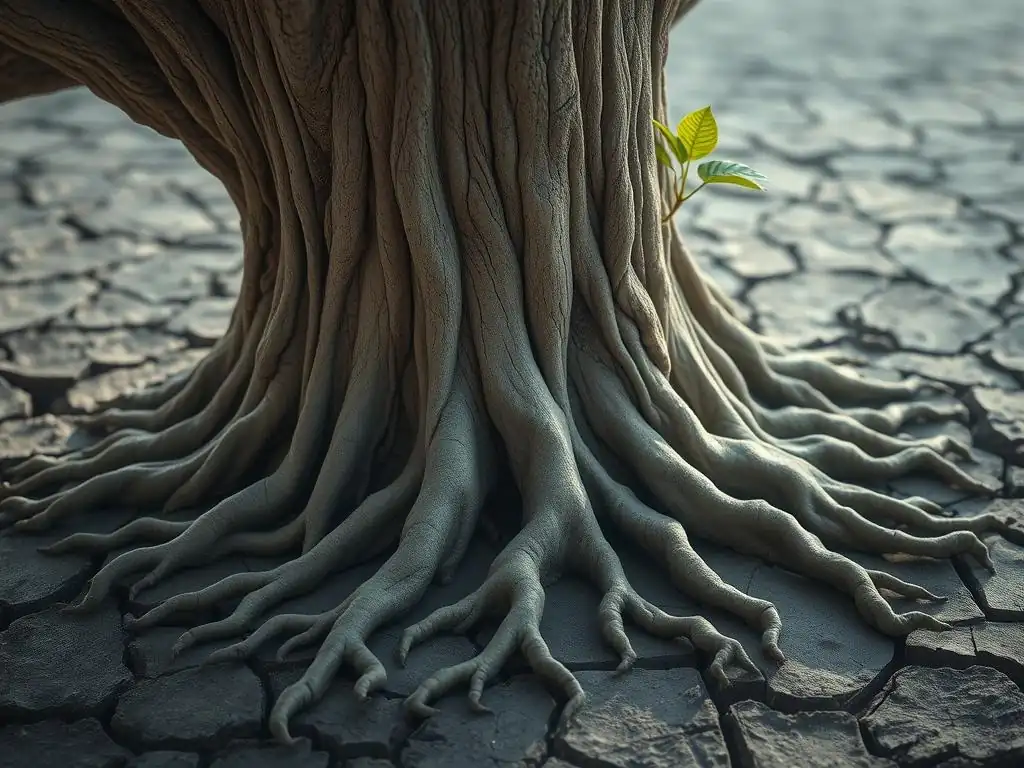
The mind-body connection is profound, and unresolved trauma, including intergenerational trauma, can manifest as chronic physical health issues. The constant state of stress and hypervigilance associated with intergenerational trauma can dysregulate the body's stress response system (the HPA axis), leading to chronic inflammation and increased vulnerability to a range of physical ailments.
Studies have shown higher rates of chronic conditions such as cardiovascular disease, autoimmune disorders, chronic pain, and digestive issues among descendants of trauma survivors compared to control groups. For instance, research has linked the historical trauma experienced by certain populations to higher rates of diabetes and hypertension in subsequent generations, even when controlling for lifestyle factors. This highlights that the impact of historical pain is not just psychological but deeply physiological, emphasizing the need for holistic approaches in the intergenerational trauma healing process.
Difficulty Regulating Emotions and Impulsivity
Individuals affected by intergenerational trauma often struggle with emotional regulation. They may find it difficult to identify, understand, and manage intense emotions, leading to emotional lability, sudden mood shifts, and difficulty bouncing back from emotional distress. This can stem from growing up in environments where emotions were suppressed, unpredictable, or overwhelming, mirroring the coping mechanisms of the traumatized parent or community.
This difficulty in regulating emotions can sometimes lead to impulsive behaviors, such as substance abuse, risky sexual behavior, or difficulty controlling anger. These behaviors may serve as attempts to numb painful feelings or exert a sense of control in a world that feels inherently unstable, reflecting the lingering impact of ancestral experiences. Developing healthier emotional regulation skills is a crucial part of the intergenerational trauma healing process.
The Intergenerational Trauma Healing Process: Breaking the Cycle
Acknowledging and Understanding the Past: The First Step to Healing
The initial and fundamental step in the intergenerational trauma healing process is acknowledging that the historical pain exists and understanding how it has impacted one's own life. This involves learning about the specific historical events that affected one's ancestors and recognizing the potential ways those experiences might have shaped family dynamics, cultural beliefs, and personal vulnerabilities. It's about moving from a vague sense of unease or unexplained difficulties to a conscious recognition of the legacy being carried.
This step requires courage and often involves confronting painful truths about history and family history. It is not about blaming previous generations, but about gaining clarity and compassion for their struggles and recognizing how those struggles have inadvertently influenced subsequent generations. This understanding provides a crucial foundation for beginning the active work of breaking the cycle.
Therapy and Counseling for Intergenerational Trauma
Therapy is often a vital component of the intergenerational trauma healing process, providing a safe and structured environment to explore the complex layers of inherited pain. A therapist trained in trauma-informed care can help individuals understand the manifestations of intergenerational trauma in their lives, process difficult emotions, and develop healthier coping strategies. Therapy can also help individuals differentiate between their own experiences and the legacy of their ancestors' trauma.
Finding a therapist who is culturally sensitive and understands the specific historical context of the trauma is particularly important. They can validate the experience of carrying historical pain and guide the individual through processing grief, anger, and other emotions related to the ancestral past, facilitating a deeper level of healing from intergenerational trauma.
Trauma-Informed Therapy Approaches
Several trauma-informed therapy approaches are particularly effective in addressing intergenerational trauma. These include:
- Eye Movement Desensitization and Reprocessing (EMDR): Helps individuals process distressing memories and reduce their emotional impact. While the original trauma wasn't experienced directly, EMDR can help process the impact of the trauma legacy.
- Trauma-Focused Cognitive Behavioral Therapy (TF-CBT): Helps individuals identify and challenge negative thought patterns and beliefs related to trauma, including those inherited from family narratives.
- Somatic Experiencing (SE): Focuses on the body's response to trauma, helping individuals release stored tension and regulate their nervous system, addressing the physiological manifestations of inherited stress.
These modalities help individuals work through the emotional and physiological responses linked to intergenerational trauma, providing tools to manage symptoms like hypervigilance, anxiety, and emotional dysregulation, key steps in the intergenerational trauma healing process.
Family Therapy and Systemic Interventions
Given that intergenerational trauma is transmitted within family systems, family therapy can be incredibly powerful. This approach focuses on the dynamics within the family unit, helping members understand how the legacy of trauma has shaped their interactions, communication patterns, and roles. It provides a space for open communication about the past (where appropriate and safe) and helps family members develop healthier ways of relating to each other.
Systemic interventions look at the broader context beyond the immediate family, considering the community and cultural factors that contribute to the perpetuation or healing of trauma. This might involve working with community leaders or participating in culturally relevant healing practices. Addressing the trauma within the family and its broader social context is essential for comprehensive healing from intergenerational trauma.
Building Resilience and Coping Mechanisms
Building resilience is a critical aspect of the intergenerational trauma healing process. Resilience is not about avoiding pain, but about developing the capacity to navigate challenges and bounce back from adversity. For those carrying the weight of historical trauma, this involves cultivating internal strengths and external support systems.
Developing healthy coping mechanisms is key. This includes practices like mindfulness, exercise, creative expression (art, music, writing), and engaging in activities that bring joy and a sense of purpose. It also involves setting healthy boundaries, learning to say no, and prioritizing self-care. Building resilience helps individuals not just survive but thrive despite the legacy of pain.
Cultivating Self-Awareness and Emotional Regulation
A core component of the intergenerational trauma healing process is cultivating self-awareness. This involves paying attention to one's thoughts, feelings, and bodily sensations without judgment, recognizing how patterns linked to ancestral trauma might show up in daily life. It's about noticing the moments of hypervigilance, the triggers for anxiety, or the difficulty with emotional expression.
Alongside self-awareness, developing emotional regulation skills is vital. This includes learning techniques to manage intense emotions, such as deep breathing, grounding exercises, or distress tolerance skills. As individuals become more aware of their emotional responses and develop the ability to regulate them, they gain a greater sense of control and agency, reducing the power of the inherited pain.
Breaking Negative Patterns and Creating New Narratives
Identifying and actively working to break negative patterns transmitted through generations is a significant part of the intergenerational trauma healing process. This could involve challenging inherited beliefs about safety, trust, or self-worth. It means consciously choosing different responses than those modeled by traumatized ancestors, such as choosing secure attachment in relationships or developing healthy ways to handle conflict instead of avoidance or aggression.
Creating new narratives is equally important. This involves reframing the story of the past not just as one of suffering, but also one of survival, resilience, and strength. It's about integrating the historical experience into one's identity in a way that is empowering, rather than debilitating. This might involve researching family history, connecting with cultural heritage in a healing way, and intentionally creating a different future narrative for oneself and future generations.
Specific Examples of Intergenerational Trauma

The Impact of the Holocaust on Future Generations
The Holocaust is one of the most studied examples of intergenerational trauma. Research initiated in the 1960s noted significant psychological distress in children of survivors, including higher rates of anxiety, depression, and PTSD symptoms compared to control groups. These descendants often reported feeling burdened by their parents' suffering, experiencing survivor's guilt, or having difficulty forming their own independent identities separate from the trauma narrative.
Studies have shown that descendants may exhibit heightened stress reactivity, difficulty with emotional expression, and a pervasive sense of insecurity. For example, one study found that children of survivors were more likely to report general psychological distress and impaired family functioning. This body of research has been instrumental in establishing the concept of transgenerational transmission of trauma and continues to inform understanding of the intergenerational trauma healing process for this population.
The Legacy of Slavery and its Continued Effects
The brutal and systematic nature of slavery in the United States inflicted profound trauma on enslaved Africans, including physical violence, family separation, cultural stripping, and dehumanization. The legacy of this trauma continues to impact African American communities today. This is evident in disproportionate rates of certain physical and mental health issues, economic disparities, and ongoing experiences of systemic racism, which can re-traumatize individuals and communities.
Intergenerational trauma in this context manifests through various pathways: the economic and social disadvantages rooted in slavery and perpetuated by discriminatory policies, family structures disrupted by forced separation, historical mistrust of institutions, and the internalization of negative societal messages. Addressing this complex legacy requires not only individual healing but also systemic change and culturally specific approaches within the intergenerational trauma healing process.
Case Studies: Illustrating the Manifestations of Intergenerational Trauma
Consider a fictionalized case study based on common patterns: "Maria," a woman in her 30s, seeks therapy for chronic anxiety and difficulty forming close relationships. She reports feeling constantly on edge, having trouble trusting others, and experiencing panic attacks. Her therapist learns that Maria's grandmother survived a war where her family was displaced and lost everything. Maria's mother grew up with a parent who was emotionally distant and hypervigilant, struggling to feel safe even decades later.
Maria realizes her own anxiety mirrors her grandmother's and mother's fear of instability and loss. She carries an unspoken rule that "bad things always happen" and finds it hard to relax or invest fully in relationships because she expects disappointment or abandonment. Her journey in the intergenerational trauma healing process involves understanding this legacy, processing the emotions associated with it, and consciously building trust and safety in her own life, breaking the inherited pattern of fear and isolation.
Resources for Healing from Intergenerational Trauma
Finding a Qualified Therapist or Counselor
Finding a mental health professional experienced in trauma-informed care and ideally with knowledge of intergenerational trauma is crucial. Look for therapists who specialize in PTSD, complex trauma, or specific cultural trauma. Professional organizations or local mental health directories can be starting points. Don't hesitate to ask potential therapists about their experience with intergenerational trauma and their approach to working with historical or collective trauma. A good therapeutic match is key to a successful intergenerational trauma healing process.
Support Groups and Community Resources
Connecting with others who share similar experiences can be incredibly validating and empowering. Support groups, whether online or in-person, provide a space to share stories, learn coping strategies, and feel less alone in carrying the weight of historical pain. Many communities affected by collective trauma have developed their own healing initiatives, cultural centers, or community-based programs that offer culturally relevant support, which can be vital resources in the intergenerational trauma healing process.
Books and Articles on Intergenerational Trauma and Healing
Educating oneself about intergenerational trauma is a powerful step towards healing. Many excellent books and articles delve into the science, history, and personal experiences of inherited trauma. Reading can provide language for what one is experiencing, offer insights into the mechanisms of transmission, and highlight pathways to healing. Look for works by authors who write specifically about the impact of historical trauma on different populations or explore therapeutic approaches to breaking the cycle.
Online Resources and Educational Materials
The internet offers a wealth of resources, including websites from mental health organizations, academic articles, webinars, and podcasts focused on trauma and its intergenerational effects. While not a substitute for professional help, these resources can provide valuable information, connect individuals to support networks, and offer educational materials on understanding and addressing intergenerational trauma. Be sure to seek out reputable sources and be mindful of your emotional capacity when engaging with potentially triggering content.
The Importance of Addressing Intergenerational Trauma for Future Generations
Creating a Healthier Future: Preventing Further Transmission of Trauma
Engaging in the intergenerational trauma healing process is not just about personal well-being; it's a profound act of creating a healthier future. By addressing and resolving the impacts of ancestral trauma in our own lives, we actively work to prevent its further transmission to our children and grandchildren. When we heal, we become more emotionally available parents, model healthier coping mechanisms, and create family environments rooted in security and resilience rather than fear and hypervigilance.
This break in the cycle can fundamentally shift the trajectory of family well-being for generations to come. It allows future generations to start with a different baseline, free from the unaddressed burdens of the past, and better equipped to handle life's inevitable challenges.
Promoting Healing and Well-being for Individuals and Communities
Addressing intergenerational trauma has ripple effects beyond the individual and family. When individuals within a community heal, it contributes to the collective well-being. As more people process historical pain, communities can reinvest energy previously consumed by trauma responses into building stronger social connections, revitalizing cultural practices, and advocating for systemic changes that address the root causes and ongoing impacts of historical oppression. This collective engagement in the intergenerational trauma healing process fosters community resilience and strength.
Building Stronger, More Resilient Families
Ultimately, engaging in the intergenerational trauma healing process is about building stronger, more resilient families. It allows family members to understand each other with greater compassion, recognizing that difficult behaviors may stem from deep-seated, inherited pain. It opens the door for honest communication about the past and creates space for new, healthier family narratives and dynamics based on mutual support, emotional openness, and secure attachment. This work strengthens the bonds between generations, not by ignoring the past, but by transforming its legacy into a source of understanding and resilience.
Conclusion: Embracing Hope and Healing from the Past
The Power of Awareness and Action in Breaking the Cycle
Understanding intergenerational trauma reveals the profound ways history can live on within us, impacting our emotional, physical, and relational well-being. However, this knowledge is not a sentence to repeat the past. The power lies in awareness – recognizing the signs and understanding the mechanisms of transmission. Armed with this awareness, we can take deliberate action to interrupt the cycle. The intergenerational trauma healing process is challenging, requiring courage, vulnerability, and support, but it is undeniably possible.
A Path Towards Intergenerational Healing and Resilience
The journey towards intergenerational healing is a path of reclaiming agency, fostering self-compassion, and building resilience. It involves honoring the experiences of those who came before us while simultaneously forging our own path free from the unaddressed burdens they carried. By engaging in therapeutic work, seeking support, connecting with our heritage in healing ways, and consciously creating new patterns, we contribute to a legacy of resilience, hope, and well-being for ourselves and the generations yet to come. The intergenerational trauma healing process is a testament to the human capacity for healing and the enduring strength of the human spirit.
Frequently Asked Questions
What exactly is intergenerational trauma, and how does it differ from individual trauma?
Intergenerational trauma refers to the transmission of trauma from those who directly experienced an event to subsequent generations. It differs from individual trauma as it's inherited, not directly experienced, often impacting behavior and well-being.
How can I identify if I'm experiencing the effects of intergenerational trauma?
Signs may include unexplained emotional difficulties, recurring family patterns of behavior, and a feeling of being disconnected from your family history. These can manifest as anxiety, depression, or difficulty forming attachments.
What are some common triggers that might activate intergenerational trauma responses?
Triggers can vary, but often involve situations mirroring the original trauma, such as anniversaries, similar environments, or even certain smells or sounds. These triggers can lead to intense emotional reactions.
What are some effective strategies for starting the intergenerational trauma healing process?
Key strategies include acknowledging the trauma, understanding its impact, seeking therapy (especially trauma-informed therapy), and engaging in practices that promote self-compassion and resilience.
Where can I find reliable resources and support for intergenerational trauma healing?
Mind Care Guide offers information, support, and resources. Seeking out mental health professionals specializing in trauma, joining support groups, and exploring your family history are also helpful steps.
Final Reflection: The Unbroken Chain of Healing
The legacy of historical trauma continues to shape our present, manifesting in ways we are only beginning to understand. Its impact reverberates through families and communities, influencing mental health, social structures, and even political landscapes. Ignoring this intergenerational pain is not an option; acknowledging and addressing it is crucial for collective healing and a more equitable future.
The exploration of intergenerational trauma has profoundly shifted my understanding of individual struggles within a broader societal context. It's not simply about individual resilience; it's about recognizing the systemic forces that perpetuate suffering across generations. The wounds of the past are not healed by time, but by understanding.
This quote underscores the importance of actively engaging with the historical narratives that continue to impact us, rather than passively accepting the status quo. Understanding these narratives allows us to break the cycle of pain and build a more compassionate and just world.
Now, consider your own family history. What stories have been passed down? What unspoken burdens might be carried? This article is not just an exploration of a complex social issue; it's an invitation to engage in a personal journey of healing and understanding. Take the time to listen, to learn, and to begin the process of healing – both for yourself and for future generations. The path to healing is not always easy, but the journey towards wholeness, both individually and collectively, is a journey worth undertaking.
Uncover Your Family's Legacy: Heal the Past, Empower the Future
Thanks for taking the time to explore the impact of historical trauma. Understanding its reach is the first step towards healing and building a stronger future. Now it's time to put this knowledge into action!
- Start a conversation: Share this article with a family member and discuss your shared experiences and how they might be influenced by past generations' struggles. This is your primary action; open the dialogue and begin the healing process.
- Explore your family history: Delve into your family tree and research significant events that might have shaped your family's narrative. Consider visiting a local archive or museum!
- Find support: Connect with others who are working through similar family challenges. Sharing experiences can be profoundly powerful.
What small step can you take today to begin understanding and addressing the impact of your family's history?