
The Key to Connection: Building Trust in Culturally Sensitive Refugee Support

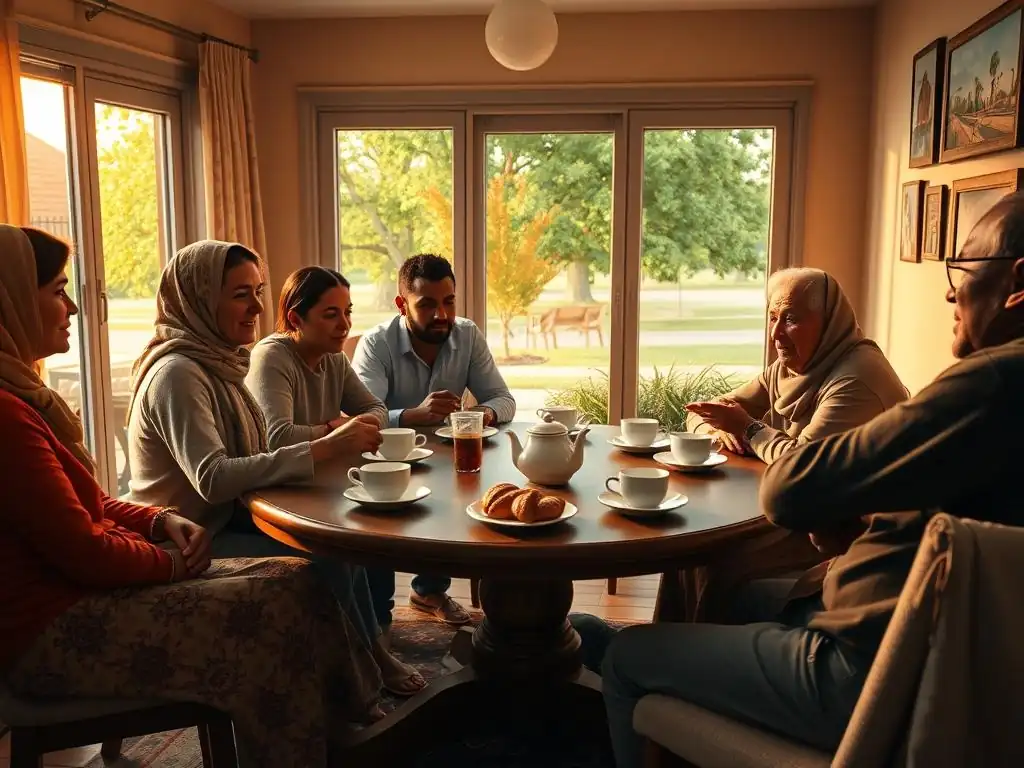
Welcome to Mind Care Guide, a space dedicated to nurturing your mental well-being.
Feeling overwhelmed by the complexities of building trust within diverse communities? You're not alone. In a world demanding empathy and understanding, our article, " Culturally sensitive refugee trust building," offers vital insights. Discover practical strategies and nuanced approaches to foster genuine connections and provide impactful support. Start exploring now and unlock the key to building bridges of trust and healing.
The Key to Connection: Building Trust in Culturally Sensitive Refugee Support
- Understanding Trauma and the Refugee Experience
- Why Culturally Sensitive Care is Crucial for Refugee Trust Building
- Core Principles of Culturally Sensitive Refugee Trust Building
- Practical Strategies for Enhancing Trust in Refugee Support
- Addressing Specific Cultural Considerations in Refugee Mental Health
- The Role of Cultural Brokers and Interpreters in Facilitating Trust
- Measuring the Impact of Culturally Sensitive Practices
- Case Studies: Successful Examples of Culturally Sensitive Refugee Trust Building
- Resources and Further Learning on Culturally Sensitive Refugee Care
-
Frequently Asked Questions
- What does "culturally sensitive" mean in the context of refugee support?
- Why is building trust particularly important when working with refugees?
- What are some practical strategies for building trust with refugees from diverse cultural backgrounds?
- How can mental health professionals ensure they are providing culturally sensitive care to refugee populations?
- What resources are available to help organizations develop culturally sensitive refugee support programs?
- Final Reflection: Bridging the Divide Through Trust
- Unlock Deeper Connections: Embrace Culturally Sensitive Support
Understanding Trauma and the Refugee Experience
The Prevalence of Trauma Among Refugee Populations
Refugee populations have often endured profound adversity, including conflict, persecution, and forced displacement. Consequently, the prevalence of trauma-related conditions, such as Post-Traumatic Stress Disorder (PTSD), depression, and anxiety, is significantly higher than in the general population. Studies and reports from organizations working with refugees consistently indicate that a substantial majority, often cited as upwards of 60-70%, have experienced multiple traumatic events before, during, and after their journey to safety.
For example, research among Syrian refugees in neighboring countries and resettlement nations has shown high rates of exposure to violence, loss of loved ones, and displacement, leading to elevated levels of psychological distress. Similarly, data from various contexts involving refugees from Afghanistan, Myanmar, and Central American countries highlights the pervasive nature of trauma exposure. This underscores the critical need for mental health support that acknowledges this widespread trauma history and approaches individuals with sensitivity and understanding from the outset.
Cultural Variations in Trauma Expression and Healing
Trauma is a universal human experience, yet its expression and the pathways to healing are deeply influenced by culture. Different cultural backgrounds may have unique ways of understanding and communicating distress, which may not always align with Western psychological frameworks. For instance, somatic symptoms like headaches, stomach problems, or fatigue might be the primary way individuals express psychological pain, rather than explicitly discussing feelings of sadness or fear.
Furthermore, cultural beliefs about mental health, illness causation, and appropriate coping mechanisms vary widely. Some cultures may emphasize collective healing through family or community rituals, while others might rely more on spiritual or religious practices. Understanding these variations is fundamental to building trust in culturally sensitive refugee support, as it allows providers to recognize and validate diverse forms of suffering and resilience, moving beyond a one-size-fits-all approach.
The Impact of Cultural Background on Mental Health Support
An individual's cultural background profoundly shapes their perception of mental health, their willingness to seek help, and their response to interventions. Factors such as stigma surrounding mental illness, beliefs about the causes of distress (e.g., supernatural explanations), and past negative experiences with authority figures can all create significant barriers to accessing and benefiting from mental health services. Language barriers, of course, present a direct obstacle, but cultural nuances in communication styles and expectations of the helper-client relationship are equally important.
Effective culturally sensitive refugee trust building requires providers to recognize these influences. For someone from a culture where mental health issues are highly stigmatized, simply offering a standard therapy session may not be sufficient or appropriate. Instead, integrating support within community settings, involving family members where culturally appropriate, or utilizing metaphors and concepts that resonate with their worldview becomes essential. Acknowledging and respecting these cultural factors is the first step in creating a safe and welcoming environment where trust can flourish.
Why Culturally Sensitive Care is Crucial for Refugee Trust Building
Defining Culturally Sensitive Mental Health Care for Refugees
Culturally sensitive mental health care for refugees goes beyond simply providing interpreters. It is an approach that recognizes and values the cultural backgrounds, beliefs, values, and historical experiences of refugee individuals and communities. This involves understanding how culture impacts perceptions of health and illness, help-seeking behaviors, communication styles, and responses to therapeutic interventions. It requires providers to engage in self-reflection about their own cultural biases and assumptions.
At its core, culturally sensitive care is about adapting services to fit the needs of the individual, rather than expecting the individual to adapt to the existing service model. This means actively seeking to learn about the client's cultural context, collaborating with them on goals and methods, and ensuring that interventions are relevant, accessible, and respectful. Building trust in culturally sensitive refugee support is inherently linked to demonstrating this respect and willingness to understand the client's world.
Overcoming Barriers to Trust in Refugee Mental Health Services
Refugees often arrive with experiences that have eroded their trust in institutions and authority figures, including governments, police, and sometimes even aid organizations. They may also face language barriers, cultural misunderstandings, fear of stigma within their own community, and concerns about confidentiality or the implications of disclosing sensitive information. These significant barriers can make it incredibly challenging for them to engage with mental health services, even when they are in desperate need.
Culturally sensitive refugee trust building directly addresses many of these obstacles. By employing staff who understand the cultural context, utilizing professional interpreters, adapting service delivery locations (e.g., community centers instead of clinical settings), and openly discussing concerns about confidentiality and stigma, providers can begin to dismantle these barriers. Demonstrating genuine empathy, patience, and a non-judgmental attitude, combined with cultural humility, helps rebuild the foundation of trust that is essential for therapeutic progress.
The Importance of Linguistic Competence in Building Rapport
Linguistic competence is a fundamental component of culturally sensitive mental health care and plays a vital role in building rapport with refugees. While professional interpreters are crucial, having staff who speak the client's language can significantly enhance the therapeutic relationship. Direct communication in one's native language allows for a deeper expression of complex emotions and experiences, fostering a stronger sense of connection and understanding.
Beyond simply speaking the language, linguistic competence includes understanding cultural idioms, nuances, and indirect communication styles. A phrase that sounds benign in English might be highly offensive or confusing when translated literally or without cultural context. Providers and interpreters need to be attuned to these subtleties to ensure accurate communication and build a genuine connection based on mutual understanding. This level of linguistic and cultural fluency is invaluable for culturally sensitive refugee trust building.
Core Principles of Culturally Sensitive Refugee Trust Building
Active Listening and Empathetic Communication
Active listening is paramount in any helping relationship, but it takes on particular significance in culturally sensitive refugee support. It involves not just hearing the words spoken, but also paying attention to non-verbal cues, understanding the emotional context, and recognizing the cultural framework through which the client is communicating. Empathetic communication means conveying understanding and validating the client's experiences and feelings, even if they are expressed in unfamiliar ways or through different cultural lenses.
For refugees who have experienced profound loss and trauma, simply having someone listen without judgment and with genuine care can be incredibly healing. This requires patience, a willingness to sit with discomfort, and the ability to show empathy across cultural divides. It's not about having all the answers, but about being fully present and demonstrating through words and actions that their story, their feelings, and their cultural identity are valued and respected. This forms a cornerstone of culturally sensitive refugee trust building.
Respecting Cultural Norms and Values
Respecting cultural norms and values is non-negotiable when working with refugees. This involves understanding and honoring differences in communication styles (e.g., direct vs. indirect), family structures and roles (e.g., decision-making authority), views on gender roles, and attitudes towards health, illness, and help-seeking. Providers must be mindful of practices like eye contact, personal space, and the appropriateness of discussing certain topics, particularly those related to trauma or personal history, early in the relationship.
Demonstrating respect might involve adapting appointment times to accommodate prayer schedules, including family members in sessions where culturally appropriate, or refraining from asking probing questions about sensitive topics until sufficient trust has been established. It requires humility and a willingness to learn from the client about what is important and respectful within their cultural context. This conscious effort to honor their background is fundamental to culturally sensitive refugee trust building.
Building Reciprocity and Mutual Understanding
Building trust in culturally sensitive refugee support is a two-way process rooted in reciprocity and mutual understanding. It's not just about the refugee client trusting the provider; it's also about the provider demonstrating trust in the client's resilience, wisdom, and capacity for healing within their own cultural framework. This involves viewing clients as active partners in their care, valuing their input, and co-creating goals and strategies that are meaningful and achievable within their life context.
Reciprocity can be fostered by sharing appropriate information about the service and the provider's role, being transparent about processes, and acknowledging the client's expertise regarding their own life and culture. It's about moving away from a hierarchical model of care towards a more collaborative one. When clients feel seen, heard, and respected as equals, and when their cultural knowledge is valued, the bond of trust strengthens, paving the way for more effective and sustainable support.
Practical Strategies for Enhancing Trust in Refugee Support

Recruiting and Training Bicultural and Bilingual Staff
One of the most effective strategies for enhancing trust in culturally sensitive refugee support is the recruitment and training of staff who share the cultural and linguistic backgrounds of the refugee communities being served. Bicultural staff members possess an inherent understanding of the cultural nuances, values, and communication styles that are critical for building rapport. They can navigate potential misunderstandings and bridge cultural gaps in ways that external staff, even with extensive training, may find challenging.
Furthermore, bilingual staff can communicate directly with clients, reducing reliance on interpreters for all interactions, which can sometimes feel less personal. Organizations should actively seek out individuals from refugee communities, provide them with appropriate training in mental health support roles, and create pathways for their professional development. Their presence on staff signals to the community that the service understands and values their identity, significantly bolstering culturally sensitive refugee trust building efforts.
Adapting Therapeutic Approaches to Cultural Contexts
Standard therapeutic approaches developed in Western contexts may not always be directly applicable or effective for refugees from diverse cultural backgrounds. Adapting these approaches requires creativity and a willingness to modify techniques to fit the client's worldview, beliefs, and preferred ways of communicating and coping. This might involve incorporating storytelling, art, music, or body-based practices that resonate with the client's cultural heritage.
For instance, cognitive behavioral therapy (CBT) techniques might need to be adjusted to focus less on individual thoughts and more on collective experiences or family dynamics, depending on the client's cultural orientation. Narrative therapy, which helps individuals re-author their life stories, can be particularly powerful but must be conducted with sensitivity to how trauma narratives are culturally constructed and shared. Successful culturally sensitive refugee trust building involves collaborating with clients to find therapeutic methods that feel relevant and respectful to them.
Utilizing Community-Based Resources and Support Networks
Integrating mental health support within existing community-based resources and leveraging natural support networks is a highly effective strategy for building trust among refugees. Refugees often rely heavily on their community leaders, religious figures, family members, and ethnic community organizations for support and guidance. Partnering with these trusted individuals and groups can help destigmatize mental health services and make them more accessible and acceptable to the community.
This could involve holding psychoeducation sessions at community centers, collaborating with religious institutions to provide culturally appropriate support, or training community leaders to recognize signs of distress and refer individuals to services. By embedding mental health support within the social fabric of the community, providers demonstrate respect for existing support systems and build trust through familiar and trusted channels. This collaborative approach is vital for sustainable culturally sensitive refugee trust building.
Addressing Specific Cultural Considerations in Refugee Mental Health
Considerations for Supporting Afghan Refugees
Supporting Afghan refugees requires a deep understanding of Afghan culture, which is diverse but often characterized by strong family ties, community interdependence, and the influence of Islamic values. Many Afghan refugees have experienced prolonged conflict, multiple displacements, and significant loss. Mental health challenges may manifest as somatic complaints, difficulties with sleep, or expressions of grief and worry related to family members still in Afghanistan.
Providers should be mindful of gender roles and family hierarchy, often involving male heads of household. Approaching support through a family lens, where appropriate, and respecting privacy regarding personal matters are crucial. Discussions about trauma must be handled with extreme sensitivity, recognizing that direct questioning may be perceived as intrusive. Building culturally sensitive refugee trust building with Afghan communities means demonstrating patience, respect for elders, and an understanding of the historical context of their displacement and suffering.
Considerations for Supporting Ukrainian Refugees
Supporting Ukrainian refugees, many of whom have recently fled active conflict, involves addressing trauma related to war, displacement, and separation from family members. While many Ukrainians share some cultural similarities with Western societies compared to other refugee groups, significant cultural differences still exist, particularly regarding communication styles, emotional expression, and views on mental health. There may be a strong emphasis on resilience and stoicism, potentially leading to the downplaying of psychological distress.
Providers should be aware of the specific stressors related to recent conflict exposure, including witnessing violence or experiencing loss. Many Ukrainian refugees may have left behind male family members due to military service, adding a unique layer of anxiety and grief. Building culturally sensitive refugee trust building with Ukrainian refugees involves acknowledging their recent trauma, respecting their coping mechanisms, and offering practical support alongside mental health interventions. Understanding regional variations within Ukraine can also be beneficial.
Recognizing and Addressing Cultural Stigma Surrounding Mental Health
Cultural stigma surrounding mental health is a significant barrier across many refugee communities, impacting willingness to seek help and openness in discussing difficulties. In some cultures, mental illness may be seen as a sign of weakness, a moral failing, or even caused by spiritual factors, leading to shame and isolation for affected individuals and their families. This stigma can prevent refugees from accessing the very support they need to heal from trauma and adjust to their new lives.
Addressing this stigma requires a multi-faceted approach within culturally sensitive refugee trust building efforts. This includes providing psychoeducation in culturally appropriate ways, using terms and concepts that are understandable and less stigmatizing, and involving trusted community leaders in promoting mental well-being. Creating safe spaces where refugees feel comfortable sharing their experiences without fear of judgment is essential. This often means offering support in non-traditional settings and ensuring confidentiality is rigorously maintained.
The Role of Cultural Brokers and Interpreters in Facilitating Trust
Effective Communication Strategies with Interpreters
Working effectively with professional interpreters is fundamental to providing culturally sensitive care and facilitating trust with refugees who do not speak the provider's language. Providers should always use qualified, trained interpreters, preferably those with experience in mental health settings, rather than relying on family members or untrained bilingual staff. Before the session, briefing the interpreter on the purpose of the meeting and any sensitive topics to be discussed helps ensure accuracy and preparedness.
During the session, providers should speak directly to the client in the first person ("How are you feeling today?") rather than to the interpreter ("Ask him how he is feeling"). Keeping sentences relatively short and avoiding jargon or complex idioms aids the interpretation process. After the session, debriefing with the interpreter can help clarify cultural nuances, communication breakdowns, or potential misunderstandings. This collaborative approach ensures that interpretation is not just linguistic but also culturally informed, crucial for culturally sensitive refugee trust building.
Training Cultural Brokers to Bridge Cultural Gaps
Cultural brokers play a distinct and vital role in culturally sensitive refugee trust building that goes beyond linguistic interpretation. Cultural brokers are individuals, often from the refugee community itself, who possess deep knowledge of both the refugee culture and the host country's systems. They can act as navigators, mediators, and advocates, helping clients understand the complexities of accessing services and helping providers understand the cultural context of their clients' lives.
Training for cultural brokers should include not only communication and mediation skills but also a foundational understanding of trauma, mental health concepts (explained in culturally relevant ways), and ethical considerations like confidentiality. They can help explain cultural practices to providers, identify potential cultural misunderstandings, and facilitate communication in ways that build rapport and trust. Their unique position allows them to bridge cultural divides and enhance the effectiveness of support services significantly.
Ethical Considerations When Working with Interpreters
Working with interpreters in mental health settings raises several critical ethical considerations that providers must navigate carefully to maintain trust and provide ethical care. Confidentiality is paramount; interpreters must be trained and committed to maintaining the privacy of client information, just like the provider. Issues of impartiality can arise if the interpreter has a pre-existing relationship with the client or belongs to a conflicting community group.
Dual roles can also be challenging, particularly in small communities where professional interpreters may also be community members. Providers must be aware of these potential conflicts of interest and take steps to mitigate them, such as using interpreters from outside the immediate community if possible, or clearly defining roles and boundaries. Ensuring the interpreter feels safe and supported, especially when dealing with traumatic material, is also an ethical responsibility. Adhering to strict ethical guidelines is foundational to culturally sensitive refugee trust building.
Measuring the Impact of Culturally Sensitive Practices

Assessing Trust Levels Among Refugee Clients
Measuring trust levels among refugee clients is essential for evaluating the effectiveness of culturally sensitive practices. Direct questions about trust can be asked through surveys or during feedback sessions, though these must be phrased carefully and administered sensitively, often with interpreter support. Indicators of trust can also be observed indirectly, such as client retention rates, consistency in attending appointments, willingness to share sensitive information over time, and positive feedback about their experience with the service.
Qualitative data, gathered through focus groups or individual interviews with clients, can provide deeper insights into what factors contributed to building trust or what barriers existed. Asking clients specifically about their perceptions of cultural sensitivity, comfort with staff, and feeling understood can yield valuable information. Regularly assessing trust allows organizations to identify areas where their culturally sensitive refugee trust building efforts are succeeding and where improvements are needed.
Evaluating the Effectiveness of Cultural Adaptation Strategies
Evaluating whether cultural adaptation strategies are effective involves assessing if modified approaches are perceived as relevant, acceptable, and helpful by refugee clients. This can be done through client feedback surveys that specifically ask about the cultural appropriateness of interventions, communication styles, and overall service delivery. Observing engagement levels during group sessions or activities that have been culturally adapted can also provide clues about their effectiveness.
Outcome measures, such as reductions in symptom severity (e.g., PTSD, depression scores), improvements in functioning, or increased social integration, can also indirectly indicate the success of culturally sensitive care. However, it's crucial to interpret outcome data within the context of ongoing challenges refugees face. Combining quantitative data on outcomes with qualitative feedback on the cultural relevance of the support provides a more comprehensive picture of the impact of cultural adaptation strategies on culturally sensitive refugee trust building and healing.
Using Feedback to Improve Culturally Sensitive Services
A continuous feedback loop is vital for the ongoing improvement of culturally sensitive refugee trust building efforts. Organizations should actively solicit feedback from refugee clients, staff (including bicultural staff and interpreters), and community partners on a regular basis. This feedback should be systematically collected, analyzed, and used to inform changes in service delivery, training programs, and adaptation strategies.
Creating accessible and safe channels for feedback, such as anonymous suggestion boxes, informal conversations with trusted community members, or structured feedback sessions, is important. Critically, organizations must demonstrate that they are listening to the feedback and making tangible changes based on it. Communicating these changes back to the community reinforces that their voices are valued and further strengthens trust. This iterative process of receiving feedback and adapting services is key to truly effective culturally sensitive refugee trust building.
Case Studies: Successful Examples of Culturally Sensitive Refugee Trust Building
Case Study 1: Trauma-Informed Yoga Program for Somali Women
A community organization noticed that Somali refugee women in their area were experiencing high levels of stress and trauma symptoms but were hesitant to access traditional talk therapy due to cultural stigma and communication barriers. In response, they developed a trauma-informed yoga program delivered by a Somali-speaking instructor who understood the cultural norms around modesty and physical activity for women. The classes were held in a familiar community space.
The program focused on gentle movements, breathing exercises, and mindfulness, incorporating elements explained in a culturally relevant way, linking the practices to concepts of inner peace and strength already present in the culture. Attendance was consistently high, and participants reported feeling safer, more relaxed, and better able to cope with stress. The program successfully built trust by respecting cultural boundaries, leveraging community ties, and adapting a therapeutic modality to be culturally accessible, demonstrating effective culturally sensitive refugee trust building.
Case Study 2: Community-Led Mental Health Initiative for Syrian Families
Following the arrival of a large number of Syrian refugees, a local mental health service partnered with Syrian community leaders and mosques to develop a mental health initiative. Instead of solely offering clinic-based appointments, they trained Syrian community members as peer support workers and held psychoeducational workshops at the mosque and community center, focusing on common reactions to stress and trauma using culturally appropriate language and examples.
The initiative incorporated storytelling sessions where individuals could share experiences in a safe, communal setting, facilitated by trusted community members. Mental health professionals were available for consultation but were introduced as helpers working alongside community leaders. This approach significantly reduced stigma, increased engagement with support, and fostered a sense of ownership and trust within the Syrian community. By empowering community members and working through existing social structures, they achieved significant culturally sensitive refugee trust building.
Resources and Further Learning on Culturally Sensitive Refugee Care
Organizations Providing Culturally Competent Mental Health Services
Numerous organizations globally and locally are dedicated to providing culturally competent mental health services to refugees. These organizations often employ diverse staff, develop specialized programs, and advocate for policies that support refugee well-being. Seeking out organizations with a proven track record in working with specific refugee populations can provide valuable insights and partnership opportunities.
Training Programs for Mental Health Professionals Working with Refugees
Specialized training programs are available for mental health professionals seeking to enhance their skills in culturally sensitive care for refugees. These programs often cover topics such as trauma-informed care, cross-cultural communication, working with interpreters, and understanding the specific mental health needs of different refugee groups. Participating in such training is crucial for providers committed to effective culturally sensitive refugee trust building.
Relevant Research and Literature on Refugee Mental Health and Trust
A growing body of research and literature explores the complex intersection of trauma, culture, mental health, and trust among refugee populations. Academic journals, reports from international organizations, and publications from refugee-serving agencies offer valuable data, theoretical frameworks, and practical guidance. Staying informed about the latest research is essential for continuously improving culturally sensitive refugee trust building practices.
Frequently Asked Questions
What does "culturally sensitive" mean in the context of refugee support?
It refers to understanding and respecting the cultural backgrounds, beliefs, and values of refugees when providing support. This ensures services are appropriate and effective.
Why is building trust particularly important when working with refugees?
Refugees often have experienced trauma, displacement, and distrust of institutions. Building trust is crucial for creating safe and supportive environments where they feel comfortable seeking help.
What are some practical strategies for building trust with refugees from diverse cultural backgrounds?
Active listening, demonstrating empathy, and using culturally appropriate communication styles are key. Employing bilingual staff and involving community leaders can also be beneficial.
How can mental health professionals ensure they are providing culturally sensitive care to refugee populations?
Through ongoing training on cultural competence, seeking consultation from cultural brokers, and adapting therapeutic approaches to align with the refugee's cultural perspective.
What resources are available to help organizations develop culturally sensitive refugee support programs?
Mind Care Guide offers information, support, and resources. Additionally, many government agencies and non-profit organizations provide training materials and best practice guidelines on culturally sensitive care.
Final Reflection: Bridging the Divide Through Trust
The urgent need for culturally sensitive support for refugees remains a critical global challenge, and building trust forms the bedrock of successful integration. Without genuine understanding and empathy, aid efforts risk becoming ineffective, even harmful. The consequences of failing to prioritize trust are far-reaching, impacting not only the well-being of refugees but also the social fabric of host communities.
The journey towards building trust with refugee populations is a complex and ongoing process, deeply intertwined with the historical and social contexts that shaped their experiences. It requires a constant reevaluation of our approaches and a willingness to learn from both successes and failures. This journey has profoundly impacted my understanding of empathy and the power of genuine human connection. The most basic of all human needs is the need to understand and be understood.
- Ralph Nichols. This quote underscores the importance of active listening and creating space for refugees to share their stories and perspectives without judgment.
Now, it's your turn. Consider the ways in which you can contribute to building trust within your own community, whether it's through volunteering, advocating for policy changes, or simply engaging in respectful dialogue with those from different backgrounds. Let's work together to create a world where everyone feels safe, valued, and understood, fostering a future where the key to connection unlocks a more just and compassionate society for all.
Unlock Deeper Connections: Embrace Culturally Sensitive Support
Thanks for taking the time to explore the vital role of cultural sensitivity in supporting refugees. We hope you gained valuable insights into building stronger, more trusting relationships. Now, let's put that knowledge into action!
- Prioritize cultural understanding: Identify one specific cultural practice or belief you can learn more about, and dedicate time this week to researching it. This small step can significantly impact your interactions.
- Share this article with your network: Help spread awareness about the importance of culturally sensitive support by sharing this article with colleagues, friends, or family who work with or support refugee communities.
- Engage in respectful dialogue: Leave a comment below sharing your own experiences or questions about bridging cultural divides in support work – let's learn from each other!
What concrete step will you take today to enhance your approach to supporting refugees from diverse backgrounds?