
The Link Between Trauma and Physical Health: Healing the Whole Self

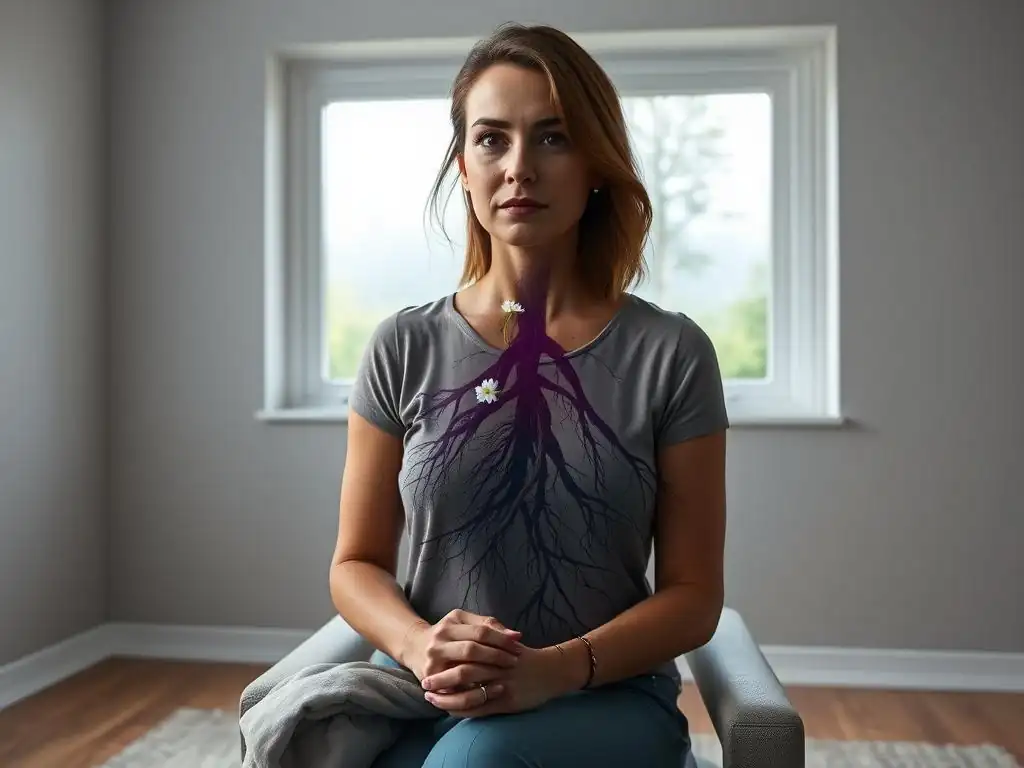
Welcome to Mind Care Guide.
Are you carrying the weight of past trauma and wondering if it's affecting more than just your mind? You're not alone. We understand the profound connection between emotional wounds and physical well-being. Dive into our comprehensive guide on Trauma’s Impact on Physical Health to uncover the hidden links and discover pathways to healing your whole self. Let's explore how addressing the unseen wounds can unlock a healthier, more vibrant you.
- The Link Between Trauma and Physical Health: Healing the Whole Self
- Understanding Trauma's Impact on Physical Health
- How Trauma Affects the Body: Specific Physical Health Concerns
- Exploring the Biological Mechanisms: Trauma and the Body
- Recognizing the Signs: Physical Symptoms Indicating Past Trauma
- Healing the Whole Self: Integrating Mental and Physical Health Recovery
- Supporting Trauma Survivors: A Guide for Loved Ones
- Resources for Trauma Recovery and Physical Health Support
- Conclusion: Embracing Holistic Healing After Trauma
-
Frequently Asked Questions
- How does trauma specifically impact physical health?
- What are some common physical symptoms associated with past trauma?
- How can addressing trauma improve physical well-being?
- What types of therapeutic approaches are beneficial for addressing both trauma and its physical manifestations?
- Where can I find resources and support for healing from trauma and improving my physical health?
- Final Reflection: Weaving the Threads of Trauma and Healing
- Unlock Your Body's Healing Power
The Link Between Trauma and Physical Health: Healing the Whole Self
Mind Care Guide: Trauma Recovery
Navigating the path of trauma recovery often focuses heavily on mental and emotional healing. While crucial, this approach sometimes overlooks the profound and lasting Trauma’s impact on physical health. Trauma, whether a single overwhelming event or prolonged exposure to adverse experiences, doesn't just reside in the mind; it is deeply ingrained in the body's physiological responses and can manifest as a wide range of physical health challenges years, even decades, after the initial experience.
Understanding this intricate connection between psychological distress and physical well-being is fundamental to holistic healing. The body remembers trauma, often expressing what the mind cannot or has suppressed. Recognizing these physical manifestations is a vital step in comprehensive recovery, allowing individuals to address the root causes of their physical ailments alongside their emotional and psychological healing journey. This guide delves into how trauma affects physical health and explores strategies for healing the whole self.
Understanding Trauma's Impact on Physical Health
Defining Trauma and Its Broad Effects
Trauma is defined as an event or series of events that is experienced as physically or emotionally harmful or life-threatening and that has lasting adverse effects on the individual’s functioning and mental, physical, social, emotional, or spiritual well-being. These events can range from natural disasters, accidents, or violent crimes to chronic neglect, abuse, or exposure to conflict. The defining characteristic is not the event itself, but the individual's subjective experience of overwhelming threat and lack of control.
The effects of trauma extend far beyond the immediate psychological distress. While symptoms like anxiety, depression, PTSD, and difficulty regulating emotions are widely recognized, trauma's physical effects are often less understood or attributed to other causes. The body's survival mechanisms, activated during trauma, can remain on high alert long after the threat has passed, leading to chronic physiological dysregulation. This persistent state of alarm contributes significantly to the development of various physical health issues, highlighting the pervasive nature of trauma's influence.
Trauma's Lasting Effects: Beyond Mental Health
While psychological distress like PTSD, anxiety disorders, and depression are commonly associated with trauma, research consistently demonstrates that trauma’s impact on physical health is substantial and long-lasting. Studies have shown that individuals with a history of trauma, particularly complex or repeated trauma during childhood (often referred to as Adverse Childhood Experiences or ACEs), have significantly higher rates of chronic physical illnesses compared to the general population. This includes conditions like heart disease, autoimmune disorders, chronic pain syndromes, respiratory issues, and digestive problems.
The long-term activation of the body's stress response system due to unresolved trauma creates a fertile ground for physical breakdown. This chronic stress leads to systemic inflammation, hormonal imbalances, and altered nervous system functioning, all of which contribute to the development and exacerbation of various physical health conditions. Ignoring these physical symptoms means only addressing a part of the trauma's legacy, making complete recovery more challenging.
The Mind-Body Connection: A Crucial Link
The concept of the mind-body connection is central to understanding how trauma affects physical health. Our thoughts, feelings, and experiences are not isolated in the brain; they are intimately connected with our physical body through complex biological pathways, primarily involving the nervous system, endocrine system, and immune system. When a person experiences trauma, this connection is profoundly impacted. The perception of threat (mind) triggers a cascade of physiological responses (body) designed for survival, such as the release of stress hormones like cortisol and adrenaline, increased heart rate, and heightened muscle tension.
If the trauma is not processed or resolved, the body can get stuck in a state of chronic activation or dysregulation. This means the nervous system may remain hyper-aroused, the endocrine system may continue to pump out stress hormones, and the immune system may become either overactive or suppressed. This persistent state of imbalance directly contributes to physical health problems, illustrating that psychological wounds have tangible, physical consequences. Healing from trauma therefore requires addressing both the mental and physical aspects of the experience.
How Trauma Affects the Body: Specific Physical Health Concerns
Cardiovascular Health and Trauma Exposure
Trauma exposure, particularly chronic or repeated trauma, is strongly linked to an increased risk of cardiovascular problems. Research has consistently shown that individuals with a history of trauma are more likely to develop conditions such as hypertension, heart disease, stroke, and experience adverse cardiovascular events at an earlier age. This connection is not merely statistical; it's rooted in the persistent physiological changes triggered by trauma.
The chronic activation of the stress response system, a hallmark of unresolved trauma, places immense strain on the cardiovascular system. Elevated levels of stress hormones like cortisol and adrenaline can lead to increased heart rate, blood pressure, and vasoconstriction (narrowing of blood vessels). Over time, these effects contribute to the development of atherosclerosis (plaque buildup in arteries), inflammation of blood vessels, and an increased risk of blood clots, significantly raising the likelihood of heart attack and stroke.
The Role of Stress Hormones in Heart Health
Stress hormones, primarily cortisol and adrenaline (epinephrine), are released by the adrenal glands as part of the body's "fight or flight" response, mediated by the sympathetic nervous system. In a traumatic situation, these hormones are crucial for survival, preparing the body to respond to danger. However, when trauma leads to chronic stress or PTSD, these hormones remain elevated for prolonged periods, disrupting normal bodily functions.
Chronic exposure to high levels of cortisol can lead to increased blood sugar, elevated blood pressure, and changes in cholesterol levels – all risk factors for heart disease. Adrenaline causes the heart to work harder and faster, and chronic surges can contribute to heart rhythm abnormalities and damage to heart muscle over time. This persistent hormonal imbalance is a key mechanism explaining Trauma’s impact on physical health, particularly its detrimental effects on the cardiovascular system.
Trauma, Chronic Pain, and Inflammation
Chronic pain is a common and debilitating physical manifestation of unresolved trauma. Many individuals with a history of trauma experience conditions like fibromyalgia, chronic back pain, headaches, and irritable bowel syndrome, where physical symptoms are real and persistent, but often lack a clear structural cause. The link lies in how trauma alters the nervous system's processing of pain signals and contributes to chronic inflammation.
Trauma can lead to central sensitization, a state where the nervous system becomes hypersensitive, amplifying pain signals and perceiving non-painful stimuli as painful. This is compounded by the body's chronic stress response, which promotes systemic inflammation. Inflammation is a natural healing process, but when it becomes chronic, it can damage tissues and contribute to persistent pain. The interplay between a sensitized nervous system and chronic inflammation creates a vicious cycle where trauma contributes to pain, and pain itself can be re-traumatizing.
Understanding the Pain-Trauma Cycle
The relationship between pain and trauma is often cyclical. Trauma can predispose individuals to developing chronic pain conditions through neurobiological changes and chronic stress. Once chronic pain is established, it can perpetuate the trauma response. Constant pain is a stressor that keeps the nervous system in a state of alert, similar to the original trauma response. This can lead to increased anxiety, depression, and difficulty coping, which in turn can worsen pain perception and physical symptoms.
Breaking this cycle requires addressing both the physical pain and the underlying trauma. Traditional pain management treatments may be less effective if the trauma is not acknowledged and processed. A trauma-informed approach to pain management recognizes that the pain may be a physical expression of psychological distress and incorporates therapeutic strategies that address the trauma alongside physical interventions.
Immune System Dysfunction Following Trauma
The immune system, responsible for defending the body against illness, is significantly affected by trauma and chronic stress. The close communication between the nervous, endocrine, and immune systems means that psychological stress can directly impact immune function. Unresolved trauma can lead to a state of chronic immune dysregulation, characterized by either an overactive inflammatory response or a suppressed immune defense.
Chronic stress, stemming from trauma, floods the body with stress hormones that can alter the balance of immune cells and inflammatory markers. This can result in increased levels of pro-inflammatory cytokines, contributing to systemic inflammation linked to numerous chronic diseases, including autoimmune disorders, cardiovascular disease, and certain cancers. Conversely, prolonged stress can also suppress aspects of the adaptive immune response, making individuals more susceptible to infections.
Increased Susceptibility to Illness
The immune dysregulation caused by trauma contributes to an increased susceptibility to a range of illnesses. Individuals with a history of trauma are at higher risk for developing autoimmune diseases such as rheumatoid arthritis, lupus, and inflammatory bowel disease, where the immune system mistakenly attacks the body's own tissues. The chronic inflammatory state may play a significant role in the development of these conditions.
Furthermore, the suppression of certain immune functions can leave individuals more vulnerable to common infections like colds and flu, and potentially impact the body's ability to fight off more serious pathogens or abnormal cells. The Trauma’s impact on physical health is evident in this weakened defense system, making trauma recovery crucial not just for mental peace, but for bolstering the body's ability to stay healthy.
Digestive Issues and the Trauma Response
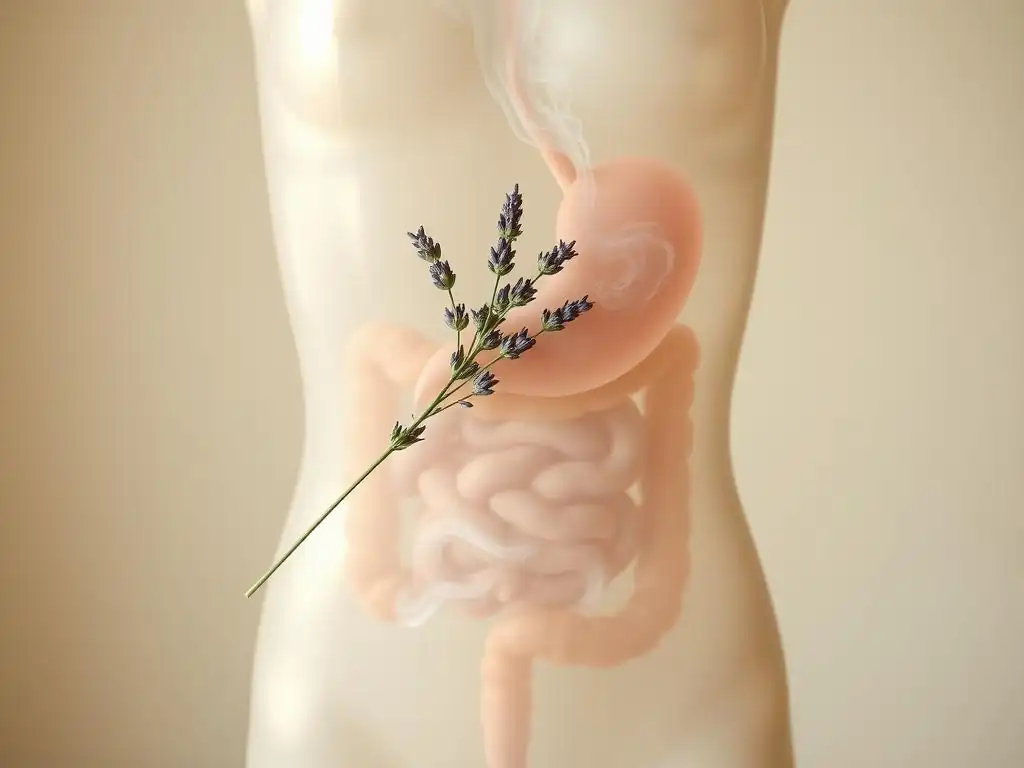
The digestive system is often referred to as the "second brain" due to its extensive network of neurons and its intricate connection with the central nervous system via the gut-brain axis. This strong link means that psychological stress and trauma can have a profound impact on digestive health. Many individuals with a history of trauma experience chronic gastrointestinal problems.
Common digestive issues linked to trauma include Irritable Bowel Syndrome (IBS), characterized by symptoms like abdominal pain, bloating, constipation, and diarrhea. Other conditions can include acid reflux, nausea, and changes in gut motility. The stress response triggered by trauma can alter gut permeability, change the composition of the gut microbiome, and affect the sensitivity of the nerves in the gut, leading to chronic discomfort and dysfunction.
The Gut-Brain Axis and Trauma
The gut-brain axis is a complex bidirectional communication system linking the central nervous system (brain and spinal cord) and the enteric nervous system (the nervous system of the gut). This axis involves neural pathways (like the vagus nerve), hormones, neurotransmitters, and the gut microbiome. Trauma disrupts this delicate communication.
The chronic activation of the sympathetic nervous system (part of the stress response) can slow digestion, alter gut motility, and affect the secretion of digestive enzymes. Stress hormones also influence the gut microbiome, potentially leading to an imbalance of beneficial and harmful bacteria, which in turn can affect mood, inflammation, and overall health. Addressing trauma is therefore vital for restoring healthy digestive function and supporting the gut-brain axis.
Sleep Disturbances Linked to Traumatic Experiences
Sleep disturbances are one of the most common and persistent physical symptoms reported by trauma survivors. Difficulty falling asleep, staying asleep, or experiencing restless sleep significantly impacts daily functioning and overall well-being. These sleep problems are not merely secondary effects of anxiety or depression; they are often a direct physiological consequence of trauma's impact on the nervous system.
Trauma can disrupt the body's natural sleep-wake cycle and keep the nervous system in a state of hyper-arousal, making it difficult to relax and fall asleep. The brain may remain vigilant, constantly scanning for threats even during periods meant for rest. This chronic sleep deprivation further exacerbates stress levels, impairs cognitive function, and negatively impacts physical health, creating a challenging cycle for trauma survivors.
Insomnia, Nightmares, and Trauma
Specific sleep disturbances frequently associated with trauma include chronic insomnia, where individuals struggle with persistent difficulty initiating or maintaining sleep. Another hallmark symptom, particularly in PTSD, is the presence of recurrent, distressing nightmares related to the traumatic event. These nightmares can cause significant distress, disrupt sleep, and lead to fear or avoidance of sleep.
The hyper-arousal state linked to trauma contributes to insomnia by preventing the body and mind from settling down. Nightmares are often a way the brain attempts to process traumatic memories, but in PTSD, this processing becomes dysregulated, leading to repetitive and intense dream content. Addressing sleep disturbances is a critical component of trauma recovery, as restoring healthy sleep patterns can improve mood, reduce hyper-arousal, and support overall healing.
Exploring the Biological Mechanisms: Trauma and the Body
The Hypothalamic-Pituitary-Adrenal (HPA) Axis and Trauma
The Hypothalamic-Pituitary-Adrenal ( HPA) axis is the body's central stress response system. It's a complex network of interactions between the hypothalamus, pituitary gland, and adrenal glands. When a stressor is perceived, the hypothalamus releases corticotropin-releasing hormone ( CRH), which signals the pituitary gland to release adrenocorticotropic hormone ( ACTH). ACTH then prompts the adrenal glands to produce cortisol, the primary stress hormone. Cortisol helps the body mobilize energy and adapt to stress. Normally, once the stressor is removed, cortisol levels decrease through a negative feedback loop.
However, trauma can significantly dysregulate the HPA axis. In some individuals, particularly those with PTSD, the HPA axis may become hyperactive, leading to chronically elevated cortisol levels. In others, it might show a blunted response, resulting in lower-than-normal cortisol levels despite ongoing stress. This dysregulation means the body struggles to return to a state of calm after experiencing a perceived threat, keeping it in a state of chronic alert or exhaustion.
Dysregulation of the Stress Response System
The persistent dysregulation of the HPA axis due to trauma has far-reaching consequences for physical health. Chronic exposure to high cortisol levels is linked to a variety of health problems, including weight gain, impaired immune function, bone loss, and increased risk of cardiovascular disease and type 2 diabetes. A blunted cortisol response, while seemingly counterintuitive, can also be problematic, potentially contributing to chronic fatigue, pain sensitivity, and inflammatory conditions.
This altered stress hormone profile is a key biological pathway explaining much of Trauma’s impact on physical health. It disrupts normal physiological processes throughout the body, contributing to the development and maintenance of numerous chronic conditions. Restoring balance to the HPA axis is therefore a crucial aspect of physical healing after trauma.
Epigenetic Changes Resulting from Trauma
Beyond altering hormone levels and nervous system function, trauma can even leave its mark at a genetic level through epigenetic changes. Epigenetics refers to modifications in gene expression that do not involve changes to the underlying DNA sequence. These modifications can turn genes "on" or "off," influencing how cells read and express genetic information in response to environmental factors, including stress and trauma.
Research suggests that trauma, particularly during critical developmental periods like childhood, can induce epigenetic changes in genes related to stress response, immune function, and brain development. For instance, studies have found epigenetic modifications in genes involved in the HPA axis, potentially explaining why some individuals develop chronic stress responses or are more vulnerable to stress-related disorders after trauma.
How Trauma Can Alter Gene Expression
Trauma-induced epigenetic changes can affect how an individual responds to stress throughout their life. For example, alterations in the methylation patterns (a common epigenetic mark) of genes like the glucocorticoid receptor gene can influence the sensitivity of the HPA axis's negative feedback loop. This can lead to a less effective shut-off of the stress response, contributing to chronic stress and associated physical health problems.
Importantly, epigenetic changes are potentially reversible and can be influenced by subsequent experiences and interventions. This offers hope for trauma recovery, suggesting that therapeutic approaches, lifestyle changes, and supportive environments can potentially modify these epigenetic marks, contributing to both mental and physical healing and mitigating some of Trauma’s impact on physical health.
The Vagus Nerve: Trauma and its Impact
The vagus nerve is the longest cranial nerve, extending from the brainstem down through the neck, chest, and abdomen. It plays a critical role in the parasympathetic nervous system, often called the "rest and digest" system, which helps calm the body after the stress response has been activated. The vagus nerve is a key component of the gut-brain axis and influences heart rate, digestion, breathing, and immune function.
Trauma can significantly impact the function of the vagus nerve. Chronic stress and the hyper-arousal state associated with trauma can lead to reduced vagal tone – essentially, a weakened ability of the vagus nerve to effectively signal the body to relax and recover. This diminished vagal tone contributes to persistent sympathetic nervous system activation, making it harder for the body to regulate heart rate, digestion, and inflammation, and contributes to the feeling of being constantly on edge.
Connecting the Brain and Body for Healing
A healthy vagus nerve function is associated with better stress resilience, emotional regulation, and physical health. Low vagal tone, conversely, is linked to increased risk of inflammation, depression, anxiety, cardiovascular issues, and digestive problems – many of the physical conditions associated with trauma. Therefore, interventions aimed at improving vagal tone can be powerful tools in healing the physical effects of trauma.
Practices that stimulate the vagus nerve, such as deep diaphragmatic breathing, mindfulness meditation, yoga, cold exposure, and even humming or singing, can help strengthen vagal tone. By improving the function of this critical nerve, individuals can enhance their body's ability to move out of the "fight or flight" state, promote relaxation, reduce inflammation, and support the regulation of various physiological processes disrupted by trauma. This highlights the importance of targeting the nervous system directly when addressing Trauma’s impact on physical health.
Recognizing the Signs: Physical Symptoms Indicating Past Trauma
Identifying Physical Manifestations of Emotional Distress
It's common for individuals to intellectualize or suppress traumatic experiences, but the body often holds onto the stress and memory of the event. These unprocessed experiences can manifest as physical symptoms, sometimes years or decades later, without a clear medical explanation. Recognizing these physical manifestations as potential indicators of unresolved trauma is a critical step towards seeking appropriate help. These symptoms are not "all in your head"; they are real physical expressions of underlying psychological and physiological dysregulation caused by trauma.
Paying attention to chronic or recurring physical issues, especially those that don't fully respond to standard medical treatment or seem to worsen during periods of stress, can provide valuable clues. These physical signals are the body's way of communicating distress when verbal expression may be difficult or unavailable. Understanding this connection can empower individuals to explore the possibility of trauma as a contributing factor to their physical health challenges.
Physical Symptoms and Trauma: Examples
The range of physical symptoms that can be linked to past trauma is broad and can vary greatly from person to person. However, some common examples include:
- Chronic headaches or migraines
- Persistent fatigue or chronic fatigue syndrome
- Muscle tension and pain, including fibromyalgia
- Gastrointestinal issues like IBS, indigestion, and bloating
- Cardiovascular symptoms such as rapid heart rate, palpitations, or unexplained chest pain
- Sleep disturbances, including insomnia and nightmares
- Skin conditions like eczema or psoriasis
- Increased sensitivity to pain or touch
- Autoimmune flare-ups
These symptoms often occur without a clear medical diagnosis or explanation, or they may be present alongside diagnosed conditions but are exacerbated by stress. Recognizing these patterns and considering a history of trauma can open the door to more effective, integrated treatment approaches that address both the mind and body.
When to Seek Professional Help: Recognizing the Need for Support
Recognizing that physical symptoms might be linked to past trauma can be a significant realization. It's important to consult with a healthcare professional to rule out other medical causes for your symptoms. However, if physical symptoms persist despite medical treatment, or if you have a known history of trauma and experience chronic physical or emotional distress, it may be beneficial to seek professional help specifically for trauma recovery.
Consider seeking help if you experience:
- [ ] Chronic physical symptoms without a clear medical explanation.
- [ ] Physical symptoms that worsen during periods of stress or emotional difficulty.
- [ ] Recurrent or intrusive memories, flashbacks, or nightmares related to past events.
- [ ] Intense emotional reactions (anxiety, fear, anger, sadness) that feel overwhelming.
- [ ] Difficulty regulating emotions or feeling numb/disconnected.
- [ ] Avoidance of situations, people, or places that remind you of past events.
- [ ] Significant disruption in your daily life, relationships, or work due to symptoms.
Seeking support from trauma-informed therapists or healthcare providers can provide a safe space to explore the connection between your past experiences and current symptoms and develop effective strategies for healing Trauma’s impact on physical health and emotional well-being.
Healing the Whole Self: Integrating Mental and Physical Health Recovery

Trauma-Informed Care: A Holistic Approach
Trauma-informed care is an organizational framework and approach to human services that recognizes the widespread impact of trauma and understands potential paths for recovery. It integrates knowledge about trauma into policies, procedures, and practices. For individuals, receiving trauma-informed care means that healthcare providers, therapists, and support staff understand that a person's past experiences can significantly influence their current health behaviors, responses to treatment, and overall well-being.
A holistic, trauma-informed approach acknowledges that the mind and body are inseparable in the healing process. It moves beyond simply treating physical symptoms in isolation or addressing mental health without considering the body's experience. Instead, it seeks to understand how trauma has impacted the individual on multiple levels – psychological, emotional, and physical – and tailors interventions to address these interconnected effects. This approach prioritizes safety, trustworthiness, choice, collaboration, and empowerment, creating an environment conducive to deep healing.
Therapeutic Interventions for Trauma and Physical Health
Various therapeutic approaches are particularly effective in addressing the complex interplay between trauma and physical health. These therapies often focus on processing traumatic memories, regulating the nervous system, and helping individuals reconnect with their bodies in a safe and empowering way. Choosing the right therapeutic intervention often depends on the individual's specific needs and experiences.
Many successful trauma therapies integrate somatic (body-oriented) techniques to release stored tension and help the body complete defensive responses that may have been interrupted during the traumatic event. Others focus on reprocessing distressing memories or challenging negative thought patterns that contribute to chronic stress and physical symptoms. A combination of approaches is often most beneficial for comprehensive healing.
Somatic Experiencing: Releasing Trauma from the Body
Somatic Experiencing ( SE) is a body-oriented therapeutic model developed by Dr. Peter Levine. It is based on the understanding that trauma can become "stuck" in the body's nervous system, leading to chronic stress, dysregulation, and physical symptoms. SE helps individuals become more aware of their bodily sensations ( soma) in a gentle and gradual way, allowing the body to release trapped energy and complete thwarted survival responses (like fight, flight, or freeze) that were unable to fully resolve during the traumatic event.
Instead of focusing solely on the narrative of the trauma, SE guides clients to track their physical responses and sensations in the present moment. By pendulating between sensations associated with arousal (stress) and those associated with settling (calm), the body's natural capacity for self-regulation is restored. This process helps to discharge the accumulated physiological stress, reducing physical symptoms like chronic pain, muscle tension, and digestive issues, and significantly mitigating Trauma’s impact on physical health.
EMDR Therapy: Processing Traumatic Memories
Eye Movement Desensitization and Reprocessing ( EMDR) therapy is another highly effective treatment for trauma that can help alleviate both psychological distress and trauma-related physical symptoms. EMDR is based on the Adaptive Information Processing model, which posits that trauma can block the brain's natural ability to process memories, leading to their unprocessed storage and triggering ongoing distress and symptoms.
During EMDR sessions, clients recall distressing traumatic memories while simultaneously engaging in bilateral stimulation, typically guided eye movements. This bilateral stimulation is thought to help the brain process the traumatic memory in a way that allows it to be integrated into the individual's overall memory network, reducing its emotional intensity and physical charge. Many individuals report a reduction in physical symptoms associated with the trauma as the memories are processed and desensitized, demonstrating EMDR's effectiveness in addressing Trauma’s impact on physical health.
Cognitive Behavioral Therapy (CBT) for Trauma-Related Physical Symptoms
Cognitive Behavioral Therapy ( CBT), while often focused on thoughts and behaviors, can also be adapted to address trauma-related physical symptoms. Trauma-focused CBT helps individuals process traumatic experiences and challenge negative beliefs about themselves, others, and the world that may have developed as a result of the trauma. By changing these cognitive patterns, individuals can reduce anxiety, depression, and hyper-vigilance, which in turn can alleviate physical symptoms.
Furthermore, CBT techniques can be used to directly manage physical symptoms. For example, relaxation techniques, breathing exercises, and strategies for challenging catastrophic thinking about pain or bodily sensations can be taught. CBT can help individuals understand the connection between their thoughts, feelings, and physical sensations, empowering them to develop coping strategies that reduce the intensity and impact of trauma-related physical symptoms.
The Role of Lifestyle Changes in Trauma Recovery
Beyond formal therapy, lifestyle changes play a crucial role in supporting both mental and physical healing after trauma. Engaging in healthy habits can help regulate the nervous system, reduce inflammation, improve overall physical health, and build resilience. These changes are not just supplementary; they are fundamental components of a holistic recovery plan that addresses Trauma’s impact on physical health.
Adopting a healthy lifestyle can help restore the body's natural balance, which was disrupted by the chronic stress response associated with trauma. Focusing on nutrition, physical activity, mindfulness, and adequate sleep provides the body with the resources it needs to repair and recover. These practices also offer a sense of agency and control, which can be particularly empowering for trauma survivors.
Nutrition and Trauma: Fueling Recovery
Nutrition significantly impacts brain function, hormone balance, immune health, and inflammation – all areas affected by trauma. A diet rich in whole foods, lean proteins, healthy fats, and plenty of fruits and vegetables provides essential nutrients that support brain health and reduce systemic inflammation. Omega-3 fatty acids, found in fish and nuts, are particularly important for brain health and reducing inflammation.
Conversely, processed foods, high sugar intake, and excessive caffeine or alcohol can exacerbate stress, disrupt sleep, and increase inflammation, potentially worsening trauma symptoms and physical health issues. Focusing on balanced meals and stable blood sugar can help regulate mood and energy levels. Hydration is also key. Nutritional choices can directly support the body's healing processes and help mitigate Trauma’s impact on physical health.
Exercise and Trauma: Reclaiming Your Body
Physical activity is a powerful tool for trauma recovery. Exercise helps release endorphins, which have mood-boosting effects, and can help regulate the nervous system. Engaging in physical activity can also help individuals feel more grounded and connected to their bodies, which can be challenging after trauma. Movement can provide a safe way to experience and release physical tension held in the body.
Activities like walking, running, swimming, dancing, or yoga can be particularly beneficial. Yoga, for example, combines physical postures with breathwork and mindfulness, helping to calm the nervous system and improve body awareness. Starting slowly and finding enjoyable forms of movement is key. Exercise helps reduce stress hormones, improve sleep, and decrease inflammation, directly counteracting some of Trauma’s impact on physical health.
Mindfulness and Meditation: Calming the Nervous System
Mindfulness and meditation practices help individuals develop the ability to be present in the moment without judgment. For trauma survivors, this can be challenging due to intrusive thoughts, flashbacks, or hyper-vigilance. However, with practice, mindfulness can help regulate the nervous system, reduce reactivity, and increase self-awareness.
Techniques like deep breathing, body scan meditation, or guided imagery can activate the parasympathetic nervous system, promoting relaxation and reducing the "fight or flight" response. Regular practice can lower cortisol levels, reduce blood pressure, and improve sleep. By cultivating a sense of calm and presence, mindfulness helps individuals manage distress, reduce the intensity of physical symptoms linked to stress, and support overall recovery from Trauma’s impact on physical health.
Building Resilience: Tools for Long-Term Well-being After Trauma
Building resilience is an ongoing process that helps individuals cope with future challenges and maintain well-being after trauma. Resilience isn't about avoiding difficulty; it's about developing the capacity to navigate adversity and bounce back. For trauma survivors, this involves integrating healing strategies into daily life and cultivating practices that support long-term physical and mental health.
Key components of building resilience include maintaining healthy routines (sleep, nutrition, exercise), nurturing supportive relationships, engaging in meaningful activities, practicing self-compassion, and continuing to use coping strategies learned in therapy. Developing a sense of purpose and hope for the future is also vital. Resilience helps individuals not only recover from past trauma but also build a stronger foundation for navigating life's inevitable stressors, reducing vulnerability to future physical and mental health issues.
Supporting Trauma Survivors: A Guide for Loved Ones
Understanding the Challenges Faced by Trauma Survivors
Supporting a loved one who has experienced trauma requires patience, empathy, and understanding. Trauma can profoundly alter a person's perception of safety, trust, and self-worth. Survivors may struggle with intense emotions, difficulty regulating their nervous system (leading to hyper-arousal or dissociation), strained relationships, and physical health problems. They may also experience triggers – reminders of the trauma that can cause intense distress and physiological reactions.
It's important to remember that healing is not linear and may involve setbacks. Survivors are not "choosing" to struggle; their reactions are often rooted in the biological and psychological effects of trauma. Avoid minimizing their experiences or telling them to "just get over it." Instead, focus on providing a safe, stable, and non-judgmental presence. Educating yourself about trauma and its effects, including Trauma’s impact on physical health, can help you understand their struggles and respond more effectively.
Offering Compassion and Support: What to Say and Do
Offering compassionate support involves validating their feelings and experiences without trying to fix them. Simple statements like "I'm here for you," "I believe you," or "It makes sense that you feel this way" can be incredibly powerful. Listen without interruption and avoid judgmental language. Respect their boundaries, including their need for space or reluctance to talk about the trauma.
Practical support can also be helpful, such as offering assistance with daily tasks if they are struggling, helping them find resources, or simply spending time with them doing calming or enjoyable activities. Encourage healthy habits like exercise, good nutrition, and sufficient sleep, as these support physical and emotional regulation. Remember that your presence and willingness to understand are often the most valuable forms of support.
Encouraging Professional Help: Guiding Survivors Towards Treatment
While your support is invaluable, it's crucial to encourage and support survivors in seeking professional help. Healing from trauma often requires specialized therapeutic interventions. You can help by researching trauma-informed therapists or programs in your area, offering to help with logistics like making appointments (if they are comfortable), or simply normalizing the idea of seeking therapy as a sign of strength.
Avoid forcing them into treatment or giving ultimatums. The decision to seek help must be their own, and they need to feel empowered in the process. You can express your concern for their well-being and gently suggest that professional support could help them navigate their challenges and work through Trauma’s impact on physical health and emotional distress. Let them know you will support them in their journey, whatever path they choose.
Resources for Trauma Recovery and Physical Health Support
Trauma Resources
Finding reliable resources is a key step in the healing journey. Many organizations offer information, helplines, and support groups specifically for trauma survivors. While specific links are not included here, searching for national or local trauma support organizations, mental health hotlines, and non-profit groups focused on specific types of trauma (e.g., domestic violence, sexual assault, combat trauma) can provide valuable guidance and community support.
Look for resources that emphasize trauma-informed approaches and offer a range of support services, including therapy referrals, educational materials, and peer support networks. These resources can help individuals understand their experiences, connect with others who have similar histories, and access the support needed to heal from Trauma’s impact on physical health and emotional well-being.
Finding Trauma-Informed Healthcare Providers
Accessing healthcare providers who understand the link between trauma and physical health is essential for comprehensive care. A trauma-informed provider will not only treat physical symptoms but also consider how past experiences might be contributing to current health issues. They will approach your care with sensitivity, avoiding practices that could be re-traumatizing, and work collaboratively with you.
When seeking a new doctor, therapist, or specialist, you can inquire about their experience with trauma or their approach to trauma-informed care. Look for practitioners who are open to discussing the mind-body connection and who are willing to coordinate care with mental health professionals if needed. Finding such providers ensures that your physical health concerns are addressed within the broader context of your trauma history, leading to more integrated and effective treatment.
Conclusion: Embracing Holistic Healing After Trauma
Integrating Mind and Body for Complete Wellness
The pervasive nature of Trauma’s impact on physical health underscores the critical need for a holistic approach to healing. Trauma is not merely a psychological event; it is an experience that deeply imprints itself on the body, altering physiological processes and contributing to a range of chronic physical health issues. True recovery requires acknowledging and addressing this profound mind-body connection.
By integrating therapeutic interventions that target both the psychological processing of trauma and the physical regulation of the nervous system and body, individuals can achieve more complete and lasting healing. Practices like Somatic Experiencing, EMDR, trauma-informed CBT, alongside lifestyle changes focused on nutrition, exercise, and mindfulness, all play vital roles in restoring balance and promoting well-being. Healing the whole self means recognizing that the body holds the story of trauma and that its release and regulation are essential components of recovery.
The Path to Recovery: Hope and Healing After Trauma
The journey of healing from trauma and its physical effects is unique for each individual and can be challenging, but it is absolutely possible. Recognizing the link between past experiences and current physical health is a powerful first step. Seeking trauma-informed professional support provides the guidance and tools needed to navigate this complex process.
Embracing a holistic approach that addresses both the mind and body empowers individuals to reclaim their health and vitality. While the scars of trauma may remain, they do not have to dictate future physical or emotional well-being. With compassion, appropriate support, and dedication to integrated healing practices, survivors can move towards a state of greater physical health, emotional peace, and overall wellness, demonstrating the remarkable capacity for resilience and healing that resides within the human spirit.
Frequently Asked Questions
How does trauma specifically impact physical health?
Trauma can lead to chronic stress, which weakens the immune system and increases inflammation. This can manifest as various physical ailments, including cardiovascular issues and gastrointestinal problems.
What are some common physical symptoms associated with past trauma?
Common physical symptoms include chronic pain, fatigue, digestive issues like IBS, and increased susceptibility to illness. These symptoms are often linked to the body's stress response being constantly activated.
How can addressing trauma improve physical well-being?
By processing and healing from trauma, individuals can regulate their stress response and reduce inflammation. This can lead to improvements in energy levels, pain management, and overall physical health.
What types of therapeutic approaches are beneficial for addressing both trauma and its physical manifestations?
Therapies like EMDR, Somatic Experiencing, and Trauma-Focused Cognitive Behavioral Therapy (TF-CBT) can help process traumatic memories and release physical tension associated with trauma. These therapies promote mind-body integration.
Where can I find resources and support for healing from trauma and improving my physical health?
Mind Care Guide offers comprehensive information and resources on trauma and mental well-being. You can also seek support from licensed therapists specializing in trauma and physical health.
Final Reflection: Weaving the Threads of Trauma and Healing
The interconnectedness of trauma and physical health is no longer a fringe theory; it's a critical understanding essential for holistic well-being in our increasingly stressful world. The evidence presented throughout this article underscores the profound ways unresolved trauma manifests in the body, impacting everything from cardiovascular health to the immune system. Ignoring this link is not only medically negligent but also prevents individuals from accessing the comprehensive healing they deserve.
The journey of understanding trauma's impact has been a deeply personal one for me, witnessing firsthand the debilitating effects it can have on individuals and families. It's a silent epidemic, often hidden beneath layers of physical symptoms and emotional distress. The body keeps the score,
as Bessel van der Kolk so powerfully states, reminding us that trauma isn't just a mental health issue; it's a whole-body experience that requires a holistic approach to healing. This understanding is crucial for shifting societal perceptions and fostering more compassionate and effective support systems.
You now hold the knowledge to recognize the signs, to advocate for yourself or others, and to seek the appropriate support. This isn't just about understanding the science; it's about empowering yourself to take control of your well-being. Take a moment to reflect on your own experiences, to listen to your body, and to seek professional guidance if you suspect trauma is impacting your physical health. The path to healing is often challenging, but the journey towards a healthier, more integrated self is undeniably worth it. Begin that journey today.
Unlock Your Body's Healing Power
Thanks for taking the time to explore the powerful connection between trauma and physical health. We hope this article equipped you with valuable insights into your well-being. Now it's time to take action!
- Prioritize self-care: Identify one small, manageable self-care practice (even 5 minutes of mindful breathing) and commit to it daily. This could be anything from a warm bath to journaling – anything that helps you feel more grounded.
- Share your insights: Discuss what you've learned with a trusted friend or family member. Opening up about your experiences can be incredibly empowering and create a supportive environment for healing.
- Explore further resources: If you're ready to delve deeper, look into local support groups or resources dedicated to trauma-informed care. This journey is about continual growth.
What small step will you take today to nurture your mind and body?