
The LongTerm Effects of Untreated Complex PTSD


Welcome to Mind Care Guide, a space dedicated to nurturing your mental well-being.
Are you grappling with lingering effects from past traumas? You're not alone. This guide is here to offer understanding and support. We delve into the critical topic of how untreated Complex PTSD symptoms worsen over time, potentially impacting your life in profound ways. Explore this article and discover practical resources to navigate your journey toward healing and resilience. Let's embark on this path together.
The Long-Term Effects of Untreated Complex PTSD: A Comprehensive Guide
- Understanding Complex PTSD (C-PTSD) and the Importance of Treatment
- The Progression of Untreated Complex PTSD Symptoms
- The Impact of Untreated Complex PTSD on Interpersonal Relationships
- Physical Health Implications of Chronic Untreated C-PTSD
- Cognitive Impairments Associated with Unmanaged Complex PTSD
- The Socioeconomic Consequences of Untreated C-PTSD
- Untreated Complex PTSD and the Increased Susceptibility to Substance Abuse
- The Intergenerational Cycle of Trauma Perpetuated by Untreated C-PTSD
- Evidence-Based Treatment Approaches for Complex PTSD
- Resources and Support Systems for C-PTSD Recovery
- Proactive Strategies for Preventing the Escalation of Complex PTSD
-
Frequently Asked Questions
- What are the primary dangers of leaving Complex PTSD (C-PTSD) untreated?
- How can I differentiate between regular PTSD and Complex PTSD, and why is that important for treatment?
- How does untreated Complex PTSD affect a person's ability to form and maintain healthy relationships?
- What are some common co-occurring mental health conditions that can develop if Complex PTSD is left untreated?
- What resources are available for individuals struggling with Complex PTSD, and how can they access them?
- Final Reflection: The Unfolding Shadow of Untreated Complex PTSD
- Uncover Your Path to Healing: Next Steps for PTSD Recovery
Understanding Complex PTSD (C-PTSD) and the Importance of Treatment
Defining Complex PTSD: Developmental Trauma and its Impact
Complex Post-Traumatic Stress Disorder (C-PTSD) arises from prolonged, repeated trauma over months or years, often in childhood or adolescence, or in situations where escape is difficult or impossible. This kind of trauma, frequently interpersonal in nature such as chronic abuse, neglect, or captivity, fundamentally shapes a person's development, especially their sense of self, their ability to regulate emotions, and their capacity for healthy relationships. Unlike single-incident PTSD, C-PTSD involves a broader range of symptoms affecting multiple areas of functioning, reflecting the deep-seated impact of developmental or chronic trauma exposure.
The consistent exposure to threat, instability, or neglect during critical developmental periods means the brain and nervous system adapt to a state of constant alert or shutdown. This adaptation, while protective at the time, becomes maladaptive in adulthood. The long-term effects of untreated Complex PTSD stem from these ingrained survival responses, manifesting as chronic difficulties in managing feelings, maintaining stable relationships, and holding a coherent sense of identity. When untreated Complex PTSD symptoms worsen, these core issues become more pronounced and debilitating over time.
Why Early Intervention in C-PTSD is Critical for Long-Term Well-being
Early identification and therapeutic intervention are paramount in mitigating the severe and cascading effects of Complex PTSD. Addressing complex trauma in its earlier stages can prevent the entrenchment of maladaptive coping mechanisms and the exacerbation of core symptoms. Therapeutic modalities focused on safety, emotional regulation, and trauma processing provide individuals with the tools necessary to navigate the challenges posed by their trauma history, thereby fostering resilience and promoting healing before untreated Complex PTSD symptoms worsen significantly.
Without timely support, the ingrained patterns of response developed during trauma persist and intensify, leading to a decline in overall functioning and quality of life. The chronic stress response associated with untreated C-PTSD wears down both psychological and physiological systems. Seeking professional help early can interrupt this damaging cycle, offering a pathway towards symptom reduction, improved emotional stability, healthier relationships, and a stronger sense of self, ultimately preventing the most severe long-term consequences that arise when Complex PTSD symptoms remain untreated.
The Progression of Untreated Complex PTSD Symptoms
Intensified Emotional Dysregulation: From Reactivity to Shutdown
One of the hallmark features of Complex PTSD is profound emotional dysregulation, which tends to worsen significantly when the condition remains untreated. Initially, this might manifest as intense mood swings, explosive anger, or overwhelming anxiety in response to minor triggers – a state of hyper-reactivity. Over time, without intervention, this can escalate into more extreme states, potentially including periods of emotional numbness, dissociation, or complete shutdown, where the individual feels little or nothing as a way to cope with overwhelming internal states.
This escalating pattern of emotional dysregulation profoundly impacts daily life, making it difficult to maintain stable relationships, perform consistently at work or school, and simply navigate everyday stressors. The constant internal turmoil, swinging between hyperarousal and hypoarousal, is exhausting and reinforces the belief that one is fundamentally flawed or incapable of managing their own feelings. This worsening of untreated Complex PTSD symptoms creates a vicious cycle, where the difficulty in managing emotions leads to more challenging life circumstances, which in turn further destabilize emotional states.
Elevated Risk of Comorbid Mental Health Conditions: Depression, Anxiety, and Personality Disorders
Untreated Complex PTSD significantly increases the likelihood of developing other mental health conditions, a phenomenon known as comorbidity. The persistent stress, emotional turmoil, and dysfunctional coping strategies associated with chronic trauma create fertile ground for the emergence of conditions such as major depressive disorder and various anxiety disorders. Studies consistently show a high co-occurrence rate; for instance, a large percentage of individuals diagnosed with C-PTSD also meet criteria for clinical depression or generalized anxiety disorder.
Furthermore, the difficulties in identity formation, self-worth, and interpersonal functioning characteristic of C-PTSD overlap considerably with symptoms seen in certain personality disorders, particularly Borderline Personality Disorder. While distinct, the underlying trauma in C-PTSD contributes significantly to the development of traits and patterns that can lead to a dual diagnosis or a presentation that strongly resembles a personality disorder. This layering of conditions complicates treatment and worsens prognosis when Complex PTSD symptoms go untreated, making recovery a more challenging journey.
The Impact of Untreated Complex PTSD on Interpersonal Relationships
Challenges in Building and Sustaining Secure Attachments
Complex trauma, particularly when experienced in early developmental relationships, fundamentally disrupts the capacity to form secure attachments. Survivors of untreated Complex PTSD often struggle with trust, fearing abandonment or betrayal, while simultaneously craving closeness. This internal conflict manifests in relationship patterns characterized by either avoidance of intimacy altogether or intense, unstable dynamics marked by fear of engulfment or rejection. Building and maintaining secure, healthy bonds becomes an immense challenge.
These difficulties are compounded as untreated Complex PTSD symptoms worsen, leading to a cycle of strained or failed relationships. The inability to regulate emotions, communicate needs effectively, and navigate conflict constructively erodes trust and creates distance. Partners, family members, and friends may find it difficult to understand or tolerate the intense emotional reactivity, withdrawal, or control issues that can arise, leading to increased isolation and reinforcing the survivor's core beliefs about being unlovable or unworthy of secure connection.
The persistent fear, hypervigilance, and difficulty trusting others associated with untreated Complex PTSD often lead to significant social avoidance. Everyday social interactions can feel overwhelming or threatening, triggering trauma-related anxieties. Individuals may withdraw from social activities, struggle with workplace dynamics, or find it nearly impossible to initiate new friendships, fearing judgment, rejection, or exploitation.
This avoidance, while a protective mechanism rooted in past trauma, results in profound loneliness and isolation. As untreated Complex PTSD symptoms worsen, the social world can shrink dramatically, depriving individuals of vital support networks that are crucial for healing and well-being. The lack of connection exacerbates feelings of depression and anxiety, reinforcing the cycle of withdrawal and making it even harder to reach out for help. The long-term consequence is often a life lived in isolation, disconnected from the community and potential sources of comfort and understanding.
Physical Health Implications of Chronic Untreated C-PTSD
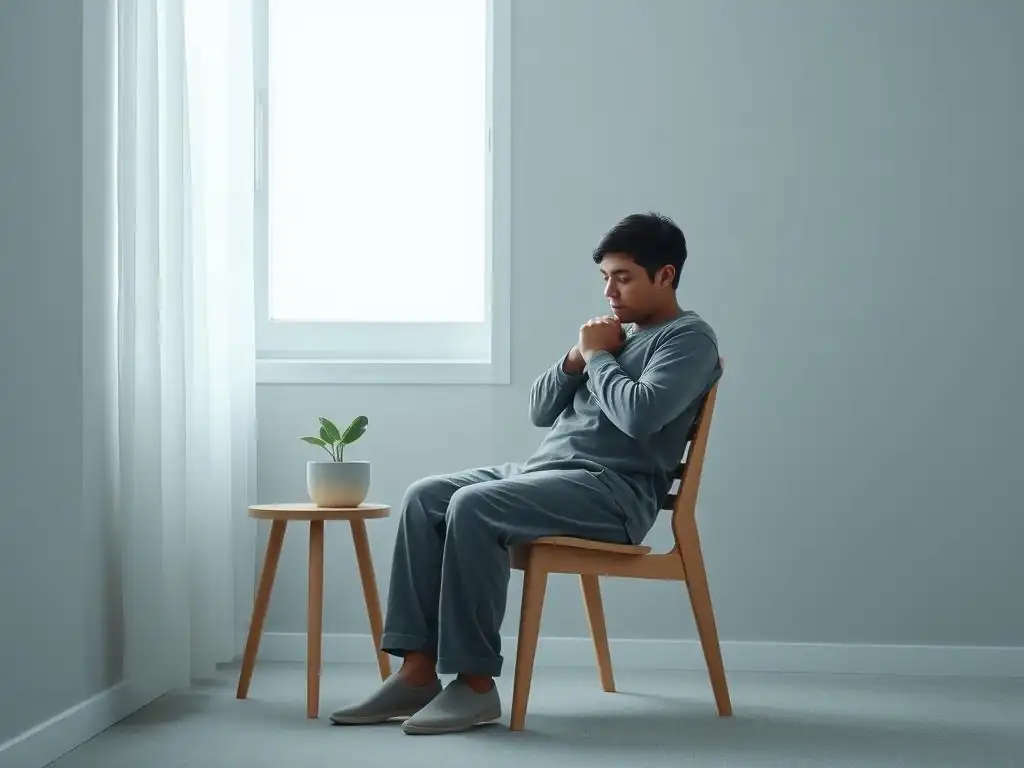
The Somatic Expression of Trauma: The Body's Response to C-PTSD
The mind and body are deeply interconnected, and chronic, untreated trauma has profound physical consequences. Complex PTSD often manifests somatically, meaning the body holds and expresses the stress and unresolved trauma. This can include a wide range of physical symptoms for which no clear medical cause is found, such as chronic pain, fatigue, digestive issues, headaches, and muscle tension. The persistent activation of the body's stress response system (the fight-or-flight mechanism) leads to dysregulation of various physiological processes.
Without treatment, this chronic state of physiological arousal or collapse continues unabated. The body remains stuck in survival mode, leading to ongoing inflammation, hormonal imbalances, and nervous system dysregulation. This constant internal stress takes a significant toll on physical health over time. The somatic symptoms themselves can be debilitating, impacting daily functioning and quality of life, and further contributing to the overall burden experienced by individuals whose Complex PTSD symptoms worsen without intervention.
Increased Vulnerability to Chronic Illnesses: Fibromyalgia, IBS, and Migraines
Research indicates a strong correlation between chronic trauma and an increased risk of developing a range of chronic physical illnesses. Conditions such as fibromyalgia, Irritable Bowel Syndrome (IBS), chronic fatigue syndrome, and recurring migraines are significantly more prevalent among individuals with a history of complex trauma compared to the general population. For instance, studies suggest that individuals with C-PTSD are several times more likely to be diagnosed with conditions like fibromyalgia or IBS.
This heightened vulnerability is believed to be linked to the long-term impact of chronic stress and inflammation on the body, as well as potential alterations in pain processing pathways. Untreated Complex PTSD symptoms worsen the body's physiological dysregulation, making it less resilient and more susceptible to developing these persistent and often debilitating physical conditions. Addressing the underlying trauma through treatment is not only crucial for mental health but can also play a vital role in improving or managing these associated physical health problems.
Cognitive Impairments Associated with Unmanaged Complex PTSD
Memory Disturbances and Dissociation: Fragmented Recall and Identity Confusion
Untreated Complex PTSD often leads to significant cognitive difficulties, particularly concerning memory. Trauma can fragment memory, resulting in difficulty recalling large periods of time, experiencing intrusive flashbacks, or feeling detached from one's own memories or sense of self. Dissociation, a common coping mechanism during overwhelming trauma, can persist in daily life, manifesting as feelings of unreality, detachment from one's body, or difficulty connecting with the present moment.
As Complex PTSD symptoms worsen without treatment, these memory disturbances and dissociative experiences can become more frequent and severe. This fragmentation can lead to confusion about one's identity, a sense of not being fully present, and difficulty forming a cohesive narrative of one's life. Navigating everyday tasks that require consistent memory and presence becomes challenging, impacting work, relationships, and overall functioning.
Attention and Executive Function Deficits: Difficulty Planning and Organizing
Chronic trauma and the associated hypervigilance or dissociation can impair executive functions – the cognitive processes that control and regulate other abilities and behaviors. Individuals with untreated Complex PTSD often struggle with attention, concentration, planning, organization, and decision-making. The constant state of alert or emotional overwhelm diverts cognitive resources away from tasks requiring sustained focus and logical processing.
These deficits in attention and executive function can make it difficult to manage responsibilities, complete tasks, and achieve goals. Maintaining employment, managing finances, or simply organizing a household can feel overwhelming. As untreated Complex PTSD symptoms worsen, these cognitive impairments can become more pronounced, creating significant barriers to independent functioning and contributing to feelings of inadequacy and frustration.
The Socioeconomic Consequences of Untreated C-PTSD
Career Instability and Reduced Earning Capacity
The emotional dysregulation, interpersonal difficulties, cognitive impairments, and physical health problems associated with untreated Complex PTSD often converge to create significant challenges in the workplace. Difficulty managing stress, interacting with colleagues, maintaining focus, or simply showing up consistently can lead to job loss or difficulty securing stable employment. The inability to progress in a career due to these pervasive challenges directly impacts earning capacity.
When Complex PTSD symptoms worsen without therapeutic intervention, individuals may find themselves trapped in a cycle of unstable jobs, underemployment, or long periods of unemployment. The cumulative effect over years is a significantly reduced lifetime earning potential compared to their peers, creating ongoing financial strain and limiting opportunities for personal and professional growth.
Increased Risk of Unemployment and Financial Hardship
The combined effects of chronic symptoms, physical health issues, and relationship difficulties make individuals with untreated Complex PTSD highly vulnerable to long-term unemployment and financial hardship. Navigating the demands of the modern workforce requires resilience, social skills, emotional stability, and cognitive function – all areas significantly impacted by unaddressed complex trauma.
Facing persistent barriers to employment, individuals may rely on disability benefits or struggle to make ends meet. The lack of financial security adds another layer of stress, which can further exacerbate C-PTSD symptoms, creating a difficult cycle to break. The long-term socioeconomic consequences highlight the societal cost of untreated Complex PTSD, extending beyond individual suffering to impact economic productivity and social well-being.
Untreated Complex PTSD and the Increased Susceptibility to Substance Abuse
Substance Use as a Maladaptive Coping Strategy
Substance abuse is a common, albeit maladaptive, coping mechanism for individuals struggling with untreated Complex PTSD. Alcohol, drugs, or even excessive behaviors like gambling or overeating can be used to numb overwhelming emotions, escape intrusive thoughts or memories, or manage anxiety and hypervigilance. These substances or behaviors provide temporary relief from the intense internal pain and dysregulation associated with complex trauma.
However, relying on substances or addictive behaviors prevents individuals from processing their trauma and developing healthy coping skills. It creates a dependency that adds another layer of complexity and difficulty to their lives. While offering short-term escape, this strategy ultimately hinders healing and significantly worsens long-term outcomes when Complex PTSD symptoms remain untreated.
The Complex Relationship Between C-PTSD and Addiction
The relationship between Complex PTSD and addiction is intricate and often bidirectional. Trauma significantly increases the risk of developing a substance use disorder, with some estimates suggesting a dramatically higher prevalence among trauma survivors. Conversely, substance abuse can exacerbate C-PTSD symptoms, impair judgment, interfere with treatment engagement, and perpetuate cycles of instability and risky behavior that can lead to further trauma.
Treating addiction without addressing the underlying trauma is often ineffective, as the core emotional pain and dysregulation remain. Similarly, treating C-PTSD while active substance use continues is challenging, as substances interfere with emotional processing and therapeutic progress. This complex interplay underscores why integrated treatment approaches are often necessary when untreated Complex PTSD symptoms have led to co-occurring addiction.
The Intergenerational Cycle of Trauma Perpetuated by Untreated C-PTSD

The Transmission of Trauma Patterns Across Generations
Untreated Complex PTSD can have devastating effects that extend beyond the individual, potentially perpetuating a cycle of trauma across generations. Parents struggling with unmanaged C-PTSD symptoms may exhibit behaviors rooted in their trauma history, such as emotional unavailability, unpredictable moods, difficulty with emotional regulation, or challenges in providing consistent, nurturing care. These patterns, while not intentional abuse, can inadvertently create an unstable or emotionally neglectful environment for their children.
Children are highly sensitive to their caregivers' emotional states and relationship patterns. Growing up in a home where a parent struggles with untreated C-PTSD can impact a child's sense of safety, attachment development, and emotional regulation skills, increasing their own vulnerability to developing trauma-related difficulties later in life. This represents a tragic transmission of the effects of untreated Complex PTSD from one generation to the next.
Strategies for Interrupting the Cycle of Intergenerational Trauma
Breaking the intergenerational cycle of trauma requires conscious effort and often professional support. For individuals with C-PTSD who are parents or plan to become parents, seeking treatment is a crucial step. Healing from one's own trauma enables better emotional regulation, healthier relationship patterns, and the capacity to provide a more stable and secure environment for children.
Additionally, parenting support programs that are trauma-informed can help caregivers understand how their own history might influence their parenting and teach them skills to parent in a way that promotes their children's healthy development and resilience. Education about the impacts of trauma and open communication within families (where age-appropriate) can also help create awareness and foster understanding, working to interrupt the patterns that arise when Complex PTSD symptoms worsen across generations.
Evidence-Based Treatment Approaches for Complex PTSD
Trauma-Focused Therapies for C-PTSD Symptom Management
Fortunately, effective evidence-based treatments exist for Complex PTSD, offering hope for recovery and preventing the long-term consequences of untreated C-PTSD symptoms worsening. These therapies specifically address the multifaceted impacts of chronic trauma. They typically proceed in phases, focusing first on establishing safety and stability, developing emotional regulation skills, and building healthy coping mechanisms before engaging in direct trauma processing.
Therapies like Trauma-Focused Cognitive Behavioral Therapy (TF-CBT), Dialectical Behavior Therapy (DBT), and Eye Movement Desensitization and Reprocessing (EMDR) are often adapted for the complexities of C-PTSD. These approaches help individuals understand the link between their past experiences and current difficulties, process traumatic memories in a safe environment, challenge negative beliefs about themselves and the world, and develop new ways of relating to others and managing intense emotions.
EMDR Therapy, Trauma-Focused Cognitive Behavioral Therapy (TF-CBT), and Dialectical Behavior Therapy (DBT)
EMDR Therapy helps individuals process distressing trauma memories through guided eye movements or other bilateral stimulation, reducing the emotional intensity of the memory and allowing for integration. TF-CBT, often used with children and adolescents but adaptable for adults, involves components like psychoeducation, relaxation techniques, effective coping, and gradual exposure to trauma memories in a controlled manner.
DBT, originally developed for individuals with Borderline Personality Disorder but highly effective for C-PTSD due to the overlap in emotional dysregulation and interpersonal difficulties, teaches skills in mindfulness, distress tolerance, emotion regulation, and interpersonal effectiveness. Often, a combination of these or other trauma-informed therapies is used in a phased approach tailored to the individual's specific needs and readiness, providing a comprehensive path to healing and preventing the severe impacts that occur when Complex PTSD symptoms worsen without treatment.
Resources and Support Systems for C-PTSD Recovery
Locating Qualified and Trauma-Informed Mental Health Professionals
Finding a mental health professional who is specifically trained in trauma-informed care and experienced in treating Complex PTSD is crucial for effective recovery. Not all therapists have this specialized knowledge, and working with someone untrained can be ineffective or even re-traumatizing. Resources like professional organizations or directories that list certified trauma specialists can be invaluable starting points.
Seeking out therapists who utilize evidence-based modalities like EMDR, DBT, or trauma-focused cognitive behavioral approaches tailored for complex trauma increases the likelihood of finding appropriate support. It is important to feel safe and comfortable with the therapist, as the therapeutic relationship itself is a key component of healing from interpersonal trauma. Taking the time to find the right fit is an investment in preventing the long-term damage that results when Complex PTSD symptoms worsen.
The International Society for Traumatic Stress Studies (ISTSS) and Local Support Groups
Professional organizations such as the International Society for Traumatic Stress Studies (ISTSS) are excellent resources for both information about trauma and directories of trauma-informed professionals. Their website and publications offer valuable insights into the nature of trauma and its treatment. These organizations often set standards for trauma care and highlight best practices.
In addition to professional therapy, connecting with others who have similar experiences can provide immense support and reduce feelings of isolation. Local support groups for trauma survivors offer a safe space to share experiences, learn coping strategies from peers, and build a sense of community. While not a substitute for therapy, peer support can be a powerful complement to formal treatment, reinforcing skills learned in therapy and providing encouragement on the journey toward recovery and preventing the escalation of untreated Complex PTSD symptoms.
Proactive Strategies for Preventing the Escalation of Complex PTSD
Identifying Early Warning Signs of C-PTSD Symptom Exacerbation
Being proactive is key to managing C-PTSD and preventing symptoms from worsening. Learning to identify early warning signs of symptom exacerbation is a critical first step. These signs can vary but often include increased emotional reactivity or numbness, withdrawal from social contact, difficulty sleeping, increased physical tension or pain, intrusive thoughts or flashbacks, or a return to maladaptive coping mechanisms like increased substance use.
Developing self-awareness about one's own patterns and triggers is essential. Keeping a journal, practicing mindfulness, and regularly checking in with oneself can help in recognizing these subtle shifts before they escalate into a crisis. Recognizing these signs early allows for timely intervention, which is far more effective than waiting until untreated Complex PTSD symptoms worsen significantly.
Seeking Timely Professional Intervention to Prevent Further Complications
Once early warning signs are identified, seeking timely professional intervention is paramount. This might involve scheduling an extra therapy session, reaching out to a support group, or contacting a mental health professional if not currently in therapy. Promptly addressing increased distress can prevent a full relapse or the development of additional complications.
Maintaining a relationship with a trauma-informed therapist, even during periods of stability, can provide a safety net and make it easier to access support when needed. Having a plan in place for managing increased symptoms, developed collaboratively with a therapist, empowers individuals to take action and prevents the severe long-term consequences associated with allowing Complex PTSD symptoms to go untreated and worsen over time. Recovery is an ongoing process, and proactive management is a vital component of long-term well-being.
Frequently Asked Questions
What are the primary dangers of leaving Complex PTSD (C-PTSD) untreated?
Untreated C-PTSD can lead to a significant decline in quality of life. This includes worsened emotional regulation, increased risk of co-occurring mental health conditions, and difficulty maintaining healthy relationships.
How can I differentiate between regular PTSD and Complex PTSD, and why is that important for treatment?
C-PTSD stems from prolonged or repeated trauma, unlike single-incident PTSD. Recognizing this difference is crucial because C-PTSD often requires a more complex and nuanced treatment approach focusing on emotional regulation and relationship skills.
How does untreated Complex PTSD affect a person's ability to form and maintain healthy relationships?
Untreated C-PTSD can significantly impair relationship skills due to issues with trust, emotional intimacy, and fear of abandonment. Individuals may struggle with setting boundaries or experience intense emotional reactions in relationships.
What are some common co-occurring mental health conditions that can develop if Complex PTSD is left untreated?
Leaving C-PTSD untreated can increase the risk of developing conditions like depression, anxiety disorders, dissociative disorders, and substance abuse. These co-occurring issues often complicate the recovery process.
What resources are available for individuals struggling with Complex PTSD, and how can they access them?
Mind Care Guide offers information, support, and resources for C-PTSD. Seek professional help from a qualified therapist specializing in trauma, and explore online support groups for peer support and connection.
Final Reflection: The Unfolding Shadow of Untreated Complex PTSD
The pervasive impact of untreated Complex PTSD is not merely a clinical observation; it's a societal crisis unfolding before our eyes. Millions suffer silently, their lives shaped by the invisible wounds of trauma, leading to a ripple effect of personal suffering and societal burden. The consequences extend far beyond individual experience, impacting families, communities, and the overall health and well-being of our society.
The insidious nature of Complex PTSD is its ability to subtly yet profoundly shape our lives, often manifesting in ways that are misunderstood or misattributed. It's a condition that demands our attention not just for its clinical implications, but for its profound influence on the cultural landscape. We must acknowledge the pervasive effects of trauma and the urgent need for accessible and effective treatment. The trauma is not what happened to you, but what happened inside you as a result of what happened to you.
This quote highlights the internalized struggle that defines the experience of Complex PTSD and underscores the importance of addressing the internal consequences of trauma.
You, the reader, now hold a deeper understanding of the long-term effects of untreated Complex PTSD. This knowledge is not merely information; it's a call to action. Take a moment to reflect on the stories shared, the research presented, and the human cost of untreated trauma.
Consider how you can contribute to a more compassionate and informed society, whether through supporting mental health initiatives, advocating for increased access to care, or simply extending empathy and understanding to those who silently carry the weight of their past. Let us work together to illuminate the shadows of trauma and create a future where healing and recovery are within reach for all.
Uncover Your Path to Healing: Next Steps for PTSD Recovery
Thanks for taking the time to learn about the long-term effects of untreated complex PTSD. We hope this article provided valuable insights and empowered you to take the next steps toward healing.
Now, it's time to turn knowledge into action. Here's how:
- Prioritize self-care: Schedule time each day, even just 15 minutes, for activities that nourish your mind and body. This could be meditation, gentle exercise, spending time in nature, or anything that helps you feel grounded and calm. This is your primary action – make it a priority.
- Connect with others: Reach out to a trusted friend, family member, or support group. Sharing your experiences can be incredibly powerful. Consider even writing a short entry in a journal, a simple step that can have major benefits.
- Explore resources: Research local therapists specializing in complex PTSD. There are many resources available to help you find the support you need.
What’s one small step you can take today to nurture your well-being and begin your journey toward healing?