
The Neurobiological Basis of EMDR Therapy for Trauma

Welcome to Mind Care Guide, a safe space for exploring the complexities of mental well-being.
Feeling overwhelmed by the impact of trauma? You're not alone. We understand that healing can seem daunting, but understanding the process can be empowering. Ever wondered how EMDR therapy can help unlock your brain's natural healing potential? Dive into our comprehensive guide on the neurobiological basis of EMDR therapy trauma neuroscience and discover how this powerful approach can pave the way to recovery. Let's explore the science behind healing, together.
The Neurobiological Basis of EMDR Therapy for Trauma: A Comprehensive Guide
- Understanding EMDR Therapy and Trauma Recovery
- The Neuroscience of Trauma: How Trauma Affects the Brain
-
EMDR Therapy Trauma Neuroscience: Exploring the Brain's Response
- Bilateral Stimulation and its Neurological Effects in EMDR: Mechanisms of Action
- How EMDR Impacts the Amygdala and Fear Reduction: Modulation of Fear Circuits
- EMDR Therapy's Influence on Hippocampal Memory Processing: Integration and Contextualization
- Restoring Prefrontal Cortex Function with EMDR: Enhancing Cognitive Control
- Neurobiological Mechanisms of EMDR: A Deeper Dive
- EMDR for Trauma: Clinical Evidence and Neurobiological Support
- Practical Implications: Maximizing EMDR Therapy's Effectiveness Through a Neurobiological Lens
- EMDR Therapy and Long-Term Brain Health
-
Frequently Asked Questions
- What is EMDR therapy and how does it relate to trauma?
- How does EMDR therapy work from a neuroscience perspective?
- What role do eye movements play in the effectiveness of EMDR therapy?
- How does EMDR therapy impact brain regions associated with trauma, according to neuroscience?
- What are the potential benefits of understanding the neurobiological basis of EMDR therapy?
- Final Reflection: Unraveling the Mind's Resilience Through Neuroscience
- Unlock Your Healing Journey: Next Steps with EMDR
Understanding EMDR Therapy and Trauma Recovery
What is EMDR Therapy? A Detailed Overview
Eye Movement Desensitization and Reprocessing (EMDR) therapy is a psychotherapy approach designed to help individuals heal from the symptoms and emotional distress that are the result of disturbing life experiences. It is widely recognized as an effective treatment for trauma and post-traumatic stress disorder (PTSD), recommended by major international health organizations like the World Health Organization and the American Psychiatric Association.
The core idea is that traumatic memories are improperly stored in the brain, making them easily triggered and causing ongoing distress. EMDR aims to facilitate the processing of these distressing memories, allowing them to be stored in a way that is less disruptive to daily life.
During an EMDR session, the client focuses on a specific traumatic memory while simultaneously experiencing bilateral stimulation, which is typically guided eye movements, but can also involve tapping or auditory tones. This dual attention is thought to engage both hemispheres of the brain and facilitate the processing of the memory. The therapist guides the client through phases that include history taking, preparation, assessment, desensitization, installation, body scan, closure, and reevaluation.
The goal is not to erase the memory, but to reduce its emotional intensity and the negative beliefs associated with it, leading to symptom reduction and improved well-being. Understanding the EMDR therapy trauma neuroscience connection helps illuminate why this method is effective.
The Impact of Trauma on the Brain and Body: A Detailed Exploration
Trauma, particularly chronic or severe trauma, can profoundly alter brain structure and function. The brain's response to overwhelming stress involves complex changes in various regions, including the amygdala, hippocampus, and prefrontal cortex. When an individual experiences trauma, the brain's alarm system, centered in the amygdala, goes into overdrive, preparing the body for fight, flight, or freeze. This can lead to a state of hyperarousal or dissociation, persisting long after the threat is gone. Studies using fMRI scans have shown that individuals with PTSD often exhibit heightened amygdala activity when exposed to trauma-related stimuli compared to healthy individuals.
Furthermore, trauma can impair the hippocampus, a brain region crucial for memory consolidation and contextualization. Traumatic memories are often fragmented, lacking a clear narrative and context, which makes them feel as though they are happening in the present moment. The prefrontal cortex, responsible for executive functions like regulation of emotions, decision-making, and impulse control, can also become less active or less effective after trauma.
This can result in difficulty managing emotions, making rational decisions, and inhibiting automatic fear responses. The physiological stress response system, the Hypothalamic-Pituitary-Adrenal (HPA) axis, can become dysregulated, leading to chronic elevated levels of stress hormones like cortisol, which further impacts brain health and can contribute to physical health problems. Exploring the EMDR therapy trauma neuroscience provides insights into how these changes can be addressed.
The Role of EMDR in Processing Traumatic Memories: A Neuroscience Perspective
From a neuroscience perspective, EMDR therapy is believed to facilitate the processing of traumatic memories by engaging the brain's natural information processing system. The Adaptive Information Processing (AIP) model, which underpins EMDR, posits that trauma disrupts this system, leaving memories unprocessed and "stuck" in their original, distressing state.
The bilateral stimulation used in EMDR is thought to mimic the brain activity that occurs during REM sleep, a phase associated with memory consolidation and emotional processing. By activating this processing mechanism while the client focuses on the traumatic memory, EMDR may help move the memory from the limbic system (associated with emotions) to the neocortex (associated with logic and narrative).
This shift in memory storage is hypothesized to involve changes in neural pathways. Instead of the memory triggering an immediate, overwhelming emotional and physical response mediated by the amygdala, it becomes integrated into the individual's overall life narrative, much like a non-traumatic memory. The emotional charge is significantly reduced, and the memory feels less vivid and less capable of triggering flashbacks or intense distress. Research on EMDR therapy trauma neuroscience aims to map these neural changes and understand precisely how bilateral stimulation achieves this processing effect.
The Neuroscience of Trauma: How Trauma Affects the Brain
The Amygdala's Role in Fear and Emotional Response: Hyperactivation and Trauma
The amygdala, a small almond-shaped structure deep within the brain's temporal lobe, serves as the brain's primary alarm system, constantly scanning the environment for potential threats. In response to trauma, the amygdala becomes hyperactive, essentially getting stuck in an "on" position. This heightened state of vigilance means that even non-threatening cues that were present during or associated with the trauma can trigger an intense fear response. For example, a loud noise or a specific smell might trigger a panic attack in someone with PTSD because their amygdala is misinterpreting these benign stimuli as signs of danger.
This persistent hyperactivation of the amygdala contributes significantly to the core symptoms of PTSD, such as hypervigilance, exaggerated startle response, and intrusive thoughts or flashbacks. Brain imaging studies, including PET and fMRI, have consistently shown increased metabolic activity and blood flow in the amygdala of individuals with PTSD when they are reminded of their trauma. This neurobiological state explains why individuals with trauma histories often feel constantly on edge and struggle to feel safe, even in secure environments. Addressing this amygdala dysregulation is a key target for therapies like EMDR.
The Hippocampus and Memory Encoding During Trauma: Fragmentation and Context
The hippocampus, located adjacent to the amygdala, plays a critical role in forming new memories and placing them in context, including time, place, and sequence. During overwhelming traumatic experiences, the high levels of stress hormones like cortisol can impair hippocampal function. This impairment affects how the traumatic memory is encoded and stored. Instead of being integrated into a coherent narrative with a clear beginning, middle, and end, the memory is often fragmented into sensory pieces – sights, sounds, smells, physical sensations – without a clear timeline or context.
This fragmented storage explains why traumatic memories often feel timeless and immediate, as if they are happening in the present. The hippocampus's difficulty in providing spatial and temporal context means the brain struggles to recognize that the event is over and belongs to the past.
Research has shown that individuals with chronic PTSD often have a smaller hippocampus volume compared to trauma-exposed individuals who did not develop PTSD, suggesting a potential link between hippocampal integrity and vulnerability to the disorder. The goal of EMDR therapy trauma neuroscience research is partly to understand how EMDR might help restore hippocampal function and integrate these fragmented memories.
Prefrontal Cortex Dysfunction After Traumatic Events: Impaired Regulation
The prefrontal cortex (PFC), the most evolved part of the brain located behind the forehead, is responsible for higher-level cognitive functions, including rational thought, decision-making, impulse control, and the regulation of emotions. It acts as the "executive control center," helping to modulate the activity of lower brain regions like the amygdala. After trauma, the connectivity and activity within the PFC, particularly the ventromedial prefrontal cortex (vmPFC), can be reduced. This weakening of the PFC's control over the amygdala means the brain's alarm system operates with less top-down regulation.
This impaired prefrontal cortex function contributes to difficulties in emotional regulation, leading to increased reactivity, mood swings, and difficulty managing stress. Individuals may struggle with executive tasks, experience impaired concentration, and find it hard to make sound judgments. The brain's ability to inhibit inappropriate fear responses is diminished, leaving the individual more susceptible to being overwhelmed by emotional triggers. Understanding this prefrontal dysfunction is crucial for appreciating how therapies like EMDR aim to restore balance and enhance cognitive control.
The Stress Response System: HPA Axis Dysregulation and Chronic Stress
The Hypothalamic-Pituitary-Adrenal (HPA) axis is the body's central stress response system. When faced with a stressor, the hypothalamus signals the pituitary gland, which signals the adrenal glands to release stress hormones like cortisol. Cortisol helps mobilize energy and prepare the body to cope. Normally, once the threat passes, cortisol levels return to baseline, regulated by a negative feedback loop involving the hippocampus and prefrontal cortex. However, in the context of chronic or severe trauma, this system can become dysregulated.
Some individuals with PTSD exhibit chronically elevated cortisol levels, keeping the body in a constant state of alert. Others may show blunted cortisol responses, indicating a failure of the system to respond appropriately to stress. Both patterns of dysregulation can have significant consequences for physical and mental health, contributing to inflammation, immune system dysfunction, and further impacting brain structures like the hippocampus. The persistent activation of the HPA axis underscores the systemic impact of trauma beyond just the brain, affecting the entire body's physiological balance. Addressing this dysregulation is an implicit benefit of successful trauma processing therapies like EMDR.
EMDR Therapy Trauma Neuroscience: Exploring the Brain's Response
Bilateral Stimulation and its Neurological Effects in EMDR: Mechanisms of Action
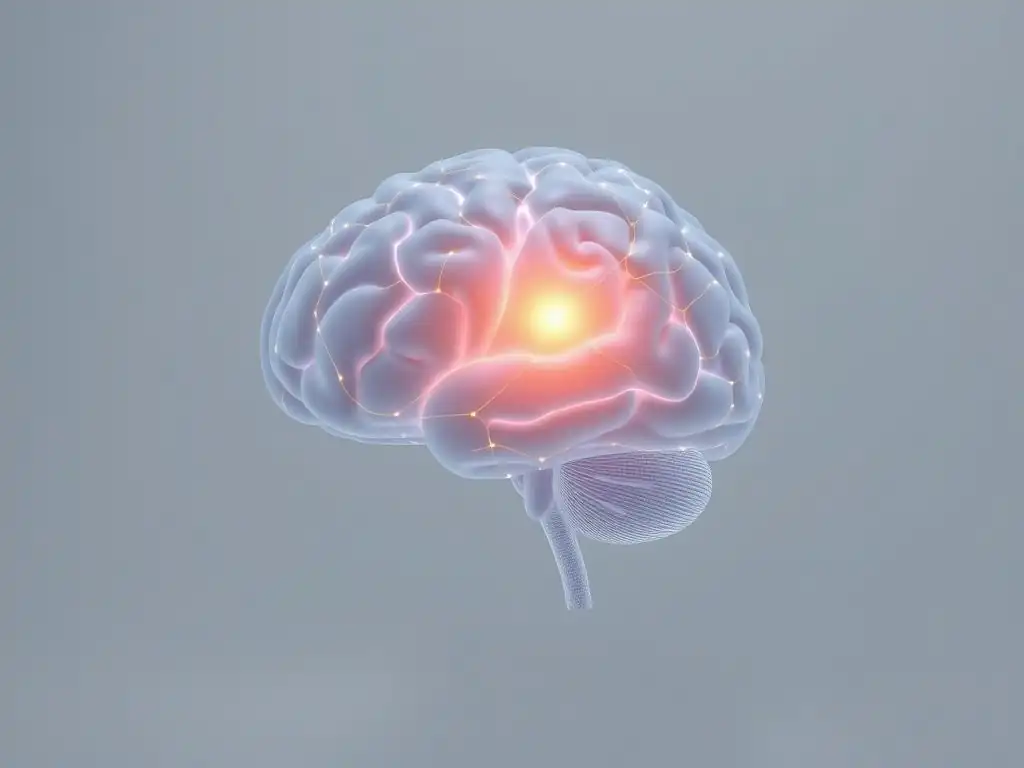
A cornerstone of EMDR therapy is the use of bilateral stimulation (BLS), typically in the form of horizontal eye movements, but also tactile tapping or auditory tones. While the exact neurological mechanisms are still being researched, several hypotheses exist regarding how BLS facilitates trauma processing. One prominent theory suggests that BLS mimics the eye movements of REM sleep, a state associated with memory consolidation and emotional processing. This rhythm may help to access and process traumatic memories in a way that allows for their integration into existing neural networks.
Another hypothesis proposes that BLS creates an "orienting response," drawing attention away from the purely emotional aspects of the memory and engaging the working memory. This dual attention to both the distressing memory and the external BLS taxes the working memory, which may make the vivid, emotional aspects of the memory less intense and easier to process.
Furthermore, some research suggests that BLS may enhance communication between brain hemispheres and potentially modulate activity in areas like the amygdala and hippocampus, promoting a more adaptive processing state. Understanding these neurobiological effects is central to the field of EMDR therapy trauma neuroscience.
How EMDR Impacts the Amygdala and Fear Reduction: Modulation of Fear Circuits
Research using neuroimaging techniques has provided evidence supporting the idea that EMDR therapy can lead to changes in amygdala activity, contributing to fear reduction. Studies comparing brain scans before and after successful EMDR treatment for PTSD often show a decrease in the hyperresponsiveness of the amygdala when individuals are exposed to trauma-related cues. For instance, a study might show a significant reduction in amygdala activation during the presentation of trauma-related images after a course of EMDR therapy, whereas before treatment, the amygdala would light up intensely.
This modulation of amygdala activity suggests that EMDR helps to dampen the brain's exaggerated fear response. By facilitating the processing of the traumatic memory, the brain learns that the memory is not an immediate threat, reducing the need for the amygdala to signal danger constantly. This neurobiological change is thought to underlie the clinical improvements seen in PTSD symptoms such as reduced hypervigilance and fewer intrusive thoughts and flashbacks, which are largely driven by an overactive amygdala.
EMDR Therapy's Influence on Hippocampal Memory Processing: Integration and Contextualization
EMDR therapy is also hypothesized to positively influence hippocampal function, particularly in how traumatic memories are stored and retrieved. By processing the fragmented pieces of a traumatic memory during EMDR, the therapy may help the hippocampus integrate these elements into a more coherent narrative, complete with appropriate temporal and spatial context. This integration is crucial for moving the memory from feeling like a present threat to being recognized as an event that occurred in the past.
While research on EMDR's direct impact on hippocampal volume is ongoing, studies examining brain activity patterns suggest that successful treatment is associated with changes indicative of improved memory processing. For example, after EMDR, individuals may be better able to distinguish between past traumatic events and present safety, a function heavily reliant on the hippocampus's ability to contextualize information. The neurobiological changes observed in the hippocampus post-EMDR contribute to the reduction in the feeling that the trauma is "still happening" and allow the individual to recall the event without being overwhelmed by intense emotional and physical reactions.
Restoring Prefrontal Cortex Function with EMDR: Enhancing Cognitive Control
Successful EMDR therapy appears to help restore the balance of activity between the prefrontal cortex (PFC) and the amygdala, strengthening the PFC's ability to regulate emotional responses. As the traumatic memory becomes less emotionally charged and more integrated, the need for the amygdala to signal intense danger decreases. Simultaneously, the PFC's capacity to exert top-down control over the amygdala and other limbic areas is enhanced. This means the individual becomes better equipped to manage their emotional reactions, inhibit impulsive behaviors, and engage in more rational thought processes, even when faced with stressors.
Neuroimaging studies have provided some evidence for this, showing increased activity or connectivity in areas of the PFC after EMDR therapy, particularly in regions associated with emotion regulation. This restoration of PFC function is vital for overall mental well-being, contributing to improved decision-making, enhanced concentration, and a greater sense of control over one's thoughts and feelings. Understanding this aspect of EMDR therapy trauma neuroscience highlights the therapy's role in rebuilding cognitive resilience after trauma.
Neurobiological Mechanisms of EMDR: A Deeper Dive
The Adaptive Information Processing (AIP) Model and EMDR: A Neural Network Perspective
The Adaptive Information Processing (AIP) model, developed by Francine Shapiro, is the theoretical framework underpinning EMDR therapy. It proposes that the brain has an innate information processing system designed to integrate new experiences into existing memory networks in an adaptive way. However, overwhelming or traumatic experiences can disrupt this system, preventing the memory from being fully processed and integrated. The memory remains "locked" in its original, maladaptive state, complete with the original emotions, physical sensations, and distorted beliefs.
From a neural network perspective, the AIP model suggests that traumatic memories are stored in isolated neural networks, disconnected from the broader, adaptive networks that contain integrated knowledge and positive associations. This isolation prevents the memory from being modified or contextualized by newer, more adaptive information.
EMDR therapy, particularly through bilateral stimulation, is thought to activate these frozen networks while simultaneously linking them to adaptive networks, facilitating the flow of information and allowing the memory to be reprocessed and integrated. This process essentially involves rewiring the brain's response to the memory, moving it from a reactive, isolated state to an integrated, historical one.
Neural Correlates of EMDR: Brain Imaging Studies and Findings
Neuroimaging techniques like fMRI and PET scans have been instrumental in exploring the neural correlates of EMDR therapy. While findings can vary across studies, some consistent patterns are emerging in the field of EMDR therapy trauma neuroscience. Several studies have reported decreased activity in the amygdala and hippocampus and increased activity in the prefrontal cortex following successful EMDR treatment for PTSD. For example, one study showed significant reductions in subjective distress and corresponding decreases in amygdala activation during symptom provocation after EMDR.
Other research has looked at connectivity patterns, suggesting that EMDR may strengthen the functional connections between the prefrontal cortex and the amygdala, enhancing the brain's ability to regulate fear responses. Some studies also explore the impact of BLS on the brain's Default Mode Network (DMN), a network active during introspection and rumination, finding potential changes in its activity during and after processing. While more research is needed to fully elucidate the complex neural changes, these imaging studies provide tangible evidence that EMDR therapy is associated with measurable alterations in brain function that align with clinical symptom reduction.
EMDR and Neuroplasticity: Rewiring the Traumatized Brain Through Experience
Neuroplasticity, the brain's ability to reorganize itself by forming new neural connections throughout life, is a key concept in understanding how EMDR therapy facilitates healing. Trauma can induce maladaptive neuroplastic changes, strengthening fear pathways and weakening regulatory circuits. EMDR therapy leverages the brain's inherent neuroplasticity to promote adaptive change. By repeatedly activating the traumatic memory network while introducing bilateral stimulation, EMDR provides a new experience that encourages the brain to create new, healthier pathways for processing the memory.
This "rewiring" involves weakening the old, maladaptive connections that link the memory to intense fear and distress, and strengthening connections to areas involved in context, narrative, and emotional regulation. The process is akin to creating a new, smoother road while the old bumpy road becomes less used. Successful EMDR therapy facilitates the formation of these new neural circuits, allowing the memory to be accessed without triggering the overwhelming fight-or-flight response. This focus on adaptive neuroplasticity is a core element of the EMDR therapy trauma neuroscience perspective.
Default Mode Network Activity During EMDR Processing
The Default Mode Network (DMN) is a network of interacting brain regions that is most active when an individual is not focused on the external world, such as during mind-wandering, self-reflection, and rumination. In individuals with PTSD, the DMN can sometimes show altered activity patterns, potentially contributing to intrusive thoughts and excessive rumination about the trauma. Research exploring the impact of EMDR on the DMN is an emerging area within EMDR therapy trauma neuroscience.
Preliminary findings suggest that during EMDR processing, there might be changes in DMN activity. Some hypotheses propose that the bilateral stimulation helps to temporarily interrupt or modulate DMN activity, perhaps shifting the brain's resources towards the processing of the traumatic memory rather than getting stuck in ruminative loops. Changes in DMN connectivity or activity post-EMDR could potentially contribute to a reduction in intrusive thoughts and a greater ability to be present in the moment, reflecting a shift away from being constantly preoccupied with the past trauma.
EMDR for Trauma: Clinical Evidence and Neurobiological Support

Research Studies Linking EMDR to Brain Changes: A Review of Key Findings
Numerous research studies have investigated the neurobiological effects of EMDR therapy for trauma. A review of key findings indicates consistent patterns supporting its impact on brain function. For instance, studies have shown that after successful EMDR treatment, participants exhibit reduced activation in limbic areas like the amygdala when presented with trauma-related stimuli, often by as much as 30-50% compared to pre-treatment levels in some reported studies. Conversely, activity in prefrontal regions associated with cognitive control and emotion regulation tends to increase.
One study using fMRI found that participants with PTSD who responded to EMDR therapy showed increased connectivity between the ventromedial prefrontal cortex and the amygdala, suggesting enhanced top-down control over fear responses. Another line of research has explored electrophysiological changes using EEG, with some studies reporting shifts in brainwave patterns during and after EMDR processing that are consistent with changes in emotional regulation and cognitive processing. While the exact mechanisms are still being fully mapped, the cumulative evidence from these studies strongly supports the neurobiological underpinnings of EMDR's effectiveness in treating trauma.
EMDR's Effectiveness in Reducing PTSD Symptoms: A Neurobiological Perspective on Symptom Reduction
Clinical trials have consistently demonstrated the effectiveness of EMDR therapy in reducing PTSD symptoms. Meta-analyses of numerous studies show that EMDR is a highly effective treatment, often leading to significant reductions in core symptoms such as intrusive memories, avoidance behaviors, negative alterations in cognition and mood, and hyperarousal. From a neurobiological perspective, these symptom reductions are directly linked to the observed changes in brain function.
The decrease in intrusive memories and flashbacks is likely related to the reprocessing of the traumatic memory, making it less vivid and less capable of automatically triggering distress, a function tied to changes in amygdala and hippocampal activity. Reduced avoidance behaviors and hyperarousal symptoms are consistent with the dampening of the brain's exaggerated fear response and the restoration of regulatory control by the prefrontal cortex. The neurobiological changes observed in EMDR therapy trauma neuroscience research provide a compelling explanation for why this therapy is so effective in alleviating the debilitating symptoms of PTSD.
Comparing EMDR to Cognitive Behavioral Therapy (CBT): Neurological Differences
While both EMDR therapy and Cognitive Behavioral Therapy (CBT) are evidence-based treatments for PTSD, they appear to engage different neurobiological pathways, at least in part. CBT, particularly trauma-focused CBT, often involves techniques like exposure therapy and cognitive restructuring, which aim to challenge maladaptive thoughts and gradually confront feared stimuli. Neuroimaging studies of CBT often show changes in brain regions associated with cognitive appraisal and executive function, such as the prefrontal cortex and anterior cingulate cortex, as individuals learn to re-evaluate their thoughts and reactions.
EMDR, with its focus on bilateral stimulation and memory reprocessing, seems to more directly target the brain's memory consolidation and emotional processing systems, particularly involving the amygdala and hippocampus in conjunction with prefrontal modulation. While there is overlap in the brain regions ultimately affected (both can lead to reduced amygdala activity and increased PFC regulation), the process by which these changes occur may differ.
Some research suggests EMDR might achieve symptom reduction more quickly for some individuals, potentially reflecting a more direct impact on the core neural networks holding the unprocessed trauma memory. This comparison is a growing area within EMDR therapy trauma neuroscience research.
Practical Implications: Maximizing EMDR Therapy's Effectiveness Through a Neurobiological Lens
Tailoring EMDR to Individual Needs Based on Neurological Profiles
Understanding the EMDR therapy trauma neuroscience connection has practical implications for tailoring treatment. While EMDR follows a structured protocol, variations in how trauma affects individual brains suggest that personalization can enhance effectiveness. For example, individuals with significant hippocampal impairment or severe dissociative symptoms might require more extensive preparation phases to build resources and stabilize before engaging in memory processing. Neurobiological insights could potentially inform the pace of processing or the choice of bilateral stimulation type (e.g., eye movements vs. tapping) based on how different brain regions respond.
While routine brain imaging isn't standard clinical practice, a neurobiological understanding helps therapists appreciate that trauma impacts the brain differently and that patience and adaptation are key. For instance, someone with profound prefrontal cortex dysfunction may initially struggle more with emotional regulation during processing, requiring extra support and skills building. Recognizing these potential neurobiological differences allows therapists to adjust their approach, ensuring the client feels safe and supported throughout the reprocessing phases and maximizing the potential for positive neuroplastic change.
The Importance of a Trauma-Informed Approach to EMDR: Integrating Neuroscience
A trauma-informed approach is essential in EMDR therapy, and neuroscience provides a strong rationale for this. Understanding how trauma impacts the brain's safety systems, memory encoding, and regulatory functions helps therapists anticipate client responses and create a truly safe environment. Knowing that trauma can lead to a hyperactive amygdala means recognizing that a client's intense fear or startle response is a biological reaction, not willful defiance. Similarly, understanding hippocampal fragmentation explains why a client might struggle to provide a linear narrative of their trauma.
Integrating neuroscience into EMDR practice means approaching clients with empathy and patience, recognizing that their difficulties are often the result of neurobiological adaptations to overwhelming threat. It reinforces the need for careful pacing, ensuring the client is not overwhelmed or retraumatized during processing. A trauma-informed, neuroscience-aware therapist can better explain the "why" behind certain EMDR procedures, helping clients understand their own reactions from a biological perspective and fostering hope for healing through neuroplasticity. This integration strengthens both the therapeutic alliance and the effectiveness of the treatment.
Considerations for Complex Trauma and Dissociation in EMDR Protocols
Complex trauma, involving repeated and prolonged traumatic experiences often in childhood, frequently results in more profound and widespread neurobiological changes, including significant difficulties with emotional regulation, dissociation, and identity disturbance. Dissociation, characterized by disruptions in consciousness, memory, identity, emotion, perception, or behavior, is understood neurobiologically as a protective response involving altered connectivity between brain regions, potentially including reduced integration between areas processing sensory input and those involved in self-awareness.
When using EMDR therapy for complex trauma and dissociation, a neurobiological perspective emphasizes the need for extensive preparation (Phase 2) to build the client's capacity to tolerate distress and remain present. Standard EMDR protocols may need adaptation, such as using slower sets of bilateral stimulation, shorter processing targets, or focusing on present-day triggers and resource installation before tackling core traumatic memories.
The goal is to gradually help the brain integrate dissociated states and fragmented memories without overwhelming the system, respecting the neurobiological adaptations that have developed, even if they are currently maladaptive. This requires a deep understanding of the complex interplay between trauma, dissociation, and brain function.
EMDR Therapy and Long-Term Brain Health
Maintaining Emotional Regulation After EMDR Treatment: Neural Pathways and Consolidation
One of the long-term benefits of successful EMDR therapy is improved emotional regulation. From a neurobiological standpoint, this is facilitated by the consolidation of new, adaptive neural pathways. As traumatic memories are reprocessed and integrated, the brain's default response shifts from an automatic, overwhelming fear reaction mediated by the amygdala to a more modulated response involving the prefrontal cortex. This new pattern of brain activity becomes more consolidated over time and with practice.
Maintaining emotional regulation post-treatment involves the continued use and strengthening of these newly established neural circuits. This can be supported by integrating coping skills learned during therapy, practicing mindfulness, and maintaining a sense of safety and stability in daily life. The brain's continued neuroplasticity means that positive changes can be reinforced, making the adaptive processing of stressors more automatic. Understanding the role of neural pathway consolidation highlights the importance of post-treatment support and lifestyle factors in maintaining long-term gains.
Promoting Resilience Through Neuroplasticity: Strengthening Adaptive Circuits
EMDR therapy not only helps to heal past trauma but also promotes resilience by strengthening the brain's capacity for adaptive processing and emotional regulation. The neuroplastic changes facilitated by EMDR involve building more robust connections between brain regions associated with safety, context, and regulation, while weakening the connections associated with fear and fragmentation. This process enhances the brain's overall flexibility and ability to respond adaptively to future challenges.
Resilience, from a neurobiological standpoint, involves the capacity of the brain to recover from stress and adversity. Successful EMDR treatment, by reducing the burden of unprocessed trauma and enhancing regulatory circuits, increases this capacity. The brain becomes less prone to being overwhelmed by stressors that might have been debilitating before therapy. This strengthening of adaptive neural circuits is a key long-term outcome of EMDR therapy, contributing to improved mental health and overall well-being. The field of EMDR therapy trauma neuroscience increasingly explores these long-term effects on resilience.
Future Directions in EMDR Research: Exploring Biomarkers and Personalized Treatment
The field of EMDR therapy trauma neuroscience is continuously evolving, with future research directions focusing on a deeper understanding of the neurobiological mechanisms and how to personalize treatment. One area of interest is the identification of biomarkers – measurable biological indicators – that could predict responsiveness to EMDR or track treatment progress at a neurobiological level. For example, researchers are exploring whether specific patterns of brain activity or structural differences could indicate who might benefit most from EMDR or how treatment is affecting the brain in real-time.
Another key direction is leveraging neurobiological insights to further personalize EMDR protocols. As we gain a more nuanced understanding of how different types of trauma impact specific brain networks, it may become possible to tailor the application of bilateral stimulation or the focus of processing to target those specific networks more effectively. For instance, understanding the neurobiology of dissociation might lead to refined EMDR techniques specifically designed for clients with complex trauma. This ongoing research promises to enhance the precision and effectiveness of EMDR therapy, building upon the foundational knowledge of how EMDR therapy trauma neuroscience intersects.
Frequently Asked Questions
What is EMDR therapy and how does it relate to trauma?
EMDR therapy stands for Eye Movement Desensitization and Reprocessing. It's a psychotherapy approach that helps individuals process and recover from the emotional distress caused by traumatic experiences.
How does EMDR therapy work from a neuroscience perspective?
From a neuroscience perspective, EMDR is believed to facilitate the reprocessing of traumatic memories by activating neural pathways and allowing the brain to integrate the experience in a healthier way. This involves changes in brain regions associated with fear and emotional regulation.
What role do eye movements play in the effectiveness of EMDR therapy?
While the exact mechanism is still being researched, eye movements in EMDR are thought to mimic the brain activity that occurs during REM sleep, potentially aiding in the integration and processing of traumatic memories. They may also help reduce the intensity of emotional responses.
How does EMDR therapy impact brain regions associated with trauma, according to neuroscience?
EMDR therapy is thought to decrease activity in the amygdala, the brain's fear center, and increase activity in the prefrontal cortex, which is responsible for reasoning and emotional regulation. This helps to create a more balanced response to traumatic memories.
What are the potential benefits of understanding the neurobiological basis of EMDR therapy?
Understanding the neurobiological basis of EMDR can help validate the therapy's effectiveness and potentially lead to the development of more targeted and effective treatments for trauma-related disorders. It also reduces stigma.
Final Reflection: Unraveling the Mind's Resilience Through Neuroscience
The intricate dance between trauma and the brain, once a mystery, is increasingly illuminated by the burgeoning field of neuroscience. Understanding this connection is not merely an academic pursuit; it's crucial for developing effective and compassionate treatments for the millions grappling with the lasting effects of trauma. The research highlighted in this article underscores the power of EMDR therapy to leverage the brain's inherent capacity for healing and adaptation.
The exploration of the neurobiological mechanisms underlying EMDR therapy has profoundly shifted my understanding of trauma's impact and the potential for recovery. It's no longer sufficient to simply address the symptoms; we must delve into the neural pathways that perpetuate the trauma response. This understanding fosters a deeper empathy for those struggling with PTSD and other trauma-related disorders. The brain is not merely a passive recipient of experience; it actively participates in shaping our reality.
This quote encapsulates the dynamic interplay between experience and neural plasticity, a core principle driving the efficacy of EMDR.
Consider the implications of this research for your own life. Perhaps you know someone struggling with the effects of trauma, or maybe you carry your own unprocessed experiences. This article offers not just information, but a pathway toward hope and healing.
Take a moment to reflect on the power of neuroplasticity – the brain's ability to reorganize itself – and consider how this knowledge can empower you to seek support, foster resilience, and embark on your own journey toward wholeness. The future of trauma treatment lies in the continued exploration of these neurobiological pathways, leading to even more effective and personalized interventions.
Unlock Your Healing Journey: Next Steps with EMDR
Thanks for taking the time to explore the fascinating neurobiological underpinnings of EMDR therapy! We hope this article provided valuable insights into how this powerful technique can help process trauma. Now it's time to take the next step on your healing journey.
- Schedule a consultation with a qualified EMDR therapist: This is the most important step to begin your personalized trauma recovery process. Find a therapist near you and start the conversation.
- Share this article with someone who might benefit: Knowledge is power, and spreading awareness about EMDR therapy can help others find the support they need.
- Explore further EMDR resources online: Deepen your understanding by researching reputable organizations dedicated to EMDR therapy.
Ready to take control of your healing? What's one small step you can take today to explore EMDR therapy further?