
Resources Beyond the VA: Exploring Veteran NonProfit Support

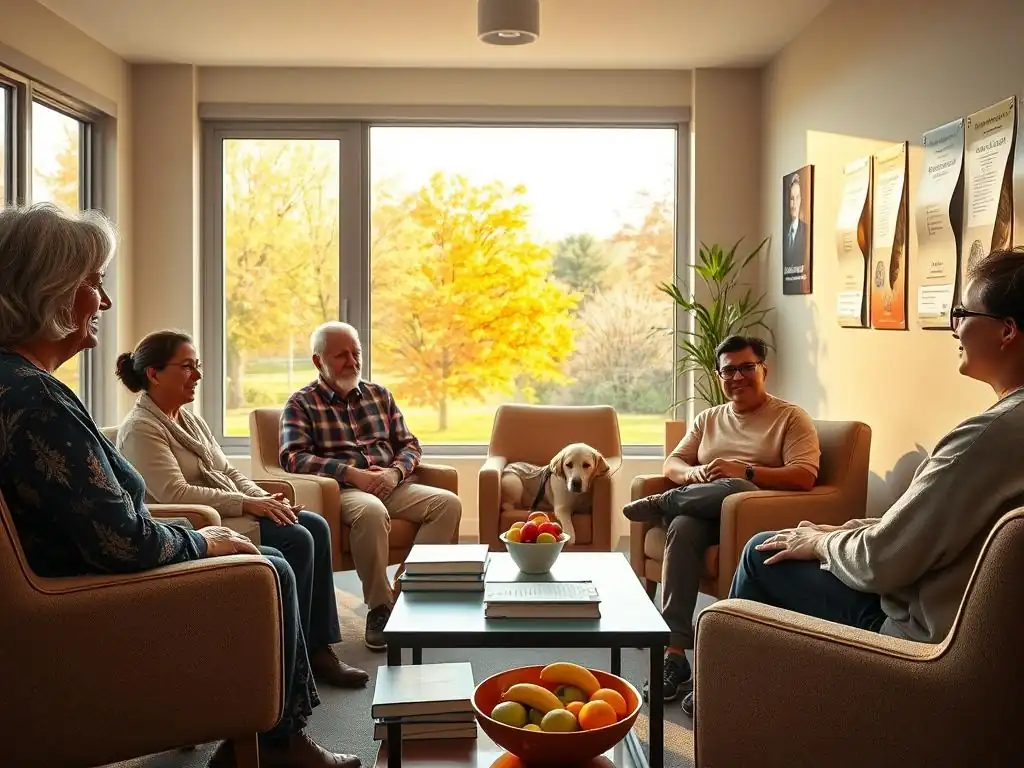
Welcome to Mind Care Guide, a compassionate space dedicated to nurturing your mental well-being. Are you, or someone you care about, a veteran seeking support beyond the traditional avenues? Navigating the complexities of mental health after service can feel overwhelming, but you're not alone. This guide illuminates a path forward, revealing vital veteran mental health support resources often overlooked. Discover the powerful nonprofit organizations ready to stand by your side, offering specialized care and understanding. Curious to learn more about these invaluable allies?
- Resources Beyond the VA: Exploring Veteran Nonprofit Support for Mental Well-being
- Nonprofit Organizations Dedicated to Veteran Mental Health
- Navigating Veteran Support Organizations: A Practical Guide
- Maximizing the Benefits of Nonprofit Veteran Mental Health Support
- Empowering Veterans Through Accessible Mental Health Resources
-
Frequently Asked Questions
- What types of mental health challenges do veterans commonly face after their service?
- Why should veterans consider seeking mental health support from non-profit organizations in addition to the VA?
- What are some examples of Veteran non-profit organizations offering mental health support, and what types of services do they provide?
- How can veterans locate and access Veteran mental health support resources provided by non-profit organizations?
- What are the potential benefits of utilizing Veteran mental health support resources outside of traditional VA channels?
- Final Reflection: Charting a Course to Whole Veteran Wellbeing
- Unlock Your Veteran Support Network
Resources Beyond the VA: Exploring Veteran Nonprofit Support for Mental Well-being
Understanding the Landscape of Veteran Mental Health Support
The journey toward mental well-being for veterans often involves navigating a complex system of support. While the Department of Veterans Affairs (VA) serves as a primary source of care, a vast and vital network of nonprofit organizations also plays a crucial role in providing veteran mental health support resources. These organizations often offer specialized programs, complementary services, and community-based assistance that can address unique challenges faced by servicemen and women transitioning to civilian life or coping with the lasting impacts of service. Understanding this broader landscape is essential for veterans seeking comprehensive care.
Many veterans face distinct mental health challenges, including post-traumatic stress disorder (PTSD), depression, anxiety, and substance use disorders, often stemming from combat exposure, military sexual trauma, or the stress of deployment and transition. According to reports from the VA, while millions of veterans receive care through their system, a significant number still seek or require additional support.
Nonprofit veteran support organizations step in to fill gaps, offering everything from clinical therapy and peer support groups to recreational therapy and assistance with housing or employment, all of which can profoundly impact a veteran's mental health. Accessing these varied veteran mental wellness programs can provide a more holistic path to recovery and stability.
Why Seek Support Beyond the VA for Veteran Mental Health?
Limitations of VA Resources for Mental Health
While the VA is a cornerstone of veteran healthcare, it sometimes faces capacity constraints or specific programmatic limitations that can affect access to timely mental health support for veterans. Long wait times for appointments, geographic distance to facilities, or specific eligibility requirements can sometimes pose barriers for veterans seeking immediate or specialized care. For instance, a veteran living in a rural area might find a local nonprofit offering teletherapy more accessible than traveling to the nearest VA medical center.
Furthermore, while the VA offers extensive services, individual veterans may find that certain therapeutic approaches or types of support are more readily available or specialized within the nonprofit sector. Some nonprofits focus exclusively on specific conditions like military sexual trauma (MST) or provide alternative therapies like equine therapy or wilderness programs, which might not be standard offerings at all VA facilities. Exploring veteran support organizations outside the VA can open doors to these alternative or supplementary treatment modalities.
The Value of Complementary Support Systems for Veterans
Nonprofit veteran mental health support resources offer invaluable complementary support systems that can enhance or supplement the care received through the VA. These organizations often provide a sense of community and camaraderie that is crucial for veterans, many of whom miss the strong bonds forged during military service. Peer support programs, a staple of many veteran nonprofits, connect veterans with shared experiences, fostering understanding and reducing feelings of isolation.
Beyond clinical services, many nonprofits address social determinants of health that significantly impact mental well-being. Assistance with housing, employment, financial stability, and social reintegration provided by veteran support organizations can alleviate stressors that exacerbate mental health conditions. This holistic approach, combining clinical support with practical assistance and community building, creates a more robust safety net for veterans navigating post-service life and seeking comprehensive mental health resources for veterans.
Nonprofit Organizations Dedicated to Veteran Mental Health

Comprehensive Mental Health Services: Wounded Warrior Project
Wounded Warrior Project (WWP) is a prominent example of a nonprofit offering extensive veteran mental health support resources. Their approach is comprehensive, addressing not just the clinical aspects of mental health but also the physical, social, and economic needs of wounded veterans. WWP's programs aim to empower veterans to live their lives to the fullest, providing a wide array of services designed to support their recovery and reintegration.
WWP invests significantly in mental wellness programs, recognizing the profound impact of invisible wounds like PTSD and traumatic brain injury (TBI). They offer programs ranging from traditional therapy referrals and co-pay assistance to innovative programs like Project Odyssey, an outdoor rehabilitative retreat that uses challenging activities to help veterans cope with stress and build resilience. In a recent year, WWP reported investing tens of millions of dollars specifically into mental health and brain health programs, supporting thousands of warriors and their families.
Specific Programs Offered by Wounded Warrior Project for PTSD
Wounded Warrior Project provides targeted programs designed to address the specific challenges of PTSD. Their Warrior Care Network is a key initiative, partnering with academic medical centers to provide intensive, two-to-three-week outpatient programs for veterans dealing with PTSD and TBI. These programs offer evidence-based therapies like Cognitive Processing Therapy (CPT) and Prolonged Exposure (PE) in a condensed, focused format, which can be particularly effective for veterans who have struggled with weekly therapy sessions.
Beyond intensive clinical care, WWP offers programs like their Mental Health Program, providing long-term support through telehealthcare, counseling referrals, and support groups. They also integrate mental wellness components into their physical health and wellness programs, recognizing the strong connection between physical activity, social connection, and mental health. For instance, participation in adaptive sports or outdoor adventures is often paired with opportunities for peer support and discussions facilitated by mental health professionals.
Eligibility Criteria for Wounded Warrior Project's Mental Health Services
Eligibility for Wounded Warrior Project programs, including their mental health services, is centered around service history and the nature of injuries sustained. Generally, veterans who have incurred a physical or mental injury, illness, or wound co-incident to their military service on or after September 11, 2001, are eligible. This includes individuals with invisible wounds such as PTSD, TBI, and military sexual trauma.
While the primary focus is on the post-9/11 generation, WWP's services are available to eligible veterans regardless of their discharge status. There is typically no cost to the veteran for participating in WWP programs. The organization's goal is to remove financial barriers to care, ensuring eligible veterans can access the veteran mental health support resources they need without worrying about payment.
Addressing Trauma and Stress: Give an Hour's Approach
Give an Hour takes a unique approach to providing veteran mental health support resources by mobilizing a national network of volunteer mental health professionals. This nonprofit connects veterans, military personnel, and their families with licensed therapists who donate their time to provide free, confidential mental healthcare. Their model significantly expands access to care, particularly for those who may not be eligible for VA services or prefer to seek help outside the VA system.
The organization's network includes psychologists, social workers, counselors, and marriage and family therapists across the United States. Since its inception, Give an Hour's network of providers has collectively donated hundreds of thousands of hours of free mental healthcare. This volunteer model allows for flexibility and accessibility, enabling veterans to receive care from licensed professionals in their local communities, often with shorter wait times than traditional systems.
Give an Hour's Focus on Providing Free Mental Healthcare
Give an Hour's core mission is to harness the generosity of mental health professionals to provide cost-free mental healthcare to those affected by military service. This direct provision of therapy is a critical component of veteran mental health support resources, removing financial barriers that might prevent veterans from seeking help. Veterans can access individual therapy, couples counseling, and family therapy through the Give an Hour network.
The focus is on providing evidence-based treatments for conditions commonly experienced by the military community, including trauma-related disorders, depression, anxiety, and adjustment issues. By offering free services, Give an Hour empowers veterans and their families to proactively address mental health challenges without the added stress of financial burden, making vital support more accessible.
Support Groups and Peer-to-Peer Programs at Give an Hour
While primarily known for connecting individuals with pro bono therapy, Give an Hour also recognizes the value of community and shared experience. They facilitate connections to support groups and peer-to-peer initiatives, often in partnership with other organizations. These programs provide veterans with opportunities to connect with others who understand the unique challenges of military life and transition.
Participation in support groups can help reduce feelings of isolation, build coping skills, and provide a sense of belonging. While Give an Hour's direct offering is focused on clinical care, they often refer veterans to peer support programs and community-based initiatives that complement individual therapy, reinforcing the idea that veteran mental health support resources encompass both clinical and social components.
Specialized Support for Specific Veteran Populations: The Mission Continues
The Mission Continues focuses on empowering veterans who are adjusting to life at home to find purpose through community impact. While not a direct provider of clinical mental health services, their programs offer significant indirect veteran mental health support by fostering social connection, purpose, and positive engagement, which are critical factors in mental well-being and recovery from trauma or stress.
By engaging veterans in community service projects, The Mission Continues helps them rediscover their skills, leadership abilities, and sense of mission outside of the military structure. This active engagement combats feelings of aimlessness and isolation that many veterans experience during transition. The organization reports thousands of veterans participating in service platoons and operations across dozens of cities, contributing hundreds of thousands of hours of service annually. This engagement provides a powerful pathway to improved mental health for veterans by building new social networks and restoring a sense of value and contribution.
The Mission Continues' Services for Community Building and Mental Well-being
The core service of The Mission Continues is organizing and executing community service projects led by veterans. These projects range from revitalizing public spaces and supporting local schools to addressing food insecurity. Through participation, veterans connect with their communities and with fellow veterans, building new relationships and strengthening existing ones. This community building is a vital, often overlooked, component of veteran mental health support resources.
The organization's programs, such as Service Platoons and Operation Deep Dive (a research collaboration focusing on veteran suicide prevention through community connection), are designed to foster a sense of belonging and collective efficacy. By working together on meaningful projects, veterans can process experiences, build trust, and find renewed purpose, all of which contribute positively to their mental well-being and resilience.
Mental Health Benefits of Community Engagement at The Mission Continues
Engaging in community service through organizations like The Mission Continues provides tangible mental health benefits for veterans. Studies and anecdotal evidence suggest that active participation in meaningful group activities can reduce symptoms of depression and anxiety, decrease social isolation, and increase feelings of self-worth and purpose. The structure and camaraderie found in service platoons can replicate some of the positive aspects of military unit cohesion, easing the transition to civilian life.
For veterans struggling with PTSD or the stress of transition, finding a new mission and connecting with supportive peers can be incredibly therapeutic. The act of giving back to the community shifts focus from internal struggles to external positive action, fostering a sense of accomplishment and contribution. This form of veteran mental health support resource, centered on engagement and purpose, complements clinical treatments and helps veterans build fulfilling post-service lives.
Identifying Your Specific Mental Health Needs as a Veteran
Taking the first step toward accessing veteran mental health support resources involves understanding your own needs. This isn't always easy, as symptoms of conditions like PTSD, depression, or anxiety can manifest differently in veterans and may be complicated by factors like TBI or substance use. It requires honest self-assessment and, ideally, consultation with a professional who understands military culture.
Consider common signs like persistent sadness, loss of interest in activities, difficulty sleeping, irritability, flashbacks, avoidance of reminders of traumatic events, or difficulty adjusting to civilian routines. Reflect on how long you've been experiencing these symptoms and how they are impacting your daily life, relationships, and ability to function. Recognizing these signs is the critical first step in seeking appropriate veteran support organizations.
Assessing PTSD Symptoms and Seeking Professional Diagnosis
Post-Traumatic Stress Disorder (PTSD) is a common, but often complex, condition among veterans. Symptoms can include re-experiencing the trauma (flashbacks, nightmares), avoidance of trauma-related stimuli, negative changes in thoughts and mood (difficulty with positive emotions, feeling detached), and changes in arousal and reactivity (irritability, difficulty concentrating, hypervigilance). If you suspect you have PTSD, seeking a professional diagnosis is crucial.
While self-assessment checklists can be helpful initial tools, a formal diagnosis from a mental health professional is necessary to access appropriate, evidence-based treatments. This could be a clinician at the VA or a civilian provider. A diagnosis provides clarity and guides the search for specific veteran mental health support resources tailored to treating trauma, such as Cognitive Processing Therapy (CPT) or Prolonged Exposure (PE), which are often offered by both the VA and various nonprofit organizations.
Recognizing the Signs of Depression, Anxiety, and Other Mental Health Conditions in Veterans
Beyond PTSD, veterans may experience a range of other mental health conditions, including major depressive disorder, generalized anxiety disorder, bipolar disorder, and substance use disorders. Signs of depression might include persistent low mood, fatigue, changes in appetite or sleep, feelings of hopelessness, or suicidal thoughts. Anxiety can manifest as excessive worry, restlessness, difficulty concentrating, and physical symptoms like a racing heart or muscle tension.
Recognizing these signs in yourself or a fellow veteran is key to seeking help. It's important to remember that these conditions are treatable, and veteran support organizations offer programs targeting these specific issues. Don't dismiss symptoms as simply "adjusting" or "part of being a veteran." Seeking a professional assessment can help differentiate between temporary stress and a treatable mental health condition, paving the way to finding the right veteran mental health support resources.
Finding the Right Veteran Mental Health Support Resource
Once you have an understanding of your needs, the next step is finding veteran support organizations that align with those needs. Given the vast number of nonprofits, this can feel overwhelming. Consider factors like the specific conditions they address, the types of services they offer (clinical, peer support, community engagement, practical assistance), their geographic reach (local vs. national), and their eligibility criteria.
Think about what kind of support you are looking for. Are you primarily seeking therapy? Do you need help connecting with other veterans? Are you looking for programs that provide a sense of purpose through activity? Answering these questions will help narrow down your search for effective veteran mental health support resources.
Utilizing Online Directories of Veteran Nonprofit Organizations
Several online directories serve as valuable tools for locating veteran nonprofit organizations. Websites maintained by government agencies, larger veteran service organizations, or dedicated nonprofit aggregators often list organizations by service type, location, and focus area. Examples include the VA's directory of Veterans Service Organizations (VSOs) or sites specifically dedicated to listing veteran-focused nonprofits.
Using search filters within these directories can help identify organizations providing mental health services, peer support, or specific types of programs like those for MST survivors or veterans with TBI. While using these directories, be sure to check the organization's website directly to confirm their current services, eligibility, and contact information, ensuring you find relevant veteran mental health support resources.
Connecting with Veteran Service Organizations (VSOs) for Referrals
Veteran Service Organizations (VSOs) like the Veterans of Foreign Wars (VFW), American Legion, Disabled American Veterans (DAV), and others are often excellent first points of contact for veterans seeking support. While VSOs primarily focus on advocacy and assisting with VA claims, their local chapters and national offices are deeply connected within the veteran community and knowledgeable about available veteran mental health support resources.
Connecting with a VSO representative can provide personalized guidance and referrals to reputable nonprofit organizations in your area or those that specialize in your specific needs. They often have established relationships with various veteran support organizations and can help you navigate the landscape, making it easier to find the right help. Don't hesitate to reach out to a local VSO chapter for assistance.
Maximizing the Benefits of Nonprofit Veteran Mental Health Support
Combining VA Benefits with Nonprofit Services for Optimal Care
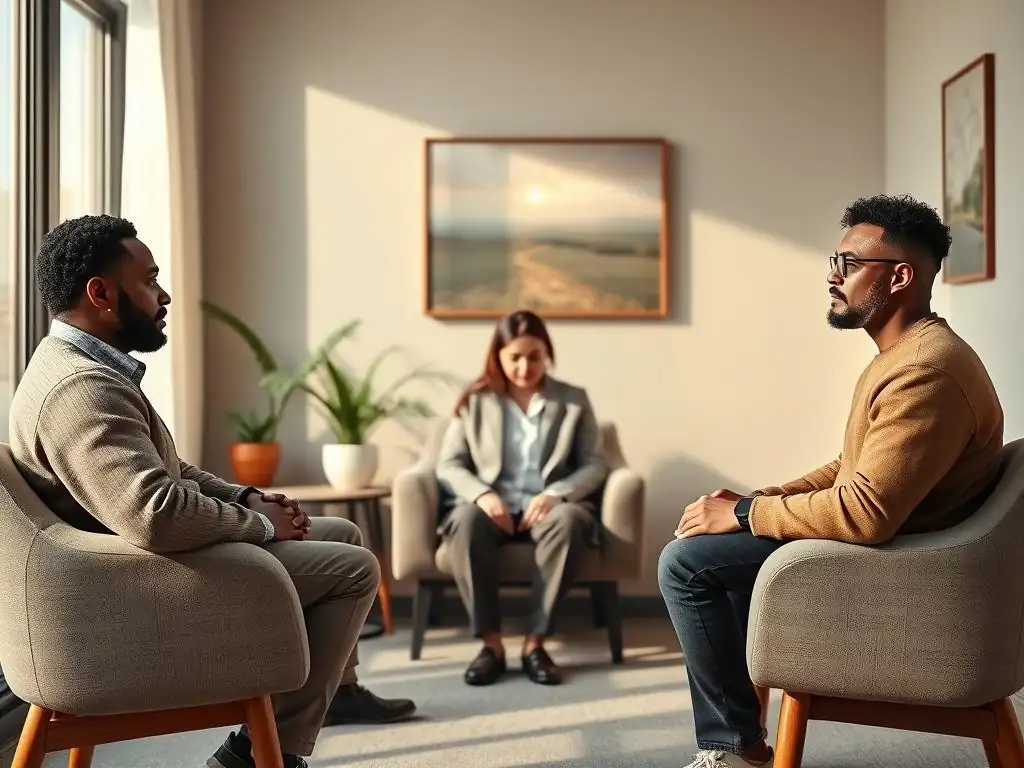
For many veterans, the most effective path to mental well-being involves leveraging both VA benefits and the services offered by nonprofit veteran support organizations. The VA provides essential clinical care, medical treatment, and disability compensation, while nonprofits can offer complementary therapies, peer support, community integration, and practical assistance that the VA may not provide or may have limited capacity for.
For example, a veteran might receive evidence-based trauma therapy through the VA while participating in a peer support group run by a local nonprofit and engaging in community service projects with an organization like The Mission Continues. This blended approach ensures access to a wide range of veteran mental health support resources, addressing clinical needs, social connection, and purposeful engagement simultaneously. It's about building a comprehensive ecosystem of support tailored to the individual.
Building a Strong Support Network: Family, Friends, and Fellow Veterans
Mental health recovery is rarely a solitary journey. Building and maintaining a strong support network is fundamental to long-term well-being for veterans. This network should ideally include family and friends, who can provide emotional support and understanding, as well as fellow veterans who share unique life experiences. Nonprofit veteran support organizations often play a crucial role in facilitating connections with other veterans.
Peer support groups, veteran-specific community events, and volunteer opportunities within the veteran community all help build these vital connections. Sharing experiences with others who "get it" can reduce feelings of isolation and shame often associated with mental health challenges. Encouraging family and friends to learn about veteran experiences and available veteran mental health support resources can also strengthen the overall support system.
The Importance of Long-Term Mental Health Care for Veterans
Mental health challenges stemming from military service, particularly trauma-related conditions, often require ongoing care and support, not just short-term interventions. Recovery is a process, and maintaining mental well-being requires consistent effort and access to resources. Nonprofit veteran mental health support resources are vital for providing this long-term support.
This could involve continued therapy sessions, regular participation in support groups, ongoing engagement in meaningful community activities, or utilizing crisis support lines when needed. Viewing mental health care as an ongoing aspect of overall health, similar to managing a chronic physical condition, is crucial. Veteran support organizations help provide the continuity and variety of support necessary for sustained recovery and resilience.
Empowering Veterans Through Accessible Mental Health Resources
Breaking Down Stigma Surrounding Mental Health in the Veteran Community
Stigma remains a significant barrier preventing veterans from seeking the mental health support resources they need. The military culture often emphasizes strength, self-reliance, and stoicism, which can make it difficult for veterans to admit vulnerability or ask for help with mental health struggles. This stigma can lead to delayed treatment, worsening symptoms, and increased risk of crisis.
Nonprofit veteran support organizations are actively working to break down this stigma through awareness campaigns, peer-led initiatives, and by creating safe, welcoming environments where veterans feel comfortable discussing their challenges. Highlighting stories of veterans who have successfully sought help and emphasizing that seeking support is a sign of strength, not weakness, are crucial steps in encouraging more veterans to access available veteran mental health support resources.
Promoting Proactive Mental Wellness Strategies for Veterans
Beyond addressing acute mental health conditions, promoting proactive mental wellness strategies is essential for preventing future crises and enhancing overall quality of life for veterans. This involves equipping veterans with tools and techniques to manage stress, build resilience, and maintain emotional balance in their daily lives.
Nonprofit veteran support organizations often offer programs focused on these proactive strategies, including mindfulness and meditation training, stress management workshops, physical fitness programs, and skills training for healthy coping mechanisms. Encouraging veterans to adopt these practices as part of their routine empowers them to take control of their mental health and utilize veteran mental health support resources before reaching a point of crisis.
Staying Informed About New and Emerging Veteran Support Programs
The landscape of veteran mental health support resources is constantly evolving, with new programs, therapies, and support initiatives emerging regularly from both the VA and the nonprofit sector. Staying informed about these developments is key to ensuring veterans have access to the most effective and relevant support available.
Veterans and their families can stay informed by subscribing to newsletters from veteran support organizations, following reputable veteran advocacy groups on social media, attending veteran resource fairs, and regularly checking the websites of organizations like the VA, WWP, Give an Hour, and The Mission Continues. Being proactive in seeking out information about new veteran mental health support resources ensures veterans can continually access the best possible care and support throughout their post-service lives.
Frequently Asked Questions
What types of mental health challenges do veterans commonly face after their service?
Veterans often experience PTSD, depression, and anxiety due to combat exposure, transition difficulties, and other stressors. These can significantly impact their overall well-being.
Why should veterans consider seeking mental health support from non-profit organizations in addition to the VA?
Non-profits often provide specialized mental health services tailored to specific needs, offering shorter wait times and community-based support that complements VA care.
What are some examples of Veteran non-profit organizations offering mental health support, and what types of services do they provide?
Organizations like Wounded Warrior Project and Headstrong Project offer therapy, peer support groups, and specialized mental health programs designed to address the unique challenges faced by veterans.
How can veterans locate and access Veteran mental health support resources provided by non-profit organizations?
Websites like the Mind Care Guide and referral networks often list available non-profit resources, along with contact information and details about the services offered.
What are the potential benefits of utilizing Veteran mental health support resources outside of traditional VA channels?
These resources can provide personalized care, increased accessibility, and a stronger sense of community, fostering a more holistic approach to mental well-being for veterans.
Final Reflection: Charting a Course to Whole Veteran Wellbeing
The struggle for accessible and effective mental healthcare among veterans remains a critical issue today, a stark reality demanding immediate and sustained attention. While the VA provides vital services, the sheer volume of veterans needing support, coupled with the diverse range of needs, highlights the crucial role of non-profit organizations in supplementing and enhancing care. This article has explored the landscape of these vital resources, aiming to empower veterans and their families with the knowledge to navigate this complex system and find the help they deserve.
The impact of military service extends far beyond the battlefield, leaving lasting imprints on the mental and emotional well-being of our veterans. These organizations, often fueled by the passion and dedication of fellow veterans and compassionate civilians, provide a lifeline, offering specialized programs, peer support, and a sense of community that is invaluable in the healing process. The best way to find yourself is to lose yourself in the service of others.
– Mahatma Gandhi. This quote resonates deeply, as many of these non-profits are built upon the very principle of service, extending a hand to those who have served our nation.
Now, it's your turn. Take a moment to reflect on the resources highlighted in this article. Identify the organizations that resonate most with your needs or the needs of a veteran you know. Reach out, explore their services, and don't hesitate to seek the support you deserve. Your well-being is paramount, and the path to wholeness is paved with connection, understanding, and the courage to ask for help. Remember, you are not alone.
Unlock Your Veteran Support Network
Thanks for taking the time to explore the world of veteran nonprofits! We hope this article shed light on the incredible resources available beyond the VA. Now, it's time to take the next step towards a brighter future.
- Connect with a local organization: Identify three veteran nonprofits near you and reach out! Many offer direct support, mentorship, or community events. This is your chance to build a vital support network.
- Share this article: Help other veterans discover these invaluable resources by sharing this article on your social media or with fellow veterans in your community. Let's amplify the reach of support together!
- Explore further: Dive deeper into the resources mentioned in this article. Many organizations have websites packed with information, program details, and contact information.
Ready to make a positive change in your life or the life of a fellow veteran? What specific action will you take today to connect with these vital resources?