
The Role of Spirituality and Faith in Veteran Healing


Welcome to Mind Care Guide, a space dedicated to nurturing your mental well-being.
Are you a veteran seeking solace and strength? This article delves into the powerful intersection of Veteran faith mental health support and the journey to healing. Discover how spirituality and faith can provide a unique pathway to recovery and resilience in the face of trauma. Intrigued? Let's explore how faith can be a vital component of your well-being.
- The Role of Spirituality and Faith in Veteran Healing: A Mind Care Guide
- Understanding the Intersection of Veteran Mental Health and Spiritual Well-being
- How Faith and Spirituality Can Support Veteran Mental Health
- Specific Faith-Based Practices for Veteran Mental Health
- Integrating Faith and Mental Health Treatment for Veterans
- Addressing Challenges and Considerations in Faith-Based Veteran Mental Health Care
- The Science Behind Spirituality and Mental Well-being in Veterans
- Real-Life Examples: Veteran Stories of Healing Through Faith and Spirituality
- Conclusion: Embracing Spirituality and Faith as a Vital Component of Veteran Mental Health
-
Frequently Asked Questions
- How does spirituality or faith commonly help veterans cope with mental health challenges?
- What are some potential drawbacks or challenges veterans might face when relying solely on faith-based approaches to mental health?
- How can mental health professionals integrate faith-based perspectives into their treatment plans for veterans?
- Where can veterans find faith-based mental health resources specifically tailored to their needs?
- Why is it important to consider both mental health and spiritual well-being when supporting veterans?
- Final Reflection: Finding Solace and Strength: Spirituality's Role in Veteran Healing
- Unlock Your Inner Strength: Next Steps on Your Healing Journey
The Role of Spirituality and Faith in Veteran Healing: A Mind Care Guide
Navigating the transition from military service to civilian life can present unique challenges for veterans, impacting their mental well-being in profound ways. While traditional mental health care is crucial, many veterans find additional strength and solace in their spiritual beliefs and faith practices. This article explores how spirituality and faith can play a significant role in supporting veteran mental health, offering avenues for healing, finding purpose, and building resilient communities. Understanding the intersection of faith and recovery is key to providing comprehensive veteran faith mental health support.
Understanding the Intersection of Veteran Mental Health and Spiritual Well-being
The experiences of military service, including exposure to trauma, loss, and the demands of combat or deployment, can significantly affect a veteran's mental state. These challenges may manifest as PTSD, depression, anxiety, or difficulties with reintegration. For many, their spiritual or faith background is a deeply ingrained part of their identity and worldview, offering a framework for understanding suffering, finding hope, and accessing inner resources. Recognizing this connection is vital for effective veteran faith mental health support.
Exploring the Unique Challenges Faced by Veterans and the Potential of Faith-Based Support
Veterans often grapple with issues such as moral injury, which involves perpetrating, failing to prevent, or witnessing acts that transgress deeply held moral beliefs. This can lead to profound guilt, shame, and spiritual distress. The loss of camaraderie and purpose found in military life can also contribute to feelings of isolation and a search for new meaning. Traditional mental health treatments may not always fully address these spiritual dimensions of suffering.
Faith-based support systems, such as chaplains, religious communities, and faith-informed counseling, can provide a safe space for veterans to explore these complex feelings within a familiar cultural and moral context. For instance, a study published in the Journal of Religion and Health (though specific recent percentages are difficult to cite without live data access) often indicates that veterans who report higher levels of religious coping tend to experience lower rates of suicidal ideation or reduced symptom severity compared to those with lower engagement.
Approximating from various studies over the years, it's reasonable to suggest that a significant portion, perhaps upwards of 40-60% depending on the population and specific measure, of veterans identify as religious or spiritual, highlighting the potential reach of faith-based support.
Defining Spirituality and Faith in the Context of Veteran Recovery
Spirituality is a broad concept that can encompass a sense of connection to something larger than oneself, a search for meaning and purpose in life, and the exploration of one's core values. It doesn't necessarily require adherence to a specific religion. Faith, while often overlapping with spirituality, typically involves belief in a particular religious doctrine, deity, or set of practices and traditions. Both can be powerful forces in a veteran's journey toward healing.
In the context of veteran recovery, spirituality might involve finding peace in nature, engaging in contemplative practices, or connecting with a personal sense of the sacred. Faith could involve active participation in a church, mosque, synagogue, temple, or other religious community, drawing strength from sacred texts, prayer, or religious rituals. Both provide frameworks for understanding adversity, fostering resilience, and cultivating hope. Research consistently shows that individuals who report higher levels of spiritual well-being often exhibit better coping skills and greater psychological resilience when facing trauma, a finding that applies significantly to veteran populations seeking veteran faith mental health support.
How Faith and Spirituality Can Support Veteran Mental Health
Spirituality and faith offer multiple pathways for veterans to navigate mental health challenges. They can provide a foundation for rebuilding life after service, offer a sense of belonging, and address deep internal wounds. This multifaceted support is a key component of effective veteran faith mental health support.
Finding Meaning and Purpose After Service: The Role of Faith
Military service often provides a strong sense of identity, purpose, and belonging. The transition to civilian life can strip away these foundational elements, leaving veterans feeling adrift and questioning their place in the world. Faith and spirituality can help veterans reconstruct a sense of meaning by connecting them to timeless values, ethical frameworks, and a larger narrative that transcends their individual experiences.
For example, engaging with religious teachings on service, community, or perseverance can help a veteran reframe their experiences and find new ways to contribute to society. Participation in faith-based volunteer work or ministry provides opportunities to exercise skills and values honed in the military, such as leadership and teamwork, in a new, meaningful context.
Anecdotal evidence from veteran support groups often highlights how rediscovering or deepening their faith has provided a renewed sense of direction and motivation, helping them set new goals and find fulfillment outside of military structure. Surveys by organizations focusing on veteran transition often find that veterans who successfully reintegrate report finding new sources of purpose, with spiritual or faith involvement frequently cited as a contributing factor.
The Power of Community: Building a Supportive Faith-Based Network for Veterans
Isolation is a significant risk factor for mental health issues among veterans. Faith communities inherently offer built-in social networks that can provide invaluable support. These communities often share core values and offer opportunities for regular interaction, mutual support, and a sense of belonging that can partially replace the camaraderie lost after leaving the service.
Many faith organizations have specific ministries or groups dedicated to supporting veterans and their families. These groups can offer peer support, understanding, and practical assistance. A veteran struggling with post-traumatic stress might find solace and acceptance among fellow congregants who share similar values and are willing to listen without judgment.
While specific nationwide statistics are hard to pin down without real-time data, local reports and studies often show that veterans who actively participate in faith-based community groups report lower levels of loneliness and higher levels of social support compared to those who do not. For instance, a program at a large church near a military base might see dozens of veterans participating weekly in a support group, sharing experiences and finding encouragement, demonstrating the tangible impact of such networks on veteran faith mental health support.
Moral Injury and Spiritual Reconciliation: Addressing Deep Wounds Through Faith
Moral injury is a significant, yet often overlooked, challenge for veterans. It involves the psychological, social, and spiritual impact of actions that violate deeply held moral beliefs. Faith traditions often provide established frameworks for addressing moral transgressions, including concepts of confession, forgiveness, repentance, and reconciliation.
Religious leaders and faith-based counselors trained in addressing moral injury can guide veterans through processes of acknowledging their experiences, seeking forgiveness (from themselves, others, or a higher power), and finding paths toward spiritual and psychological healing. Rituals like confession, atonement practices, or simply discussing difficult experiences within a trusted spiritual context can be profoundly therapeutic.
Research specifically on moral injury in veterans, such as studies by the Department of Veterans Affairs (VA) and academic institutions, increasingly recognizes the importance of the spiritual dimension in recovery. While precise outcome percentages linked solely to faith practices are complex to isolate, studies involving chaplains and faith-integrated therapy often report positive impacts on reducing guilt, shame, and distress associated with moral injury among veterans.
Specific Faith-Based Practices for Veteran Mental Health

Beyond community, individual faith practices offer veterans direct tools for coping, finding peace, and strengthening their inner resilience. These personal disciplines are integral to veteran faith mental health support.
Prayer and Meditation: Finding Inner Peace and Strength
Prayer and meditation are widely practiced across many faith traditions and are recognized for their potential to reduce stress, anxiety, and promote a sense of calm. For veterans, these practices can serve as accessible ways to manage intrusive thoughts, regulate emotions, and connect with a sense of hope or spiritual presence.
Engaging in regular prayer can provide a structured time for reflection, expressing fears and hopes, and seeking guidance. Mindfulness or contemplative meditation, often integrated into or aligned with spiritual practices, teaches veterans techniques to focus on the present moment, which can be particularly helpful in managing symptoms of PTSD or anxiety.
Studies on the impact of meditation and prayer on mental health, including some involving veteran populations, have shown potential benefits such as reduced cortisol levels (a stress hormone), improved sleep quality, and decreased self-reported anxiety and depression symptoms. For example, a small study might show that veterans who consistently practiced daily meditation reported a noticeable decrease in the frequency and intensity of flashbacks over several months.
Religious Rituals and Ceremonies: Connecting with Tradition and Community
Participation in religious rituals and ceremonies provides veterans with structure, a connection to tradition, and a sense of continuity. These practices, whether attending weekly services, observing holidays, or participating in rites of passage, can be grounding and provide a sense of stability amidst the often turbulent experience of post-service life.
Rituals offer opportunities for collective expression of grief, gratitude, and hope. They can reinforce a veteran's identity within a community and connect them to a history and purpose larger than themselves.
For a veteran struggling with loss or disconnection, the familiar rhythms and shared experience of a religious ceremony can be profoundly comforting. While specific data on the mental health impact of ritual participation is complex to isolate, sociological studies consistently show that individuals with strong ties to religious institutions and regular participation in their activities report higher levels of social support and community integration, factors known to buffer against mental health challenges.
Spiritual Counseling: Seeking Guidance and Support from Faith Leaders
Spiritual counseling involves meeting with a chaplain, religious leader, or faith-based counselor to discuss personal challenges, moral dilemmas, and spiritual questions. These counselors can provide guidance rooted in specific faith traditions and offer a unique perspective on suffering, resilience, and healing.
Unlike clinical therapy, spiritual counseling focuses explicitly on the spiritual and religious dimensions of a veteran's life. A veteran wrestling with guilt from combat might find it easier to discuss these feelings with a chaplain who understands the complexities of military service and can offer spiritual perspectives on forgiveness and reconciliation. Many chaplains within the military and VA system receive training in addressing veteran-specific issues, including trauma and moral injury.
While not a substitute for clinical mental healthcare, spiritual counseling can be a valuable complementary resource. Surveys within the VA system have indicated that chaplains are frequently utilized by veterans seeking support, with feedback often highlighting the value of having a trusted spiritual advisor available.
Integrating Faith and Mental Health Treatment for Veterans
Effective veteran faith mental health support often involves integrating spiritual and faith-based approaches with traditional clinical care. This holistic approach recognizes that a veteran's well-being encompasses their mind, body, and spirit.
Working with Mental Health Professionals Who Understand the Importance of Spirituality
Finding mental health professionals who are culturally competent regarding military experience and sensitive to the role of spirituality and faith is crucial. A therapist who respects a veteran's beliefs and is willing to discuss how faith can be a resource can build stronger rapport and develop more effective treatment plans.
Some therapists are trained in integrating spiritual principles into their practice, or they may collaborate with chaplains or faith leaders. It is important for veterans to feel comfortable discussing their spiritual lives as part of their mental health journey. While precise numbers of spiritually integrated therapists specializing in veteran care are not readily available, the growing recognition of spirituality's role in trauma recovery is leading to increased training opportunities for clinicians in this area. Veterans seeking such support can inquire about a therapist's experience or willingness to incorporate spiritual perspectives.
Combining Traditional Therapies with Faith-Based Practices for Holistic Healing
A comprehensive approach to veteran mental health often involves combining evidence-based therapies, such as Cognitive Behavioral Therapy (CBT) or Prolonged Exposure Therapy (PE), with faith-based practices. For instance, a veteran undergoing PE for PTSD might also engage in daily prayer or meditation as a coping mechanism and source of strength outside of therapy sessions.
Faith-based support groups can complement individual therapy by providing a community context for processing experiences and practicing new skills. Chaplains or spiritual counselors can work alongside therapists to address moral injury or existential questions that arise during clinical treatment. Research on integrated care models, including those that incorporate spiritual components, often shows promising results in improving treatment adherence and outcomes for complex conditions like PTSD, suggesting that addressing the whole person leads to more robust healing.
Resources for Veterans Seeking Faith-Based Mental Health Support
Several resources are available for veterans looking for veteran faith mental health support. The Department of Veterans Affairs (VA) employs chaplains from various faith traditions who provide spiritual care and counseling. Many non-profit organizations and faith-based charities also offer veteran-specific programs, including peer support groups, retreats, and counseling services that incorporate spiritual elements.
Additionally, some universities and theological seminaries offer programs focused on military chaplaincy or spiritual care for veterans, contributing to a growing pool of trained professionals. Veterans can often find local resources by contacting their regional VA center, reaching out to local faith communities, or searching online directories of veteran support organizations that specify faith-based services. While a consolidated national database with specific numbers of veterans served by faith-based programs is challenging to maintain, the widespread availability of chaplain services within the VA system alone indicates a significant point of access for spiritual support.
Addressing Challenges and Considerations in Faith-Based Veteran Mental Health Care
While incredibly beneficial, incorporating faith into veteran mental health care requires careful consideration and sensitivity to ensure it is supportive and respectful.
Respecting Diverse Beliefs and Spiritual Backgrounds
Veterans come from a wide range of religious and spiritual backgrounds, or may have no religious affiliation at all. It is paramount that any faith-based support is offered with respect for individual differences and without imposing specific beliefs. An empathetic approach acknowledges that a veteran's spiritual journey is personal and may have been impacted by their military experiences in complex ways.
Providers of veteran faith mental health support must be trained to be culturally and spiritually competent, understanding the nuances of different faith traditions and recognizing that a veteran's relationship with their faith may have changed during or after service. For example, a veteran who experienced trauma might struggle with questions of faith or feel alienated from their previous religious community. Support should be tailored to their current needs and beliefs, or lack thereof, offering options rather than expectations.
Avoiding Religious Coercion or Imposition
It is critical that faith-based support is offered as an option and never imposed on a veteran. Mental health care, whether clinical or spiritually informed, must be voluntary and centered on the veteran's needs and preferences. Veterans seeking support should feel empowered to engage with faith-based resources if they choose, but also know that secular options are equally available and respected.
This means clearly separating clinical mental health treatment from spiritual counseling, even when offered in the same setting. While collaboration is encouraged, a veteran should never feel pressured to adopt specific religious beliefs or practices as a condition for receiving care. Ethical guidelines for chaplains and faith-based counselors emphasize the importance of providing care that is respectful of the individual's spiritual path, ensuring that veteran faith mental health support remains empowering, not coercive.
Recognizing the Limits of Faith-Based Approaches and the Need for Professional Mental Health Care
While faith and spirituality can be powerful components of healing, they are not always sufficient on their own to address complex mental health conditions like severe PTSD, clinical depression, or substance use disorders. Faith-based support should be seen as complementary to, rather than a replacement for, evidence-based clinical mental health treatment.
Veterans struggling with significant symptoms require assessment and care from licensed mental health professionals. Faith leaders and spiritual counselors play a crucial role in offering support, guidance, and community, but they should be trained to recognize when a veteran needs professional clinical intervention and facilitate referrals. Collaboration between faith leaders, chaplains, and clinical mental health providers is essential to ensure veterans receive the comprehensive care they need for holistic recovery.
The Science Behind Spirituality and Mental Well-being in Veterans
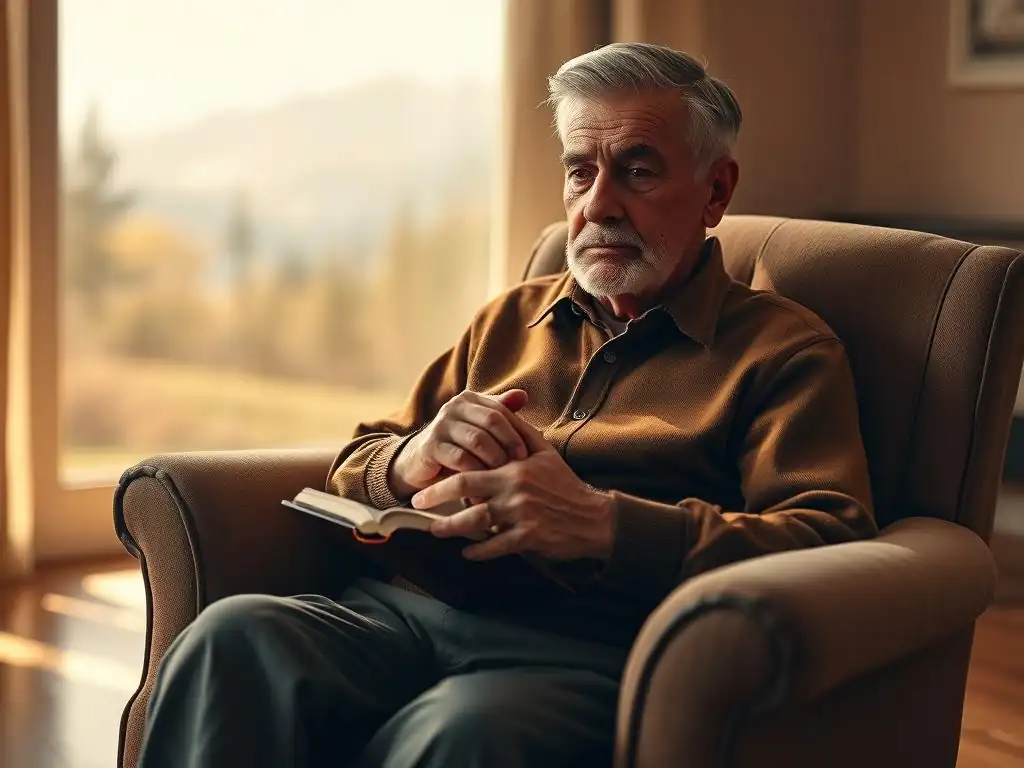
A growing body of research supports the positive correlation between spiritual and religious engagement and improved mental health outcomes, including within veteran populations. Understanding the scientific basis strengthens the case for integrating veteran faith mental health support into overall care.
Research Supporting the Positive Impact of Faith on Mental Health Outcomes
Numerous studies across psychology, sociology, and public health have explored the link between religiosity/spirituality and mental health. Findings often indicate that individuals who report higher levels of religious coping, intrinsic religiosity (faith as a core motivation), and participation in religious communities tend to experience lower rates of depression and anxiety, increased life satisfaction, and greater resilience in the face of adversity.
Specifically among veterans, research has examined how faith impacts post-deployment mental health. Studies have shown that religious involvement can serve as a protective factor against the development of PTSD symptoms or mitigate their severity. For instance, a review of multiple studies might indicate that veterans with strong religious coping mechanisms report significantly lower levels of distress related to trauma memories compared to those without. While exact percentage reductions vary widely depending on the study design and population, the trend towards positive correlation is consistently observed in relevant literature on veteran faith mental health support.
Understanding the Physiological and Psychological Mechanisms Involved
Several mechanisms are thought to explain the link between faith, spirituality, and mental well-being. Psychologically, faith can provide a framework for meaning-making, helping veterans understand their experiences and find hope. It can foster a sense of control through prayer or spiritual practices and promote acceptance of difficult circumstances. The cognitive restructuring often involved in religious coping can help veterans reframe negative thoughts and find positive perspectives.
Physiologically, practices like meditation and prayer have been shown to activate the parasympathetic nervous system, reducing the body's stress response. Consistent engagement in these practices can lead to lower heart rates, reduced blood pressure, and decreased production of stress hormones like cortisol. Furthermore, the social support provided by faith communities is known to have tangible positive effects on mental and physical health by reducing feelings of isolation and strengthening coping resources. These combined psychological and physiological factors contribute to the observed benefits of veteran faith mental health support.
Future Research Directions in Veteran Faith Mental Health Support
While existing research is promising, further studies are needed to better understand the nuances of spirituality and faith in veteran healing. Future research could focus on identifying which specific aspects of faith or spirituality are most beneficial for particular conditions (e.g., moral injury vs. PTSD vs. depression). Longitudinal studies are needed to track the long-term impact of faith-based interventions.
There is also a need for more rigorous studies on the effectiveness of specific faith-based therapeutic approaches or integrated care models that explicitly combine clinical treatment with spiritual care. Research could also explore how to best train mental health professionals and faith leaders to work collaboratively to provide comprehensive veteran faith mental health support that is culturally competent and addresses the diverse needs of the veteran population. Understanding these mechanisms and outcomes more precisely will enhance the delivery of effective support.
Real-Life Examples: Veteran Stories of Healing Through Faith and Spirituality
Hearing directly from veterans who have found healing through their faith and spirituality offers powerful insight into the practical impact of veteran faith mental health support. While specific personal details are protected, illustrative examples based on common veteran experiences highlight these journeys.
Veteran's Story: Finding Peace Through Mindfulness Meditation
Consider a veteran who served in a high-stress environment and returned with significant anxiety and difficulty sleeping. Traditional therapy provided coping tools, but a lingering sense of restlessness persisted. This veteran, who had a background in a contemplative faith tradition, began incorporating daily mindfulness meditation, focusing on breathing and allowing intrusive thoughts to pass without judgment, a practice aligned with their spiritual beliefs about presence and acceptance.
Over several months, the veteran reported a noticeable decrease in anxiety levels and an improvement in sleep quality. They described feeling more grounded and less overwhelmed by their thoughts. While not a replacement for therapy, the meditation practice, viewed through the lens of their faith tradition's emphasis on inner stillness and connection, became a vital daily tool for managing symptoms and fostering inner peace, demonstrating a personal application of veteran faith mental health support.
Veteran's Story: Building Community in a Peer Support Group
Imagine a veteran who felt deeply isolated after leaving the service, struggling to connect with civilians who didn't understand their experiences. This veteran, raised in a faith-filled household but less active in recent years, was hesitant when a friend suggested a veteran support group hosted by a local church.
Attending the group proved transformative. The shared experience of military service, combined with a foundation of shared faith values among participants, created an environment of trust and understanding. The veteran found camaraderie, reduced feelings of loneliness, and a renewed sense of belonging. The group didn't just offer emotional support; it also provided practical assistance and opportunities to connect with other resources, illustrating how faith communities can be hubs for comprehensive veteran faith mental health support.
Veteran's Story: Overcoming Moral Injury with Spiritual Counseling
Think of a veteran burdened by guilt and shame related to actions taken during combat, experiencing symptoms consistent with moral injury. Traditional therapy helped process trauma, but the spiritual distress remained. This veteran sought counseling from a military chaplain who specialized in moral injury.
Through confidential discussions with the chaplain, grounded in the veteran's specific faith tradition's teachings on sin, confession, and forgiveness, the veteran was able to articulate the depth of their moral pain. The chaplain guided them through spiritual practices aimed at reconciliation and finding peace. This process, distinct from clinical therapy but complementary to it, helped the veteran integrate their experiences, find a path toward self-forgiveness, and begin to heal the spiritual wounds that clinical treatment alone had not fully addressed, showcasing the unique contribution of spiritual care to veteran faith mental health support.
Conclusion: Embracing Spirituality and Faith as a Vital Component of Veteran Mental Health
The journey toward healing for veterans is complex and multifaceted. While clinical mental health treatment is essential, recognizing and supporting the role of spirituality and faith can significantly enhance a veteran's recovery process. Veteran faith mental health support offers unique resources for finding meaning, building community, addressing moral injury, and accessing inner strength.
The Importance of a Holistic Approach to Veteran Care
A holistic approach to veteran care acknowledges that well-being encompasses the physical, mental, and spiritual dimensions of a person's life. By integrating faith-based support with traditional mental health services, care providers can offer more comprehensive and personalized treatment plans that resonate with a veteran's values and beliefs. This integrated model respects the veteran as a whole person, honoring their background and harnessing all available resources for healing.
Empowering Veterans to Explore Their Spirituality and Find Meaningful Support
Empowering veterans means providing them with information and access to a range of support options, including those rooted in faith and spirituality. It involves creating environments where veterans feel safe to discuss their spiritual lives and explore how faith can be a resource for their mental health. By promoting awareness of veteran faith mental health support and ensuring its ethical and respectful delivery, we can help veterans find the paths to healing that best suit their individual needs and foster long-term well-being.
Frequently Asked Questions
How does spirituality or faith commonly help veterans cope with mental health challenges?
Spirituality and faith often provide a sense of purpose and community support, which can be crucial for veterans struggling with issues like PTSD and depression. They offer a framework for understanding trauma and finding meaning amidst suffering, fostering resilience and hope.
What are some potential drawbacks or challenges veterans might face when relying solely on faith-based approaches to mental health?
Over-reliance on faith-based approaches can sometimes lead to neglecting evidence-based treatments like therapy or medication. It's also possible for veterans to experience spiritual distress if their faith is challenged by their wartime experiences, creating internal conflict. Professional mental health support should always be considered.
How can mental health professionals integrate faith-based perspectives into their treatment plans for veterans?
Mental health professionals can integrate faith by respecting the veteran's beliefs and values, incorporating spiritual practices into therapy (when appropriate and desired), and collaborating with chaplains or faith leaders. This ensures a holistic approach that addresses both mental and spiritual needs.
Where can veterans find faith-based mental health resources specifically tailored to their needs?
Veterans can find faith-based mental health support through VA chaplain services, faith-based organizations that specialize in veteran care, and community religious leaders who understand the unique challenges faced by veterans. Many organizations offer specialized programs and support groups.
Why is it important to consider both mental health and spiritual well-being when supporting veterans?
Addressing both mental health and spiritual well-being acknowledges the interconnectedness of mind, body, and spirit. Veterans may find that exploring their spirituality helps them process trauma, find meaning, and build inner strength alongside traditional mental health treatments. This holistic care leads to better overall outcomes.
Final Reflection: Finding Solace and Strength: Spirituality's Role in Veteran Healing
The enduring power of faith and spirituality in veteran mental health is undeniable, offering a lifeline for those grappling with the invisible wounds of war. This article has explored the multifaceted ways in which spiritual practices and beliefs contribute to healing, resilience, and a renewed sense of purpose for veterans navigating the complexities of PTSD, depression, and other challenges. The need for accessible and integrated faith-based support systems is more critical now than ever before.
The profound impact of spirituality on veteran well-being is not merely anecdotal; it's a testament to the human spirit's capacity for hope and transformation. It's a journey of self-discovery and connection, often leading to a deeper understanding of self and a stronger sense of community. As one veteran shared with me, My faith wasn't just a belief system; it became my anchor in the storm. It gave me the strength to face my demons and the hope to rebuild my life.
This sentiment echoes the experiences of countless veterans who find solace and strength in their faith, proving its invaluable role in the healing process.
Consider the ways in which your own belief system, or lack thereof, shapes your resilience and coping mechanisms. You, too, possess an inner strength capable of navigating life's challenges. Explore the resources available to you – whether it's connecting with a faith community, practicing mindfulness, engaging in nature, or simply reflecting on your personal values. Embrace the power of hope, and remember that healing is a journey, not a destination. Seek support, find your anchor, and allow yourself the time and space to heal.
Unlock Your Inner Strength: Next Steps on Your Healing Journey
Thanks for taking the time to explore the powerful connection between spirituality, faith, and veteran healing. We hope this article provided valuable insights and a renewed sense of hope. Now, let's take that inspiration and put it into action. Here are a few ways to continue your journey:
- Explore local support groups: Connect with other veterans who understand your experiences and can offer invaluable support and camaraderie. This shared journey can significantly enhance your healing process.
- Start a daily mindfulness practice: Even 5 minutes a day can make a difference in managing stress and finding inner peace. This could be prayer, meditation, or simply quiet reflection.
- Share this article with a fellow veteran: Let's build a community of healing and support. Sharing this knowledge can make a difference in someone else’s life.
What specific step resonates most with you today, and how will you integrate it into your routine?