
The Science Behind Why EMDR Works for Stress Disorders


Welcome to Mind Care Guide, your sanctuary for cultivating inner peace. Feeling overwhelmed by stress? You're not alone. Discover the transformative potential of EMDR therapy in our featured article, "The Science Behind Why EMDR Works for Stress Disorders." Could this evidence-based approach be the key to unlocking lasting relief and reclaiming your well-being? Explore the science and find out more about EMDR's profound impact on trauma and stress-related disorders.
- The Science Behind EMDR Therapy for Stress Disorders: Mind Care Guide
- Understanding EMDR Therapy and Stress Reduction
- The Neurobiological Basis of Stress Disorders
- EMDR Therapy and the Brain: Unlocking the Mechanisms
- The Adaptive Information Processing (AIP) Model and EMDR
- Research Supporting EMDR Therapy for Stress Relief
- EMDR Therapy vs. Other Trauma-Focused Treatments
- The Importance of a Qualified EMDR Therapist
- EMDR Therapy for Specific Stress-Related Conditions
- Long-Term Benefits of EMDR Therapy for Stress Management
-
Frequently Asked Questions
- What is EMDR therapy, and how does it relate to stress relief?
- How does EMDR therapy work scientifically to reduce stress?
- What types of stress disorders can EMDR therapy effectively treat?
- How long does EMDR therapy typically take to provide stress relief?
- Is EMDR therapy a safe and evidence-based approach for stress relief?
- Final Reflection: Unlocking the Mind's Resilience Through EMDR
- Unlock Your Inner Resilience: Take Charge of Your Stress
The Science Behind EMDR Therapy for Stress Disorders: Mind Care Guide
Understanding EMDR Therapy and Stress Reduction
What is EMDR Therapy? A Brief Overview
Eye Movement Desensitization and Reprocessing (EMDR) therapy is a psychotherapy approach initially developed by Francine Shapiro in the late 1980s. It is primarily known for treating trauma and post-traumatic stress disorder (PTSD), but its application has expanded to other stress-related conditions. The core idea behind EMDR therapy is that psychological symptoms often stem from disturbing experiences that have not been adequately processed by the brain.
During EMDR therapy sessions, clients recall distressing memories while simultaneously engaging in bilateral stimulation, most commonly guided eye movements. Other forms of bilateral stimulation can include tactile tapping or auditory tones. This process is believed to facilitate the brain's natural healing process, allowing it to reprocess the traumatic memory in a way that reduces its emotional intensity and negative impact on the individual's present life. The goal is to move the memory from a dysfunctional, "stuck" state to an integrated, adaptive resolution.
EMDR Therapy for Stress Relief: How It Differs from Traditional Therapy
EMDR therapy offers a distinct approach to achieving EMDR therapy stress relief compared to many traditional talk therapies. While therapies like Cognitive Behavioral Therapy (CBT) often focus on identifying and changing negative thought patterns and behaviors related to stress, and psychodynamic therapy explores underlying emotional conflicts, EMDR directly targets the unprocessed traumatic or distressing memories contributing to the stress response.
A key difference lies in the focus during processing. In traditional talk therapy, extensive verbal description and analysis of the traumatic event are often central. In EMDR, while the memory is identified and briefly accessed, the primary focus during processing phases is on the internal experience (sensations, emotions, thoughts) while bilateral stimulation is occurring, rather than detailed verbal recounting. This allows for a potentially faster and less distressing way to neutralize the emotional charge associated with the memory, offering significant EMDR therapy stress relief for many individuals.
Defining Stress Disorders: From Acute Stress to PTSD
Stress disorders encompass a range of conditions triggered by exposure to a traumatic or stressful event. These disorders are characterized by significant distress and impairment in functioning following such experiences. The Diagnostic and Statistical Manual of Mental Disorders (DSM-5) outlines several key stress disorders, including Acute Stress Disorder (ASD) and Post-Traumatic Stress Disorder (PTSD).
Acute Stress Disorder symptoms typically occur within one month of exposure to trauma and last for a minimum of three days and a maximum of one month. If symptoms persist beyond one month, a diagnosis of PTSD may be considered.
PTSD involves a complex set of symptoms including re-experiencing the trauma (flashbacks, nightmares), avoidance of trauma-related stimuli, negative alterations in cognition and mood (difficulty remembering aspects of the trauma, negative beliefs about oneself or the world), and marked alterations in arousal and reactivity (irritability, hypervigilance, difficulty sleeping). EMDR therapy is a recognized and effective treatment for both ASD and PTSD, providing crucial EMDR therapy stress relief.
The Neurobiological Basis of Stress Disorders
The Brain's Response to Trauma and Stress: A Detailed Look
When an individual experiences trauma or overwhelming stress, the brain's survival mechanisms are activated. This involves a cascade of neurobiological events designed to help the individual respond to perceived threat. The amygdala, often referred to as the brain's fear center, becomes highly activated, triggering the "fight or flight" response. Simultaneously, the hippocampus, responsible for processing context and consolidating memories, may become impaired, leading to fragmented or disorganized memory storage of the event.
Chronic or traumatic stress also impacts the hypothalamic-pituitary-adrenal (HPA) axis, the body's central stress response system. Prolonged activation of the HPA axis results in elevated levels of stress hormones like cortisol. Over time, this can lead to structural and functional changes in the brain, particularly in areas involved in emotional regulation, memory, and executive function. This altered brain state contributes significantly to the persistent symptoms seen in stress disorders, hindering the brain's natural ability to process the experience adaptively.
How Chronic Stress Impacts Brain Function and Mental Health
Chronic stress, whether from ongoing difficult circumstances or the unresolved impact of past trauma, has profound effects on brain structure and function. Research using neuroimaging techniques like fMRI has shown that prolonged stress can lead to a decrease in the volume of the hippocampus, affecting memory and learning. It can also increase the size and activity of the amygdala, making individuals more prone to anxiety and fear responses.
Furthermore, chronic stress can impair the function of the prefrontal cortex (PFC), the area responsible for executive functions such as decision-making, impulse control, and emotional regulation. This impairment contributes to difficulties in managing emotions, concentrating, and making rational choices, all common symptoms in stress and trauma-related disorders. These neurobiological changes underscore why simply "thinking positively" is often insufficient for someone struggling with a stress disorder; the brain's architecture and chemistry have been altered by the stress experience.
The Role of the Amygdala, Hippocampus, and Prefrontal Cortex
The interplay between the amygdala, hippocampus, and prefrontal cortex is crucial in understanding both healthy stress responses and the development of stress disorders. The amygdala's primary role is to detect threats and initiate fear responses. The hippocampus provides context to the threat, helping to differentiate between safe and dangerous situations based on past experiences. The prefrontal cortex acts as the brain's executive control center, regulating emotional responses initiated by the amygdala and helping to appraise situations rationally.
In stress disorders, this delicate balance is disrupted. The amygdala becomes hyperactive, triggering false alarms even in safe situations. The hippocampus may struggle to properly contextualize the traumatic memory, leading to re-experiencing symptoms like flashbacks where the past feels like the present. The prefrontal cortex may be less effective at modulating the amygdala's response, resulting in difficulty controlling fear and anxiety. Understanding these neural pathways is key to appreciating how EMDR therapy aims to restore healthy brain function and provide EMDR therapy stress relief.
EMDR Therapy and the Brain: Unlocking the Mechanisms
Bilateral Stimulation in EMDR: What Does the Science Say?
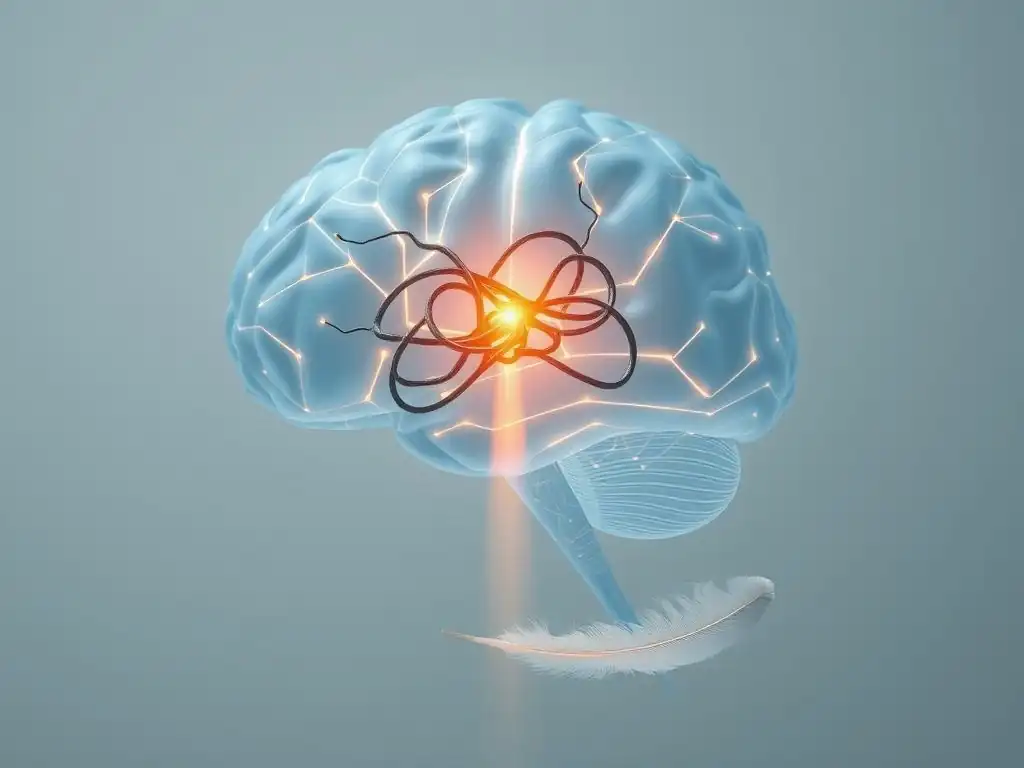
Bilateral stimulation (BLS), typically eye movements, is a hallmark feature of EMDR therapy. While the exact neurobiological mechanism is still a subject of ongoing research, several theories exist. One prominent theory suggests that the rhythmic nature of BLS mimics the eye movements that occur during REM sleep, a phase associated with memory consolidation and emotional processing. By activating similar brain mechanisms, BLS may facilitate the processing of distressing memories during wakefulness.
Studies using neuroimaging have shown that during EMDR processing with BLS, there is decreased activity in the amygdala and increased activity in the prefrontal cortex. This pattern suggests a shift from an emotional, fear-driven response towards a more regulated, cognitive processing state. Another hypothesis is that BLS creates a "dual-attention" task, occupying working memory and making the traumatic memory less vivid and emotionally intense, thereby reducing its power to trigger stress responses. While more research is needed to fully elucidate the mechanisms, the consistent observed effects suggest BLS plays a critical role in achieving EMDR therapy stress relief.
How EMDR Therapy Reprocesses Traumatic Memories
EMDR therapy works by guiding the individual to focus briefly on the traumatic memory while simultaneously experiencing bilateral stimulation. This dual focus is thought to activate the brain's natural information processing system, which may have been blocked or overwhelmed by the trauma. The therapist helps the client identify the image, negative belief, emotions, and body sensations associated with the target memory.
As the bilateral stimulation continues, the client is encouraged to simply notice whatever comes to mind without trying to control it. This can include new insights, different images, or shifts in body sensations. The therapist guides the process, but the changes originate from within the client's own brain. The memory is not erased, but its emotional charge is significantly reduced, and it becomes integrated into a larger, more neutral narrative. This reprocessing is fundamental to the EMDR therapy stress relief experienced by clients.
EMDR's Impact on Neural Pathways and Cognitive Restructuring
The reprocessing facilitated by EMDR therapy appears to lead to changes in the neural pathways associated with the traumatic memory. Functional neuroimaging studies before and after successful EMDR treatment for PTSD have shown reduced activation in areas like the amygdala and insula (involved in processing emotions and bodily sensations), and increased activation in the prefrontal cortex (involved in cognitive control and regulation).
Beyond simply reducing the emotional intensity, EMDR therapy also promotes cognitive restructuring. As the memory is reprocessed, the negative beliefs associated with it (e.g., "I am helpless," "It was my fault") often spontaneously transform into more positive and adaptive beliefs (e.g., "I am capable," "I survived, and I am safe now"). This shift in cognitive appraisal, supported by changes in neural connectivity, is a key component of the lasting EMDR therapy stress relief and recovery experienced by clients.
The Adaptive Information Processing (AIP) Model and EMDR
Explaining the AIP Model: A Core Principle of EMDR
The Adaptive Information Processing (AIP) model is the theoretical framework underpinning EMDR therapy. Developed by Francine Shapiro, the AIP model posits that humans have an innate information processing system that typically moves towards mental health. This system processes experiences, integrating them into memory networks in a way that is adaptive and useful for future functioning.
However, when a person experiences trauma or overwhelming stress, this natural processing system can become blocked or imbalanced. The memory of the event, along with the associated emotions, sensations, and negative beliefs, gets "stuck" in isolated memory networks, preventing integration with more adaptive information. This unprocessed memory continues to cause distress and symptoms because it feels like it is still happening in the present. The AIP model provides the rationale for why reprocessing these stuck memories is essential for resolving stress disorders and achieving EMDR therapy stress relief.
How EMDR Facilitates Adaptive Resolution of Traumatic Experiences
According to the AIP model, the bilateral stimulation used in EMDR therapy helps to reactivate the brain's natural processing system. By focusing on the distressing memory while engaging in BLS, the blocked information is accessed and allowed to connect with more adaptive memory networks. This process facilitates the desensitization of the emotional response to the memory and the cognitive reprocessing of the event.
As the memory is reprocessed through the AIP framework, the associated negative emotions, physical sensations, and maladaptive beliefs decrease in intensity. The memory is no longer held in isolation but becomes integrated into the person's overall life experience in a way that is less disturbing and more coherent. This adaptive resolution is the therapeutic goal of EMDR, leading directly to EMDR therapy stress relief and a reduction in symptoms of stress disorders.
Integrating Traumatic Memories into a Healthier Narrative
A crucial outcome of EMDR therapy, guided by the AIP model, is the integration of traumatic memories into a healthier, more adaptive narrative. Before reprocessing, the memory might be fragmented, highly emotional, and feel like a live wound. It may dominate the individual's thoughts and trigger intense stress responses.
After successful EMDR processing, the memory is still present, but it is no longer emotionally charged or central to the person's identity. It becomes a part of their history, understood within a broader context of survival and resilience. The negative beliefs about oneself or the world that were tied to the trauma are replaced by more positive and realistic ones. This integration into a healthier narrative allows the individual to move forward, free from the constant intrusion and distress caused by the unprocessed trauma, resulting in sustained EMDR therapy stress relief.
Research Supporting EMDR Therapy for Stress Relief
Clinical Studies on EMDR Effectiveness for PTSD
Numerous clinical studies have investigated the effectiveness of EMDR therapy for Post-Traumatic Stress Disorder (PTSD), a primary stress disorder. Results consistently demonstrate EMDR as an effective treatment. For example, a meta-analysis published in the Journal of Consulting and Clinical Psychology in 2014 included multiple studies and concluded that EMDR is a well-established and efficacious treatment for PTSD.
Specific studies have shown high rates of symptom reduction. One randomized controlled trial involving combat veterans found that after 12 sessions of EMDR, a significant percentage, often cited as between 70% and 90% in various studies, no longer met the diagnostic criteria for PTSD. Similar positive outcomes have been reported for civilians experiencing trauma. These findings underscore EMDR's power in providing significant EMDR therapy stress relief for individuals suffering from the debilitating effects of trauma.
EMDR Therapy for Anxiety and Phobias: Scientific Evidence
While initially developed for trauma, research supports the use of EMDR therapy for other anxiety and phobia-related conditions, which are often intertwined with stress. Anxiety disorders often stem from distressing experiences or fears that haven't been fully processed, fitting within the AIP model. Studies have explored EMDR's effectiveness in treating conditions like panic disorder, generalized anxiety disorder (GAD), and specific phobias.
For instance, a study on individuals with panic disorder with agoraphobia showed that EMDR therapy led to significant reductions in panic attack frequency and agoraphobic avoidance behaviors. Research into specific phobias, such as fear of flying or spiders, has also indicated that EMDR can rapidly reduce fear responses by reprocessing the initial sensitizing event or the core fear associated with the phobia. While research is still expanding in these areas compared to PTSD, the evidence suggests EMDR can be a valuable tool for broader EMDR therapy stress relief beyond just trauma.
Meta-Analyses and Systematic Reviews of EMDR Outcomes
The strength of evidence for EMDR therapy is further supported by multiple meta-analyses and systematic reviews. These comprehensive studies synthesize findings from many individual research projects, providing a higher level of evidence. Several such reviews conducted by organizations like the Cochrane Database of Systematic Reviews and the World Health Organization (WHO) have recognized EMDR as an effective treatment for PTSD.
For example, a 2018 Cochrane Review examining psychological therapies for PTSD found strong evidence supporting EMDR. Similarly, the WHO guidelines for managing conditions specifically related to stress emphasized individual and group trauma-focused CBT and EMDR for adults with PTSD. These high-level reviews confirm that EMDR therapy is not only effective but is also recommended by international health bodies for providing EMDR therapy stress relief and treating trauma-related disorders.
EMDR Therapy vs. Other Trauma-Focused Treatments
Comparing EMDR to Cognitive Behavioral Therapy (CBT)
Both EMDR therapy and Cognitive Behavioral Therapy (CBT) are recommended treatments for trauma and stress disorders, but they differ in their approach. CBT for trauma, often called Trauma-Focused CBT (TF-CBT), typically involves components like psychoeducation, relaxation techniques, cognitive restructuring (challenging negative thoughts), and exposure therapy (gradual exposure to feared situations or memories). It focuses heavily on identifying and changing maladaptive thoughts and behaviors.
EMDR, while also addressing cognitions and emotions, primarily uses bilateral stimulation to facilitate the reprocessing of the memory itself. Some individuals find the direct exposure techniques in CBT more challenging or distressing than the reprocessing approach in EMDR. While both aim for symptom reduction and improved functioning, EMDR's unique mechanism of action directly targets the unprocessed memory network, offering an alternative pathway to achieving EMDR therapy stress relief that some clients may find more suitable.
EMDR vs. Exposure Therapy: Key Differences and Similarities
Exposure therapy, a core component of TF-CBT, involves confronting feared stimuli or memories in a safe, controlled environment to reduce the fear response through habituation. This can take the form of in vivo exposure (facing real-life situations) or imaginal exposure (repeatedly recounting the traumatic memory). The goal is to learn that the feared outcome does not occur or that one can cope with the anxiety.
EMDR therapy also involves accessing the traumatic memory, but the process differs significantly from prolonged exposure. In EMDR, the focus is on the memory while simultaneously engaging in bilateral stimulation, rather than solely on repeated, detailed recounting. The bilateral stimulation is thought to mediate the emotional intensity, making the process potentially less overwhelming for some individuals. While both therapies aim to reduce avoidance and fear associated with the trauma, EMDR's mechanism is centered on reprocessing the memory network itself, offering a distinct path to EMDR therapy stress relief compared to habituation through exposure.
When is EMDR Therapy the Right Choice for Stress Disorders?
Choosing the right therapy depends on individual needs, preferences, and the nature of the stress disorder. EMDR therapy is often considered a good option for individuals with clear, identifiable traumatic experiences contributing to their stress symptoms, including single-incident traumas (like accidents or assaults) and complex trauma (repeated or prolonged trauma).
It can be particularly beneficial for those who find traditional talk therapy difficult or who prefer a method that doesn't require extensive verbal detailing of the trauma. Research suggests EMDR is at least as effective as TF-CBT for PTSD, and some studies indicate it may require fewer sessions to achieve significant results for certain individuals. Consulting with a qualified mental health professional specializing in trauma is essential to determine if EMDR therapy is the most appropriate treatment path for achieving EMDR therapy stress relief in a specific case.
The Importance of a Qualified EMDR Therapist
Finding a Certified EMDR Therapist: What to Look For
Given the specific nature of EMDR therapy, it is crucial to seek treatment from a therapist who has received proper training and supervision. Look for a therapist who is licensed in their mental health profession (e.g., psychologist, social worker, counselor) and has completed a comprehensive training program in EMDR therapy recognized by established EMDR organizations, such as the EMDR International Association (EMDRIA) or EMDR Europe.
Certification by these organizations indicates that the therapist has met rigorous standards for training, experience, and consultation in EMDR. While "basic training" qualifies a therapist to practice EMDR, certification signifies a higher level of expertise and commitment to the model. Asking about their training, experience with your specific type of stress disorder, and whether they are certified can help ensure you find a competent practitioner for your EMDR therapy stress relief journey.
The EMDR Therapy Process: What to Expect in a Session
EMDR therapy typically follows a structured eight-phase approach, although the duration of each phase varies depending on the individual and the complexity of the trauma. Initial phases involve history taking, treatment planning, and developing coping skills to ensure the client feels stable and resourced before processing begins. The core of the therapy involves identifying the target memory and then engaging in the desensitization and reprocessing phases using bilateral stimulation.
During processing, the client focuses on the memory components (image, negative belief, emotion, body sensation) while following the therapist's finger movements or experiencing other forms of BLS. Sets of BLS are done, interspersed with brief pauses where the client reports what came up. This continues until the distress associated with the memory is significantly reduced and the negative belief is replaced by a positive one.
Subsequent phases focus on body scan to ensure no residual tension and closure. A typical session might last 60-90 minutes, and the total number of sessions needed for EMDR therapy stress relief varies widely, from a few sessions for single-incident trauma to many months for complex trauma.
Potential Side Effects of EMDR Therapy and How to Manage Them
Like any powerful therapeutic intervention, EMDR therapy can have temporary side effects. During or between sessions, clients may experience increased emotional intensity, vivid dreams, or a temporary increase in distress as unprocessed material surfaces. Some might feel tired or reflective after a session.
These reactions are generally considered part of the healing process, indicating that the brain is actively reprocessing the material. A qualified EMDR therapist will prepare clients for these possibilities and provide coping strategies to manage them. They will ensure the client has sufficient resources and support before engaging in reprocessing phases and will help process any difficult experiences that arise between sessions. Open communication with your therapist about any side effects is key to navigating the process safely and effectively towards EMDR therapy stress relief.
EMDR for Generalized Anxiety Disorder (GAD): A Promising Treatment
While GAD differs from PTSD in that it involves chronic, excessive worry rather than being tied to a single traumatic event, it often stems from underlying fears, negative beliefs about oneself, and potentially unresolved distressing life experiences. EMDR therapy can be a promising approach for GAD by targeting the specific memories or belief systems that fuel the chronic worry.
For example, an individual with GAD might reprocess early experiences of feeling unsafe, criticized, or responsible for others, which contributed to the development of a core belief like "I am not good enough" or "The world is dangerous." By reprocessing these foundational memories and beliefs using EMDR, the intensity of the underlying anxiety can be reduced, leading to significant EMDR therapy stress relief from persistent worry. Research in this area is growing, with preliminary studies suggesting positive outcomes for reducing GAD symptoms.
EMDR for Panic Disorder: Calming the Nervous System
Panic disorder is characterized by recurrent, unexpected panic attacks, often accompanied by intense fear and physical symptoms like rapid heart rate, shortness of breath, and dizziness. These attacks can become associated with specific situations or sensations, leading to avoidance and agoraphobia. EMDR therapy can help individuals with panic disorder by reprocessing the initial panic attacks or other distressing events that may have sensitized the nervous system.
By targeting the memory of the first panic attack or other related fears (like fear of losing control or dying), EMDR can desensitize the intense emotional and physical reactions associated with them. It can also reprocess any underlying beliefs about vulnerability or unsafety. This reprocessing helps to calm the hyperactive nervous system and reduce the frequency and intensity of panic attacks, providing significant EMDR therapy stress relief and enabling individuals to regain confidence in situations they previously avoided.
EMDR for Complex Trauma: Addressing Deeper Wounds
Complex trauma refers to prolonged, repeated traumatic experiences, often occurring in childhood within relationships where the individual was dependent on the caregiver (e.g., chronic abuse, neglect). This type of trauma can lead to deeply ingrained negative self-beliefs, difficulties with emotional regulation, interpersonal relationship issues, and a fragmented sense of self, in addition to classic PTSD symptoms.
EMDR therapy is increasingly used for complex trauma, although it often requires a longer course of treatment and careful phasing. The therapist works with the client to build significant coping resources and establish safety before targeting specific traumatic memories. Processing in complex trauma may involve addressing numerous distressing events across the lifespan and reprocessing deeply held negative core beliefs. While challenging, EMDR offers a structured method to work through these layers of trauma, facilitating integration and providing profound EMDR therapy stress relief and healing from deep-seated wounds.
Long-Term Benefits of EMDR Therapy for Stress Management
Sustained Stress Relief and Improved Emotional Regulation
One of the significant advantages of successful EMDR therapy is the potential for sustained EMDR therapy stress relief. Unlike treatments that primarily focus on managing symptoms, EMDR aims to resolve the underlying unprocessed memories that fuel the stress response. By reprocessing these foundational experiences, the brain's response to related triggers changes at a fundamental level.
Clients often report a lasting reduction in the intensity and frequency of stress reactions, including hypervigilance, irritability, and anxiety. Furthermore, as the nervous system becomes less reactive, individuals often experience improved emotional regulation. They become better able to tolerate difficult emotions, respond to stressors in a more measured way, and recover more quickly from emotional upsets, indicating a fundamental shift in their stress response system.
Enhanced Coping Mechanisms and Resilience
Successful EMDR therapy not only reduces the impact of past trauma but also enhances an individual's ability to cope with future stressors and builds resilience. As distressing memories are processed and integrated, the energy previously consumed by managing the symptoms of stress disorders becomes available for more adaptive functioning.
Clients often develop a stronger sense of self-efficacy and confidence in their ability to handle challenges. The negative beliefs that may have limited their coping abilities are replaced by positive, empowering beliefs. This allows them to approach life's difficulties from a place of strength and flexibility, rather than being constantly overwhelmed by the echoes of past trauma. This enhanced resilience is a crucial long-term benefit of EMDR therapy stress relief.
EMDR Therapy and Overall Mental Well-being: A Holistic Approach
Beyond addressing specific symptoms of stress disorders, EMDR therapy can contribute to significant improvements in overall mental well-being. By resolving the impact of past distressing experiences, individuals often experience a greater sense of peace, self-acceptance, and connection with others.
As the burden of unprocessed trauma is lifted, clients may find they have more energy for relationships, work, hobbies, and personal growth. Their perspective on themselves and the world often becomes more positive and hopeful. While not a panacea for all mental health challenges, the profound reprocessing achieved through EMDR therapy can lay a strong foundation for improved emotional health, greater life satisfaction, and a more integrated sense of self, offering a holistic path towards lasting EMDR therapy stress relief and recovery.
Frequently Asked Questions
What is EMDR therapy, and how does it relate to stress relief?
EMDR stands for Eye Movement Desensitization and Reprocessing. It's a psychotherapy technique primarily used to treat trauma and stress-related disorders by helping process distressing memories. It can lead to significant stress relief.
How does EMDR therapy work scientifically to reduce stress?
The exact mechanism is still being researched, but it's believed EMDR works by stimulating communication between brain hemispheres, allowing for the processing and integration of traumatic or stressful memories. This then reduces the emotional charge associated with the memory.
What types of stress disorders can EMDR therapy effectively treat?
EMDR is effective for a range of stress disorders, including Post-Traumatic Stress Disorder (PTSD), anxiety disorders, panic disorders, and phobias. It can also be used to address general stress and anxiety.
How long does EMDR therapy typically take to provide stress relief?
The duration of EMDR therapy varies depending on the individual and the complexity of their trauma. However, many people report experiencing significant stress relief after just a few sessions, with a full course of treatment usually taking several weeks or months.
Is EMDR therapy a safe and evidence-based approach for stress relief?
Yes, EMDR therapy is considered a safe and evidence-based treatment for stress disorders. Numerous studies have demonstrated its effectiveness, and it's recommended by organizations like the World Health Organization (WHO) and the American Psychiatric Association.
Final Reflection: Unlocking the Mind's Resilience Through EMDR
The science behind EMDR's effectiveness in relieving stress disorders is no longer a mystery; it's a powerful tool readily available to those struggling with trauma's lingering effects. This understanding, coupled with the growing body of research validating its efficacy, offers a beacon of hope for millions grappling with anxiety, PTSD, and other stress-related conditions. The ability to process and integrate traumatic memories, leading to lasting relief, is a significant advancement in mental health care.
EMDR's impact extends far beyond individual healing; it's reshaping our understanding of the brain's capacity for self-repair and resilience. Its growing acceptance within the therapeutic community underscores a shift towards more holistic and trauma-informed approaches to mental health. This move away from solely relying on talk therapy highlights the importance of addressing the neurological underpinnings of trauma. The mind is not a vessel to be filled, but a fire to be kindled.
– Plutarch. This quote perfectly encapsulates EMDR's approach: it doesn't simply suppress symptoms, but actively works to reprocess and heal the root cause of the distress.
Consider the potential within you to overcome the challenges that weigh you down. This article has explored the science behind EMDR, but its true power lies in its application. Take a moment to reflect on your own experiences with stress and consider whether EMDR might be a path towards healing and lasting relief.
Research the practitioners in your area, and if you feel a resonance with this approach, take the first step towards reclaiming your mental well-being. The journey to healing is personal, but the science is clear: you have the inherent capacity to overcome, and EMDR can be a powerful ally on your path.
Unlock Your Inner Resilience: Take Charge of Your Stress
Thanks for exploring the science behind EMDR and its power in managing stress disorders! We hope you found the insights valuable and empowering. Now it's time to take the next step on your journey to greater well-being.
- Explore EMDR therapy options in your area: This is the most crucial step. Research local therapists specializing in EMDR to find the right fit for your needs.
- Share this article with someone who might benefit: Helping others can be a powerful act of self-care, and spreading awareness about EMDR can make a real difference in people's lives.
- Consider journaling about your experience reading this article: Reflect on how this information resonates with your personal journey and what steps you feel inspired to take.
What specific aspect of EMDR therapy resonated most with you and how will you explore it further?