
The Science of Triggers: Why Your Brain Reacts to Certain Stimuli After Trauma

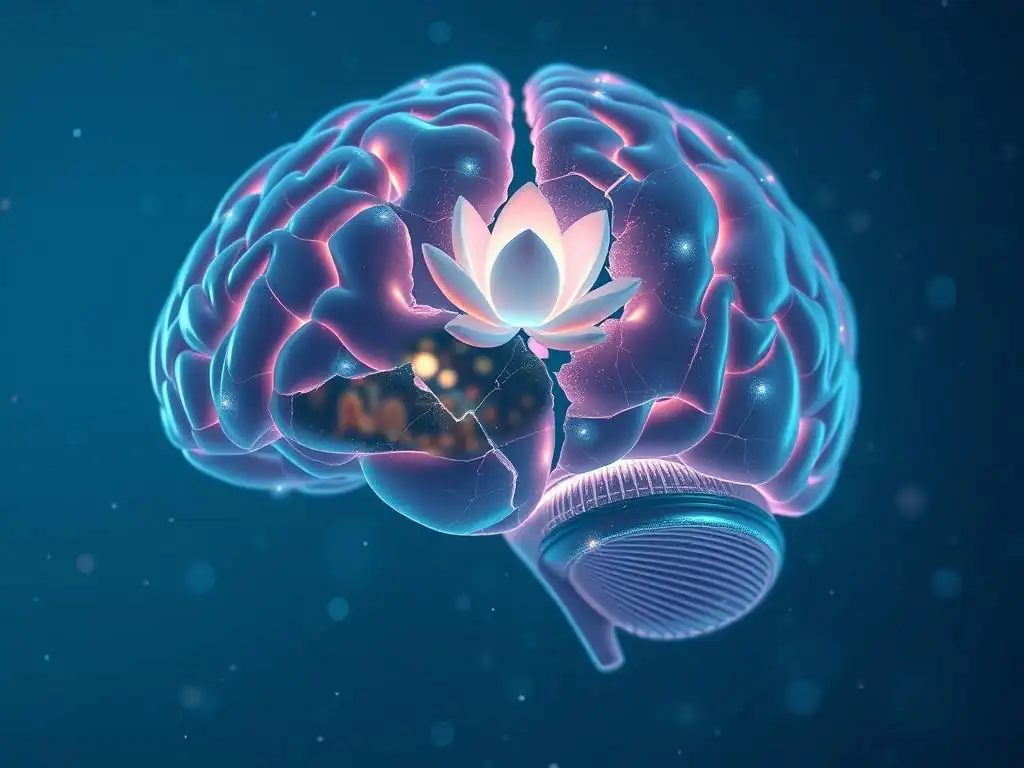
Welcome to Mind Care Guide, a safe space to explore your mental well-being.
Ever wonder why certain sights, sounds, or even smells can suddenly transport you back to a difficult experience? Our journey into understanding the science behind trauma begins here. We delve into how trauma triggers brain reactions, unpacking the complex neurological processes that can leave you feeling overwhelmed. Let's explore this together and discover pathways toward healing and resilience. Are you ready to understand why your brain reacts the way it does?
The Science of Triggers: Why Your Brain Reacts to Certain Stimuli After Trauma
- Understanding Trauma Triggers and Brain Reactions: An Introduction
- What are Trauma Triggers? Defining Stimuli and Their Impact
- The Neuroscience Behind Trauma Triggers and Brain Activity
- Trauma Triggers and the Fight-or-Flight Response: A Biological Explanation
- Specific Types of Trauma and Their Associated Triggers
- The Psychological Impact of Trauma Triggers
-
Managing and Coping with Trauma Triggers: Practical Strategies
- Identifying and Documenting Personal Trauma Triggers
- Developing a Trigger Management Plan: A Step-by-Step Guide
- Grounding Techniques for Managing Trigger-Induced Anxiety
- Mindfulness and Meditation for Regulating Emotional Responses to Triggers
- Seeking Professional Help: Therapy and Trauma-Informed Care
- The Role of Therapy in Addressing Trauma Triggers and Brain Changes
- Supporting Loved Ones Who Experience Trauma Triggers
- The Long-Term Effects of Untreated Trauma Triggers
- Research and Future Directions in Understanding Trauma Triggers and Brain Reactions
-
Frequently Asked Questions
- ### What are trauma triggers and how do they relate to brain reactions?
- ### How does trauma affect the brain's response to triggers?
- ### What are some common examples of trauma triggers?
- ### What brain regions are most involved in the reaction to trauma triggers?
- ### How can understanding the science behind trauma triggers help in recovery?
- Final Reflection: Understanding and Overcoming Trauma's Grip
- Unlock Your Brain's Resilience: Take Control of Your Triggers
Understanding Trauma Triggers and Brain Reactions: An Introduction
Trauma can leave a lasting imprint on the brain, fundamentally altering how it processes information and responds to the world. One of the most challenging aspects for individuals who have experienced trauma, particularly those with Post-Traumatic Stress Disorder (PTSD), is the phenomenon of trauma triggers.
These are stimuli from the environment or even internal thoughts and feelings that are associated with the traumatic event and can elicit intense emotional and physiological reactions, often feeling as though the trauma is happening again in the present moment. Understanding how these trauma triggers impact brain reactions is a critical step towards healing and recovery.
The intense and often overwhelming responses to triggers are not a sign of weakness, but rather a complex biological process rooted in the brain's attempt to protect itself. When trauma occurs, the brain prioritizes survival, encoding memories differently and becoming hypersensitive to potential threats. This hypersensitivity means that stimuli, even those seemingly innocuous to others, can activate the brain's survival circuits, leading to the involuntary and powerful trauma triggers brain reactions that characterize conditions like PTSD. Delving into the neuroscience behind these reactions provides valuable insight into why they happen and how they can be managed.
What are Trauma Triggers? Defining Stimuli and Their Impact
Trauma triggers are sensory cues, situations, or thoughts that remind an individual, consciously or unconsciously, of a past traumatic experience. These stimuli act as a bridge between the present moment and the encoded memory of the trauma, essentially signaling danger to the brain. The impact can range from mild anxiety or discomfort to severe panic attacks, flashbacks, or dissociation, significantly disrupting daily life and emotional stability.
The power of trauma triggers lies in their ability to bypass rational thought processes and directly activate the brain's emotional and survival centers. Because the original trauma was perceived as a life-threatening event, the brain learned to associate any elements present during that time with extreme danger. When a trigger is encountered later, the brain reacts as if the original threat is imminent, initiating a cascade of physiological and psychological responses intended for survival. This automatic and often overwhelming response highlights the deep impact trauma has on neural pathways and how trauma triggers manifest as powerful brain reactions.
Identifying Common Trauma Triggers: A Comprehensive List
Trauma triggers can be incredibly diverse and highly personal, depending on the nature of the traumatic event and the individual's unique experience. They can be external, like sights, sounds, smells, tastes, or textures, or internal, such as thoughts, emotions, or physical sensations.
Examples of common external triggers include: specific places (e.g., a street corner where an accident occurred), certain sounds (e.g., loud bangs resembling gunfire, a specific song played during abuse), particular smells (e.g., gasoline for a combat veteran, a certain perfume), visual cues (e.g., flashing lights, someone wearing specific clothing), or even weather conditions (e.g., a stormy night). Internal triggers might include feelings of helplessness, fear, or shame, or physical sensations like a racing heart or a sudden feeling of being trapped.
For instance, a veteran of the Iraq War might find the smell of diesel fuel and sand or the sound of distant fireworks to be powerful triggers, initiating a fight-or-flight response. Similarly, someone who experienced a car accident might be triggered by the sound of screeching tires or the sight of crumpled metal.
A survivor of a house fire might be triggered by the smell of smoke or the sound of a smoke alarm.
The Difference Between Trauma Triggers and Everyday Stressors
While everyday stressors are common experiences that can cause temporary discomfort, anxiety, or frustration – like a looming deadline, traffic jams, or minor disagreements – trauma triggers are fundamentally different in their origin, intensity, and the type of brain reactions they provoke. Stressors relate to current challenges and are processed by the brain's executive functions, allowing for coping and problem-solving.
Trauma triggers, however, bypass these higher-level processing centers and directly activate the more primitive parts of the brain involved in survival. The response is often disproportionate to the present situation because it's rooted in the brain mistaking a current stimulus for a past threat. The feeling isn't just stress; it's often a reliving or intense re-experiencing of the original terror or helplessness, characterized by involuntary and overwhelming trauma triggers brain reactions that feel outside of one's control. This distinction is crucial for understanding the unique challenges faced by trauma survivors.
The Neuroscience Behind Trauma Triggers and Brain Activity
Trauma has a profound and measurable impact on brain structure and function, altering neural pathways involved in threat detection, emotional regulation, and memory processing. These changes lay the groundwork for why trauma triggers elicit such powerful brain reactions. Key brain regions involved include the amygdala, hippocampus, and prefrontal cortex, which interact in complex ways to process fear, memory, and executive control.
Research using neuroimaging techniques like fMRI has provided significant insights into how the brain responds to trauma triggers. Studies have shown increased activity in the amygdala, decreased activity in the prefrontal cortex, and sometimes reduced volume in the hippocampus in individuals with PTSD when exposed to trauma-related stimuli compared to neutral stimuli or compared to individuals without trauma histories. These findings underscore the biological basis of trauma triggers brain reactions.
How Trauma Alters Brain Structure and Function
Chronic stress and trauma can lead to structural changes in the brain, particularly in areas associated with fear, memory, and executive function. The amygdala, the brain's alarm system, can become hyperactive and enlarged, making an individual more prone to perceiving threats.
Conversely, the hippocampus, crucial for forming new memories and contextualizing experiences in time and place, can show reduced volume and impaired function. This can make it difficult to distinguish between past danger and present safety, contributing to flashbacks and the feeling that a triggered event is happening now.
The prefrontal cortex (PFC), responsible for rational thought, decision-making, and regulating emotions, can show decreased activity or volume, reducing its ability to modulate the amygdala's fear response and manage intense emotions elicited by trauma triggers. For example, studies on combat veterans with PTSD have shown measurable differences in the volume and connectivity of these brain regions compared to veterans without PTSD.
The Role of the Amygdala in Trigger Responses: Fear and Memory
The amygdala is a small, almond-shaped structure deep within the brain that plays a central role in processing emotions, particularly fear. It acts as a rapid-response system, quickly assessing incoming sensory information for potential threats and initiating a fear response even before the conscious brain has fully processed the stimulus.
Following trauma, the amygdala can become hypersensitive, essentially set on a hair-trigger. This means that even subtle cues reminiscent of the trauma can activate the amygdala, triggering an immediate fear response and initiating the fight-or-flight mechanism. This heightened reactivity of the amygdala is a key component of trauma triggers brain reactions, explaining why responses can be so instantaneous and intense, overriding conscious control. For instance, a sudden loud noise might cause an exaggerated startle response because the amygdala instantly interprets it as a potential threat associated with past trauma.
The Hippocampus and Trigger Association: Connecting Stimuli to Past Events
The hippocampus is vital for the formation and retrieval of explicit memories, including the context (time, place, and circumstances) of events. It helps us differentiate between past experiences and the present moment.
In trauma, the hippocampus's function can be impaired, leading to difficulties in properly encoding and retrieving the traumatic memory. Instead of being stored as a coherent narrative in the past, fragments of the trauma (sensory details, emotions, physical sensations) can be stored in a disorganized manner.
When a trigger is encountered, the hippocampus may fail to contextualize the memory as belonging to the past, leading to the feeling of reliving the trauma. This impaired contextual memory function contributes significantly to the disorientation and intensity of trauma triggers brain reactions, making it hard for the individual to ground themselves in the present.
The Prefrontal Cortex and Trigger Regulation: Managing Emotional Responses
The prefrontal cortex (PFC), particularly the medial PFC, plays a crucial role in executive functions, including emotional regulation, decision-making, and inhibiting impulsive responses. It works by receiving input from the amygdala and other emotional centers and modulating their activity based on the current context and learned behaviors.
In individuals who have experienced trauma, the connection and communication between the PFC and the amygdala can be weakened or altered. This reduced top-down control from the PFC means it is less effective at dampening the amygdala's fear response when a trigger is encountered. As a result, the intense emotional and physiological reactions initiated by trauma triggers are less likely to be inhibited or regulated, leading to prolonged distress and difficulty returning to a state of calm. The weakened PFC contributes to the feeling of being overwhelmed by trauma triggers brain reactions.
Trauma Triggers and the Fight-or-Flight Response: A Biological Explanation
Trauma triggers directly activate the body's innate survival mechanism: the fight-or-flight response, also known as the acute stress response. This biological cascade is designed to help an organism confront or escape immediate danger. When a trigger is perceived, the brain signals the body to prepare for action, releasing stress hormones and increasing physiological arousal.
This response is mediated by the sympathetic nervous system and the endocrine system (specifically the hypothalamic-pituitary-adrenal or HPA axis). While essential for survival in genuinely threatening situations, this response becomes problematic when it is triggered by benign stimuli in the present, leading to chronic stress and distress. Understanding this biological link helps explain the involuntary and intense nature of trauma triggers brain reactions.
How Triggers Activate the Sympathetic Nervous System
Upon encountering a trigger, the amygdala signals the hypothalamus, which in turn activates the sympathetic nervous system. This system prepares the body for rapid action. Neurotransmitters like norepinephrine are released, causing immediate physiological changes.
These changes include an increased heart rate to pump blood faster to muscles, rapid breathing to maximize oxygen intake, dilation of pupils to improve vision, and a surge of energy due to glucose release. Digestion slows down, and blood is diverted away from non-essential functions. This entire process happens in milliseconds, demonstrating the efficiency with which trauma triggers can activate the body's survival machinery, resulting in powerful and sometimes debilitating trauma triggers brain reactions.
The Physiological Manifestations of Trigger-Induced Reactions
The activation of the sympathetic nervous system by trauma triggers results in a range of physical symptoms that can feel overwhelming and frightening. These are the body's preparations for fighting or fleeing a perceived threat, even if no real danger exists in the present moment.
Common physiological manifestations include a pounding heart, rapid or shallow breathing, chest tightness, sweating, trembling, muscle tension, dizziness, nausea, and a feeling of being detached from reality (dissociation). In some cases, these reactions can escalate into a full-blown panic attack. For example, someone triggered by a loud noise might experience their heart rate jump from a resting 70 bpm to over 120 bpm within seconds, accompanied by intense sweating and trembling hands. These physical symptoms are direct consequences of the body's biological response to trauma triggers brain reactions.
Specific Types of Trauma and Their Associated Triggers

The nature of the traumatic event significantly influences the types of stimuli that become triggers. Different traumas imprint different associations in the brain, leading to specific patterns of trauma triggers brain reactions. Understanding these associations is vital for identification and management.
While overlap exists, the context and sensory details of the original trauma shape the specific triggers. For instance, triggers related to combat trauma will differ significantly from those related to childhood abuse or natural disasters, reflecting the unique environments and threats involved in each experience.
Combat trauma exposes individuals to extreme violence, constant threat, and loss. Triggers for military personnel and veterans often relate directly to the sensory experiences of the battlefield.
Common triggers include loud noises (fireworks, car backfires, construction sounds) resembling gunfire or explosions, specific smells (diesel fuel, burning rubber, dust, body odor), visual cues (crowds, specific landscapes, uniforms), or situations involving perceived lack of control or confinement. For example, a veteran might experience intense anxiety and hypervigilance in a crowded supermarket due to the feeling of being exposed and unable to monitor their surroundings, reminiscent of patrol duty. Another might be triggered by the smell of gunpowder during fireworks displays on holidays. These specific associations drive the trauma triggers brain reactions in military PTSD.
Childhood abuse, whether physical, emotional, or sexual, occurs during critical periods of brain development, leading to profound and lasting impacts. Triggers are often related to elements present during the abuse or situations that replicate the power dynamics and emotions of the abuse.
Triggers can include specific sounds (a tone of voice, a particular song), smells (a certain perfume or food), visual cues (clothing, facial expressions), physical sensations (a touch, a specific feeling of confinement), or situations that involve feeling vulnerable, trapped, or controlled. For instance, an adult survivor of childhood sexual abuse might be triggered by a specific scent worn by the abuser or by situations where they feel physically confined or unable to escape.
Emotional triggers like feeling criticized or shamed can also be powerful, replicating the emotional environment of the abuse. The long-term effects of abuse on brain development contribute to the complex nature of these trauma triggers brain reactions.
Natural disasters like earthquakes, hurricanes, floods, or wildfires involve unpredictable and overwhelming environmental threats that can cause significant trauma. Triggers are often linked to sensory experiences and conditions present during the disaster.
Common triggers include specific weather patterns (heavy rain, strong winds, thunder), environmental sights (flooded streets, damaged buildings, fire), sounds (sirens, alarms, creaking structures), or even certain smells (mold after a flood, smoke after a fire). For example, a survivor of a devastating hurricane might experience intense panic during a severe thunderstorm, feeling the same terror and helplessness as during the original event. The sound of a fire alarm can be a powerful trigger for someone who survived a wildfire. These environmental cues are potent drivers of trauma triggers brain reactions in disaster survivors.
Sexual assault is a deeply violating trauma, and triggers are often highly personal and linked to the specific circumstances and sensory details of the assault. These triggers can be particularly challenging due to their pervasive nature in everyday life.
Triggers can include specific smells (a particular cologne or alcohol), sounds (a certain song, a tone of voice), visual cues (clothing, physical appearance), physical sensations (a touch, a feeling of being trapped or restrained), or situations involving intimacy, power dynamics, or specific locations. For example, a survivor might be triggered by a specific scent worn by the perpetrator, or by being in a crowded space where they feel unable to move freely.
Trust issues and feelings of vulnerability can also act as internal triggers. The intensely personal nature of these stimuli contributes to the profound trauma triggers brain reactions experienced by survivors.
The Psychological Impact of Trauma Triggers
Beyond the immediate physiological response, trauma triggers have a significant psychological impact, affecting emotions, thoughts, and behaviors. These psychological effects contribute to the ongoing distress and functional impairment associated with trauma-related disorders.
The psychological burden of constantly anticipating or reacting to triggers can be immense, leading to chronic anxiety, avoidance behaviors, and difficulties in maintaining relationships and engaging in daily activities. The brain's altered state makes it prone to misinterpreting neutral stimuli as threats, perpetuating a cycle of fear and hypervigilance driven by trauma triggers brain reactions.
Emotional Distress and Trauma Triggers: Anxiety, Fear, and Panic
One of the most immediate psychological impacts of encountering a trauma trigger is intense emotional distress. This can manifest as overwhelming feelings of anxiety, fear, terror, or panic, often disproportionate to the actual threat in the present moment.
These emotions are a direct result of the amygdala's activation and the subsequent cascade of biological responses. The individual may feel a sudden surge of dread, a sense of impending doom, or an intense wave of fear that feels identical to the fear experienced during the original trauma. These intense emotional states are hallmark psychological manifestations of trauma triggers brain reactions.
Cognitive Distortions and Trigger Interpretation
Trauma can alter cognitive processing, leading to distortions in how individuals perceive and interpret information, especially when triggered. The brain, primed for danger, may misinterpret ambiguous cues as threatening.
This can involve catastrophizing (assuming the worst-case scenario), overgeneralization (believing that if one situation is dangerous, all similar situations are dangerous), or personalization (believing that negative events are somehow their fault). For example, a person triggered by a car backfiring might instantly believe they are under attack, rather than recognizing it as a common sound. These cognitive distortions amplify the emotional and physiological trauma triggers brain reactions, making it harder to rationally assess the situation.
Behavioral Changes Resulting from Trigger Exposure
The psychological impact of trauma triggers also leads to significant behavioral changes, primarily driven by the brain's attempt to avoid perceived danger and minimize distress. Avoidance is a common coping mechanism, though often maladaptive in the long term.
Individuals may actively avoid places, people, or situations that they associate with triggers. This can lead to social isolation, difficulty working or attending school, and a restricted lifestyle. They may also develop safety behaviors, such as constantly scanning their surroundings (hypervigilance), carrying protective objects, or demanding reassurance from others. For example, someone triggered by crowds might stop using public transport or attending social gatherings. These behavioral adaptations are direct consequences of the powerful trauma triggers brain reactions and the drive to escape them.
Managing and Coping with Trauma Triggers: Practical Strategies
While trauma triggers can feel overwhelming and involuntary, it is possible to develop strategies to manage their impact and reduce the intensity of trauma triggers brain reactions. This involves understanding personal triggers, developing coping skills, and gradually learning to tolerate trigger exposure in a safe environment.
Effective management requires a combination of self-awareness, learned techniques, and often professional support. The goal is not necessarily to eliminate triggers entirely, but to change the brain's learned response to them, reducing their power to hijack the nervous system.
Identifying and Documenting Personal Trauma Triggers
The first step in managing trauma triggers is to become aware of what they are. This requires careful observation and reflection. Keeping a trigger journal can be a valuable tool for tracking triggers and the associated reactions.
In the journal, note the date, time, situation, the specific trigger encountered (what was seen, heard, smelled, felt, or thought), the immediate physical and emotional reactions, and any subsequent behaviors. Over time, patterns may emerge, helping to identify specific stimuli that reliably elicit trauma triggers brain reactions. For example, someone might notice that every time they smell a certain type of flower, they experience intense anxiety and a racing heart. Documenting this helps connect the stimulus to the response.
Developing a Trigger Management Plan: A Step-by-Step Guide
Once triggers are identified, developing a proactive plan for managing them is crucial. A trigger management plan outlines specific steps to take when a trigger is encountered or when anticipating exposure to a known trigger.
A plan might include: 1. Recognizing the early signs of being triggered (e.g., increased heart rate, feeling tense). 2. Implementing immediate coping skills (e.g., grounding techniques, deep breathing). 3. Having a safe person to contact or a safe place to go if possible. 4. Reminding oneself that the trigger is associated with the past, not the present danger. 5. Planning for potential trigger exposure in advance (e.g., choosing a different route to avoid a triggering location). This structured approach helps individuals feel more prepared and in control when faced with trauma triggers brain reactions.
Grounding Techniques for Managing Trigger-Induced Anxiety
Grounding techniques are simple yet powerful strategies designed to bring an individual's focus back to the present moment when they are experiencing intense anxiety, dissociation, or flashbacks triggered by trauma. They counteract the feeling of being pulled back into the trauma.
Common grounding techniques include the "5-4-3-2-1" method (identifying 5 things you can see, 4 things you can touch, 3 things you can hear, 2 things you can smell, and 1 thing you can taste), focusing on the sensations of your feet on the ground, holding a comforting object, or describing the details of your immediate surroundings. For instance, if triggered in a park, one might focus on the feeling of the bench beneath them, the sound of birds, the sight of leaves, the smell of grass, and the taste of mint from gum.
These techniques help anchor the individual in the present, reducing the intensity of the trauma triggers brain reactions.
Mindfulness and Meditation for Regulating Emotional Responses to Triggers
Mindfulness and meditation practices can help individuals develop greater awareness of their thoughts, feelings, and bodily sensations without judgment. This increased awareness can be invaluable in recognizing triggers and managing the subsequent emotional and physiological responses.
Regular practice can help strengthen the connection between the prefrontal cortex and the amygdala, improving the brain's ability to regulate emotional responses. By learning to observe intense emotions or physical sensations associated with triggers without being overwhelmed by them, individuals can develop a greater capacity to tolerate distress and choose how to respond rather than reacting automatically. Even short daily mindfulness sessions (5-10 minutes) have been shown in some studies to potentially impact amygdala reactivity over time, helping to modulate trauma triggers brain reactions.
Seeking Professional Help: Therapy and Trauma-Informed Care
Managing trauma triggers and the complex trauma triggers brain reactions they cause is often best achieved with the support of a mental health professional specializing in trauma. Therapists provide a safe space to process trauma and learn effective coping strategies.
Trauma-informed care recognizes the pervasive impact of trauma and incorporates this understanding into all aspects of treatment. Therapies such as Trauma-Focused Cognitive Behavioral Therapy (TF-CBT), Eye Movement Desensitization and Reprocessing (EMDR), and Dialectical Behavior Therapy (DBT) are specifically designed to help individuals process traumatic memories, challenge negative beliefs, and develop skills to manage triggers and regulate emotions. These therapies directly target the brain's response to trauma.
The Role of Therapy in Addressing Trauma Triggers and Brain Changes

Therapy plays a crucial role in addressing the underlying impact of trauma on the brain and helping individuals modify their response to triggers. Various therapeutic modalities are effective in processing traumatic memories and developing new coping mechanisms.
These therapies work by helping the brain reprocess the traumatic event in a safe, controlled environment, reducing the emotional intensity associated with the memory and its triggers. They aim to strengthen the prefrontal cortex's ability to regulate the amygdala and improve the hippocampus's ability to contextualize the memory as belonging to the past, thereby changing the nature of trauma triggers brain reactions.
Trauma-Focused Cognitive Behavioral Therapy (TF-CBT)
Trauma-Focused Cognitive Behavioral Therapy (TF-CBT) is an evidence-based treatment specifically designed for children, adolescents, and their parents impacted by trauma. An adapted version exists for adults. It combines trauma-sensitive interventions with cognitive behavioral principles.
TF-CBT typically involves several components, including psychoeducation about trauma and its effects on the brain, parenting skills (for children/adolescent therapy), relaxation techniques, affective modulation skills, cognitive processing of the trauma, creating a trauma narrative, in vivo exposure (gradual exposure to mild triggers), and conjoint sessions (for family therapy). By processing the trauma narrative and challenging negative thoughts and beliefs related to the trauma, TF-CBT helps to reduce the power of trauma triggers and alter the associated brain reactions. Studies have shown significant reductions in PTSD symptoms in individuals who complete TF-CBT.
Eye Movement Desensitization and Reprocessing (EMDR) Therapy
Eye Movement Desensitization and Reprocessing (EMDR) is a psychotherapy approach that helps individuals process distressing memories and reduce their lasting effects. It is based on the theory that traumatic memories are improperly stored in the brain, making them easily triggered.
During EMDR, the therapist guides the client through a structured process of recalling the traumatic memory while simultaneously engaging in bilateral stimulation, such as eye movements, taps, or tones. This bilateral stimulation is thought to help the brain process the memory more adaptively, reducing the emotional intensity and physiological arousal associated with it. Research suggests that EMDR can effectively "reprocess" traumatic memories, leading to a significant reduction in the frequency and intensity of trauma triggers brain reactions.
Dialectical Behavior Therapy (DBT) for Processing Trauma and Managing Triggers
Dialectical Behavior Therapy (DBT), originally developed for individuals with Borderline Personality Disorder, has proven highly effective for treating trauma survivors, particularly those struggling with intense emotional dysregulation, suicidal ideation, and self-harm behaviors often exacerbated by trauma triggers.
DBT focuses on teaching skills in four core modules: mindfulness, distress tolerance, emotion regulation, and interpersonal effectiveness. For trauma survivors, DBT skills, especially distress tolerance and emotion regulation, are critical for managing the intense emotional and physiological responses elicited by triggers. Mindfulness helps individuals observe their triggers and reactions without judgment, while distress tolerance skills provide concrete ways to get through moments of intense pain without making things worse.
Emotion regulation skills help identify and change intense emotions. While not solely focused on trauma processing like TF-CBT or EMDR, DBT provides essential tools for managing the impact of trauma triggers brain reactions on daily life.
Supporting Loved Ones Who Experience Trauma Triggers
Supporting someone who experiences trauma triggers requires patience, empathy, and a willingness to understand their experience. Loved ones play a vital role in creating a supportive environment and helping the individual navigate the challenges posed by triggers.
It's important to remember that responses to triggers are involuntary and rooted in the brain's survival mechanisms, not intentional behavior. Education about trauma triggers and brain reactions is crucial for friends and family members to provide effective support without judgment.
Understanding the Impact of Triggers on Daily Life
Trauma triggers can significantly disrupt a person's daily life, affecting their ability to work, socialize, maintain relationships, and engage in activities they once enjoyed. The constant hypervigilance and avoidance behaviors driven by the fear of being triggered can lead to isolation and functional impairment.
For someone with frequent or intense trauma triggers, even simple tasks like going to the grocery store or attending a family gathering can become overwhelming challenges. The energy spent managing or avoiding triggers leaves less capacity for other aspects of life. Recognizing this profound impact helps loved ones appreciate the strength and resilience required to navigate life with trauma triggers brain reactions.
Creating a Safe and Supportive Environment
Creating a physically and emotionally safe environment is paramount for supporting someone with trauma triggers. This involves minimizing exposure to known triggers where possible and responding calmly and supportively when triggers do occur.
Safety also involves emotional validation and non-judgment. Avoid minimizing their reactions or telling them to "just get over it." Instead, offer a listening ear, ask what they need in the moment, and respect their boundaries and coping strategies (unless they are harmful). A safe environment provides a stable base from which the individual can begin to work through their trauma and learn to manage their trauma triggers brain reactions.
Effective communication is key when supporting someone through a trigger response. This involves staying calm yourself, using clear and simple language, and following the individual's lead if they have expressed what helps them during these times.
Avoid asking too many questions or demanding explanations during an intense reaction. Instead, offer simple, grounding statements like "You are safe now" or "You are here with me." Ask "How can I help you feel safe right now?" or "What do you need?" Listen actively and patiently. Understanding that their brain is reacting to a perceived threat from the past allows for a more compassionate and helpful response to their trauma triggers brain reactions in the present.
The Long-Term Effects of Untreated Trauma Triggers
If trauma triggers and the underlying trauma are left unaddressed, they can lead to chronic and debilitating conditions with significant long-term consequences for an individual's physical and mental health, relationships, and overall quality of life.
Untreated trauma and its triggers perpetuate a state of chronic stress, which has detrimental effects on the brain and body. The constant activation of the stress response system can contribute to a range of physical health problems over time, in addition to worsening psychological symptoms.
The Potential for Chronic PTSD
Untreated trauma triggers are a hallmark symptom of Post-Traumatic Stress Disorder (PTSD). Without intervention, the condition can become chronic, meaning symptoms persist for years or even decades.
Chronic PTSD involves persistent re-experiencing of the trauma (via flashbacks, nightmares, or intense reactions to triggers), avoidance of trigger-related stimuli, negative changes in thoughts and mood, and hyperarousal (being easily startled, difficulty concentrating, irritability). The ongoing struggle with intense trauma triggers brain reactions makes it difficult to maintain stable emotional states and engage fully in life, solidifying the diagnosis of chronic PTSD.
The avoidance behaviors, emotional dysregulation, and hypervigilance associated with untreated trauma triggers can severely strain relationships and impair social functioning. Difficulty trusting others, irritability, emotional numbness, or sudden outbursts triggered by perceived threats can push loved ones away.
Individuals may isolate themselves to avoid potential triggers in social situations, leading to loneliness and loss of social support, which is vital for recovery. The inability to participate in social activities or maintain consistent employment due to unpredictable trauma triggers brain reactions further impacts their ability to connect with others and function effectively in society.
The Importance of Early Intervention and Treatment
Given the potential for chronic and debilitating effects, early intervention and treatment for trauma and its associated triggers are critically important. Seeking help soon after a traumatic event or when symptoms like triggers begin to significantly impact life can prevent the condition from becoming entrenched.
Effective, evidence-based therapies can help individuals process the trauma, learn coping skills, and fundamentally change their brain's response to triggers. Addressing trauma triggers brain reactions early increases the likelihood of a full recovery and prevents the long-term physical and psychological health consequences associated with chronic stress and untreated PTSD.
Research and Future Directions in Understanding Trauma Triggers and Brain Reactions
Scientific research continues to deepen our understanding of how trauma impacts the brain and why specific stimuli become triggers. Advances in neuroimaging, genetics, and psychopharmacology are opening new avenues for treatment and intervention.
Future research aims to develop more targeted therapies that specifically address the neural pathways altered by trauma, potentially leading to more effective and personalized treatments for trauma triggers and their complex brain reactions. The field is constantly evolving, bringing hope for better outcomes for trauma survivors.
Emerging Therapies and Interventions
Research is exploring novel therapeutic approaches for trauma and triggers. These include psychedelic-assisted therapy (e.g., using MDMA or psilocybin in controlled, therapeutic settings), which shows promise in helping individuals process traumatic memories with reduced fear and defensiveness.
Other emerging interventions involve using virtual reality (VR) for controlled exposure therapy to triggers, allowing individuals to practice coping skills in a simulated safe environment. Neurofeedback, which aims to help individuals regulate their brain activity, is also being investigated as a potential tool to modulate the brain's response to trauma triggers. These innovative approaches represent future directions in treating trauma triggers brain reactions.
The Role of Neuroplasticity in Trauma Recovery
Neuroplasticity, the brain's ability to reorganize itself by forming new neural connections throughout life, is a key concept in trauma recovery. It means that the brain changes caused by trauma are not necessarily permanent.
Therapeutic interventions work by leveraging neuroplasticity to create new, healthier neural pathways. Through repeated practice of coping skills, processing traumatic memories in a safe environment, and gradually confronting triggers, the brain can learn to respond differently. This re-learning process helps weaken the automatic, fear-based trauma triggers brain reactions and strengthens the pathways associated with safety, regulation, and rational processing.
Continued Research on the Brain's Response to Trauma
Ongoing research continues to refine our understanding of the precise neural mechanisms underlying trauma triggers. Studies are investigating the role of specific neurotransmitters, genetic factors, and the impact of trauma at different developmental stages.
Researchers are also using advanced techniques like connectomics to map the complex networks in the brain affected by trauma, seeking to identify specific biomarkers that could predict vulnerability to PTSD or treatment response. This continued scientific exploration into how trauma triggers impact brain reactions is essential for developing more effective prevention strategies and treatments that target the root causes of post-traumatic stress.
Frequently Asked Questions
### What are trauma triggers and how do they relate to brain reactions?
Trauma triggers are sensory or emotional stimuli that remind someone of a past traumatic event, causing a strong emotional and physiological reaction. This happens because the brain associates these triggers with the original trauma.
### How does trauma affect the brain's response to triggers?
Trauma can alter the brain's structure and function, particularly in areas like the amygdala (responsible for fear) and the hippocampus (responsible for memory). This leads to an exaggerated fear response and difficulty distinguishing between past danger and present safety.
### What are some common examples of trauma triggers?
Common triggers can be sensory, like certain smells, sounds, or sights. They can also be emotional, such as anniversaries, specific types of interactions, or even places that resemble the location of the trauma.
### What brain regions are most involved in the reaction to trauma triggers?
The amygdala plays a crucial role in processing emotions, especially fear, and becomes hyperactive after trauma. The hippocampus is responsible for memory and can struggle to properly contextualize traumatic memories. The prefrontal cortex, which regulates emotions, may also be affected.
### How can understanding the science behind trauma triggers help in recovery?
Knowing that triggers are a neurological response and not a sign of weakness can be empowering. It allows individuals to develop coping strategies and seek appropriate therapeutic interventions to manage their reactions and eventually desensitize to the triggers.
Final Reflection: Understanding and Overcoming Trauma's Grip
The science of triggers isn't just a theoretical concept; it's a lived reality for millions grappling with the aftermath of trauma. Understanding how our brains react to specific stimuli after experiencing significant adversity is crucial for fostering healing and building resilience. This knowledge empowers us to navigate the world with greater awareness and compassion, both for ourselves and others.
The impact of trauma extends far beyond the initial event, weaving itself into the fabric of our daily lives. It shapes our perceptions, influences our relationships, and can even dictate our future choices. The ongoing research into the neurobiological mechanisms behind triggers underscores the profound and lasting effects of trauma. The body keeps the score,
as Bessel van der Kolk so poignantly puts it, reminding us that trauma isn't simply a mental experience; it's deeply embedded in our physical being. This understanding is vital for developing effective therapeutic approaches and fostering a culture of support for those who have experienced trauma.
You now possess a deeper understanding of the science behind your reactions. This knowledge is not just information; it's a tool. Take the time to reflect on your own experiences, identify potential triggers, and explore healthy coping mechanisms. Seek support if you need it – whether through therapy, support groups, or trusted loved ones. Remember, healing is a journey, not a destination, and understanding the science of triggers is a crucial step towards reclaiming your well-being and building a more resilient future.
Unlock Your Brain's Resilience: Take Control of Your Triggers
Thanks for exploring the fascinating science of triggers with us! We hope you gained valuable insights into how trauma affects your brain and learned strategies to understand and manage your responses. Now it's time to put that knowledge into action.
- Identify your top three most common triggers: This is the crucial first step. Take some time today to reflect and jot them down. It might surprise you what patterns emerge!
- Explore mindful techniques to manage your reactions: Consider practicing deep breathing or meditation when a trigger arises. Even a few minutes can make a difference.
- Share your insights (if you feel comfortable): Starting a conversation with a friend, family member, or support group can bring clarity and shared understanding.
What small step will you take today to better understand and manage your triggers?