
Socratic Questioning: How CPT Challenges Unhelpful Beliefs

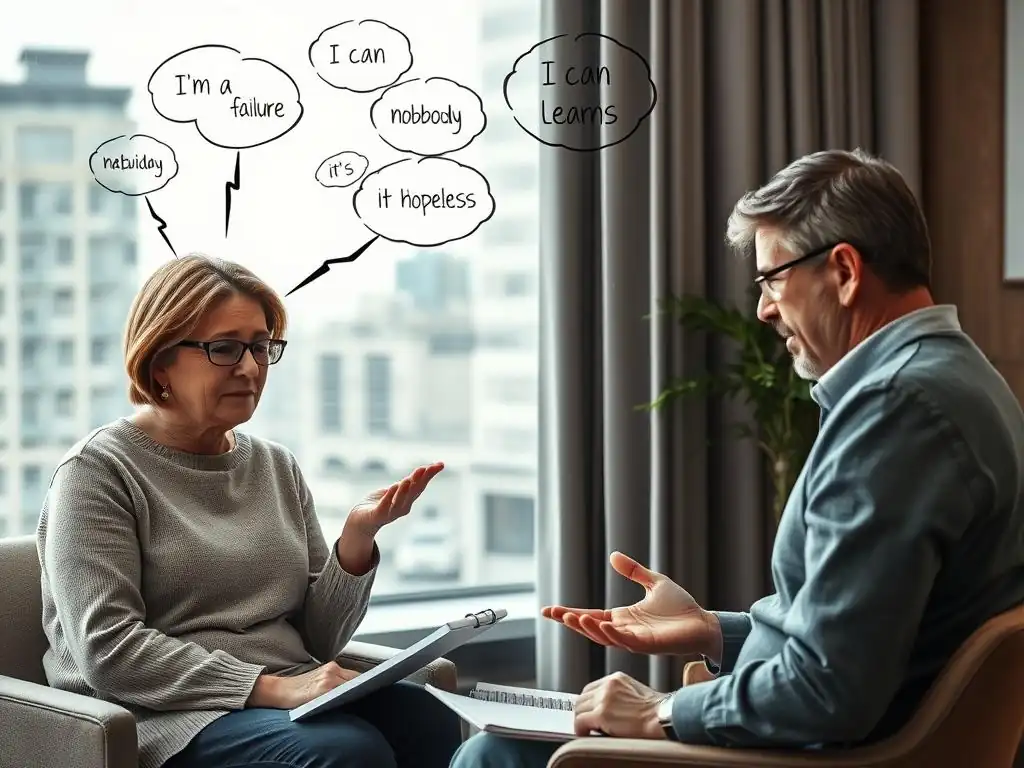
Welcome to Mind Care Guide, a space dedicated to your mental well-being.
Feeling stuck in a cycle of negative thoughts? You're not alone. This guide offers support and resources to navigate mental health challenges. Today, we delve into Cognitive Processing Therapy (CPT) and explore how CPT challenges unhelpful beliefs using a powerful technique known as Socratic Questioning. Curious to learn how this approach can unlock a path toward healing and a more balanced perspective? Let's begin.
Socratic Questioning: How CPT Challenges Unhelpful Beliefs
- Understanding Cognitive Processing Therapy (CPT) and Trauma
- Socratic Questioning: The Cornerstone of CPT
- How CPT Employs Socratic Questioning to Challenge Unhelpful Beliefs
- Benefits of Challenging Unhelpful Beliefs with CPT
- CPT vs. Other Therapies: The Unique Role of Socratic Questioning
- The Effectiveness of CPT in PTSD Treatment: Evidence-Based Outcomes
- Finding a Qualified CPT Therapist
- Conclusion: Empowering Trauma Recovery Through Socratic Questioning and CPT
-
Frequently Asked Questions
- What is Socratic Questioning in the context of Cognitive Processing Therapy (CPT)?
- How does Socratic Questioning specifically help challenge unhelpful beliefs?
- What are some examples of unhelpful beliefs that Socratic Questioning might target?
- Is Socratic Questioning a standalone therapy, or is it always used within a larger framework like CPT?
- What are the potential benefits of using Socratic Questioning to challenge unhelpful beliefs?
- Final Reflection: The Enduring Power of Questioning
- Unlock Your Inner Philosopher: Put Socratic Questioning to the Test!
Understanding Cognitive Processing Therapy (CPT) and Trauma
What is Cognitive Processing Therapy (CPT)? A Brief Overview
Cognitive Processing Therapy, commonly known as CPT, is a specific type of cognitive behavioral therapy that has proven highly effective in treating Post-Traumatic Stress Disorder (PTSD) and related conditions stemming from traumatic experiences. Developed in the late 1980s by Patricia Resick, CPT focuses on how individuals process and understand the traumatic event, rather than recounting the details of the trauma itself repeatedly. The core principle is that trauma can disrupt an individual's fundamental beliefs about safety, trust, power/control, esteem, and intimacy, leading to persistent distress.
CPT typically involves 12 structured sessions, delivered individually or in a group setting. The therapy helps individuals identify and challenge "stuck points" – thoughts and beliefs about the trauma and its aftermath that prevent recovery. This process involves learning to identify distorted thinking patterns and developing more balanced and accurate perspectives. Homework assignments between sessions, such as writing about the trauma's meaning or analyzing thought patterns, are integral to the therapeutic process, helping clients apply learned skills to their daily lives.
The Role of Beliefs in PTSD and Trauma Recovery
Traumatic events can profoundly shatter an individual's core beliefs about themselves, others, and the world. For example, someone who experienced interpersonal violence might develop a belief that "all people are dangerous" or "I am fundamentally flawed." These unhelpful beliefs, often referred to as "stuck points" in CPT, are not necessarily accurate reflections of reality but are interpretations formed in the aftermath of trauma as a way to make sense of the experience and potentially protect oneself from future harm.
These distorted or unhelpful beliefs can significantly contribute to the maintenance of PTSD symptoms like avoidance, hyperarousal, and negative alterations in cognition and mood. For instance, a belief that "the world is completely unsafe" can fuel hypervigilance and anxiety. A belief that "it was my fault" can lead to persistent guilt and depression. Recovery from trauma often hinges on the ability to examine and modify these maladaptive thought patterns, allowing individuals to integrate the traumatic experience into their life story without being continually overwhelmed by its negative impact. CPT challenges unhelpful beliefs directly to facilitate this crucial process.
Socratic Questioning: The Cornerstone of CPT
What is Socratic Questioning? Definition and Purpose
Socratic questioning is a disciplined method of exploratory questioning used to uncover assumptions, explore perspectives, and reveal implications. Named after the classical Greek philosopher Socrates, who used persistent questioning to examine beliefs and arguments, this technique in therapy is not about the therapist providing answers but about guiding the client to discover their own insights. It involves asking open-ended, thought-provoking questions that encourage critical thinking about one's own thoughts and beliefs.
The primary purpose of Socratic questioning in CPT is to help clients evaluate the evidence for and against their unhelpful beliefs related to the trauma. Instead of simply telling a client that a belief is inaccurate, the therapist uses questions to prompt the client to examine the basis of their belief, consider alternative explanations, and weigh the evidence from different angles. This process empowers the client to arrive at their own conclusions about the validity of their thoughts, making any cognitive shifts more meaningful and sustainable.
Why Socratic Questioning is Effective in Trauma Therapy
Trauma often leads to rigid, absolute beliefs that feel undeniably true to the survivor, even if they are not entirely accurate or helpful. Direct confrontation of these beliefs by a therapist can feel invalidating or even re-traumatizing. Socratic questioning offers a gentler, more collaborative approach. It respects the client's experience while subtly guiding them to question the conclusions they've drawn from that experience.
By encouraging the client to think critically about their "stuck points," Socratic questioning helps loosen the grip of these rigid beliefs. It allows the client to see nuances they might have missed and consider alternative interpretations of the trauma and its impact. This active engagement in evaluating their own thoughts fosters a sense of agency and control, which is often diminished by trauma.
Ultimately, Socratic questioning in CPT helps clients build a more flexible and realistic understanding of their trauma, themselves, and the world, which is essential for reducing PTSD symptoms and improving overall well-being. This is a core mechanism by which CPT challenges unhelpful beliefs.
How CPT Employs Socratic Questioning to Challenge Unhelpful Beliefs

The first step in using Socratic questioning within CPT is to help the client identify the specific thoughts and beliefs that are causing them distress and maintaining their PTSD symptoms. These "stuck points" often fall into categories related to safety, trust, power/control, esteem, and intimacy. For example, a client might express a belief like "I am unsafe everywhere," "I cannot trust anyone," or "I am a weak person." Therapists use various methods, including reviewing impact statements or written accounts of the trauma, to pinpoint these key beliefs.
Once identified, these unhelpful beliefs become the target of the therapeutic work. The therapist and client collaboratively list these stuck points. This explicit identification is crucial because many trauma survivors hold these beliefs implicitly without ever having articulated them. Bringing them into conscious awareness makes them available for examination and challenges, setting the stage for how CPT challenges unhelpful beliefs.
The Process of Socratic Questioning in CPT Sessions
In a typical CPT session focused on challenging unhelpful beliefs, the therapist guides the client through a structured process using Socratic questioning. The therapist might start by asking the client to state a specific stuck point, such as "It was my fault." Then, the therapist would use a series of questions to explore the origins and validity of this belief. Questions might probe the evidence supporting the belief, evidence contradicting it, alternative ways of looking at the situation, and the implications of holding the belief.
This process is not a debate but a guided exploration. The therapist maintains a curious, non-judgmental stance, helping the client think through their reasoning. For instance, if a client believes "I am unsafe everywhere," the therapist might ask, "Can you think of a time or place where you have felt safe?" or "What specific evidence makes you feel unsafe in this room right than right now?" These questions prompt the client to look beyond the absolute nature of their belief and consider the nuances and exceptions, which is key to how CPT challenges unhelpful beliefs.
Examples of Socratic Questions Used in CPT
Challenging Beliefs about Safety: A CPT Approach
Beliefs about safety are frequently shattered by trauma, leading to pervasive fear and avoidance. Socratic questioning helps clients evaluate the actual level of threat in their current environment versus their perceived level of threat. For instance, if a client believes "The world is a dangerous place and I am always at risk," a therapist might ask:
- "What specific evidence supports the idea that you are always at risk?"
- "Can you identify any situations or places where you have felt relatively safe since the trauma?"
- "How does the level of risk in your current environment compare to the level of risk during the trauma?"
- "If a friend held this belief, what evidence might you point to that contradicts it?"
These questions encourage the client to differentiate between past danger and present safety, and to look for evidence that contradicts their absolute belief.
Addressing Beliefs about Self-Blame and Responsibility
Survivors often grapple with intense feelings of guilt and self-blame, believing they were responsible for the trauma or could have prevented it. CPT challenges unhelpful beliefs related to responsibility by carefully examining the client's role versus the perpetrator's role or situational factors. Questions might include:
- "What actions did the perpetrator take that caused harm?"
- "What information or options were available to you at the time of the trauma?"
- "What is the difference between responsibility for the trauma occurring and responsibility to cope with the trauma's aftermath?"
- "If someone else experienced a similar trauma, would you assign them the same level of blame you assign yourself? Why or why not?"
This line of questioning helps clients re-attribute responsibility more accurately, reducing unwarranted guilt and self-blame.
Reframing Beliefs about Trust and Relationships after Trauma
Trauma, especially interpersonal trauma, can devastate a person's ability to trust others and engage in healthy relationships, leading to beliefs like "I can't trust anyone" or "All relationships are dangerous." CPT uses Socratic questioning to explore the nuances of trust and relationships. Questions might be:
- "Is there anyone in your life, past or present, whom you have trusted, even partially?"
- "What qualities or behaviors distinguish people you might be able to trust from those you cannot?"
- "How does believing 'I can't trust anyone' impact your ability to form supportive connections?"
- "What steps could you take to assess trustworthiness in new relationships, rather than assuming everyone is dangerous?"
These questions help clients move away from absolute mistrust towards a more nuanced understanding of trust as something that can be assessed and built over time in appropriate relationships.
Benefits of Challenging Unhelpful Beliefs with CPT
Reducing PTSD Symptoms Through Cognitive Restructuring
One of the most significant benefits of CPT's approach to challenging unhelpful beliefs is the direct reduction in PTSD symptoms. By modifying distorted thoughts, clients experience a decrease in associated negative emotions and behaviors. For example, challenging a belief about pervasive danger can reduce hypervigilance and anxiety. Reframing self-blame can alleviate guilt and depression.
Studies consistently show that CPT leads to significant reductions in the severity of core PTSD symptoms, including re-experiencing, avoidance, negative cognitions and mood, and hyperarousal. Research indicates that a substantial percentage of clients who complete CPT no longer meet the diagnostic criteria for PTSD. This cognitive restructuring process is a powerful mechanism by which CPT challenges unhelpful beliefs, directly impacting the symptom profile.
Improving Emotional Regulation and Coping Skills
Unhelpful beliefs often fuel intense and dysregulated emotional responses. For instance, the belief "I am helpless" can trigger overwhelming feelings of fear or despair in challenging situations. By challenging and modifying such beliefs through Socratic questioning, clients develop a greater capacity for emotional regulation. They learn to identify the link between their thoughts and feelings and to challenge the thoughts that lead to distress.
Furthermore, as unhelpful beliefs are replaced with more balanced perspectives, clients are better equipped to utilize effective coping skills. Instead of relying on avoidance driven by distorted fears, they can engage in problem-solving or seek support based on a more realistic assessment of their situation. This improved emotional regulation and enhanced coping ability are direct outcomes of successfully challenging unhelpful beliefs in CPT.
Fostering a More Balanced and Realistic Perspective
Trauma can create a lens through which the world appears overwhelmingly negative and dangerous. CPT, through its focus on challenging unhelpful beliefs using Socratic questioning, helps clients develop a more balanced and realistic perspective. They learn to differentiate between the past trauma and the present reality, recognize their own strengths and resilience, and view others with greater nuance.
This shift towards a more balanced perspective is not about minimizing the trauma but about integrating it into a broader understanding of life that includes safety, trust, and hope. Clients learn that while the trauma was real and impactful, it does not define their entire identity or future. This realistic outlook is crucial for long-term recovery and for building a fulfilling life after trauma.
CPT vs. Other Therapies: The Unique Role of Socratic Questioning
Comparing CPT with other Trauma-Focused Therapies
Several evidence-based therapies exist for PTSD, including Prolonged Exposure (PE) and Eye Movement Desensitization and Reprocessing (EMDR). While all aim to reduce PTSD symptoms, their primary mechanisms differ. PE focuses on gradually confronting feared memories, situations, and sensations related to the trauma. EMDR involves processing distressing memories through bilateral stimulation. These therapies primarily target the emotional processing and desensitization of traumatic memories.
CPT, while acknowledging the importance of processing the trauma narrative, places a unique emphasis on the cognitive impact of trauma – specifically, the unhelpful beliefs that develop. While other therapies might indirectly address cognitive distortions, CPT makes challenging these beliefs the central focus, using Socratic questioning as its primary tool for cognitive restructuring. This direct engagement with "stuck points" distinguishes CPT's approach to facilitating recovery.
The Advantages of Socratic Questioning in CPT for Belief Modification
The deliberate and systematic use of Socratic questioning gives CPT a distinct advantage in directly addressing and modifying trauma-related beliefs. Unlike therapies that might focus more on emotional processing or behavioral exposure, CPT directly targets the maladaptive thoughts that underpin many PTSD symptoms. The Socratic method empowers the client to become an active participant in evaluating their own thinking, rather than passively receiving interpretations from the therapist.
This active engagement in challenging unhelpful beliefs makes the cognitive shifts more robust and sustainable. Clients learn a skill (critical evaluation of thoughts) that they can continue to use long after therapy ends. This focus on teaching clients how to challenge their own unhelpful beliefs related to trauma provides a powerful tool for preventing relapse and maintaining long-term mental well-being.
The Effectiveness of CPT in PTSD Treatment: Evidence-Based Outcomes

Research Supporting CPT's Efficacy in Reducing PTSD Symptoms
CPT is recognized as a first-line treatment for PTSD by numerous national and international health organizations, including the American Psychological Association and the U.S. Departments of Veterans Affairs and Defense. Decades of research support its effectiveness across diverse populations and trauma types. Studies have consistently demonstrated that CPT leads to statistically and clinically significant reductions in PTSD symptom severity.
For instance, meta-analyses of CPT studies often report large effect sizes for symptom reduction. Research involving veterans, sexual assault survivors, and individuals exposed to various other traumas has shown positive outcomes. While exact figures vary between studies, it's commonly reported that a significant percentage of individuals who complete CPT achieve remission from their PTSD diagnosis, often ranging from approximately 40% to over 60% in controlled trials, with many others experiencing substantial symptom improvement. This robust body of evidence underscores CPT's power in helping individuals recover from trauma.
How Socratic Questioning Contributes to Positive Treatment Outcomes
The effectiveness of CPT is inextricably linked to its core methodology, particularly the use of Socratic questioning to challenge unhelpful beliefs. By helping clients identify and re-evaluate distorted thoughts about safety, trust, power, esteem, and intimacy, Socratic questioning directly targets the cognitive underpinnings of PTSD. This cognitive restructuring process is a key mechanism of change in CPT.
Through guided self-discovery facilitated by Socratic questioning, clients develop more accurate and adaptive ways of thinking about the trauma and its impact. This leads to a decrease in negative emotions like fear, guilt, and shame, and a reduction in avoidant behaviors. The ability of CPT to challenge unhelpful beliefs using this powerful dialogue technique is a major contributor to its success in helping individuals process trauma and move towards recovery and resilience.
Finding a Qualified CPT Therapist
What to Look for in a CPT Provider
Finding a qualified therapist is crucial for effective CPT treatment. Look for licensed mental health professionals (psychologists, social workers, counselors, psychiatrists) who have received specific training in CPT. While a therapist's general experience with trauma is valuable, CPT is a structured protocol that requires specialized knowledge and practice to implement correctly.
Consider asking potential therapists about their training and experience with CPT. Inquire how long they have been practicing CPT and what percentage of their practice involves treating trauma with CPT. Some therapists may be certified or have completed specific training workshops. A therapist who understands the nuances of the CPT protocol, particularly the skillful application of Socratic questioning, is best equipped to guide you through the process of challenging unhelpful beliefs.
Questions to Ask Potential CPT Therapists About Their Approach to Socratic Questioning
When interviewing potential CPT therapists, don't hesitate to ask specific questions about their therapeutic style, particularly regarding the use of Socratic questioning. For example, you might ask:
- "How do you typically use Socratic questioning in your CPT sessions?"
- "Can you describe your approach to helping clients identify and challenge 'stuck points'?"
- "How do you ensure that the Socratic process feels collaborative and not confrontational?"
- "What is your philosophy on how challenging beliefs contributes to trauma recovery?"
These questions can help you gauge the therapist's understanding of CPT's core techniques and ensure their approach aligns with your needs for a supportive and effective therapeutic relationship focused on how CPT challenges unhelpful beliefs.
Conclusion: Empowering Trauma Recovery Through Socratic Questioning and CPT
The Long-Term Impact of Challenging Unhelpful Beliefs
The unhelpful beliefs that arise from trauma can cast a long shadow, influencing thoughts, feelings, and behaviors for years. However, by actively challenging these beliefs through therapies like CPT, individuals can significantly alter their relationship with the past and build a healthier future. The process of identifying, examining, and modifying "stuck points" doesn't erase the trauma, but it removes the cognitive barriers that prevent healing.
The long-term impact of successfully challenging unhelpful beliefs includes sustained reductions in PTSD symptoms, improved emotional well-being, better interpersonal relationships, and a greater sense of hope and possibility. Clients develop a more resilient internal framework, better equipped to navigate life's challenges without being constantly pulled back into the trauma's emotional vortex. This fundamental shift in cognitive processing is a cornerstone of lasting recovery.
CPT and Socratic Questioning: A Path to Healing and Resilience
Cognitive Processing Therapy, powered by the insightful technique of Socratic questioning, offers a proven path to healing and resilience for trauma survivors. By focusing on how trauma impacts our thoughts and beliefs, CPT provides a structured yet flexible framework for addressing the cognitive distortions that perpetuate suffering. The collaborative exploration facilitated by Socratic questioning empowers individuals to become detectives of their own thoughts, uncovering the evidence that supports a more balanced and realistic perspective.
Embarking on CPT to challenge unhelpful beliefs requires courage and commitment, but the potential rewards are profound. It is a journey towards reclaiming one's mind from the grip of trauma, fostering self-compassion, and building a life defined not by the past event, but by present strength and future potential.
Frequently Asked Questions
What is Socratic Questioning in the context of Cognitive Processing Therapy (CPT)?
Socratic Questioning is a technique used in CPT to help individuals examine and challenge their unhelpful or distorted beliefs through a series of carefully crafted questions. It's not about providing answers, but guiding the individual to discover them.
How does Socratic Questioning specifically help challenge unhelpful beliefs?
It prompts individuals to critically evaluate the evidence supporting their beliefs, explore alternative perspectives, and identify cognitive distortions that may be contributing to their distress.
What are some examples of unhelpful beliefs that Socratic Questioning might target?
These could include beliefs like "I'm not good enough," "Everyone is judging me," or "If I fail, I'm a complete failure." Socratic Questioning helps to examine the validity of these statements.
Is Socratic Questioning a standalone therapy, or is it always used within a larger framework like CPT?
While Socratic Questioning can be applied in various therapeutic settings, it's a core technique within CPT, specifically to address trauma-related beliefs and their impact.
What are the potential benefits of using Socratic Questioning to challenge unhelpful beliefs?
It can lead to a more balanced and realistic perspective, reduced emotional distress, and the development of healthier coping mechanisms. This contributes to overall mental well-being.
Final Reflection: The Enduring Power of Questioning
The Socratic method, far from being a relic of ancient Greece, offers a potent antidote to the unhelpful beliefs that permeate modern life. Its application through Cognitive Processing Therapy (CPT) provides a tangible pathway to challenge ingrained negative thought patterns and foster lasting positive change. This is particularly relevant in today's world, saturated with information and misinformation, where the ability to critically examine our own beliefs is more crucial than ever.
CPT's utilization of Socratic questioning highlights the profound impact of self-inquiry on mental well-being. It's a process that encourages introspection and self-discovery, moving beyond simple acceptance of negative narratives. The power of this approach lies in its ability to empower individuals to become active participants in their own healing. As Socrates himself famously stated, The unexamined life is not worth living.
This sentiment resonates deeply, underscoring the importance of continuous self-reflection and the ongoing process of challenging our assumptions.
The journey of challenging unhelpful beliefs is not a destination, but a continuous process of growth and self-awareness. I encourage you, reader, to embrace the spirit of Socratic questioning in your own life. Begin by identifying those deeply held beliefs that may be hindering your progress or happiness. Then, start asking yourself probing questions: What evidence supports this belief? What evidence contradicts it? What alternative perspectives exist? By actively engaging in this process, you can unlock new possibilities and cultivate a more fulfilling and authentic life.
Unlock Your Inner Philosopher: Put Socratic Questioning to the Test!
Thanks for exploring the power of Socratic questioning and its impact on challenging unhelpful beliefs! You've gained valuable insights into a technique that can transform your thinking. Now it's time to put your newfound knowledge into practice.
Here's how to take the next step:
- Craft three Socratic questions: Identify a limiting belief you hold and formulate three powerful questions to challenge its validity. This is your primary action – the key to unlocking the method’s true potential!
- Share your questions: Discuss your questions with a friend, family member, or mentor. See how they respond and what insights you gain from the conversation.
- Journal your reflections: Record your thoughts and feelings after engaging in Socratic questioning. Note any shifts in your perspective and the impact on your beliefs.
So, what limiting belief are you ready to challenge today with the power of Socratic questioning?