
The Spectrum of Trauma: Understanding What Counts

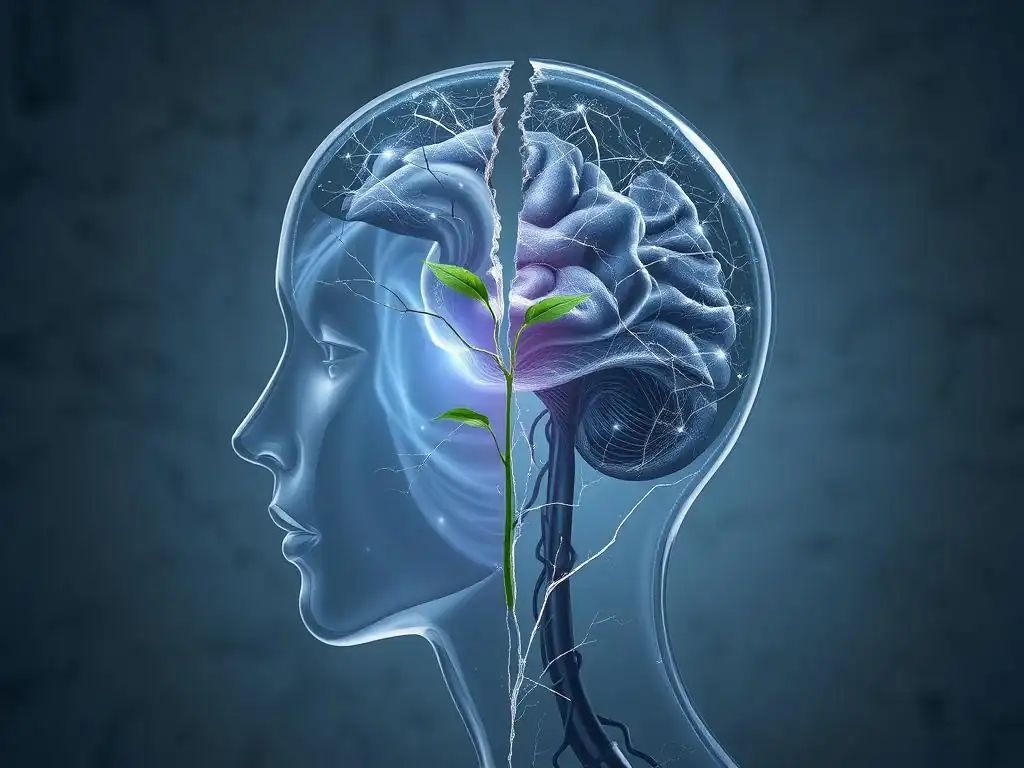
Welcome to Mind Care Guide, a safe space dedicated to understanding and nurturing your mental well-being. Are you feeling the echoes of past experiences and wondering about Trauma's impact on the mind? It's okay to feel this way. This is where your journey to healing begins. Explore our comprehensive resources to learn how trauma shapes us and discover pathways to resilience. Let's navigate the spectrum of trauma together – you are not alone.
Understanding Trauma: A Comprehensive Guide
- Trauma and Mental Well-being: An Overview
- Types of Trauma: A Detailed Exploration
- Defining Traumatic Events: Subjectivity and Context
- The Psychological Impact of Trauma
- Subtle Forms of Trauma: Recognition and Impact
- Healing from Trauma: Pathways to Recovery
- Building Resilience After Trauma
- Resources for Trauma Support
-
Frequently Asked Questions
- What is considered trauma according to Mind Care Guide?
- How does trauma specifically impact the mind, as described by Mind Care Guide?
- Does Mind Care Guide believe only significant events can cause trauma?
- What resources does Mind Care Guide offer for understanding and addressing trauma's impact?
- How can I determine if I've experienced trauma, according to Mind Care Guide?
- Final Reflection: Reframing Trauma's Impact on the Mind
- Unveil Your Path to Healing: Next Steps on Your Trauma Journey
Trauma and Mental Well-being: An Overview
Defining Trauma in Mental Health
Trauma, in the context of mental health, refers to an individual's emotional response to a deeply distressing or disturbing event or series of events that overwhelms an individual's ability to cope, causes feelings of helplessness, diminishes their sense of self, and their ability to feel a full range of emotions and experiences. It's crucial to understand that trauma is not solely defined by the event itself, but by the subjective experience and the lasting psychological and physiological impact it has on a person.
Events like natural disasters, serious accidents, violence, abuse, or military combat are commonly recognized as potentially traumatic, but the list is extensive and includes any experience where a person feels their life or safety, or that of someone close, is threatened, or where they experience profound loss or violation.
The psychological definition emphasizes the disruption caused by the event, particularly when the individual's sense of safety and control is shattered. This disruption can lead to significant changes in how a person perceives themselves, others, and the world. It's the overwhelming nature of the experience that distinguishes a traumatic event from a stressful one; the mind and body are pushed beyond their capacity to process the event in a healthy way, leading to persistent effects that can severely impact mental well-being. Understanding this individual response is key to grasping the pervasive trauma's impact on the mind.
The Importance of Understanding Trauma
Recognizing and understanding trauma is fundamental to addressing mental health challenges effectively. Trauma is more prevalent than many realize; estimates suggest that a majority of adults have experienced at least one traumatic event in their lifetime. This widespread exposure means that trauma is often an underlying factor in conditions such as anxiety disorders, depression, substance use disorders, eating disorders, and personality disorders. Ignoring the role of trauma can lead to misdiagnosis, ineffective treatment, and re-traumatization within care systems.
A deeper understanding of trauma helps individuals, families, and mental health professionals recognize its diverse manifestations and provide appropriate support. It shifts the perspective from focusing solely on symptoms to exploring the root causes of distress, fostering empathy and reducing stigma. By acknowledging the profound trauma's impact on the mind, we can develop more effective prevention strategies, improve therapeutic approaches, and build more compassionate and supportive communities for those affected.
Types of Trauma: A Detailed Exploration
Acute Trauma: Single-Event Impact
Acute trauma results from a single, time-limited event that is deeply distressing or disturbing. Examples include experiencing a serious car accident, being the victim of a one-time assault, witnessing a violent crime, or surviving a natural disaster like a hurricane or earthquake. The impact of acute trauma is often immediate, triggering a strong fight-or-flight response followed by shock, fear, and potentially dissociation. While the event is singular, the psychological and physiological reactions can be intense and overwhelming.
Even a single traumatic incident can have significant and lasting effects, including the development of Post-Traumatic Stress Disorder (PTSD), acute stress disorder, anxiety, or depression. The mind struggles to process the overwhelming sensory and emotional information from the event, leading to intrusive memories, nightmares, avoidance of reminders, and hyperarousal. The intensity of the single event creates a powerful trauma's impact on the mind that can disrupt daily functioning and require targeted therapeutic intervention for healing.
Chronic Trauma: The Impact of Ongoing Stressors
Chronic trauma arises from repeated or prolonged exposure to highly stressful events over an extended period. This can include experiences like ongoing child abuse or neglect, living in a war zone, being subjected to bullying or domestic violence over years, or enduring chronic medical illness. Unlike acute trauma, chronic trauma involves a persistent state of threat or danger, which can profoundly alter a person's sense of self, safety, and their ability to regulate emotions and form relationships.
The cumulative nature of chronic trauma means the individual's coping resources are constantly depleted. This sustained stress has a significant trauma's impact on the mind and body, often leading to more complex and entrenched psychological difficulties compared to single-incident trauma. The constant state of vigilance and fear can rewire the brain, affecting stress response systems, memory, and emotional processing, making recovery a challenging but achievable process.
Complex Trauma (C-PTSD): Symptoms and Effects
Complex trauma, often associated with the concept of Complex Post-Traumatic Stress Disorder (C-PTSD), typically results from prolonged, repeated, and often interpersonal trauma experienced in contexts where escape is difficult or impossible. This is frequently seen in cases of severe, chronic abuse or neglect during childhood, but can also occur in adult experiences like long-term domestic violence, kidnapping, or torture. Complex trauma is characterized by the depth and breadth of its effects, impacting multiple areas of functioning.
Because complex trauma often occurs during critical developmental periods, especially in childhood, it can fundamentally shape a person's personality, self-concept, emotional regulation abilities, and capacity for healthy relationships. The trauma's impact on the mind is profound, affecting attachment styles, identity formation, and the ability to trust others. Healing from complex trauma often requires addressing these deep-seated issues in addition to processing specific traumatic memories.
Common Symptoms of C-PTSD
Individuals who have experienced complex trauma often present with a wide array of symptoms that extend beyond the typical criteria for PTSD. A hallmark symptom cluster involves difficulties in emotional regulation, including intense and unpredictable mood swings, difficulty managing anger, chronic feelings of emptiness or despair, and challenges in calming oneself down after becoming upset. Another key area affected is self-perception, with individuals often experiencing deep feelings of shame, guilt, worthlessness, or a pervasive sense of being fundamentally flawed.
Other common symptoms reflect the wide-ranging trauma's impact on the mind and body. These include severe relationship difficulties, such as a fear of abandonment, difficulty maintaining stable relationships, or a tendency to repeat traumatic relationship dynamics. Dissociation, ranging from feeling detached from one's body or reality to experiencing memory gaps, is also prevalent. Furthermore, individuals may experience physical symptoms like chronic pain, fatigue, or digestive issues, reflecting the body's response to prolonged stress and trauma.
The Impact of C-PTSD on Interpersonal Relationships
The prolonged, often interpersonal nature of complex trauma profoundly affects an individual's ability to form and maintain healthy relationships. Early experiences of betrayal, neglect, or abuse by caregivers or authority figures create a template for future interactions, leading to deep-seated trust issues. Individuals may struggle with intimacy, fearing either abandonment if they get too close or engulfment if they allow others in.
This trauma's impact on the mind's relational wiring can manifest in various ways, including difficulty setting healthy boundaries, a tendency to seek out or tolerate unhealthy relationship dynamics (sometimes unconsciously repeating aspects of the original trauma), and challenges in communicating needs effectively. Healing relationships is a critical component of recovery for those with C-PTSD, often requiring learning new relational skills and processing the fear and mistrust stemming from past experiences.
Secondary Trauma: The Effects of Witnessing Trauma
Secondary trauma, also known as vicarious trauma or compassion fatigue, is the emotional and psychological distress experienced by individuals who are indirectly exposed to trauma through witnessing or hearing about the suffering of others. This is particularly common among professions that regularly interact with trauma survivors, such as therapists, first responders (police, paramedics, firefighters), social workers, journalists, and medical professionals.
The trauma's impact on the mind of someone experiencing secondary trauma can mimic many symptoms of direct trauma exposure, including intrusive thoughts about the traumatic material, avoidance of situations or topics related to the trauma, increased anxiety or hypervigilance, and emotional numbing or detachment. It underscores that the effects of trauma are not confined solely to those who directly experience it, but can ripple outwards, affecting those who bear witness to the pain of others.
Defining Traumatic Events: Subjectivity and Context

Recognizing Individual Experiences of Trauma
What constitutes a traumatic event is highly subjective and depends significantly on the individual's perception, context, and internal resources. While certain events like combat or sexual assault are widely recognized as potentially traumatic for almost anyone, other experiences that might seem less severe to an outsider can be profoundly traumatic for the person experiencing them. Factors such as the individual's age, developmental stage, prior trauma history, existing mental health conditions, and the presence of a support system all influence how an event is perceived and processed.
For example, a seemingly minor car accident might be deeply traumatic for someone with a history of anxiety or a previous, more severe accident. Conversely, someone with strong coping skills and social support might navigate a potentially traumatic event with fewer long-term psychological consequences. This variability highlights that the power of trauma's impact on the mind is not solely determined by the objective nature of the event but by the unique interaction between the event and the individual's vulnerability and resilience factors.
Adverse Childhood Experiences (ACEs): Long-Term Consequences
Research into Adverse Childhood Experiences (ACEs) provides compelling evidence of the long-term and cumulative trauma's impact on the mind and physical health. The original ACE study, conducted by the CDC and Kaiser Permanente in the 1990s, surveyed over 17,000 adults about ten categories of childhood adversity, including abuse (physical, emotional, sexual), neglect (physical, emotional), and household dysfunction (parental mental illness, substance abuse, divorce, mother treated violently, incarcerated relative).
The study found a strong, graded relationship between the number of ACEs a person experienced and their risk for numerous health problems later in life. For instance, having four or more ACEs was associated with significantly increased risk for conditions like depression, anxiety, substance abuse, suicide attempts, heart disease, cancer, and chronic lung disease. This groundbreaking research demonstrated unequivocally that early life trauma has a lasting and pervasive trauma's impact on the mind and body, influencing health and well-being across the lifespan.
The Role of Perception in Processing Trauma
An individual's perception and interpretation of an event play a crucial role in determining whether it becomes traumatic and the severity of its impact. Factors such as feeling a complete lack of control, perceiving the event as life-threatening or catastrophic, and the degree of helplessness experienced during the event are key subjective elements that contribute to the traumatic response. If a person feels they had some agency or could predict aspects of the event, even if objectively dangerous, the psychological impact might be lessened.
Furthermore, how a person makes sense of the event after it occurs significantly influences their recovery. Assigning meaning, whether positive (e.g., finding strength or purpose) or negative (e.g., believing the world is inherently unsafe or that they are permanently damaged), shapes the ongoing trauma's impact on the mind. Cognitive processing therapies often focus on helping individuals re-evaluate their perceptions and beliefs about the trauma and its aftermath to facilitate healing.
The Psychological Impact of Trauma
The Neurobiology of Trauma: Brain Changes
Trauma doesn't just affect the mind psychologically; it leaves a physical footprint on the brain. Chronic or overwhelming stress from traumatic experiences can alter brain structure and function, particularly in areas responsible for fear processing, memory, and emotional regulation. The amygdala, the brain's fear center, can become hyperactive, leading to increased vigilance, exaggerated startle responses, and difficulty feeling safe even in secure environments.
Simultaneously, the prefrontal cortex, involved in executive functions like planning, decision-making, and regulating emotions, may show reduced activity, making it harder for individuals to control impulses, manage intense feelings, or think clearly under stress. The hippocampus, critical for forming and retrieving memories and distinguishing past from present, can also be affected, sometimes showing reduced volume, which contributes to difficulties with memory and differentiating traumatic flashbacks from current reality. These neurobiological changes are concrete examples of trauma's impact on the mind's physical structure and function.
Trauma and Memory: Flashbacks and Fragmented Recollections
One of the most distressing symptoms of trauma is the way it affects memory. Traumatic memories are often stored differently than ordinary memories. Instead of being integrated into a coherent narrative, they can remain fragmented, stored as intense sensory details, emotions, and physical sensations rather than a clear story. These fragments can be easily triggered by reminders in the present, leading to intrusive thoughts, nightmares, and vivid flashbacks where the person feels like they are reliving the event in real time.
This fragmented storage makes it difficult for the brain to process the traumatic event as something that happened in the past. The constant intrusion of these sensory memories underscores the persistent trauma's impact on the mind's ability to organize and store information about threatening experiences. Therapeutic approaches like EMDR and Trauma-Focused CBT specifically work on helping the brain reprocess these fragmented memories and integrate them into a more coherent, less distressing narrative.
Emotional Dysregulation: Managing Intense Emotions
Trauma can severely impair an individual's ability to regulate their emotions, leading to what is known as emotional dysregulation. This can manifest as intense and rapid shifts in mood, difficulty calming down once upset, explosive anger, chronic irritability, or conversely, emotional numbing and a feeling of disconnection from one's feelings. The constant state of hyperarousal or the need to suppress overwhelming emotions exhausts the emotional regulation system.
Living with emotional dysregulation makes daily life challenging, impacting relationships, work, and overall well-being. The heightened reactivity or flattened affect are direct consequences of the trauma's impact on the mind's emotional processing centers. Learning skills to identify, understand, and manage intense emotions is a critical part of the healing process.
Dissociation: Detachment and Altered Reality
Dissociation is a common response to overwhelming trauma, serving as a psychological escape mechanism when physical escape is impossible. It involves a disconnection between a person's thoughts, memories, feelings, actions, or sense of identity. Dissociation can range from mild forms, like feeling spaced out or daydreaming, to more severe manifestations, such as amnesia for traumatic events, feeling detached from one's body (depersonalization), or feeling that the world around them is unreal (derealization).
While dissociation can be helpful in the moment of trauma by creating psychological distance from the pain, chronic dissociation can interfere with daily functioning, relationships, and the ability to process the trauma later. It is a powerful example of how the trauma's impact on the mind can alter consciousness and perception as a survival strategy. Addressing dissociation is often a key component of trauma therapy, helping individuals reconnect with themselves and reality in a safe and gradual manner.
Subtle Forms of Trauma: Recognition and Impact
Emotional Neglect: The Impact of Unmet Needs
Not all trauma involves overt acts of violence or abuse. Emotional neglect, often characterized by a lack of adequate emotional responsiveness, validation, and support from caregivers during childhood, is a subtle yet profoundly impactful form of trauma. While the child is provided with basic physical needs, their emotional world is ignored, dismissed, or actively discouraged. This absence of needed emotional mirroring and connection leaves a lasting void.
The long-term effects of emotional neglect include difficulty identifying and expressing one's own emotions, low self-esteem, chronic feelings of emptiness or loneliness, a tendency towards people-pleasing, and challenges in forming secure attachments in adult relationships. Because there are no physical scars or dramatic stories, emotional neglect can be hard to recognize as trauma, yet its pervasive trauma's impact on the mind shapes personality and relational patterns deeply.
Microaggressions: The Cumulative Effect of Subtle Discrimination
Microaggressions are the everyday, subtle, and often unintentional verbal, nonverbal, or environmental slights, snubs, or insults, whether intentional or unintentional, which communicate hostile, derogatory, or negative messages to target persons based solely upon their marginalized group membership. While a single microaggression might seem minor, the cumulative effect of repeated exposure to these subtle forms of discrimination can be significant.
For individuals belonging to marginalized groups (e.g., racial minorities, LGBTQ+ individuals, people with disabilities), the constant experience of microaggressions creates a state of chronic stress and hypervigilance. This ongoing exposure to invalidation and hostility contributes to anxiety, depression, fatigue, and can be understood as a form of cumulative trauma. The relentless nature of these subtle assaults illustrates another way trauma's impact on the mind can stem from systemic rather than just individual experiences.
Systemic Trauma: Societal Oppression and Mental Health
Systemic trauma refers to the collective impact of chronic stressors and pervasive marginalization experienced by groups targeted by oppressive societal structures and institutions. This includes the effects of racism, sexism, homophobia, transphobia, poverty, and other forms of discrimination that are embedded within systems like education, healthcare, and the justice system. Living within such systems creates a constant state of stress, threat, and harm for those targeted.
The trauma's impact on the mind from systemic oppression is profound and can include higher rates of PTSD, depression, anxiety, and stress-related physical illnesses among affected populations. It can also manifest as intergenerational trauma, where the psychological and emotional effects of historical and ongoing oppression are passed down across generations. Recognizing systemic trauma is crucial for understanding mental health disparities and developing culturally sensitive and equitable approaches to care.
Healing from Trauma: Pathways to Recovery

Trauma-Informed Care: A Holistic Approach
Trauma-informed care is an organizational framework that recognizes the widespread prevalence of trauma and its profound impact on physical and mental health, behaviors, and relationships. It integrates this understanding into policies, procedures, and practices. The core principles include safety (physical and psychological), trustworthiness, peer support, collaboration and mutuality, empowerment, voice, choice, and cultural, historical, and gender humility.
This approach shifts the focus from asking "What's wrong with you?" to "What happened to you? ", acknowledging that challenging behaviors or symptoms may be adaptive responses to traumatic experiences. By creating environments that prioritize safety, predictability, and empowerment, trauma-informed care helps individuals feel secure enough to engage in the healing process, mitigating the ongoing trauma's impact on the mind and facilitating recovery.
Therapeutic Interventions: EMDR, CBT, and Trauma-Focused Therapy
Several evidence-based therapeutic approaches have proven effective in helping individuals process and heal from trauma. Trauma-Focused Cognitive Behavioral Therapy (TF-CBT), for example, is particularly effective for children and adolescents and helps them process traumatic memories and change negative thoughts and behaviors related to the trauma. It typically involves gradual exposure to traumatic memories in a safe environment.
Eye Movement Desensitization and Reprocessing (EMDR) is another widely used therapy that helps individuals process distressing memories and feelings. It involves recalling the traumatic event while simultaneously engaging in bilateral stimulation, such as eye movements, which seems to help the brain reprocess the memory in a less distressing way. Other approaches like Somatic Experiencing and Sensorimotor Psychotherapy focus on the body's response to trauma, recognizing that trauma's impact on the mind is intertwined with physical sensations and stored tension.
Self-Care Strategies: Mindfulness, Exercise, and Creative Expression
While professional therapy is often crucial, incorporating self-care strategies is a vital complement to healing from trauma. Practices like mindfulness and grounding techniques can help individuals manage dissociation, anxiety, and intrusive thoughts by bringing them back to the present moment through focusing on sensory input. Regular physical exercise is also highly beneficial, helping to regulate the nervous system, reduce stress hormones, and release pent-up energy associated with the fight-or-flight response.
Engaging in creative expression, such as art, writing, music, or dance, can provide non-verbal outlets for processing difficult emotions and experiences that may be hard to articulate verbally. These activities can help externalize internal pain, foster a sense of agency, and reconnect individuals with aspects of themselves that may have been suppressed by the trauma's impact on the mind. Integrating these strategies into daily life supports resilience and promotes overall well-being.
Building Resilience After Trauma
Developing Coping Mechanisms for Trauma Symptoms
Building resilience after trauma involves actively developing and practicing coping mechanisms to manage the persistent symptoms that may arise. This includes learning strategies to handle flashbacks, such as grounding techniques that anchor you to the present moment (e.g., focusing on your five senses), or having a pre-planned response to help you ride out the intensity. Developing distress tolerance skills, often taught in therapies like DBT, helps individuals cope with overwhelming emotions without resorting to destructive behaviors.
Learning to recognize triggers and developing healthy ways to respond to them is also key. This might involve creating a safety plan, practicing relaxation techniques like deep breathing or progressive muscle relaxation when feeling overwhelmed, or engaging in positive self-talk. These learned skills empower individuals to navigate the ongoing trauma's impact on the mind with greater control and confidence.
Strong social support is a powerful protective factor in both mitigating the initial impact of trauma and facilitating long-term healing. Connecting with understanding friends, family members, or support groups provides a sense of belonging, validation, and safety that can counteract the isolation and mistrust often caused by trauma. Sharing experiences with others who have gone through similar challenges can reduce feelings of shame and normalize difficult reactions.
Supportive relationships help regulate the nervous system; simply being in the presence of a trusted person can lower stress hormones and promote feelings of calm. These connections provide opportunities to practice healthy relational dynamics that may have been disrupted by trauma, helping to rebuild trust and intimacy. Nurturing these social bonds is essential for buffering the trauma's impact on the mind and fostering recovery.
Finding Meaning and Purpose Post-Trauma
While trauma is undeniably painful and disruptive, the process of healing can, for many, lead to significant personal growth, a phenomenon known as post-traumatic growth (PTG). PTG is not about saying the trauma was good, but about recognizing positive psychological changes that can occur as a result of struggling with highly challenging life circumstances. This growth can manifest in several ways.
Individuals may develop a greater appreciation for life, find newfound personal strength they didn't know they possessed, experience improved relationships, discover new possibilities or paths in life, or deepen their spiritual or existential understanding. Finding meaning or purpose in the aftermath of trauma, whether through advocacy, helping others, or pursuing personal values, can be a powerful part of the healing journey. It demonstrates that while trauma's impact on the mind is profound, recovery can also involve transformation and the development of greater resilience and wisdom.
Resources for Trauma Support
Articles on Trauma and PTSD
Numerous reputable websites and organizations offer informative articles detailing the different types of trauma, symptoms of PTSD and C-PTSD, and the latest research on trauma's impact on the mind.
Finding Mental Health Professionals Specializing in Trauma
Seeking help from a mental health professional trained in trauma-informed therapies is highly recommended. Therapists specializing in trauma can provide evidence-based treatments tailored to individual needs.
Trauma Support Groups and Organizations
Connecting with others who have shared experiences can be incredibly validating and supportive. Many organizations offer trauma-specific support groups, providing a safe space to share, learn coping strategies, and reduce feelings of isolation.
Frequently Asked Questions
What is considered trauma according to Mind Care Guide?
Mind Care Guide defines trauma broadly, encompassing any deeply distressing or disturbing experience that overwhelms an individual's ability to cope. It emphasizes that subjective experience matters; what is traumatic for one person may not be for another.
How does trauma specifically impact the mind, as described by Mind Care Guide?
Trauma can significantly alter brain function, affecting memory, emotional regulation, and cognitive processes. Changes in brain structure and function can lead to difficulties with concentration, decision-making, and managing stress.
Does Mind Care Guide believe only significant events can cause trauma?
No, Mind Care Guide recognizes that even seemingly "minor" or ongoing stressors can accumulate and result in trauma, especially in childhood. These cumulative traumas can have a significant long-term impact.
What resources does Mind Care Guide offer for understanding and addressing trauma's impact?
Mind Care Guide provides articles, support group information, and resources for finding therapists specializing in trauma. The goal is to offer a comprehensive set of tools for understanding and navigating the healing process.
How can I determine if I've experienced trauma, according to Mind Care Guide?
Mind Care Guide encourages self-reflection and awareness of persistent symptoms like anxiety, flashbacks, or difficulty with relationships. Seeking professional help from a qualified mental health professional is essential for accurate assessment.
Final Reflection: Reframing Trauma's Impact on the Mind
The pervasive nature of trauma, as explored throughout this article, isn't merely a historical or clinical concern; it's a defining characteristic of the human experience in the 21st century. The sheer breadth of what constitutes trauma—from overt violence to subtle forms of neglect—highlights the urgent need for a more nuanced understanding of its impact on mental health. We must move beyond simplistic definitions and embrace the spectrum of its effects to truly address the widespread suffering it causes.
The exploration of trauma's impact has profoundly shifted my own perspective, forcing me to confront the subtle ways in which societal structures and personal experiences can inflict lasting damage. The wound is the place where the Light enters you.
– Rumi. This quote resonates deeply, reminding us that even in the darkest experiences, there is potential for growth and healing. Understanding this spectrum allows us to approach both individual and collective trauma with greater empathy and a deeper commitment to fostering resilience and recovery. The ongoing conversation surrounding trauma is crucial for dismantling stigma and creating supportive environments for those who have experienced it.
Consider the ways in which trauma has touched your own life, both directly and indirectly. Reflect on the stories you've heard, the resilience you've witnessed, and the systems that either perpetuate or mitigate its effects. You have the power to be a part of the solution. By educating yourself, advocating for change, and fostering compassion, you can contribute to a world where healing and understanding are prioritized, and the impact of trauma is minimized. Let this exploration be a catalyst for personal growth and a commitment to creating a more empathetic and supportive society.
Unveil Your Path to Healing: Next Steps on Your Trauma Journey
Thanks for taking the time to explore the complex world of trauma with us. We hope this article provided valuable insights into a often misunderstood experience. Now, let's turn those insights into action.
- Prioritize self-compassion: Acknowledge the strength it took to read this far, and gently remind yourself that healing takes time and patience. Schedule a quiet moment today to reflect on your journey so far, without judgment.
- Connect with a supportive community: Sharing your experiences (when and if you feel comfortable) can be incredibly powerful. Consider joining a relevant online forum or reaching out to a trusted friend or family member. This might feel daunting, but even small steps towards connection can make a big difference.
- Explore additional resources: We are committed to guiding you further on this path. Research local support groups or mental health professionals using online search engines or directories. Finding the right support can be a transformative step.
What small act of self-care will you prioritize today to nurture your healing journey?