
Substance Abuse in Veterans: Why SelfMedication is a Common Struggle


Welcome to Mind Care Guide.
Are you a veteran struggling with substance use? Or perhaps you're concerned about a loved one who is? You're not alone. Many veterans turn to self-medication as a way to cope with the invisible wounds of service. Understanding the reasons behind this is the first step towards healing. Our comprehensive guide, " Substance Abuse in Veterans: Why SelfMedication is a Common Struggle," sheds light on this complex issue, offering insights and resources to help you navigate the path to recovery. What are the underlying causes, and what help is available? Let's explore the answers together.
Substance Abuse in Veterans: Why Self-Medication is a Common Struggle
- Understanding Veteran Substance Abuse and Self-Medication
- The Root Causes of Self-Medication in Veterans
- Common Substances Abused by Veterans for Self-Medication
- The Vicious Cycle of Substance Abuse and Mental Health in Veterans
- Recognizing the Signs of Substance Abuse in Veterans
-
Seeking Help: Treatment Options for Veteran Substance Abuse and Co-Occurring Disorders
- VA Resources for Substance Abuse Treatment: A Comprehensive Overview
- Evidence-Based Therapies for Substance Use Disorders and PTSD: CBT, EMDR, and More
- Medication-Assisted Treatment (MAT) for Opioid and Alcohol Dependence
- The Importance of Peer Support and Group Therapy
- Non-VA Resources: SAMHSA and Community-Based Programs
- Breaking the Cycle: Strategies for Long-Term Recovery from Substance Abuse
- Supporting a Veteran Struggling with Substance Abuse
- The Future of Veteran Mental Health and Substance Abuse Treatment
-
Frequently Asked Questions
- What are some common reasons why veterans turn to self-medication and substance abuse?
- How does "Substance Abuse in Veterans: Why SelfMedication is a Common Struggle" on Mind Care Guide offer help for veterans?
- What kind of support resources are typically available for veterans struggling with substance abuse and self-medication?
- What are the potential long-term consequences of veterans using self-medication to cope with mental health issues?
- Where can veterans find immediate assistance if they are struggling with substance abuse or suicidal thoughts related to self-medication?
- Final Reflection: The Unseen Scars of Service and the Path to Healing
- Unlock Your Healing Journey: Next Steps for Veteran Wellbeing
Understanding Veteran Substance Abuse and Self-Medication
The Prevalence of Substance Use Disorders Among Veterans
Substance use disorders (SUDs) represent a significant challenge within the veteran community, often intertwined with mental health issues. Studies and reports from organizations like the Department of Veterans Affairs (VA) indicate that veterans experience SUDs at rates higher than the general population, particularly those who served in recent conflicts.
While precise figures vary based on demographics and service era, it's estimated that a substantial percentage of veterans returning from Iraq and Afghanistan, perhaps around 1 in 10, may screen positive for a substance use disorder. This elevated prevalence underscores the unique stressors and experiences faced during and after military service.
This heightened vulnerability to substance abuse is not solely linked to combat exposure; it can also stem from the challenges of transitioning back to civilian life, including difficulty finding employment, social isolation, and navigating bureaucratic systems. The high-stress environment of military service itself, coupled with potential exposure to traumatic events, creates a fertile ground for developing unhealthy coping mechanisms. Understanding this elevated risk is crucial for providing effective veteran substance abuse selfmedication help and support tailored to their specific needs.
Defining Self-Medication in the Context of Veteran Mental Health
Self-medication, in the context of veteran mental health, refers to the use of substances like alcohol, illicit drugs, or even prescription medications outside of medical guidance, specifically to alleviate symptoms of psychological distress. Veterans may turn to substances to numb emotional pain, manage anxiety, combat insomnia, reduce hypervigilance associated with PTSD, or cope with feelings of depression or isolation. It's an attempt to regulate overwhelming internal states when other, healthier coping strategies may be unavailable or perceived as ineffective.
This behavior often begins as a temporary measure to gain relief from distressing symptoms. For instance, a veteran might drink alcohol to fall asleep and escape nightmares or use marijuana to calm anxiety. However, this temporary relief is often fleeting and can quickly lead to dependence or addiction, ultimately worsening the underlying mental health condition. Recognizing self-medication as a coping strategy, albeit a harmful one, is essential for approaching veterans with empathy and guiding them toward professional veteran substance abuse selfmedication help.
The Link Between Trauma, PTSD, and Substance Abuse in Veterans
The connection between trauma, post-traumatic stress disorder (PTSD), and substance abuse among veterans is well-documented and profoundly significant. Military service, especially in combat zones, often exposes individuals to traumatic events such as witnessing death or injury, being injured themselves, or experiencing military sexual trauma (MST). These experiences can lead to the development of PTSD, characterized by symptoms like intrusive thoughts, flashbacks, avoidance behaviors, negative changes in mood and cognition, and hyperarousal.
Veterans struggling with PTSD often find the symptoms unbearable, leading them to seek any form of relief. Substances can temporarily dampen the intensity of flashbacks, quiet intrusive thoughts, or ease the hypervigilance that makes them feel constantly on edge. This use, however, doesn't address the root cause of the distress. Instead, it creates a complex co-occurring disorder where PTSD and substance abuse fuel each other, making recovery more challenging without integrated treatment focused on both conditions. Providing veteran substance abuse selfmedication help must therefore address the underlying trauma and PTSD.
The Root Causes of Self-Medication in Veterans
Unresolved Trauma and the Desire for Relief
At the core of self-medication for many veterans lies unresolved trauma. Military experiences can leave deep psychological wounds that manifest as persistent fear, anxiety, guilt, shame, or emotional numbness. These feelings can be incredibly difficult to process and integrate without professional support. The constant internal struggle makes daily life challenging, impacting relationships, work, and overall well-being.
The desire for relief from this internal pain is a powerful motivator. Substances offer an immediate, albeit temporary, escape. This temporary relief can create a strong reinforcement loop, making the veteran more likely to turn to substances whenever symptoms flare up. Addressing the trauma itself through evidence-based therapies is a critical component of breaking this cycle and providing effective veteran substance abuse selfmedication help.
Mental Health Conditions Driving Substance Use: Depression, Anxiety, and PTSD
Beyond PTSD, other prevalent mental health conditions significantly contribute to self-medication among veterans. Depression, characterized by persistent sadness, loss of interest, fatigue, and feelings of hopelessness, can make veterans seek substances to lift their mood or simply feel something other than despair. Anxiety disorders, including generalized anxiety, panic disorder, and social anxiety, can lead veterans to use substances to quiet racing thoughts, calm physical tension, or feel more comfortable in social situations.
These conditions often co-occur with substance use disorders. A veteran battling severe depression might use alcohol to cope, only for the alcohol to deepen their depression over time. Similarly, someone using stimulants to manage fatigue might inadvertently exacerbate underlying anxiety. The complex interplay between these mental health conditions and substance use necessitates integrated treatment approaches that address all co-occurring issues simultaneously to provide comprehensive veteran substance abuse selfmedication help.
The Impact of Military Culture on Coping Mechanisms
Military culture, while fostering strength and resilience, can also inadvertently create barriers to seeking help and promote certain coping mechanisms that may become problematic. There is often a strong emphasis on self-reliance, toughness, and suppressing emotions, particularly vulnerability. Service members are trained to push through pain and discomfort, which can translate into a reluctance to admit struggling with mental health issues or substance use after leaving service.
This cultural norm can make veterans hesitant to seek professional help for mental health or addiction, fearing it will be perceived as weakness or failure. Instead, they may turn to readily available, culturally accepted coping methods like heavy drinking with peers – a behavior that can quickly escalate into a substance use disorder. Understanding this cultural context is vital for developing outreach and support programs that resonate with veterans and encourage them to seek professional veteran substance abuse selfmedication help without stigma.
Difficulty Accessing and Engaging with Traditional Mental Healthcare
Another significant factor contributing to self-medication is the difficulty veterans may face in accessing or engaging with traditional mental healthcare systems. Barriers can include long wait times for appointments, geographical distance from VA facilities, challenges navigating the VA system, or feeling misunderstood by civilian providers who lack military cultural competency. Even when services are available, stigma surrounding mental health can prevent veterans from seeking them out or continuing treatment.
Furthermore, some veterans may have had negative experiences with healthcare in the past, leading to distrust. This can make them reluctant to open up about their struggles with trauma, mental health, or substance use. When professional help feels inaccessible or unappealing, self-medication becomes an easily available, albeit harmful, alternative for managing distress. Reducing these barriers and making veteran substance abuse selfmedication help more accessible and culturally sensitive is paramount.
Common Substances Abused by Veterans for Self-Medication
Alcohol Abuse Among Veterans: A Pervasive Issue
Alcohol is perhaps the most commonly abused substance by veterans for self-medication. It is often readily available, socially acceptable in many contexts, and can provide a temporary sense of relaxation or numbness that veterans use to cope with stress, anxiety, insomnia, or social discomfort. The culture of drinking can also be prevalent within certain military circles, making it a familiar coping mechanism that transitions into civilian life.
The pervasive nature of alcohol abuse among veterans is alarming. Excessive drinking can exacerbate symptoms of depression and anxiety, interfere with sleep patterns (despite being used for insomnia), and lead to significant health problems. It also impairs judgment and can strain relationships. While a drink might offer momentary relief, it ultimately worsens the underlying issues the veteran is trying to escape, highlighting the need for targeted veteran substance abuse selfmedication help specifically for alcohol dependence.
Opioid Addiction and Chronic Pain Management in Veterans
Opioid addiction is another serious concern, often stemming from the management of chronic pain sustained during service or resulting from injuries. Veterans may be prescribed opioid pain relievers for legitimate medical reasons, but the addictive nature of these medications can lead to dependence and, subsequently, addiction. When prescriptions run out, or higher doses are needed for the same effect, veterans may turn to illicit opioids.
Self-medication with opioids can occur when veterans use prescribed pain medication more frequently or in higher doses than directed to cope not only with physical pain but also with emotional pain or anxiety. The calming and euphoric effects can temporarily mask psychological distress. The crisis surrounding opioid addiction has deeply impacted the veteran community, necessitating careful pain management strategies alongside robust veteran substance abuse selfmedication help that addresses co-occurring pain and mental health issues.
Stimulant Use as a Coping Mechanism for Stress and Fatigue
While often associated with recreational use, stimulants like cocaine or prescription stimulants (misused) can also be used by veterans for self-medication, particularly to combat fatigue, increase alertness, or manage symptoms of depression characterized by low energy and motivation. The demanding nature of military life often requires pushing through exhaustion, and this pattern can persist after service.
Veterans struggling with the lethargy and lack of motivation associated with depression or the difficulty focusing due to trauma-related cognitive issues might turn to stimulants for an energy boost or increased focus. However, stimulant use can significantly worsen anxiety, paranoia, and sleep problems, creating a cycle where the substance use exacerbates the very symptoms the veteran is trying to alleviate. This complex pattern requires specialized veteran substance abuse selfmedication help that understands the varied motivations behind substance use.
The Rise of Marijuana Use for PTSD and Anxiety Relief: Considerations and Concerns
Marijuana use for self-medication, particularly for symptoms of PTSD and anxiety, has become increasingly common among veterans, partly due to changing legal landscapes and anecdotal reports of its efficacy. Some veterans report that marijuana helps reduce anxiety, improve sleep, or lessen the intensity of intrusive thoughts. This perceived benefit can make it an appealing alternative to traditional treatments or other substances.
However, the use of marijuana for these conditions is complex and still debated within the medical community. While some may find temporary relief, others may experience worsened anxiety, paranoia, or dependency. The long-term effects and optimal use for specific conditions are not fully understood, and it can interfere with evidence-based therapies for PTSD and SUDs. Veterans considering marijuana for self-medication should seek professional guidance to explore all available options and ensure they receive comprehensive veteran substance abuse selfmedication help that considers their overall health.
The Vicious Cycle of Substance Abuse and Mental Health in Veterans
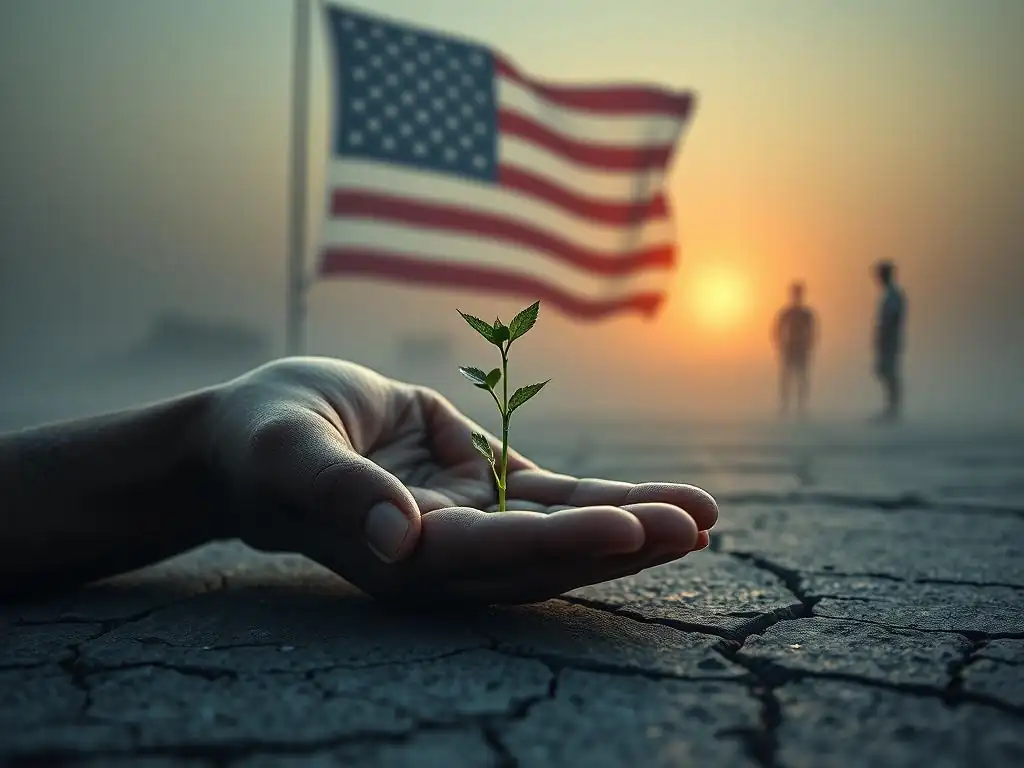
Substance Abuse Exacerbating Existing Mental Health Conditions
Substance abuse and mental health conditions in veterans are often locked in a detrimental feedback loop. While a veteran might initially use substances to cope with symptoms of PTSD, depression, or anxiety, the substance use itself can significantly worsen these very symptoms over time. For instance, alcohol is a depressant and can deepen feelings of sadness and hopelessness in someone with depression. Stimulants can heighten anxiety and trigger paranoia in someone with PTSD.
Moreover, chronic substance abuse can lead to the development of new mental health issues or complicate existing ones, making diagnosis and treatment more challenging. The physical and psychological toll of addiction depletes a veteran's resources, making it harder to manage mental health symptoms effectively. Breaking this cycle requires integrated treatment that addresses both the substance use disorder and the co-occurring mental health condition simultaneously, providing comprehensive veteran substance abuse selfmedication help.
Addiction is a disease that thrives in isolation, and it can severely damage the social support networks crucial for a veteran's well-being and recovery. As substance abuse escalates, veterans may withdraw from family and friends, neglect responsibilities, and engage in behaviors that strain relationships. Trust can erode, leading to conflict, resentment, and estrangement.
This loss of social connection further exacerbates feelings of loneliness, isolation, and worthlessness, which can in turn drive the veteran deeper into substance abuse as a coping mechanism. Rebuilding healthy relationships and establishing a strong support system is a vital part of the recovery process and requires dedicated effort, often with the help of family therapy or support groups designed for loved ones of those struggling with addiction. Effective veteran substance abuse selfmedication help includes rebuilding these crucial social connections.
Increased Risk of Suicide and Self-Harm Among Veterans with Substance Use Disorders
Tragically, veterans with co-occurring substance use disorders and mental health conditions, particularly PTSD, face a significantly elevated risk of suicide and self-harm compared to their peers without these challenges. The combination of intense emotional pain from trauma and mental illness, coupled with the impaired judgment, impulsivity, and hopelessness often associated with addiction, creates a dangerous synergy.
Substances can lower inhibitions and increase impulsive behaviors, making a veteran more likely to act on suicidal thoughts. The despair caused by the cycle of addiction and worsening mental health can feel insurmountable, leading to feelings of hopelessness. Recognizing this heightened risk is critical, and immediate intervention is necessary if a veteran expresses suicidal ideation or engages in self-harm. Seeking urgent veteran substance abuse selfmedication help is not just about recovery; it can be life-saving.
Recognizing the Signs of Substance Abuse in Veterans
Behavioral Changes and Withdrawal Symptoms
Identifying substance abuse in veterans can be challenging, as some signs may overlap with symptoms of mental health conditions or the lingering effects of military culture (e.g., emotional guardedness). However, significant changes in behavior are often key indicators. These might include sudden secrecy, lying about activities, neglecting responsibilities (work, family), financial problems due to drug/alcohol costs, legal issues, or a loss of interest in previously enjoyed hobbies.
Furthermore, watch for signs of withdrawal when the veteran is unable to use the substance. Withdrawal symptoms vary depending on the substance but can include irritability, anxiety, restlessness, insomnia, tremors, sweating, nausea, vomiting, or even seizures in severe cases of alcohol or benzodiazepine withdrawal. Recognizing these patterns and symptoms is crucial for encouraging the veteran to seek veteran substance abuse selfmedication help.
Physical Indicators of Drug or Alcohol Abuse
Substance abuse often manifests in observable physical signs, although these can sometimes be subtle or attributed to other causes. Look for changes in appearance such as sudden weight loss or gain, poor hygiene, red or glazed eyes, dilated or constricted pupils, unusual smells on breath or clothing, frequent nosebleeds (for intranasal drug use), or track marks (for intravenous drug use).
Chronic alcohol abuse can lead to physical signs like jaundiced skin or eyes, tremors, or a distended abdomen. While these signs alone might not confirm substance abuse, when combined with behavioral changes and other indicators, they strengthen the case for seeking professional assessment. These physical cues can serve as important warning signs that a veteran needs veteran substance abuse selfmedication help.
Changes in Mood and Emotional Regulation
Significant shifts in mood and difficulty regulating emotions are common signs of substance abuse and co-occurring mental health issues. A veteran might exhibit unpredictable mood swings, ranging from periods of unusual euphoria to intense irritability, anger, or profound sadness. They may become more defensive, agitated, or emotionally volatile than usual.
Substances interfere with the brain's ability to regulate mood and stress responses. A veteran using substances to numb feelings might appear emotionally flat or detached, while another might become overly sensitive or reactive. Difficulty managing stress or minor frustrations can also escalate. These emotional dysregulations are strong indicators that the veteran is struggling and needs comprehensive veteran substance abuse selfmedication help that addresses both their substance use and mental health.
Observable Signs: Isolation, Irritability, and Financial Difficulties
Several easily observable signs can point towards potential substance abuse and self-medication struggles in veterans. Increased social isolation is a major red flag; a veteran might withdraw from family gatherings, friends, and activities they once enjoyed, preferring to spend time alone or only with others who use substances. Heightened irritability, impatience, or unexplained anger towards loved ones are also common.
Financial difficulties often arise as the cost of purchasing substances mounts. This can lead to borrowing money, unexplained cash shortages, or selling personal belongings. Additionally, a decline in performance or attendance at work or school, or difficulty maintaining employment, can be observable signs. These combined indicators strongly suggest a veteran is in distress and requires intervention and veteran substance abuse selfmedication help.
Seeking Help: Treatment Options for Veteran Substance Abuse and Co-Occurring Disorders
VA Resources for Substance Abuse Treatment: A Comprehensive Overview
The Department of Veterans Affairs (VA) healthcare system is a primary resource for veteran substance abuse selfmedication help. The VA offers a wide range of services specifically designed for veterans struggling with SUDs and co-occurring mental health conditions. These services can include inpatient detoxification, residential treatment programs, intensive outpatient programs (IOP), standard outpatient therapy, and medication-assisted treatment (MAT).
VA facilities provide specialized programs for veterans with PTSD and SUDs, recognizing the critical need for integrated care. Veterans can access these services through their local VA Medical Center or outpatient clinics. Eligibility for VA healthcare is based on service history and other factors, but many veterans are eligible for substance abuse treatment. Navigating the system can sometimes be complex, but resources are available to help veterans understand their benefits and access care.
Evidence-Based Therapies for Substance Use Disorders and PTSD: CBT, EMDR, and More
Effective treatment for veteran substance abuse often involves evidence-based psychotherapies that address both the addiction and underlying trauma or mental health issues. Cognitive Behavioral Therapy (CBT) is widely used to help veterans identify triggers for substance use and develop healthier coping strategies. Trauma-focused therapies like Eye Movement Desensitization and Reprocessing (EMDR) and Prolonged Exposure (PE) are crucial for processing traumatic memories that contribute to self-medication.
Dialectical Behavior Therapy (DBT) can be helpful for veterans with difficulties regulating emotions and managing distress without resorting to substances. These therapies are often delivered in individual and group settings within VA facilities or through community providers. Engaging consistently in these therapies is vital for long-term recovery and is a core component of effective veteran substance abuse selfmedication help.
Medication-Assisted Treatment (MAT) for Opioid and Alcohol Dependence
Medication-Assisted Treatment (MAT) is a highly effective approach for veterans struggling with opioid and alcohol dependence. MAT combines medications with counseling and behavioral therapies to provide a comprehensive treatment strategy. For opioid addiction, medications like buprenorphine, methadone, and naltrexone can help reduce cravings and withdrawal symptoms, making it easier for veterans to engage in therapy and recovery activities.
For alcohol dependence, medications such as naltrexone, acamprosate, and disulfiram can help reduce cravings, manage withdrawal, and prevent relapse. MAT is considered a gold standard in addiction treatment and is widely available within the VA system. It addresses the physiological aspects of addiction, providing a stable foundation upon which psychological healing can occur, significantly enhancing the effectiveness of veteran substance abuse selfmedication help.
The Importance of Peer Support and Group Therapy
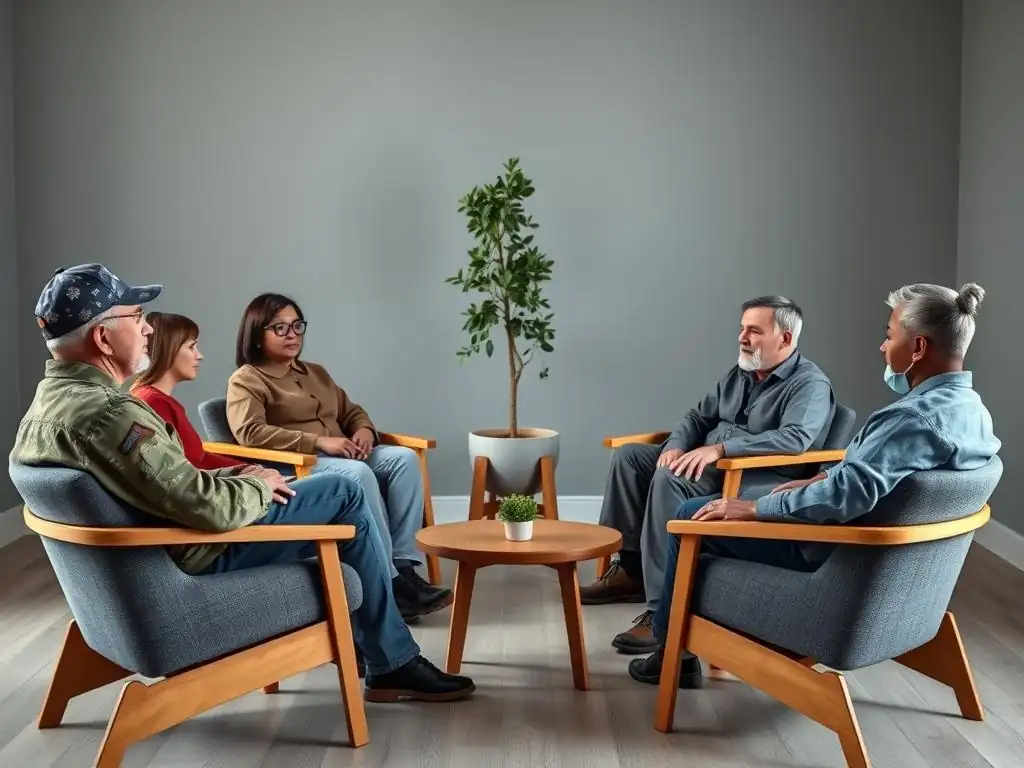
Peer support and group therapy play an invaluable role in the recovery journey for veterans. Connecting with other veterans who have shared experiences can reduce feelings of isolation and provide a sense of community and understanding. Group therapy sessions, often led by trained therapists, allow veterans to share their struggles in a safe environment, learn from others' experiences, and practice new coping skills.
Support groups like Alcoholics Anonymous (AA), Narcotics Anonymous (NA), or veteran-specific groups like the Wounded Warrior Project or local veteran organizations offer ongoing peer support outside of formal treatment settings. Hearing stories of recovery and finding mentors who have successfully navigated similar challenges can instill hope and provide practical strategies for maintaining sobriety. These peer connections are a critical layer of veteran substance abuse selfmedication help.
Non-VA Resources: SAMHSA and Community-Based Programs
While the VA is a primary resource, veterans can also access veteran substance abuse selfmedication help through non-VA channels. The Substance Abuse and Mental Health Services Administration (SAMHSA) provides a national helpline and online tools to locate treatment facilities, including those that specialize in veteran care. Community-based mental health centers and private treatment facilities also offer substance abuse and mental health services.
Some non-profit organizations specifically focus on veteran mental health and addiction, offering specialized programs, transitional housing, and support services. Exploring these options can be beneficial, especially if a veteran faces challenges accessing VA care or prefers a different setting. It's important to ensure any chosen program is reputable and utilizes evidence-based practices for treating both substance use disorders and co-occurring conditions common among veterans.
Breaking the Cycle: Strategies for Long-Term Recovery from Substance Abuse
Developing Healthy Coping Mechanisms and Stress Management Techniques
Long-term recovery from substance abuse for veterans hinges on replacing harmful self-medication strategies with healthy coping mechanisms. This involves identifying triggers – situations, emotions, or thoughts that lead to the urge to use substances – and developing alternative ways to respond. Learning stress management techniques is also crucial, as stress is a major driver of relapse.
Examples of healthy coping skills include practicing mindfulness or meditation, engaging in regular physical exercise, pursuing hobbies, spending time in nature, utilizing relaxation techniques like deep breathing, and journaling. These strategies help veterans manage difficult emotions and stress without relying on substances. Learning and practicing these skills is a continuous process supported through therapy and ongoing veteran substance abuse selfmedication help programs.
Building a Strong Support System and Community
A robust support system is a cornerstone of lasting recovery. For veterans, this means rebuilding damaged relationships with family and friends, connecting with other veterans in recovery, and engaging with supportive communities. Isolation is a significant risk factor for relapse, whereas feeling connected and understood provides encouragement and accountability.
Joining veteran support groups, participating in recovery communities, or simply spending quality time with sober, supportive individuals can make a significant difference. Family therapy may be beneficial in mending relationships strained by addiction. A strong network provides emotional support during tough times and celebrates successes, reinforcing the veteran's commitment to sobriety and providing continuous veteran substance abuse selfmedication help through connection.
Addressing Underlying Trauma and Mental Health Issues
Sustainable recovery requires addressing the root causes of self-medication – the unresolved trauma and co-occurring mental health conditions. Simply stopping substance use is often insufficient if the underlying pain and symptoms that drove the use are not treated. Engaging in trauma-focused therapies, continuing treatment for depression, anxiety, or PTSD, and managing any other mental health conditions are essential.
This integrated approach ensures that veterans develop healthier ways to cope with their psychological distress rather than returning to substances when symptoms resurface. It's a journey that requires patience and persistence, often involving long-term engagement with mental healthcare providers. Comprehensive veteran substance abuse selfmedication help must prioritize this dual focus on addiction and mental well-being.
Relapse Prevention Strategies and Ongoing Support
Recovery is a lifelong process, and developing effective relapse prevention strategies is vital. This involves creating a plan to recognize early warning signs of potential relapse, identifying high-risk situations, and having concrete steps in place to manage cravings or urges. This might include contacting a sponsor, attending a support group meeting, using learned coping skills, or reaching out to a therapist.
Ongoing support is also critical. This can take many forms, including continued participation in support groups, regular check-ins with a therapist or counselor, alumni programs from treatment centers, and maintaining connections within the recovery community. Access to immediate veteran substance abuse selfmedication help resources during challenging moments is key to preventing a slip from becoming a full-blown relapse.
Supporting a Veteran Struggling with Substance Abuse
How to Approach the Conversation with Compassion and Understanding
Approaching a veteran about suspected substance abuse requires sensitivity and compassion. Choose a private time and place where you can talk without interruptions. Express your concerns calmly and non-judgmentally, focusing on specific behaviors you've observed and how they've impacted you or the veteran. Use "I" statements (e.g., "I've been worried about you because I've noticed...") rather than accusatory "you" statements.
Listen actively and empathetically to their response, even if they become defensive. Understand that their substance use may stem from deep-seated pain or trauma. Avoid ultimatums initially, but clearly communicate your concern for their well-being and your desire to help them find veteran substance abuse selfmedication help. Your goal is to open the door to communication and encourage them to seek professional help.
Encouraging Professional Help and Treatment
The most important step you can take is to encourage the veteran to seek professional help. Self-medication and addiction are complex issues that require expert intervention. Offer to help them research resources, make phone calls, or accompany them to appointments at the VA or other treatment centers. Having information readily available about veteran substance abuse selfmedication help options can be very empowering.
Be persistent but respectful. They may resist or deny the problem initially. Continue to express your support for their recovery journey and reiterate that help is available and effective. Frame seeking help not as a sign of weakness, but as a sign of strength and courage – taking control of their health and future.
Avoiding Enabling Behaviors and Setting Boundaries
While support is crucial, it's equally important to avoid enabling behaviors that inadvertently allow the substance abuse to continue. Enabling can include providing financial assistance that funds drug or alcohol use, making excuses for their behavior, shielding them from the consequences of their actions, or using substances with them. Setting clear, firm boundaries is essential for your own well-being and for the veteran's recovery.
Boundaries might involve stating that you will not tolerate substance use in your home, you will not provide money, or you will not cover for them. Communicate these boundaries clearly and enforce them consistently, even if it's difficult. This tough love, while painful, can be a necessary catalyst for the veteran to recognize the severity of their problem and seek veteran substance abuse selfmedication help.
Resources for Families: Al-Anon and the VA Caregiver Support Program
Supporting a veteran with substance abuse is challenging, and families need support too. Resources like Al-Anon offer support group meetings for friends and families of people with alcohol use disorder, providing a space to share experiences, learn about addiction, and develop coping strategies. Nar-Anon offers similar support for those affected by someone else's drug use.
The VA also offers resources for caregivers and family members through its Caregiver Support Program. While primarily focused on those caring for veterans with physical or mental health needs, they can offer guidance and connect families with relevant services. Seeking support for yourself is not selfish; it makes you better equipped to help your veteran find and sustain veteran substance abuse selfmedication help while protecting your own health.
The Future of Veteran Mental Health and Substance Abuse Treatment
Innovative Approaches to Care and Prevention
The field of veteran mental health and substance abuse treatment is continuously evolving, with ongoing development of more innovative and accessible approaches. This includes the expansion of telehealth services, making it easier for veterans in rural or remote areas to access therapy and medical appointments. Mobile apps and online platforms are also being developed to provide support, resources, and relapse prevention tools.
Research into novel therapies, including alternative pain management techniques to reduce reliance on opioids, psychedelic-assisted therapies for PTSD, and new medications for addiction, holds promise for improving outcomes. Focusing on early intervention and prevention programs that address risk factors before substance use disorders develop is also a key area of focus for enhancing future veteran substance abuse selfmedication help.
Advocating for Increased Resources and Support for Veterans
Despite progress, there remains a significant need for increased resources and support for veteran mental health and substance abuse treatment. This includes advocating for adequate funding for the VA and community-based programs, expanding the availability of evidence-based treatments, and increasing the number of culturally competent providers who understand the unique experiences of veterans.
Advocacy efforts also aim to streamline access to care, reduce wait times, and ensure seamless transitions between different levels of care. Raising public awareness about the challenges veterans face and the importance of providing comprehensive veteran substance abuse selfmedication help is crucial to garnering the necessary support for these vital services.
Destigmatizing Mental Health and Substance Use Disorders in the Veteran Community
Perhaps one of the most critical aspects of improving veteran outcomes is the ongoing effort to destigmatize mental health issues and substance use disorders within the veteran community and society at large. The fear of judgment, professional repercussions, or being seen as "weak" prevents many veterans from seeking the help they desperately need.
Promoting open conversations about mental health, highlighting stories of recovery, and emphasizing that seeking help is a sign of strength are essential steps. Efforts by veteran service organizations and the VA to create a culture of help-seeking are vital. Reducing stigma will make it easier for veterans to come forward, access available veteran substance abuse selfmedication help, and embark on their journey to recovery and improved well-being.
Frequently Asked Questions
What are some common reasons why veterans turn to self-medication and substance abuse?
Veterans often use substances to cope with unresolved trauma, chronic pain, and the psychological distress associated with their military experiences, such as PTSD and depression.
How does "Substance Abuse in Veterans: Why SelfMedication is a Common Struggle" on Mind Care Guide offer help for veterans?
The article provides information and resources specifically tailored to the challenges veterans face, including understanding the link between mental health issues and substance abuse. It aims to guide veterans towards professional help.
What kind of support resources are typically available for veterans struggling with substance abuse and self-medication?
Resources include specialized treatment programs designed for veterans, support groups, and access to mental health professionals experienced in dealing with military-related trauma and addiction.
What are the potential long-term consequences of veterans using self-medication to cope with mental health issues?
Long-term self-medication can lead to severe addiction, worsening mental health conditions, damage to physical health, and difficulties in maintaining relationships and employment.
Veterans in crisis should immediately contact the Veterans Crisis Line, which provides confidential, 24/7 support. They can also seek help from local mental health services or emergency medical facilities.
Final Reflection: The Unseen Scars of Service and the Path to Healing
The pervasive issue of substance abuse among veterans isn't simply a statistic; it's a heartbreaking consequence of unseen wounds, a silent epidemic demanding our immediate attention. The struggles detailed in this article – the trauma, the lack of adequate support, and the devastating cycle of self-medication – are tragically prevalent, impacting not only individual veterans but also their families and communities. We must move beyond acknowledging the problem and actively work towards comprehensive solutions.
The weight of unspoken trauma, the invisible injuries of war, these are the fertile ground where self-medication takes root. The veteran's experience is unique, demanding a nuanced understanding that goes beyond simple solutions. As one veteran poignantly stated, It's not about weakness; it's about survival. Finding a way to cope with what no one else can understand.
This quote encapsulates the profound emotional and psychological toll that many veterans carry, highlighting the urgent need for accessible, compassionate, and specialized care. We must actively challenge the stigma surrounding mental health and substance abuse within the veteran community, fostering an environment of support and understanding.
You, the reader, have now journeyed through the complexities of veteran substance abuse and the pervasive nature of self-medication. I urge you to consider what you can do to help. This might involve supporting veteran organizations, advocating for improved mental health services, or simply extending a hand of empathy and understanding to a veteran in your life.
Let us collectively commit to breaking the cycle of silence and suffering, ensuring that those who have served our country receive the care and support they so richly deserve. The path to healing is long and challenging, but with compassion, understanding, and dedicated action, we can help veterans find their way back to wholeness.
Unlock Your Healing Journey: Next Steps for Veteran Wellbeing
Thanks for taking the time to learn more about the challenges veterans face with substance abuse. You've gained valuable insight into the complexities of self-medication and the importance of seeking support. Now, let's turn that knowledge into action.
- Prioritize your mental health: Schedule a consultation with a healthcare professional specializing in veteran mental health. This is your first crucial step towards healing and recovery.
- Connect with fellow veterans:Share this article with someone who might benefit from understanding the struggles of self-medication and finding community support.
- Explore available resources:Research local veteran support groups or online communities dedicated to recovery.
What small step will you take today to invest in your wellbeing?