
Training the Carers: Equipping Professionals for Culturally Sensitive Refugee Support

Welcome to Mind Care Guide.
Are you looking for ways to provide truly effective support to refugees experiencing mental health challenges? It's a journey that requires empathy and understanding, especially when navigating cultural differences. Our latest article delves into the crucial need for culturally sensitive refugee carer training. Discover how equipping professionals with the right skills can transform lives and bridge cultural divides. Intrigued? Keep reading to unlock insights and resources that can make a real difference.
Training Healthcare Providers: Culturally Sensitive Support for Afghan Refugees
- Understanding the Mental Health Needs of Afghan Refugees: A Foundation for Effective Healthcare Provider Training
- The Importance of Culturally Sensitive Afghan Refugee Healthcare Provider Training
-
Key Components of Effective Culturally Sensitive Afghan Refugee Healthcare Provider Training Programs
- Curriculum Development: Integrating Pashtunwali and Islamic Perspectives into Healthcare Education
- Trauma-Informed Care Training for Afghan Refugee Support Workers: Addressing PTSD and Grief
- Cultural Humility: A Lifelong Learning Approach for Healthcare Providers Working with Afghan Refugees
- Understanding Gender Roles and Family Structures in Afghan Culture
-
Practical Strategies for Culturally Sensitive Afghan Refugee Support: A Healthcare Provider's Toolkit
- Effective Communication Techniques for Cross-Cultural Interactions with Afghan Patients
- Navigating Cultural Differences in Family Dynamics and Healthcare Decision-Making for Afghan Families
- Addressing Stigma and Discrimination in Mental Healthcare for Afghan Refugees: Promoting Community Acceptance
- Utilizing Imams and Community Elders as Cultural Brokers
-
Overcoming Challenges in Implementing Culturally Sensitive Healthcare Provider Training
- Addressing Resource Limitations and Funding Constraints for Interpreter Services and Cultural Training
- Ensuring Ongoing Professional Development and Support for Healthcare Providers Working with Afghan Refugees
- Measuring the Impact of Culturally Sensitive Training on Afghan Refugee Mental Health Outcomes: Utilizing Culturally Validated Assessment Tools
- Resources for Healthcare Providers Supporting Afghan Refugee Mental Health
-
The Future of Culturally Sensitive Afghan Refugee Healthcare Provider Training
- Adapting Training Programs to Meet the Evolving Needs of Afghan Refugee Populations in Different Host Countries
- Promoting Collaboration Between Mental Health Professionals and Afghan Cultural Experts
- Advocating for Policies That Support Culturally Sensitive Afghan Refugee Mental Healthcare: Increased Funding for Interpreters and Cultural Competency Training
-
Frequently Asked Questions
- How does Mind Care Guide define "Culturally Sensitive Refugee Carer Training"?
- Why is "Culturally Sensitive Refugee Carer Training" so important?
- What specific topics are typically covered in "Culturally Sensitive Refugee Carer Training"?
- Where can I find "Culturally Sensitive Refugee Carer Training" programs?
- How does Mind Care Guide ensure the information provided about "Culturally Sensitive Refugee Carer Training" is accurate and up-to-date?
- Final Reflection: Cultivating Empathy, Building Bridges
- Unlock Cultural Understanding: Empower Your Refugee Support
Understanding the Mental Health Needs of Afghan Refugees: A Foundation for Effective Healthcare Provider Training
The Unique Trauma Experiences of Afghan Refugees: Conflict, Displacement, and Loss
Afghan refugees often carry a profound burden of trauma stemming from prolonged conflict, violent displacement, and immense loss. Years of instability in Afghanistan, marked by war, political upheaval, and human rights violations, have exposed individuals to traumatic events such as bombings, witnessing violence, torture, and the death of loved ones.
This sustained exposure to adversity creates a complex trauma profile that significantly impacts mental health. For instance, studies published in journals like the Journal of Traumatic Stress have indicated that rates of Post-Traumatic Stress Disorder (PTSD) among Afghan refugees in host countries can range from 20% to over 40%, significantly higher than in general populations.
Beyond the direct experiences of conflict, the process of displacement itself is inherently traumatic. Fleeing one's home, often with little notice and under dangerous conditions, losing community ties, and facing uncertainty about the future contribute to severe psychological distress. The loss extends beyond physical possessions to include the erosion of social status, professional identity, and cultural connection.
Many refugees endure perilous journeys, sometimes involving exploitation or further violence, before reaching safety. This layering of traumatic experiences necessitates a deep understanding from healthcare providers, emphasizing the need for culturally sensitive refugee carer training that acknowledges the cumulative effect of these adversities on mental well-being.
Impact of Pashtun and Dari Cultural Norms on Mental Health Presentation and Treatment
Cultural norms within Pashtun and Dari-speaking communities, the two largest ethnic groups in Afghanistan, significantly shape how mental health is understood, expressed, and addressed. There is often a strong emphasis on resilience, stoicism, and maintaining family honor, which can lead to the suppression or concealment of emotional distress. Mental health issues may be attributed to spiritual causes, the "evil eye," or physical ailments rather than psychological factors, leading individuals to seek help from religious leaders or traditional healers before, or instead of, medical professionals. This cultural context is crucial for effective culturally sensitive refugee carer training.
Furthermore, the concept of "saving face" is highly valued, making it difficult for individuals, particularly men, to admit vulnerability or seek help for mental health problems due to fear of shame or social stigma. Women might face different barriers, often tied to family permission or the availability of female providers. Understanding these dynamics is vital for healthcare providers.
For example, a patient might present with chronic headaches or digestive issues (somatization) rather than explicitly reporting anxiety or depression. Effective culturally sensitive refugee carer training must equip professionals to recognize these indirect presentations and navigate the cultural landscape with respect and understanding, avoiding misinterpretation of symptoms or resistance to Western treatment modalities.
Recognizing Signs of Trauma and Mental Distress in Afghan Communities: A Focus on Somatization
Recognizing the signs of trauma and mental distress in Afghan refugees requires healthcare providers to look beyond typical Western symptom presentations. As mentioned, somatization is a common way for psychological distress to manifest, with individuals reporting physical symptoms like chronic pain, fatigue, or gastrointestinal problems for which no clear medical cause can be found. These physical complaints are real expressions of suffering within the cultural framework and should be treated with empathy and thorough investigation, while also considering the underlying psychological factors. Providers need specific training in identifying these links.
Beyond somatization, other indicators of distress might include changes in behavior such as increased irritability, withdrawal from social activities, difficulty sleeping or concentrating, and expressions of hopelessness or despair, though these might be framed in culturally specific ways. Children might exhibit developmental regression or behavioral problems in school.
It is also important to be aware that direct questions about trauma or feelings might be met with silence or denial due to stigma or fear. Culturally sensitive refugee carer training must include modules on recognizing these varied presentations, understanding their cultural context, and employing communication techniques that build trust and encourage disclosure without causing shame or discomfort.
The Importance of Culturally Sensitive Afghan Refugee Healthcare Provider Training
Enhancing Empathy and Understanding Through Awareness of Afghan History and Culture
Effective support for Afghan refugees hinges on healthcare providers developing genuine empathy and a deep understanding of their background. This goes beyond simply knowing a few facts; it requires an appreciation for Afghanistan's rich, complex history and the resilience of its people in the face of immense hardship.
Learning about the country's diverse ethnic groups, historical conflicts, and periods of relative peace and cultural flourishing provides essential context for understanding the current experiences and perspectives of refugees. Understanding the concept of ghairat (honor) or the importance of hospitality, for instance, can illuminate patient behaviors or priorities that might otherwise seem confusing.
Culturally sensitive refugee carer training that incorporates historical and cultural awareness helps professionals see beyond the "refugee" label to the individual with a unique history, family, and set of values. This knowledge fosters respect and reduces the likelihood of making assumptions or applying stereotypes. For example, understanding the impact of decades of war on educational systems and infrastructure can help explain potential challenges with literacy or navigating complex administrative systems, fostering patience rather than frustration. This enhanced empathy is the bedrock upon which effective therapeutic relationships are built, making culturally sensitive refugee carer training not just beneficial, but essential.
Building Trust and Rapport with Afghan Patients and Families: Addressing Mistrust of Western Medicine
Building trust and rapport is paramount when working with Afghan refugees, many of whom may harbor mistrust towards authority figures or Western institutions due to their experiences. Decades of conflict and interaction with various foreign entities, sometimes in negative ways, can lead to suspicion. Additionally, differences in health beliefs, previous negative healthcare experiences, or communication barriers can contribute to reluctance in engaging with Western medical systems, particularly concerning mental health. Culturally sensitive refugee carer training must directly address these potential barriers and provide strategies for overcoming them.
Establishing trust involves demonstrating respect for the patient's cultural background, involving family members respectfully when appropriate (understanding family hierarchies), and communicating clearly and patiently. It also means acknowledging the patient's lived experiences without judgment and validating their feelings, including potential fear or suspicion. Providers trained in culturally sensitive refugee carer principles learn to be transparent about treatment plans, explain procedures in understandable terms, and offer choices where possible, empowering patients in a context where they may have felt powerless. Patience is key; building rapport may take multiple interactions and consistent, reliable behavior from the healthcare provider.
Addressing Language Barriers in Mental Healthcare for Afghan Refugees: Utilizing Interpreters Effectively
Language barriers represent one of the most significant obstacles to providing effective mental healthcare to Afghan refugees. Misunderstandings can lead to misdiagnosis, inappropriate treatment, and a breakdown in trust. While some refugees may have basic English skills, discussing complex emotional states, trauma experiences, or nuanced treatment options requires professional interpretation in languages like Dari or Pashto. Relying on family members, especially children, for interpretation is strongly discouraged as it can violate privacy, expose family members to distressing information, and compromise the accuracy of communication. High-quality culturally sensitive refugee carer training includes specific modules on working effectively with interpreters.
Effective utilization of interpreters involves understanding their role (as neutral conduits of communication, not cultural brokers unless specifically trained as such), briefing them before sessions, speaking directly to the patient while the interpreter translates, and debriefing afterwards. It also means being aware of potential challenges, such as the availability of interpreters for specific dialects, the sensitivity of the topics discussed, and ensuring the interpreter is comfortable with mental health terminology and trauma narratives.
Investing in professional, trained medical interpreters familiar with mental health concepts is a critical component of providing culturally sensitive care and a necessary focus within culturally sensitive refugee carer training programs.
Key Components of Effective Culturally Sensitive Afghan Refugee Healthcare Provider Training Programs
Curriculum Development: Integrating Pashtunwali and Islamic Perspectives into Healthcare Education
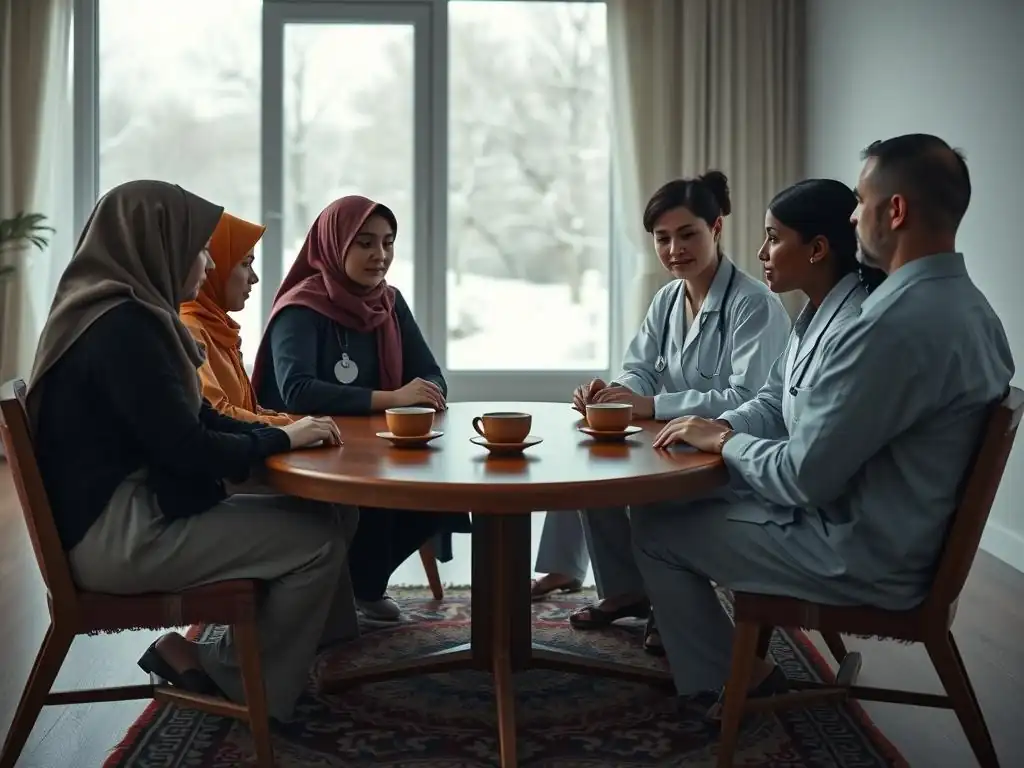
Developing effective culturally sensitive refugee carer training curricula requires a thoughtful integration of Afghan cultural and religious frameworks into healthcare education. This means moving beyond a superficial overview to understanding the practical implications of concepts like Pashtunwali (a traditional Pashtun code of conduct and ethics) and Islamic principles on health beliefs, practices, and family dynamics. For example, understanding the Islamic perspective on suffering, healing, and the role of faith can inform conversations about coping mechanisms and resilience. Similarly, knowing the emphasis on family collectivism in Pashtunwali can guide approaches to involving family in care decisions.
Curricula should include modules taught by cultural experts or bicultural mental health professionals who can provide authentic insights. Case studies based on real or approximated experiences of Afghan refugees can help illustrate how cultural factors influence symptom presentation, help-seeking behaviors, and responses to treatment. Training should cover specific cultural concepts related to mental health, such as the vocabulary used to describe distress in Dari and Pashto, and common cultural healing practices. This integration ensures that healthcare providers receive culturally sensitive refugee carer training that is relevant, practical, and respectful of the Afghan worldview.
Trauma-Informed Care Training for Afghan Refugee Support Workers: Addressing PTSD and Grief
Trauma-informed care is a critical foundation for culturally sensitive refugee carer training, especially when working with populations exposed to high levels of trauma like Afghan refugees. This approach recognizes the widespread impact of trauma, understands potential paths for recovery, and avoids re-traumatization. For Afghan refugees, training must specifically address the complex trauma profiles, including prolonged exposure, multiple traumatic events, and the trauma of displacement and loss. This includes recognizing the specific manifestations of PTSD, such as nightmares, flashbacks, avoidance behaviors, and hyperarousal, within their cultural context.
Furthermore, training must equip support workers to address the profound grief experienced by refugees, often complicated by ambiguous loss (losing loved ones without certainty of their fate) or disenfranchised grief (grief not openly acknowledged or supported by society). Culturally sensitive refugee carer training should provide strategies for facilitating safe processing of traumatic memories and grief, utilizing culturally appropriate coping mechanisms, and understanding the role of collective trauma within communities. This specialized trauma training is essential for providing effective psychological support that acknowledges and respects the unique burdens carried by Afghan refugees.
Cultural Humility: A Lifelong Learning Approach for Healthcare Providers Working with Afghan Refugees
Cultural humility is not a one-time training event but a lifelong commitment to self-reflection, learning, and challenging power imbalances in healthcare interactions. For healthcare providers working with Afghan refugees, this means recognizing that despite receiving culturally sensitive refugee carer training, they will never fully understand the patient's lived experience. It involves approaching each interaction with curiosity, openness, and a willingness to learn from the patient. This contrasts with cultural competence, which sometimes implies a fixed endpoint of knowledge.
Practicing cultural humility involves critically examining one's own biases and assumptions about Afghan culture, refugees, and mental illness. It requires actively seeking to understand the patient's perspective on their health and illness, their preferences for treatment, and their cultural values. It also means being open to feedback and acknowledging when a cultural misstep might have occurred. Integrating cultural humility into culturally sensitive refugee carer training programs fosters a mindset of continuous learning and adaptability, essential for navigating the complexities of providing care across cultures.
Understanding Gender Roles and Family Structures in Afghan Culture
Understanding traditional gender roles and family structures is crucial for healthcare providers providing culturally sensitive care to Afghan refugees. Afghan society is generally patriarchal, with men often holding primary decision-making authority within the family. However, women play vital roles within the household and community. Family structures are typically extended, with multiple generations often living together or maintaining close ties. The concept of family honor significantly influences individual behavior and decisions, including seeking healthcare.
Culturally sensitive refugee carer training should educate providers on navigating these dynamics respectfully. This might involve understanding when and how to involve male family members in discussions about a female patient's health, while also ensuring the female patient's voice is heard and respected. It means recognizing the potential influence of elders in healthcare decisions and understanding communication protocols within families.
For instance, directly asking a young woman about her mental health without first establishing rapport with her mother or husband might be culturally inappropriate. Training should provide practical guidance on engaging with diverse family members while prioritizing patient autonomy within their cultural context.
Practical Strategies for Culturally Sensitive Afghan Refugee Support: A Healthcare Provider's Toolkit
Effective Communication Techniques for Cross-Cultural Interactions with Afghan Patients
Effective communication is the cornerstone of culturally sensitive care for Afghan refugees. Given potential language barriers, trauma histories, and cultural differences in communication styles, providers need specialized skills. This includes speaking slowly and clearly, avoiding jargon and complex medical terminology, and using simple sentences. When working with an interpreter, maintaining eye contact with the patient (while being mindful that direct eye contact might be less common or intense in some Afghan cultural contexts) and pausing frequently to allow for translation are essential. Culturally sensitive refugee carer training should emphasize these practical techniques.
Beyond language, non-verbal communication is also critical. Being mindful of personal space, using open body language, and having a calm and patient demeanor can help build trust. It is also important to be aware that direct questions, especially about sensitive topics like trauma or personal feelings, might be uncomfortable. Using indirect questions, storytelling, or allowing for silence can be more effective. Culturally sensitive refugee carer training should equip providers with a toolkit of communication strategies adaptable to individual patient needs and cultural nuances, focusing on active listening and validating the patient's experience.
Navigating family dynamics and decision-making processes is a key challenge addressed in culturally sensitive refugee carer training. Decisions about healthcare are often made collectively within Afghan families, involving spouses, parents, elders, or other influential relatives. While patient autonomy is a core principle in Western healthcare, prioritizing shared decision-making that respectfully involves key family members can be more effective and culturally appropriate. Providers need to understand who the key decision-makers are within a family and how to include them in discussions in a way that respects both the patient's wishes and family values.
This requires understanding the concept of collectivism versus individualism and how it impacts health choices. Training should provide practical scenarios and strategies for facilitating family meetings, addressing potential disagreements between family members or between the patient/family and the provider, and ensuring that the patient's voice is still heard within the family structure. For example, a provider might present options to the patient and then facilitate a discussion with the family, acting as a guide rather than a sole authority. Culturally sensitive refugee carer training empowers providers to navigate these complex family systems with respect and efficacy.
Addressing Stigma and Discrimination in Mental Healthcare for Afghan Refugees: Promoting Community Acceptance
Stigma surrounding mental illness is a significant barrier to Afghan refugees seeking and receiving care. Within Afghan communities, mental health issues are often misunderstood, feared, or viewed as a source of shame for the individual and their family. This internal community stigma is compounded by external discrimination and prejudice refugees may face in host countries. Healthcare providers must be equipped to recognize and address both forms of stigma within their practice and advocate for broader community acceptance. Culturally sensitive refugee carer training includes strategies for tackling stigma.
Addressing stigma within the clinical setting involves using sensitive language, normalizing discussions about stress and emotional difficulties, and educating patients and families about mental health conditions in culturally understandable terms. It also means creating a safe and confidential environment where patients feel comfortable sharing their experiences. Promoting community acceptance involves collaborating with community leaders, religious figures (like Imams), and community organizations to raise awareness about mental health, challenge misconceptions, and encourage help-seeking. Culturally sensitive refugee carer training emphasizes the provider's role not only as a clinician but also as an advocate and educator within the community.
Utilizing Imams and Community Elders as Cultural Brokers
Imams and community elders hold significant respect and influence within Afghan communities. They are often the first point of contact for individuals experiencing distress and play a vital role in providing spiritual guidance and community support. Recognizing their authority and involving them respectfully can be a powerful strategy for building trust, disseminating information, and facilitating access to mental healthcare. Culturally sensitive refugee carer training should highlight the importance of collaborating with these key community figures and provide guidance on how to do so effectively.
Utilizing Imams and elders as cultural brokers means engaging them in discussions about mental health, educating them about available services, and seeking their guidance on culturally appropriate approaches. They can help bridge the gap between Western healthcare systems and the Afghan community, explaining concepts in culturally resonant ways and encouraging individuals to seek professional help when needed.
For example, an Imam might help explain that seeking help for depression is not a sign of weak faith. Culturally sensitive refugee carer training should include modules on identifying and partnering with community leaders to enhance the reach and effectiveness of mental health support for Afghan refugees.
Overcoming Challenges in Implementing Culturally Sensitive Healthcare Provider Training
Addressing Resource Limitations and Funding Constraints for Interpreter Services and Cultural Training
Implementing effective culturally sensitive refugee carer training and providing culturally appropriate services often faces significant resource limitations and funding constraints. Professional medical interpreter services are expensive, and budgets for mental health services for refugees are often insufficient. This can lead to reliance on untrained interpreters, long waiting lists for services, or a lack of access to specialized cultural training programs. Addressing these challenges requires systemic advocacy and creative solutions.
Healthcare organizations need to prioritize funding for interpreter services, recognizing them not as an optional add-on but as an essential component of quality care. This requires advocating for increased government funding for refugee mental health services and allocating existing resources effectively. Furthermore, developing sustainable models for culturally sensitive refugee carer training that are accessible and affordable for healthcare providers is crucial. This might involve leveraging online learning platforms, training bicultural community members as paraprofessionals, or developing train-the-trainer programs to build internal capacity within organizations. Addressing resource gaps is fundamental to making culturally sensitive support a reality.
Ensuring Ongoing Professional Development and Support for Healthcare Providers Working with Afghan Refugees
Working with refugee populations, particularly those with extensive trauma histories like Afghan refugees, can be emotionally demanding for healthcare providers. Vicarious trauma, burnout, and feelings of helplessness are real risks. Therefore, ensuring ongoing professional development and robust support systems for providers is essential for the sustainability and effectiveness of culturally sensitive care. Initial culturally sensitive refugee carer training is just the beginning; continuous learning and support are necessary.
Ongoing professional development could include regular supervision with supervisors knowledgeable in trauma-informed and culturally sensitive care, access to peer support groups, and opportunities for advanced training in specific areas like complex trauma or culturally adapted therapies. Organizations must also foster a supportive work environment that acknowledges the challenges of this work and promotes provider well-being. This includes manageable caseloads, access to debriefing opportunities, and recognition for the demanding nature of their roles. Investing in the well-being and ongoing education of healthcare providers is an investment in the quality of care provided to Afghan refugees.
Measuring the Impact of Culturally Sensitive Training on Afghan Refugee Mental Health Outcomes: Utilizing Culturally Validated Assessment Tools
To demonstrate the value and effectiveness of culturally sensitive refugee carer training, it is crucial to measure its impact on the mental health outcomes of Afghan refugees. This requires utilizing assessment tools that are culturally validated and appropriate for this population. Standard Western assessment tools may not accurately capture the distress experienced by Afghan refugees due to differences in symptom expression, cultural understanding of mental health, and language barriers.
Research and practice need to focus on identifying or developing assessment tools that have been translated, adapted, and validated for use with Afghan populations, ideally in Dari and Pashto. This might involve using tools that focus on functional impairment, culturally specific distress symptoms, or measures of well-being that resonate within the Afghan cultural context.
Measuring outcomes such as reduced symptoms of PTSD or depression, improved social functioning, increased help-seeking behavior, and enhanced quality of life can provide evidence for the effectiveness of culturally sensitive care approaches and the training programs that support them. Utilizing culturally sensitive refugee carer training evaluation metrics is key to continuous improvement.
Resources for Healthcare Providers Supporting Afghan Refugee Mental Health
Recommended Readings and Online Courses on Afghan Culture and Mental Health
Access to reliable information is vital for healthcare providers seeking to enhance their cultural sensitivity. There are numerous valuable resources available, including academic articles, books, and online training modules specifically focused on Afghan culture, history, and the mental health challenges faced by refugee populations. Recommended readings might include ethnographic studies of Afghan communities, works detailing the impact of conflict and displacement, and publications from organizations working directly with refugees.
Online courses offer flexible opportunities for learning. Many universities and non-profit organizations offer webinars or self-paced modules covering topics like trauma-informed care, cultural competency (and humility), and specific cultural profiles, including those relevant to Afghan populations. Providers seeking culturally sensitive refugee carer training can benefit greatly from these resources, deepening their knowledge base and acquiring practical skills. Identifying reputable sources developed by experts with direct experience working with Afghan communities is crucial for obtaining accurate and relevant information.
Organizations Providing Support and Training in Afghan Refugee Mental Health
Several national and international organizations are dedicated to supporting the mental health of refugees and providing training to professionals. These organizations often have extensive experience working with Afghan populations and have developed specialized programs and resources. Connecting with these groups can provide access to expert knowledge, training opportunities, and potentially, direct support for complex cases.
Examples include organizations focused on refugee resettlement, trauma recovery centers, and non-profits specifically serving Afghan communities. These organizations often offer workshops, consultation services, and culturally specific materials. Engaging with such organizations allows healthcare providers to participate in culturally sensitive refugee carer training programs, learn best practices, and become part of a network of professionals dedicated to improving the well-being of Afghan refugees.
UNHCR, IRC, and Local Afghan Community Organizations
Large international bodies like the United Nations High Commissioner for Refugees (UNHCR) and the International Rescue Committee (IRC) play significant roles in refugee protection and assistance globally. While they may not provide direct clinical training, their publications, data, and policy recommendations offer crucial context and insights into the needs and experiences of Afghan refugees worldwide. Their reports often highlight mental health challenges and advocate for appropriate support services, informing the need for culturally sensitive refugee carer training on a broader scale.
Equally important are local Afghan community organizations in host countries. These grassroots groups are deeply connected to the community and possess invaluable cultural knowledge and trust. Collaborating with them is essential for outreach, understanding community needs, and developing culturally appropriate interventions. Local Afghan organizations can act as liaisons, provide cultural interpreters, and help healthcare providers build rapport with patients and families. Culturally sensitive refugee carer training should emphasize the importance of partnering with these vital community resources.
The Future of Culturally Sensitive Afghan Refugee Healthcare Provider Training
Adapting Training Programs to Meet the Evolving Needs of Afghan Refugee Populations in Different Host Countries
The Afghan refugee population is diverse and its needs are constantly evolving, influenced by the duration of displacement, the specific conditions in host countries, and ongoing developments in Afghanistan. Future culturally sensitive refugee carer training programs must be adaptable and responsive to these changing dynamics. Training developed for one host country might need significant adjustments to be relevant in another, considering differences in legal status, access to services, social integration, and the specific Afghan communities present.
Training should also evolve to address emerging mental health challenges, such as the long-term effects of chronic stress, the impact of family separation or reunification, and the psychological toll of navigating complex asylum processes. As refugees integrate (or face barriers to integration) in host countries, their mental health needs may shift. Future culturally sensitive refugee carer training must incorporate mechanisms for ongoing needs assessment and curriculum updates to ensure it remains relevant and effective in supporting the mental well-being of Afghan refugees across diverse contexts.
Promoting Collaboration Between Mental Health Professionals and Afghan Cultural Experts
A critical element for advancing culturally sensitive refugee carer training and practice is fostering genuine, equitable collaboration between mental health professionals and Afghan cultural experts. This includes individuals with deep knowledge of Afghan history, culture, languages, and religious practices, as well as bicultural mental health professionals and community members with lived experience as refugees. Their insights are invaluable in shaping training content, developing culturally appropriate interventions, and ensuring services are accessible and acceptable.
Collaboration should go beyond simply consulting experts; it should involve them in the design, delivery, and evaluation of training programs and services. This partnership can lead to the development of truly innovative and effective approaches, such as integrating traditional healing practices with Western therapies or creating culturally specific psychoeducational materials. Promoting this collaborative model within culturally sensitive refugee carer training ensures that future efforts are grounded in authentic cultural understanding and responsive to the real needs of the community.
Advocating for Policies That Support Culturally Sensitive Afghan Refugee Mental Healthcare: Increased Funding for Interpreters and Cultural Competency Training
Ultimately, the widespread availability of culturally sensitive mental healthcare for Afghan refugees depends on supportive policies and adequate funding. Healthcare providers and organizations involved in culturally sensitive refugee carer training must become advocates for systemic change. This includes advocating for increased government funding specifically earmarked for refugee mental health services, including dedicated budgets for professional interpreter services in key languages like Dari and Pashto.
Advocacy is also needed to mandate or incentivize cultural competency (and humility) training for all healthcare professionals working with diverse populations, with specific attention to refugee groups. Policies should support the recruitment and retention of bicultural mental health professionals and community health workers who can provide culturally and linguistically appropriate support. By advocating for policies that prioritize culturally sensitive approaches, healthcare providers can help ensure that Afghan refugees receive the respectful, effective mental healthcare they need and deserve, solidifying the importance of culturally sensitive refugee carer training at a policy level.
Frequently Asked Questions
How does Mind Care Guide define "Culturally Sensitive Refugee Carer Training"?
It refers to programs designed to equip professionals with the knowledge, skills, and awareness needed to effectively support refugees from diverse cultural backgrounds. These programs prioritize understanding cultural nuances and avoiding harmful stereotypes.
Why is "Culturally Sensitive Refugee Carer Training" so important?
Refugees often experience unique mental health challenges compounded by trauma, displacement, and cultural adjustment. Culturally sensitive training helps carers provide appropriate and effective support, minimizing harm and maximizing well-being.
What specific topics are typically covered in "Culturally Sensitive Refugee Carer Training"?
Training commonly includes information on refugee experiences, trauma-informed care, cultural communication, and understanding specific cultural beliefs about mental health. It also addresses ethical considerations and potential biases.
Where can I find "Culturally Sensitive Refugee Carer Training" programs?
Mind Care Guide aims to provide information and resources on such programs. Look for organizations specializing in refugee mental health support or check with local and national mental health agencies for training opportunities.
How does Mind Care Guide ensure the information provided about "Culturally Sensitive Refugee Carer Training" is accurate and up-to-date?
We strive to curate resources from reputable sources and consult with experts in the field of refugee mental health. Information is regularly reviewed and updated to reflect current best practices and research findings.
Final Reflection: Cultivating Empathy, Building Bridges
The urgent need for culturally sensitive training in refugee support is not merely a professional imperative; it is a moral one. The global refugee crisis continues to escalate, demanding a response that goes beyond providing basic necessities and delves into the complexities of cultural understanding and trauma-informed care. Failure to address this need perpetuates cycles of misunderstanding, mistrust, and ultimately, suffering.
The impact of culturally insensitive practices on refugee communities is profound and far-reaching. It erodes trust in support systems, hinders successful integration, and can exacerbate existing trauma. As professionals, we have a responsibility to ensure that our actions reflect a commitment to genuine empathy and respect. The greatest of evils is the violation of human dignity.
- This quote, though not explicitly about refugees, speaks volumes about the ethical core of providing culturally sensitive care, ensuring that every individual feels valued and respected regardless of their background.
Now, consider your own role in fostering a more inclusive and supportive environment for refugees. What steps can you take, in your personal and professional life, to promote culturally sensitive practices? Perhaps it's engaging in further learning, advocating for improved training programs, or simply taking the time to listen and learn from the experiences of those you serve. Let us collectively strive to build bridges of understanding and compassion, ensuring that every refugee receives the support they deserve, with dignity and respect at the heart of our interactions.
Unlock Cultural Understanding: Empower Your Refugee Support
Thanks for taking the time to learn about culturally sensitive care for refugees! You've gained valuable insights into building bridges of understanding and providing truly effective support. Now, let's put this knowledge into action.
- Prioritize cultural competency training: Immediately schedule a team training session focused on cultural awareness and communication strategies for refugee populations. This is your key step to improved care.
- Share this article: Expand your reach by sharing this vital information with colleagues and organizations involved in refugee support. Let's build a stronger, more informed network together!
- Explore resources: Dive deeper into culturally sensitive care by researching specific cultural practices relevant to the refugee communities you serve. Every bit of knowledge helps.
What unique challenges or opportunities have you encountered while providing culturally sensitive care, and how can we collectively overcome them?