
How Trauma Reshapes the Brain: Different Experiences Explained

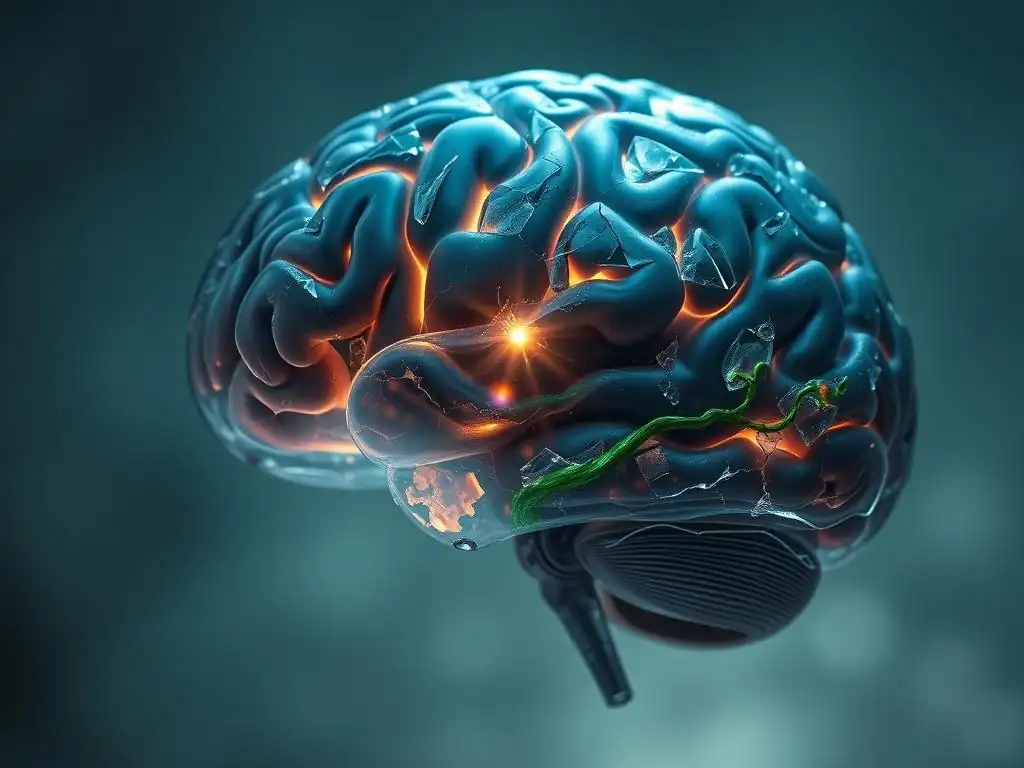
Welcome to Mind Care Guide, a sanctuary for your mental well-being.
Have you ever wondered how deeply trauma can impact the very structure of your brain? In this deeply empathetic guide, we'll explore the intricate ways trauma leaves its mark, offering insights and understanding in our main article: " Trauma brain changes explained deeply." Prepare to delve into the science behind healing and resilience, and discover how you can begin to navigate your journey towards a brighter, more balanced you. Let's unravel the complexities together.
-
How Trauma Reshapes the Brain: Trauma Brain Changes Explained Deeply
- Understanding Trauma and Its Impact on Brain Function
- The Science Behind Trauma Brain Changes: Neurological Foundations
- Key Brain Regions Affected by Trauma and Stress
- Different Types of Trauma and Their Distinct Brain Effects
- How Trauma Alters Brain Chemistry and Neural Pathways
- The Role of Trauma Brain Changes in Mental Health Disorders
- Current Research Insights: Trauma Brain Changes Explained Deeply
- Therapeutic Approaches Targeting Trauma-Induced Brain Changes
- Promoting Brain Healing: Lifestyle and Supportive Strategies After Trauma
- Summary: Integrating Knowledge on Trauma Brain Changes for Mental Well-Being
-
Frequently Asked Questions
- How does trauma fundamentally alter brain structure?
- What is the impact of trauma on the amygdala, and how does that manifest?
- How does trauma affect the hippocampus and its role in memory processing?
- How does trauma affect the prefrontal cortex's ability to regulate emotions and make decisions?
- Are trauma-induced brain changes permanent, or can the brain recover and heal?
- Final Reflection: The Enduring Impact of Trauma on the Brain
- Unveil Your Brain's Resilience: Start Healing Today
How Trauma Reshapes the Brain: Trauma Brain Changes Explained Deeply
Understanding Trauma and Its Impact on Brain Function
Trauma is not merely an emotional experience; it is a profound physiological event that can leave a lasting imprint on the brain's structure and function. When an individual experiences an overwhelming event that threatens their safety or well-being, their brain's stress response system is activated intensely. This activation, especially if prolonged or repeated, can lead to significant alterations in neural pathways and brain regions responsible for fear processing, memory, emotional regulation, and executive functions. Understanding how trauma brain changes are explained deeply provides critical insights into the challenges faced by survivors and the potential pathways to healing.
The impact of trauma on the brain is complex and varies depending on factors such as the type, severity, and duration of the trauma, as well as the individual's age, resilience, and support system. These changes are a form of neuroadaptation, where the brain attempts to cope with or prepare for future threats based on past experiences.
While these adaptations can be protective in the short term, they can lead to persistent difficulties in managing stress, regulating emotions, and forming healthy relationships in the long term. Exploring trauma brain changes explained deeply helps demystify symptoms often associated with post-traumatic stress disorder (PTSD) and other trauma-related conditions.
The Science Behind Trauma Brain Changes: Neurological Foundations
The brain is a highly adaptable organ, capable of changing its structure and function in response to experiences – a phenomenon known as neuroplasticity. While this allows for learning and recovery, it also means that adverse experiences like trauma can literally reshape neural circuits. The stress hormones released during trauma, such as cortisol and adrenaline, play a central role in these neurological alterations. Elevated levels of these hormones, particularly chronic exposure, can affect various brain regions, influencing everything from cell growth to synaptic connections.
Research into the neurological foundations of trauma reveals that the brain's response involves intricate interactions between different areas. The limbic system, which is deeply involved in emotion and memory, is particularly sensitive to trauma. Changes in this system can lead to heightened reactivity to perceived threats, difficulty processing memories associated with the trauma, and challenges in regulating emotional responses. Delving into trauma brain changes explained deeply requires examining how these hormonal and structural shifts manifest in specific brain regions.
Key Brain Regions Affected by Trauma and Stress
Trauma's impact is not uniformly distributed across the brain; certain regions are particularly vulnerable to stress-induced changes. These key areas form a network responsible for processing threats, storing memories, and governing behavioral responses. Understanding the specific roles of these regions helps to clarify the diverse symptoms experienced by trauma survivors.
The Amygdala: Trauma’s Role in Heightened Fear Responses
The amygdala, a small almond-shaped structure deep within the brain, is the primary hub for processing emotions, especially fear and threat detection. In individuals exposed to trauma, the amygdala often becomes hyperactive. This means it is more easily triggered and responds more intensely to stimuli that might be perceived as threatening, even if they are objectively safe. This heightened state of alert contributes to the hypervigilance, exaggerated startle response, and intrusive thoughts common in trauma survivors.
Studies using functional magnetic resonance imaging (fMRI) have shown increased activity in the amygdala when trauma survivors are exposed to trauma-related cues or even generalized stressors. This overactivity essentially keeps the brain's alarm system on high alert. Research explaining trauma brain changes deeply often highlights the amygdala's role as a central player in maintaining the fear response long after the actual threat has passed.
The Hippocampus: Memory Processing Alterations After Trauma
The hippocampus, another structure within the limbic system, is crucial for forming new memories and retrieving existing ones, particularly those related to context and sequence. It helps distinguish between past and present experiences and integrates emotional information with factual details of an event. Trauma, especially chronic or severe trauma, can negatively impact the hippocampus.
Research indicates that the hippocampus can shrink in volume in some individuals with PTSD, sometimes by as much as 10-15% compared to healthy controls in certain studies. This structural change is associated with difficulties in recalling specific details of traumatic events (leading to fragmented memories) and problems distinguishing between safe and unsafe contexts. The hippocampus's impaired function contributes to the feeling that the past trauma is happening in the present, a hallmark of flashbacks.
The Prefrontal Cortex: Impaired Executive Functioning in Trauma Survivors
The prefrontal cortex (PFC), located at the front of the brain, is responsible for higher-level cognitive functions, including decision-making, impulse control, emotional regulation, planning, and evaluating consequences. It acts as the brain's executive control center, helping to modulate the activity of the amygdala and other reactive areas. Trauma can disrupt the function and connectivity of the PFC.
In trauma survivors, particularly those with complex trauma, the medial prefrontal cortex (mPFC) and other parts of the PFC may show decreased activity or reduced volume. This weakening of the brain's "control tower" makes it harder to manage intense emotions, control impulsive behaviors, and make rational decisions under stress. The reduced ability of the PFC to regulate the hyperactive amygdala contributes significantly to difficulties with emotional regulation and stress management, further explaining trauma brain changes deeply.
Different Types of Trauma and Their Distinct Brain Effects
While all trauma can impact the brain, the nature, timing, and duration of the traumatic experience can lead to variations in how the brain is affected. Different types of trauma may emphasize changes in certain neural circuits or lead to distinct patterns of adaptation.
Acute Trauma Brain Changes: Immediate Neurological Responses
Acute trauma refers to a single, time-limited event, such as a car accident, a natural disaster, or a sudden assault. The brain's immediate response involves a massive surge of stress hormones, triggering the "fight, flight, or freeze" response mediated by the amygdala and the sympathetic nervous system. This acute stress response is adaptive, designed to help the individual survive the immediate threat.
In the aftermath of acute trauma, the brain attempts to process and integrate the experience. However, if this processing is disrupted, the event can become 'stuck' in memory, leading to intrusive symptoms. While acute trauma can lead to long-term changes, the initial impact is characterized by intense activation of threat-response circuits and potential disruption of memory encoding processes in the hippocampus due to high stress hormone levels.
Chronic Trauma and Complex PTSD: Long-Term Brain Adaptations
Chronic trauma involves repeated or prolonged exposure to stressful events, such as ongoing abuse, neglect, or living in a war zone. Complex PTSD (C-PTSD) often develops in response to chronic interpersonal trauma, particularly when escape is difficult or impossible. This type of trauma leads to more pervasive and deeply embedded brain changes than acute trauma.
Chronic trauma is associated with more pronounced structural changes, including potentially greater reduction in hippocampal volume and more significant alterations in the prefrontal cortex. The long-term activation of the stress response system can also lead to dysregulation of the hypothalamic-pituitary-adrenal (HPA) axis, which controls the body's stress hormone release. These chronic adaptations contribute to difficulties in emotional regulation, self-perception, relationships, and physical health, explaining trauma brain changes deeply in the context of enduring adversity.
Developmental Trauma: How Early Life Stress Alters Brain Development
Developmental trauma occurs during critical periods of brain development, typically in infancy, childhood, or adolescence. Experiences like neglect, abuse, or witnessing domestic violence during these formative years can have particularly profound and widespread effects because the brain is still under construction. Early life stress directly influences the architecture of the developing brain.
Studies on developmental trauma show alterations in the size and connectivity of numerous brain regions, including the amygdala, hippocampus, and prefrontal cortex, often leading to smaller volumes or reduced connectivity in these areas compared to individuals without such experiences. Early trauma can also disrupt the development of neural pathways involved in stress response, emotional regulation, and social cognition. These early trauma brain changes explained deeply highlight the critical importance of supportive environments during childhood for healthy brain development.
How Trauma Alters Brain Chemistry and Neural Pathways
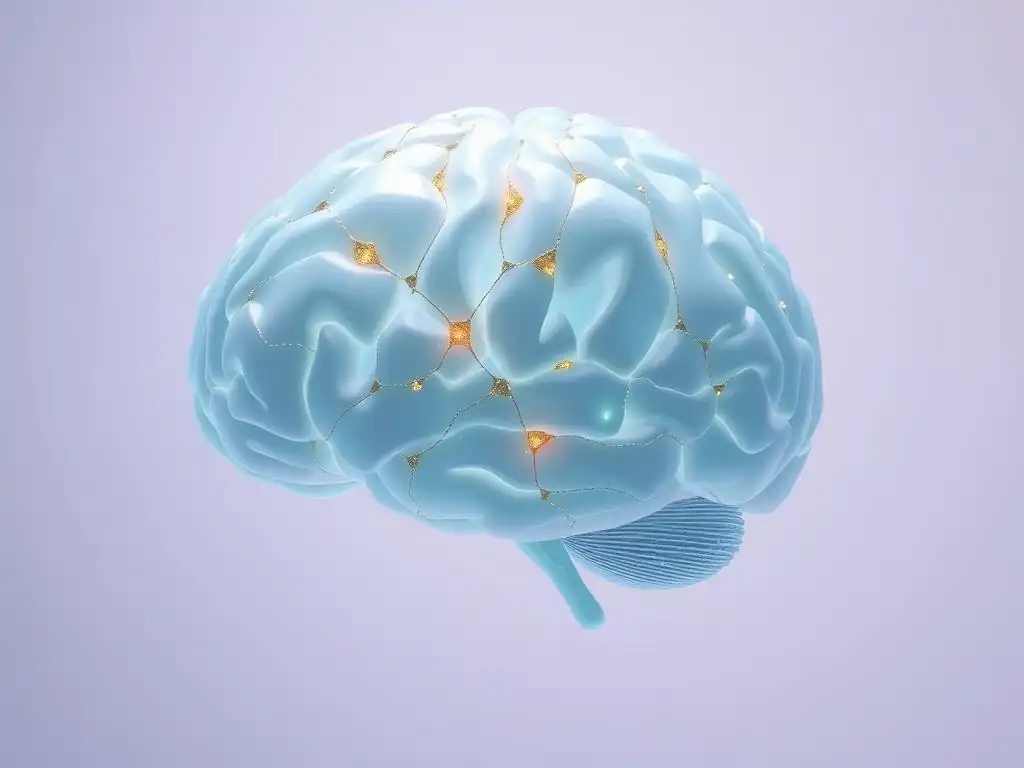
Beyond structural changes, trauma significantly impacts the brain's neurochemistry and the way different regions communicate with each other through neural pathways. These chemical and connectivity changes underpin many of the functional difficulties experienced by trauma survivors.
Neurotransmitter Imbalances in Trauma-Related Brain Changes
Neurotransmitters are chemical messengers that transmit signals between neurons. Trauma can disrupt the balance of several key neurotransmitters. For instance, levels of norepinephrine, a neurotransmitter involved in alertness and the stress response, are often elevated in trauma survivors, contributing to hyperarousal and anxiety. Serotonin, which influences mood and impulse control, can also be affected, potentially playing a role in depression and impulsivity seen in some survivors.
The activity of glutamate and GABA, the brain's primary excitatory and inhibitory neurotransmitters, respectively, can also be altered. An imbalance between these can affect neural excitability and contribute to symptoms like anxiety and difficulty relaxing. Understanding these neurotransmitter shifts is crucial for explaining trauma brain changes deeply and informing pharmacological treatment strategies.
Structural Brain Changes: Neuroplasticity and Trauma
Trauma leverages the brain's neuroplasticity for maladaptive changes. While we discussed volume changes in areas like the hippocampus, trauma also affects the density of neurons and synapses (the connections between neurons). For example, chronic stress can reduce dendritic branching (connections) in the hippocampus and prefrontal cortex while potentially increasing it in the amygdala.
These structural changes reflect the brain's adaptation to prioritize survival in a threatening environment. Neural pathways associated with fear and threat detection become stronger and more easily activated, while pathways involved in calm, rational thought and complex memory processing may become weaker. This aspect of trauma brain changes explained deeply underscores how the brain physically reorganizes itself in the face of persistent danger.
Functional Connectivity Disruptions in Trauma Survivors
Functional connectivity refers to how well different brain regions communicate and coordinate their activity. In trauma survivors, the functional connectivity between key brain networks is often disrupted. There is frequently increased connectivity within networks involved in processing salience (detecting important stimuli, including threats) and the default mode network (involved in self-referential thought and rumination), while connectivity between the prefrontal cortex and the amygdala (the regulatory pathway) is often decreased.
This disrupted communication means the brain struggles to integrate information effectively. The "thinking" parts of the brain have difficulty calming down the "feeling" and "reacting" parts. This lack of coordinated activity contributes to symptoms like emotional dysregulation, difficulty focusing, and persistent rumination about the trauma, further illustrating trauma brain changes explained deeply through network analysis.
The Role of Trauma Brain Changes in Mental Health Disorders
The brain alterations caused by trauma are not just abstract neurological phenomena; they are directly linked to the development and maintenance of various mental health conditions. Understanding these links is vital for diagnosis and treatment.
Trauma-Induced Anxiety and Depression: Brain Mechanisms Explained
Anxiety and depression are common comorbidities of trauma. The hyperactive amygdala and disrupted stress response system contribute significantly to anxiety symptoms like excessive worry, panic, and hypervigilance. The constant state of alert taxes the system and makes relaxation difficult.
Depression in trauma survivors can be linked to changes in neurotransmitter systems, particularly serotonin and norepinephrine, as well as dysfunction in brain regions involved in reward and motivation, such as the nucleus accumbens, which can be affected by chronic stress. The impaired function of the prefrontal cortex also makes it harder to regulate negative moods and engage in goal-directed behavior, further explaining trauma brain changes deeply in the context of mood disorders.
PTSD and Brain Alterations: Understanding the Neurological Basis
Post-Traumatic Stress Disorder (PTSD) is the most direct manifestation of trauma's impact on the brain. The core symptoms of PTSD—re-experiencing, avoidance, negative alterations in cognition and mood, and alterations in arousal and reactivity—are directly tied to the brain changes discussed. Flashbacks and nightmares relate to the hippocampus's difficulty in contextualizing memories and the amygdala's overreaction. Avoidance behaviors stem from the brain's learned association of certain stimuli with danger.
Negative alterations in cognition and mood are linked to changes in the PFC and neurotransmitter imbalances. Hyperarousal symptoms reflect the persistent dysregulation of the stress response system and amygdala hyperactivity. Exploring trauma brain changes explained deeply is fundamental to grasping why PTSD symptoms are so persistent and challenging.
Trauma’s Influence on Emotional Regulation and Cognitive Processes
Beyond specific disorders, trauma broadly impairs emotional regulation and various cognitive processes. Difficulty managing intense emotions is a direct consequence of the weakened regulatory control of the prefrontal cortex over the limbic system. Survivors may struggle with sudden mood shifts, anger outbursts, or feeling emotionally numb.
Cognitive impairments can include problems with attention, concentration, decision-making, and memory. These difficulties are linked to the impact of trauma on the prefrontal cortex and hippocampus. Chronic stress and hyperarousal also consume cognitive resources, making it harder for the brain to perform complex tasks. These widespread effects demonstrate how trauma brain changes explained deeply impact daily functioning.
Current Research Insights: Trauma Brain Changes Explained Deeply
Ongoing research continues to deepen our understanding of how trauma affects the brain. Advanced neuroimaging techniques, genetic studies, and investigations into biomarkers are providing more nuanced insights into the specific mechanisms involved.
Recent studies are exploring the role of epigenetic modifications – changes in gene expression caused by environmental factors like trauma – in mediating long-term brain changes and vulnerability to trauma-related disorders. Research is also focusing on the impact of trauma on connectivity within specific brain networks, such as the salience network and the central executive network, providing a more dynamic picture of how brain activity is altered. Furthermore, studies are increasingly investigating the influence of factors like genetics, age at trauma exposure, and social support on the trajectory of trauma brain changes explained deeply.
Therapeutic Approaches Targeting Trauma-Induced Brain Changes
The understanding of trauma's impact on the brain has significantly influenced therapeutic approaches. Effective treatments aim not only to process the traumatic memories but also to facilitate positive neuroplastic changes, helping the brain to regain more balanced functioning.
Trauma-Informed Therapy and Brain Recovery
Trauma-informed therapy recognizes the pervasive impact of trauma and integrates this understanding into practice. Modalities like Trauma-Focused Cognitive Behavioral Therapy (TF-CBT) and Eye Movement Desensitization and Reprocessing (EMDR) are designed to help individuals process traumatic memories in a safe environment, which can help to 'unstick' the memory and reduce the amygdala's reactivity to trauma cues.
These therapies work by potentially strengthening the connection between the hippocampus and the prefrontal cortex, allowing for better contextualization and regulation of fear responses. While the exact mechanisms are still being researched, the goal is to facilitate neuroplasticity that supports healing and reduces the maladaptive trauma brain changes explained deeply by neuroscience.
Neurofeedback and Brain Plasticity in Trauma Treatment
Neurofeedback is a type of biofeedback that helps individuals learn to regulate their own brain activity. By providing real-time information about their brainwaves, individuals can learn to increase activity in areas that are underactive (like parts of the PFC) or decrease activity in areas that are overactive (like the amygdala).
While more research is needed, preliminary studies suggest that neurofeedback may help improve symptoms in trauma survivors by promoting healthier patterns of brain activity and connectivity. This approach directly targets the functional trauma brain changes explained deeply by neuroimaging studies.
Pharmacological Interventions Addressing Trauma Brain Chemistry
Medications can be used to target the neurochemical imbalances associated with trauma. Selective Serotonin Reuptake Inhibitors (SSRIs), for example, can help regulate serotonin levels, which may alleviate symptoms of depression and anxiety. Other medications might target norepinephrine or other neurotransmitters to reduce hyperarousal or manage specific symptoms.
It's important to note that medication typically manages symptoms and is most effective when used in conjunction with psychotherapy. Pharmacological interventions work by attempting to restore a more balanced brain chemistry, addressing one aspect of trauma brain changes explained deeply through biochemical research.
Promoting Brain Healing: Lifestyle and Supportive Strategies After Trauma
Beyond formal therapy and medication, various lifestyle and supportive strategies can promote positive neuroplasticity and support brain healing after trauma. These approaches empower individuals to actively participate in their recovery.
Regular physical exercise has been shown to have positive effects on brain structure and function, including potentially increasing hippocampal volume and improving mood regulation. Mindfulness and meditation practices can help strengthen the prefrontal cortex's ability to regulate the amygdala and reduce stress responses. Sufficient sleep is also crucial for memory consolidation and overall brain health, both of which are often disrupted by trauma.
Engaging in supportive relationships and social activities can also buffer the effects of stress and promote resilience. These strategies leverage the brain's capacity for change, offering practical ways to navigate trauma brain changes explained deeply through research on well-being.
Summary: Integrating Knowledge on Trauma Brain Changes for Mental Well-Being
Understanding how trauma reshapes the brain offers a powerful framework for comprehending the challenges faced by survivors. From the hyperactive amygdala to the impaired hippocampus and prefrontal cortex, trauma leaves a physical signature on neural circuits. This knowledge, explaining trauma brain changes deeply, underscores that symptoms like flashbacks, emotional dysregulation, and difficulty concentrating are not character flaws but rather consequences of the brain's adaptation to overwhelming experiences.
By integrating insights into the neurological foundations, specific regional changes, neurochemical alterations, and functional connectivity disruptions, we gain a comprehensive picture of trauma's impact. Crucially, recognizing the brain's neuroplasticity also offers hope. Effective therapies, combined with supportive lifestyle choices and a focus on promoting positive brain changes, demonstrate that healing is possible. Delving into trauma brain changes explained deeply empowers both survivors and those who support them to approach recovery with informed understanding and empathy.
Frequently Asked Questions
How does trauma fundamentally alter brain structure?
Trauma can lead to structural changes in areas like the amygdala (involved in fear), hippocampus (memory), and prefrontal cortex (executive function). These changes can affect emotional regulation, memory processing, and decision-making.
What is the impact of trauma on the amygdala, and how does that manifest?
The amygdala, responsible for processing emotions, can become hyperactive after trauma. This heightened activity can result in increased anxiety, fear responses, and difficulty distinguishing between safe and unsafe situations.
How does trauma affect the hippocampus and its role in memory processing?
Trauma can disrupt the hippocampus, leading to difficulties with forming new memories and retrieving past ones. This can manifest as fragmented memories, flashbacks, and a distorted sense of time.
How does trauma affect the prefrontal cortex's ability to regulate emotions and make decisions?
Trauma can impair the prefrontal cortex, which is crucial for executive functions like planning, decision-making, and emotional regulation. This can result in impulsivity, difficulty focusing, and challenges in managing emotions.
Are trauma-induced brain changes permanent, or can the brain recover and heal?
While trauma can cause significant changes, the brain possesses neuroplasticity, meaning it can adapt and reorganize itself. With appropriate therapy and support, individuals can experience significant healing and improved functioning.
Final Reflection: The Enduring Impact of Trauma on the Brain
The intricate ways trauma reshapes the brain are not merely academic; they are the lived realities of millions. Understanding these changes is crucial not just for scientific advancement, but for fostering empathy, developing effective treatments, and ultimately, building a more compassionate society. The implications of this research extend far beyond the clinical setting, impacting our understanding of human behavior, social justice, and the very fabric of our relationships.
The journey through this exploration of trauma's neurological impact has underscored for me the profound resilience of the human spirit, even in the face of unimaginable adversity. Yet, it's also highlighted the urgent need for continued research and societal shifts in how we approach trauma. The opposite of trauma is not calm, it's connection.
This quote encapsulates the importance of fostering supportive environments and providing accessible resources for those navigating the long-term effects of trauma. The ongoing conversation surrounding trauma is vital, and we must continue to challenge the stigma and promote understanding.
Now, consider your own experiences and relationships. How might this new understanding of trauma's impact on the brain inform your interactions with others? Take a moment to reflect on the power of empathy and the importance of creating safe spaces for healing and recovery. Let this knowledge be a catalyst for change, not only in your personal life, but in your community and beyond. By actively engaging with this information, you become part of the solution, fostering a world where understanding and compassion prevail over ignorance and judgment.
Unveil Your Brain's Resilience: Start Healing Today
Thanks for taking the time to explore the fascinating – and sometimes challenging – ways trauma impacts our brains. We hope you gained a deeper understanding of resilience and recovery. Now, let's turn that knowledge into action!
- Prioritize self-care: Identify one small, manageable step you can take today to nurture your mental well-being. This could be anything from a short walk in nature to listening to calming music.
- Connect with support: Reach out to a trusted friend, family member, or therapist. Sharing your experiences can be incredibly powerful in the healing process.
- Explore further: Dive deeper into relevant resources – perhaps search for local support groups or explore mindfulness techniques online. This journey is yours, and resources are available to support you every step of the way.
What small act of self-compassion will you prioritize today to honor your brain’s incredible capacity for healing?