
Understanding Flashbacks: Reliving Trauma for Veterans

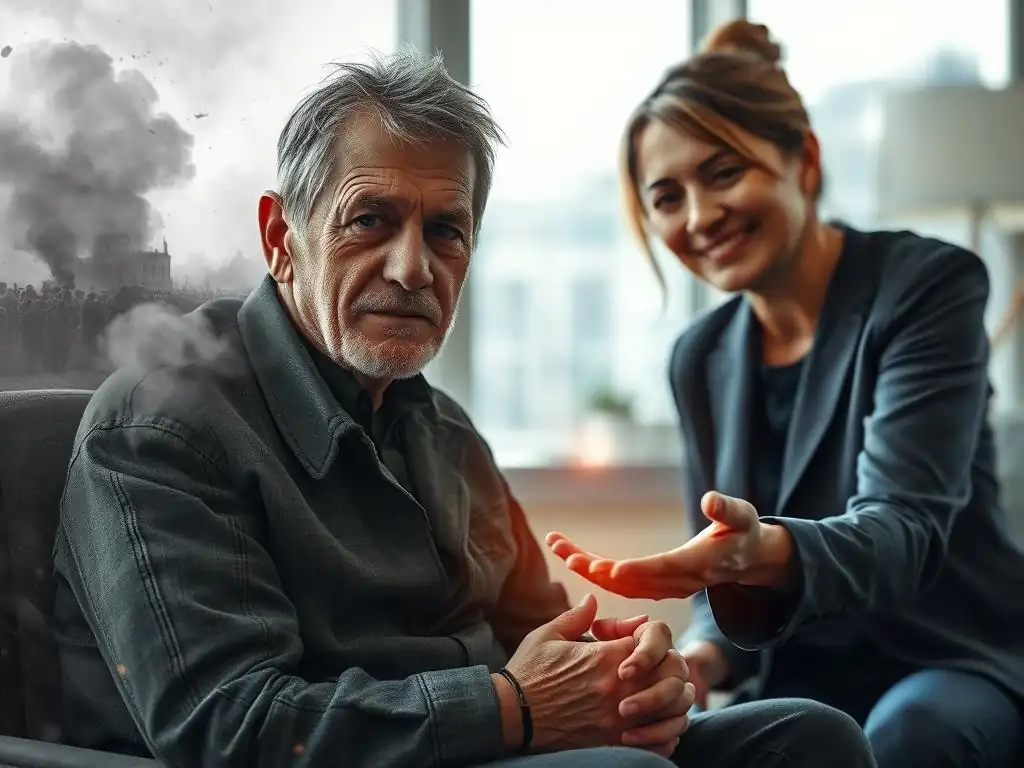
Welcome to Mind Care Guide.
Are you a veteran struggling with the unsettling experience of traumatic flashbacks? You're not alone, and understanding is the first step towards healing. This guide offers compassionate insights and practical resources, specifically focusing on how to help Veterans experiencing traumatic flashbacks. Discover pathways to reclaim your peace and find support on your journey to mental well-being.
Understanding Flashbacks: Reliving Trauma for Veterans
- Introduction: The Impact of Traumatic Flashbacks on Veterans
- The Science Behind Flashbacks: What Happens in the Brain
- Identifying and Recognizing Flashback Symptoms in Veterans
- Common Triggers for Flashbacks in Veteran Populations
- Coping Strategies for Veterans Experiencing Traumatic Flashbacks
- Therapeutic Approaches for Treating Flashbacks in Veterans
- Supporting a Veteran Experiencing a Flashback: A Guide for Loved Ones
- Long-Term Strategies for Managing Flashbacks and PTSD in Veterans
- Resources for Veterans Seeking Help with Flashbacks and Trauma
- Conclusion: Empowering Veterans to Overcome Traumatic Flashbacks and Reclaim Their Lives
-
Frequently Asked Questions
- What are traumatic flashbacks, and how do they specifically affect veterans?
- What are some common triggers that can cause flashbacks in veterans?
- How can veterans distinguish between a vivid memory and a true flashback?
- What are some immediate coping strategies veterans can use when experiencing a flashback?
- Where can veterans find professional help and support for managing traumatic flashbacks?
- Final Reflection: Unburdening the Past, Embracing the Future
- Unveil Your Healing Journey: Next Steps for Veterans
Introduction: The Impact of Traumatic Flashbacks on Veterans
Traumatic flashbacks are a profound and often debilitating symptom experienced by many veterans who have served in combat zones or endured other traumatic events during their service. These episodes can thrust individuals back into the moments of their trauma, making it feel as though the past is happening in the present. For veterans experiencing traumatic flashbacks, help is not only available but essential for healing and reclaiming their lives. Understanding the nature of these experiences is the first step towards effective support and recovery.
Defining Flashbacks: A Key Symptom of PTSD in Veterans
Flashbacks are intense, intrusive experiences where a person feels or acts as if a traumatic event is happening again. This isn't just a bad memory; it's a vivid re-experiencing of the sights, sounds, smells, feelings, and even physical sensations associated with the original trauma. For veterans, this might mean suddenly feeling like they are back in a firefight, hearing explosions, smelling cordite, or feeling the same intense fear they experienced years ago. They are a core diagnostic criterion for Post-Traumatic Stress Disorder (PTSD).
These episodes can be triggered by various stimuli and can range in intensity and duration. Some veterans might experience brief, fleeting images or sensations, while others endure prolonged, immersive experiences that can last for minutes or even hours. The unpredictability and intensity of these flashbacks significantly disrupt daily life, making it difficult for veterans to maintain relationships, hold jobs, or simply feel safe in their own homes. Recognizing these symptoms is crucial for veterans experiencing traumatic flashbacks help.
Why Veterans Are Particularly Vulnerable to Flashbacks
Military service, particularly in combat roles, exposes individuals to a higher likelihood of experiencing potentially traumatic events compared to the general population. Witnessing death, being in life-threatening situations, or enduring prolonged periods of intense stress can significantly alter the brain's processing of fear and memory. An estimated 11-20% of veterans of the OEF/OIF/OND conflicts, about 12% of Gulf War veterans, and about 15% of Vietnam veterans have PTSD in a given year, a disorder for which flashbacks are a hallmark symptom.
Furthermore, the transition back to civilian life can present its own set of challenges and triggers. Everyday situations that seem innocuous to others – such as loud noises, crowded places, or specific smells – can inadvertently activate traumatic memories in veterans, leading to a flashback. The unique experiences and stresses of military life contribute to a higher prevalence of PTSD and, consequently, the distressing phenomenon of flashbacks among this population. Seeking tailored support is vital for veterans experiencing traumatic flashbacks help.
Mind Care Guide: Supporting Veterans Through Trauma Recovery
Mind Care Guide is dedicated to providing comprehensive information and resources for those navigating mental health challenges, including the specific needs of veterans. We understand that veterans experiencing traumatic flashbacks help requires a nuanced approach that respects their unique experiences and the complexities of military trauma. Our goal is to empower veterans and their loved ones with knowledge, coping strategies, and pathways to professional support.
We believe that recovery is possible and that veterans do not have to face these challenges alone. By offering insights into the nature of flashbacks, their underlying causes, and effective management techniques, we aim to demystify these experiences and reduce the stigma often associated with seeking mental health care. For veterans experiencing traumatic flashbacks, help starts with understanding and accessing the right support systems.
The Science Behind Flashbacks: What Happens in the Brain
Understanding the biological mechanisms behind flashbacks can demystify these frightening experiences and pave the way for effective treatment. Flashbacks are not a sign of weakness; they are a complex neurological response to trauma, rooted in how the brain processes and stores intensely stressful memories. For veterans experiencing traumatic flashbacks, help often involves addressing these altered brain pathways.
The Neurological Basis of Flashbacks: Trauma and Memory
When a person experiences trauma, particularly military combat or other life-threatening events, the brain's normal memory encoding process can be disrupted. Instead of integrating the event into a coherent narrative of the past, the traumatic memory can become fragmented and improperly stored. These fragments might include sensory details, emotional states, or physiological responses, but lack context or a sense of being "over" or "in the past."
This fragmented storage makes the memory highly susceptible to being triggered by stimuli that resemble any aspect of the original event. The brain essentially reacts as if the threat is current, bypassing the usual processes that distinguish between past and present. This is why veterans experiencing traumatic flashbacks help often involves therapies that help the brain re-process these fragmented memories into a more integrated, historical context.
How Stress and Triggers Activate Flashback Episodes
Stress plays a significant role in the activation of flashbacks. When a person is stressed, the body releases hormones like cortisol, which can further dysregulate the brain's stress response system, already altered by trauma. This heightened state of physiological arousal makes the individual more reactive to potential triggers. A trigger, whether it's a loud noise reminiscent of gunfire or an internal feeling of vulnerability, acts as a cue that signals the brain to retrieve the traumatic memory.
Because the memory is poorly integrated, the retrieval process doesn't bring up a simple recollection; instead, it initiates a full-blown re-experiencing. The brain's threat detection system, the amygdala, goes into overdrive, prompting the body to react as if the danger is imminent. This stress-trigger-flashback cycle can become deeply ingrained, highlighting the importance of targeted interventions for veterans experiencing traumatic flashbacks help.
The Role of the Amygdala and Hippocampus in Flashback Formation
Two key brain structures heavily involved in memory and emotion are central to understanding flashbacks: the amygdala and the hippocampus. The amygdala is responsible for processing emotions, particularly fear, and plays a critical role in the "fight or flight" response. In individuals with PTSD, the amygdala often becomes hyperactive, reacting strongly to perceived threats, even when none are present.
The hippocampus, on the other hand, is crucial for forming new memories and contextualizing experiences in time and place. Studies suggest that trauma can impair hippocampal function, making it difficult to distinguish between past and present and to integrate the traumatic event into the timeline of one's life. The combined effect of an overactive amygdala and an underactive hippocampus contributes significantly to the vivid, "here-and-now" quality of flashbacks experienced by veterans with PTSD. Effective treatment for veterans experiencing traumatic flashbacks help often targets the function of these brain regions.
Identifying and Recognizing Flashback Symptoms in Veterans
Recognizing that a veteran is experiencing a flashback is crucial for providing appropriate support. Flashbacks manifest differently in individuals, but they often involve a combination of psychological, physical, and emotional symptoms that clearly indicate a detachment from the present reality and a re-engagement with a past traumatic event. For families and friends supporting veterans experiencing traumatic flashbacks help, recognizing these signs is paramount.
Dissociation and Derealization: Hallmarks of a Flashback
A defining characteristic of flashbacks is dissociation, a disconnection between a person's thoughts, memories, feelings, actions, or sense of identity. During a flashback, a veteran might appear distant, unresponsive, or "checked out." They may lose awareness of their current surroundings, becoming fully immersed in the traumatic memory. This can manifest as derealization, where the external world feels unreal or distant, or depersonalization, where the veteran feels detached from their own body or mental processes.
These dissociative symptoms are the brain's way of coping with overwhelming stress, but they can be incredibly frightening for the veteran and confusing for observers. A veteran might talk as if they are currently in a combat zone, react to non-existent threats, or fail to recognize familiar faces or places during the episode. Understanding these signs is key when providing support to veterans experiencing traumatic flashbacks help.
Physical Symptoms: Heart Rate, Sweating, and Hypervigilance
Flashbacks are not just mental events; they are deeply physiological experiences. The body reacts as if the original threat is present, triggering the sympathetic nervous system. This often results in a rapid increase in heart rate, shallow or rapid breathing, excessive sweating, trembling, and muscle tension. Veterans might also exhibit hypervigilance, constantly scanning their environment for danger, even in a safe setting.
These physical symptoms can be intense and mimic those of a panic attack, but they are directly tied to the re-experiencing of the trauma. A veteran might suddenly drop to the ground for cover, react violently to a sudden touch, or experience intense nausea or dizziness. Recognizing these physical manifestations alongside psychological symptoms helps confirm that a veteran is likely undergoing a flashback, signaling the need for immediate, calming support for veterans experiencing traumatic flashbacks help.
Emotional Overload: Fear, Panic, and Helplessness During Flashbacks
The emotional component of a flashback is often overwhelming. Veterans are not just remembering the feelings associated with the trauma; they are reliving them with the same intensity as the original event. This typically involves intense fear, terror, panic, and a profound sense of helplessness or lack of control. Emotions such as anger, shame, or guilt related to the trauma can also surface powerfully.
The emotional state during a flashback can be so consuming that the veteran is unable to process current information or respond appropriately to their safe surroundings. They are emotionally transported back to the traumatic moment, experiencing the same despair or terror they felt then. This emotional overload is a clear indicator of a flashback and underscores the importance of a calm, empathetic approach when assisting veterans experiencing traumatic flashbacks help.
Common Triggers for Flashbacks in Veteran Populations

Flashbacks are rarely random; they are typically ignited by specific stimuli that the brain associates, consciously or unconsciously, with the original traumatic event. These triggers can be external, originating from the environment, or internal, arising from thoughts, feelings, or physical states. Identifying and understanding these common triggers is a crucial step in managing flashbacks and providing support to veterans experiencing traumatic flashbacks help.
Environmental Triggers: Sounds, Smells, and Sights
The sensory details of a traumatic experience can become powerful triggers. Loud, unexpected noises, such as fireworks, backfiring cars, or even a dropped plate, can mimic the sounds of combat and initiate a flashback. Specific smells, like diesel fuel, burning trash, or even certain colognes, can transport a veteran back to a particular moment or location. Visual triggers might include specific colors, patterns, crowds, or even news footage depicting conflict.
For instance, a veteran who experienced a roadside bomb might be triggered by the sight of debris on the road or the smell of burning rubber. Another veteran might react to the sound of a helicopter flying overhead or the sight of a large, open space. These environmental cues activate the fragmented traumatic memory, making the veteran feel as if they are back in the dangerous situation. Helping veterans identify and manage exposure to these specific triggers is a key part of providing veterans experiencing traumatic flashbacks help.
Situational Triggers: Anniversaries and Re-enactments
Certain situations or dates can also serve as potent triggers. Anniversaries of traumatic events, deployments, or the loss of comrades can bring buried emotions and memories to the surface, increasing the likelihood of a flashback. Visiting places that resemble the trauma site, even if they are safe civilian locations, can also be triggering.
Situations that involve confinement, feeling trapped, or lacking control can also re-enact aspects of a traumatic experience. For example, being stuck in heavy traffic, navigating crowded public transport, or being in a small, enclosed room might trigger a flashback in a veteran whose trauma involved being confined or unable to escape a dangerous situation. Recognizing these situational risks allows for proactive coping strategies and support for veterans experiencing traumatic flashbacks help.
Internal Triggers: Thoughts, Feelings, and Physical Sensations
Triggers are not always external; they can also originate from within the veteran themselves. Intrusive thoughts about the trauma, feelings of anxiety, fear, or sadness, or even physical sensations like fatigue, pain, or feeling hot can activate a flashback. Certain emotional states, such as feeling vulnerable, helpless, or overwhelmed, can be strongly linked to the feelings experienced during the original trauma.
For example, a veteran who felt intense fear during a traumatic event might be triggered by feeling anxious about a new job interview. Physical sensations like rapid heartbeat or shortness of breath, perhaps due to exertion, could be misinterpreted by the brain as a sign of imminent danger, linked to the physiological state experienced during trauma. Learning to recognize and manage these internal states is a critical skill taught in therapy for veterans experiencing traumatic flashbacks help.
Coping Strategies for Veterans Experiencing Traumatic Flashbacks
While flashbacks can be intense and frightening, veterans can learn and employ strategies to manage them when they occur. These techniques aim to help the veteran stay grounded in the present moment, regulate their physiological response, and regain a sense of control. Learning these skills is an empowering step for veterans experiencing traumatic flashbacks help.
Grounding Techniques: Staying Present During a Flashback
Grounding techniques are skills designed to pull a person out of the flashback and back into their current reality. They engage the senses and focus attention on the present environment. A common technique is the "5-4-3-2-1" method: identify 5 things you can see, 4 things you can touch, 3 things you can hear, 2 things you can smell, and 1 thing you can taste.
Other grounding techniques include focusing on the feeling of your feet on the ground, holding an object and describing its texture and weight, or splashing cold water on your face. These simple actions redirect the brain's focus away from the traumatic memory and towards the safety of the present moment. Practicing these techniques regularly, not just during a flashback, can make them more effective when needed by veterans experiencing traumatic flashbacks help.
Breathing Exercises: Calming the Nervous System
Flashbacks often trigger a powerful "fight or flight" response, leading to rapid heart rate, shallow breathing, and intense anxiety. Breathing exercises can help regulate the nervous system, counteracting this physiological arousal and promoting a sense of calm. Slow, deep, diaphragmatic breathing is particularly effective.
One simple method is box breathing: inhale slowly for a count of four, hold your breath for a count of four, exhale slowly for a count of four, and hold your breath out for a count of four. Repeating this cycle several times can significantly lower heart rate and reduce feelings of panic. Regularly practicing mindful breathing can build resilience and provide a valuable tool for veterans experiencing traumatic flashbacks help.
Seeking Support: Connecting with Other Veterans and Professionals
Veterans do not have to navigate flashbacks alone. Connecting with others who understand their experiences, such as fellow veterans in support groups, can provide immense comfort and validation. Sharing stories, learning from others' coping strategies, and feeling a sense of community can reduce isolation and build hope.
Professional help from therapists specializing in trauma is also essential. Therapies like Cognitive Behavioral Therapy (CBT), Eye Movement Desensitization and Reprocessing (EMDR), and Prolonged Exposure Therapy (PE) are specifically designed to help process traumatic memories and reduce the frequency and intensity of flashbacks. For veterans experiencing traumatic flashbacks help from trained mental health professionals is often the most effective path to long-term recovery.
Therapeutic Approaches for Treating Flashbacks in Veterans
Treating traumatic flashbacks in veterans typically involves evidence-based psychotherapies specifically designed for PTSD. These therapies help veterans process the traumatic memories, change negative thought patterns, and develop effective coping mechanisms. The goal is not to erase the memory, but to integrate it into a coherent narrative of the past, reducing its power to intrude upon the present. For veterans experiencing traumatic flashbacks help from specialized therapists is key.
Cognitive Behavioral Therapy (CBT): Changing Negative Thought Patterns
CBT is a widely used therapy that helps individuals identify and challenge unhelpful thought patterns and behaviors related to their trauma. For veterans experiencing flashbacks, CBT can help them recognize the triggers and the distorted thoughts that arise during or after an episode (e.g., "I'm in danger," "I'm losing control").
Through techniques like cognitive restructuring, veterans learn to evaluate the evidence for and against these thoughts and replace them with more realistic and balanced perspectives. They also learn behavioral techniques, such as relaxation exercises and exposure to feared situations in a safe, controlled manner, to reduce avoidance behaviors that might inadvertently maintain their symptoms. CBT provides practical tools for veterans experiencing traumatic flashbacks help them regain control over their reactions.
Eye Movement Desensitization and Reprocessing (EMDR): Processing Traumatic Memories
EMDR is a unique therapy that involves processing distressing memories through guided eye movements or other forms of bilateral stimulation. The theory is that this process helps the brain reprocess traumatic memories that were improperly stored, reducing their emotional intensity and the likelihood of them triggering flashbacks.
During EMDR therapy, a veteran will focus on the traumatic memory while simultaneously following the therapist's fingers or hand moving back and forth, or experiencing other bilateral stimuli like taps or tones. This process is thought to facilitate the brain's natural healing process, allowing the memory to become less vivid and emotionally charged. Many veterans experiencing traumatic flashbacks help through EMDR report a significant reduction in the frequency and intensity of their episodes.
PE therapy involves gradually and safely exposing the veteran to trauma-related memories, feelings, and situations that they have been avoiding. This is done in a systematic way, starting with less distressing stimuli and gradually moving towards more distressing ones. The goal is to help the veteran learn that these memories and situations are not inherently dangerous in the present and to reduce the power they hold.
PE typically involves imaginal exposure (recounting the traumatic event in detail) and in vivo exposure (gradually confronting feared situations or objects in real life). While potentially challenging, PE is highly effective in reducing PTSD symptoms, including flashbacks, by helping veterans process the trauma and reduce avoidance behaviors. This structured approach provides veterans experiencing traumatic flashbacks help them confront and overcome their fear responses.
Supporting a Veteran Experiencing a Flashback: A Guide for Loved Ones

Witnessing a veteran experience a flashback can be distressing for loved ones. It's important to remember that the veteran is temporarily disconnected from the present reality and is not intentionally behaving in a certain way. Knowing how to respond calmly and supportively can make a significant difference in helping the veteran navigate the episode safely. Providing support is a crucial aspect of offering veterans experiencing traumatic flashbacks help.
Recognizing the Signs: Knowing When a Veteran Needs Help
As discussed earlier, flashbacks manifest through various signs: dissociation, physical symptoms like rapid breathing or trembling, and intense emotional distress. The veteran might seem confused, agitated, unresponsive, or act as if they are in a dangerous situation. They might have a glazed-over look in their eyes or fail to recognize you.
It's important to distinguish a flashback from other behaviors. While challenging, learning to identify these specific signs – the sudden detachment, the physiological response, the re-experiencing – allows loved ones to react appropriately. If you notice these indicators, the veteran is likely experiencing a flashback and needs calm support. Recognizing these signs is the first step in providing veterans experiencing traumatic flashbacks help.
Creating a Safe Space: Reducing Environmental Stimuli
During a flashback, the veteran's senses are heightened and misinterpreted through the lens of trauma. Reducing overwhelming environmental stimuli can help prevent the flashback from escalating and make it easier for the veteran to return to the present. This might involve moving to a quieter room, turning off loud music or the television, dimming bright lights, or closing blinds.
Speak in a calm, quiet, and steady voice. Avoid sudden movements or touching the veteran without warning, as this could be misinterpreted as a threat. If possible, gently guide them to a safe, quiet spot. Creating a sense of physical safety and reducing sensory overload is paramount when supporting veterans experiencing traumatic flashbacks help.
Offering Reassurance: Reminding the Veteran They Are Safe
During a flashback, the veteran feels unsafe, even if they are in a secure environment. Your role is to gently guide them back to the reality of their current safety. Speak in simple, clear, and reassuring phrases. Remind them where they are and that they are safe now. For example, you might say, "You are at home," "You are safe with me," or "That was in the past, you are here now."
Avoid asking too many questions about what they are experiencing, as this can deepen their immersion in the flashback. Instead, focus on grounding statements about the present. Be patient and stay with them until the episode passes. Your calm presence and reassuring words are powerful tools in helping veterans experiencing traumatic flashbacks help them regain their connection to the present and feel secure.
Long-Term Strategies for Managing Flashbacks and PTSD in Veterans
Managing flashbacks and PTSD is often a long-term journey that involves more than just reacting to episodes. It requires building resilience, adopting healthy lifestyle habits, and engaging in ongoing therapeutic support. These strategies empower veterans to reduce the frequency and intensity of flashbacks and improve their overall quality of life. A comprehensive approach is key to providing veterans experiencing traumatic flashbacks help them achieve lasting wellness.
Building Resilience: Developing Coping Mechanisms
Resilience is the ability to adapt well in the face of adversity. For veterans with PTSD, building resilience involves developing a repertoire of coping mechanisms to manage stress, triggers, and difficult emotions. This might include practicing mindfulness, engaging in hobbies, spending time in nature, or utilizing the grounding and breathing techniques learned in therapy.
Resilience is not about avoiding pain, but about learning to navigate it effectively. It involves cultivating a positive outlook, finding meaning in life post-service, and developing a strong support network. Continuously practicing coping skills and building emotional strength helps veterans better withstand the impact of triggers and reduce the likelihood of severe flashbacks. This ongoing effort is vital for veterans experiencing traumatic flashbacks help.
Maintaining a Healthy Lifestyle: Diet, Exercise, and Sleep
Physical health is intrinsically linked to mental health. For veterans managing PTSD and flashbacks, maintaining a healthy lifestyle can significantly impact symptom severity and overall well-being. Regular physical activity, such as walking, running, or yoga, can help reduce stress, improve mood, and regulate sleep patterns. Aiming for at least 150 minutes of moderate-intensity exercise per week is a common guideline.
A balanced diet, rich in fruits, vegetables, lean proteins, and whole grains, provides the body and brain with essential nutrients. Avoiding excessive caffeine, alcohol, and sugar can help stabilize mood and reduce anxiety. Prioritizing consistent, restful sleep (7-9 hours per night) is also critical, as sleep disruption can exacerbate PTSD symptoms and increase vulnerability to flashbacks. These lifestyle choices are foundational for veterans experiencing traumatic flashbacks help them build a stable base for recovery.
Ongoing Therapy and Support Groups: Continued Healing and Growth
Recovery from trauma is not a linear process, and ongoing support is often necessary for long-term management of flashbacks and PTSD. Continuing therapy, perhaps less frequently than during initial treatment, can provide a space to process new challenges, refine coping skills, and prevent relapse. Therapists can help veterans navigate life transitions and address any lingering effects of trauma.
Participating in support groups for veterans with PTSD offers continued peer support, reduces feelings of isolation, and provides a platform for sharing experiences and strategies. Hearing from others who are on a similar journey can be incredibly validating and motivating. Committing to ongoing therapy and support is a proactive step veterans experiencing traumatic flashbacks help them sustain their healing and continue growing.
Resources for Veterans Seeking Help with Flashbacks and Trauma
Accessing appropriate support is a critical step for veterans experiencing traumatic flashbacks. Help is available through various channels, including government services, non-profit organizations, and peer support networks. Knowing where to turn can make a significant difference in starting the journey towards recovery and improved well-being.
VA Mental Health Services: Accessing Care Through the Department of Veterans Affairs
The Department of Veterans Affairs (VA) is the primary provider of mental health care for eligible veterans in the United States. The VA offers a wide range of services specifically designed for veterans with PTSD, including individual therapy (such as CBT, EMDR, and PE), group therapy, medication management, and specialized programs for combat trauma and other service-related stressors.
Veterans can access these services by enrolling in VA healthcare. They can visit their local VA Medical Center or Vet Center to speak with a mental health professional or learn about available options. The VA also operates the Veterans Crisis Line, available 24/7, for veterans in immediate distress. Utilizing VA resources is a direct path for veterans experiencing traumatic flashbacks help them get professional treatment tailored to their needs.
Non-Profit Organizations: Support and Advocacy for Veterans
Numerous non-profit organizations are dedicated to supporting veterans' mental health and well-being. These organizations often provide services that complement or supplement VA care, such as peer support programs, specialized retreats, service dogs for PTSD, and advocacy. Examples include the Wounded Warrior Project, the Gary Sinise Foundation, and local veteran service organizations.
These groups can offer additional resources, connect veterans with community support, and provide a sense of camaraderie outside of a clinical setting. Many offer programs specifically aimed at helping veterans cope with PTSD symptoms, including flashbacks. Exploring options provided by reputable non-profits can offer valuable supplementary support for veterans experiencing traumatic flashbacks help them in various aspects of their lives.
Online Communities: Connecting with Other Veterans for Peer Support
In the digital age, online communities and forums provide accessible platforms for veterans to connect with peers who understand their experiences. Websites and social media groups moderated for safety can offer a space for veterans to share challenges, coping strategies, and encouragement anonymously or semi-anonymously.
While not a substitute for professional therapy, peer support can reduce feelings of isolation and provide valuable insights from those who have walked a similar path. Many veterans find comfort in knowing they are not alone in their struggles with flashbacks and trauma. Finding a supportive online community can be a helpful tool for veterans experiencing traumatic flashbacks help them connect and share.
Conclusion: Empowering Veterans to Overcome Traumatic Flashbacks and Reclaim Their Lives
Traumatic flashbacks are a painful reality for many veterans, a lingering echo of past dangers that intrudes upon the present. However, it is crucial to emphasize that flashbacks are a treatable symptom of PTSD, not a permanent state. With the right understanding, coping strategies, and professional support, veterans can significantly reduce the frequency and intensity of these episodes and ultimately reclaim their lives from the grip of trauma. For veterans experiencing traumatic flashbacks, help is not just a possibility; it is a pathway to healing.
The Importance of Early Intervention and Treatment
Seeking help early after noticing symptoms like flashbacks is incredibly important. The sooner a veteran engages in treatment, the more effectively they can learn to process their trauma, manage triggers, and develop healthy coping mechanisms. Early intervention can prevent symptoms from becoming more entrenched and reduce the long-term impact of PTSD on a veteran's life, relationships, and career. Encouraging veterans to seek help without delay is a vital message for veterans experiencing traumatic flashbacks help them start their recovery journey sooner.
Hope for Recovery: Flashbacks Are Manageable with the Right Support
While challenging, flashbacks are manageable. Evidence-based therapies like CBT, EMDR, and PE have demonstrated significant success in helping veterans process traumatic memories and reduce the distress associated with flashbacks. Combined with effective coping strategies, lifestyle adjustments, and strong support networks, veterans can learn to navigate their triggers, stay grounded during difficult moments, and reduce the overall burden of PTSD symptoms. There is genuine hope for recovery and a life where flashbacks no longer dominate. This message of hope is central to supporting veterans experiencing traumatic flashbacks help them see a brighter future.
Mind Care Guide: A Partner in Veteran Mental Wellness
Mind Care Guide is committed to being a reliable source of information and guidance for veterans and their families. We aim to demystify mental health challenges, reduce stigma, and connect veterans with the resources they need. Understanding flashbacks is a critical step, and through education and awareness, we hope to empower veterans to seek the support they deserve. For veterans experiencing traumatic flashbacks, help is available, and Mind Care Guide is here to help light the way towards healing and well-being.
Frequently Asked Questions
What are traumatic flashbacks, and how do they specifically affect veterans?
Flashbacks are intense, involuntary re-experiencing of a past traumatic event. For veterans, these flashbacks often involve combat situations, leading to significant distress and feelings of being back in the danger. They are commonly associated with Post-Traumatic Stress Disorder (PTSD).
What are some common triggers that can cause flashbacks in veterans?
Triggers vary widely, but common ones include loud noises resembling gunfire, specific smells, visual cues like uniforms, and even certain dates or anniversaries related to their service. These triggers activate traumatic memories, leading to the flashback.
How can veterans distinguish between a vivid memory and a true flashback?
Flashbacks involve a complete loss of the present moment, feeling as though the trauma is happening again. Vivid memories are recalling the past, but with an awareness of the present. Flashbacks are much more intense and disorienting.
What are some immediate coping strategies veterans can use when experiencing a flashback?
Focus on grounding techniques, like deep breathing exercises or naming objects in the room to reconnect with the present. Remind yourself that you are safe now and that the flashback is a memory, not reality. Seeking immediate support from a trusted person is also helpful.
Where can veterans find professional help and support for managing traumatic flashbacks?
The Mind Care Guide provides resources, and the Department of Veterans Affairs (VA) offers specialized mental health services. Therapy, medication, and support groups are all effective treatment options available.
Final Reflection: Unburdening the Past, Embracing the Future
The invisible wounds of war continue to impact veterans long after their service ends, manifesting as debilitating flashbacks that shatter the present with echoes of the past. These traumatic experiences, often dismissed or misunderstood, demand our attention and understanding. The pervasive nature of PTSD and its impact on veterans' lives underscores the urgent need for improved support systems and a more compassionate societal response.
The journey of healing from trauma is deeply personal and complex, yet the shared experience of flashbacks creates a powerful bond among veterans. It's a testament to their resilience that they continue to fight for their mental well-being, often in the face of significant societal barriers. The most common way people give up their power is by thinking they don't have any.
– Alice Walker. This quote resonates deeply, as many veterans struggle with feelings of helplessness in the face of their trauma. Understanding the mechanisms of flashbacks, and the subsequent impact on their lives, is crucial to dismantling the stigma and empowering veterans to seek help.
You, the reader, now possess a deeper understanding of the challenges faced by veterans experiencing flashbacks. This knowledge is not just information; it's a call to action. Take a moment to reflect on the power of empathy and the importance of supporting those who have served our country. Reach out to a veteran in your life, learn more about available resources, or simply educate yourself further on PTSD and its impact. By fostering a culture of understanding and compassion, we can help veterans navigate their journey toward healing and build a brighter, more supportive future for them.
Unveil Your Healing Journey: Next Steps for Veterans
Thank you for taking the time to explore the complexities of flashbacks and their impact on veterans. We hope this article provided valuable insights into understanding and managing this challenging experience. Now, it's time to take action.
- Prioritize self-care: Identify one small act of self-compassion you can incorporate into your day today. This could be a relaxing bath, a short walk in nature, or simply taking a few deep breaths. Small steps consistently practiced make a big difference.
- Connect with your community: Reach out to a trusted friend, family member, or veteran support group. Sharing your experiences can be incredibly powerful and help reduce feelings of isolation. Consider attending a local support meeting or online forum.
- Explore professional support: If you're struggling to manage flashbacks on your own, don't hesitate to seek professional guidance. A therapist specializing in trauma can provide personalized strategies and support to aid in your recovery.
What small, manageable step can you take today to nurture your healing process?