
Understanding the 'Veteran Mindset': Strengths and Challenges

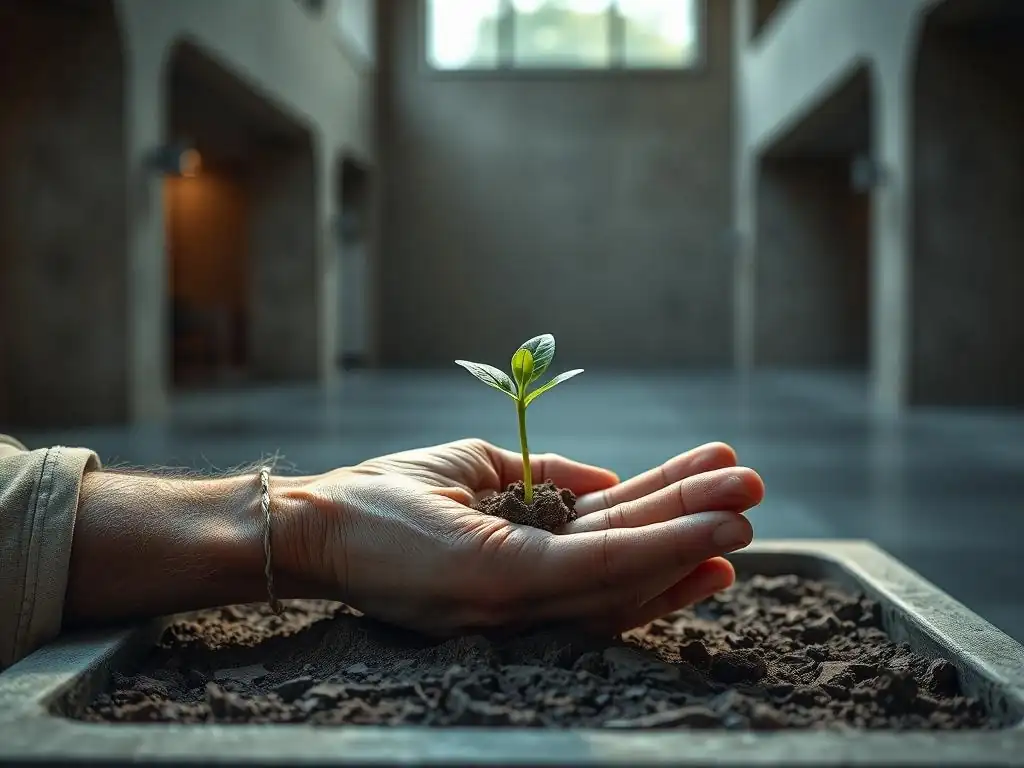
Welcome to Mind Care Guide, a sanctuary for understanding and nurturing your mental well-being. Are you seeking to unravel the complexities of the human mind and discover pathways to resilience? Perhaps you're intrigued by the unique strengths and challenges forged in the crucible of experience? Then delve into our exploration of how Veteran mindset resilience strategies help navigate life's hurdles, offering invaluable insights applicable to us all. Let's embark on a journey to build stronger minds, together.
- Understanding the Veteran Mindset: Strengths and Challenges
- Defining the 'Veteran Mindset'
- Strengths of the Veteran Mindset: Building Resilience
- Challenges Faced by Veterans: Mental Health Considerations
- The Intersection of Strengths and Challenges: A Complex Dynamic
-
Developing Veteran Mindset Resilience Strategies
- Building on Existing Strengths: A Personalized Approach
- Recognizing and Addressing Mental Health Challenges
- Seeking Professional Support: Therapy and Counseling Options
- Peer Support Networks: Connecting with Fellow Veterans
- Mindfulness and Stress Reduction Techniques
- Promoting Self-Care and Well-being
- Resources for Veterans: Mental Health Support and Services
- Fostering Understanding and Support for Veterans
- Conclusion: Embracing the Veteran Mindset for a Brighter Future
-
Frequently Asked Questions
- How does the 'Veteran Mindset' contribute to resilience, and how can these strengths be leveraged in everyday life?
- What are some common challenges veterans face in transitioning to civilian life related to their mindset?
- What specific strategies can help veterans build resilience and overcome mental health challenges?
- How can the "Veteran Mindset Resilience Strategies Help" improve overall mental well-being?
- Where can veterans find resources and support for mental health challenges related to their unique experiences?
- Final Reflection: Embracing the Veteran Mindset for a Resilient Future
- Unleash Your Inner Strength: Actionable Steps to Thrive
Understanding the Veteran Mindset: Strengths and Challenges
Mind Care Guide: Supporting Veteran Mental Well-being
Mind Care Guide is dedicated to providing comprehensive resources and support for mental well-being, and a crucial part of this mission involves understanding the unique experiences of different communities, including veterans. The transition from military service to civilian life presents a distinct set of circumstances, shaping what is often referred to as the "veteran mindset." This mindset is forged through demanding training, shared experiences, and a culture centered on specific values, leading to both remarkable strengths and significant challenges that impact mental health.
Supporting veteran mental well-being requires an empathetic and informed approach. Recognizing the specific stressors veterans may face—from combat exposure and moral injury to the complexities of reintegration—is vital. Mind Care Guide aims to shed light on these issues, offering insights into how the inherent strengths developed during service can be leveraged while also addressing the unique mental health considerations that may arise. Our goal is to equip veterans, their families, and support networks with the knowledge and resources needed to navigate these challenges effectively.
Defining the 'Veteran Mindset'
Core Characteristics of the Veteran Mindset: Duty, Honor, and Service
The veteran mindset is deeply rooted in a set of core values instilled during military service, fundamentally shaping an individual's perspective and behavior. Central among these are duty, honor, and service. Duty involves a profound sense of obligation and responsibility towards one's unit, mission, and country. This translates into a strong work ethic, reliability, and a commitment to completing tasks, often under challenging conditions.
Honor encompasses integrity, honesty, and adherence to a moral code. It dictates conduct both on and off duty, fostering trust within the ranks and guiding decision-making. Service, perhaps the most defining characteristic, is about selflessness and dedication to something larger than oneself – the welfare of the nation and the protection of others. These values aren't merely abstract concepts; they are lived principles that become integral to a veteran's identity, influencing their interactions and approach to life long after leaving the military.
Distinguishing the Veteran Mindset from Civilian Perspectives
While civilians also possess values like duty and service, the intensity, context, and daily reinforcement within the military environment create a distinct difference in the veteran mindset. Military life often involves a hierarchical structure, clear chains of command, and a collective focus on mission accomplishment that can differ significantly from the more individualistic or varied organizational cultures found in the civilian sector. For instance, the concept of "teamwork" in the military often involves life-or-death stakes and absolute reliance on fellow service members, a level of interdependence rarely replicated in civilian workplaces.
Furthermore, the shared experiences of training, deployment, and potential combat exposure create a bond and a frame of reference that is often unique to veterans. This shared experience can lead to a sense of understanding and camaraderie among veterans that may not be easily found or replicated in civilian interactions. Adjusting to a civilian environment where these shared experiences and the military's structured communication style are absent can pose a significant challenge, requiring veterans to adapt their ingrained perspectives and behaviors.
Strengths of the Veteran Mindset: Building Resilience
Discipline and Structure: A Foundation for Success
Discipline and an appreciation for structure are hallmarks of the veteran mindset, cultivated through rigorous training and the demands of military operations. This involves adhering to schedules, following procedures, and maintaining a high standard of performance, even under duress. Veterans often exhibit punctuality, organization, and a methodical approach to tasks, which can be invaluable assets in various civilian pursuits, from academic studies to demanding professional careers.
This ingrained discipline provides a strong foundation for building resilience. For example, a veteran accustomed to maintaining focus and executing tasks in chaotic environments may be better equipped to manage stressful projects or adhere to long-term goals in civilian life. The ability to create and follow personal structure, such as a daily routine for exercise or managing personal finances, can also contribute significantly to overall stability and well-being, acting as a protective factor against stress and uncertainty.
Leadership Skills and Teamwork: Translatable Assets
Military service is a fertile ground for developing robust leadership skills and a deep understanding of teamwork. Service members are often thrust into leadership roles early in their careers, learning to motivate diverse groups, make critical decisions under pressure, and take responsibility for outcomes. This experience fosters confidence, decisiveness, and the ability to effectively communicate goals and expectations to others.
Simultaneously, military operations are inherently team-oriented. Success, and often survival, depends on seamless coordination, mutual support, and trust among team members. Veterans learn to value collaboration, understand group dynamics, and work effectively towards common objectives. These skills are highly transferable to the civilian workforce, making veterans valuable employees and leaders in fields ranging from business management and logistics to emergency services and non-profit organizations.
Adaptability and Problem-Solving: Overcoming Obstacles
Military personnel are regularly placed in dynamic, unpredictable environments that demand quick thinking and creative problem-solving. Whether adapting to changing mission parameters, overcoming logistical hurdles in remote locations, or responding to unexpected crises, service members develop a high degree of adaptability. They learn to assess situations rapidly, utilize available resources effectively, and devise practical solutions on the fly.
This cultivated adaptability and problem-solving prowess are significant strengths in civilian life. Veterans are often comfortable with ambiguity and less likely to be paralyzed by unexpected challenges. They tend to approach problems systematically, drawing on their experience of breaking down complex situations into manageable steps. This ability to remain flexible and resourceful is a core component of veteran mindset resilience strategies help individuals navigate the inevitable obstacles encountered in their post-service lives.
Resilience and Perseverance: The "Never Quit" Attitude
Perhaps one of the most recognized traits of the veteran mindset is an exceptional level of resilience and perseverance – the ingrained "never quit" attitude. Military training and operational deployments push individuals to their physical and mental limits, teaching them to endure hardship, overcome fear, and persist in the face of adversity. This fosters a deep well of mental toughness and the ability to bounce back from setbacks.
This resilience is not just about enduring physical challenges; it's also about mental fortitude. Veterans learn to manage stress, maintain focus under pressure, and continue working towards a goal even when morale is low or obstacles seem insurmountable. This powerful trait is a cornerstone of veteran mindset resilience strategies help them navigate the complexities of civilian life, including career changes, personal challenges, and the often-difficult process of adjusting after service.
Loyalty and Commitment: Values That Endure
Loyalty and commitment are fundamental pillars of military culture. Service members pledge allegiance to their country and uphold a strong sense of loyalty to their unit and fellow service members. This involves reliability, trustworthiness, and a dedication to fulfilling obligations. This deep-seated commitment extends beyond formal duties, fostering strong bonds of camaraderie and mutual support.
These values translate powerfully into civilian contexts. Veterans often demonstrate high levels of loyalty to their employers, teams, and communities. They are dependable, dedicated, and committed to seeing projects through to completion. This unwavering commitment, often displayed through long hours and going above and beyond expectations, is a valuable asset in any civilian setting and reinforces the strength of the veteran mindset in building lasting relationships and achieving goals.
Challenges Faced by Veterans: Mental Health Considerations
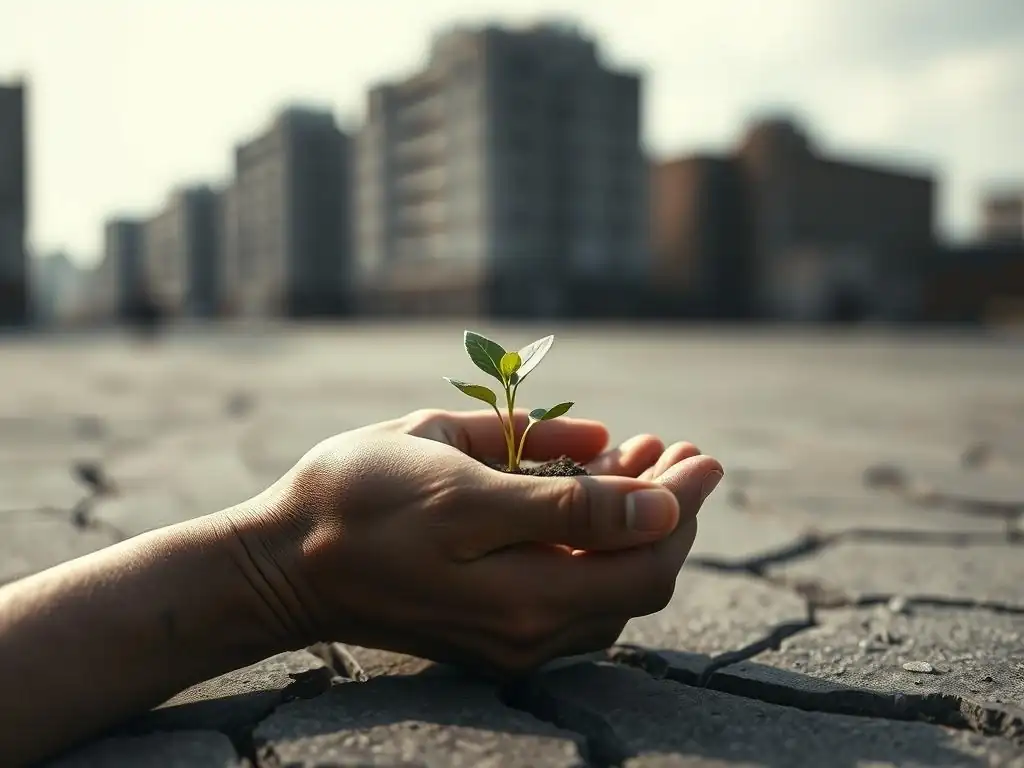
The transition from military service to civilian life is a significant and often complex undertaking. Veterans leave a highly structured environment with a clear mission and identity for a world that can seem unstructured, individualistic, and difficult to navigate. Challenges include finding meaningful employment that utilizes military skills, re-establishing personal routines, and reconnecting with family and friends who may not fully understand their experiences.
Studies indicate that a substantial percentage of veterans report difficulties during this transition period. Adjusting to cultural differences between military and civilian life, such as communication styles or social norms, can lead to feelings of alienation or misunderstanding. The loss of the strong sense of community and shared purpose found in the military can also contribute to feelings of isolation, making this period particularly vulnerable for mental health challenges.
PTSD and Trauma: The Invisible Wounds of War
Post-Traumatic Stress Disorder (PTSD) is a significant mental health challenge faced by many veterans, particularly those exposed to combat or other traumatic events during their service. While not all veterans experience PTSD, estimates suggest that rates can vary significantly depending on service era and role, with some studies indicating that around 11-20% of veterans of the OEF/OIF/OND conflicts have PTSD in a given year. Symptoms can include flashbacks, nightmares, avoidance of reminders of the trauma, negative changes in mood and thinking, and hyperarousal.
These invisible wounds can profoundly impact a veteran's daily life, affecting relationships, employment, and overall well-being. Trauma exposure is not limited to combat; it can also include witnessing injury or death, experiencing military sexual trauma (MST), or being involved in accidents. Recognizing the signs and symptoms of PTSD and understanding that it is a treatable condition is crucial for supporting veterans' mental health.
Moral Injury: Conflicts of Conscience
Moral injury is another complex challenge faced by veterans, distinct from but often co-occurring with PTSD. It refers to the psychological distress that results from actions taken, or not taken, that violate one's own moral beliefs or values. This can include witnessing or participating in acts that go against one's conscience, or experiencing betrayal by leadership or peers.
Examples include being unable to prevent harm to others, carrying out orders that feel morally wrong, or witnessing atrocities. Unlike PTSD, which focuses on fear-based responses to trauma, moral injury centers on feelings of guilt, shame, anger, and difficulty trusting others or oneself. Addressing moral injury requires acknowledging the ethical conflicts experienced and processing the resulting emotional and spiritual distress, often through specialized therapeutic approaches.
Substance Abuse: Coping Mechanisms and Recovery
Substance abuse can become a coping mechanism for veterans struggling with mental health challenges like PTSD, depression, or anxiety, as well as the difficulties of transition. Alcohol is often cited as a commonly misused substance, but prescription medications and other drugs can also be involved. Studies have shown higher rates of substance use disorders among veterans compared to the civilian population, particularly among those with co-occurring mental health conditions.
For instance, research indicates that veterans with PTSD are significantly more likely to also have a substance use disorder. Substance abuse complicates recovery from other mental health issues and creates its own set of physical, psychological, and social problems. Effective intervention requires addressing both the substance use disorder and any underlying mental health conditions concurrently, often through integrated treatment programs.
Despite their strong teamwork skills, veterans can experience significant social isolation upon returning to civilian life. The close bonds formed in the military are often difficult to replicate, and veterans may struggle to connect with civilians who do not share their experiences. This can lead to feelings of loneliness, misunderstanding, and alienation.
Reintegration difficulties extend beyond social circles to family dynamics and community involvement. Family members may have changed during the veteran's absence, and the veteran may struggle to fit back into previous roles. Finding a sense of belonging and purpose outside of the military structure is critical but can be challenging. Lack of social support is a significant risk factor for mental health decline, highlighting the importance of fostering connections.
The Impact of Combat Exposure on Mental Health
Direct combat exposure is a profound experience that can have lasting effects on mental health. Witnessing death, injury, violence, and being in life-threatening situations can lead to a range of psychological responses, including PTSD, depression, and anxiety. The intensity and duration of exposure, as well as the specific nature of the experiences, can influence the severity and type of mental health impact.
Beyond the immediate psychological toll, combat exposure can alter one's worldview, making it difficult to feel safe or comfortable in civilian environments. Hypervigilance, a common symptom associated with combat trauma, can persist long after returning home, making everyday situations feel stressful. Understanding the direct link between combat exposure and potential mental health challenges is essential for providing appropriate support and care.
The Intersection of Strengths and Challenges: A Complex Dynamic
How Strengths Can Help Overcome Challenges: Utilizing Discipline to Manage PTSD Symptoms
The inherent strengths of the veteran mindset, such as discipline, structure, and perseverance, can be powerful assets in overcoming mental health challenges. For example, the discipline ingrained in military service can be leveraged to adhere to therapeutic regimens for conditions like PTSD or depression. A veteran accustomed to following a strict schedule and completing demanding tasks may find it easier to consistently attend therapy appointments, practice coping strategies learned in treatment (like mindfulness or grounding exercises), and maintain healthy habits like exercise and sleep hygiene, which are crucial for managing symptoms.
Furthermore, the problem-solving skills developed in the military can help veterans approach mental health challenges as a "mission" to be accomplished. They can apply a systematic approach to identifying triggers, developing coping plans, and monitoring their progress. The resilience and "never quit" attitude can fuel their commitment to recovery, helping them persevere through difficult moments in therapy or setbacks in symptom management. This demonstrates how veteran mindset resilience strategies help individuals actively engage in their healing journey.
Potential Downfalls of Strengths in Civilian Contexts: Difficulty Adapting Rigid Structures to Flexible Work Environments
While military strengths are often assets, they can sometimes present challenges in civilian contexts, particularly during the initial transition. The rigid structure and clear hierarchy of the military, for instance, can make it difficult to adapt to more flexible, less defined civilian work environments or social situations. A veteran accustomed to direct, unambiguous communication might struggle with civilian communication styles that are more nuanced or indirect.
Similarly, the intense focus on mission accomplishment and a task-oriented approach, while valuable, might sometimes lead to difficulties in navigating interpersonal dynamics in a civilian workplace or forming relationships where emotional expression and flexibility are more valued. The "never quit" attitude, while promoting perseverance, could potentially make it difficult for a veteran to recognize when they need to step back, ask for help, or acknowledge their limitations, potentially leading to burnout or delayed help-seeking for mental health issues. Understanding these potential friction points is key to a smoother transition.
Developing Veteran Mindset Resilience Strategies
Building on Existing Strengths: A Personalized Approach
Developing effective veteran mindset resilience strategies help individuals leverage their unique experiences and inherent strengths. This involves a personalized approach that identifies and builds upon the discipline, structure, leadership, adaptability, and perseverance already present. Instead of viewing military traits as obstacles, they can be reframed as tools for navigating civilian life and mental health challenges.
For instance, a veteran who excelled at planning operations could apply those skills to planning personal goals, including steps towards mental wellness. A veteran with strong teamwork skills could focus on building supportive relationships and participating in peer support groups. This approach empowers veterans by recognizing the value of their military experience and showing how those skills can be directly applied to fostering resilience and well-being in their post-service lives.
Recognizing and Addressing Mental Health Challenges
A critical component of veteran mindset resilience strategies help is the willingness to recognize and address mental health challenges when they arise. This requires overcoming potential stigma associated with seeking help, which can be particularly strong in military culture that often emphasizes self-reliance and toughness. Educating veterans about common post-service mental health issues like PTSD, depression, anxiety, and moral injury is a vital first step.
Encouraging self-awareness regarding symptoms – changes in mood, sleep, behavior, or relationships – is equally important. Framing help-seeking not as a sign of weakness but as a strategic move towards maintaining operational readiness for civilian life can resonate with the veteran mindset. Addressing challenges early, before they become more entrenched, significantly improves the likelihood of successful recovery and long-term well-being.
Seeking Professional Support: Therapy and Counseling Options
Professional mental health support is a cornerstone of effective veteran mindset resilience strategies help address complex issues like trauma, transition stress, and related conditions. This includes therapy modalities such as Trauma-Focused Cognitive Behavioral Therapy (TF-CBT), Eye Movement Desensitization and Reprocessing (EMDR) for PTSD, Cognitive Processing Therapy (CPT), and other evidence-based practices tailored to veterans' experiences.
Counseling can provide veterans with coping skills, strategies for managing symptoms, and a safe space to process difficult experiences. Therapists experienced in working with veterans can offer unique insights and understanding of the military context. Accessing care through the Department of Veterans Affairs (VA) or civilian providers with veteran-specific training ensures that treatment is appropriate and effective for their unique needs.
Peer Support Networks: Connecting with Fellow Veterans
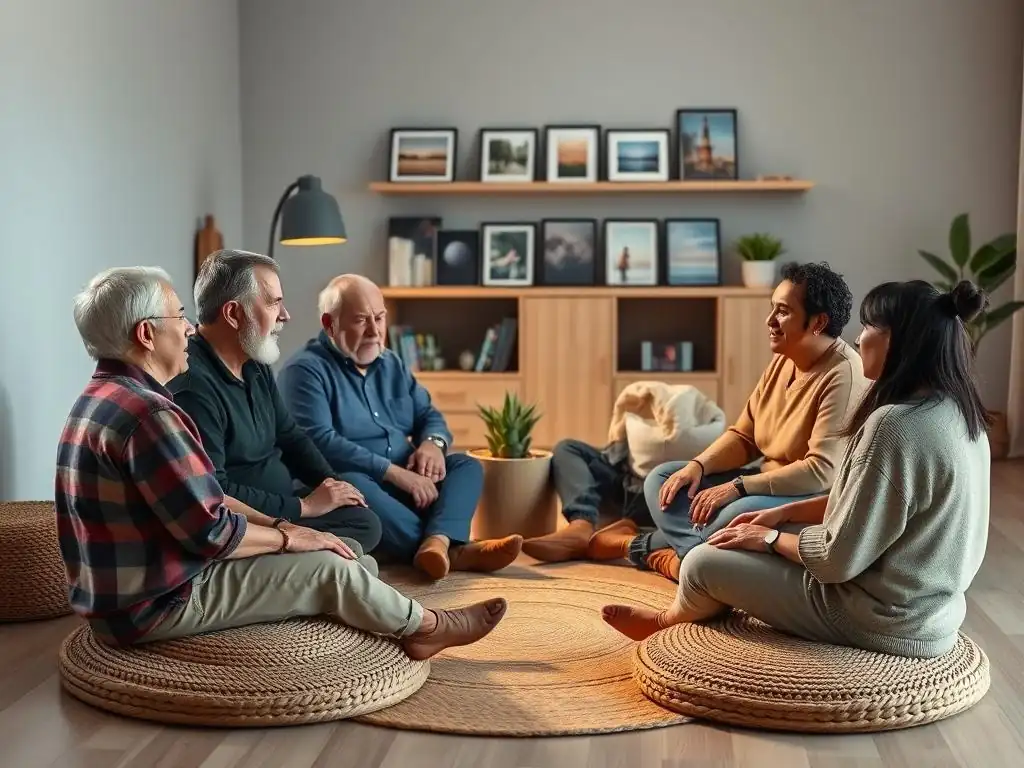
Connecting with fellow veterans through peer support networks is an invaluable strategy for building resilience. These networks provide a sense of community, shared understanding, and mutual support that can significantly reduce feelings of isolation. Peers who have navigated similar transitions and challenges can offer empathy, practical advice, and a non-judgmental space to share experiences.
Peer support groups, both formal and informal, offer a unique form of connection that civilian friends or family may not be able to provide due to a lack of shared experience. Organizations dedicated to veterans often facilitate these connections, offering group meetings, social events, and mentorship programs. This camaraderie reinforces the positive aspects of the veteran mindset – loyalty and teamwork – and applies them to the context of mental health and well-being.
Mindfulness and Stress Reduction Techniques
Incorporating mindfulness and stress reduction techniques is another effective component of veteran mindset resilience strategies help manage the daily pressures of civilian life and symptoms of stress or trauma. Practices such as deep breathing exercises, meditation, yoga, and progressive muscle relaxation can help veterans regulate their nervous system, reduce anxiety, and improve emotional regulation.
Mindfulness, in particular, involves paying attention to the present moment without judgment, which can be helpful for veterans who may struggle with intrusive thoughts, flashbacks, or hypervigilance. These techniques provide practical tools that veterans can use independently to build self-awareness and cope with stress in healthy ways. Learning and consistently practicing these techniques can enhance a veteran's overall capacity to handle adversity.
Promoting Self-Care and Well-being
Promoting comprehensive self-care is fundamental to long-term well-being and veteran mindset resilience strategies help sustain recovery. This involves encouraging veterans to prioritize their physical health through regular exercise, balanced nutrition, and sufficient sleep – all elements often emphasized in military training but which can fall by the wayside during difficult transitions.
Self-care also encompasses engaging in enjoyable hobbies, spending time in nature, maintaining social connections, and setting healthy boundaries. For veterans, this might involve rediscovering passions they had before service or finding new civilian interests that provide a sense of purpose and fulfillment outside of a military context. Prioritizing self-care reinforces the idea that maintaining one's own physical and mental health is not selfish but necessary for a fulfilling post-service life.
Task List for Developing Resilience:
- [ ] Identify personal military strengths (Discipline, Teamwork, Adaptability, etc.)
- [ ] Reflect on how these strengths can be applied to civilian challenges.
- [ ] Learn to recognize signs of stress, anxiety, or trauma symptoms.
- [ ] Research local veteran mental health resources (VA, non-profits).
- [ ] Explore different therapy options (CPT, EMDR, etc. ).
- [ ] Find a veteran peer support group.
- [ ] Practice a stress reduction technique daily (Mindfulness, deep breathing).
- [ ] Schedule regular physical activity.
- [ ] Engage in a hobby or activity for enjoyment.
Resources for Veterans: Mental Health Support and Services
Government Resources: VA Mental Health Services
The Department of Veterans Affairs (VA) is the largest integrated healthcare system in the United States and offers a wide range of mental health services specifically tailored to veterans. These services are available at VA Medical Centers, Community-Based Outpatient Clinics (CBOCs), and Vet Centers across the country. Eligibility for VA healthcare varies, but many veterans are eligible for mental health care regardless of their service history or income.
VA mental health services include individual therapy, group therapy, family counseling, substance abuse treatment programs, and psychiatric care. They also offer specialized programs for conditions like PTSD, military sexual trauma, and homelessness. The confidential support offered through Vet Centers, which are separate from VA hospitals, provides readjustment counseling and is available to combat veterans, those who experienced MST, and their families.
Non-Profit Organizations: Providing Specialized Support
Numerous non-profit organizations are dedicated to supporting veterans' mental health and well-being, often filling gaps or offering specialized programs that complement government resources. These organizations provide a diverse array of services, including peer support programs, wilderness therapy, service dog programs, arts and recreation therapies, and assistance with housing and employment.
Examples include organizations focused on specific needs like combating veteran homelessness (e.g., Volunteers of America, National Coalition for Homeless Veterans) or providing therapeutic retreats for combat veterans and their families (e.g., Project Healing Waters Fly Fishing, Wounded Warrior Project). These non-profits often rely on donations and volunteers but provide crucial, veteran-centric support that addresses a wide spectrum of needs beyond traditional clinical care, contributing significantly to veteran mindset resilience strategies help foster recovery.
Community-Based Programs: Fostering Connection and Healing
Community-based programs play a vital role in fostering connection and healing for veterans by integrating them into local civilian life and creating supportive environments. These programs can range from local veteran service organizations (VSOs) like the VFW or American Legion, which offer social connections and support services, to community art classes, sports leagues, or volunteer opportunities that welcome veterans.
Many communities also have local initiatives specifically designed to support veterans, such as veteran-specific court programs, employment workshops, or mental health clinics with veteran outreach programs. Participating in community activities helps veterans rebuild social networks outside of the military context and find a sense of purpose and belonging in their local area. These connections are essential for combating social isolation and supporting long-term mental well-being.
Fostering Understanding and Support for Veterans
Educating Civilians about the Veteran Experience
Fostering understanding and support for veterans requires educating the civilian population about the unique experiences, strengths, and challenges associated with military service and the transition process. Many civilians have limited direct exposure to military life and may hold misconceptions or lack awareness about the realities veterans face, including the potential impact of trauma or the complexities of reintegration.
Educational efforts can include sharing accurate information through articles like this, community events, school programs, and media representations that move beyond stereotypes. Helping civilians understand aspects of the veteran mindset – the discipline, teamwork, and resilience – alongside potential struggles like adjusting to civilian culture or dealing with invisible wounds, promotes empathy and bridges the military-civilian divide.
Promoting Empathy and Compassion
Beyond education, promoting empathy and compassion is key to creating a supportive environment for veterans. This involves actively listening to veterans' stories, respecting their experiences without judgment, and recognizing the sacrifices they have made. Empathy helps civilians understand the emotional and psychological weight that veterans may carry and respond with kindness and support rather than pity or avoidance.
Compassion translates this understanding into action – offering practical help, advocating for veteran resources, or simply being a reliable friend or neighbor. A compassionate community is one where veterans feel safe to share their struggles, seek help without fear of stigma, and are met with understanding and acceptance. This supportive social environment is a critical factor in veteran mindset resilience strategies help them thrive post-service.
Creating Inclusive and Supportive Environments
Ultimately, fostering support for veterans means actively creating inclusive and supportive environments in workplaces, communities, and social settings. This involves more than just saying "thank you for your service." It means implementing policies that support veteran employment and well-being, training managers and colleagues on veteran-specific issues, and ensuring that community spaces are welcoming and accessible.
Creating supportive environments also involves being mindful of potential triggers or sensitivities veterans might have and responding with patience and understanding. Encouraging open dialogue about mental health, reducing stigma, and making resources readily available are all components of building a truly supportive community. When veterans feel included, understood, and supported, they are better equipped to utilize their inherent strengths and navigate challenges.
Conclusion: Embracing the Veteran Mindset for a Brighter Future
Recognizing the Value of Veterans' Contributions
Veterans represent a significant and valuable part of society, bringing with them a wealth of skills, experiences, and perspectives forged through dedicated service. The veteran mindset, characterized by discipline, leadership, resilience, and a commitment to something larger than oneself, offers immense potential for positive contributions in civilian life. Recognizing and appreciating these contributions is the first step in ensuring a brighter future for veterans and the communities they rejoin.
Beyond their tangible skills, veterans possess a unique understanding of teamwork, perseverance, and navigating complex situations that can enrich workplaces, civic organizations, and neighborhoods. Honoring their service means acknowledging the entirety of their experience, including the profound impact it has had on shaping their character and capabilities.
Supporting their Mental Health and Well-being
Ensuring that veterans have access to comprehensive mental health support and resources is not just a matter of providing care; it is an investment in their future and the strength of our communities. Addressing the challenges veterans face, from PTSD and moral injury to the difficulties of transition, requires a multi-faceted approach involving government agencies, non-profit organizations, community programs, and individual empathy.
Supporting veteran mental health and well-being means reducing stigma, promoting help-seeking, and providing evidence-based treatments and supportive services. It means recognizing that the journey of service continues in civilian life and that ongoing support is necessary for veterans to thrive. Effective veteran mindset resilience strategies help are built upon a foundation of accessible and compassionate care.
Continuing the Journey Towards Healing and Resilience
The path towards healing and resilience for veterans is often a continuous journey, marked by both progress and occasional setbacks. Embracing the veteran mindset involves leveraging inherent strengths while actively addressing vulnerabilities and seeking support when needed. It is a dynamic process of adaptation, growth, and finding new purpose and belonging in the civilian world.
By fostering understanding, promoting empathy, and creating supportive environments, civilians can play a crucial role in this journey. Recognizing the powerful combination of strengths within the veteran mindset and the importance of accessible, tailored mental health resources allows us to collectively support veterans as they continue to contribute their unique talents and perspectives, building resilience for a brighter future.
Frequently Asked Questions
How does the 'Veteran Mindset' contribute to resilience, and how can these strengths be leveraged in everyday life?
The 'Veteran Mindset' often fosters discipline, perseverance, and adaptability. These qualities, honed through military service, can be translated into enhanced problem-solving and coping skills in civilian settings.
Transition challenges often include difficulty adjusting to a less structured environment, dealing with moral injuries, and finding purpose outside of military service. These factors can impact mental well-being.
What specific strategies can help veterans build resilience and overcome mental health challenges?
Effective strategies include seeking peer support, engaging in therapy tailored to veteran needs, and participating in activities that promote a sense of community and purpose.
How can the "Veteran Mindset Resilience Strategies Help" improve overall mental well-being?
By fostering a sense of control, promoting positive coping mechanisms, and addressing underlying trauma, resilience strategies can significantly improve mental health outcomes.
Numerous organizations offer specialized services, including the VA (Veterans Affairs), veteran support groups, and mental health professionals experienced in treating veterans.
Final Reflection: Embracing the Veteran Mindset for a Resilient Future
The challenges faced by veterans extend far beyond the battlefield, impacting their lives and communities in profound ways. Understanding the unique strengths and vulnerabilities of the "veteran mindset" is not just an act of empathy, but a crucial step towards building a more supportive and resilient society. This article has explored the multifaceted nature of this mindset, highlighting both its remarkable resilience and the potential for unseen struggles. By acknowledging these complexities, we can better equip veterans and ourselves to navigate the transition back to civilian life and foster a culture of genuine support.
The veteran mindset, forged in the crucible of service, is a testament to human adaptability and strength. Yet, this very strength can sometimes mask underlying vulnerabilities, leading to isolation and unmet needs. The resilience demonstrated by veterans is often born from adversity, a powerful lesson applicable far beyond the military context. The oak fought the wind and was broken, the willow bent when it must and survived.
This quote encapsulates the delicate balance between strength and flexibility that is so vital in navigating life's challenges, a balance often exemplified by veterans' experiences.
Now, consider your own life. What aspects of the veteran mindset resonate with you? How can you cultivate similar resilience in the face of your own challenges? Perhaps it's about embracing a structured approach to problem-solving, fostering a strong sense of community, or simply learning to prioritize self-care. The lessons learned from understanding the veteran mindset are not solely for veterans; they are universal principles applicable to anyone seeking to build a more fulfilling and resilient life. Let this reflection be a catalyst for personal growth and a commitment to supporting those who have served our nation.
Unleash Your Inner Strength: Actionable Steps to Thrive
Thanks for taking the time to explore the unique strengths and challenges of the veteran mindset. We hope this article provided valuable insights into your own experiences or helped you better understand those around you. Now, let's put that knowledge into action!
- Prioritize self-care: Identify one specific self-care practice (yoga, meditation, journaling, etc.) you can realistically incorporate into your daily routine this week. This is your primary focus, building a foundation for well-being.
- Connect with your community: Reach out to a fellow veteran, family member, or friend and share a key takeaway from this article. A simple conversation can strengthen bonds and foster mutual support.
- Challenge your perspective: Consider a specific area in your life where the veteran mindset might be hindering or helping you. Identify how you can adjust your approach based on what you've learned.
What specific self-care practice will you prioritize this week, and how will you incorporate it into your routine? Let's discuss in the comments!