
Beyond Heart Rate: Why HRV is Key to Stress Management

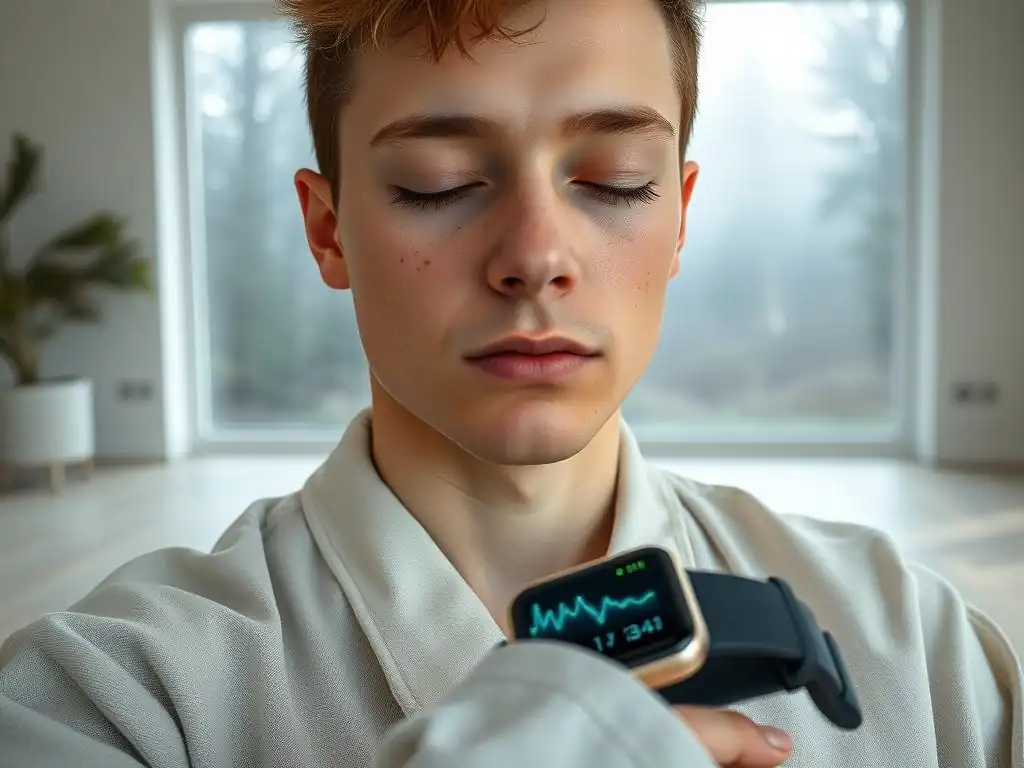
Welcome to Mind Care Guide, your trusted companion on the path to mental well-being.
Feeling overwhelmed? You're not alone. We understand the pressures of modern life and how they can impact your mental state. In this guide, we delve into a fascinating and often overlooked metric that can unlock a deeper understanding of your stress response: Heart Rate Variability (HRV). Curious about how this simple measurement can revolutionize your approach to stress management? Let's explore why HRV is key and how you can harness its power to reclaim control of your well-being.
Beyond Heart Rate: Why HRV is Key to Stress Management
- Understanding Heart Rate Variability (HRV) and Stress
- The Link Between Low HRV and Chronic Stress
- Measuring Your HRV: Tools and Techniques
- Using HRV for Effective Stress Management
- Choosing the Right HRV Monitor for Your Needs
- Maximizing the Benefits of HRV Monitoring for Long-Term Stress Reduction
-
Frequently Asked Questions
- What exactly is Heart Rate Variability (HRV) and how does it relate to stress?
- How does HRV provide insights into stress management compared to just monitoring heart rate?
- What are some practical ways to improve my Heart Rate Variability for better stress management?
- Are there specific devices or apps that can accurately measure Heart Rate Variability?
- If I have consistently low HRV, does that automatically mean I am experiencing chronic stress?
- Final Reflection: Unlocking the Power Within: HRV and the Path to Resilience
- Unlock Your Inner Calm: Take Control of Your Stress
Understanding Heart Rate Variability (HRV) and Stress
What is Heart Rate Variability (HRV) and Why Does It Matter for Stress?
Heart Rate Variability (HRV) refers to the variation in the time interval between consecutive heartbeats. Unlike a metronome that ticks at perfectly regular intervals, a healthy human heart's rhythm is constantly changing, speeding up and slowing down slightly with each breath and in response to internal and external stimuli.
This subtle variation isn't random; it's controlled by the autonomic nervous system (ANS), specifically the balance between its two branches: the sympathetic nervous system (often called the "fight or flight" response) and the parasympathetic nervous system (the "rest and digest" response). A higher HRV generally indicates a more balanced and resilient ANS, capable of adapting quickly to demands.
Why does this matter for stress? The ANS is your body's primary regulator for adapting to stress. When you encounter a stressor, the sympathetic system kicks in, typically increasing heart rate and reducing HRV as the body prepares for action.
Once the stressor passes, the parasympathetic system should regain dominance, slowing heart rate and increasing HRV, signaling recovery. Low HRV is often observed in individuals experiencing chronic stress, anxiety, or burnout, suggesting that their ANS is stuck in a more sympathetic-dominant state, impairing their ability to recover effectively. Monitoring your heart rate variability for stress management provides a powerful, objective window into your body's physiological state and its capacity to handle pressure.
The Difference Between Heart Rate and Heart Rate Variability: A Simple Explanation
While heart rate (HR) is the number of times your heart beats per minute, Heart Rate Variability (HRV) measures the timing between those beats. Imagine your heart beats 60 times in a minute. Your average heart rate is 60 bpm. However, the interval between each beat isn't exactly one second (1000 milliseconds). It might be 980 milliseconds between beat 1 and 2, 1010 ms between beat 2 and 3, 995 ms between beat 3 and 4, and so on. HRV quantifies this variation in the beat-to-beat intervals.
Think of it like this: Heart rate tells you the average speed of your car over a minute. HRV tells you how much you're accelerating and decelerating within that minute. A low heart rate (like 60 bpm) could still have low HRV if the beats are very regularly spaced (e.g., consistently close to 1000ms apart).
Conversely, a high heart rate (like 90 bpm during exercise) will naturally have lower HRV because the intervals are shorter, but a heart rate of 70 bpm might have a relatively high HRV if the intervals vary significantly around the average. For heart rate variability stress management, focusing solely on heart rate misses this crucial layer of information about your nervous system's flexibility and resilience.
How HRV Reflects Your Body's Stress Response System
HRV is a direct reflection of the interplay between the sympathetic and parasympathetic branches of your autonomic nervous system (ANS). The sympathetic system, activated during stress, fear, or intense physical activity, releases hormones like adrenaline, which speed up heart rate and reduce the variation between heartbeats, leading to lower HRV. This prepares the body to react quickly to perceived threats.
Conversely, the parasympathetic system, dominant during rest, digestion, and recovery, releases acetylcholine, which slows heart rate and increases the variation between heartbeats, resulting in higher HRV. This system promotes relaxation and replenishment. A healthy ANS exhibits a dynamic balance, allowing for rapid shifts between these two states.
High HRV indicates a robust parasympathetic influence and good adaptability, suggesting the body is recovering well and can handle stress effectively. Low HRV indicates a dominance of the sympathetic system or withdrawal of parasympathetic activity, suggesting the body may be stuck in a stress response mode, with reduced capacity for recovery and adaptation. Understanding how HRV reflects this balance is fundamental to effective heart rate variability stress management.
The Link Between Low HRV and Chronic Stress
Identifying the Symptoms of Low HRV and High Stress
Low Heart Rate Variability is strongly associated with chronic stress and can manifest through various physical, emotional, and cognitive symptoms. While low HRV itself is a physiological marker, its presence often correlates with feelings of persistent fatigue, difficulty sleeping (insomnia or waking unrefreshed), and increased irritability or mood swings. Individuals with consistently low HRV may also experience heightened anxiety levels, reduced ability to concentrate, and a general feeling of being overwhelmed or on edge.
Physically, low HRV can be linked to symptoms like muscle tension, digestive issues, and a weakened immune system, leading to more frequent illnesses. It indicates that the body's recovery systems are not functioning optimally, leaving the individual in a prolonged state of physiological alert. Recognizing these symptoms in conjunction with HRV data can provide a clearer picture of the impact of chronic stress and highlight the need for proactive heart rate variability stress management strategies.
The Impact of Chronic Stress on HRV: A Vicious Cycle
Chronic stress creates a persistent imbalance in the autonomic nervous system, pushing it towards sympathetic dominance and resulting in consistently low Heart Rate Variability. Unlike acute stress, which triggers a temporary sympathetic surge followed by parasympathetic recovery, chronic stress keeps the sympathetic system activated over extended periods. This sustained state inhibits the parasympathetic system's ability to restore balance and promote recovery.
This creates a vicious cycle: chronic stress leads to low HRV, which signifies reduced physiological resilience and impaired recovery. This impaired recovery makes the individual less able to cope with subsequent stressors, further exacerbating the chronic stress response and potentially driving HRV even lower. Breaking this cycle often requires intentional interventions aimed at activating the parasympathetic system and promoting recovery, which is where targeted heart rate variability stress management techniques become crucial.
Real-World Example: Case Study Showing the Correlation Between Frontline Healthcare Workers and Low HRV During Pandemic
The COVID-19 pandemic provided a stark, real-world example of how intense, prolonged stress impacts HRV. Studies conducted on frontline healthcare workers during the peak of the pandemic consistently showed a significant decrease in their average Heart Rate Variability compared to their pre-pandemic baseline or compared to control groups not directly involved in COVID-19 care. For instance, one study tracking nurses in a critical care unit reported a notable drop in HRV metrics like RMSSD (Root Mean Square of Successive Differences) – a common marker for parasympathetic activity – over several months of intense workload and emotional pressure.
These findings weren't just statistical curiosities; they correlated with increased reports of burnout, anxiety, depression, and sleep disturbances among these workers. The sustained high-stress environment, characterized by long hours, emotional strain, and constant exposure to suffering, overwhelmed their body's ability to recover, manifesting physiologically as reduced HRV. This case study powerfully illustrates the direct link between chronic, intense stress and decreased HRV, underscoring the importance of monitoring heart rate variability stress management interventions in high-pressure professions.
Measuring Your HRV: Tools and Techniques

Wearable HRV Monitors: A Comparison for Stress Management
Wearable technology has made tracking Heart Rate Variability for stress management more accessible than ever. These devices typically use optical sensors (photoplethysmography or PPG) or electrical sensors (ECG) to measure the precise timing between heartbeats. While convenience is a major advantage, the accuracy and specific features vary significantly between devices. Understanding these differences helps in choosing the right tool for your needs.
Popular wearable options include dedicated chest straps (often considered the gold standard for accuracy), wrist-based watches, and rings. Each offers a different balance of accuracy, comfort, and feature set. When evaluating wearables for heart rate variability stress management, consider factors like how often they measure HRV (continuously, during sleep, or spot checks), the metrics they report, and how the data is presented and interpreted within their accompanying apps.
Garmin Forerunner Series: Detailed HRV Tracking for Athletes and Stress Monitoring
Many models within the Garmin Forerunner series, particularly the higher-end versions like the Forerunner 955 or 965, offer advanced HRV tracking, often measured continuously during sleep. Garmin's platform integrates HRV data into metrics like "Training Readiness" and "Body Battery," providing context for how stress, recovery, and training load are impacting your physiological state. The daily HRV status feature shows your current HRV relative to your baseline, offering insights into your recovery levels.
For athletes, this detailed HRV monitoring helps optimize training by showing days when the body might be too stressed or fatigued for intense workouts. For general heart rate variability stress management, seeing a trend of low HRV can serve as an early warning sign to prioritize rest and stress-reducing activities. The Garmin Connect app provides graphs and historical data, allowing users to track trends over time and see how lifestyle changes influence their HRV.
Apple Watch with HRV Apps: Seamless Integration and User-Friendly Interface
The Apple Watch measures Heart Rate Variability using its optical heart sensor, typically capturing readings periodically throughout the day and during sleep. While the native Health app provides basic HRV data (usually using the SDNN metric), its strength lies in its seamless integration with third-party HRV apps available on the App Store. Apps like HRV4Training, Athlytic, or Welltory can pull the raw HRV data from the Health app and provide more in-depth analysis, personalized insights, and guidance for stress management.
The user-friendly interface of the Apple Watch makes it convenient for passive tracking throughout the day and night. While optical wrist-based measurements can be more susceptible to noise from movement compared to chest straps, regular, consistent use can still provide valuable trend data for heart rate variability stress management. The ecosystem of apps allows users to choose the analytical tools that best fit their needs and goals.
Oura Ring: Sleep Tracking and HRV Analysis for Holistic Wellness
The Oura Ring is a popular choice for those prioritizing sleep quality and holistic wellness alongside Heart Rate Variability tracking. Worn on the finger, it uses advanced sensors to capture HRV data primarily during sleep, when the body is typically in a more stable state, allowing for consistent and reliable measurements. The Oura app integrates HRV with other metrics like sleep stages, body temperature, and respiratory rate to provide a comprehensive "Readiness Score."
This Readiness Score, heavily influenced by HRV, gives users a simple daily indicator of their recovery status and capacity to handle physical or mental demands. The focus on sleep and recovery makes the Oura Ring a powerful tool for understanding how lifestyle factors impact HRV and for guiding daily decisions related to energy levels and stress management. Its discrete design and long battery life (several days) are also appealing features for continuous tracking.
HRV Apps for Smartphones: HRV4Training and Their Functionality
For those who prefer not to wear a device constantly or want a highly accurate measurement without a dedicated wearable, smartphone apps like HRV4Training offer a robust alternative. These apps typically require a morning measurement, often taken by placing a finger over the phone's camera lens (using photoplethysmography) or by connecting to an external chest strap via Bluetooth. Morning readings are often preferred as they reflect the body's baseline state after rest, minimizing the influence of immediate stressors or activity.
HRV4Training, for example, guides the user through a consistent morning measurement protocol. It then analyzes the data, comparing it to the user's historical baseline and providing personalized insights on recovery, training readiness, and the impact of lifestyle factors like sleep, alcohol, or travel. These apps often offer advanced statistical analysis of HRV metrics and can be powerful tools for serious heart rate variability stress management, allowing users to correlate their physiological data with subjective feelings and daily activities.
Understanding HRV Data: What the Numbers Mean
Interpreting Heart Rate Variability data requires understanding that there isn't a single "good" or "bad" HRV number that applies universally. HRV is highly individual, influenced by age, gender, fitness level, genetics, and lifestyle. What matters most is tracking your personal baseline and observing trends over time. Generally, a higher HRV relative to your baseline is associated with better recovery, resilience, and parasympathetic activity, while a lower HRV suggests increased stress, fatigue, or sympathetic dominance.
Different metrics are used to quantify HRV, with RMSSD (Root Mean Square of Successive Differences) and SDNN (Standard Deviation of NN intervals) being common. RMSSD is often considered a good indicator of short-term variations and parasympathetic activity, while SDNN reflects overall variability over longer periods.
Most apps and devices provide simplified scores or readiness indicators based on these metrics, comparing your daily reading to your established baseline. A significant drop below your typical range is a signal that your body might be under increased stress or not recovering adequately, prompting you to adjust your activities for better heart rate variability stress management.
Using HRV for Effective Stress Management
Biofeedback Techniques for Improving HRV: A Practical Guide
Biofeedback is a technique where individuals learn to control physiological responses that are normally involuntary, such as heart rate, breathing, or muscle tension, often with the help of monitoring equipment. HRV biofeedback specifically teaches you to consciously influence your heart rhythm patterns to increase Heart Rate Variability, thereby promoting parasympathetic activity and reducing stress. This involves using real-time HRV data (displayed on a screen) as feedback while practicing specific techniques.
The goal is to find a breathing rhythm that maximizes the oscillation between speeding up the heart during inhalation and slowing it down during exhalation – a phenomenon known as Respiratory Sinus Arrhythmia. Practicing this regularly can train your autonomic nervous system to become more balanced and resilient, leading to sustained improvements in HRV and enhanced capacity for heart rate variability stress management. Many HRV apps and software programs include guided biofeedback sessions.
Breathing Exercises to Increase HRV and Reduce Stress
Specific breathing techniques are among the most accessible and effective ways to acutely and chronically influence Heart Rate Variability and reduce stress. Slow, deep, and rhythmic breathing, particularly with a focus on extended exhalations, activates the parasympathetic nervous system. Techniques like diaphragmatic breathing (belly breathing) or paced breathing (e.g., inhaling for 4 seconds, exhaling for 6 seconds) can significantly increase HRV in the moment and, with regular practice, contribute to a higher baseline HRV.
One highly effective method is resonant breathing, typically practiced at a rate of about 5-7 breaths per minute. This rhythm often corresponds to the body's natural resonance frequency, maximizing the heart rate fluctuations associated with breathing and leading to substantial increases in HRV during the exercise. Incorporating these breathing practices into your daily routine, even for just 5-10 minutes, can be a powerful component of heart rate variability stress management.
Mindfulness Meditation and Its Impact on HRV
Mindfulness meditation, which involves focusing on the present moment without judgment, has been shown in numerous studies to positively impact Heart Rate Variability. Regular meditation practice can help to calm the nervous system, reduce rumination, and decrease the overall stress response. By cultivating a state of relaxed awareness, mindfulness promotes parasympathetic activity.
Studies have demonstrated that long-term meditators often exhibit higher baseline HRV compared to non-meditators. Even relatively short periods of mindfulness training (e.g., 8 weeks) have been shown to increase HRV and reduce perceived stress levels. Incorporating mindfulness meditation into your daily or weekly routine can be a valuable strategy for improving HRV and enhancing your overall heart rate variability stress management capabilities.
Lifestyle Changes to Boost HRV and Manage Stress
Beyond specific techniques, broader lifestyle choices have a profound impact on Heart Rate Variability and your ability to manage stress effectively. Consistent positive habits build a foundation for a resilient autonomic nervous system. Conversely, poor lifestyle choices, such as lack of sleep, unhealthy diet, or excessive alcohol consumption, can significantly suppress HRV.
Making sustainable changes in key areas can lead to measurable improvements in your HRV over time. These changes often involve creating routines that support recovery and reduce exposure to chronic stressors. Tracking your HRV while implementing these changes can provide objective feedback on their effectiveness, reinforcing positive behaviors for long-term heart rate variability stress management.
The Role of Sleep, Diet, and Exercise in Optimizing HRV
Adequate, quality sleep is arguably one of the most critical factors for optimizing Heart Rate Variability. The body does its primary recovery and repair during sleep, allowing the parasympathetic system to be most active. Chronic sleep deprivation or poor sleep quality is a major stressor that consistently leads to reduced HRV. Aiming for 7-9 hours of consistent, restful sleep is fundamental.
Nutrition also plays a role; a balanced diet rich in whole foods, omega-3 fatty acids, and antioxidants supports overall physiological health and can positively influence HRV. Avoiding excessive sugar, processed foods, and stimulants like caffeine and alcohol (especially close to bedtime) is also beneficial. Regular, moderate exercise is a known stress reducer and can improve HRV over time, but overtraining or intense exercise without adequate recovery can temporarily decrease HRV. Finding a balance that supports recovery is key for heart rate variability stress management.
Reducing Stress Triggers: Identifying and Avoiding Common Stressors
While it's impossible to eliminate all stress, identifying and actively working to reduce exposure to controllable stress triggers is essential for improving Heart Rate Variability and managing stress. Common stressors include demanding work environments, difficult relationships, financial worries, excessive screen time, and negative self-talk.
Once identified, strategies can range from setting boundaries at work, improving communication in relationships, creating a budget, limiting social media use, or practicing cognitive restructuring techniques. Using your HRV data can help you understand which activities or situations consistently lead to a drop in your HRV, providing objective feedback on what stressors are most impactful for you. Proactively addressing these triggers is a core component of effective heart rate variability stress management.
The Power of the Calm App in Improving HRV
Apps designed for meditation, mindfulness, and sleep, like the Calm app, can be powerful tools for improving Heart Rate Variability indirectly. While Calm doesn't directly measure HRV, its guided meditations, sleep stories, breathing programs, and relaxation exercises are specifically designed to activate the parasympathetic nervous system and promote states of rest and recovery.
Regular use of the Calm app encourages practices known to increase HRV, such as paced breathing and mindfulness meditation. By incorporating these activities into a daily routine, users can cultivate a calmer physiological state over time, which is likely to be reflected in higher HRV readings when measured by a separate device. Using an app like Calm in conjunction with an HRV monitor allows individuals to see the physiological impact of their relaxation and mindfulness practices on their heart rate variability stress management efforts.
Choosing the Right HRV Monitor for Your Needs
Factors to Consider When Selecting an HRV Device
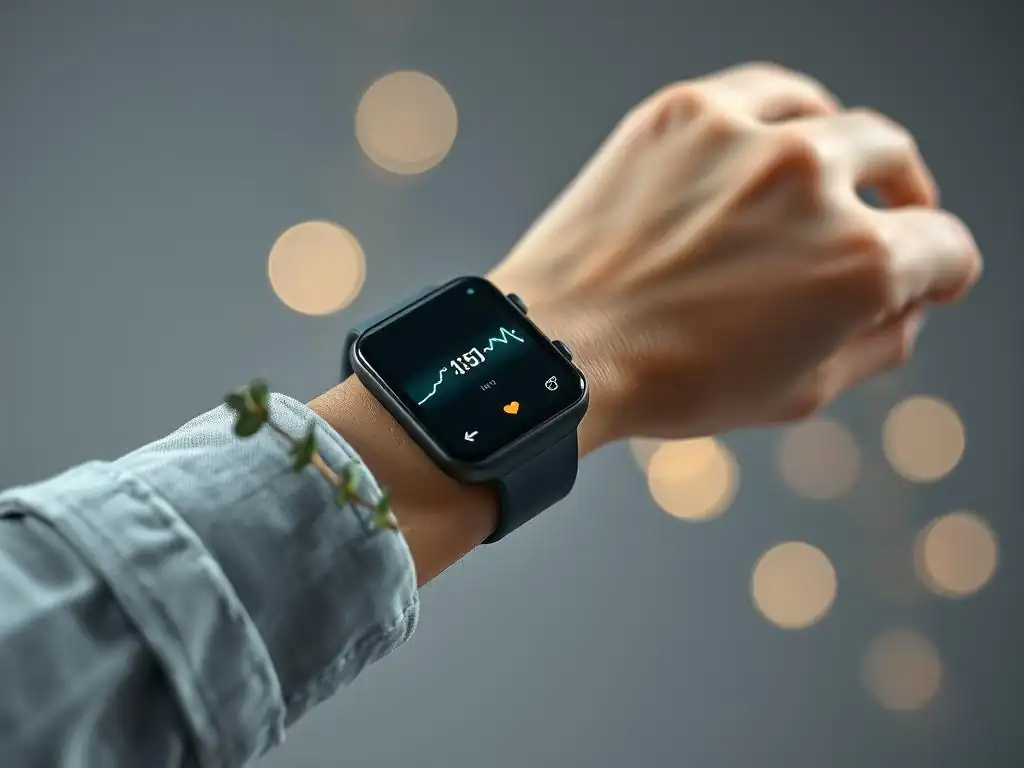
Selecting the right Heart Rate Variability monitor depends heavily on your individual needs, goals, and preferences. There are several key factors to weigh beyond just the price. First, consider the primary purpose: are you an athlete optimizing training, someone focused on sleep and recovery, or primarily interested in general stress management? Different devices excel in different areas.
Ease of use and comfort are also crucial, as consistent tracking is necessary to establish a reliable baseline and identify trends. Think about when and how you want to measure (e.g., daily morning reading, continuous background tracking, during workouts). Evaluating these factors will help narrow down the options and find a device that fits seamlessly into your lifestyle and supports your heart rate variability stress management goals.
Accuracy and Reliability of HRV Measurements
Accuracy is paramount when using Heart Rate Variability data for stress management or performance tracking. While chest straps with ECG sensors are generally considered the most accurate for capturing the precise R-R intervals needed for HRV calculation, modern optical sensors in some wristbands and rings have become increasingly reliable, especially for measuring HRV during stable periods like sleep.
Look for devices that have been validated against clinical standards or chest straps in studies. Consistency in measurement protocol (e.g., measuring at the same time each morning, in the same position) is also vital for obtaining reliable, comparable data regardless of the device used. Prioritizing accuracy ensures that the insights you gain from your HRV data are trustworthy and can effectively inform your heart rate variability stress management strategies.
Battery Life and Comfort of the Wearable Device
For consistent Heart Rate Variability tracking, especially if you plan to monitor overnight or throughout the day, battery life is a significant consideration. Devices like the Oura Ring or some fitness trackers can last for several days on a single charge, making continuous monitoring more convenient. Smartwatches with robust features might require more frequent charging.
Comfort is equally important, particularly if you plan to wear the device for extended periods, including sleep. A comfortable device is one you'll actually wear consistently, which is essential for gathering sufficient data to establish a reliable HRV baseline and track meaningful trends for heart rate variability stress management. Consider the form factor (ring, wristband, chest strap) and material when making your choice.
Data Analysis and Reporting Features
The raw Heart Rate Variability numbers themselves can be complex to interpret. The quality of the accompanying app and its data analysis and reporting features are critical. A good app will not only display your HRV metrics but also provide context, compare your readings to your baseline, offer personalized insights, and help you understand how different factors (sleep, exercise, stress, alcohol) are impacting your HRV.
Some apps provide readiness scores, recovery metrics, or integrate HRV into broader wellness dashboards. Look for features like historical trend analysis, correlations with logged activities, and clear visualizations. The ability of the app to translate complex HRV data into actionable insights makes the device a truly valuable tool for heart rate variability stress management.
HRV Monitor Recommendations Based on Specific Needs
Given the variety of devices available, choosing the "best" one depends on your primary focus. Here are a few recommendations tailored to common use cases, keeping in mind their suitability for heart rate variability stress management within that context.
Remember that technology evolves rapidly, so checking recent reviews and specifications before purchasing is always recommended. These suggestions are based on general strengths and typical user experiences with these devices in the context of HRV tracking and stress management.
Best HRV Monitor for Athletes: Polar Vantage V3
For serious athletes focused on optimizing training and recovery, the Polar Vantage V3 (or similar high-end Polar models) is often recommended. Polar has a long history in heart rate technology, and their devices offer highly accurate HRV measurements, particularly when paired with a compatible Polar H10 chest strap (considered very accurate).
The Polar platform integrates HRV data deeply into its training load and recovery features, providing athletes with detailed insights into how their body is adapting to stress from training and other life factors. While primarily athlete-focused, this detailed physiological monitoring is also highly effective for understanding the physical toll of stress, making it a robust tool for heart rate variability stress management for active individuals.
Best HRV Monitor for Beginners: Fitbit Sense 2
For individuals new to Heart Rate Variability tracking who are primarily interested in general wellness and stress management, the Fitbit Sense 2 is a user-friendly option. While not offering the deep analytical features of more advanced devices, it provides a daily HRV metric (SDNN measured during sleep) within the familiar and accessible Fitbit ecosystem.
The Fitbit app presents HRV data alongside other wellness metrics like sleep scores, activity levels, and stress management scores (derived from electrodermal activity), offering a holistic view. The focus is on providing easily digestible information and actionable insights related to overall well-being and stress, making it a good starting point for exploring heart rate variability stress management without overwhelming data.
Best HRV Monitor for Sleep Tracking and Stress Management: Whoop 4.0
The Whoop 4.0 strap is designed for 24/7 wear and excels at continuous physiological monitoring, with a strong emphasis on sleep and recovery. It measures HRV continuously during sleep and combines this data with sleep performance, respiratory rate, and resting heart rate to provide a daily "Recovery Score."
This Recovery Score is a central feature, indicating how prepared your body is for strain based on its physiological state. For individuals whose stress is significantly impacted by or impacts their sleep, the Whoop offers detailed insights into this connection. Its focus on recovery makes it an excellent tool for using heart rate variability stress management by guiding daily decisions based on your body's readiness.
Maximizing the Benefits of HRV Monitoring for Long-Term Stress Reduction
Setting Realistic Goals for HRV Improvement
When using Heart Rate Variability monitoring for stress management, it's important to set realistic expectations and goals. HRV is not a metric that will change dramatically overnight. Sustainable improvement comes from consistent, positive lifestyle changes and stress-reducing practices over time. Instead of fixating on hitting a specific high number, focus on improving your personal baseline and reducing the frequency and magnitude of significant drops.
A realistic goal might be to see a gradual upward trend in your average weekly or monthly HRV, or to observe that your HRV recovers more quickly after a stressful event or intense workout. Celebrate small improvements and recognize that fluctuations are normal. Aligning your HRV goals with broader wellness objectives makes the process more sustainable and less likely to become another source of stress in your heart rate variability stress management journey.
Tracking Your Progress and Making Adjustments
Consistent tracking is key to unlocking the full potential of Heart Rate Variability monitoring for stress management. Daily measurements help establish a reliable baseline and reveal how various factors influence your physiological state. Most HRV apps allow you to log activities, subjective feelings (like stress levels or energy), sleep quality, diet, and other relevant data points.
Analyzing this logged data alongside your HRV trends can provide powerful insights. You might discover that late-night meals consistently lower your HRV, or that a 10-minute meditation session reliably boosts it. Use these insights to make informed adjustments to your routines and behaviors. This iterative process of tracking, analyzing, and adjusting is central to effective, data-driven heart rate variability stress management.
Consulting with Professionals: When to Seek Expert Advice
While Heart Rate Variability monitoring is a valuable self-assessment tool, it's not a substitute for professional medical or mental health advice. If you consistently see very low HRV readings, experience significant and persistent drops, or are concerned about your physical or mental health, consult with a healthcare provider. Low HRV can sometimes be indicative of underlying health conditions unrelated to stress.
Similarly, if you are struggling with chronic stress, anxiety, depression, or burnout, a mental health professional can provide tailored strategies and support. You can share your HRV data with your doctor or therapist; it can offer them additional objective information about your physiological state and potentially inform treatment approaches. Integrating professional guidance with your personal heart rate variability stress management efforts provides the most comprehensive approach.
The Future of HRV Technology in Mental Wellness and Stress Reduction
The field of Heart Rate Variability technology for stress management and mental wellness is rapidly evolving. Future developments are likely to include more accurate and less obtrusive sensors integrated into everyday items, advanced algorithms that provide even more personalized and predictive insights, and greater integration with AI to offer real-time coaching and interventions.
Imagine wearables that not only tell you your HRV is low but also suggest specific breathing exercises or mindfulness prompts based on your current physiological state and past responses. As research continues to deepen our understanding of the intricate link between HRV, the autonomic nervous system, and mental health, HRV monitoring is poised to become an even more powerful and integral tool in the pursuit of holistic well-being and effective heart rate variability stress management.
Frequently Asked Questions
What exactly is Heart Rate Variability (HRV) and how does it relate to stress?
HRV refers to the variations in time between successive heartbeats. Higher HRV generally indicates better adaptability and resilience to stress, while lower HRV often signifies increased stress levels and reduced capacity to cope.
How does HRV provide insights into stress management compared to just monitoring heart rate?
While heart rate shows how often your heart beats, HRV reveals the balance between your sympathetic (fight-or-flight) and parasympathetic (rest-and-digest) nervous systems. This deeper insight enables a more nuanced understanding of your body's stress response.
What are some practical ways to improve my Heart Rate Variability for better stress management?
Lifestyle changes like regular exercise, adequate sleep, and mindfulness practices can significantly impact HRV. Techniques like deep breathing exercises and meditation are also effective in promoting a healthier HRV.
Are there specific devices or apps that can accurately measure Heart Rate Variability?
Yes, many wearable devices and smartphone apps are available that claim to measure HRV. However, it's crucial to choose validated and reliable devices and interpret the data with caution, ideally consulting with a healthcare professional.
If I have consistently low HRV, does that automatically mean I am experiencing chronic stress?
Not necessarily, while low HRV can indicate chronic stress, it can also be influenced by other factors like age, genetics, and underlying medical conditions. It's best to consult a healthcare professional for a comprehensive assessment and personalized recommendations.
Final Reflection: Unlocking the Power Within: HRV and the Path to Resilience
Understanding heart rate variability (HRV) isn't just about monitoring numbers; it's about unlocking a deeper understanding of our body's resilience and our capacity to manage stress effectively. This knowledge, once confined to medical research, is now readily accessible, empowering individuals to take control of their well-being in a way previously unimaginable. The ability to actively influence our nervous system's response to stress is a powerful tool in the fight against the pervasive effects of modern life.
The impact of chronic stress on our physical and mental health is undeniable, and the insights provided by HRV are transforming how we approach this pervasive issue. We're moving beyond a simplistic view of stress as merely a feeling, towards a more nuanced understanding of its physiological impact. This shift is crucial, as it allows us to intervene proactively, rather than reactively. The body keeps the score,
as Bessel van der Kolk eloquently puts it, highlighting the profound and lasting effects of trauma and stress on our physical being. By understanding and utilizing HRV, we can begin to rewrite that score, fostering a more balanced and resilient inner landscape.
The journey towards stress management is a personal one, and understanding your HRV is just the first step. I encourage you to explore the techniques discussed in this article – from mindful breathing to regular exercise – and discover how you can cultivate a more harmonious relationship with your body and mind.
By actively monitoring your HRV and making conscious choices to support your nervous system's balance, you can build a foundation for lasting well-being and navigate the challenges of life with greater ease and resilience. Take the time to listen to your body, understand its signals, and empower yourself to thrive.
Unlock Your Inner Calm: Take Control of Your Stress
Thank you for taking the time to explore the fascinating world of Heart Rate Variability (HRV) and its role in stress management! We hope you gained valuable insights into how understanding your HRV can empower you to live a healthier, more balanced life.
Ready to put this knowledge into practice? Here’s how:
- Prioritize daily HRV tracking: Start incorporating a daily HRV measurement into your routine. This simple step provides crucial data on your body's resilience and helps you identify patterns to adjust your lifestyle proactively.
- Explore relaxation techniques: Experiment with mindfulness practices like meditation or deep breathing to improve your HRV and reduce stress levels. Discover which techniques resonate best with you!
- Share your experience: Tell us – and others! – about your journey to better stress management. What techniques have worked best for you?
What small step will you take today to improve your HRV and cultivate inner calm?