
Guided Calm at a Glance: Exploring Smartwatch Breathing and Meditation

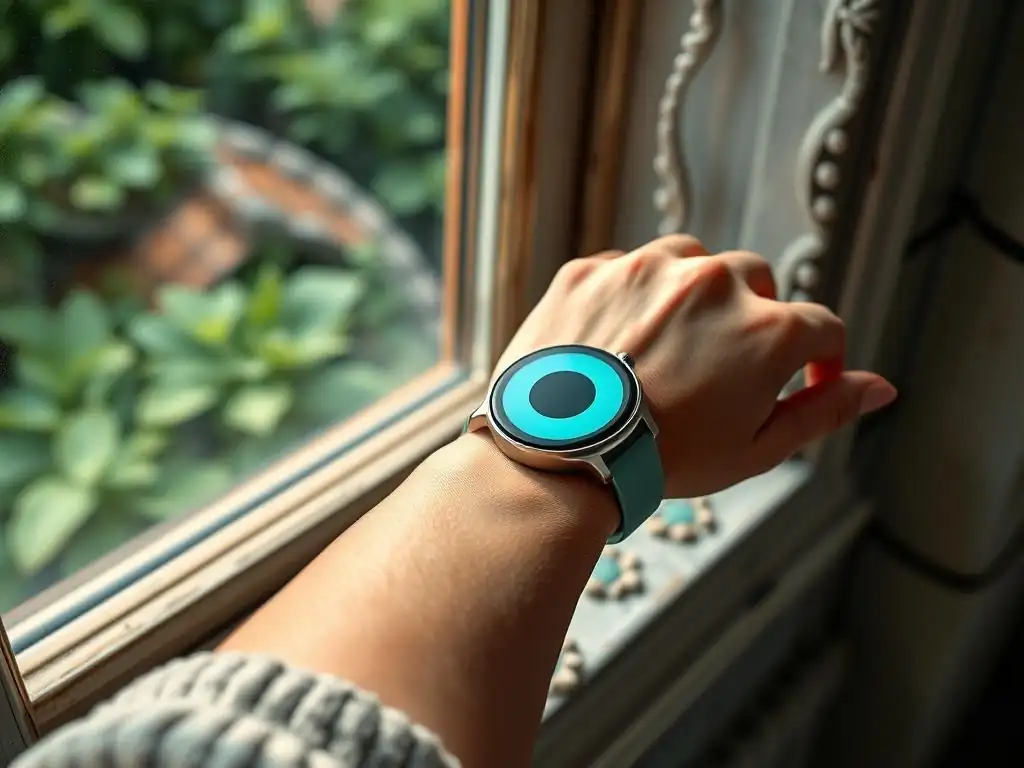
Welcome to Mind Care Guide, a sanctuary for your mental well-being.
Feeling overwhelmed by anxiety? You're not alone. In a world that never stops, finding moments of calm can feel impossible. But what if relief was as close as your wrist? Discover how smartwatch meditation for anxiety can be a powerful tool for reclaiming your peace, and learn how to integrate this simple yet effective practice into your daily life. Ready to breathe easier? Let's begin.
Guided Calm at a Glance: Exploring Smartwatch Breathing and Meditation
- Finding Your Inner Peace: Smartwatch Meditation for Anxiety Relief
- Key Features to Look for in a Smartwatch for Meditation
- Top Smartwatches for Anxiety Relief: A Comparative Analysis
- Maximizing Your Smartwatch Meditation Experience
- Conclusion: Choosing the Right Smartwatch for Your Mental Well-being Journey
-
Frequently Asked Questions
- What are the primary benefits of using smartwatch meditation for anxiety?
- How effective is smartwatch meditation compared to traditional meditation practices for anxiety?
- Are there specific smartwatch brands or apps that are particularly recommended for guided breathing and meditation for anxiety?
- Can smartwatch meditation completely replace other forms of anxiety treatment, such as therapy or medication?
- How can I ensure that my smartwatch meditation practice is effective for managing my anxiety?
- Final Reflection: Breathing Deeply into a Brighter Future
- Breathe Deep, Live Better: Take Charge of Your Calm
Finding Your Inner Peace: Smartwatch Meditation for Anxiety Relief
Beyond Notifications: The Mental Health Benefits of Smartwatches
Smartwatches have evolved significantly from simple notification tools. Modern devices now incorporate sophisticated sensors and software designed to monitor various aspects of physical and mental health. For individuals managing stress and anxiety, these features offer a unique, accessible, and often discreet way to integrate mindfulness practices into daily life. By providing gentle nudges for breathing exercises or access to guided meditations directly on the wrist, smartwatches make it easier to pause and recenter, even during busy moments. This consistent access can be a powerful tool in building resilience against the daily pressures that contribute to anxiety.
Furthermore, the data collected by smartwatches can provide valuable insights into how daily activities, sleep patterns, and even stress levels correlate. Understanding these connections, perhaps seeing how sleep quality impacts stress scores or how a quick breathing session lowers heart rate, empowers users to make informed choices about their routines.
This self-awareness is a cornerstone of effective anxiety management, allowing individuals to identify triggers and proactively engage in calming techniques. The convenience of having these tools readily available on your wrist removes barriers that might exist with needing to find your phone or a quiet space, making smartwatch meditation for anxiety a practical solution.
Real-Time Biofeedback: Heart Rate Variability (HRV) and Stress Monitoring
One of the most compelling features of many smartwatches is their ability to provide real-time biofeedback, particularly through heart rate variability (HRV) and dedicated stress monitoring features. HRV measures the variation in time between heartbeats, which is a key indicator of the activity of the autonomic nervous system. Higher HRV is generally associated with better resilience to stress and a more relaxed state, while lower HRV can indicate stress, fatigue, or illness. Smartwatches can track HRV throughout the day and night, offering users a numerical or graphical representation of their stress load.
Many devices translate HRV data into a daily "stress score" or similar metric. For example, some smartwatches might provide a score out of 100 or categorize stress levels as low, medium, or high. This real-time feedback allows users to see how different activities, environments, or even thoughts might be impacting their physiological state.
During a stressful meeting or before a challenging task, seeing an elevated stress score can serve as a gentle reminder to utilize the smartwatch's built-in breathing exercises or guided meditation features. This immediate feedback loop reinforces the connection between stress, the body's response, and the effectiveness of mindfulness techniques accessed via smartwatch meditation for anxiety.
Guided Meditation on Your Wrist: Convenience and Accessibility
The ability to access guided meditation and breathing exercises directly from your wrist is perhaps the most direct mental health benefit offered by smartwatches. Unlike traditional meditation practices that might require finding a quiet space, opening an app on your phone, or attending a class, a smartwatch makes these tools instantly available whenever and wherever you need them. Feeling overwhelmed in a crowded place? A few taps on your watch can initiate a short, guided breathing session. Experiencing pre-meeting jitters? A five-minute guided meditation can help ground you.
This level of convenience significantly reduces the barriers to starting and maintaining a mindfulness practice. Many users report that having the visual cues and gentle vibrations of a guided breathing exercise on their wrist is less disruptive than pulling out a phone.
The accessibility encourages consistency, transforming mindfulness from an occasional practice into an integrated part of the day. Whether it's a dedicated "Mindfulness" app like on the Apple Watch or integration with third-party services, guided meditation on smartwatches provides a private, immediate, and effective way to manage stress and engage in smartwatch meditation for anxiety relief throughout the day.
Key Features to Look for in a Smartwatch for Meditation
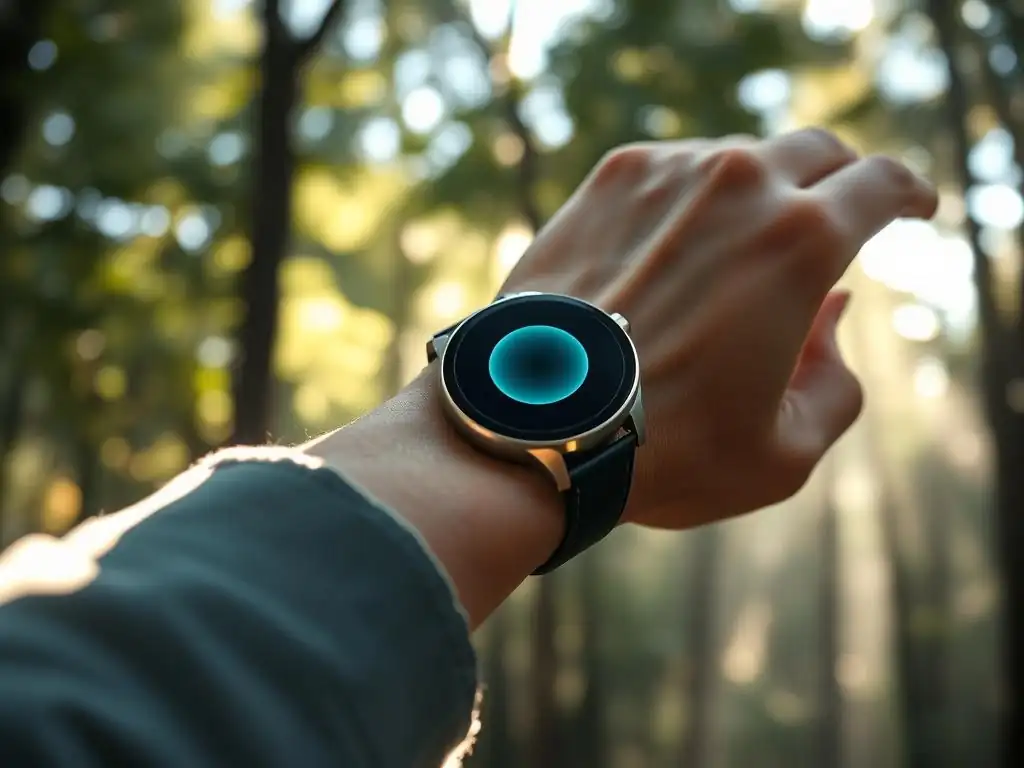
Guided Breathing Exercises: Finding Calm with Every Inhale and Exhale
Guided breathing exercises are a fundamental feature for anyone using a smartwatch for anxiety management. These simple yet powerful exercises involve focusing on your breath, often following a specific rhythm guided by visual cues or vibrations on the watch face. They are designed to activate the body's relaxation response, lowering heart rate and blood pressure, and calming the nervous system. Look for smartwatches that offer customizable session lengths and clear, unobtrusive guidance.
The effectiveness of these exercises lies in their simplicity and immediate availability. A user experiencing a moment of panic or intense stress can quickly launch a breathing session lasting just one or two minutes. This brief intervention can interrupt the stress response cycle and help regain a sense of control. Many smartwatches allow you to set reminders to breathe throughout the day, turning this calming practice into a regular habit. Integrating these simple techniques through smartwatch meditation for anxiety can make a noticeable difference in daily stress levels.
Understanding Different Breathing Techniques: Box Breathing, 4-7-8, and More
Smartwatches often guide users through various established breathing techniques, each offering unique benefits. Box breathing (inhale for 4, hold for 4, exhale for 4, hold for 4) is excellent for centering and calming the mind, often used by military and first responders. The 4-7-8 technique (inhale for 4, hold for 7, exhale for 8) is particularly effective for relaxation and can help with falling asleep. Other techniques might focus on simple deep abdominal breathing or paced breathing at a specific rate per minute.
Understanding these different techniques allows users to choose the one best suited for their current needs. While a smartwatch might default to a simple paced breath, some apps or watch models offer variations. The guidance, whether visual animations or subtle vibrations, helps users maintain the correct rhythm without needing to constantly check a screen, allowing for a more immersive and effective practice. This variety enhances the utility of smartwatch meditation for anxiety, offering different tools for different situations.
Real-World Example: How the Apple Watch's Breathe App Can Reduce Anxiety
The Apple Watch's built-in Breathe app (now integrated into the Mindfulness app) serves as a prime example of how a smartwatch feature can directly aid in reducing anxiety. The app prompts users to take a moment to breathe, offering visual guidance through an expanding and contracting animation on the watch face, accompanied by gentle haptic feedback (vibrations) on the wrist. Users can set reminders to breathe throughout the day and choose the duration of each session, typically from one to five minutes.
Anecdotal evidence and user reports frequently highlight the effectiveness of the Breathe feature in moments of stress or anxiety. Users describe feeling a sense of calm washing over them within just a minute or two of focusing on their breath, guided by the watch. The discreet vibration is particularly useful in public or professional settings, allowing for a moment of mindfulness without drawing attention. This simple, accessible tool on the wrist demonstrates the practical application of smartwatch meditation for anxiety in everyday life.
Guided Meditation Apps: Integrating Mindfulness into Your Daily Routine
Beyond basic breathing, many smartwatches offer integration with popular guided meditation apps. These apps provide a vast library of meditation sessions ranging in length, focus (e.g., anxiety, sleep, focus, gratitude), and style. Having access to these guided sessions on your wrist makes it incredibly convenient to fit mindfulness into your schedule, whether it's a 10-minute session during a lunch break or a 3-minute moment of calm before a challenging task.
The depth and variety offered by dedicated meditation apps significantly enhance the capabilities of a smartwatch for mental well-being. Instead of just a simple breathing exercise, users can engage in more structured meditations that guide them through body scans, visualization techniques, or mindful awareness practices. This integration transforms the smartwatch into a portable meditation studio, available on demand. For those seeking comprehensive smartwatch meditation for anxiety relief, compatibility with robust meditation apps is a key consideration.
Popular Meditation Apps Compatible with Smartwatches: Calm, Headspace, Insight Timer
Several leading meditation apps offer excellent compatibility with smartwatches, extending their functionality to your wrist. Calm, known for its soothing interface and celebrity-narrated sessions, provides guided meditations, sleep stories, and breathing programs accessible from watch apps. Headspace, with its playful approach and focus on building a meditation habit, offers guided sessions optimized for quick access on wearable devices. Insight Timer, which boasts a massive free library of guided meditations from thousands of teachers, also provides watch apps for easy access to timer functions and selected meditations.
These apps leverage the smartwatch interface to allow users to start sessions, track progress, and sometimes even access short, watch-specific content without needing their phone constantly present. This seamless integration makes it easier to maintain consistency with a meditation practice. Choosing a smartwatch that supports your preferred meditation app is crucial for maximizing its utility for smartwatch meditation for anxiety management.
Case Study: User Experiences with Headspace on Smartwatches
While a formal, large-scale published case study specifically on Headspace on smartwatches might be limited, user testimonials and anecdotal evidence from online forums and reviews provide valuable insight. Many users report that having the Headspace app on their Apple Watch or Wear OS device significantly increased their engagement with meditation. One common theme is the convenience of being able to start a quick "SOS" meditation or a short guided session directly from the wrist during moments of peak stress or anxiety, such as while commuting or before a difficult meeting.
Users appreciate the ability to control sessions, see how much time is left, and receive gentle guidance without needing to hold or look at their phone. Some report that these brief, on-demand sessions accessed via their smartwatch were instrumental in preventing anxiety spirals. While the experience might be slightly less feature-rich than the phone app, the accessibility on the wrist proves to be a critical factor in making mindfulness a more consistent and effective part of their anxiety management strategy.
Anxiety and sleep have a complex, bidirectional relationship; anxiety can cause sleep problems, and poor sleep can worsen anxiety. Smartwatches with advanced sleep tracking capabilities can provide crucial data to help address this cycle. These devices typically track sleep duration, time spent in different sleep stages (light, deep, REM), awakenings, and sometimes even blood oxygen levels during sleep. This data is then presented in daily and weekly summaries.
Understanding your sleep patterns can illuminate how anxiety might be impacting your rest and vice versa. For instance, noticing that anxiety spikes correlate with periods of fragmented sleep or reduced deep sleep can motivate you to prioritize relaxation techniques before bed. The data also helps track the effectiveness of sleep hygiene practices or relaxation techniques, including using smartwatch meditation for anxiety and sleep improvement. While not a direct treatment for anxiety, improved sleep quality significantly contributes to overall mental resilience.
Understanding Sleep Stages and Their Impact on Mental Health
Smartwatches that track sleep stages offer a deeper understanding of restorative sleep. Light sleep is the transition phase. Deep sleep is crucial for physical recovery and growth, and research suggests it plays a role in emotional regulation. REM sleep is vital for cognitive functions, memory consolidation, and processing emotions; disruptions here can particularly impact mood and anxiety levels. A smartwatch showing consistently low amounts of deep or REM sleep might indicate underlying issues, potentially linked to stress or anxiety.
Monitoring these stages over time helps users identify patterns. For example, high-stress days might result in poorer sleep stage distribution. Conversely, implementing mindfulness practices or using guided meditations before bed via the smartwatch might show an improvement in deep or REM sleep over time. This data provides tangible feedback on the connection between mental state and sleep quality, empowering users to make targeted lifestyle changes to support better sleep and consequently, better anxiety management.
Product Spotlight: The Oura Ring for In-Depth Sleep Analysis and Personalized Recommendations
While not strictly a smartwatch, the Oura Ring is a prominent wearable device known for its highly accurate and detailed sleep tracking, often used by individuals focused on wellness and recovery, including those managing anxiety. It tracks sleep stages, duration, heart rate, HRV, body temperature, and respiratory rate throughout the night. Based on this data, it provides a daily "Sleep Score" and a "Readiness Score," which indicates how recovered your body is from the previous day and ready for the current one.
The Oura Ring's strength lies in its personalized insights and recommendations. It might suggest winding down earlier if your sleep latency was long, or taking a rest day if your Readiness Score is low due to insufficient deep sleep. While it doesn't have a screen for guided meditation on the ring itself, its integration with meditation apps and its detailed reporting on how mindfulness practices or sleep impacts physiological markers like HRV makes it a powerful tool when used in conjunction with other devices or apps, offering deep data to inform your overall approach to managing anxiety.
Stress Score and Body Battery: Quantifying Your Stress Levels
Beyond HRV, some smartwatches use proprietary algorithms to provide a more generalized "stress score" or metric throughout the day. Garmin's Body Battery feature is a well-known example, combining HRV, sleep data, and activity levels to estimate your body's energy reserves. It starts at 100 each morning (ideally after good sleep) and drains throughout the day based on stress and activity, recharging during periods of rest or sleep.
These features offer a simplified, intuitive way to understand your physiological stress load. A low Body Battery or high stress score during a particular time of day can signal a need to pause and recharge. This might involve taking a break, going for a short walk, or engaging in smartwatch meditation for anxiety relief using a built-in breathing exercise or guided session. While not a clinical diagnosis, these metrics provide actionable insights into your daily energy management and stress response.
How Garmin's Body Battery Feature Helps You Manage Energy Levels
Garmin's Body Battery feature provides a continuous estimate of your energy levels, operating on a scale typically from 0 to 100. It's designed to help users understand how different activities and stressors impact their physiological resources. Strenuous exercise or periods of high mental stress drain the Body Battery, while restful moments, naps, and good sleep help recharge it. Tracking this metric over time helps users identify patterns – perhaps noticing that their Body Battery consistently crashes after certain meetings or activities.
This insight empowers proactive energy management. If your Body Battery is low mid-afternoon, you might choose a less intense evening activity or prioritize relaxation. Conversely, seeing it recharge during a quiet evening or after a good night's sleep provides positive reinforcement for healthy habits. For individuals dealing with anxiety, which can be mentally and physically draining, the Body Battery serves as a tangible reminder to prioritize rest and recovery, including utilizing the smartwatch's capabilities for calming practices.
Using Stress Scores to Identify Triggers and Implement Coping Strategies
Many smartwatches offer an all-day stress tracking feature, often presented as a timeline or graph showing fluctuations throughout the day. By reviewing this data, users can begin to identify specific times, situations, or interactions that correlate with elevated stress levels. For example, you might notice that your stress score consistently peaks during your morning commute, before public speaking events, or during interactions with certain individuals.
Identifying these triggers is a critical step in managing anxiety. Once triggers are recognized, users can proactively implement coping strategies. If the commute is a trigger, you might use the smartwatch to engage in a short guided breathing exercise before leaving or during the commute itself. If stress spikes before meetings, a quick 5-minute guided meditation accessed via the watch can help. The stress score feature turns abstract feelings of being stressed into concrete data points that can inform and reinforce the use of smartwatch meditation for anxiety and other coping mechanisms.
Top Smartwatches for Anxiety Relief: A Comparative Analysis
Apple Watch Series 9: Seamless Integration and Comprehensive Health Tracking
The Apple Watch Series 9 (and previous recent models) is a popular choice for its deep integration within the Apple ecosystem and robust health tracking features. Its Mindfulness app includes guided breathing and reflective practices, and it offers excellent compatibility with popular third-party meditation apps like Calm and Headspace. It provides accurate heart rate monitoring, including notifications for high or low heart rates, and tracks HRV.
Pros: Extensive App Ecosystem, Accurate Heart Rate Monitoring, Advanced Features
The Apple Watch benefits from a vast array of third-party apps, including nearly every major meditation and mindfulness platform, offering unparalleled choice. Its heart rate sensor is highly accurate, providing reliable data for stress monitoring and HRV. Advanced features like ECG and blood oxygen can also provide a more holistic view of health, which can be reassuring for those whose anxiety manifests physically. The seamless integration with the iPhone makes managing data and accessing features straightforward.
Cons: Price, Limited Battery Life Compared to Other Options
The Apple Watch is one of the more expensive smartwatches on the market, which can be a barrier for some. Its battery life, typically around 18 hours with normal use, means it often needs daily charging. This can be inconvenient for all-day wear, including sleep tracking, requiring users to find a charging window during the day or early evening.
Fitbit Sense 2: Focus on Stress Management and Wellness
The Fitbit Sense 2 is specifically designed with mental wellness and stress management in mind. Its key feature is the continuous electrodermal activity (cEDA) sensor, which works with the Body Response feature to identify potential stress or excitement based on skin conductance changes. It also tracks heart rate, HRV, sleep stages, and skin temperature variation. The Fitbit app provides insights into daily stress levels and offers guided meditations and mindfulness content.
Pros: EDA Scan App for Stress Detection, Daily Readiness Score, Sleep Tracking
The EDA sensor is a unique feature that provides tangible data points related to physiological stress responses throughout the day. The Daily Readiness Score, which combines activity, sleep, and HRV, offers a clear recommendation on whether your body is ready for a workout or needs rest. Fitbit's sleep tracking is generally considered strong, and the app offers personalized insights into sleep patterns. The focus on stress management tools is a significant advantage for individuals prioritizing this aspect.
Cons: Requires Fitbit Premium Subscription for Full Features
While the Sense 2 collects a lot of data, unlocking the most detailed insights, personalized guidance, and the full library of mindfulness content (including many guided meditations) requires a paid Fitbit Premium subscription. Without Premium, the experience is more basic, limiting access to features that are key for comprehensive smartwatch meditation for anxiety and stress tracking.
Garmin Venu 3: Long Battery Life and Advanced Health Metrics
The Garmin Venu 3 series offers a strong blend of fitness tracking and advanced health metrics, making it a solid option for stress management and mindfulness. It features the Body Battery energy monitor, all-day stress tracking based on HRV, detailed sleep monitoring with a sleep coach feature, and guided meditation and breathing exercises. Garmin watches are known for their robust data presentation within the Garmin Connect app.
Pros: Long Battery Life, Body Battery Feature, All-Day Stress Tracking
One of the biggest advantages of the Garmin Venu 3 is its battery life, which can last for several days on a single charge (e.g., up to 14 days in smartwatch mode for the Venu 3S), allowing for continuous wear and uninterrupted sleep tracking. The Body Battery and all-day stress tracking provide excellent tools for monitoring energy levels and identifying stress patterns. Garmin offers a range of built-in guided breathing exercises and basic meditation timers.
Cons: Less Focus on Guided Meditation Compared to Apple Watch and Fitbit
While the Venu 3 includes mindfulness features, its primary focus remains on fitness and general health metrics. The library of built-in guided meditations is not as extensive or varied as what's available through the third-party app ecosystems of Apple Watch or the content offered within Fitbit Premium. Users might need to rely more on using the watch as a timer alongside phone-based meditation apps, making it slightly less seamless for dedicated guided smartwatch meditation for anxiety.
Amazfit GTS 4 Mini: Budget-Friendly Option with Core Features
The Amazfit GTS 4 Mini provides a more affordable entry point into smartwatches with health tracking capabilities relevant to stress and anxiety. It includes basic heart rate monitoring, sleep tracking, and PAI (Personal Activity Intelligence) health assessment system. It also offers built-in breathing exercises and can track stress levels based on heart rate variability, although the depth of analysis may be less sophisticated than premium models.
Pros: Affordable Price, Basic Meditation and Breathing Exercises, Lightweight Design
Its main appeal is the low price point, making smartwatch features accessible to a wider audience. It includes core mindfulness features like guided breathing exercises and a basic stress monitor, allowing users to engage in simple smartwatch meditation for anxiety relief without a significant investment. The watch is also lightweight and comfortable for all-day and night wear.
Cons: Limited Advanced Features, Less Accurate Health Tracking
As a budget option, the GTS 4 Mini lacks many of the advanced sensors and sophisticated algorithms found in more expensive smartwatches. The accuracy of health metrics like HRV and stress tracking may be less reliable compared to top-tier devices. The built-in mindfulness features are basic, and third-party app support is limited, meaning users won't have access to extensive libraries of guided meditations directly on the watch.
Maximizing Your Smartwatch Meditation Experience
Setting Realistic Goals and Expectations
Integrating smartwatch meditation for anxiety into your routine requires setting realistic goals. A smartwatch is a tool to support your mental well-being journey, not a magic cure. Start small – perhaps commit to just one or two short guided breathing sessions a day, or a 5-minute meditation. Don't aim for hours of meditation immediately; consistency is more important than duration, especially when building a new habit. Acknowledge that some days will be easier than others, and simply returning to the practice after missing a session is a success.
Understand what your smartwatch can realistically do. It can provide reminders, track metrics, and guide you through exercises, but it cannot replace professional help if you are dealing with severe anxiety. View the data it provides as insights, not absolute truths. The goal is to use the watch to become more aware of your body's signals and stress responses and to empower you to take small, manageable steps towards calm throughout your day.
Creating a Dedicated Meditation Space and Time
While smartwatches offer the convenience of meditating anywhere, creating a dedicated space and time, even if brief, can significantly enhance the practice. This doesn't need to be an elaborate setup – a quiet corner in your home, a bench in a park, or even just sitting comfortably in your office chair with the door closed for a few minutes. Designating a specific time, such as first thing in the morning, during a lunch break, or before bed, helps build the practice into your routine, making it a non-negotiable part of your day.
Using your smartwatch in this dedicated space and time reinforces the habit. When the watch reminder goes off, or when you decide it's time for your session, going to your chosen spot signals to your brain that it's time to transition into a calmer state. This consistency helps make smartwatch meditation for anxiety a more effective and ingrained coping mechanism.
Combining Smartwatch Meditation with Other Therapies and Practices (e.g., Yoga, Therapy)
Smartwatch meditation is most effective when viewed as part of a broader mental wellness strategy. It can complement other beneficial practices such as yoga, regular exercise, journaling, and professional therapy. The data from your watch, such as stress scores or sleep patterns, can even be valuable information to share with a therapist or doctor to provide a clearer picture of your daily experience.
For instance, you might use your smartwatch's breathing exercises to prepare for a yoga session, or track how a therapy session impacts your stress score afterward. The mindfulness skills developed through guided meditation on your watch can enhance the benefits of other activities, helping you stay present during exercise or practice mindful eating. Integrating smartwatch meditation for anxiety with a holistic approach to well-being maximizes its potential benefits and supports a more comprehensive path to inner peace.
Conclusion: Choosing the Right Smartwatch for Your Mental Well-being Journey
Frequently Asked Questions
What are the primary benefits of using smartwatch meditation for anxiety?
Smartwatch meditation offers accessibility and convenience, allowing for quick and discreet anxiety management throughout the day. It can also improve mindfulness skills and reduce stress levels through guided breathing exercises.
How effective is smartwatch meditation compared to traditional meditation practices for anxiety?
While traditional meditation may offer deeper, more immersive experiences, smartwatch meditation provides a portable and readily available option. Its effectiveness depends on individual preference and consistency, but it's a valuable tool for immediate anxiety relief.
Are there specific smartwatch brands or apps that are particularly recommended for guided breathing and meditation for anxiety?
Several apps and smartwatches are available, including Calm, Headspace, and Fitbit. Look for options with guided breathing exercises, mindfulness programs, and customizable settings that suit your needs and preferences.
Can smartwatch meditation completely replace other forms of anxiety treatment, such as therapy or medication?
No, smartwatch meditation is a complementary tool, not a replacement for professional help. It can be a useful addition to therapy or medication, providing immediate relief and promoting overall well-being, but it's not a cure-all.
How can I ensure that my smartwatch meditation practice is effective for managing my anxiety?
Consistency is key. Set realistic goals, practice regularly, and be patient. Combine smartwatch meditation with other self-care strategies, such as exercise and healthy eating, to create a holistic approach to anxiety management.
Final Reflection: Breathing Deeply into a Brighter Future
The integration of mindfulness practices into our increasingly technological lives is no longer a futuristic fantasy; it's a vital necessity. The convenience and accessibility of smartwatch-based meditation and breathing exercises offer a powerful antidote to the pervasive anxiety of the modern world, providing a readily available tool for self-care in our always-on culture. This accessibility is crucial, democratizing access to techniques that were once only available through expensive therapy or intensive courses.
The subtle shift in our relationship with technology, from a source of stress to a potential aid in managing it, is profoundly significant. Smartwatches, once symbols of our hyper-connectedness, are now evolving into tools for disconnection and self-reflection. This transformation reflects a growing awareness of the importance of mental well-being. The mind is everything. What you think you become.
– Buddha. This ancient wisdom, now readily accessible through a simple wrist-worn device, underscores the power of mindful practices in shaping our inner landscape and, consequently, our external realities.
Consider the potential impact of this technology. Imagine a world where anxiety is met not with panic, but with the calm invitation of a guided breathing exercise, readily available at a moment's notice. This is not merely a technological advancement; it's a cultural shift. You have the power to harness this technology, to integrate these practices into your daily life, and to cultivate a more peaceful and present existence. Take a moment today to explore the calming features on your smartwatch – your well-being awaits.
Breathe Deep, Live Better: Take Charge of Your Calm
Thank you for taking the time to explore the power of smartwatch-guided breathing and meditation with us! We hope you discovered valuable techniques to enhance your well-being. Now it's time to put your newfound knowledge into practice.
- Prioritize a daily mindful breathing session: Even 5 minutes can make a significant difference in your stress levels and overall mood. Set a reminder on your phone or smartwatch to ensure you carve out this precious time.
- Share your experience: Connect with our community on social media and let us know how integrating these practices into your routine is affecting your daily life. We love hearing your success stories!
- Experiment with different breathing techniques: Explore variations of box breathing, alternate nostril breathing, or guided meditations offered by your smartwatch app. Find what resonates best with you and adapts to your lifestyle.
Ready to unlock the transformative power of mindful breathing? What small step will you take today to prioritize your mental well-being?