
Peace on Your Pulse: How Smartwatches Deliver Guided Calm Anytime

Welcome to Mind Care Guide.
Feeling overwhelmed? You're not alone. We understand the daily pressures that can weigh on your mental well-being. That's why we're dedicated to providing you with accessible tools and resources to navigate those challenges. Ever wondered if the answer to finding a moment of peace could be right on your wrist? Dive into our guide and discover how smartwatch guided calm techniques are revolutionizing stress management, offering a pathway to tranquility in today's fast-paced world. Let's explore how technology can help you reclaim your inner peace...
Peace on Your Pulse: How Smartwatches Deliver Guided Calm Anytime
- Smartwatch Guided Calm Techniques: Finding Mindfulness on Your Wrist
- Why Choose a Smartwatch for Guided Meditation?
-
Top Smartwatch Features for Achieving Guided Calm
- Guided Breathing Exercises: Inhale, Exhale, Relax with Apple Watch
- Mindfulness Meditation Programs: Deep Dive into Calm with Calm App Integration
- Body Scan Meditations: Cultivating Awareness with Fitbit Sense EDA Scan App
- Sleep Tracking and Optimization: Promoting Restful Sleep for Enhanced Calm
- Heart Rate Variability (HRV) Monitoring: Understanding Your Body's Stress Response
- Comparing Smartwatches for Guided Calm: Finding the Right Fit
- Beyond the Smartwatch: Complementary Practices for Enhanced Calm
- Maximizing Your Smartwatch for Stress Relief: Tips and Tricks
- Investing in Your Mental Well-being: The Value of a Smartwatch for Guided Calm
-
Frequently Asked Questions
- How can a smartwatch help improve my mental well-being?
- What types of guided calm techniques are typically available on smartwatches?
- Are smartwatch guided calm techniques effective for managing stress?
- Do I need a specific smartwatch model to access guided calm features?
- How do I integrate smartwatch guided calm techniques into my daily routine?
- Final Reflection: The Quiet Revolution on Your Wrist
- Embrace Calm: Take Control of Your Stress Today!
Smartwatch Guided Calm Techniques: Finding Mindfulness on Your Wrist
The Growing Need for On-Demand Stress Relief
Modern life often feels like a relentless cycle of demands, notifications, and expectations, leaving little room for pause. Studies consistently highlight rising stress levels globally; for instance, reports often indicate that a significant percentage of adults, sometimes cited as over 70% in various surveys, experience stress that negatively impacts their daily lives. This pervasive stress contributes to a range of physical and mental health challenges, from anxiety and sleep disturbances to more serious conditions. The constant connectivity, while offering convenience, also means we are perpetually "on," making it difficult to disconnect and find moments of tranquility.
Traditional methods of stress relief, such as attending a yoga class or scheduling a therapy session, require dedicated time and planning, which can be challenging to fit into an already packed schedule. The need for immediate, accessible tools to manage acute stress moments or integrate brief periods of calm throughout the day has become increasingly apparent.
People are looking for ways to inject mindfulness and relaxation into the interstitial moments of their lives – during a commute, before a difficult meeting, or simply while taking a short break. This growing need has paved the way for innovative solutions that offer on-demand support for mental well-being.
Understanding the Power of Wearable Tech for Mental Well-being
Wearable technology, particularly smartwatches, has evolved significantly beyond basic step counting. These devices, worn directly on the body, are equipped with sophisticated sensors capable of monitoring various physiological signals that provide insights into our physical and mental state. Metrics like heart rate, heart rate variability (HRV), sleep patterns, and even skin temperature or electrodermal activity can offer objective data points related to stress levels and recovery.
The true power of wearable tech for mental well-being lies in its ability to not only collect this data but also to act upon it. Smartwatches can deliver timely nudges, provide personalized insights based on the collected biofeedback, and, crucially, offer immediate access to guided interventions like breathing exercises and short meditations. With estimates suggesting hundreds of millions of smartwatches are now in use worldwide, these devices represent a massive, always-present platform for delivering Smartwatch guided calm techniques directly to the user's wrist, seamlessly integrating mental wellness practices into the rhythm of daily life.
Why Choose a Smartwatch for Guided Meditation?
Convenience and Accessibility: Mindfulness at Your Fingertips
One of the most compelling advantages of using a smartwatch for guided calm techniques is unparalleled convenience. Unlike needing to find your phone, unlock it, open an app, and select a session, a smartwatch is already on your wrist. A quick glance or a few taps on the screen can launch a guided breathing exercise or a short meditation within seconds. This low barrier to entry makes it significantly easier to commit to regular practice, especially for brief, spontaneous moments of needed calm.
Consider a scenario where you receive a stressful email or face a challenging interaction. Instead of letting anxiety build, you can immediately initiate a one-minute guided breathing session directly from your watch, discreetly and without disrupting your surroundings significantly. This instant accessibility encourages consistent engagement with mindfulness throughout the day, transforming potentially overwhelming moments into opportunities to practice calm, reinforcing the habit of turning to Smartwatch guided calm techniques when needed.
Real-Time Biofeedback: Monitoring Stress Levels with Your Smartwatch
Many smartwatches are equipped with sensors that provide real-time physiological data that can correlate with stress levels. Heart rate monitors can show spikes during stressful events, and advanced features like Heart Rate Variability (HRV) or Electrodermal Activity (EDA) sensors offer deeper insights into the body's stress response and recovery status. For example, a sudden increase in resting heart rate or a drop in HRV might indicate that your body is under strain.
This real-time biofeedback serves as a valuable alert system. When your smartwatch detects signs of elevated stress, it can often prompt you to take a moment to breathe or engage in a short guided session. This not only encourages timely intervention but also helps you become more attuned to your body's physical signals of stress. Over time, tracking how these metrics change during or after using Smartwatch guided calm techniques can provide tangible evidence of their effectiveness, reinforcing the positive impact of your practice.
Integration with Existing Wellness Apps: Streamlining Your Mental Health Routine
Smartwatches are not isolated devices; they often integrate seamlessly with popular third-party mental wellness applications like Calm, Headspace, or Insight Timer. This integration allows users to access their favorite guided meditations, sleep stories, or breathing exercises directly from their watch interface, often without needing to pull out their phone.
This connectivity streamlines your entire mental health routine. Your meditation history, sleep data, activity levels, and physiological metrics can often be viewed within a single app ecosystem, providing a holistic picture of your well-being. Accessing guided content via the watch, perhaps paired with wireless earbuds, can also create a more focused and less distracting experience compared to using a phone, further encouraging consistent engagement with Smartwatch guided calm techniques as part of a broader wellness strategy.
Top Smartwatch Features for Achieving Guided Calm
Guided Breathing Exercises: Inhale, Exhale, Relax with Apple Watch
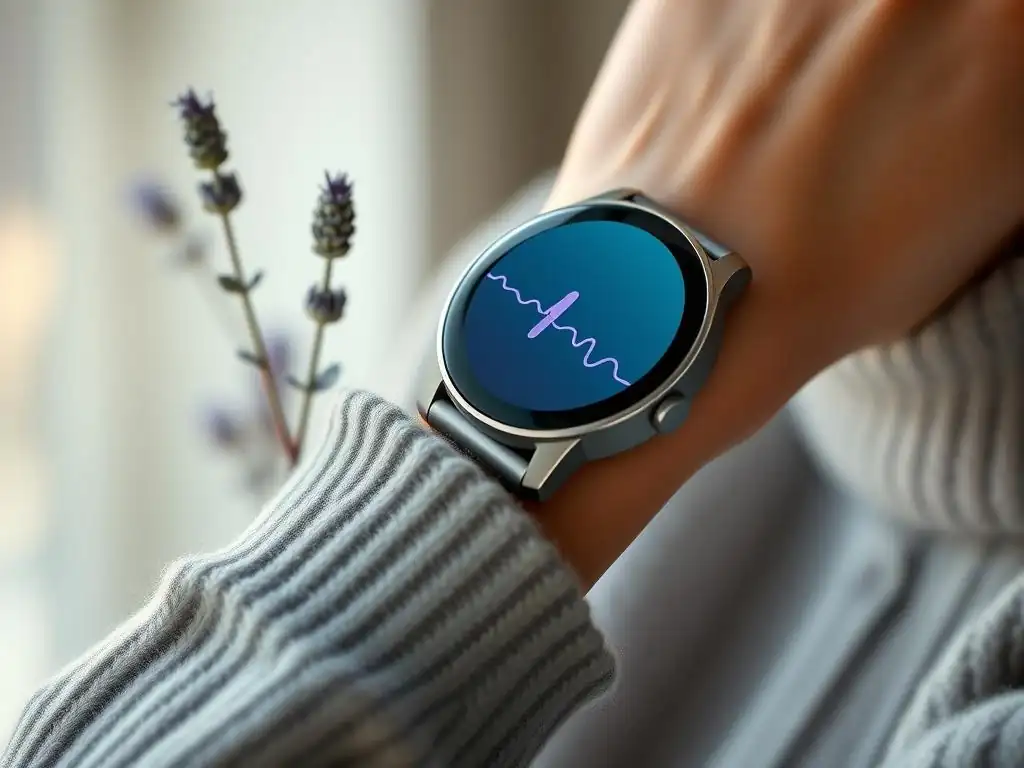
Guided breathing exercises are one of the most common and effective Smartwatch guided calm techniques offered on wearable devices. Apps built into watches like the Apple Watch (the "Breathe" or "Mindfulness" app) provide simple, visual, and haptic cues to guide you through paced inhalation and exhalation cycles. These sessions are typically short, often ranging from one to five minutes, making them perfect for quick stress interventions. The watch vibrates gently to signal when to inhale and exhale, allowing you to close your eyes and focus solely on your breath.
The benefit of these short, guided sessions is their immediate physiological impact. By consciously slowing and regulating your breath, you can quickly activate the body's parasympathetic nervous system, counteracting the "fight or flight" response triggered by stress. Regular practice, even in short bursts throughout the day facilitated by your smartwatch, can lead to a lower resting heart rate and a greater sense of control during stressful situations, demonstrating the power of simple Smartwatch guided calm techniques.
The Science Behind Breathwork and Stress Reduction
The connection between controlled breathing and stress reduction is well-established in scientific literature. Deep, slow breathing stimulates the vagus nerve, a major component of the parasympathetic nervous system. This stimulation sends signals to the brain that promote relaxation, slowing down heart rate, lowering blood pressure, and reducing the levels of stress hormones like cortisol.
Research has shown that even brief breathwork interventions can lead to measurable changes in physiological markers of stress. For example, studies have indicated that practicing paced breathing for just a few minutes can significantly reduce subjective feelings of anxiety and tension. The consistent practice enabled by easily accessible Smartwatch guided calm techniques helps train your body and mind to enter a more relaxed state on command, building resilience against daily stressors.
How the Apple Watch Breathe App Tracks Your Breathing Patterns
The Apple Watch "Breathe" or "Mindfulness" app doesn't use sensors to track your actual inhalation/exhalation volume or depth, but rather it guides your pace. It presents a visual animation, often a blooming flower or expanding shape, paired with haptic vibrations, to indicate when to breathe in, hold (sometimes), and breathe out. You can typically set the duration of the session (e.g., 1 to 5 minutes) and the number of breaths per minute.
The app serves primarily as a prompt and guide, encouraging you to take a dedicated moment to focus on your breath at a calming pace. While it doesn't provide biofeedback on the breath itself, consistent use can contribute to overall physiological changes like a lower resting heart rate, which the watch does track. The app also records your completed sessions, helping you build a history and visualize your commitment to incorporating Smartwatch guided calm techniques into your routine.
Mindfulness Meditation Programs: Deep Dive into Calm with Calm App Integration
Beyond short breathing exercises, many smartwatches allow access to more extensive guided meditation programs through integrated third-party apps like Calm, Headspace, or similar platforms. These programs can range from a few minutes to 20 minutes or more and cover various styles, including body scans, loving-kindness, or meditations focused on specific issues like anxiety or sleep.
Accessing these programs via your smartwatch provides convenience and can reduce distractions. With the content delivered directly to your wrist, often audible through connected wireless earbuds, you can easily find a quiet spot and immerse yourself in the practice without the temptation of phone notifications popping up. This integration means a vast library of guided meditations, suitable for different moods and needs, is always just a few taps away, expanding the range of Smartwatch guided calm techniques available to you.
Exploring the Benefits of Meditation for Anxiety and Stress
Mindfulness meditation has been the subject of extensive scientific research regarding its impact on mental health. Studies have consistently demonstrated its effectiveness in reducing symptoms of anxiety and stress. Regular meditation practice can lead to changes in brain structure and function associated with improved emotional regulation, reduced reactivity to stressors, and increased self-awareness.
For example, research using fMRI scans has shown that consistent meditation can lead to decreased gray matter density in the amygdala (the brain's fear center) and increased density in areas associated with attention and self-awareness, such as the prefrontal cortex. People who meditate regularly often report feeling less overwhelmed by stressful thoughts and emotions, experiencing greater present-moment awareness, and having an improved ability to cope with challenges, benefits amplified by the accessibility of Smartwatch guided calm techniques.
Features to look for: Variety, Customization, and Progress Tracking
When choosing a smartwatch or wellness app for guided meditation, consider the features that will best support your practice. Look for access to a wide variety of guided sessions covering different lengths, styles, and themes (e.g., meditations for focus, sleep, stress). Customization options are also valuable, such as the ability to adjust background sounds, session length, or the instructor's voice.
Progress tracking is another key feature. The ability to see how many sessions you've completed, the total time spent meditating, and potentially how this correlates with changes in your physiological data (like heart rate or sleep patterns) can provide valuable insights and motivation. A platform that offers historical data allows you to monitor your journey and see the cumulative impact of your engagement with Smartwatch guided calm techniques over time.
Body Scan Meditations: Cultivating Awareness with Fitbit Sense EDA Scan App
Body scan meditation is a specific mindfulness technique that involves systematically bringing gentle attention to different parts of the body, noticing physical sensations without judgment. It's a powerful practice for grounding oneself in the present moment and becoming aware of where tension is held in the body. Some smartwatches, like the Fitbit Sense, incorporate features specifically designed to support this practice, often combined with biofeedback.
The Fitbit Sense features an EDA (Electrodermal Activity) sensor, which measures tiny electrical changes on the skin's surface. These changes can be influenced by sweat gland activity, which is often linked to the body's stress response. The Fitbit EDA Scan app guides users through a body scan meditation while simultaneously monitoring their EDA levels. This provides a unique combination of subjective awareness (noticing sensations) and objective data (seeing how physiological stress indicators change during the scan), enhancing the practice of Smartwatch guided calm techniques.
Understanding the Connection Between Mind and Body
The mind and body are deeply interconnected, and stress often manifests physically. Emotional states like anxiety or fear can trigger physiological responses such as muscle tension, increased heart rate, shallow breathing, and changes in skin conductivity. Conversely, physical sensations can also influence our mental state; chronic pain or fatigue can exacerbate stress and affect mood.
Body scan meditation helps bridge this gap by training you to notice these physical manifestations of your mental state. By systematically bringing awareness to different body parts, you become more sensitive to areas holding tension or experiencing discomfort. This heightened awareness, supported by tools like the Fitbit EDA sensor providing physiological context, allows for earlier recognition of stress signals and empowers you to take action, such as using Smartwatch guided calm techniques or consciously relaxing those tense areas.
Using Body Scans to Identify and Release Tension
The practical application of body scan meditation, especially when guided by a smartwatch, involves lying or sitting comfortably and directing your attention sequentially through your body – starting perhaps with your toes, moving up through your legs, torso, arms, neck, and head. The goal is simply to notice any sensations present – tingling, warmth, tightness, coolness – without trying to change them, at least initially.
Tools like the Fitbit Sense EDA Scan app add another layer by showing how your EDA levels fluctuate during this process. If your EDA level decreases during the scan, it might indicate a reduction in physiological stress response as you become more relaxed. Using body scans regularly, facilitated by Smartwatch guided calm techniques, helps you identify your personal stress hotspots and practice releasing physical tension, contributing to a greater sense of ease and calm in your body.
Sleep Tracking and Optimization: Promoting Restful Sleep for Enhanced Calm
Sleep is fundamental to both physical and mental well-being, and its quality significantly impacts our ability to manage stress and maintain emotional balance. Lack of sufficient or restful sleep can heighten irritability, impair cognitive function, and increase reactivity to stressors. Smartwatches with advanced sleep tracking capabilities offer valuable insights into your sleep patterns, duration, and quality.
These devices can monitor the time you spend in different sleep stages (light, deep, REM), track disturbances, and provide an overall "sleep score" or assessment. By understanding your sleep habits through the data collected by your smartwatch, you can identify potential issues contributing to poor sleep and take steps to optimize it. Improved sleep hygiene, guided by these insights, directly supports your mental resilience and enhances the effectiveness of your Smartwatch guided calm techniques during waking hours.
The Link Between Sleep and Mental Health
The relationship between sleep and mental health is bidirectional and complex. Sleep deprivation negatively impacts areas of the brain responsible for emotional regulation and executive function, making it harder to cope with stress and control emotional responses. Chronic sleep problems are strongly associated with an increased risk of developing anxiety disorders, depression, and other mental health conditions. For example, some studies suggest that people with insomnia are significantly more likely to develop depression than those who sleep well.
Conversely, prioritizing and improving sleep can have a profoundly positive effect on mental well-being. Restful sleep allows the brain to process emotions, consolidate memories, and restore its capacity for managing stress. Using your smartwatch to track sleep and identify areas for improvement is therefore a crucial component of a holistic approach to reducing stress and fostering a calmer state of mind, complementing your use of Smartwatch guided calm techniques.
How Smartwatches Monitor Sleep Stages and Provide Insights
Smartwatches typically monitor sleep using a combination of accelerometer data (detecting movement) and heart rate data. During sleep, our movement patterns change, and heart rate varies depending on the sleep stage. By analyzing these signals throughout the night, the smartwatch's algorithms estimate the time spent in light sleep (transitional), deep sleep (physically restorative), and REM sleep (mentally restorative, dreaming).
The smartwatch app then presents this data in easy-to-understand graphs and summaries, showing total sleep time, time in each stage, sleep consistency, and any significant wake-ups. Many provide a daily sleep score and personalized insights, such as suggesting a consistent bedtime or highlighting how factors like late-night activity might impact sleep quality. This data empowers you to make informed decisions about your sleep habits, creating a stronger foundation for managing stress and benefiting from Smartwatch guided calm techniques.
Heart Rate Variability (HRV) Monitoring: Understanding Your Body's Stress Response
Heart Rate Variability (HRV) is the variation in the time interval between consecutive heartbeats. Unlike heart rate, which measures the number of beats per minute, HRV measures the tiny fluctuations in the timing of those beats. A higher HRV generally indicates a more adaptable nervous system, suggesting better resilience to stress and a dominant parasympathetic ("rest and digest") state. Conversely, a lower HRV can signal that the body is under stress, fatigued, or struggling to recover.
Many advanced smartwatches (from brands like Garmin, Fitbit, Apple Watch during sleep or certain focus sessions) now track HRV, often overnight or continuously. This metric provides a powerful objective measure of your body's physiological stress load and recovery status. Understanding your baseline HRV and how it fluctuates allows you to gain deeper insight into how your daily activities, sleep, and stress levels are impacting your nervous system, offering valuable context for your well-being journey.
What is HRV and Why is it Important?
HRV is essentially a window into the balance between the sympathetic nervous system (responsible for the "fight or flight" response) and the parasympathetic nervous system (responsible for "rest and digest"). A healthy heart rate isn't metronomically steady; it constantly adjusts based on signals from these two branches of the autonomic nervous system. Higher variability indicates that the parasympathetic system is active, allowing for flexible responses to internal and external demands.
Lower HRV suggests the sympathetic system might be overly dominant, keeping the body in a state of heightened alert. Consistently low HRV is linked to various negative health outcomes, including increased risk of chronic stress, burnout, and reduced physical performance. Monitoring HRV helps you understand your body's capacity to handle stress on any given day and track your recovery, making it an important metric for anyone focused on improving their overall well-being and stress resilience.
Using HRV Data to Optimize Your Mindfulness Practice
HRV data can serve as a powerful guide for optimizing your mindfulness and stress management practices. If your smartwatch reports a particularly low HRV reading, it might be a signal that your body is under significant strain and needs rest or gentle activities. On such days, prioritizing longer, restorative Smartwatch guided calm techniques like body scans or slow breathing might be more beneficial than intense exercise or demanding tasks.
Conversely, seeing your HRV improve over time could indicate that your consistent efforts in stress management, including using Smartwatch guided calm techniques, are having a positive physiological impact. It provides objective evidence that your practices are helping your nervous system become more balanced and resilient. This feedback loop can be highly motivating, encouraging you to stick with your routine and explore how different practices affect your body's stress response.
Comparing Smartwatches for Guided Calm: Finding the Right Fit
Selecting the right smartwatch for accessing guided calm techniques depends on your specific needs, budget, and existing technology ecosystem. While many watches offer basic breathing exercises, the depth of features for mindfulness, biofeedback, and integration with wellness apps varies significantly across brands and models.
Consider factors like the availability of dedicated mindfulness apps, the types of physiological data tracked (HRV, EDA), battery life (important for continuous tracking like sleep), screen quality, and overall ease of use. Below, we look at a few popular options and their strengths and weaknesses regarding Smartwatch guided calm techniques.
Apple Watch: A Comprehensive Overview of Features and Benefits
The Apple Watch is a dominant player in the smartwatch market, known for its seamless integration with the Apple ecosystem, high-quality display, and extensive range of features. It includes a built-in "Mindfulness" app (formerly "Breathe") offering guided breathing and short reflection prompts. Its robust health tracking includes heart rate, ECG, blood oxygen, and sleep tracking, all contributing data that can provide context for stress levels.
With an estimated market share often exceeding 30% globally, the Apple Watch platform benefits from a vast selection of third-party apps, including popular mindfulness platforms like Calm and Headspace, which offer dedicated watch apps for accessing guided content directly from the wrist. Its strengths lie in its polished user experience, deep health monitoring capabilities, and the sheer breadth of available apps.
Guided Meditation Programs: Calm App Review
The Calm app, a leading meditation platform, offers a solid experience on the Apple Watch. Users can access a selection of guided meditations, breathing exercises, and mindful reminders directly from the watch face or app list. While the full library of content (sleep stories, music, longer meditations) typically requires opening the phone app, the watch app provides convenient access to quick sessions.
The Apple Watch integration allows users to start and control meditations discreetly using their watch, often paired with AirPods or other Bluetooth headphones. This makes it easy to take a moment of calm during a busy day without needing to look at a phone screen. Accessing the full suite of Calm's offerings, however, requires a paid subscription, which is an additional cost on top of the watch itself.
Stress Tracking Capabilities: Accuracy and Reliability
The Apple Watch doesn't feature a dedicated, real-time "stress score" based on a single metric like EDA, as seen on some competitors. Instead, it provides insights into stress indirectly through comprehensive data analysis. It monitors resting heart rate, heart rate variability (primarily during sleep and sometimes during mindful moments), activity levels, and sleep patterns.
By observing trends in these metrics over time, the Apple Health app can provide a picture of your overall physiological state, which correlates with stress and recovery. While it may not give you an immediate "stress level" number like some watches, its collection of diverse data points offers a reliable way to track how lifestyle factors and your use of Smartwatch guided calm techniques are impacting your body's resilience.
Price and Battery Life: Value for Money
The Apple Watch typically falls into the higher price range for smartwatches, with models often starting around $250-$400+ depending on the series and features (like cellular connectivity). Its battery life is generally rated for about 18 hours of typical use, which means daily charging is usually necessary, especially if utilizing sleep tracking.
The value proposition of the Apple Watch lies in its premium build, extensive features beyond just health and mindfulness (notifications, apps, communication), and tight integration with the Apple ecosystem. For iPhone users seeking a feature-rich smartwatch that includes access to a wide array of Smartwatch guided calm techniques via third-party apps, it represents a significant investment that offers broad functionality.
Fitbit Sense: Focusing on Simplicity and Ease of Use
The Fitbit Sense (and newer models like the Sense 2) is positioned as a health-focused smartwatch with a particular emphasis on stress management. Its standout feature is the EDA (Electrodermal Activity) sensor, designed to measure the body's response to stress. Fitbit also offers guided breathing exercises ("Relax" app) and integrates with the Fitbit app ecosystem for sleep tracking, activity, and overall health trends.
Fitbit devices are generally known for their user-friendly interfaces and longer battery life compared to some competitors, often lasting several days on a single charge. This makes them appealing for continuous tracking, including sleep. The Sense aims to provide accessible tools for understanding and managing stress, making Smartwatch guided calm techniques a core part of its offering.
Guided Breathing Exercises: User-Friendly Interface and Customization
Fitbit's guided breathing exercise feature, often called "Relax," is straightforward and easy to use. It guides you through 2-minute or 5-minute sessions of deep breathing using on-screen animations and vibrations. The interface is intuitive, making it simple to start a session quickly when you need a moment to de-stress.
The focus is on simplicity and accessibility, ensuring that even beginners can easily engage with this fundamental Smartwatch guided calm technique. While customization options might be less extensive than in dedicated meditation apps, the built-in feature provides a reliable and readily available tool for immediate stress relief through paced breathing.
Affordability and Accessibility for Beginners
Fitbit devices, including the Sense, are often priced competitively, typically starting in a range that can be more accessible than high-end smartwatches from other brands, often available for around $200-$300. Their focus on health tracking and simple, clear presentation of data makes them a good entry point for individuals new to wearable technology for wellness.
The ease of setup and the clear guidance provided within the Fitbit app and on the watch itself help onboard users to tracking their health metrics and utilizing features like guided breathing and EDA scans. This accessibility makes the Fitbit Sense a strong contender for beginners looking to explore Smartwatch guided calm techniques without a steep learning curve.
Limitations: Features and Integration
While strong in health and stress features, the Fitbit Sense has some limitations compared to full-fledged smartwatches like the Apple Watch or Wear OS devices. Its third-party app ecosystem is smaller, meaning fewer integrations with a wide range of apps beyond core health partners. The 'smartwatch' features, such as notification handling or app responsiveness, can feel less polished compared to the top competitors.
Furthermore, accessing detailed historical data and personalized insights often requires a subscription to Fitbit Premium. While the basic features are available, unlocking the full value of metrics like the EDA scan data trends or advanced sleep analytics may incur an additional monthly or annual cost, which is a factor to consider when evaluating the total investment in using these Smartwatch guided calm techniques.
Garmin Venu 2 Plus: Advanced Features for Experienced Meditators
Garmin is renowned for its robust fitness and outdoor tracking watches, but the Venu series specifically bridges the gap towards lifestyle and health features. The Venu 2 Plus stands out with its focus on detailed physiological metrics, including advanced sleep tracking, continuous stress tracking based on HRV, Body Battery energy monitoring, and on-screen guided workouts and breathwork.
This watch appeals to users who want deep data insights alongside wellness features. Its strengths include exceptional battery life (often lasting many days or even over a week), highly accurate GPS and activity tracking, and a comprehensive platform (Garmin Connect) for analyzing long-term trends. For users who appreciate detailed biofeedback to inform their Smartwatch guided calm techniques, the Venu 2 Plus offers significant capabilities.
HRV Monitoring and Biofeedback: In-Depth Analysis and Insights
Garmin excels in providing detailed physiological data, and its implementation of HRV is a key feature. The watch continuously monitors HRV throughout the day and night (when worn), using it to calculate a "Stress Score" and contribute to the "Body Battery" metric, which estimates your energy levels based on rest, stress, and activity.
This constant monitoring provides granular insights into how different activities, sleep quality, and stress events impact your body's recovery and resilience. The Garmin Connect app offers in-depth graphs and explanations of your HRV trends, stress levels, and Body Battery, giving you actionable data to understand when you might need to prioritize rest or engage in Smartwatch guided calm techniques.
Integration with Third-Party Wellness Platforms: Expanding Your Resources
While Garmin Connect is a powerful platform on its own, it also integrates with a growing number of third-party wellness and fitness apps. Users can sync their detailed physiological data, including HRV and stress metrics, with platforms that might offer different types of guided meditations or analytical tools.
This connectivity allows users to leverage Garmin's robust data collection while still utilizing their preferred wellness apps for guided content or broader health management. It expands the resources available for those seeking to use their smartwatch data to inform and enhance their practice of Smartwatch guided calm techniques.
Premium Price Point: Is it Worth the Investment?
The Garmin Venu 2 Plus typically sits at a higher price point than many other smartwatches, often starting around $400-$500+. This positions it as a premium device.
For individuals who are serious about tracking detailed physiological data (HRV, advanced sleep stages, training status), require long battery life, and value Garmin's reputation for accuracy in fitness and health tracking, the investment may be well worth it. It's particularly appealing to active individuals who also want sophisticated tools for stress management and recovery built into their daily wearable, making it a powerful, albeit expensive, tool for Smartwatch guided calm techniques.
Beyond the Smartwatch: Complementary Practices for Enhanced Calm
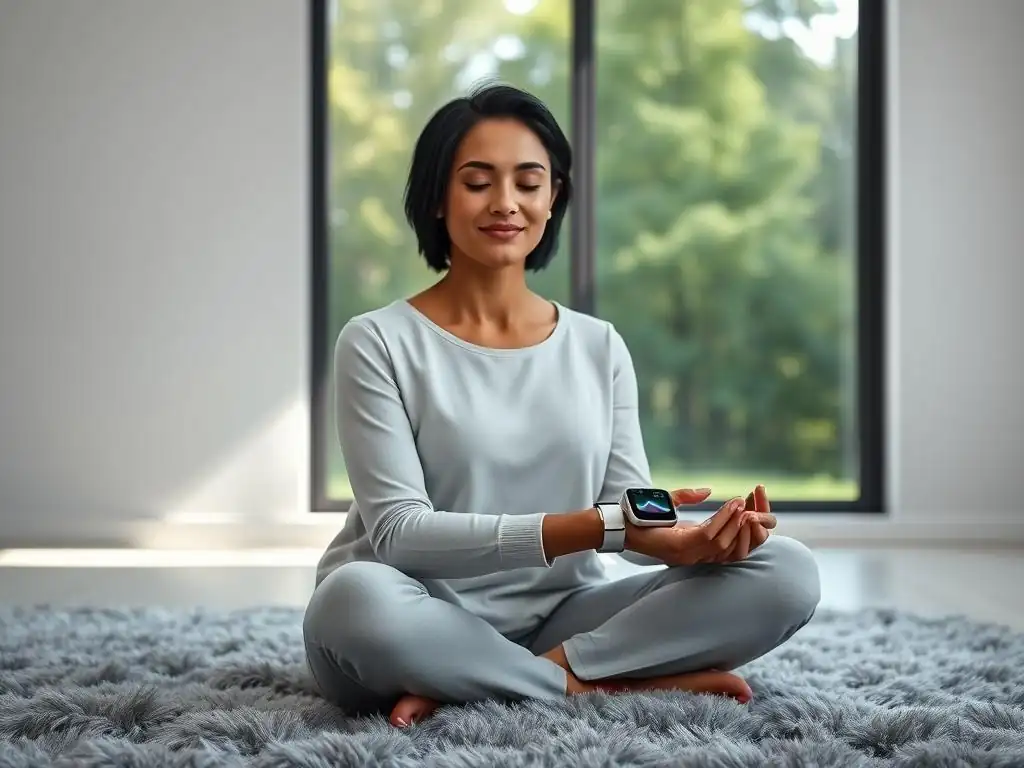
While smartwatches offer incredible convenience and valuable data for managing stress and practicing mindfulness, they are most effective when integrated into a broader approach to well-being. Relying solely on technology might limit your potential for growth and resilience.
A holistic approach acknowledges that mental health is influenced by multiple factors, including lifestyle, environment, relationships, and access to diverse tools and support systems. Combining your Smartwatch guided calm techniques with other practices and resources can significantly enhance your journey toward greater peace and calm.
Combining Smartwatch Guided Calm Techniques with Traditional Meditation
Think of your smartwatch as a gateway or a supportive companion for mindfulness, not the sole destination. Use the quick, accessible features like guided breathing or short body scans on your watch for moments of acute stress or as reminders throughout the day. These brief interventions can help you reset and re-center quickly.
Complement these short sessions with longer, more traditional meditation practices that might not be as easily delivered or tracked on a watch. This could involve seated meditation without a guide, walking meditation, or using a phone or tablet app for longer guided sessions. The data from your watch – like trends in your resting heart rate or HRV – can then provide objective feedback on the overall impact of all your mindfulness efforts, reinforcing the benefits of both tech-assisted and traditional practices.
The Importance of a Holistic Approach to Mental Well-being
Achieving lasting calm and resilience involves addressing multiple aspects of your life. Sleep hygiene, regular physical activity, balanced nutrition, strong social connections, time in nature, and engaging in enjoyable hobbies all play crucial roles in managing stress. If you are experiencing significant or persistent mental health challenges, seeking support from a therapist or counselor is also a vital step.
Your smartwatch can support this holistic approach by tracking activity levels, monitoring sleep, and prompting mindful moments. However, it doesn't replace the need to cultivate healthy habits in other areas of your life. Viewing your smartwatch as one tool within a larger wellness toolkit ensures you are building a robust foundation for mental well-being, rather than relying on a single solution for complex challenges.
Using Insight Timer App to Supplement Your Smartwatch Mindfulness Practice
Apps like Insight Timer, which offer vast free libraries of guided meditations, talks, music, and courses, can be excellent supplements to your smartwatch practice. While your watch might provide quick access to basic breathing or a few integrated meditations, an app on your phone or tablet offers a much wider variety of content to explore different techniques, lengths, and teachers.
You could use your smartwatch for quick, on-the-go moments or as a reminder to practice, and then use Insight Timer for a deeper dive into a specific meditation style or a longer session when you have dedicated time. This combination allows you to leverage the accessibility of your wrist-based device for short interventions while accessing the rich resources of a comprehensive meditation platform for more in-depth exploration and practice.
Maximizing Your Smartwatch for Stress Relief: Tips and Tricks
Getting the most out of your smartwatch for guided calm techniques involves more than just having the features; it requires intentional use and integration into your daily life. Here are some tips to help you maximize the stress-reducing potential of your wearable device.
Setting Realistic Goals: Starting Small and Building Momentum
- [ ] Begin with short sessions: Don't feel pressured to start with 20-minute meditations. Aim for just 1-2 minutes of guided breathing or a quick body scan using your Smartwatch guided calm techniques.
- [ ] Focus on consistency: Practicing for a few minutes daily is far more beneficial than occasional long sessions.
- [ ] Schedule reminders: Use your smartwatch's notification features to set gentle reminders to take a mindful moment at specific times of the day (e.g., mid-morning, before a challenging task, before bed).
- [ ] Integrate into existing routines: Link your mindfulness practice to something you already do, like having your morning coffee or taking a break from your computer.
Creating a Consistent Mindfulness Routine: Making it a Habit
Consistency is key to building any new habit, and mindfulness is no exception. Your smartwatch can be a powerful ally in establishing a regular routine.
- [ ] Identify your "mindfulness triggers": When do you most need a moment of calm? Is it during your commute, right before a meeting, or when you feel overwhelmed? Plan to use your Smartwatch guided calm techniques at these times.
- [ ] Use the watch as a cue: Set a specific watch face or complication that gives you quick access to the mindfulness feature. Seeing it throughout the day can serve as a visual reminder.
- [ ] Experiment with timing: Try practicing at different times to see what feels best and is most sustainable for you. Some prefer morning to set a calm tone, others prefer evening to wind down.
- [ ] Batch short sessions: Instead of one long session, plan for several short (1-3 minute) mindfulness breaks throughout the day, easily accessible via your watch.
Tracking Your Progress and Celebrating Milestones
Monitoring your progress can provide motivation and highlight the benefits of your efforts. Your smartwatch and its accompanying app can help you do this.
- [ ] Review session history: Look at the data on how many guided breathing or meditation sessions you've completed each week. Seeing the numbers add up can be encouraging.
- [ ] Observe physiological trends: Pay attention to changes in metrics like your resting heart rate, sleep quality, or HRV over weeks and months. While not solely attributable to mindfulness, positive changes can reflect improved stress management.
- [ ] Journal alongside tracking: Note in a simple journal how you felt before and after using your Smartwatch guided calm techniques. Compare these subjective feelings with the objective data from your watch.
- [ ] Acknowledge achievements: Celebrate reaching milestones, whether it's completing 30 consecutive days of breathing exercises or noticing a tangible reduction in your stress response during a challenging situation. Positive reinforcement helps solidify the habit.
Investing in Your Mental Well-being: The Value of a Smartwatch for Guided Calm
In a world that often feels overwhelming, finding effective and accessible ways to manage stress and cultivate inner peace is more important than ever. Smartwatches, with their growing capabilities in health tracking and integrated wellness features, offer a compelling tool for supporting this journey. They provide on-demand access to Smartwatch guided calm techniques like breathing exercises and meditations, offer valuable biofeedback on your body's stress response, and integrate with apps that expand your resources.
While a smartwatch is not a magic cure for stress or mental health challenges, it can be a powerful ally. By providing convenience, data-driven insights, and gentle nudges towards mindfulness, it lowers the barrier to entry for practice and helps build consistent habits. Viewing a smartwatch not just as a gadget, but as an investment in your mental well-being, can empower you to take proactive steps towards a calmer, more resilient life, with peace just a pulse away.
Frequently Asked Questions
How can a smartwatch help improve my mental well-being?
Smartwatches offer convenient access to guided calm techniques directly on your wrist. They can provide real-time biofeedback and reminders to practice mindfulness, helping reduce stress and anxiety.
What types of guided calm techniques are typically available on smartwatches?
Common techniques include guided breathing exercises, mindfulness meditations, and relaxation audio programs. These are designed to promote a sense of calm and reduce feelings of overwhelm.
Are smartwatch guided calm techniques effective for managing stress?
Research suggests that these techniques can be effective in managing stress and anxiety. The portability and accessibility of smartwatches make it easier to incorporate calm practices into daily routines.
Do I need a specific smartwatch model to access guided calm features?
Many modern smartwatches offer built-in stress management features, or compatible apps. Check the device specifications and app store for support of guided calm techniques before purchasing.
How do I integrate smartwatch guided calm techniques into my daily routine?
Start by setting regular reminders on your smartwatch to practice guided calm techniques. Use them during stressful moments, or as part of a daily mindfulness routine to improve overall well-being.
Final Reflection: The Quiet Revolution on Your Wrist
The pursuit of inner peace is no longer a luxury; it's a necessity in our increasingly frenetic world. Smartwatches, once seen simply as fitness trackers, are quietly transforming into powerful tools for cultivating calm, offering accessible and personalized guided meditation and mindfulness exercises right at our fingertips. This readily available technology is democratizing access to mental wellness, making it easier than ever before to prioritize self-care.
The integration of mindfulness practices into our daily routines, facilitated by these devices, is profoundly impacting our cultural landscape. We are witnessing a shift in societal attitudes towards mental health, with a growing acceptance of the importance of stress management and emotional well-being. This technological advancement reflects a broader cultural movement towards self-awareness and prioritizing mental health alongside physical health. The time to repair the world is now. Let us begin.
- Rabbi Tarfon. This ancient wisdom resonates deeply today, as we actively seek tools and techniques to foster peace and harmony within ourselves and our communities.
Consider the potential impact of this quiet revolution. You, the reader, now hold the power to integrate these techniques into your daily life. What small step can you take today to cultivate more calm and mindfulness? Download a meditation app, schedule a few minutes of mindful breathing each day, or simply use your smartwatch's guided exercises to find a moment of peace amidst the chaos. Embrace the technology, embrace the opportunity, and discover the transformative power of peace on your pulse.
Embrace Calm: Take Control of Your Stress Today!
Thank you for taking the time to explore how smartwatches can bring peace to your daily life! By integrating guided calm into your routine, you've opened the door to a more centered and focused you. Now, it's time to put these insights into action and experience the tranquility firsthand.
Here are some simple steps you can take to enhance your mindfulness journey:
- Start using a guided breathing app on your smartwatch daily. Set aside just five minutes a day to focus on your breath and let go of your stress.
- Join a mindfulness community or forum to share your experiences and tips. Connecting with others can enrich your practice and inspire you!
- Consider setting weekly "digital detox days" where you limit device usage to clear your mind and reconnect with your surroundings.
How will you incorporate guided calm into your daily routine? Share your thoughts and experiences below!