
Is It a Heart Attack or Panic Attack? Crucial Differences Explained.

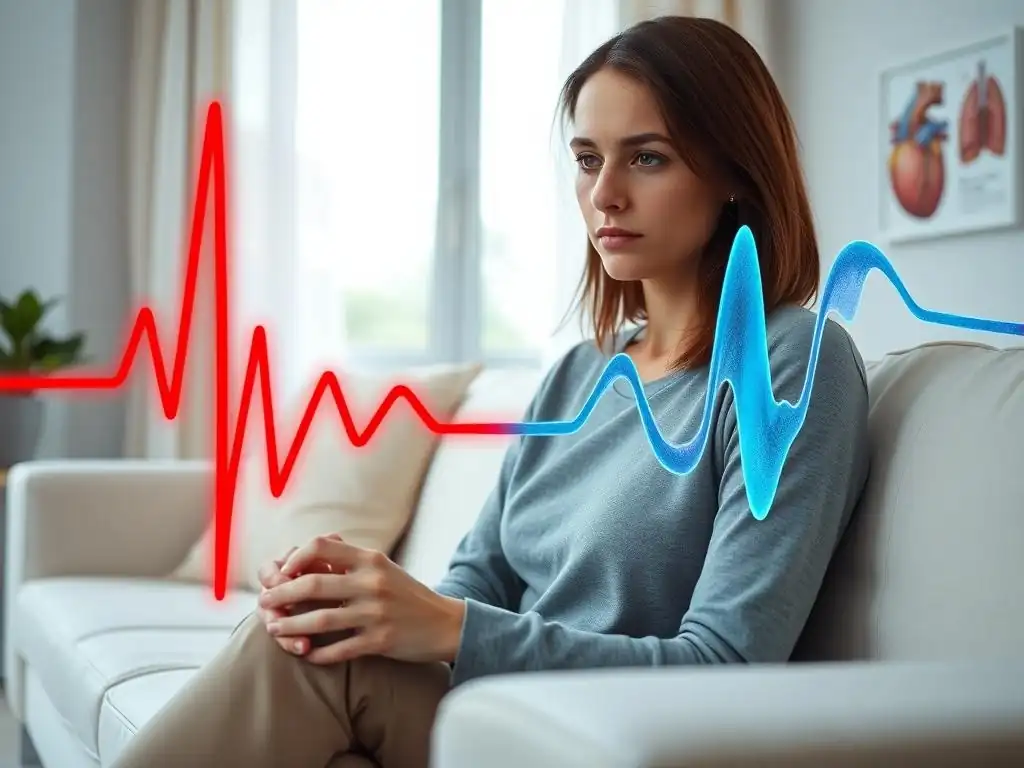
Welcome to Mind Care Guide, a safe space dedicated to your mental well-being.
Are you experiencing unsettling physical sensations, particularly around your heart, and struggling to understand what's happening? It's a frightening experience, and you're not alone. This guide offers clarity on a common concern: distinguishing between a heart attack and a panic attack. Dive into our comprehensive article on " Panic attack heart symptoms" to understand the crucial differences and empower yourself with knowledge. Let's explore together and find the answers you need to navigate these moments with confidence.
Is It a Heart Attack or Panic Attack? Crucial Differences Explained
- Understanding the Overlap: Panic Attack Heart Symptoms and Cardiac Events
- Panic Attack Symptoms Mimicking a Heart Attack
- Heart Attack Symptoms: Recognizing the Signs of a Cardiac Emergency
- Key Differences in Onset, Duration, and Triggers
- Diagnostic Tools and Medical Evaluation
- Managing Panic Attacks and Promoting Heart Health
- Preventing Future Episodes: Long-Term Strategies
-
Frequently Asked Questions
- How can I tell the difference between a panic attack and a heart attack based on symptoms?
- What are the most common panic attack heart symptoms?
- If I experience chest pain, should I always assume it's a heart attack?
- What should I do if I think I'm having a panic attack that mimics heart attack symptoms?
- Are there any long-term effects of experiencing panic attack heart symptoms?
- Final Reflection: Understanding the Urgent Difference
- Unmask the Difference: Take Control of Your Heart & Mind
Understanding the Overlap: Panic Attack Heart Symptoms and Cardiac Events
Experiencing sudden, intense physical symptoms like chest pain, shortness of breath, and a racing heart can be terrifying. For many, these panic attack heart symptoms are indistinguishable from the signs of a heart attack, leading to significant fear and anxiety. While panic attacks are rooted in the body's fight-or-flight response triggered by anxiety, and heart attacks are caused by blocked blood flow to the heart muscle, the physical sensations they produce can overlap considerably. This overlap is why it's often challenging for an individual to determine the cause of their symptoms in the moment, prompting many emergency room visits.
The body's reaction to extreme stress or anxiety during a panic attack can release a flood of adrenaline and other stress hormones. These hormones dramatically affect the cardiovascular system, causing the heart to beat faster and harder, blood vessels to constrict, and breathing to become rapid. These physiological changes directly mimic several classic cardiac symptoms.
Similarly, a cardiac event can sometimes be triggered or exacerbated by stress, creating a complex picture where physical and psychological factors intertwine. Understanding the nuances of panic attack heart symptoms compared to actual cardiac signs is vital for knowing when to seek urgent medical help versus when to employ coping strategies for anxiety.
The Confusion Between Panic and Heart Issues: Why It Happens
The primary reason for confusion lies in the body's universal alarm system. When faced with perceived danger, whether a physical threat or an overwhelming psychological stressor like a panic attack, the sympathetic nervous system kicks into high gear. This triggers the release of adrenaline, preparing the body for action.
The resulting physiological cascade—increased heart rate, elevated blood pressure, rapid breathing, muscle tension—is designed for survival but feels identical whether the threat is real or perceived. Because these reactions directly involve the heart and respiratory systems, they manifest as panic attack heart symptoms that are subjectively terrifying and feel life-threatening, just like a heart attack.
Furthermore, the psychological component of a panic attack amplifies the physical sensations. The fear that something catastrophic is happening, such as having a heart attack, intensifies the anxiety, which in turn can worsen the physical symptoms like palpitations or chest tightness, creating a vicious cycle. This feedback loop makes it incredibly difficult for someone in the throes of a panic attack to rationally assess their situation.
Statistics show that a substantial percentage of emergency room visits for chest pain, perhaps upwards of 50% in some studies, are ultimately diagnosed as non-cardiac, with anxiety or panic disorder being a common underlying cause. This highlights how frequently panic attack heart symptoms lead individuals to believe they are experiencing a cardiac emergency.
Key Differences: Distinguishing Panic Attack Heart Symptoms from a Real Heart Attack
While overlap exists, key differences can help distinguish panic attack heart symptoms from those of a heart attack, though self-diagnosis is never recommended in uncertain situations. One major differentiator is the nature of the chest pain. Panic attack chest pain is often described as sharp, stabbing, or localized tightness, sometimes fluctuating in intensity.
It may feel like it's on the surface or related to breathing. Heart attack pain, conversely, is more typically described as a crushing pressure, squeezing, or fullness in the center of the chest, often radiating to the arm (especially the left), jaw, back, or stomach. This discomfort is usually persistent and not relieved by changes in position or breathing.
Another crucial difference lies in the context and duration of the symptoms. Panic attacks tend to have a sudden onset, often occurring out of the blue or triggered by stress or anxiety, and typically peak within 10-20 minutes before gradually subsiding, rarely lasting longer than an hour. Heart attack symptoms can also be sudden but may also develop gradually over several hours or even days (though this is less common for the classic severe event).
Importantly, heart attack symptoms usually persist until treated and are not typically resolved within a short timeframe like a panic attack. While panic attack heart symptoms can be severe, understanding these potential differences in the quality, location, and duration of discomfort can provide initial clues before seeking medical evaluation.
Panic Attack Symptoms Mimicking a Heart Attack
Panic attacks are characterized by a sudden surge of intense fear or discomfort that reaches a peak within minutes, and during which time several physical symptoms occur. These panic attack heart symptoms can be profoundly alarming because they so closely resemble signs of a cardiac event.
The body's autonomic nervous system goes into overdrive, triggering responses that prepare the individual for fight or flight, even when no actual physical danger is present. This physiological cascade is responsible for the manifestation of symptoms like rapid heartbeat, sweating, trembling, and importantly, chest discomfort and difficulty breathing, which are also hallmarks of a heart attack.
The subjective experience of these symptoms is often terrifying. Someone having a panic attack might feel like they are losing control, going crazy, or dying, specifically from a heart attack. This intense fear fuels the physical symptoms, creating a feedback loop. For example, the fear triggered by palpitations can increase adrenaline release, further accelerating heart rate. Because these panic attack heart symptoms are so physically real and distressing, they understandably lead many people to believe they are experiencing a life-threatening medical emergency, necessitating a trip to the emergency room to rule out cardiac issues.
Chest Pain: Panic Attack vs. Heart Attack Chest Discomfort
Chest pain is one of the most common and frightening panic attack heart symptoms, often leading individuals to fear a heart attack. The nature of chest pain in a panic attack can vary widely among individuals, but it is frequently described as a sharp, stabbing pain, or a tight band across the chest. It might be localized to a specific spot or feel diffuse.
This pain can sometimes worsen with deep breaths, or it might fluctuate in intensity. Importantly, panic-related chest pain is generally not related to physical exertion and does not typically radiate in the classic pattern seen in cardiac events.
In contrast, chest pain associated with a heart attack, known as angina, is more often described as a heavy pressure, squeezing, or fullness in the center of the chest. It commonly feels like an elephant sitting on the chest. This discomfort may radiate to the left arm, neck, jaw, back, or stomach.
Heart attack pain is frequently triggered or worsened by physical exertion or emotional stress and is not usually relieved by rest (though unstable angina can occur at rest). While there can be exceptions and overlap, understanding these general differences in the quality, location, and triggers of chest pain is crucial, although definitive diagnosis requires medical evaluation.
Shortness of breath is another prominent panic attack heart symptom that closely mimics cardiac distress. During a panic attack, the intense anxiety often leads to hyperventilation—rapid, shallow breathing. This excessive intake of oxygen and exhalation of carbon dioxide disrupts the body's balance, leading to symptoms like lightheadedness, tingling in the extremities, and a feeling of not being able to get enough air, even though the person is breathing rapidly. The sensation is one of suffocation or air hunger, prompting frantic efforts to breathe deeper or faster, which can worsen the hyperventilation cycle.
Shortness of breath (dyspnea) in a heart attack, however, is typically caused by the heart's reduced ability to pump blood efficiently. This can lead to fluid backing up into the lungs, making breathing difficult. The sensation is usually one of heavy labor to breathe, difficulty taking a deep satisfying breath, or feeling winded with minimal exertion or even at rest.
Unlike panic-induced hyperventilation, which often involves rapid, shallow breaths, cardiac dyspnea is more about the effort required to breathe and the feeling of not getting sufficient oxygen. While both cause distress, the underlying mechanism and the way breathing feels difficult can offer clues, though again, medical assessment is essential.
Dizziness and Lightheadedness: Panic Attack vs. Cardiovascular Issues
Dizziness and lightheadedness are common panic attack heart symptoms, often resulting from the hyperventilation discussed earlier. Rapid, shallow breathing reduces the amount of carbon dioxide in the blood, which causes blood vessels in the brain to constrict. This temporary reduction in blood flow to the brain leads to feelings of dizziness, lightheadedness, faintness, or even a sensation of the world spinning.
These symptoms are typically transient and resolve as breathing patterns normalize, often within minutes after the panic attack subsides. The dizziness is often accompanied by tingling or numbness in the hands, feet, or around the mouth, classic signs of hyperventilation.
Dizziness or lightheadedness can also be symptoms of a cardiovascular problem, but the cause is different. It might be due to a sudden drop in blood pressure, an arrhythmia (irregular heartbeat) that affects blood flow, or the heart's inability to pump enough blood to the brain due to a blockage or damage. Cardiac-related dizziness might occur during exertion, changes in posture, or alongside other symptoms like chest pain or palpitations.
While the feeling of dizziness might be similar, the accompanying symptoms, triggers, and duration can differ. Experiencing dizziness, especially if it is persistent, occurs during exertion, or is accompanied by other worrying symptoms, warrants immediate medical evaluation to rule out cardiovascular causes.
Palpitations and Rapid Heartbeat: Understanding the Cause in Each Case
Heart palpitations and a rapid heartbeat (tachycardia) are hallmark panic attack heart symptoms and are also common in cardiac events. During a panic attack, the surge of adrenaline significantly increases the heart rate, often to 120-160 beats per minute or even higher. The person becomes acutely aware of their heart pounding, fluttering, or racing, which can be incredibly alarming. This is a direct physiological response of the sympathetic nervous system to the perceived threat, preparing the body for intense physical activity. While the heart rate is fast, it is typically a regular rhythm (sinus tachycardia).
In a cardiac event, palpitations or a rapid heartbeat can be caused by various factors, including the heart working harder to compensate for reduced blood flow, or electrical disturbances (arrhythmias) triggered by damage to the heart muscle. Some arrhythmias, like atrial fibrillation or ventricular tachycardia, can cause the heart to beat very fast or irregularly, leading to palpitations, dizziness, and shortness of breath.
While both panic and cardiac issues can cause a fast heart rate, the reason for the rapid beat and the regularity of the rhythm can differ. Any new or concerning palpitations, especially if accompanied by other symptoms like chest pain or dizziness, should be medically evaluated to identify the underlying cause, whether it's related to anxiety or a primary heart condition.
Heart Attack Symptoms: Recognizing the Signs of a Cardiac Emergency
Recognizing the signs of a heart attack is critical because timely medical intervention can significantly reduce damage to the heart muscle and improve outcomes. While panic attack heart symptoms can mimic some cardiac signs, heart attacks often present with a specific constellation of symptoms that differ in quality, intensity, and duration. The classic image of someone clutching their chest is accurate for many, but heart attack symptoms can be more varied and subtle, particularly in certain populations like women or older adults. It's important to be aware of the full spectrum of potential signs.
A heart attack occurs when blood flow to a part of the heart muscle is severely restricted or blocked, usually by a blood clot in a coronary artery that has narrowed due to plaque buildup (atherosclerosis). Without adequate oxygenated blood, the heart muscle begins to die. Symptoms result from the heart's struggle and the body's reaction to the lack of oxygen. While chest discomfort is the most common symptom, it's not always present or it might not be the most prominent symptom. Understanding the other potential warning signs is crucial for prompt identification and seeking emergency care.
Classic Heart Attack Symptoms: Beyond Chest Pain
While chest discomfort is the most common symptom, a heart attack can manifest with other signs. The classic chest symptom is described as uncomfortable pressure, squeezing, fullness, or pain in the center or left side of the chest. This discomfort may last for more than a few minutes, or it may go away and come back.
Beyond the chest, pain or discomfort may radiate to other areas of the upper body, including one or both arms (often the left), the back, neck, jaw, or stomach. This referred pain occurs because the nerves from the heart and these body parts share pathways in the brain.
Other common symptoms that may accompany or even occur without chest pain include shortness of breath, which may happen at rest or with mild exertion. Cold sweat, nausea, or vomiting are also frequently reported. Feeling lightheaded or suddenly dizzy can be another sign. These symptoms can be subtle and might be mistaken for indigestion, fatigue, or the flu, delaying crucial medical attention. It is important to remember that the severity of symptoms can vary; some heart attacks are sudden and intense, while others start slowly with mild pain or discomfort.
Symptoms More Common in Women: Heart Attack Presentation Differences
Heart attack symptoms in women can be less dramatic than in men, leading to delayed diagnosis and treatment. While chest pain is still the most common symptom for both sexes, women are more likely to experience other symptoms without the classic crushing chest pain. These include unusual fatigue that lasts for days, sleep disturbances, and shortness of breath that might occur during everyday activities.
Other common symptoms in women include pain in the jaw, neck, or upper back, rather than just the chest or arm. Nausea, vomiting, or indigestion-like discomfort are also more prevalent in women having a heart attack.
Lightheadedness or dizziness and cold sweats are also frequently reported. Because these symptoms can be less typical and might be attributed to other conditions like stress, anxiety (potentially mimicking panic attack heart symptoms in some aspects), or menopause, it is vital for women to be aware of these differences and seek medical attention if they experience a combination of these signs, particularly if they have risk factors for heart disease.
When to Suspect a Heart Attack: Risk Factors and Warning Signs
Suspecting a heart attack is paramount when experiencing potential symptoms, especially if you have known risk factors for cardiovascular disease. Major risk factors include high blood pressure, high cholesterol, diabetes, smoking, obesity, a sedentary lifestyle, a family history of heart disease (especially premature heart disease in parents or siblings), and increasing age. The risk is higher for men over 45 and women over 55, but heart attacks can occur at any age, even in younger individuals with significant risk factors.
If you or someone else experiences sudden chest discomfort (pressure, squeezing, fullness), pain radiating to the arm, jaw, or back, shortness of breath, cold sweat, nausea, or lightheadedness, especially if these symptoms are new, severe, or occur with exertion, a heart attack should be strongly suspected. Unlike panic attack heart symptoms which often resolve relatively quickly, heart attack symptoms tend to persist. When in doubt, it is always safer to assume the worst-case scenario and seek immediate medical help by calling emergency services. Do not drive yourself to the hospital.
Key Differences in Onset, Duration, and Triggers
Understanding the typical patterns of onset, duration, and triggers for both panic attacks and heart attacks can provide crucial clues in differentiating between the two, although these are general guidelines and individual experiences can vary. The way symptoms begin, how long they last, and what precipitates them are often distinct features that can help medical professionals in their assessment, complementing the evaluation of the symptoms themselves.
While both conditions can feel sudden and overwhelming, the typical trajectory differs. Panic attacks often strike abruptly, sometimes without an apparent trigger, reaching peak intensity quickly. Heart attacks, while they can be sudden, may also build gradually or present with symptoms that fluctuate over a period of time before the acute event. Similarly, the factors that typically bring on an episode can point towards either an anxiety-related issue or a cardiac event, although stress is a common factor for both, making it a less reliable differentiator on its own.
Panic Attack Onset and Duration: A Timeline of Symptoms
A defining characteristic of a panic attack is its rapid onset and relatively short duration. Symptoms typically appear suddenly, often within minutes, and escalate quickly to peak intensity within about 10 minutes. The full-blown panic attack usually subsides gradually over the next 20-30 minutes, with the entire episode rarely lasting longer than an hour. While the residual effects of anxiety and fear can linger for some time, the acute physical panic attack heart symptoms and other intense sensations usually resolve within this timeframe.
The sudden nature and quick peak are hallmarks. Someone might be feeling completely fine one moment and then experience a sudden wave of intense fear accompanied by a racing heart, chest tightness, dizziness, and shortness of breath. This rapid escalation and subsequent decline in the intensity of panic attack heart symptoms is a key feature that distinguishes them from the more sustained symptoms often associated with a heart attack. The fear during a panic attack is often disproportionate to the actual situation and focused on catastrophic interpretations of the physical symptoms.
Heart Attack Onset and Duration: The Importance of Rapid Response
Heart attack symptoms can have a more varied onset. Some heart attacks are sudden and intense, occurring without much warning. However, many heart attacks begin slowly with mild pain or discomfort that may come and go for hours or even days before a more severe event. Once acute symptoms begin, such as significant chest pain, shortness of breath, or discomfort in the arm/jaw, they typically persist until treated. Unlike panic attacks, heart attack symptoms do not usually resolve on their own within 20-30 minutes.
The duration of heart attack symptoms is critical because time is muscle. The longer blood flow to the heart is blocked, the more damage occurs. If symptoms suggestive of a heart attack persist for more than a few minutes, it is a medical emergency, and prompt action is required. Waiting to see if symptoms improve, as they might with panic attack heart symptoms, can be dangerous in the case of a heart attack. Emergency medical services (like calling 911 or the local emergency number) should be contacted immediately if heart attack symptoms are suspected.
Common Triggers for Panic Attacks: Identifying and Managing Them
Panic attacks can sometimes occur unexpectedly without any obvious trigger (uncued panic attacks). However, for many individuals, panic attacks are triggered by specific situations, internal sensations, or stressors (cued panic attacks). Common triggers include significant stress (work-related, relationship issues, financial problems), specific phobias (like fear of heights or enclosed spaces), social situations, or even physical sensations (like a rapid heartbeat from exercise or caffeine, which might be misinterpreted as dangerous, setting off panic attack heart symptoms).
Identifying personal triggers is a key step in managing panic disorder. Once triggers are recognized, individuals can work on coping strategies or therapeutic interventions to manage their reactions. For example, someone whose panic is triggered by stress might benefit from stress-reduction techniques. Someone whose panic is triggered by physical sensations might benefit from exposure therapy or cognitive restructuring to change their interpretation of panic attack heart symptoms. Understanding triggers empowers individuals to anticipate and potentially mitigate panic episodes.
Heart Attack Triggers: Understanding Cardiovascular Risk Factors
While emotional stress or extreme physical exertion can sometimes trigger a heart attack in vulnerable individuals, the primary "triggers" for heart attacks are the underlying risk factors for cardiovascular disease. These are conditions and lifestyle choices that contribute to the buildup of plaque in the arteries (atherosclerosis), increasing the likelihood of a blockage. These risk factors include high blood pressure, high cholesterol, diabetes, smoking, obesity, lack of exercise, and a family history of heart disease.
Managing these risk factors is the most effective way to prevent heart attacks. This involves lifestyle modifications such as adopting a heart-healthy diet, engaging in regular physical activity, quitting smoking, and maintaining a healthy weight. For individuals with conditions like high blood pressure, high cholesterol, or diabetes, medical management with medications is also crucial. While acute triggers like stress exist, addressing the chronic underlying risk factors is the long-term strategy for preventing cardiac events, distinct from managing the triggers for panic attack heart symptoms.
Diagnostic Tools and Medical Evaluation
Given the significant overlap between panic attack heart symptoms and those of a heart attack, a thorough medical evaluation is essential whenever concerning symptoms arise. It is impossible for an individual to definitively distinguish between these two conditions based solely on how they feel. Medical professionals use a combination of patient history, physical examination, and specific diagnostic tests to determine the cause of symptoms like chest pain, shortness of breath, and palpitations.
The evaluation process is designed to first rule out life-threatening conditions, with cardiac emergencies being a top priority. If a heart attack is suspected, tests are performed rapidly. If cardiac causes are ruled out, the evaluation can then turn towards other potential causes, including anxiety disorders like panic disorder. This systematic approach ensures that serious physical conditions are not missed while also validating the patient's experience, whether the cause is physical or psychological.
Any sudden onset of chest pain, pressure, or discomfort, particularly if accompanied by shortness of breath, pain radiating to the arm, jaw, or back, sweating, nausea, or dizziness, should be treated as a potential medical emergency until proven otherwise. It is always safer to err on the side of caution and seek immediate medical attention by calling emergency services. Do not try to self-diagnose based on comparing your symptoms to descriptions of panic attack heart symptoms versus heart attack signs found online.
Even if you have a history of panic attacks and recognize panic attack heart symptoms, if the current episode feels different, more severe, lasts longer than usual, or is accompanied by new or concerning symptoms, it warrants medical evaluation. Similarly, if you experience chest pain or related symptoms during or after physical exertion, or if you have significant risk factors for heart disease, seeking prompt medical care is crucial. A medical professional is equipped to perform the necessary tests to make an accurate diagnosis.
Diagnostic Tests for Heart Attacks: ECG, Blood Tests, and Imaging
When a heart attack is suspected in an emergency setting, several diagnostic tests are typically performed quickly. An electrocardiogram (ECG or EKG) is one of the first tests; it records the electrical activity of the heart and can show if there are changes indicative of heart muscle damage or inadequate blood flow. Certain patterns on the ECG are strong indicators of a heart attack.
Blood tests are also critical. Damaged heart muscle cells release specific enzymes and proteins into the bloodstream, such as troponin. Elevated levels of troponin are a strong indicator of heart muscle injury, which occurs during a heart attack but not during a panic attack. Other tests, such as an echocardiogram (an ultrasound of the heart) or a cardiac CT scan, may be used to assess heart function, structure, and blood flow, providing further information to confirm or rule out a cardiac event. These objective tests are key to differentiating between panic attack heart symptoms and actual cardiac damage.
Medical Evaluation for Panic Attacks: Ruling Out Other Conditions
If a cardiac emergency is ruled out after a thorough medical evaluation, and symptoms like chest pain, palpitations, shortness of breath, and dizziness persist or recur, healthcare providers will then consider other potential causes, including anxiety disorders. The process of diagnosing a panic disorder often involves a detailed medical history and physical examination to ensure that the panic attack heart symptoms and other physical sensations are not due to other medical conditions.
Conditions such as thyroid problems (hyperthyroidism can cause a rapid heartbeat), asthma, certain heart rhythm abnormalities (arrhythmias), or even side effects from medications can sometimes mimic panic attack heart symptoms. Therefore, a doctor will likely ask about your medical history, medications, lifestyle, and the specific circumstances surrounding your episodes.
If no underlying physical cause is found, and the symptoms meet the diagnostic criteria outlined in the Diagnostic and Statistical Manual of Mental Disorders (DSM-5), a diagnosis of panic disorder or another anxiety disorder may be made. This process of ruling out physical causes is vital before attributing symptoms solely to anxiety.
Managing Panic Attacks and Promoting Heart Health
While the immediate concern when experiencing panic attack heart symptoms is ruling out a heart attack, managing both panic disorder and maintaining cardiovascular health are important long-term goals. Addressing anxiety can improve overall well-being and reduce the distressing physical symptoms that mimic cardiac issues. Simultaneously, focusing on heart health reduces the actual risk of cardiovascular disease, providing peace of mind and physical benefits. A holistic approach that recognizes the connection between the mind and body is often the most effective.
Effective strategies exist for managing panic attacks, ranging from immediate coping techniques to longer-term therapeutic interventions. Likewise, established lifestyle changes and medical management protocols are proven to promote heart health and prevent cardiac events. Integrating these approaches acknowledges that while panic attack heart symptoms are rooted in anxiety, the fear they induce is often linked to concerns about physical health, making it beneficial to address both aspects concurrently.
Techniques for Managing Panic Attacks: Breathing Exercises, Grounding Techniques, and Therapy
Learning coping techniques can be incredibly helpful in managing acute panic attack heart symptoms when they occur. Diaphragmatic breathing (deep belly breathing) can help regulate the respiratory system, counteracting hyperventilation and reducing symptoms like dizziness and shortness of breath. Focusing on slow, controlled breaths can calm the nervous system. Grounding techniques, such as the "5-4-3-2-1" method (identifying 5 things you can see, 4 things you can touch, 3 things you can hear, 2 things you can smell, and 1 thing you can taste), can help anchor you to the present moment and distract from escalating fear and physical sensations.
For long-term management, therapy is often highly effective. Cognitive Behavioral Therapy (CBT) helps individuals identify and challenge the fearful thoughts and beliefs that drive panic attacks, including catastrophic interpretations of panic attack heart symptoms. Exposure therapy, a component of CBT, gradually exposes individuals to feared situations or physical sensations in a safe environment, helping them learn that these experiences are not dangerous. In some cases, medication, such as selective serotonin reuptake inhibitors (SSRIs) or benzodiazepines (typically for short-term use), may be prescribed to reduce the frequency and severity of panic attacks.
Lifestyle Changes for Heart Health: Diet, Exercise, and Stress Management
Adopting a heart-healthy lifestyle is crucial for reducing the risk of heart disease. This involves making conscious choices about diet, physical activity, and managing stress (which, incidentally, can also help with anxiety). A heart-healthy diet is typically rich in fruits, vegetables, whole grains, lean proteins, and healthy fats, while being low in saturated and trans fats, cholesterol, sodium, and added sugars. Examples include the Mediterranean diet or the DASH diet.
Regular physical activity strengthens the heart muscle, improves blood circulation, helps maintain a healthy weight, and can lower blood pressure and cholesterol levels. Aiming for at least 150 minutes of moderate-intensity aerobic exercise or 75 minutes of vigorous-intensity exercise per week, plus muscle-strengthening activities, is generally recommended. Managing stress through techniques like meditation, yoga, mindfulness, or hobbies is also beneficial for both heart health and reducing anxiety, potentially lessening the frequency or intensity of panic attack heart symptoms.
The Importance of Addressing Both Physical and Mental Health
Recognizing the intricate connection between physical and mental health is paramount, especially when dealing with conditions like panic disorder and the potential for cardiovascular issues. Chronic stress and anxiety can have physiological effects over time, potentially impacting cardiovascular risk. Conversely, living with a chronic health condition, including heart disease, can significantly increase anxiety and stress levels. The fear associated with panic attack heart symptoms, particularly the worry about having a heart attack, can become a source of chronic anxiety itself, impacting quality of life.
Therefore, a comprehensive approach that addresses both physical and mental well-being is most effective. This means not only managing panic attacks through therapy and coping strategies but also actively working to reduce cardiovascular risk factors through lifestyle and medical interventions. It also involves open communication with healthcare providers about all symptoms, both physical and psychological, ensuring that concerns about panic attack heart symptoms are evaluated from both perspectives. Integrating care between mental health professionals and primary care or cardiology specialists can lead to better overall health outcomes.
Preventing Future Episodes: Long-Term Strategies
Preventing future episodes, whether they are panic attacks or heart attacks, requires a commitment to long-term strategies that address the underlying causes and risk factors. For panic attacks, this involves ongoing management of anxiety and learning effective coping mechanisms. For heart attacks, it means controlling cardiovascular risk factors and adhering to medical advice. Building a sustainable approach that encompasses both mental and physical health is key to reducing the likelihood of experiencing these distressing events in the future.
Living with the fear of recurrent panic attack heart symptoms or the worry about actual cardiac health can be debilitating. Proactive steps aimed at prevention provide a sense of control and significantly improve quality of life. These strategies are not just about avoiding negative events; they are about building resilience, promoting well-being, and fostering a healthier relationship with one's body and mind.
Reducing Panic Attack Frequency: Therapy and Medication Options
Long-term reduction in the frequency and severity of panic attacks is often achieved through consistent engagement with therapeutic interventions and, when appropriate, medication. Cognitive Behavioral Therapy (CBT) is considered a first-line treatment for panic disorder. Through CBT, individuals learn to challenge distorted thinking patterns related to their panic attack heart symptoms and feared outcomes, and gradually confront avoided situations or sensations. This therapeutic process helps to break the cycle of fear and avoidance that maintains panic disorder.
Regular therapy sessions, often weekly or bi-weekly initially, provide ongoing support and skill-building. For some individuals, particularly those with frequent or severe panic attacks, medication can be a valuable tool. Antidepressants, specifically SSRIs and SNRIs, are often prescribed for long-term management of panic disorder and can help reduce the frequency and intensity of panic episodes. Benzodiazepines may be used short-term for acute symptom relief but are generally not recommended for long-term use due to the risk of dependence. Working closely with a mental health professional is crucial to develop an individualized treatment plan.
Preventing Heart Attacks: Risk Factor Modification and Medical Management
Preventing heart attacks primarily focuses on modifying controllable risk factors and managing existing medical conditions that contribute to cardiovascular disease. This is a lifelong process. Key strategies include maintaining healthy blood pressure and cholesterol levels through diet, exercise, and medication if necessary. Quitting smoking is perhaps the single most impactful step a smoker can take to reduce heart attack risk. Managing diabetes effectively through diet, exercise, and medication is also vital, as high blood sugar damages blood vessels over time.
Regular check-ups with a primary care physician allow for monitoring of these risk factors. Based on individual risk profiles, a doctor might recommend specific medications, such as statins to lower cholesterol, ACE inhibitors or beta-blockers to manage blood pressure, or antiplatelet medications like aspirin. Adhering to prescribed medication regimens, even when feeling well, is crucial for long-term prevention. Lifestyle changes, such as regular exercise and a heart-healthy diet, are fundamental pillars of heart attack prevention, complementing any necessary medical treatments.
Building a Holistic Approach to Well-being: Mind and Body Connection
Ultimately, building a holistic approach that acknowledges the profound connection between the mind and body is the most sustainable path to long-term well-being and prevention of both panic attacks and cardiovascular issues. Stress, anxiety, and other psychological factors can influence physical health, just as physical health conditions can impact mental state. For someone prone to panic attack heart symptoms, addressing both the anxiety disorder and potential cardiac risk factors simultaneously is key.
This involves integrating care – perhaps having open conversations with both a therapist and a cardiologist or primary care doctor. It means practicing stress management techniques not just to prevent panic but also to benefit cardiovascular health. It entails engaging in physical activity that is good for the heart and known to reduce anxiety.
It means nourishing the body with a healthy diet that supports physical health and can also positively influence mood. By viewing health as an interconnected system, individuals can empower themselves to implement strategies that foster resilience and prevent future episodes, promoting a healthier, more balanced life.
- Practice daily stress reduction techniques.
- Maintain regular physical activity tailored to your health status.
- Follow a balanced, heart-healthy diet.
- Attend therapy sessions consistently if diagnosed with panic disorder.
- Adhere to all prescribed medications for anxiety or cardiovascular conditions.
- Schedule regular medical check-ups to monitor both mental and physical health.
Frequently Asked Questions
How can I tell the difference between a panic attack and a heart attack based on symptoms?
The key difference lies in the onset and duration of symptoms. Panic attacks typically involve a sudden rush of intense fear and symptoms that peak within minutes, while heart attack symptoms often build gradually and persist longer. Also, panic attacks are often accompanied by psychological symptoms, like feeling detached or unreal.
What are the most common panic attack heart symptoms?
Common panic attack heart symptoms include a racing heart (palpitations), chest pain or discomfort, and shortness of breath. However, unlike heart attacks, these symptoms are usually not caused by blockage in the arteries.
If I experience chest pain, should I always assume it's a heart attack?
No, while chest pain should always be taken seriously, it's important to consider the context. If you're experiencing intense anxiety and other classic panic attack symptoms, it's possible you're having a panic attack. However, seek immediate medical attention if you're unsure.
What should I do if I think I'm having a panic attack that mimics heart attack symptoms?
First, try to remain calm and practice relaxation techniques like deep breathing. If symptoms persist or worsen, or if you have risk factors for heart disease, seek immediate medical evaluation to rule out a heart attack.
Are there any long-term effects of experiencing panic attack heart symptoms?
While panic attacks themselves are not physically harmful to the heart, frequent panic attacks can contribute to increased stress levels, which can indirectly impact cardiovascular health over time. Seeking treatment for panic disorder is important for overall well-being.
Final Reflection: Understanding the Urgent Difference
The ability to distinguish between a panic attack and a heart attack is not just crucial knowledge—it's potentially life-saving. Misinterpreting the symptoms of one for the other can have devastating consequences, delaying vital medical intervention. This article has highlighted the subtle yet significant differences in presentation, emphasizing the importance of recognizing both the physical and emotional indicators.
The pervasive anxiety surrounding heart health, coupled with the often-overlooked reality of panic attacks, creates a landscape of fear and uncertainty. Many individuals suffer silently, unsure if their symptoms warrant immediate medical attention. This ambiguity underscores the critical need for widespread education and understanding. The greatest barrier to health is often not the disease itself, but the fear of facing it.
This quote highlights the importance of empowering individuals with the knowledge to navigate these potentially frightening experiences.
Now, consider your own experience. Have you ever felt that overwhelming sense of dread, the racing heart, the shortness of breath? Take a moment to reflect on the information presented here. Armed with this knowledge, you are better equipped to assess your symptoms and make informed decisions about seeking medical help. Don't hesitate to reach out to a healthcare professional if you have any concerns. Your health is paramount, and understanding the difference between a panic attack and a heart attack is a crucial step towards prioritizing it.
Unmask the Difference: Take Control of Your Heart & Mind
Thanks for taking the time to learn about the crucial differences between heart attacks and panic attacks. Understanding these symptoms is a powerful step towards prioritizing your health and well-being. Now, let's put that knowledge into action!
- Identify Your Triggers: Take a few minutes today to jot down any potential triggers you've noticed for anxiety or chest discomfort. This self-reflection is key to proactive health management.
- Share This Insight: Pass this article along to a friend or family member who might benefit from this information. Knowledge is power, and sharing it can make a real difference.
- Explore Mindful Breathing: Consider learning a simple mindful breathing technique to help manage feelings of anxiety and panic. It's a surprising tool that can have a significant impact on your well-being.
What small step will you take today to better understand and manage your heart and mental health?