
The Benefits of Breathwork: Simple Techniques for Adult Anxiety Relief

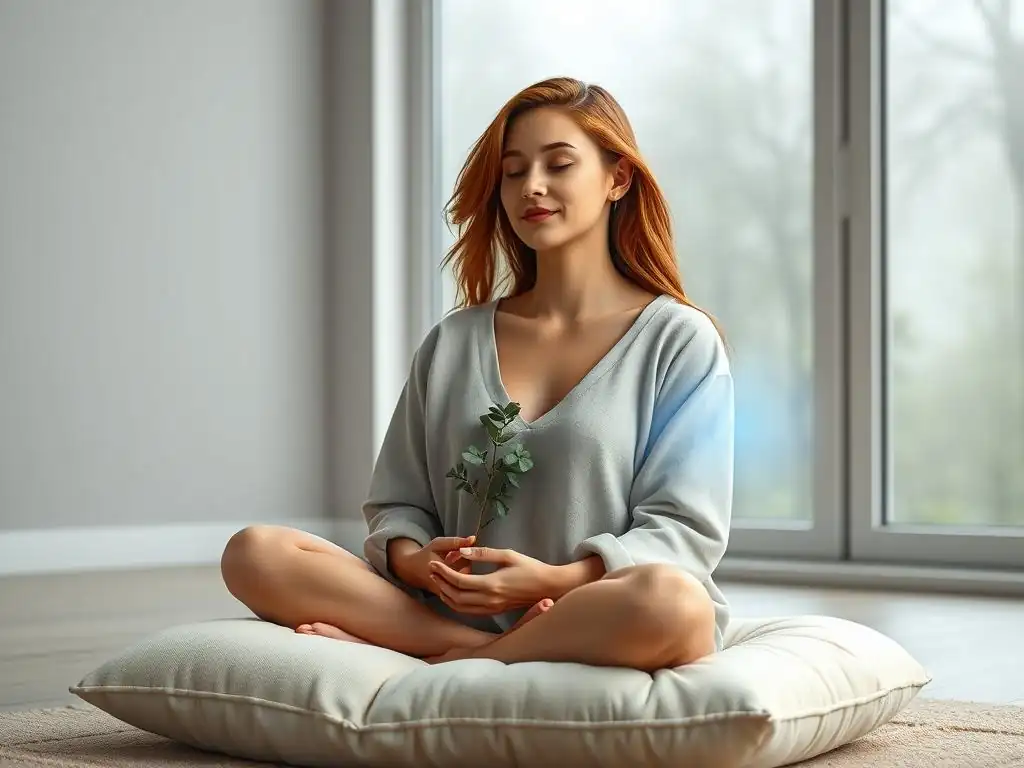
Welcome to Mind Care Guide, a safe space to explore the complexities of mental well-being.
Feeling overwhelmed by anxiety? You're not alone. Discover how simple breathwork anxiety relief techniques can offer a powerful path towards calm and control. Let's unravel the science behind this accessible practice and explore how it can transform your daily life. Ready to breathe easier?
The Benefits of Breathwork: Simple Techniques for Adult Anxiety Relief
Anxiety can feel overwhelming, a constant hum of worry that disrupts daily life. Many adults seek effective, accessible ways to find calm. Among the myriad of coping mechanisms, breathwork stands out as a powerful yet simple approach. Learning specific breathwork anxiety relief techniques can provide immediate comfort and build long-term resilience against stress and worry. This article explores how intentional breathing can become a cornerstone of your mental well-being strategy.
- Understanding Breathwork for Anxiety Reduction
- Simple Breathwork Techniques for Immediate Anxiety Relief
- Incorporating Breathwork into Your Daily Routine for Sustained Anxiety Management
- Advanced Breathwork Techniques for Deeper Anxiety Resolution
- The Long-Term Benefits of Regular Breathwork Practice for Anxiety
- Precautions and Considerations When Practicing Breathwork
-
Frequently Asked Questions
- What is Breathwork and how can it help with anxiety?
- Are there different types of breathwork techniques for anxiety relief?
- How often should I practice breathwork for anxiety relief to see results?
- Are there any potential risks or side effects associated with breathwork?
- Can breathwork replace traditional treatments for anxiety, such as therapy or medication?
- Final Reflection: Breathing Our Way to a Calmer Future
- Unlock Your Inner Calm: Breathe Your Way to Less Anxiety
Understanding Breathwork for Anxiety Reduction
Breathwork, in its simplest form, is the conscious control of breathing patterns for mental, physical, and spiritual well-being. Unlike the automatic, shallow breathing often associated with anxiety, intentional breathwork techniques involve purposeful inhalation, exhalation, and sometimes breath holding. The goal is to shift from the body's stress response to a state of relaxation, making it a potent tool for managing anxious feelings.
What is Breathwork and How Does it Help with Anxiety?
Breathwork encompasses a variety of exercises where you consciously regulate your breath's pace, depth, and rhythm. This practice serves as a bridge between the conscious and unconscious mind, offering a direct pathway to influencing the autonomic nervous system. When you're feeling anxious, your sympathetic nervous system is typically activated, leading to a faster heart rate, rapid and shallow breathing, and heightened muscle tension – the 'fight or flight' response. Engaging in controlled breathing exercises signals to your brain that there is no immediate danger, allowing the parasympathetic nervous system, responsible for the 'rest and digest' state, to take over.
By deliberately slowing down and deepening your breath, you interrupt the physiological cascade triggered by anxiety. This conscious act can quickly lower your heart rate, reduce blood pressure, and decrease cortisol levels, the body's primary stress hormone. For instance, even just a few minutes of deep, rhythmic breathing can shift your internal state significantly, providing immediate relief from acute anxiety symptoms. These breathwork anxiety relief techniques offer a practical method to regain control when feeling overwhelmed, proving that managing your breath is a fundamental step in managing your mind.
The Science Behind Breathwork: Calming the Nervous System
The vagus nerve plays a crucial role in the connection between breath and anxiety reduction. This major nerve pathway runs from the brainstem down through the neck and chest to the abdomen, influencing heart rate, digestion, and mood. Slow, deep, diaphragmatic breathing stimulates the vagus nerve, which in turn activates the parasympathetic nervous system. This activation counteracts the sympathetic nervous system's stress response, promoting relaxation and reducing physiological markers of anxiety.
Research, including studies utilizing biofeedback and heart rate variability (HRV) measurements, supports the notion that conscious breathing impacts the nervous system. For example, practicing slow, controlled breathing has been shown to increase heart rate variability – the healthy variation in time between heartbeats – which is often low in individuals experiencing chronic stress or anxiety.
Higher HRV is associated with better emotional regulation and resilience. While specific percentage increases can vary greatly among individuals and studies, the general principle holds: deliberate breath control can improve autonomic nervous system balance, offering a scientifically grounded approach to mitigating anxiety symptoms and bolstering overall mental well-being.
Breathwork vs. Other Anxiety Management Techniques
Breathwork distinguishes itself from many other anxiety management techniques primarily by its accessibility and immediacy. Unlike therapy, which requires scheduled sessions, or medication, which requires prescriptions and takes time to work, breathwork can be performed anywhere, anytime, with no equipment or prior training needed.
It offers a powerful tool for on-the-spot anxiety relief. While cognitive-behavioral therapy (CBT), for example, focuses on identifying and changing negative thought patterns, breathwork directly addresses the physiological symptoms of anxiety, such as a racing heart or shortness of breath, creating a physical state conducive to calmness from which cognitive work can then be more effective.
Furthermore, breathwork serves as an excellent complementary practice to other methods. For someone using mindfulness meditation, integrating breathwork can deepen the practice by anchoring attention to the present moment through the physical sensation of breathing. For individuals managing anxiety with exercise, breathwork can be used before or after a workout to enhance relaxation and recovery.
While techniques like progressive muscle relaxation also target physical tension, breathwork offers a more direct route to influencing the autonomic nervous system's state. This unique combination of accessibility, immediacy, and physiological impact makes breathwork anxiety relief techniques a valuable addition to any anxiety management toolkit.
Simple Breathwork Techniques for Immediate Anxiety Relief
When anxiety strikes, having simple, go-to techniques can make a significant difference. These methods require no special skill and can be practiced immediately to help regain composure and calm the nervous system.
Diaphragmatic Breathing (Belly Breathing) for Anxiety: A Step-by-Step Guide
Diaphragmatic breathing, often called belly breathing, is a fundamental technique for anxiety relief because it encourages full oxygen exchange and slows the heart rate. To practice, find a comfortable position, either sitting or lying down. Place one hand on your chest and the other on your belly, just below your rib cage. Inhale slowly and deeply through your nose, feeling your belly rise against your hand while your chest remains relatively still. Imagine filling your abdomen with air like a balloon.
As you exhale slowly through pursed lips (as if whistling), feel your belly gently fall. Focus on making the exhalation longer than the inhalation – perhaps inhaling for a count of 3-4 and exhaling for a count of 5-6. Repeat this process for several minutes, concentrating solely on the sensation of your breath filling and leaving your belly. This simple act of breathing deeply into your diaphragm stimulates the vagus nerve, promoting relaxation and actively counteracting the shallow, rapid breathing pattern typical during anxiety. Practicing just 5-10 minutes of diaphragmatic breathing can significantly reduce feelings of stress and tension.
Box Breathing (Square Breathing): A Powerful Technique for Stress and Anxiety
Box breathing is a simple yet potent technique favored by military and first responders for managing stress in high-pressure situations, making it highly effective for everyday anxiety. It involves breathing in a square pattern: inhale for a count, hold for the same count, exhale for the same count, and hold again for the same count before repeating. Start by finding a quiet place to sit or lie down. Close your eyes gently if comfortable.
The technique follows a simple 4-count pattern, though you can adjust the count as you become more comfortable. Inhale slowly through your nose for a count of four. Hold your breath gently for a count of four. Exhale slowly through your mouth for a count of four.
Hold your breath again for a count of four before beginning the next inhalation. Repeat this cycle for at least 5 minutes. The rhythmic nature and equal counts of box breathing help regulate your breath and heart rate, creating a sense of stability and calm. This structured approach provides a mental anchor, diverting attention away from anxious thoughts and grounding you in the present moment.
Alternate Nostril Breathing (Nadi Shodhana): Balancing Energy and Reducing Anxiety
Alternate nostril breathing, a yogic technique known as Nadi Shodhana, is believed to balance the body's energy channels and promote mental clarity and calmness. It's particularly helpful for reducing anxiety and preparing for meditation. Begin by sitting comfortably with a straight spine. Bring your right hand up towards your face. Close your right nostril with your right thumb. Exhale completely through your left nostril.
Now, inhale slowly and deeply through your left nostril. Close your left nostril with your right ring or pinky finger, releasing your thumb from the right nostril. Exhale completely through your right nostril. Inhale slowly and deeply through your right nostril. Close your right nostril with your thumb, releasing your finger from the left nostril.
Exhale completely through your left nostril. This completes one cycle. Continue alternating nostrils for 5-10 minutes. This technique requires focus, which helps distract from anxious thoughts, while the rhythmic, controlled breathing calms the nervous system. While some may find it slightly more complex initially, its balancing effect makes it a powerful breathwork anxiety relief technique.
4-7-8 Breathing Technique: Promoting Relaxation and Sleep
Developed by Dr. Andrew Weil, the 4-7-8 breathing technique is often described as a natural tranquilizer for the nervous system. It's particularly effective for reducing anxiety and helping to fall asleep. To practice, sit or lie down comfortably. Place the tip of your tongue against the ridge of tissue just behind your upper front teeth and keep it there throughout the exercise, exhaling around it.
Exhale completely through your mouth, making a whoosh sound. Close your mouth and inhale quietly through your nose for a count of four. Hold your breath for a count of seven. Exhale completely through your mouth, making a whoosh sound, for a count of eight. This completes one breath.
Repeat the cycle three more times for a total of four breaths. Dr. Weil suggests practicing this technique twice a day. The extended hold and exhalation help slow the heart rate and increase carbon dioxide levels, which can have a calming effect on the nervous system. Regular practice can significantly reduce anxiety over time and improve sleep quality.
Incorporating Breathwork into Your Daily Routine for Sustained Anxiety Management
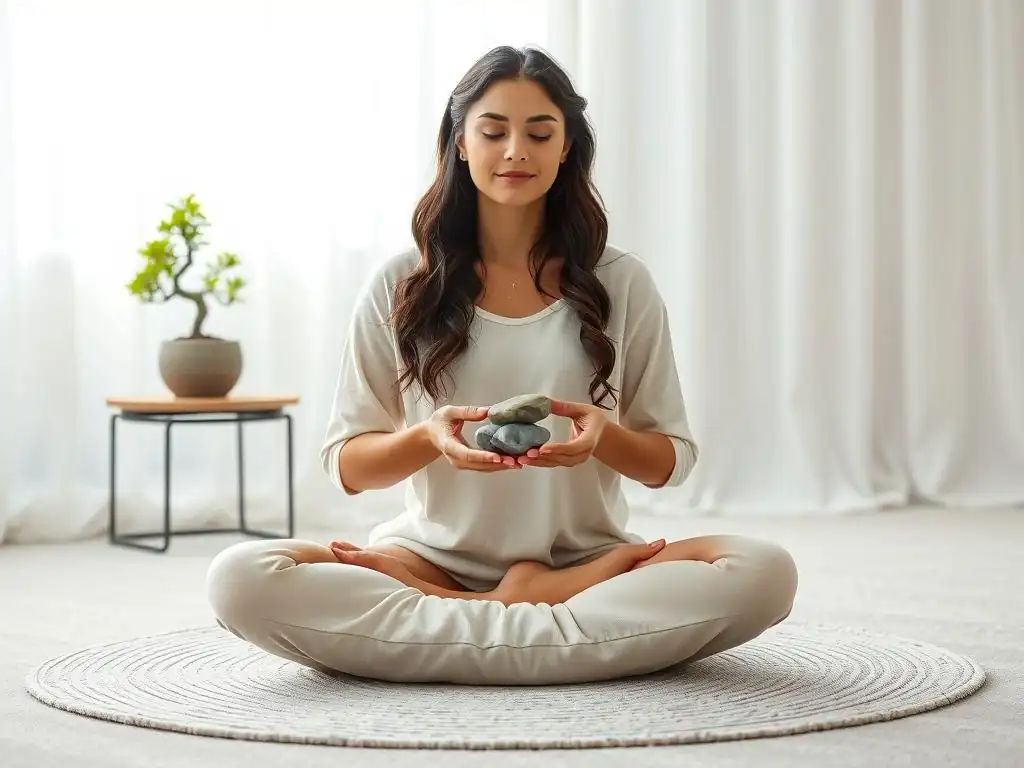
While breathwork techniques offer immediate relief, integrating them into your daily routine is key to sustained anxiety management. Consistent practice builds resilience and makes these tools more accessible when you need them most.
Creating a Breathwork Practice: Tips for Beginners
Starting a regular breathwork practice doesn't need to be complicated or time-consuming. Begin small; even 5-10 minutes a day can yield benefits. Choose a specific time that works for you, perhaps first thing in the morning, during a lunch break, or before bed. Consistency is more important than duration initially. Find a quiet, comfortable space where you won't be interrupted. This could be a corner of your room, a park bench, or even a quiet spot in your office.
Experiment with different breathwork anxiety relief techniques to see which ones resonate most with you. You might find diaphragmatic breathing calming, while box breathing helps you focus. Don't worry about doing it perfectly; the goal is to breathe consciously and regularly. Consider using a guided breathwork recording or app to help you stay on track. As you become more comfortable, you can gradually increase the duration or explore more advanced techniques. The key is to make it a non-negotiable part of your day, like brushing your teeth, to build the habit and reap the cumulative benefits.
When and Where to Practice Breathwork for Optimal Anxiety Relief
The beauty of breathwork is its portability, but choosing specific times and locations can enhance its effectiveness for anxiety relief. Practicing breathwork proactively, such as in the morning before your day begins or in the evening to wind down, can help manage overall stress levels and prevent anxiety from escalating. Integrating a short breathwork session during natural transition points, like before a meeting, during your commute, or after arriving home, can also help reset your nervous system.
When experiencing acute anxiety, finding a safe, quiet space is ideal, but not always possible. The good news is that many breathwork techniques can be done discreetly. Diaphragmatic breathing can be practiced while sitting at your desk, on public transport, or even standing in line.
Box breathing can be done with eyes open, making it suitable for situations where you need to remain aware of your surroundings. Aim for a place where you feel relatively secure and can minimize distractions, but remember that the most important "place" is within yourself – the ability to focus on your breath regardless of external circumstances.
Combining Breathwork with Other Mindfulness Practices for Enhanced Well-being
Breathwork is a natural complement to other mindfulness practices, creating a synergistic effect that can significantly enhance overall well-being and anxiety management. Mindfulness meditation, for instance, often begins with focusing on the breath as an anchor to the present moment. Incorporating specific breathwork techniques like 4-7-8 breathing before or during a meditation session can quickly calm the mind and body, making it easier to settle into a meditative state and deepen the practice.
Similarly, integrating breathwork with gentle movement practices like yoga or Tai Chi can heighten the mind-body connection. Synchronizing breath with movement, as done in many yoga flows, enhances physical relaxation and mental focus. Even simple mindful activities like walking or washing dishes can be elevated by consciously regulating your breath while performing them. By combining intentional breathing with other mindfulness techniques, you cultivate a more profound sense of presence, calm, and self-awareness, strengthening your capacity to navigate anxious feelings with greater ease.
Advanced Breathwork Techniques for Deeper Anxiety Resolution
Once comfortable with basic breathwork techniques, you might explore more advanced methods that can offer deeper physiological and psychological shifts, potentially aiding in resolving underlying anxiety patterns.
Coherent Breathing: Enhancing Heart Rate Variability and Emotional Balance
Coherent breathing, also known as resonant breathing, involves breathing at a consistent rate of approximately five to seven breaths per minute. This specific frequency is believed to optimize heart rate variability (HRV), promoting a state of physiological coherence where the heart, lungs, and brain function in greater harmony. Unlike the variable pace of normal breathing or the specific counts of techniques like 4-7-8, coherent breathing aims for a smooth, steady inhale and exhale of roughly equal length, typically around five seconds each.
To practice coherent breathing, find a comfortable seated position. Inhale smoothly and evenly for a count of five (or six). Without pausing, exhale smoothly and evenly for a count of five (or six). Continue this steady rhythm for 10-20 minutes. Many find using a guided audio track or app with visual pacing helpful to maintain the consistent rate. Regular practice of coherent breathing has been shown in some studies to increase HRV over time, which is associated with improved autonomic nervous system function, better stress response, and enhanced emotional regulation – all critical aspects of managing anxiety.
Explanation of the benefits and precautions for Coherent Breathing
The primary benefit of coherent breathing for anxiety lies in its ability to improve autonomic nervous system balance by enhancing heart rate variability. Increased HRV indicates a more flexible and resilient nervous system, better able to adapt to stressors. Practicing coherent breathing regularly can lead to a sustained reduction in resting heart rate and blood pressure, lower levels of stress hormones like cortisol, and a greater sense of calm and emotional stability. Individuals often report feeling more centered, less reactive to triggers, and experiencing fewer episodes of intense anxiety after consistent practice.
While generally safe, it's important to approach coherent breathing mindfully. As with any breathwork, if you feel lightheaded, dizzy, or experience discomfort, stop immediately and return to your normal breathing. People with certain respiratory or cardiovascular conditions should consult a healthcare professional before starting coherent breathing or any new breathwork practice.
The goal is relaxation, not hyperventilation or undue strain. Start with shorter durations, perhaps 5-10 minutes, and gradually increase as you feel comfortable. Listen to your body and adjust the pace as needed; finding your personal resonant frequency within the 5-7 breaths per minute range is more important than strictly adhering to a single count.
Finding a Qualified Breathwork Practitioner [If Necessary]
While many simple breathwork anxiety relief techniques can be learned and practiced independently, exploring more advanced methods or working through deeper emotional blocks may benefit from guidance from a qualified breathwork practitioner. A practitioner can introduce you to a wider range of techniques, provide personalized instruction based on your specific needs and history, and offer support in navigating any intense emotions or physical sensations that may arise during deeper breathwork sessions.
A qualified practitioner typically has training in various breathwork modalities and understands the physiological and psychological effects of different breathing patterns. They can help you identify patterns of breath-holding or shallow breathing that might be contributing to your anxiety and guide you toward releasing them safely. When seeking a practitioner, look for someone with certifications from reputable breathwork training programs and consider their experience working with individuals experiencing anxiety or trauma. A good fit will make you feel safe, supported, and empowered to explore your breath as a tool for healing and transformation.
The Long-Term Benefits of Regular Breathwork Practice for Anxiety

Committing to regular breathwork practice offers benefits that extend far beyond immediate anxiety relief. Consistent engagement with these techniques can fundamentally shift your relationship with anxiety and enhance your overall quality of life.
Reduced Anxiety Symptoms: A Sustainable Approach
Regularly practicing breathwork anxiety relief techniques builds a cumulative effect on your nervous system. Over time, your body becomes more accustomed to the 'rest and digest' state, making it easier to return to calm after experiencing stress or anxiety. This isn't just about managing symptoms when they arise; it's about lowering your baseline level of anxiety. Studies and anecdotal evidence suggest that consistent breathwork, even for short durations daily (e.g., 10-15 minutes), can lead to a significant reduction in the frequency and intensity of anxiety attacks and general feelings of worry.
This sustainable reduction in anxiety symptoms is a key long-term benefit. Rather than relying solely on external interventions, you develop an internal capacity to regulate your physiological and emotional state. This self-efficacy can be incredibly empowering for individuals who have felt controlled by their anxiety. The body learns to respond differently to potential stressors, maintaining a calmer state even in challenging situations. It's like training a muscle; the more you practice conscious breathing, the stronger your ability to access a state of calm becomes.
Improved Sleep Quality and Overall Well-being
Anxiety is a common disruptor of sleep, creating a vicious cycle where poor sleep exacerbates anxiety, and vice versa. Regular breathwork practice, particularly techniques like 4-7-8 breathing or slow diaphragmatic breathing before bed, can significantly improve sleep quality. By calming the nervous system and quietening the racing thoughts often associated with insomnia, breathwork makes it easier to fall asleep and stay asleep. Improved sleep, in turn, has a profound positive impact on mood, energy levels, and cognitive function, contributing to a greater sense of overall well-being.
Beyond sleep, the consistent practice of breathwork fosters a deeper connection with your body and its signals. This increased body awareness can help you recognize early signs of stress or anxiety before they become overwhelming, allowing you to intervene sooner with your chosen breathwork anxiety relief techniques. This proactive approach, combined with better sleep and a calmer nervous system, contributes to improved physical health, enhanced mental clarity, and a more positive outlook on life. It's a holistic benefit that extends to many facets of daily living.
Increased Emotional Regulation and Resilience
One of the most impactful long-term benefits of regular breathwork is the enhancement of emotional regulation and resilience. By consciously working with your breath, you train your ability to stay present with uncomfortable sensations and emotions without being overwhelmed by them. This practice helps create a space between feeling an emotion and reacting to it, allowing for a more considered response rather than an impulsive one driven by anxiety.
Over time, as you become more comfortable with the physiological shifts that occur during breathwork, you build confidence in your ability to tolerate discomfort and navigate challenging emotional states. This increased resilience means you are better equipped to bounce back from stressful experiences and face future challenges with greater composure. The consistent return to the breath as an anchor teaches the nervous system to be less reactive, fostering a sense of inner strength and stability that serves as a powerful buffer against the impact of anxiety on your emotional life.
Precautions and Considerations When Practicing Breathwork
While breathwork is generally safe and beneficial, it's important to approach it with awareness and caution, especially if you have underlying health conditions or specific concerns.
When to Consult a Healthcare Professional Before Starting Breathwork
While simple breathwork anxiety relief techniques are widely accessible and safe for most adults, it is always wise to consult with a healthcare professional before starting any new health practice, including breathwork, particularly if you have pre-existing medical conditions. This is especially important for individuals with respiratory issues such as severe asthma or COPD, cardiovascular conditions like high or low blood pressure, heart disease, or a history of stroke or aneurysms.
Certain breathing patterns might be contraindicated or require modification based on your specific health status. For instance, techniques involving breath-holding might not be suitable for everyone. A doctor can provide personalized advice and ensure that breathwork is a safe and appropriate addition to your overall health management plan. They can also help you understand how breathwork might interact with any medications you are currently taking or complement other treatments you are receiving for anxiety or other conditions.
Potential Side Effects and How to Manage Them
Although generally well-tolerated, some individuals may experience mild side effects when first practicing breathwork, particularly with more vigorous or prolonged techniques. Common transient side effects can include lightheadedness, dizziness, tingling sensations in the extremities, or even slight nausea. These symptoms are often related to changes in oxygen and carbon dioxide levels in the blood and typically subside quickly upon returning to normal breathing. If you experience any of these, stop the technique immediately and breathe normally until the sensation passes.
To minimize the risk of side effects, start with shorter durations (e.g., 2-5 minutes) and gentler techniques like diaphragmatic breathing. Practice in a comfortable, seated or lying position to avoid injury if you feel dizzy. Avoid practicing breathwork when operating machinery or driving. If side effects persist, are severe, or cause significant discomfort, discontinue the practice and consult a healthcare professional. It's important to listen to your body and progress gradually as you become more accustomed to different breathing patterns.
Adapting Breathwork Techniques to Your Individual Needs and Limitations
The beauty of breathwork is its adaptability. Techniques can and should be modified to suit your individual needs, comfort level, and any physical limitations you may have. For example, if holding your breath for a count of seven in the 4-7-8 technique feels too long, you can reduce the count (e.g., 4-5-6) and gradually increase it as your lung capacity improves. Similarly, if alternate nostril breathing is uncomfortable while seated, you can practice it lying down.
If you have a physical condition that affects your ability to breathe deeply, like a recent surgery or injury, consult with a physical therapist or a healthcare provider familiar with breathwork modifications. They can help you find positions or techniques that are safe and effective for you. The goal of breathwork anxiety relief techniques is to promote relaxation and ease, not create strain. Be patient with yourself, explore different methods, and find the variations that feel most comfortable and beneficial for your unique body and mind.
Frequently Asked Questions
What is Breathwork and how can it help with anxiety?
Breathwork involves conscious control of breathing to influence mental, emotional, and physical states. It reduces anxiety by activating the parasympathetic nervous system, promoting relaxation and reducing stress hormones.
Are there different types of breathwork techniques for anxiety relief?
Yes, several exist! Common techniques include diaphragmatic breathing (belly breathing), box breathing, and alternate nostril breathing. Each technique offers unique benefits for calming the mind and body.
How often should I practice breathwork for anxiety relief to see results?
Consistency is key. Aim for at least 5-10 minutes daily to experience noticeable improvements in anxiety levels. You can also use it as needed during acute anxiety episodes.
Are there any potential risks or side effects associated with breathwork?
While generally safe, some individuals might experience lightheadedness or hyperventilation, especially when starting. If you have underlying health conditions, consult a healthcare professional before beginning breathwork.
Can breathwork replace traditional treatments for anxiety, such as therapy or medication?
Breathwork is a valuable complementary tool but should not replace professional mental health treatment. It can be used alongside therapy and/or medication, as directed by a qualified healthcare provider, to enhance overall well-being.
Final Reflection: Breathing Our Way to a Calmer Future
The pervasive nature of anxiety in modern life demands accessible and effective coping mechanisms, and breathwork offers precisely that: a simple yet powerful tool for managing stress and fostering inner peace. The techniques explored in this article—from box breathing to alternate nostril breathing—are not merely fleeting trends; they represent a return to the fundamental wisdom of connecting mind and body for improved well-being. These practices are readily available, requiring no special equipment or extensive training, making them immediately impactful for anyone seeking relief.
The ongoing influence of breathwork extends beyond individual stress management; it's a quiet revolution in how we approach mental health. It challenges the often-prescribed reliance on medication alone, offering a holistic approach that empowers individuals to take control of their emotional well-being. This shift towards proactive self-care resonates deeply with me, as I've witnessed firsthand the transformative power of consistent breathwork practice. The breath is the bridge between the body and the mind.
This simple statement encapsulates the profound connection at the heart of these techniques, reminding us that our physical and mental states are inextricably linked.
Consider incorporating even just one of the breathwork techniques discussed into your daily routine. Start small, perhaps with five minutes of box breathing before bed, and gradually increase the duration and frequency as you experience its calming effects. You deserve to cultivate a sense of inner calm and resilience, and breathwork provides the pathway to achieve it. Embrace this ancient practice, and discover the transformative power of your own breath.
Unlock Your Inner Calm: Breathe Your Way to Less Anxiety
Thank you for taking the time to explore the power of breathwork! We hope you gained valuable insights into how simple breathing techniques can significantly reduce adult anxiety. Ready to take the next step towards a calmer you?
- Prioritize a daily breathwork practice: Start with just 5 minutes a day – even short sessions can make a world of difference. Find a quiet space and try one of the techniques discussed in the article.
- Share your breathwork journey: Tell a friend or family member about your experience and encourage them to join you. Supporting each other can amplify the benefits.
- Explore advanced techniques: Dive deeper into breathwork by researching different styles and finding one that resonates with you.
What simple change will you make today to incorporate more mindful breathing into your life?