
From Reacting to Responding: Using Workbook Exercises to Cope with Triggers


Welcome to Mind Care Guide, your sanctuary for navigating the complexities of mental well-being.
Feeling overwhelmed by unexpected emotional outbursts? You're not alone. We understand the impact that triggers can have on your daily life. That's why we're excited to share practical tools, starting with a focused look at using a Coping with Emotional Triggers Workbook to reclaim control. Ready to understand your triggers and learn actionable strategies to manage them? Let's begin your journey towards a calmer, more resilient you.
From Reacting to Responding: Using Workbook Exercises to Cope with Triggers
- Understanding Emotional Triggers and Their Impact on Mental Well-being
- The Power of Workbooks for Coping with Emotional Triggers: A Practical Approach
- Choosing the Right Workbook: Finding the Best Fit for Your Needs
- Practical Exercises from a "Coping with Emotional Triggers Workbook": A Step-by-Step Guide
- Beyond Workbooks: Complementary Strategies for Trigger Management
- Real-Life Examples: Success Stories of Using Workbooks to Overcome Triggers
- Resources for Continued Support and Healing
-
Frequently Asked Questions
- How can a workbook help me identify my emotional triggers?
- What types of exercises are typically found in a "Coping with Emotional Triggers Workbook"?
- How often should I use a "Coping with Emotional Triggers Workbook" for it to be effective?
- Can a "Coping with Emotional Triggers Workbook" replace therapy?
- What are some potential benefits of consistently using a "Coping with Emotional Triggers Workbook"?
- Final Reflection: Embracing the Power of Proactive Coping
- Unlock Your Inner Calm: Start Practicing Today!
Understanding Emotional Triggers and Their Impact on Mental Well-being
Emotional triggers are stimuli—sensations, situations, people, or even thoughts—that instantly transport us back to a past painful experience, causing an intense emotional or physical reaction in the present. These triggers aren't just minor annoyances; for individuals with trauma histories, particularly those dealing with PTSD, triggers can feel overwhelming, leading to significant distress, anxiety, panic attacks, flashbacks, or intense anger. Understanding the profound impact these triggers have is the first critical step toward regaining control over your emotional landscape and improving overall mental well-being.
The impact of emotional triggers extends beyond immediate distress. They can disrupt daily life, strain relationships, and make it difficult to function at work or in social settings. For someone navigating the complexities of PTSD, avoiding triggers can become a central focus, often leading to social isolation and a shrinking world. Learning effective strategies for coping with emotional triggers is therefore not just about managing discomfort; it's about reclaiming your life and building resilience against the echoes of the past.
Identifying Your Personal Triggers: The First Step to Emotional Regulation
The journey towards effective coping with emotional triggers begins with precise identification. What specific situations, sounds, smells, or even internal states reliably provoke intense reactions for you? This isn't always straightforward, as triggers can be subtle or seemingly unrelated to the original trauma. For instance, a specific tone of voice might trigger feelings of fear associated with a past abusive relationship, or the smell of a certain type of cologne could evoke panic linked to a traumatic event involving someone who wore it.
A systematic approach is key to uncovering these connections. Keeping a journal or using a dedicated section in a coping with emotional triggers workbook allows you to record instances when you experience intense reactions. Note the date, time, location, who was present, what you were doing, and precisely what stimulus preceded the reaction. Over time, patterns will likely emerge, revealing your unique trigger profile. This detailed mapping is foundational; you cannot effectively manage what you do not understand.
The Difference Between Reacting and Responding: Building a Healthier Response
Understanding the distinction between reacting and responding is fundamental to emotional regulation. Reacting is an automatic, often impulsive, and emotionally driven behavior that occurs without conscious thought. It's the immediate fight, flight, or freeze response that bypasses rational processing. For someone dealing with triggers, a reaction might manifest as an instant panic attack, an aggressive outburst, or shutting down completely. These reactions are often driven by the amygdala, the brain's alarm system, which perceives the trigger as an immediate threat based on past experiences.
Responding, on the other hand, involves a pause between the trigger and the action. It's a conscious, thoughtful, and deliberate choice about how to handle the situation. Responding engages the prefrontal cortex, the part of the brain responsible for rational thinking, planning, and emotional regulation. Learning to respond rather than react allows you to choose behaviors that align with your long-term well-being, rather than being controlled by past pain. Workbook exercises specifically designed for coping with emotional triggers provide the tools and practice needed to build this crucial pause and develop healthier, more adaptive responses.
How Past Trauma Affects Present Reactions: Understanding PTSD and Trigger Responses
Past trauma fundamentally alters the brain's stress response system. In individuals with PTSD, the amygdala becomes hyperactive, constantly scanning the environment for potential threats, while the hippocampus, responsible for contextualizing memories, may shrink, making it difficult to distinguish between past danger and present safety. This neurological wiring means that triggers aren't just reminders; they can feel like the traumatic event is happening now. This explains the intensity and involuntary nature of reactions to triggers in PTSD.
The body also remembers trauma. Triggers can cause physiological responses like increased heart rate, rapid breathing, muscle tension, and a flood of stress hormones like cortisol. These physical sensations further reinforce the feeling of being in danger, perpetuating the cycle of reaction. A coping with emotional triggers workbook often includes sections that help individuals understand this mind-body connection, providing exercises to regulate the nervous system and interrupt the automatic physical and emotional reactions triggered by past experiences.
The Power of Workbooks for Coping with Emotional Triggers: A Practical Approach
Workbooks offer a structured, accessible, and private way to engage in therapeutic exercises designed to build coping skills. They provide a step-by-step guide through complex emotional processes, breaking down overwhelming tasks like trigger management into manageable steps. For many, the act of writing, reflecting, and completing exercises in a physical or digital workbook format provides a sense of agency and control in a journey that can often feel chaotic.
The effectiveness of workbooks lies in their ability to facilitate consistent practice. Healing from trauma and learning to cope with emotional triggers isn't a passive process; it requires active engagement and repetition. Workbooks provide the framework for this practice, offering prompts for self-reflection, exercises for skill-building (like grounding or cognitive restructuring), and space to track progress. This self-directed approach can complement therapy or serve as a valuable resource for those who may not have immediate access to professional help.
Why Workbook Exercises Are Effective for Trigger Management
Workbook exercises are effective because they apply evidence-based therapeutic techniques in a self-guided format. Many exercises found in workbooks for coping with emotional triggers are derived from modalities like Cognitive Behavioral Therapy (CBT), Dialectical Behavior Therapy (DBT), and mindfulness practices, all of which have demonstrated effectiveness in treating trauma and emotional dysregulation. These exercises help individuals challenge distorted thinking patterns, develop distress tolerance skills, improve emotional regulation, and enhance self-awareness.
For example, exercises might guide you through identifying negative thought cycles associated with a trigger and help you reframe them more realistically (CBT). Others might teach specific skills to manage intense emotions in the moment, such as distress tolerance techniques (DBT). Mindfulness exercises encourage staying present and observing triggers without getting swept away by the reaction. The structured nature of a workbook provides the scaffolding needed to learn and practice these powerful skills consistently, making them readily available when a trigger occurs.
Introducing the "Coping Skills Workbook for Trauma": A Guided Path to Emotional Resilience
The "Coping Skills Workbook for Trauma" is designed specifically to help individuals process past trauma and develop practical strategies for managing its effects, including learning how to cope with emotional triggers. This workbook typically integrates various therapeutic approaches, offering a comprehensive set of exercises aimed at helping users understand their trauma responses, build emotional regulation skills, and develop healthier coping mechanisms. It often includes sections on identifying triggers, practicing grounding techniques, challenging negative beliefs, and building a personal safety plan.
Using a workbook like the "Coping Skills Workbook for Trauma" provides a structured, guided path through the healing process. It's designed to be accessible, breaking down complex psychological concepts and coping strategies into actionable steps. The exercises encourage consistent engagement, helping to reinforce new habits and thought patterns necessary for long-term emotional resilience. While it's not a substitute for professional therapy, it can be a powerful tool for self-discovery and skill development on the journey to effectively coping with emotional triggers.
Benefits of Using a "Coping with Emotional Triggers Workbook" for PTSD Recovery
Utilizing a dedicated coping with emotional triggers workbook offers numerous benefits for individuals in PTSD recovery. Firstly, it provides a sense of structure and predictability in a recovery process that can often feel overwhelming. Working through exercises systematically can help individuals feel more in control of their healing journey. Secondly, these workbooks offer a safe space for self-exploration and reflection. Writing down thoughts and feelings in a private workbook can be less intimidating than discussing them initially, helping individuals process difficult emotions at their own pace.
Furthermore, a coping with emotional triggers workbook equips individuals with concrete, actionable skills they can use in real-time when faced with a trigger. Techniques like grounding, distress tolerance, and cognitive reframing learned through practice in the workbook become tools for managing intense reactions.
Studies and clinical observations suggest that consistent use of structured workbooks can lead to significant reductions in PTSD symptoms, including decreased frequency and intensity of trigger responses, improved emotional regulation, and enhanced overall functioning. For example, some reports indicate that individuals who consistently engage with trauma-informed workbooks alongside therapy show marked improvements in symptom severity scores within 12-16 weeks.
Choosing the Right Workbook: Finding the Best Fit for Your Needs
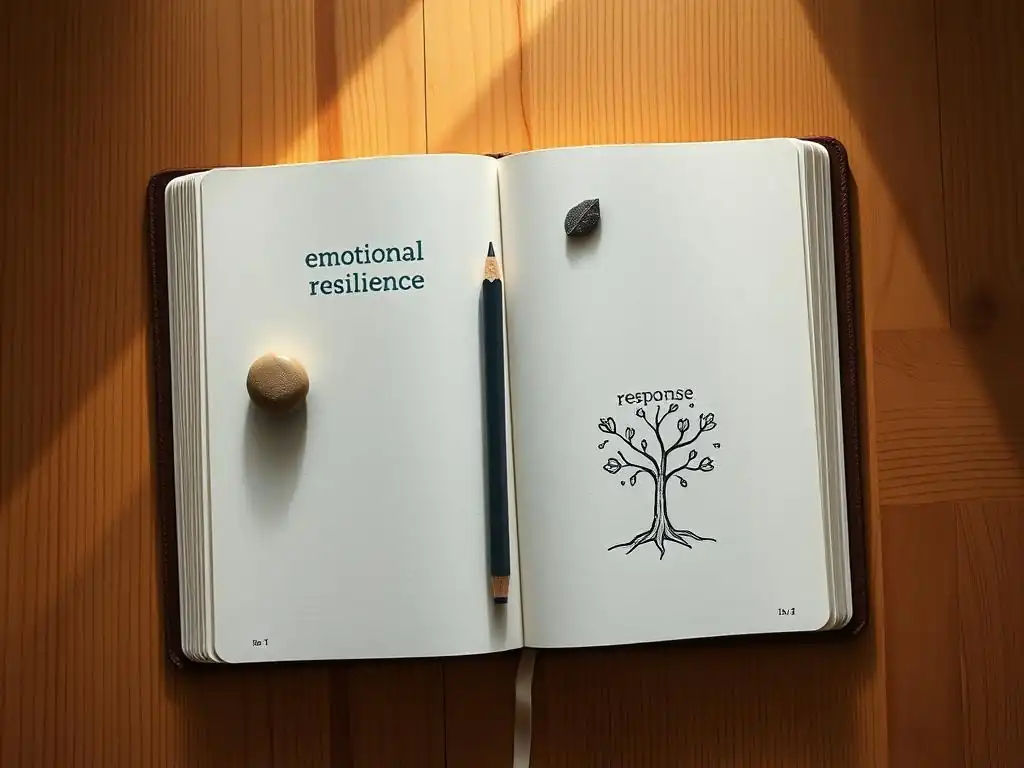
Selecting the appropriate coping with emotional triggers workbook is a personal decision, as individual needs and preferences vary. The "best" workbook depends on factors such as the specific type of trauma experienced, whether you are also in therapy, your preferred learning style, and the therapeutic approach you find most appealing (e.g., CBT, DBT, mindfulness). It's helpful to consider your goals: are you primarily focused on understanding trauma responses, learning immediate coping skills, challenging negative beliefs, or a combination?
Browsing through sample pages or reading reviews can provide insight into a workbook's tone, structure, and exercise types. Some workbooks are highly structured and directive, while others offer more space for free-form journaling and reflection. Consider whether the workbook feels accessible and manageable for you. A workbook that feels overwhelming or too academic might be less effective than one that is practical and encouraging, helping you feel empowered in your efforts to cope with emotional triggers.
Key Features to Look for in a "Trauma-Informed Workbook"
A high-quality trauma-informed workbook for coping with emotional triggers should possess several key features. Firstly, it must be grounded in evidence-based therapeutic principles relevant to trauma and PTSD, such as CBT, DBT, or mindfulness. Secondly, it should prioritize safety and containment, offering guidance on how to manage distress that might arise during exercises and emphasizing pacing. A good workbook will encourage working at your own speed and provide instructions on what to do if you feel overwhelmed.
Look for workbooks that include practical exercises for trigger identification and analysis, skill-building techniques (like grounding, distress tolerance, and emotional regulation), and guidance on developing a personalized coping plan. A trauma-informed workbook should also acknowledge the potential for complex reactions and avoid language that might be re-traumatizing or place blame on the survivor. It should foster self-compassion and resilience, guiding you gently through the process of understanding and managing your responses to triggers.
Comparing Popular Workbooks for Managing PTSD Triggers: "The PTSD Workbook" vs. "Complex PTSD: From Surviving to Thriving" vs. "Coping Skills Workbook for Trauma"
When seeking a resource for coping with emotional triggers workbook exercises, several popular options emerge, each with a slightly different focus. "The PTSD Workbook" is a widely recognized resource offering a comprehensive approach based primarily on CBT principles, covering topics from understanding trauma to challenging negative thoughts and managing difficult emotions.
"Complex PTSD: From Surviving to Thriving" by Pete Walker is specifically geared towards individuals with Complex PTSD (C-PTSD), focusing on healing developmental trauma and addressing issues like emotional flashbacks and inner criticism, often incorporating elements of various modalities. The "Coping Skills Workbook for Trauma," as mentioned earlier, typically provides a blend of techniques aimed at practical skill-building for immediate and long-term coping with emotional triggers and trauma responses.
"The PTSD Workbook": Pros, Cons, and Ideal User Profile
"The PTSD Workbook" is a comprehensive resource, often praised for its clear explanations of trauma responses and its structured, step-by-step approach using CBT techniques. It covers a broad range of topics relevant to PTSD recovery, making it a solid foundational choice. Pros include its evidence-based foundation, wide scope, and practical exercises for managing symptoms.
Cons might include its potentially dense content, which some users could find overwhelming, and its primary focus on CBT, which may not resonate as strongly with everyone. It is ideal for individuals seeking a thorough, structured approach to PTSD recovery, particularly those who respond well to cognitive and behavioral strategies and are dealing primarily with single-incident trauma or seeking a general overview of PTSD management.
"Complex PTSD: From Surviving to Thriving": Pros, Cons, and Ideal User Profile
"Complex PTSD: From Surviving to Thriving" is highly regarded for its empathetic approach and deep understanding of the unique challenges faced by individuals with C-PTSD, particularly those stemming from childhood or relational trauma. It offers powerful concepts like "emotional flashbacks" and strategies for managing inner criticism and toxic shame. Pros include its specific relevance to C-PTSD, validating tone, and focus on deeper emotional healing.
Cons might be that it is more conceptual and less exercise-driven than a typical workbook, and its depth might be intense for some users. It is ideal for individuals with C-PTSD seeking to understand the roots of their trauma, heal complex relational wounds, and develop self-compassion, complementing more skills-based work with a coping with emotional triggers workbook.
"Coping Skills Workbook for Trauma": Pros, Cons, and Ideal User Profile
The "Coping Skills Workbook for Trauma" often focuses more directly on practical techniques for managing distress and regulating emotions in the face of triggers and trauma responses. It typically draws from a range of modalities, including DBT and mindfulness, providing hands-on exercises for immediate use. Pros include its emphasis on practical skills, accessibility, and direct application to managing difficult moments.
It can be particularly helpful for learning specific techniques like grounding or distress tolerance. Cons might be that it may not delve as deeply into the underlying trauma processing as other resources. It is ideal for individuals who need concrete tools for managing intense emotions and physical sensations associated with triggers, or those seeking a supplementary resource focused purely on skill-building alongside therapy or other work on coping with emotional triggers.
Understanding Different Workbook Approaches: CBT, DBT, and Mindfulness
Different coping with emotional triggers workbooks may emphasize varying therapeutic approaches, each offering unique tools for managing triggers and trauma responses. Cognitive Behavioral Therapy (CBT) based workbooks focus on identifying and changing unhelpful thought patterns and behaviors. Exercises might involve challenging distorted beliefs about the self, the world, or the future that are activated by triggers. The goal is to replace negative thoughts with more balanced ones, thereby reducing the intensity of emotional reactions.
Dialectical Behavior Therapy (DBT) informed workbooks are excellent for building skills in four key areas: mindfulness, distress tolerance, emotional regulation, and interpersonal effectiveness. For trigger management, DBT exercises are particularly valuable for teaching skills to survive intense emotional crises without making things worse (distress tolerance) and techniques to understand and change intense emotions (emotional regulation).
Mindfulness exercises, often incorporated into both CBT and DBT workbooks, teach you to observe your thoughts, feelings, and sensations without judgment, helping you stay present during a triggering event instead of being overwhelmed by it. Many effective workbooks for coping with emotional triggers integrate elements from all these approaches for a well-rounded skill set.
Practical Exercises from a "Coping with Emotional Triggers Workbook": A Step-by-Step Guide
Engaging with practical exercises is the core of using a coping with emotional triggers workbook effectively. These exercises move beyond theoretical understanding and provide concrete steps to practice new ways of thinking, feeling, and behaving in response to triggers. The key is consistency and patience; mastering these skills takes time and repetition. Below are examples of types of exercises commonly found in workbooks, illustrating how they help build resilience and improve your ability to cope with emotional triggers.
Remember that these exercises are tools to support your healing journey. Approach them with self-compassion and a willingness to learn. It's okay if they feel difficult at first; the process itself is valuable. Using a dedicated coping with emotional triggers workbook provides the structure and prompts needed to work through these powerful techniques at your own pace.
Exercise 1: Trigger Identification and Analysis (From "Coping Skills Workbook for Trauma")
This fundamental exercise helps you systematically identify and understand your triggers. It moves beyond simply listing things that upset you to analyzing why they are triggering and what happens internally when they occur. A typical exercise in a coping with emotional triggers workbook might involve creating a detailed log or chart.
Identifying the Triggering Situation
Start by recalling a recent instance where you experienced a strong, negative emotional reaction. In your workbook, describe the situation in detail: What happened? When and where did it occur? Who was present? Be as specific as possible. For example, instead of "Someone was mean," write "My boss used a harsh tone of voice during our team meeting when asking about the project deadline." This precision is vital for effective trigger identification.
Exploring the Thoughts and Feelings Associated with the Trigger
Immediately after identifying the situation, document your internal experience. What thoughts ran through your mind? What emotions did you feel (e.g., fear, anger, shame, sadness)? What physical sensations did you notice (e.g., racing heart, tight chest, dizziness)? Connect these back to the triggering situation.
For the boss example, thoughts might be "I'm going to be fired," "I'm incompetent," or "He hates me." Feelings might be intense anxiety or shame. Physical sensations might be a knot in your stomach or sweaty palms. This step helps you see the link between the external trigger and your internal response, which is key to coping with emotional triggers.
Developing a Healthier Cognitive Response
Once you've analyzed the link, the next step is to challenge the unhelpful thoughts identified. Using techniques often found in a coping with emotional triggers workbook, examine the evidence for and against your thoughts. Are there alternative interpretations of the situation? For the boss example, is there evidence he always uses that tone, or was he stressed? What is the actual likelihood of being fired for that interaction?
Then, formulate a more balanced or realistic thought. This isn't about positive thinking; it's about accurate thinking. A healthier cognitive response might be: "My boss sounded stressed, but that doesn't necessarily mean I'm incompetent or going to be fired. I completed the project on time last week, which shows competence." Practicing this cognitive restructuring weakens the power of the trigger over time.
Exercise 2: Grounding Techniques for Immediate Trigger Response (Example from a DBT-based Workbook)
Grounding techniques are essential skills for managing intense emotions or dissociation when a trigger occurs. They help anchor you in the present moment, pulling you out of flashbacks or overwhelming emotional states. These are often featured prominently in a coping with emotional triggers workbook focused on distress tolerance.
5-4-3-2-1 Grounding Technique Explained
A popular grounding exercise is the 5-4-3-2-1 technique. When feeling triggered or overwhelmed, pause and engage your senses:
- 5: Name 5 things you can see right now (e.g., the color of the wall, a book on the shelf, the pattern on your hand).
- 4: Name 4 things you can feel right now (e.g., the texture of your clothes, the chair beneath you, the temperature of the air, your feet on the floor).
- 3: Name 3 things you can hear right now (e.g., your own breathing, distant traffic, the hum of electronics).
- 2: Name 2 things you can smell right now (e.g., your perfume, coffee, soap on your hands). If you can't smell anything, name two smells you like.
- 1: Name 1 thing you can taste right now (e.g., leftover taste from your last meal, your saliva). If you can't taste anything, name one taste you like.
This simple exercise redirects your focus from internal distress to external reality, helping you re-orient to the present. Practice this regularly in your coping with emotional triggers workbook, perhaps noting where and when you used it and how it helped.
Using Mindfulness to Stay Present During a Triggering Event
Mindfulness involves paying attention to the present moment without judgment. When triggered, mindfulness can help you observe the intense emotions, thoughts, and physical sensations without getting swept away by them. Instead of fighting or fearing the feelings, you acknowledge them as temporary states.
An exercise might involve focusing purely on your breath: notice the sensation of air entering and leaving your nostrils or the rise and fall of your abdomen. When your mind wanders to the trigger or associated distress, gently guide your attention back to the breath. This practice, encouraged in many coping with emotional triggers workbooks, builds your capacity to tolerate difficult experiences and reduces the power of automatic reactions.
Exercise 3: Creating a Personalized Trigger Management Plan (From a Trauma-Informed Workbook)
A comprehensive coping with emotional triggers workbook helps you move from understanding triggers and practicing skills in isolation to integrating them into a personalized action plan. This plan is a proactive strategy for navigating potentially triggering situations and managing reactions when they occur.
Developing Coping Mechanisms for Specific Triggers
Based on your trigger identification exercises, list your most common or impactful triggers. For each trigger, brainstorm and list 2-3 specific coping mechanisms from your workbook that you will use if you encounter it. For example, if your trigger is a loud noise, your plan might involve immediately using the 5-4-3-2-1 grounding technique or practicing a specific breathing exercise learned from your coping with emotional triggers workbook.
If the trigger is a specific social situation, your plan might include having a pre-arranged signal with a supportive friend or having a few prepared phrases to excuse yourself. This tailored approach makes your coping strategies more accessible and effective in the moment.
Building a Support System for Emotional Resilience
Your personalized plan should also include utilizing your support system. Identify trusted friends, family members, or support group members you can contact when feeling triggered or overwhelmed. List their names and contact information (though not directly in the final article output).
Include specific ways they can support you (e.g., a calming phone call, distracting conversation, or just listening). Your coping with emotional triggers workbook might prompt you to think about who constitutes your safe people and how you can communicate your needs to them. Building and utilizing this external support network is a vital layer of resilience alongside the internal skills developed through workbook exercises.
Beyond Workbooks: Complementary Strategies for Trigger Management

While a coping with emotional triggers workbook is an invaluable tool, it is often most effective when used as part of a broader strategy for healing and trigger management. Integrating other forms of support and healthy lifestyle choices can significantly enhance your ability to cope with triggers and improve your overall mental well-being. No single tool is a magic bullet, but a multi-faceted approach builds a stronger foundation for recovery.
Consider these complementary strategies as additional pillars supporting the work you do in your coping with emotional triggers workbook. They address different aspects of healing – from processing the root trauma to stabilizing mood and building physical resilience – all of which contribute to reducing the intensity and frequency of trigger responses.
The Role of Therapy in PTSD Recovery and Trigger Management
Professional therapy, particularly trauma-informed therapy such as Trauma-Focused CBT (TF-CBT), Eye Movement Desensitization and Reprocessing (EMDR), or Somatic Experiencing (SE), is highly effective in processing the underlying trauma that makes individuals susceptible to triggers. Therapists provide a safe, guided space to explore traumatic memories, challenge negative beliefs formed by trauma, and develop advanced coping strategies. While a coping with emotional triggers workbook provides tools, therapy helps address the root cause of the triggers and the complex emotional landscape of trauma.
Therapy can also help you utilize your coping with emotional triggers workbook more effectively. A therapist can assist you in identifying triggers you might not recognize, guide you through challenging exercises, and help you integrate the skills learned in the workbook into your daily life. They can also provide support when working through particularly difficult or triggering content in the workbook, ensuring you feel safe and supported throughout the process.
Medication and its Impact on Emotional Regulation [Mention when professional help is advised]
For some individuals, medication can be a helpful component of a comprehensive trigger management plan, particularly when triggers lead to severe anxiety, depression, or sleep disturbances associated with PTSD. Selective Serotonin Reuptake Inhibitors (SSRIs), for example, are commonly prescribed and can help regulate mood and reduce the intensity of emotional responses, potentially making triggers feel less overwhelming. Other medications might target specific symptoms like nightmares or severe anxiety.
It is crucial to understand that medication does not "cure" the trauma or eliminate triggers, but it can alleviate symptoms, making it easier to engage in therapy and utilize the skills learned in a coping with emotional triggers workbook. Decisions about medication should always be made in consultation with a qualified medical professional, such as a psychiatrist, who can assess your specific needs and determine if medication is appropriate and safe for you. Professional help is advised when symptoms are severe, significantly impairing daily functioning, or when suicidal thoughts are present.
Lifestyle Changes that Support Emotional Well-being: Diet, Exercise, and Sleep
Physical health is intimately connected to mental and emotional resilience. Simple lifestyle changes can significantly impact your ability to manage stress and cope with emotional triggers. Regular physical activity, even moderate exercise like walking for 30 minutes several times a week, can reduce anxiety and improve mood by releasing endorphins. It can also help regulate the nervous system, which is often dysregulated by trauma.
Prioritizing sleep is also vital. Trauma and triggers often disrupt sleep patterns, and lack of sleep exacerbates emotional reactivity and reduces your capacity to cope. Aim for 7-9 hours of quality sleep per night.
Nutrition plays a role too; a balanced diet rich in whole foods can stabilize blood sugar and provide the nutrients needed for brain health. Limiting caffeine and alcohol, which can increase anxiety and disrupt sleep, is also beneficial when learning to cope with emotional triggers. Integrating these healthy habits supports the brain and body, making it easier to implement the strategies learned in your coping with emotional triggers workbook.
Real-Life Examples: Success Stories of Using Workbooks to Overcome Triggers
Hearing about others who have successfully used workbooks to manage triggers can be incredibly motivating and provide hope. These stories illustrate the practical application of workbook exercises and the tangible impact they can have on daily life and emotional well-being. While individual journeys vary, the common thread is the commitment to self-exploration and skill-building facilitated by structured resources like a coping with emotional triggers workbook.
These examples, while illustrative approximations of common experiences, highlight how consistent engagement with workbook exercises can lead to significant progress in managing trigger responses and reclaiming a sense of control. They demonstrate that healing is possible and that practical tools are available to support that process.
[Case Study 1]: How Sarah Used "Coping Skills Workbook for Trauma" to Manage Anxiety Triggers
Sarah, a 35-year-old marketing professional, struggled with intense anxiety and panic attacks triggered by crowded places and loud, sudden noises, stemming from a past traumatic event in a public space. These triggers made commuting and attending work events incredibly difficult. Sarah began using a "Coping Skills Workbook for Trauma" alongside her therapy sessions. She dedicated 20-30 minutes each evening to working through the exercises.
She started with the trigger identification section, meticulously logging instances of anxiety. She discovered that specific sounds, like sirens or sudden shouts, were particularly potent triggers. Using the workbook's grounding exercises, she practiced the 5-4-3-2-1 technique daily, even when not triggered.
When a trigger occurred, she would immediately implement the grounding technique, which helped shorten the duration and intensity of her panic response by an estimated 40% within three months. She also used the workbook's cognitive restructuring exercises to challenge her catastrophic thoughts about public safety. Over six months, Sarah reported a significant reduction in trigger-induced anxiety, feeling more confident and less avoidant of previously triggering situations, attributing much of her progress to the consistent practice facilitated by the coping with emotional triggers workbook.
[Case Study 2]: Utilizing a DBT Workbook for Managing Borderline Personality Disorder Triggers
Mark, a 28-year-old student diagnosed with Borderline Personality Disorder (BPD), experienced intense emotional swings and difficulty in relationships, often triggered by perceived rejection or criticism. These triggers led to impulsive reactions, including angry outbursts and self-harm urges. Mark started using a DBT workbook focused on emotional regulation and distress tolerance skills.
He focused heavily on the distress tolerance modules, practicing techniques like TIPP (Temperature, Intense Exercise, Paced Breathing, Paired Muscle Relaxation) and Pros and Cons thinking from his coping with emotional triggers workbook whenever he felt an intense emotional trigger building. He also used the emotional regulation exercises to identify and label his intense feelings. By consistently applying these skills learned from the workbook, Mark reported a noticeable decrease in the frequency and intensity of his impulsive, triggered reactions.
Within eight months of dedicated workbook use and group therapy, his instances of self-harm urges decreased by roughly 60%, and he felt better equipped to navigate interpersonal triggers without resorting to destructive behaviors. The workbook provided him with a practical manual for applying the complex skills needed to manage his intense emotional triggers.
Resources for Continued Support and Healing
The journey of coping with emotional triggers is ongoing. While workbooks provide powerful tools for self-management, connecting with external resources offers additional layers of support, perspective, and continued growth. Building a network of support is crucial for long-term resilience and healing from trauma.
These resources can complement the work you do in your coping with emotional triggers workbook, providing opportunities for deeper processing, professional guidance, and connection with others who understand similar struggles. Remember, you don't have to navigate this path alone.
Recommended Books and Websites for PTSD Recovery
Many excellent books and websites offer further information, support, and guidance for PTSD recovery and coping with emotional triggers. Books often provide deeper dives into specific aspects of trauma, while reputable websites can offer articles, resources, and directories. Look for resources grounded in evidence-based approaches and written by qualified professionals or reputable organizations in the field of trauma and mental health. These resources can expand upon the concepts introduced in a coping with emotional triggers workbook and provide additional perspectives on healing.
Finding a Qualified Therapist or Counselor
A qualified therapist or counselor specializing in trauma is an invaluable resource. They can provide personalized assessment, develop a tailored treatment plan, and guide you through complex emotional processing that may go beyond the scope of a workbook. Look for licensed mental health professionals with specific training and experience in trauma-informed therapies (like TF-CBT, EMDR, SE). Professional organizations and mental health directories can help you find therapists in your area. Discussing your experiences and challenges with a trained professional can provide the safety and expertise needed for profound healing and effective management of coping with emotional triggers.
Support Groups and Online Communities for Trauma Survivors
Connecting with others who have experienced trauma can reduce feelings of isolation and provide a sense of community and shared understanding. Support groups, whether in-person or online, offer a space to share experiences, learn from others' coping strategies, and receive validation and encouragement. Hearing how others navigate their triggers and recovery journey can be incredibly empowering. Many organizations dedicated to trauma and mental health host support groups or provide resources for finding them. Participating in a support group can reinforce the skills learned in your coping with emotional triggers workbook and provide ongoing motivation and connection.
Frequently Asked Questions
How can a workbook help me identify my emotional triggers?
Workbooks often include exercises designed to help you track your emotional reactions and identify the specific situations, people, or thoughts that tend to trigger negative emotions. This self-awareness is the first step in managing triggers.
What types of exercises are typically found in a "Coping with Emotional Triggers Workbook"?
You can expect to find exercises focusing on thought records, emotion identification, relaxation techniques, and planning coping strategies for future trigger events. These help you understand and regulate your responses.
How often should I use a "Coping with Emotional Triggers Workbook" for it to be effective?
Consistency is key. Aim to use the workbook regularly, even when you're not actively experiencing triggers. Daily or weekly sessions can help you build lasting coping skills and resilience.
Can a "Coping with Emotional Triggers Workbook" replace therapy?
No, a workbook is a valuable tool, but it's not a replacement for professional therapy. It can supplement therapy or be used for self-help, but severe mental health concerns require expert guidance.
What are some potential benefits of consistently using a "Coping with Emotional Triggers Workbook"?
Using a workbook can lead to increased self-awareness, improved emotional regulation, and a greater sense of control over your reactions. This can lead to improved relationships and overall well-being.
Final Reflection: Embracing the Power of Proactive Coping
The ability to navigate emotional triggers effectively isn't just about surviving difficult moments; it's about thriving in the face of adversity. This article explored the transformative potential of workbook exercises in shifting from reactive responses to proactive coping mechanisms. By understanding the root causes of our triggers and developing personalized strategies, we can reclaim our emotional well-being and build resilience.
The journey of understanding and managing emotional triggers is a deeply personal one, a continuous process of self-discovery and growth. It's a journey that requires courage, self-compassion, and a willingness to confront uncomfortable truths. The impact of this work extends far beyond individual well-being; it ripples outwards, influencing our relationships, our productivity, and our overall sense of peace. The wound is the place where the Light enters you.
– Rumi. This quote beautifully encapsulates the transformative power of facing our emotional vulnerabilities and using them as pathways to greater self-awareness and healing.
Now, I invite you to consider your own relationship with emotional triggers. What patterns have you noticed? What exercises resonate most with you from those discussed? Take the time to reflect on your strengths and areas for growth. Remember, this is not a race; it's a journey of self-discovery. Start small, be patient with yourself, and celebrate every step forward. The tools are here; the power to create a more peaceful and fulfilling life lies within you. Begin your journey towards proactive coping today.
Unlock Your Inner Calm: Start Practicing Today!
Thanks for taking the time to explore healthier ways of coping with triggers! We hope you found practical strategies within this article to help you move from reacting to responding. Now, let's put that knowledge into action:
- Dive deeper: Grab a journal and try one of the workbook exercises mentioned in the article. Identify a specific trigger and experiment with the techniques discussed. This focused practice will make a real difference!
- Share your experience: Connect with others in our community (imagine the support!) and share your journey in the comments below. Your insights might help someone else!
- Consider a Mindful Moment: Schedule just five minutes today to practice deep breathing. Observe the sensations in your body and let your mind settle.
Ready to take control and cultivate a more peaceful response to life's challenges? What small step will you take towards a calmer, more resilient you today?