
How Family Faith Practices Influence Mental Health Coping

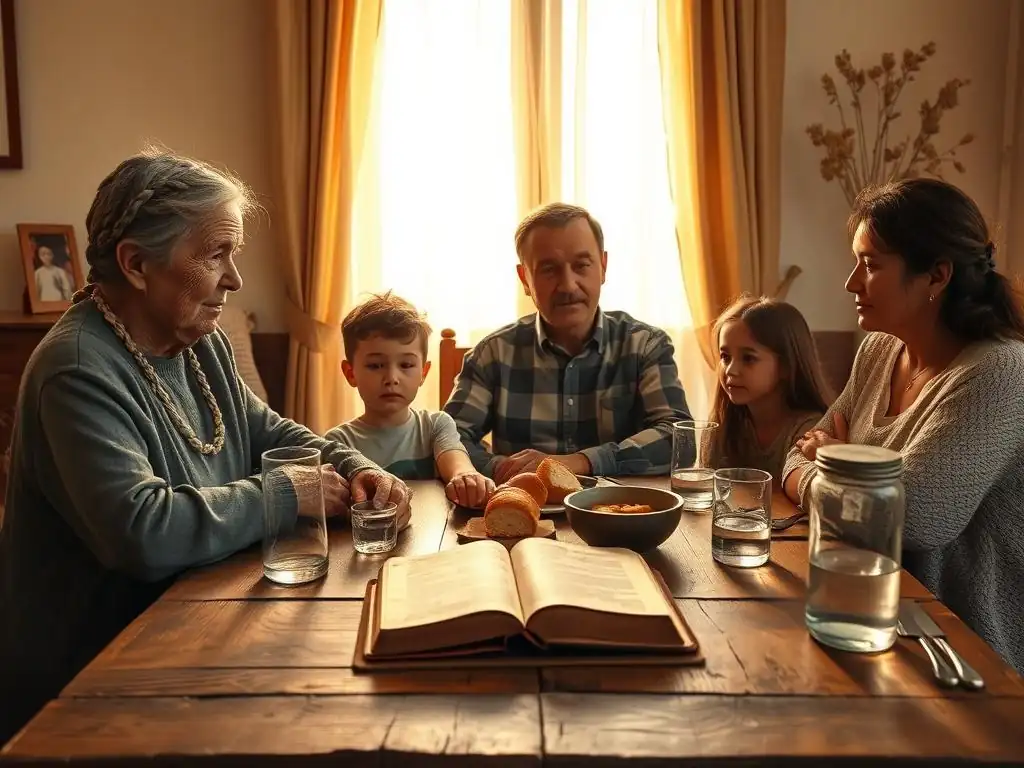
Welcome to Mind Care Guide, a sanctuary for your well-being.
Feeling overwhelmed? Discover how the strength of family faith coping mechanisms can profoundly influence mental health, offering resilience and support through life's challenges. Intrigued? Let's explore how these time-tested practices can build a stronger foundation for mental wellness. Read on to learn more about How Family Faith Practices Influence Mental Health Coping.
How Family Faith Practices Influence Mental Health Coping
- Introduction: The Intersection of Faith, Family, and Mental Wellbeing
- Defining Family Faith Practices and Coping Mechanisms
- The Positive Impacts of Family Faith on Mental Health Coping
- Specific Family Faith-Based Coping Strategies
- Potential Challenges and Considerations
- The Science Behind Family Faith and Mental Health
- Practical Tips for Strengthening Family Faith Coping
- The Importance of Religious Support Systems in Mental Health
- Case Studies: Examples of Family Faith Coping in Action
- Conclusion: Embracing Family Faith as a Resource for Mental Wellbeing
- References and Further Reading
-
Frequently Asked Questions
- How do family faith practices generally impact mental health coping?
- What specific faith-based activities are most beneficial for mental health coping in families?
- Can family faith practices ever negatively impact mental health coping?
- How can families effectively integrate faith into their mental health coping strategies?
- Where can families find resources that combine faith and mental health support?
- Final Reflection: The Enduring Power of Faith in Family Mental Wellness
- Unveil Your Family's Strength: Cultivate Faith-Based Resilience
Introduction: The Intersection of Faith, Family, and Mental Wellbeing
Understanding the Link Between Family Faith and Mental Health
The connection between family faith practices and mental well-being is a deeply studied area, revealing significant correlations between shared spiritual beliefs and improved coping abilities. For many families, faith provides a foundational framework for understanding life's challenges, offering solace, meaning, and a sense of purpose that can act as a powerful buffer against stress, anxiety, and depression.
This shared spiritual journey within the family unit often fosters resilience, providing individuals with a supportive environment to navigate difficult times. Research consistently points to the protective factors associated with religious and spiritual involvement, and when this is a shared family experience, its impact on mental health coping mechanisms can be particularly profound.
Moreover, the values, rituals, and narratives embedded in family faith can shape an individual's perspective on suffering and adversity. Instead of viewing challenges as insurmountable, a faith-informed perspective may encourage perseverance, patience, and trust in a higher power or universal plan. This reframing can reduce feelings of helplessness and despair, common symptoms associated with various mental health conditions. The intergenerational transmission of these faith-based coping strategies within families ensures that individuals grow up with established methods for handling stress and emotional pain, making family faith coping mechanisms mental health a vital area of focus for understanding holistic well-being.
Mind Care Guide's Perspective on Faith-Based Coping Strategies
At Mind Care Guide, we recognize that mental health is multifaceted, encompassing biological, psychological, social, and spiritual dimensions. We view faith-based coping strategies, particularly those cultivated within the family unit, as a valuable and legitimate resource for enhancing mental well-being. Our perspective is that faith is not a replacement for professional mental health care but can be a powerful complement, providing individuals and families with additional layers of support, meaning, and resilience. We advocate for an integrated approach where individuals feel empowered to draw strength from their spiritual beliefs while also seeking evidence-based therapeutic interventions when needed.
We understand that faith experiences are diverse and deeply personal. Therefore, our exploration of family faith coping mechanisms mental health aims to be inclusive and respectful of various traditions and beliefs. We believe that understanding how families use their shared faith to cope with challenges can inform more holistic and culturally sensitive approaches to mental health support. Our goal is to provide information and resources that help individuals and families leverage their faith as a positive force in their mental health journey, promoting resilience, hope, and connection while encouraging open dialogue about mental health within faith communities.
Defining Family Faith Practices and Coping Mechanisms
What Constitutes Family Faith Practices?
Family faith practices encompass the collective religious or spiritual activities, beliefs, and values shared and enacted by members of a family unit. These practices can vary widely depending on the specific faith tradition, but commonly include shared prayer or meditation, attending religious services together, reading sacred texts, observing religious holidays and rituals, discussing faith-related topics, engaging in acts of charity or community service motivated by faith, and instilling moral values based on religious teachings. It's about the active, shared engagement with faith within the home and as a family unit in the broader religious community.
These shared activities are not merely habitual; they often serve to reinforce identity, transmit values across generations, and create a sense of belonging and shared purpose. A family might, for instance, have a tradition of nightly prayer before bed, a weekly family Bible study, or regular participation in mosque activities.
These consistent engagements build a shared spiritual language and a common understanding of the world, providing a stable framework that can be particularly beneficial during times of uncertainty or distress. The regularity and communal nature of these practices are key to their influence on family faith coping mechanisms mental health.
Mental Health Coping Mechanisms: A Comprehensive Overview
Mental health coping mechanisms are the strategies individuals use to manage stressful or difficult situations, reduce negative emotions, and maintain psychological well-being. These can be broadly categorized into problem-focused coping (addressing the source of the stress) and emotion-focused coping (managing the feelings associated with the stress). Examples include seeking social support, engaging in physical exercise, practicing mindfulness or meditation, journaling, using humor, seeking professional therapy, or employing cognitive reframing to change one's perspective on a situation. Effective coping mechanisms are adaptive and help individuals navigate challenges constructively.
Ineffective or maladaptive coping strategies, conversely, might include avoidance, substance abuse, excessive worrying, or aggression. These strategies often provide temporary relief but can exacerbate problems in the long run. Understanding the range of coping mechanisms is crucial when examining how faith fits into this picture.
Faith-based coping often falls under emotion-focused strategies, providing comfort, hope, and meaning, but it can also involve problem-focused elements like seeking guidance from religious leaders or engaging in faith-motivated action to address a problem. The integration of faith into an individual's or family's coping repertoire adds a unique dimension to their overall mental health toolkit.
Defining Family Faith Coping Mechanisms Mental Health
Family faith coping mechanisms mental health specifically refers to the ways families collectively utilize their shared religious or spiritual beliefs, practices, and community support systems to navigate mental health challenges, stress, and adversity. This involves not just individual faith-based coping but the shared application of faith resources by the family unit. It's about how families pray together during a crisis, how they find comfort in shared scripture when facing illness, how they support each other through difficult times based on mutual spiritual principles, or how they lean on their faith community as a family.
These mechanisms are distinct because they involve the dynamic interplay within the family unit and their collective engagement with faith resources. For example, a family might use a shared belief in divine providence to accept a difficult diagnosis, or they might participate in communal rituals like lighting candles or offering prayers together to process grief. The strength comes from the shared experience and mutual reinforcement of faith-based perspectives and practices. This collective approach can amplify the benefits of individual faith, providing a resilient network of support and shared meaning that directly impacts the mental health of all family members.
The Positive Impacts of Family Faith on Mental Health Coping
Religious communities often serve as robust social support networks, providing families with a sense of belonging and mutual aid that is crucial for mental well-being. These communities offer opportunities for regular social interaction, emotional support, and practical assistance during times of need. Studies have shown that individuals with strong social connections within their faith communities report lower levels of loneliness and isolation, factors strongly linked to depression and anxiety. For a family facing a mental health crisis, this existing network can be a lifeline, offering understanding, non-judgmental support, and resources.
Beyond informal support, many religious institutions have formal programs aimed at assisting members, such as benevolent funds, meal trains for families in crisis, or counseling services. Participating in group activities, volunteer work, or shared worship services within a faith community strengthens family bonds while simultaneously expanding their support system beyond immediate relatives. This enhanced social capital directly contributes to more effective family faith coping mechanisms mental health, providing a collective buffer against the stresses of life and ensuring that families do not feel isolated in their struggles.
Shared faith often instills a sense of hope and optimism, particularly when facing adversity. Many faith traditions teach that there is meaning in suffering, that challenges can lead to growth, or that a benevolent power is ultimately in control. When these beliefs are shared within a family, they create a common narrative that can help members maintain a positive outlook even in difficult circumstances. This collective sense of hope can prevent despair from taking root and empower families to face challenges with greater resilience.
For example, a family facing significant financial hardship might draw strength from shared beliefs about divine provision or the temporary nature of earthly struggles. This shared perspective, reinforced through family prayer and discussion, can foster patience and perseverance. Research indicates that individuals with higher levels of hope and optimism tend to cope more effectively with stress and are less susceptible to negative mental health outcomes. By cultivating these qualities together, family faith coping mechanisms mental health build a collective reservoir of resilience that benefits all members.
Strengthening Family Bonds and Resilience Through Faith
Shared faith practices can significantly strengthen family bonds and enhance overall family resilience. Engaging in religious rituals, discussing faith, and supporting each other's spiritual growth creates shared experiences and values that deepen connection and understanding. Families who pray together, attend services together, or engage in faith-based service projects often report feeling closer and more united. This strong internal cohesion is a critical factor in a family's ability to withstand external pressures and internal conflicts.
When families share a common spiritual foundation, they often have a shared moral compass and a framework for resolving disagreements rooted in principles like forgiveness, compassion, and humility. This can lead to healthier communication patterns and more constructive approaches to conflict resolution. A resilient family unit is better equipped to support members struggling with mental health issues, providing a stable and loving environment where healing can occur. Thus, the cultivation of strong family bonds through faith directly contributes to robust family faith coping mechanisms mental health.
Reducing Stress and Anxiety Through Prayer and Meditation
Prayer and meditation are common faith-based practices widely recognized for their potential to reduce stress and anxiety. Engaging in these practices, whether individually or as a family, can promote a sense of calm, reduce rumination, and foster a feeling of connection to something larger than oneself. Shared family prayer, for instance, can be a powerful ritual that brings family members together, allowing them to voice concerns, express gratitude, and seek comfort collectively.
The act of praying or meditating can activate the body's relaxation response, lowering heart rate and blood pressure. For families, incorporating these practices into their daily or weekly routine provides a consistent method for managing stress proactively. A family might establish a tradition of meditating together for a few minutes each morning or holding hands for a brief prayer before meals. These simple, shared rituals provide moments of peace and connection that can significantly impact the family's collective ability to manage stress, serving as effective family faith coping mechanisms mental health.
Specific Family Faith-Based Coping Strategies

Prayer and Spiritual Practices as Coping Tools
Prayer, in its many forms, is a cornerstone of family faith coping mechanisms mental health. Families may engage in communal prayer during times of illness, financial trouble, or emotional distress, voicing their fears and hopes together. This shared act can reduce feelings of isolation, provide comfort, and reinforce a sense of reliance on a higher power.
For example, a family awaiting difficult medical test results might gather specifically to pray for strength and positive outcomes, finding collective solace in the shared spiritual act. Individual prayer, often encouraged within families, also serves as a private means of processing emotions and seeking guidance.
Beyond verbal prayer, other spiritual practices like reading sacred texts together, singing hymns or spiritual songs, or engaging in contemplative practices can function as coping tools. A family might read comforting passages from the Bible, Quran, Torah, or other sacred texts during times of grief, finding shared meaning and perspective. These practices offer a structured way to focus thoughts away from anxieties and towards hope, faith, or a sense of spiritual connection, providing a stable anchor during turbulent emotional states.
Religious Rituals and Their Impact on Mental Wellbeing
Religious rituals, whether daily, weekly, or annual, provide structure, predictability, and a sense of continuity that can be very grounding for mental well-being, especially in families. Observing rituals like Sabbath dinners, daily prayer times, fasting during specific periods, or celebrating religious holidays together creates shared experiences and reinforces family identity. These rituals often have symbolic meaning related to themes like renewal, forgiveness, community, or remembrance, which can be psychologically beneficial.
For example, a family participating in a ritual washing or purification rite might experience a symbolic cleansing of worries or past mistakes, fostering a sense of starting fresh. The repetitive nature of rituals can be calming, providing a predictable rhythm in an unpredictable world. During times of crisis, adhering to established family religious rituals can offer a sense of normalcy and control. The shared participation in these practices strengthens family bonds and provides a collective framework for processing emotions and maintaining stability, acting as potent family faith coping mechanisms mental health.
Seeking Guidance and Support from Religious Leaders
Religious leaders often serve as trusted sources of guidance and support for families navigating difficult times, including mental health challenges. Pastors, imams, rabbis, priests, monks, or other spiritual guides can offer counseling, prayer, practical advice rooted in faith teachings, and connections to resources within the faith community. Families may turn to their religious leader for support during periods of grief, marital conflict, or when a family member is struggling with depression or addiction.
These leaders are often seen as respected figures within the community and can provide a spiritual perspective on suffering and healing. They may facilitate family discussions, offer pastoral counseling, or simply provide a listening ear and empathetic presence. For many families, seeking support from a religious leader feels more comfortable or accessible than seeking secular help, at least initially. This resource within the faith community adds another layer to the available family faith coping mechanisms mental health, offering wisdom and support grounded in shared spiritual beliefs.
The Role of Forgiveness and Reconciliation in Family Faith
Many faith traditions emphasize the importance of forgiveness and reconciliation, principles that are profoundly impactful for mental health, particularly within families. Holding onto resentment, anger, or guilt can be emotionally draining and contribute to significant psychological distress. Faith-based teachings on forgiveness offer a pathway to releasing these burdens, promoting emotional healing and healthier relationships within the family.
When conflicts arise within a family, shared faith principles can provide a framework and motivation for seeking reconciliation. A family might use prayer, scriptural reflection, or guidance from a religious leader to facilitate dialogue and work towards forgiveness. The act of forgiving, or seeking forgiveness, can break cycles of negativity and resentment, leading to improved communication and stronger family bonds. This emphasis on healing relational wounds through forgiveness is a powerful example of how family faith coping mechanisms mental health can directly address sources of emotional pain and improve family dynamics.
Potential Challenges and Considerations
Addressing Religious Trauma and Negative Experiences
While faith can be a source of strength, it is crucial to acknowledge that some individuals and families may have experienced religious trauma or negative interactions within faith communities. This can stem from rigid or judgmental doctrines, abusive leadership, exclusion, or conflicts between faith teachings and personal identity. Such experiences can lead to significant psychological distress, including anxiety, depression, PTSD, and mistrust of religious institutions and even faith itself.
For families where one or more members have experienced religious trauma, faith practices, even those intended to be supportive, can trigger painful memories or emotions. It is vital to approach this with sensitivity and compassion. Healing from religious trauma often requires validating the individual's pain, providing a safe space to process negative experiences, and sometimes involves seeking professional therapy specifically informed by an understanding of religious dynamics. Simply pushing faith as a coping mechanism without addressing past harm can be counterproductive and damaging.
Differences in faith or levels of religiosity within a family can present significant challenges to utilizing family faith coping mechanisms mental health. When family members adhere to different traditions, hold varying degrees of belief, or one member leaves the faith, it can create tension, conflict, and a sense of disconnect. Shared rituals and values, which are the bedrock of family faith coping, become difficult or impossible to maintain universally.
Navigating these differences requires open communication, mutual respect, and a willingness to find common ground or respect individual paths. Families may need to find ways to support each other's individual spiritual journeys while identifying shared values or practices that still unite them, even if they are not explicitly religious. Forcing compliance or being judgmental about differing beliefs can erode family bonds and create additional stress, undermining the very goal of enhancing mental health coping.
Balancing Faith with Professional Mental Health Treatment
A significant challenge can arise when there is a tension between reliance on faith-based coping and the necessity of professional mental health treatment. Some faith traditions may inadvertently or explicitly discourage seeking psychological help, viewing mental illness as a spiritual failing or suggesting that faith alone is sufficient for healing. This can lead to delays in seeking evidence-based treatment like therapy or medication, potentially worsening outcomes for individuals struggling with serious mental health conditions.
It is essential to promote a balanced perspective: faith and professional treatment are not mutually exclusive and can work synergistically. Faith can provide hope, meaning, and a supportive community, while therapy and medication address the biological and psychological aspects of mental illness. Educating faith communities about mental health conditions and the benefits of professional care, and helping families integrate their faith journey with their treatment plan, is crucial to overcoming this challenge and ensuring comprehensive care.
Avoiding Religious Dogmatism and Promoting Open-Mindedness
While strong faith can be beneficial, rigid dogmatism or an insular approach to faith can sometimes hinder effective coping and mental well-being. An overly rigid interpretation of doctrine can lead to guilt, shame, or judgment towards oneself or others, particularly when facing challenges that don't fit neatly into religious explanations (e.g., mental illness). A lack of open-mindedness can also prevent individuals or families from considering alternative perspectives or seeking help outside their faith community.
Promoting a healthy approach to faith involves encouraging open inquiry, critical thinking, and compassion. Families can benefit from discussing faith in a way that allows for questions and doubts, fostering an environment where members feel safe to express struggles without fear of judgment. An open-minded approach allows families to draw strength from their faith while remaining receptive to help and wisdom from other sources, including mental health professionals, thereby enhancing their overall family faith coping mechanisms mental health.
The Science Behind Family Faith and Mental Health
Research Studies on the Correlation Between Faith and Mental Health Coping
Numerous research studies have explored the association between religious and spiritual involvement and mental health outcomes. A review of over 3,000 studies by the American Psychiatric Association found that religious involvement is often associated with better mental health, including lower rates of depression, anxiety, and substance abuse, and higher rates of hope and life satisfaction. While many studies focus on individual religiosity, research specifically examining shared family faith practices also indicates positive correlations. For instance, studies on adolescent mental health suggest that shared family religious practices are linked to reduced risk-taking behaviors and improved emotional regulation.
Further research, such as findings reported in journals like the Journal of Religion and Health, often highlight the mediating factors, including social support from faith communities and the development of positive coping styles. While correlation does not equal causation, the consistent patterns observed across diverse populations and faith traditions suggest that faith, particularly when shared and actively practiced within a family, plays a significant role in shaping how individuals and families cope with stress and adversity, reinforcing the importance of exploring family faith coping mechanisms mental health.
Neurological and Psychological Explanations for the Benefits of Faith
The benefits of faith practices on mental health can be partly understood through neurological and psychological lenses. Practices like prayer and meditation have been shown in neuroimaging studies to activate brain regions associated with self-reflection, emotional regulation, and reward. Regular engagement in these practices can lead to structural and functional changes in the brain that enhance resilience to stress and improve mood. For example, some studies suggest that meditation can increase gray matter in areas related to attention and emotional control.
Psychologically, faith provides cognitive frameworks that influence how individuals perceive and interpret events. Belief in a benevolent higher power, for instance, can foster a sense of security and reduce existential anxiety. The narratives and rituals of faith often provide meaning and purpose, which are vital components of psychological well-being. Shared faith within a family amplifies these effects through collective reinforcement, emotional co-regulation, and the development of shared coping strategies, contributing to the effectiveness of family faith coping mechanisms mental health.
The Role of Spirituality in Promoting Emotional Regulation
Spirituality, whether within a formal religious framework or not, involves a search for meaning, purpose, and connection to something larger than oneself. This search can significantly impact emotional regulation, the ability to understand and manage one's emotions. Spiritual practices often encourage introspection, mindfulness, and acceptance, all of which are key components of healthy emotional regulation.
For families, a shared spiritual orientation can provide a common language and framework for discussing emotions and challenges. For example, a family might use faith principles like patience, trust, or acceptance to navigate frustration or disappointment. The belief that emotions are part of a larger spiritual journey or that suffering has purpose can help individuals and families process difficult feelings without being overwhelmed by them. This collective approach to emotional challenges, guided by shared spiritual values, is a core aspect of how family faith coping mechanisms mental health function.
Practical Tips for Strengthening Family Faith Coping
Creating Meaningful Family Religious Rituals
- Identify existing rituals: What faith-based activities do you already do together?
- Discuss meaning: Talk about why these rituals are important to each family member.
- Adapt and create: Modify existing rituals or create new ones that resonate with your family's current needs and stage of life. Ensure they are inclusive if family members have different levels of belief.
- Be consistent: Try to engage in rituals regularly, even if briefly, to build routine and reinforce their significance.
- Make it personal: Tailor rituals to your family's unique dynamics and interests.
Creating meaningful family religious rituals is a proactive way to build resilient family faith coping mechanisms mental health. These shared practices provide a predictable source of comfort and connection, offering a sense of stability during turbulent times. For instance, a family could establish a ritual of sharing one thing they are grateful for during a shared meal, linking it to their faith's emphasis on gratitude. This simple act, performed consistently, reinforces positive thinking and mutual support.
Another example could involve setting aside a specific time each week for shared prayer or reflection on sacred texts, allowing each family member to participate in a way that feels comfortable. The key is that these rituals are not just obligations but are experienced as valuable moments of connection and spiritual nourishment. By intentionally creating and nurturing these shared practices, families build a foundation of faith-based support that can be drawn upon when facing stress or mental health challenges.
Open Communication About Faith and Mental Health
- Create a safe space: Foster an environment where family members feel safe to discuss their feelings, doubts, and struggles, both faith-related and mental health-related, without fear of judgment.
- Share your own experiences: Parents and older family members can model openness by sharing their own experiences with faith and mental health challenges.
- Ask open-ended questions: Encourage dialogue by asking questions that invite more than a yes/no answer, such as "How did your faith help you through that?" or "What are you finding challenging right now?"
- Listen actively: Pay attention to what others are saying, validate their feelings, and avoid immediately offering solutions or religious platitudes.
- Educate together: Learn about both your faith's teachings on suffering and healing, and about mental health conditions as a family.
Open communication is fundamental to leveraging family faith coping mechanisms mental health effectively. When families can talk openly about their faith journeys and their mental health struggles, they break down stigma and build a stronger support system. This allows family members to understand how faith is impacting each person individually and collectively, and how mental health challenges are affecting the family unit.
For instance, if a teenager in the family is experiencing anxiety, open communication allows them to share how their faith is (or isn't) helping, and for the family to support them in finding faith-based or professional resources. Discussing faith in the context of real-life challenges makes it more relevant and practical as a coping resource. It also helps identify potential conflicts between faith beliefs and mental health needs, which can then be addressed constructively, perhaps with the help of a faith leader or a culturally sensitive therapist.
Supporting Each Other's Spiritual Journeys
- Respect individual paths: Acknowledge that each family member may have a unique relationship with faith, even within the same tradition.
- Encourage personal practices: Support individual prayer, meditation, study, or involvement in faith-based activities that resonate with each person.
- Attend events together: Participate in faith community events or services as a family whenever possible, celebrating shared identity.
- Discuss spiritual growth: Talk about what you are learning or experiencing in your personal faith journey.
- Offer empathy during struggles: Be understanding and supportive if a family member is questioning their faith or experiencing spiritual doubt.
Supporting each other's spiritual journeys strengthens the collective family faith foundation, which is crucial for robust family faith coping mechanisms mental health. It's not just about shared practices but also about mutual encouragement and respect for individual growth and challenges within faith. When family members feel supported in their personal spiritual path, they are more likely to draw strength from their faith during difficult times.
For example, if one family member finds solace in contemplative prayer while another prefers active service, supporting both approaches validates their individual needs and contributions to the family's spiritual life. This mutual support creates a nurturing environment where faith can truly flourish as a source of individual and collective strength, enhancing the family's overall capacity to cope with mental health challenges.
Seeking Professional Guidance When Needed
- Recognize the signs: Be aware of signs that a family member's mental health challenges may require professional intervention (persistent sadness, anxiety, withdrawal, significant changes in behavior).
- Discuss the need for help openly: Frame seeking professional help as a sign of strength and self-care, not a failure of faith.
- Find culturally sensitive professionals: Look for therapists or counselors who are either familiar with your faith tradition or are open to integrating your spiritual beliefs into treatment.
- Communicate with faith leaders: Inform your religious leader if you are comfortable doing so, as they may be able to offer complementary support or resources.
- Integrate faith and treatment: Discuss with the mental health professional how your faith can be a part of your coping and recovery process.
While family faith coping mechanisms mental health are powerful resources, they are not always sufficient to address complex or severe mental health conditions. Knowing when and how to seek professional guidance is a critical aspect of responsible mental healthcare within a family context. Professional therapists, psychiatrists, and counselors offer evidence-based treatments that address the clinical aspects of mental illness.
Combining faith-based support with professional treatment provides a holistic approach. For instance, a family might continue to use prayer and community support while a family member receives therapy for depression. A therapist can help the individual develop coping skills, process trauma, or manage symptoms, while faith provides a framework of hope and meaning. Families should view professional help as another valuable resource, compatible with and potentially enhanced by their faith.
The Importance of Religious Support Systems in Mental Health

How Religious Communities Can Provide Comfort and Assistance
Religious communities are often structured to provide comfort and assistance to members in need, offering a vital layer of support for mental health. This support goes beyond weekly services; it includes informal networks of friends, formal care ministries, and practices of mutual aid. During times of grief, illness, or personal crisis, members of a faith community often mobilize to provide meals, transportation, childcare, or financial assistance, alleviating practical stressors that can exacerbate mental health difficulties.
Furthermore, faith communities offer emotional and spiritual comfort through shared rituals, prayers, and empathetic listening. Knowing that you are part of a community that cares and is praying for you can significantly reduce feelings of isolation and despair. Many faith traditions have specific practices for supporting those who are suffering, such as visiting the sick or providing comfort to mourners. This active, communal care provides a tangible demonstration of support that directly impacts a family's ability to utilize family faith coping mechanisms mental health effectively.
Building a Supportive Network Within Your Faith Community
- Attend regularly: Consistent participation in services and activities helps you get to know others and allows them to get to know you.
- Join small groups: Participate in study groups, volunteer teams, or support groups offered by your faith community to build deeper connections.
- Offer help to others: Being of service can strengthen your own sense of purpose and connection while building reciprocal relationships.
- Share appropriately: Be willing to share some of your experiences and challenges with trusted individuals to allow them to support you.
- Be open to receiving help: Practice humility and allow others in your community to offer assistance when you need it.
Building a supportive network within your faith community is an intentional process that significantly enhances family faith coping mechanisms mental health. It involves actively engaging with others beyond formal worship times. These relationships provide the social capital that families can draw upon during difficult times. A family that is well-integrated into their faith community has a ready-made network of people who can offer emotional support, practical help, and spiritual encouragement when facing mental health challenges.
For example, if a family is struggling with a member's chronic mental illness, their faith community network might provide respite care for the caregiver, offer rides to appointments, or simply check in regularly to offer encouragement. This network acts as a safety net, ensuring families do not feel alone in their struggles and providing additional resources that complement internal family coping strategies.
The Role of Religious Leaders in Mental Health Advocacy
Religious leaders are increasingly playing a crucial role in advocating for mental health awareness and support within their congregations and the wider community. By speaking openly about mental health from the pulpit, integrating discussions about well-being into sermons and programs, and partnering with mental health professionals, faith leaders can help destigmatize mental illness. They can educate their congregations about common conditions, promote the importance of seeking help, and connect individuals and families with appropriate resources.
Many religious leaders receive training in pastoral counseling, enabling them to provide initial support and crisis intervention. They can also serve as bridges, helping individuals and families navigate the process of finding professional mental health care that aligns with their values. When religious leaders champion mental health, it creates a more supportive environment within the faith community, empowering families to openly utilize their family faith coping mechanisms mental health in conjunction with professional support, rather than feeling they must choose between faith and treatment.
Case Studies: Examples of Family Faith Coping in Action
Analyzing the Strategies Used and Their Outcomes
Consider the case of the Chen family, who faced significant stress when Mr. Chen lost his job unexpectedly. Devout members of their local Buddhist temple, the family leaned heavily on their shared faith. Their coping strategies included:
- Daily Family Meditation: Each morning, the family meditated together for 15 minutes, focusing on mindfulness and acceptance of the present moment. This ritual provided a sense of calm and reduced overall household anxiety.
- Seeking Guidance from the Temple Abbot: The family met with the Abbot, who offered spiritual counsel on impermanence and detachment from material concerns, helping them reframe their situation not as a catastrophe but as a challenge to practice their faith more deeply.
- Community Support: Members of the temple community organized meals for the family and offered leads on potential job opportunities, providing practical relief and reinforcing their sense of belonging and not being alone.
- Focus on Compassion: Inspired by their faith's teachings on compassion, the family focused on supporting each other emotionally, practicing patience and understanding rather than placing blame, which strengthened their internal bonds.
The outcome for the Chen family was a demonstration of resilience. While the job loss was difficult, their collective faith practices and community support prevented a spiral into despair. They reported feeling more united as a family, less anxious than they would have expected, and maintained a sense of hope. Mr. Chen eventually found a new job, and the family attributed their ability to navigate the crisis largely to their robust family faith coping mechanisms mental health. This case highlights how shared rituals, spiritual guidance, and community support work together to provide a powerful coping framework.
Another example is the Rodriguez family, who coped with their teenage daughter's severe depression. Active in their Catholic parish, their family faith coping mechanisms mental health included:
- Shared Prayer and Rosary: The family prayed together nightly, specifically for their daughter's healing and their family's strength. The repetitive nature of the Rosary provided a meditative focus that reduced parental anxiety.
- Sacramental Life: Attending Mass and receiving communion together reinforced their hope and connection to a larger spiritual reality, providing comfort and a sense of divine support.
- Seeking Pastoral Counseling: The family met with their parish priest, who offered spiritual support, validated their struggles, and encouraged them to also seek professional medical and psychological help. He helped bridge the gap between their faith and the need for clinical intervention.
- Parish Support Network: Members of the parish youth group reached out to their daughter, offering peer support, while adult members offered practical help to the parents, like rides to therapy appointments.
The outcome for the Rodriguez family involved a combination of faith and professional care. Their faith provided a foundation of hope, a framework for understanding suffering, and a strong community support system. This allowed them to actively pursue professional treatment for their daughter without feeling like they were abandoning their faith. The family's shared faith coping mechanisms supported their emotional well-being while their daughter received necessary therapy and medication, demonstrating the power of integrating faith resources with clinical interventions for better mental health outcomes.
Conclusion: Embracing Family Faith as a Resource for Mental Wellbeing
Recap of the Key Benefits of Family Faith Coping
Exploring family faith coping mechanisms mental health reveals a powerful array of benefits. Shared faith practices within a family can significantly enhance social support by connecting families to their religious communities. These communities offer practical help, emotional comfort, and a sense of belonging that acts as a crucial buffer against isolation and stress. Furthermore, shared beliefs cultivate hope and optimism, providing a positive framework for interpreting challenges and fostering resilience.
Family faith also directly strengthens internal family bonds, creating a more cohesive and supportive unit better equipped to navigate difficulties together. Practices like prayer and meditation offer tangible tools for reducing stress and anxiety. Specific faith-based strategies, including engaging in rituals, seeking guidance from religious leaders, and applying principles like forgiveness, provide concrete methods for addressing emotional pain and improving relational dynamics. While potential challenges exist, such as addressing trauma or navigating differences, the evidence suggests that for many, family faith is a profound resource for mental well-being.
Encouraging Proactive Engagement with Faith and Mental Health
Understanding the potential benefits highlights the importance of proactively engaging with both faith and mental health within the family. This means not only participating in religious activities but also intentionally discussing how faith can serve as a coping resource and openly addressing mental health needs. Families are encouraged to create meaningful shared rituals, foster open communication about their spiritual and emotional lives, support each other's individual journeys, and actively build supportive networks within their faith communities.
Crucially, proactive engagement also involves recognizing the limits of faith-based coping alone and being willing to seek professional mental health care when necessary. Integrating faith and professional support offers the most comprehensive approach to well-being. By taking deliberate steps to nurture their shared faith life and prioritize mental health discussions, families can build robust family faith coping mechanisms mental health that serve them well through life's inevitable challenges.
Mind Care Guide's Commitment to Supporting Faith-Based Mental Wellbeing
Mind Care Guide is committed to supporting individuals and families in leveraging their faith as a positive resource for mental well-being. We aim to provide information and resources that acknowledge the significant role of spirituality and religious practice in coping and resilience. Our perspective is one of integration, recognizing that faith can be a powerful complement to evidence-based mental health treatment.
We strive to offer content that is respectful of diverse faith traditions and sensitive to the complexities of faith experiences, including potential challenges. By exploring topics like family faith coping mechanisms mental health, we hope to empower families to utilize all available resources – spiritual, social, and professional – in their journey towards holistic mental health. We encourage continued dialogue and learning about the intersection of faith and mental well-being.
References and Further Reading
Frequently Asked Questions
How do family faith practices generally impact mental health coping?
Family faith practices can provide a strong support system and a sense of belonging, which significantly improves mental well-being. Faith often offers coping strategies and a framework for understanding life's challenges.
What specific faith-based activities are most beneficial for mental health coping in families?
Activities like prayer, meditation, and attending religious services can reduce stress and promote inner peace. Community involvement through faith-based groups also fosters social connection and support.
Can family faith practices ever negatively impact mental health coping?
Yes, if faith is used to suppress emotions or creates rigid, judgmental environments, it can be detrimental. Guilt and shame related to religious beliefs can also negatively impact mental health.
How can families effectively integrate faith into their mental health coping strategies?
Focus on love, compassion, and forgiveness within the faith. Encourage open communication about mental health struggles and seek professional help when needed, integrating faith-based support.
Where can families find resources that combine faith and mental health support?
Many religious organizations offer counseling services and mental health programs. Websites like Mind Care Guide provide resources and information on integrating faith and mental well-being for families.
Final Reflection: The Enduring Power of Faith in Family Mental Wellness
The interwoven threads of family faith and mental health resilience are more critical now than ever before. In a world grappling with increasing rates of anxiety and depression, understanding how faith-based practices within families can buffer against adversity and foster coping mechanisms is paramount to building stronger, healthier communities. This understanding is not just academic; it's a lifeline for countless individuals and families navigating the complexities of mental well-being.
The influence of shared faith practices on family dynamics and individual mental health is profound and far-reaching. It's not simply about attending religious services; it's about the creation of a supportive network, a shared sense of purpose, and the access to a rich tapestry of coping strategies rooted in belief and community. This resonates deeply with my own experiences, witnessing firsthand the strength and comfort derived from shared faith within my family. Faith is not a feeling; it is a decision.
This simple yet powerful statement highlights the active role faith plays in shaping our responses to life's challenges.
Consider the impact of your own family's beliefs and practices. How have they shaped your understanding of adversity? What resources and coping mechanisms have they provided you?
I urge you to reflect on these questions and to actively cultivate those aspects of your family life that foster mental well-being. Whether it's through prayer, shared rituals, community involvement, or simply open and honest conversations about faith and life's struggles, the power to build resilience and navigate mental health challenges lies within the strength of your family's shared faith. Let us prioritize these connections and build a future where faith serves as a beacon of hope and healing for all.
Unveil Your Family's Strength: Cultivate Faith-Based Resilience
Thanks for taking the time to explore the powerful connection between family faith practices and mental health resilience! You've gained valuable insights into building stronger coping mechanisms. Now, let's put that knowledge into action:
- Prioritize a family faith practice this week: Even 15 minutes of shared prayer, reflection, or a meaningful activity can make a difference. This is your primary step towards fostering a more supportive and resilient family unit.
- Share this article with someone you care about: Help them discover these valuable strategies for building stronger family bonds and improving mental well-being.
- Consider starting a family journal to record your faith-based practices and reflect on their impact on your mental health.
What small, faith-based action will you take today to strengthen your family's resilience?