
Your Brain's Motivation Circuit: A Deep Dive into Dopamine Pathways

Welcome to Mind Care Guide.
Feeling stuck in a rut? You're not alone. At times, it feels like our motivation has simply vanished. But what if understanding the inner workings of your brain could unlock your potential? Join us as we delve into Dopamine Pathways Improve Motivation Skills, exploring how these crucial neurological networks influence everything from setting goals to achieving them. Curious how to reignite your inner drive? Let's explore the fascinating science behind motivation and discover practical strategies to reclaim your focus and achieve your goals.
Your Brain's Motivation Circuit: A Deep Dive into Dopamine Pathways
- Understanding the Neuroscience of Motivation: The Role of Dopamine
- Exploring the Dopamine Pathways Responsible for Motivation
- How Dopamine Pathways Improve Motivation Skills: A Detailed Look
- Practical Strategies to Optimize Dopamine Pathways for Increased Motivation
- Dopamine Dysregulation: Conditions Affecting Motivation
- Conclusion: Harnessing the Power of Dopamine Pathways for Enhanced Motivation and Well-being
-
Frequently Asked Questions
- How do dopamine pathways specifically contribute to motivation?
- What happens when dopamine pathways related to motivation are not functioning correctly?
- Can lifestyle factors impact the effectiveness of dopamine pathways in boosting motivation?
- Are there specific activities that can naturally stimulate dopamine release and enhance motivation?
- How can someone identify if their lack of motivation is related to a potential dopamine pathway issue?
- Final Reflection: Rewiring Your Drive: The Power of Understanding Dopamine Pathways
- Unlock Your Inner Drive: Ignite Your Motivation Today!
Understanding the Neuroscience of Motivation: The Role of Dopamine
Introduction to Dopamine and Its Significance in Motivation
Dopamine is a fascinating neurotransmitter, a chemical messenger in the brain, that plays a pivotal role in how we experience pleasure, anticipate rewards, and, critically, find the drive to pursue goals. Often simplified as the "pleasure molecule," its function is far more complex, extending deeply into the mechanisms of motivation, learning, and executive function.
It's not just about feeling good; it's about the anticipation of feeling good, the drive to seek out experiences that have been rewarding in the past, and the energy to overcome obstacles to achieve desired outcomes. Understanding the intricate workings of dopamine pathways is fundamental to grasping the biological underpinnings of motivation.
This powerful chemical system is involved in everything from simple daily tasks like getting out of bed to complex long-term pursuits like mastering a skill or building a career. When these pathways function optimally, we experience a healthy sense of drive and purpose. Conversely, dysregulation in dopamine signaling is implicated in a range of conditions characterized by profound lack of motivation, such as anhedonia (the inability to experience pleasure), depression, and various forms of addiction. Therefore, exploring how dopamine pathways improve motivation skills is not just an academic exercise but key to enhancing overall mental well-being.
Dopamine as a Key Neurotransmitter in Reward-Driven Behavior
At its core, dopamine is central to the brain's reward system. When we engage in a behavior that is beneficial for survival or well-being—like eating, drinking, social interaction, or achieving a goal—dopamine is released in specific brain regions. This release serves as a signal, marking the behavior as rewarding and reinforcing the likelihood that we will repeat it in the future.
This learning process, driven by dopamine, is how we develop habits, acquire new skills, and orient ourselves towards achieving desired outcomes. It creates a powerful feedback loop: action leads to reward, reward leads to dopamine release, dopamine release reinforces the action, making us more motivated to perform it again.
Research consistently shows that the anticipation of a reward often triggers a larger dopamine release than the reward itself. This highlights dopamine's role not just in pleasure, but in the seeking behavior that drives motivation. For example, studies using neuroimaging techniques like fMRI have shown increased activity in dopamine-rich areas when individuals are working towards a prize or anticipating a positive outcome. This anticipatory release fuels the effort required to reach the goal. This mechanism is crucial for understanding how dopamine pathways improve motivation skills by turning potential rewards into powerful incentives for action and persistence.
The Connection Between Dopamine Pathways and Mental Well-being
The health and function of dopamine pathways are intimately linked with our mental and emotional state. Balanced dopamine levels and efficient signaling contribute to feelings of vitality, interest, and the capacity to experience joy. They underpin our ability to engage with the world, pursue our passions, and maintain a positive outlook on life. When these pathways are functioning well, we are more likely to feel motivated, focused, and resilient in the face of challenges.
However, disruptions in dopamine system function are a common feature across numerous mental health conditions. For instance, reduced dopamine activity in certain brain areas is strongly associated with the anhedonia and lack of motivation often seen in major depressive disorder. Conversely, excessive or dysregulated dopamine signaling is implicated in conditions like schizophrenia and substance use disorders, where the reward system is hijacked, leading to compulsive behavior despite negative consequences. Understanding this intricate link is vital for developing effective strategies to support mental well-being and harness the potential of dopamine pathways to improve motivation skills.
Exploring the Dopamine Pathways Responsible for Motivation
Mesolimbic Pathway: The Primary Motivation Circuit
The mesolimbic pathway is arguably the most well-known dopamine pathway, often referred to as the brain's "reward pathway." It originates in the ventral tegmental area (VTA), a region in the midbrain, and projects to structures in the limbic system, including the nucleus accumbens, amygdala, and hippocampus. This pathway is critically involved in processing rewards, pleasure, and emotional responses. When we experience something rewarding, whether it's eating delicious food, receiving praise, or achieving a milestone, neurons in the VTA release dopamine, which travels along this pathway, particularly flooding the nucleus accumbens.
This surge of dopamine in the mesolimbic pathway signals to the brain that the preceding action was valuable and should be repeated. It creates a powerful association between the action, the context, and the feeling of reward. This learning mechanism is fundamental to developing motivated behaviors.
From a simple perspective, if you study hard and get a good grade (reward), the mesolimbic pathway reinforces the studying behavior. This pathway's activity is a key biological driver behind our pursuit of goals and our capacity to find activities inherently motivating. Understanding its function is central to understanding how dopamine pathways improve motivation skills.
How the Mesolimbic Pathway Influences Goal-Oriented Behavior
The mesolimbic pathway doesn't just signal pleasure; it provides the drive to seek out rewarding stimuli. It translates the value of a potential reward into the motivation to act. For example, if you see something desirable, like a treat or a potential promotion, the mesolimbic pathway activates in anticipation. This anticipatory dopamine release energizes you to take the necessary steps to acquire the reward. It's the "wanting" system, distinct but linked to the "liking" system (which involves other neurotransmitters and brain areas).
This pathway is particularly active during goal pursuit, especially when the reward is uncertain or requires effort. The level of dopamine activity can correlate with the perceived value of the reward and the effort one is willing to expend. For instance, studies in animals have shown that blocking dopamine signaling in this pathway significantly reduces their willingness to work for rewards, even if they still enjoy the reward once received. This illustrates how the mesolimbic pathway directly influences our persistence and effort in goal-oriented tasks, demonstrating a core way dopamine pathways improve motivation skills.
The Role of the Nucleus Accumbens in Dopamine-Driven Motivation
The nucleus accumbens, a key structure within the mesolimbic pathway, is often considered the central hub for processing reward and motivation. It receives a dense projection of dopamine neurons from the VTA. When dopamine is released here, it signals the motivational significance of stimuli and actions. This region integrates information about potential rewards with emotional context (from the amygdala) and memories (from the hippocampus) to determine the motivational drive towards a particular goal.
Activity in the nucleus accumbens is directly correlated with motivated behaviors. For example, the degree of activity in this area when anticipating a reward can predict how hard someone will work to get it. It acts as an interface between motivation and action, influencing motor areas to initiate goal-directed movements. Dysregulation in the nucleus accumbens' dopamine signaling is implicated in both lack of motivation (as seen in depression) and excessive, compulsive motivation towards specific stimuli (as seen in addiction). Its function is paramount in understanding the biological basis by which dopamine pathways improve motivation skills and drive our behavior.
Mesocortical Pathway: Motivation and Cognitive Function
The mesocortical pathway is another crucial dopamine pathway originating in the VTA, but it projects primarily to the prefrontal cortex (PFC), the brain's executive control center. This pathway plays a critical role in higher-level cognitive functions essential for motivation, such as planning, decision-making, working memory, and focusing attention. While the mesolimbic pathway is more about the immediate drive and reward seeking, the mesocortical pathway is involved in the sustained effort and cognitive control needed to pursue long-term goals, delay gratification, and manage complex tasks.
Dopamine signaling in the PFC helps to regulate the flow of information, allowing us to prioritize tasks, filter distractions, and maintain focus on our objectives. Without adequate dopamine in this region, cognitive functions can become impaired, leading to difficulties with planning, decision-making, and sustained attention. This pathway is essential for transforming the initial 'wanting' signal from the mesolimbic pathway into a coherent, executable plan of action. Understanding the interplay between these pathways is key to appreciating the full scope of how dopamine pathways improve motivation skills, encompassing both the drive and the strategy.
The Prefrontal Cortex and its Interaction with Dopamine for Planning and Decision-Making
The prefrontal cortex relies heavily on optimal dopamine levels to function effectively. Dopamine modulates the activity of neurons in the PFC, particularly those involved in working memory – the ability to hold and manipulate information needed to complete a task. It helps to stabilize neural representations of goals and rules, making it easier to stay on track and resist impulses that might derail progress. For instance, dopamine activity in the PFC is linked to our ability to choose a larger, delayed reward over a smaller, immediate one, a hallmark of effective long-term motivation.
When dopamine levels in the PFC are too low, it can impair executive functions, making it difficult to plan steps, organize tasks, and make sound decisions needed to achieve goals. This can manifest as procrastination, disorganization, and a reduced capacity for sustained effort. Conversely, while less common, excessively high dopamine levels in the PFC can sometimes impair cognitive flexibility. The nuanced relationship between dopamine and the PFC underscores how balanced dopamine pathways improve motivation skills by enabling effective planning, foresight, and cognitive control necessary for goal attainment.
Dopamine's Influence on Attention and Focus in Motivational Contexts
Maintaining attention and focus is paramount for sustained motivation, especially when tasks are challenging or require prolonged effort. The mesocortical dopamine pathway significantly influences these attentional processes. Dopamine helps to regulate the brain's signal-to-noise ratio, enhancing the salience of relevant information related to our goals while filtering out distractions. This allows us to concentrate on the steps needed to achieve a reward and ignore competing stimuli.
Conditions like Attention-Deficit/Hyperactivity Disorder (ADHD), which are often associated with altered dopamine signaling, illustrate the pathway's importance. Individuals with ADHD frequently experience difficulties with sustained attention, impulse control, and executive function, which profoundly impact their ability to initiate and complete tasks, thus affecting motivation. Medications used to treat ADHD often target dopamine (and norepinephrine) systems to improve focus and reduce impulsivity. This demonstrates how supporting healthy dopamine function in the mesocortical pathway is essential for the attentional control needed for dopamine pathways to improve motivation skills effectively.
Nigrostriatal Pathway: Dopamine and Motor Control in Motivation
The nigrostriatal pathway is a major dopamine pathway originating in the substantia nigra (pars compacta) and projecting to the dorsal striatum (caudate and putamen). While primarily known for its critical role in controlling voluntary movement, this pathway also has significant, albeit less direct, implications for motivation, particularly the initiation and execution of motivated actions. Motivation is not just about wanting something; it's also about having the physical capacity and drive to do something to get it.
This pathway facilitates the selection and initiation of motor programs required to pursue goals. It links abstract desires and intentions (processed in other dopamine pathways and cortical areas) to concrete physical actions. For example, if the mesolimbic pathway signals the desire for food, the nigrostriatal pathway is involved in planning and executing the movements needed to walk to the kitchen, open the fridge, and prepare a meal. Its healthy function ensures that motivated urges can be translated into effective physical action.
Connecting Movement and Motivation: The Role of Dopamine in Action
Dopamine in the nigrostriatal pathway helps to gate or select appropriate motor responses. It acts like a volume knob for movement, ensuring that intended actions are initiated smoothly and executed efficiently, while unwanted movements are suppressed. This smooth execution of movement is essential for feeling competent and capable, which in turn supports sustained motivation. If every action feels effortful or clumsy, it can significantly dampen one's drive to pursue goals.
Studies suggest that this pathway also contributes to habit formation, particularly the learning of motor sequences associated with rewards. For example, practicing a skill until it becomes automatic involves changes in the striatum influenced by dopamine. This allows motivated behaviors, once learned, to be performed more efficiently. While its primary role is motor, the nigrostriatal pathway's ability to facilitate action is a foundational requirement for translating motivational signals into tangible results, underpinning how dopamine pathways improve motivation skills by enabling physical pursuit of goals.
How Dopamine Deficiency in this Pathway Affects Motivation and Movement
The most well-known consequence of severe dopamine deficiency in the nigrostriatal pathway is Parkinson's disease. This neurodegenerative disorder results from the progressive loss of dopamine-producing neurons in the substantia nigra. The motor symptoms—tremor, rigidity, bradykinesia (slowness of movement), and postural instability—directly stem from this loss of dopamine, impairing the ability to initiate and control voluntary movements.
Beyond the overt motor symptoms, individuals with Parkinson's disease often experience non-motor symptoms, including profound apathy and lack of motivation (anemia). While apathy is complex and involves multiple brain regions, the dysfunction in the nigrostriatal pathway, combined with potential impacts on other dopamine pathways, contributes significantly to this reduced drive. The sheer effort required to initiate movement can make even simple tasks feel insurmountable, leading to a withdrawal from activities. This starkly illustrates how compromised dopamine function in this pathway can severely impair motivation by disrupting the link between desire and action.
How Dopamine Pathways Improve Motivation Skills: A Detailed Look
Dopamine Release and Enhanced Motivation: The Cycle of Reward
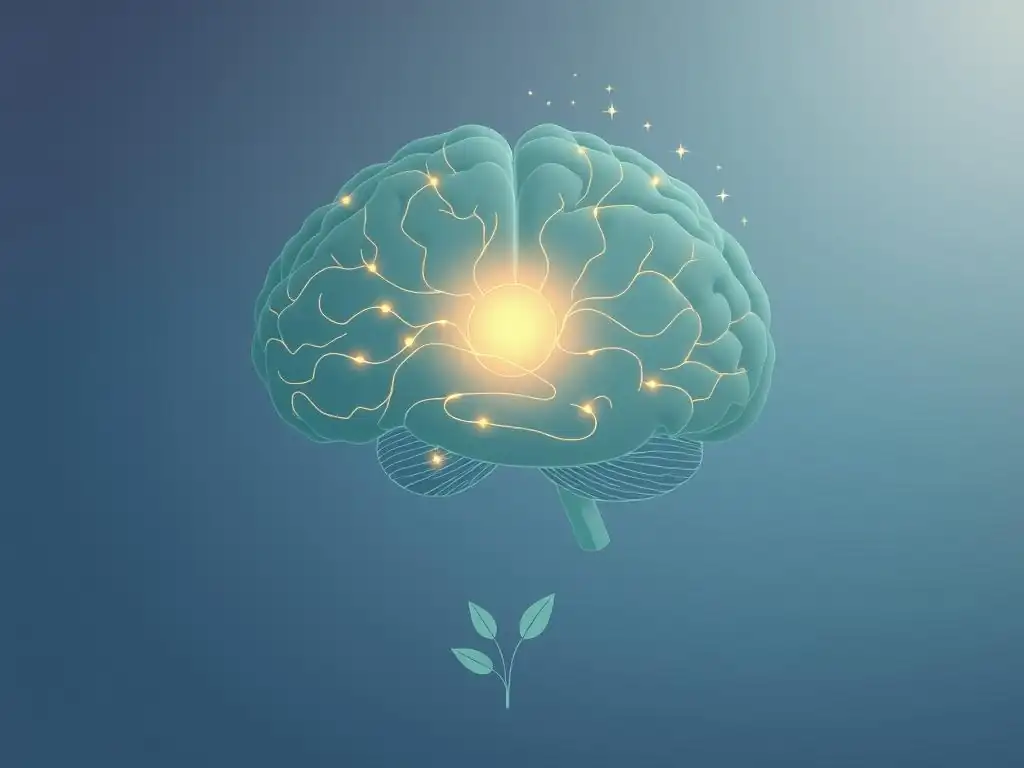
The cycle of dopamine release is the engine driving motivation. When we anticipate or receive a reward, dopamine neurons, particularly in the VTA, become highly active, releasing a surge of dopamine into target areas like the nucleus accumbens and prefrontal cortex. This burst of dopamine reinforces the behavior that led to the reward and increases the likelihood it will be repeated. It's a powerful learning signal that tells the brain, "That was good! Do it again!" This creates a positive feedback loop: effort leads to success, success triggers dopamine, dopamine fuels future effort.
This cycle is not just about obtaining external rewards like money or food. It also applies to intrinsic rewards, such as the satisfaction of mastering a new skill, the joy of social connection, or the feeling of progress towards a meaningful goal. The brain's dopamine system is highly adaptable and learns to associate cues in the environment (like seeing your running shoes or opening a textbook) with the anticipation of a future reward (the runner's high, the feeling of accomplishment).
This anticipatory release is critical; it provides the initial spark and sustained drive needed to initiate and persist in motivated behavior. Understanding this cycle is fundamental to appreciating how dopamine pathways improve motivation skills through reinforcing successful actions and the anticipation of positive outcomes.
Understanding the Dopamine Release Mechanism in Motivational Contexts
Dopamine release is a dynamic process, not just a constant flow. It happens in bursts, or 'phasic' firing, in response to unexpected rewards or cues that predict rewards. This phasic release acts as a strong learning signal. For example, if you're learning a new task, an unexpected success triggers a significant dopamine burst, encoding the action and context as valuable. As you master the task and the reward becomes predictable, the dopamine burst might shift from the moment of receiving the reward to the moment you encounter the cue that signals the reward is coming.
There's also a slower, 'tonic' firing of dopamine neurons that maintains a baseline level of dopamine in the brain. This tonic level influences overall mood, general interest, and the ability to experience pleasure. Both phasic and tonic dopamine signaling are crucial for motivation.
The phasic bursts drive specific learning and goal-directed actions, while the tonic levels provide the general background state of engagement and interest. Disruptions in either mode of firing can impair motivation. This detailed understanding of dopamine release mechanisms illuminates the sophisticated ways dopamine pathways improve motivation skills by encoding value, predicting rewards, and maintaining a state of readiness.
How Positive Reinforcement Boosts Dopamine and Motivation
Positive reinforcement is a powerful behavioral principle directly linked to dopamine function. When a behavior is followed by a rewarding stimulus (positive reinforcement), it increases the frequency of that behavior. This is because the reward triggers dopamine release in the mesolimbic pathway, reinforcing the neural circuits that led to the behavior. For example, if you complete a challenging task at work and receive praise from your manager (positive reinforcement), the associated dopamine release makes you more likely to tackle similar challenges in the future.
This principle is widely applied in areas ranging from education to therapy. Setting achievable goals and celebrating small wins leverages this mechanism. Each successful step provides positive reinforcement, triggering dopamine and fueling motivation for the next step. Even internal rewards, like the feeling of accomplishment after completing a workout, function as positive reinforcement. By consciously structuring tasks to include regular positive reinforcement, individuals can harness their dopamine pathways to improve motivation skills and build momentum towards larger objectives.
Dopamine Deficiency and Lack of Motivation: Understanding the Connection
A deficit in dopamine signaling, whether due to fewer dopamine-producing neurons, reduced dopamine synthesis, or fewer or less sensitive receptors, can profoundly impact motivation. When the dopamine system is not functioning optimally, the brain's ability to register rewards, anticipate pleasure, and generate the necessary drive to pursue goals is compromised. This can manifest as apathy, anhedonia, and a general lack of interest in activities that were once enjoyable.
Conditions associated with dopamine deficiency, such as Parkinson's disease (primarily nigrostriatal) and certain types of depression (often involving mesolimbic and mesocortical pathways), clearly demonstrate this link. Individuals may know they should do something or that an activity used to be enjoyable, but they lack the internal "push" or the anticipation of reward needed to initiate or sustain the effort. This connection highlights the critical role of healthy dopamine pathways in maintaining baseline motivation and the capacity for goal pursuit.
Symptoms of Low Dopamine and Reduced Motivation
Symptoms associated with low dopamine levels can vary depending on which pathways are most affected, but commonly include:
- Apathy: A general lack of interest or enthusiasm.
- Anhedonia: The inability to experience pleasure from activities that are normally enjoyable.
- Reduced motivation: Difficulty initiating or sustaining effort towards goals.
- Fatigue or low energy: Feeling physically and mentally drained.
- Difficulty concentrating: Impaired focus and attention (often related to mesocortical pathway).
- Procrastination: Difficulty starting tasks.
- Changes in mood: Increased feelings of sadness or hopelessness.
[ ] Recognize symptoms of low motivation potentially linked to dopamine.
[ ] Consult a healthcare professional for diagnosis and treatment options.
It's important to remember that these symptoms can be caused by many factors, and only a healthcare professional can provide a diagnosis. However, understanding the potential link to dopamine pathways is an important step in addressing chronic lack of motivation.
The Impact of Dopamine Imbalances on Mental Health
Dopamine imbalances are not just symptoms of mental health conditions; they are often deeply intertwined with their underlying pathology. As mentioned, low dopamine activity is strongly implicated in the motivational deficits seen in depression. Conversely, conditions like bipolar disorder, particularly during manic phases, might involve periods of heightened dopamine activity contributing to increased energy, impulsivity, and goal-directed behavior (sometimes excessively so). Addiction is perhaps the most dramatic example of dopamine dysregulation, where the reward pathway is fundamentally altered, creating a powerful, often uncontrollable, drive to seek the addictive substance or behavior despite devastating consequences.
Understanding these imbalances is crucial for developing effective treatments. Therapies and medications for depression, ADHD, and addiction often target the dopamine system, aiming to restore more balanced signaling. This underscores the profound impact of dopamine pathway health on overall mental well-being and the critical role these pathways play in maintaining healthy levels of motivation and engagement with life. Recognizing this link empowers individuals to seek appropriate support and strategies to optimize their dopamine function.
Practical Strategies to Optimize Dopamine Pathways for Increased Motivation
While complex imbalances require professional medical intervention, there are practical, evidence-informed strategies individuals can adopt to support healthy dopamine function and naturally enhance motivation. These strategies focus on lifestyle, cognitive approaches, and, with caution, nutritional support. The goal is not to artificially flood the brain with dopamine, but to support the system's natural, balanced function, thereby helping dopamine pathways improve motivation skills over time.
It's important to approach these strategies with patience and consistency. Sustainable changes in brain chemistry and function typically occur gradually. Furthermore, if you suspect a significant dopamine imbalance or a related mental health condition, consulting a healthcare professional is always the recommended first step before implementing significant lifestyle changes or considering supplements.
Lifestyle Changes to Boost Dopamine Levels Naturally
Our daily habits have a significant impact on neurotransmitter systems, including dopamine. Simple, consistent lifestyle adjustments can play a powerful role in supporting the health and function of dopamine pathways, contributing to improved motivation and overall well-being. These aren't quick fixes, but foundational practices that build resilience and support brain health.
"Small, consistent efforts in areas like diet, exercise, and sleep can have a cumulative positive effect on neurotransmitter balance, including dopamine, fostering a stronger sense of motivation and vitality." - Mind Care Guide Principle
Focusing on these fundamental pillars of health provides a solid basis for optimizing dopamine function and enhancing your natural drive.
The Role of Diet in Dopamine Production and Motivation
Dopamine is synthesized in the brain from the amino acid tyrosine, which is found in protein-rich foods. While simply eating more tyrosine won't instantly boost motivation, ensuring adequate intake of protein is essential for providing the building blocks the brain needs to produce dopamine. Foods rich in tyrosine include lean meats, poultry, fish, eggs, dairy, nuts, seeds, and legumes.
Beyond tyrosine, other nutrients support dopamine synthesis and function. Omega-3 fatty acids, found in fatty fish like salmon and flaxseeds, are crucial for overall brain health and neurotransmitter signaling. B vitamins, particularly B6, are cofactors in the enzymatic reactions that convert tyrosine into dopamine.
Antioxidants, found in fruits and vegetables, help protect dopamine neurons from damage. A balanced diet rich in whole foods provides the necessary nutrients to support healthy dopamine pathways and improve motivation skills from a fundamental level. Avoiding excessive saturated fats and sugar is also advisable, as research suggests they can negatively impact dopamine receptor function over time.
Exercise and Physical Activity as Dopamine Enhancers
Regular physical activity is one of the most potent natural boosters of dopamine. Exercise, particularly aerobic exercise, has been shown in numerous studies to increase dopamine synthesis, release, and receptor density in various brain regions, including those involved in motivation and reward. The "runner's high" is often attributed, in part, to the release of endorphins, but dopamine also plays a significant role in the mood-boosting and motivational effects of exercise.
Engaging in physical activity provides a direct, natural reward that reinforces the behavior through dopamine release. Starting small, perhaps just 15-20 minutes of brisk walking daily, can begin to leverage this effect. Gradually increasing intensity or duration can further enhance the benefits. Making exercise a consistent part of your routine not only supports dopamine pathways but also reduces stress and improves sleep, further contributing to a positive cycle that helps dopamine pathways improve motivation skills and overall mental health.
The Importance of Sleep for Dopamine Regulation
Adequate, quality sleep is absolutely critical for maintaining healthy dopamine levels and receptor sensitivity. Sleep deprivation negatively impacts dopamine receptor availability, particularly in brain areas related to reward and motivation. Studies have shown that even a single night of poor sleep can reduce dopamine D2 receptor availability. This reduction can dampen the brain's response to rewards, making activities feel less pleasurable and significantly reducing motivation.
Aiming for 7-9 hours of consistent, restful sleep per night is a powerful strategy for supporting dopamine function. Establishing a regular sleep schedule, creating a relaxing bedtime routine, and ensuring your sleep environment is dark, quiet, and cool can all contribute to better sleep quality. Prioritizing sleep is not a luxury; it's a necessity for optimal brain function, including the healthy operation of the dopamine pathways that improve motivation skills.
Cognitive Techniques to Enhance Motivation Through Dopamine
Beyond lifestyle, certain cognitive strategies can also influence dopamine pathways and enhance motivation by leveraging the brain's natural reward learning mechanisms. These techniques focus on how we perceive tasks, set goals, and process progress.
- Break down large tasks into smaller, manageable steps.
- Focus on the process, not just the outcome.
- Practice self-compassion when facing setbacks.
By consciously applying these mental approaches, we can create internal conditions that favor healthy dopamine signaling and reinforce motivated behaviors.
Goal Setting and Dopamine Release: Creating a Positive Feedback Loop
Setting clear, achievable goals is a powerful way to engage the dopamine system. The process of working towards a goal, anticipating the reward of completion, and experiencing success along the way all trigger dopamine release. However, the type of goal and how we approach it matters. Setting overly ambitious or vague goals can be demotivating. Setting specific, measurable, achievable, relevant, and time-bound (SMART) goals provides a clearer path and allows for tracking progress.
Crucially, celebrating or acknowledging progress towards a goal, even small steps, provides intermittent positive reinforcement. Intermittent rewards can be particularly effective at maintaining motivated behavior, as they keep the dopamine system engaged in anticipation. Breaking a large project into smaller milestones and rewarding yourself (even just with positive self-talk or a short break) upon completing each one leverages this principle, creating a positive feedback loop that helps dopamine pathways improve motivation skills by reinforcing incremental progress.
Mindfulness and Meditation for Dopamine Regulation and Motivation
Mindfulness and meditation practices, while not directly increasing dopamine synthesis, can positively influence dopamine system function by reducing stress and improving emotional regulation. Chronic stress can disrupt dopamine signaling, contributing to reduced motivation and anhedonia. By calming the nervous system and fostering a greater sense of presence and acceptance, mindfulness can help mitigate the negative impacts of stress on dopamine pathways.
Furthermore, mindfulness can enhance our awareness of internal states and external cues, potentially making us more attuned to the subtle rewards associated with positive behaviors. It can also improve focus and attention, which, as discussed, are supported by the mesocortical dopamine pathway. Regular practice, even just 5-10 minutes daily, can contribute to a more balanced brain state, indirectly supporting healthy dopamine function and contributing to how dopamine pathways improve motivation skills by enhancing emotional resilience and focus.
Supplement Considerations for Supporting Dopamine Pathways (Optional - Consult a Professional)
While lifestyle and cognitive strategies are the primary focus for naturally optimizing dopamine, some individuals might consider nutritional supplements. However, this should always be done in consultation with a qualified healthcare professional, as supplements can interact with medications and have potential side effects. Self-treating with supplements is not recommended.
Disclaimer: The information provided here about supplements is for informational purposes only and does not constitute medical advice. Always consult with a healthcare professional before starting any new supplement regimen.
Supplements should be viewed as potential support for a healthy lifestyle, not a replacement for it or for prescribed medical treatments. Their efficacy and safety can vary greatly.
The Role of Specific Nutrients in Dopamine Production
Certain nutrients and precursors are necessary for dopamine synthesis. As mentioned, tyrosine and phenylalanine (another amino acid that can be converted to tyrosine) are the direct precursors. Some supplements contain L-tyrosine or L-phenylalanine. B vitamins, particularly B6, folate, and B12, are essential cofactors. Magnesium, iron, and copper are also required for the enzymes involved in dopamine synthesis.
Certain herbal supplements, like Rhodiola Rosea or Panax Ginseng, are sometimes marketed for their potential effects on energy and mood, which might indirectly involve neurotransmitter systems. However, the evidence supporting their direct impact on dopamine specifically, and their efficacy for improving motivation, is often less robust than for basic nutrients, and standardization varies. Discussing any potential nutritional deficiencies with a doctor or registered dietitian is a good first step before considering targeted supplements.
Cautionary Notes on Supplement Use and Potential Side Effects
Using supplements to influence neurotransmitter levels carries risks. Taking high doses of dopamine precursors like L-tyrosine is not guaranteed to increase dopamine in a beneficial way and could potentially disrupt the delicate balance of neurotransmitters. Some supplements can interact with medications, including antidepressants and other psychiatric drugs.
Moreover, relying solely on supplements to improve motivation overlooks the complex interplay of brain regions and psychological factors involved. Sustainable motivation is built through healthy habits, goal setting, and addressing underlying issues. Supplements should only be considered under professional guidance, as part of a comprehensive plan, and with a clear understanding of potential benefits, risks, and interactions. The focus should remain on foundational lifestyle changes and seeking professional help for persistent motivational issues, rather than relying on supplements to artificially force dopamine pathways to improve motivation skills.
Dopamine Dysregulation: Conditions Affecting Motivation
When dopamine pathways are significantly dysregulated, either through insufficient activity, excessive signaling, or altered receptor function, it can lead to serious conditions that profoundly impact motivation and overall mental health. Understanding these connections helps to underscore the importance of balanced dopamine function.
These conditions highlight that persistent, severe lack of motivation is often a symptom of underlying biological or psychological issues that require professional attention. It's not simply a matter of willpower.
The Link Between Dopamine Pathways and Depression
One of the hallmark symptoms of depression, particularly melancholic or atypical depression, is anhedonia—the inability to experience pleasure or interest in activities. This symptom is strongly linked to dysfunction in the brain's reward circuitry, specifically the mesolimbic and mesocortical dopamine pathways. Research using brain imaging has shown reduced activity in the nucleus accumbens and prefrontal cortex in response to anticipated rewards in depressed individuals compared to healthy controls.
This suggests that in depression, the brain's capacity to register potential rewards and translate them into motivational drive is impaired. It's not that the person is lazy; their brain's reward system isn't generating the necessary signals to fuel motivated behavior. This can make even simple tasks feel overwhelmingly difficult and strip life of its color and joy. Understanding this neurological basis is crucial for approaching depression with empathy and recognizing it as a medical condition requiring treatment.
How Dopamine Deficiencies Contribute to Depressive Symptoms
Beyond anhedonia, dopamine deficiencies can contribute to other depressive symptoms, including low energy, fatigue, difficulty concentrating, and psychomotor retardation (slowed movements and speech). These symptoms reflect the broader role of dopamine in regulating energy levels, executive function (via the mesocortical pathway), and motor control (via the nigrostriatal pathway). A deficit in any of these dopamine systems can contribute to the overall picture of reduced vitality and motivation seen in depression.
While depression is a complex disorder involving multiple neurotransmitters (like serotonin and norepinephrine) and brain regions, the role of dopamine dysfunction in the motivational and pleasure deficits is increasingly recognized. This understanding has influenced the development of treatment approaches, including certain medications and behavioral therapies, aimed at restoring healthier function in dopamine pathways to help alleviate depressive symptoms and improve motivation skills.
Treatment Strategies for Dopamine-Related Depression
Treatment for depression often involves a multi-faceted approach. Antidepressant medications, such as selective serotonin reuptake inhibitors (SSRIs) or serotonin-norepinephrine reuptake inhibitors (SNRIs), are commonly prescribed, but newer or alternative medications that also impact dopamine (like bupropion, which affects dopamine and norepinephrine) may be considered, particularly when apathy and low motivation are prominent symptoms. These medications aim to increase the availability of neurotransmitters in the synaptic cleft, indirectly or directly influencing dopamine signaling over time.
Psychotherapy, such as Cognitive Behavioral Therapy (CBT) or Behavioral Activation, is also highly effective. Behavioral Activation, in particular, directly targets motivational deficits by encouraging engagement in rewarding activities, even when the individual doesn't feel motivated. This process of engaging and experiencing success or pleasure can help to reactivate and strengthen the brain's reward pathways over time, essentially retraining the dopamine system and helping dopamine pathways improve motivation skills through positive reinforcement. Lifestyle interventions, as discussed earlier (exercise, sleep, diet), are also crucial supportive strategies.
Dopamine and Addiction: The Dark Side of Reward Pathways
Addiction represents a severe hijacking of the brain's dopamine system. Most addictive substances (like cocaine, methamphetamine, nicotine, alcohol) and behaviors (like gambling, excessive gaming) cause a massive, rapid surge of dopamine release in the nucleus accumbens, far exceeding the levels triggered by natural rewards. This intense, artificial signal powerfully reinforces the drug-taking or compulsive behavior, creating a strong association between the substance/behavior and the intense feeling of reward.
Over time, repeated exposure to these artificial dopamine surges can fundamentally alter the dopamine system. The brain may reduce the number of dopamine receptors or decrease its own natural dopamine production in an attempt to restore balance. This leads to tolerance (requiring more of the substance/behavior to achieve the same effect) and a state where normal, natural rewards no longer feel as pleasurable. The individual becomes dependent on the addictive stimulus to feel any sense of normalcy or pleasure, driving compulsive seeking behavior.
How Addiction Hijacks Dopamine Pathways
The initial intense dopamine release triggered by addictive substances creates a powerful learned association. Cues associated with the addiction (e.g., seeing the drug, being in a specific location, feeling stressed) can then trigger anticipatory dopamine release, leading to intense cravings. The mesolimbic pathway becomes hypersensitive to addiction-related cues and hyposensitive to natural rewards. The mesocortical pathway can also be affected, impairing the prefrontal cortex's ability to exert control over impulsive urges and make rational decisions about the long-term consequences of the addictive behavior.
This altered brain circuitry makes addiction a chronic disease characterized by compulsive drug seeking and use despite harmful consequences. The powerful drive generated by the dysregulated dopamine system overrides normal motivational priorities, making it incredibly difficult for individuals to stop without intervention. Understanding this neurological basis is critical for developing effective treatments that address the biological underpinnings of addiction.
Understanding the Role of Dopamine in Cravings and Relapse
Dopamine plays a central role in both cravings and relapse, which are major challenges in addiction recovery. Cravings are often triggered by cues associated with the addiction, which stimulate dopamine release in the mesolimbic pathway, generating intense "wanting." This anticipatory dopamine signal creates a powerful motivational state directed towards obtaining the substance or engaging in the behavior.
Even after prolonged periods of abstinence, these conditioned cues can trigger dopamine release and intense cravings, increasing the risk of relapse. Stress is another major trigger, as it can also impact dopamine and other neurotransmitter systems. Treatment for addiction often involves strategies to manage cravings, avoid triggers, and restore healthy function to the reward pathways over time through therapy, support groups, and sometimes medication. Recovery is a process of retraining the brain's reward system and finding healthier ways to activate dopamine pathways to improve motivation skills towards positive, life-affirming goals.
Other Mental Health Conditions Linked to Dopamine Imbalances
Beyond depression and addiction, dopamine dysregulation is implicated in several other mental health conditions that can impact motivation, though often alongside other symptoms.
- Schizophrenia: While complex, alterations in dopamine signaling (sometimes hypothesized as too much dopamine in certain areas, too little in others) are central to theories about schizophrenia, affecting motivation (avolition), pleasure (anhedonia), and cognitive function.
- ADHD: As discussed, altered dopamine function, particularly in the mesocortical pathway, contributes to the difficulties with focus, executive function, and sustained effort characteristic of ADHD, profoundly impacting academic, professional, and personal motivation.
- Bipolar Disorder: While serotonin and other systems are involved, dopamine activity is thought to play a role, particularly in the manic phases characterized by elevated energy, goal-directed behavior, and impulsivity. Depressive phases can involve reduced dopamine activity.
These examples underscore the pervasive influence of dopamine on various aspects of mental function, including motivation, and highlight why addressing dopamine system health is often a component of treating a wide range of psychiatric disorders.
Conclusion: Harnessing the Power of Dopamine Pathways for Enhanced Motivation and Well-being
Understanding your brain's motivation circuit, centered around dopamine pathways, provides powerful insight into why you feel motivated at times and struggle at others. Dopamine is not just about fleeting pleasure; it's the fundamental neurochemical driver of seeking, learning, and persistence—the engine that helps dopamine pathways improve motivation skills and translate desires into action. From the immediate drive generated by the mesolimbic pathway to the sustained effort and cognitive control facilitated by the mesocortical pathway, dopamine plays a critical role in every step of goal pursuit.
While severe dysregulation requires professional help, adopting science-backed strategies focusing on lifestyle, cognitive techniques, and mindful awareness can support healthy dopamine function. Prioritizing nutrition, regular exercise, adequate sleep, setting achievable goals, and practicing mindfulness are not merely good habits; they are powerful tools for naturally optimizing your dopamine pathways and enhancing your intrinsic motivation. By consciously engaging in behaviors that positively reinforce your brain's reward system, you can cultivate a stronger sense of drive, purpose, and overall well-being.
Key Takeaways on Dopamine's Role in Motivation
- Dopamine is a key neurotransmitter in the brain's reward system, driving seeking behavior and reinforcing motivated actions.
- The mesolimbic pathway is crucial for the immediate drive and pleasure associated with rewards, while the mesocortical pathway supports cognitive functions like planning and focus needed for sustained motivation.
- Healthy dopamine release reinforces behaviors, creating a positive feedback loop that helps dopamine pathways improve motivation skills.
- Deficiencies or dysregulation in dopamine pathways are linked to reduced motivation, apathy, and anhedonia, as seen in conditions like depression and Parkinson's disease.
- Addiction represents a powerful hijacking of the dopamine system, leading to compulsive behavior driven by dysregulated reward signaling.
- Lifestyle factors (diet, exercise, sleep) and cognitive techniques (goal setting, mindfulness) can naturally support healthy dopamine function and enhance motivation.
Future Research Directions in Dopamine and Motivation
Research into dopamine and motivation is an active and evolving field. Scientists continue to explore the complex interplay between dopamine and other neurotransmitters, the precise roles of different dopamine receptor subtypes, and the influence of genetics and environment on dopamine system development and function. Advanced neuroimaging techniques are providing increasingly detailed insights into dopamine activity in real-time during motivated behavior.
Future research holds promise for developing more targeted interventions for motivational deficits across various conditions, from depression and apathy to addiction. This includes exploring novel pharmacological agents that modulate dopamine signaling with greater precision, as well as refining behavioral therapies and potentially even non-invasive brain stimulation techniques that can help restore healthy dopamine pathway function. As our understanding deepens, we gain more tools to help individuals harness the power of dopamine pathways to improve motivation skills and overcome challenges.
Promoting Mental Well-being Through Understanding Dopamine Pathways
Empowering yourself with knowledge about how your brain works, particularly the crucial role of dopamine in motivation, is a significant step towards better mental well-being. It allows you to approach challenges with a more informed perspective, recognizing that fluctuations in motivation are often linked to biological and psychological factors, not personal failings.
By implementing strategies that support healthy dopamine pathways – nurturing your body with good food and exercise, protecting your sleep, setting meaningful goals, and practicing self-care – you are actively investing in your brain's capacity for drive and engagement. If you experience persistent lack of motivation or other concerning symptoms, remember that seeking professional help is a sign of strength. Therapists and doctors can provide tailored support to address underlying issues and help you work towards optimizing your dopamine pathways to improve motivation skills, leading to a more fulfilling and vibrant life.
Frequently Asked Questions
How do dopamine pathways specifically contribute to motivation?
Dopamine pathways are crucial for reward processing and reinforcement learning. They signal to the brain that an action is worth repeating, thus driving goal-directed behavior and motivation.
Dysfunctional dopamine pathways can lead to reduced motivation, anhedonia (lack of pleasure), and difficulties initiating or completing tasks. This can manifest as symptoms of depression or ADHD.
Can lifestyle factors impact the effectiveness of dopamine pathways in boosting motivation?
Yes, factors like sleep, exercise, and diet significantly affect dopamine production and receptor sensitivity. A healthy lifestyle can optimize dopamine function and improve motivation skills.
Are there specific activities that can naturally stimulate dopamine release and enhance motivation?
Engaging in enjoyable activities, achieving small goals, practicing mindfulness, and listening to music can all stimulate dopamine release. This can lead to a boost in motivation.
Persistent lack of motivation, coupled with other symptoms like fatigue, difficulty concentrating, or loss of interest, may indicate a dopamine pathway issue. Consulting a mental health professional for assessment is recommended.
Final Reflection: Rewiring Your Drive: The Power of Understanding Dopamine Pathways
Understanding the intricate workings of your brain's dopamine pathways is not just a scientific pursuit; it's a key to unlocking your full potential. The information presented in this article highlights how crucial these pathways are to motivation, learning, and overall well-being, offering practical strategies to improve your life by influencing this powerful neurochemical system. This knowledge is more relevant than ever in our fast-paced, often overwhelming world, where maintaining motivation and focus is a constant challenge.
The exploration of dopamine pathways has profoundly impacted my understanding of personal productivity and the importance of self-care. It's no longer simply a matter of willpower; it's about understanding the biological mechanisms driving our actions and desires. The brain is the organ of pleasure, and pleasure is the ultimate reward.
This quote, while simplistic, underscores the fundamental role dopamine plays in shaping our behaviors and achieving our goals. By understanding this system, we can move beyond simplistic notions of motivation and instead cultivate a more nuanced and effective approach to personal growth.
Now, consider how you can apply this newfound knowledge. Think about your daily routines, your goals, and the challenges you face. How can you consciously design your environment and activities to stimulate healthy dopamine release? How can you nurture your brain's reward system to foster greater motivation and resilience? Take the time to reflect on your own dopamine pathways and consciously work to optimize them. The journey to a more motivated and fulfilling life begins with understanding the science behind your drive.
Unlock Your Inner Drive: Ignite Your Motivation Today!
Thanks for exploring the fascinating world of dopamine and motivation with us! We hope you gained valuable insights into how your brain works and how you can harness its power. Now it's time to put that knowledge into action!
- Prioritize ONE small, dopamine-boosting task: Identify a small goal that aligns with your bigger aspirations, something you can complete today. It could be as simple as cleaning your desk or sending that email you’ve been putting off. The feeling of accomplishment will be incredibly rewarding.
- Share this knowledge: Discuss what you've learned with a friend, family member, or colleague. Teaching others is a powerful way to solidify your understanding and inspire positive change.
- Explore a new mindfulness technique: Try a short meditation or mindful breathing exercise to strengthen your mind’s ability to focus and manage your motivation levels.
Ready to experience the transformative power of understanding your motivation circuits? What’s the ONE small step you'll take today to boost your dopamine levels and feel more in control of your drive?