
Unveiling the Truth: Personal Stories of Stigma Across Cultures


Welcome to Mind Care Guide, a space dedicated to understanding and nurturing your mental well-being.
Have you ever wondered how culture shapes our understanding of mental health? Unveiling the Truth: Personal Stories of Stigma Across Cultures explores the profound stigma impact cultural experiences have on individuals worldwide. Join us as we delve into deeply personal narratives, offering insights and fostering empathy to help break down barriers and build a more supportive world. Ready to challenge your perceptions and learn how cultural nuances affect mental health journeys? Let's begin.
Unveiling the Truth: Personal Stories of Stigma Across Cultures
- Introduction: Understanding the Global Reach of Mental Health Stigma
- The Impact of Cultural Experiences on Mental Health Stigma: A Global Perspective
-
Personal Stories: Voices from Around the World
- Story 1: Fatima, Egypt - The Weight of Family Honor and Postpartum Depression
- Story 2: Kenji, Japan - Navigating Workplace Pressure and Depression
- Story 3: Maria, Mexico - Seeking Help in a Community Where Mental Illness is Taboo
- Story 4: Aisha, Nigeria - The Intersection of Gender, Culture, and Bipolar Disorder Stigma
- Analyzing Common Threads: Cultural Nuances and Universal Experiences of Stigma
- Strategies for Reducing Stigma and Promoting Mental Well-being Across Cultures
- Conclusion: Moving Towards a More Inclusive and Understanding World
-
Frequently Asked Questions
- How does cultural background influence the experience of mental health stigma?
- What are some common manifestations of stigma related to mental health across different cultures?
- How does stigma impact cultural experiences of seeking mental health support?
- Can personal stories help to reduce the stigma associated with mental health across cultures?
- What resources are available to support individuals facing mental health stigma, particularly within diverse cultural contexts?
- Final Reflection: The Enduring Shadow of Stigma
- Unlock Your Understanding: Share Your Story, Shape the Future
Introduction: Understanding the Global Reach of Mental Health Stigma
The Pervasive Nature of Mental Health Stigma Worldwide
Mental health stigma is a deeply ingrained issue that transcends geographical boundaries, affecting individuals and communities in virtually every corner of the globe. It manifests as negative attitudes, beliefs, and behaviors towards people with mental health conditions, often leading to discrimination, isolation, and delayed help-seeking.
This pervasive phenomenon isn't limited to specific regions or socioeconomic groups; it's a universal challenge, although its specific expressions and the stigma impact cultural experiences can vary significantly depending on local traditions, values, and historical contexts. The weight of societal judgment can make navigating a mental health challenge far more difficult than the condition itself, highlighting the urgent need for global action and understanding.
Despite increasing global awareness campaigns, the reality is that millions still suffer in silence due to fear of judgment. Approximately one in four people worldwide will experience a mental or neurological disorder at some point in their lives, yet a significant majority do not receive adequate treatment, often because of the formidable barrier posed by stigma.
This silent suffering is a direct consequence of the negative stigma impact cultural experiences create, where shame, misunderstanding, and fear prevent open conversations and access to care. Understanding the global scale and varied forms of this stigma is the first step towards dismantling it.
Why Personal Stories Matter in Breaking Down Stigma
Sharing personal stories is a powerful tool in the fight against mental health stigma, offering authentic voices that challenge stereotypes and foster empathy. When individuals openly discuss their struggles with mental health and the stigma impact cultural experiences have had on their journey, they humanize the issue, making it relatable and less abstract. These narratives provide crucial insights into the lived reality of navigating mental health challenges within specific cultural contexts, illustrating the unique barriers and coping mechanisms developed in response to culturally influenced stigma.
These firsthand accounts break through the silence that stigma thrives in, creating connections and building solidarity among those affected. They demonstrate courage and resilience, inspiring others who are struggling to seek help and speak out. By highlighting the diverse ways stigma impact cultural experiences, personal stories underscore the need for culturally sensitive approaches to mental health support and advocacy. They are not just tales of hardship, but also of hope, recovery, and the ongoing effort to create a more accepting and understanding world.
The Impact of Cultural Experiences on Mental Health Stigma: A Global Perspective
Examining the Link Between Culture and Mental Health Perceptions
Culture profoundly shapes how mental health is perceived, understood, and discussed within a community. It influences beliefs about the causes of mental illness (ranging from biological factors to spiritual or moral failings), acceptable ways of expressing distress, and the preferred methods of seeking help (formal therapy, traditional healers, family support). These cultural frameworks can significantly influence the stigma impact cultural experiences have on individuals. For instance, cultures that prioritize collectivism may view mental illness as a source of shame for the entire family, while individualistic cultures might see it more as a personal failing.
Furthermore, cultural norms dictate how emotions are expressed and interpreted. In some cultures, outward displays of distress are discouraged, leading individuals to internalize their struggles, which can delay diagnosis and treatment. The language used to describe mental health conditions also varies culturally, with some terms carrying heavy negative connotations that reinforce the stigma impact cultural experiences. Understanding these intricate links between culture and perception is vital for developing effective, culturally sensitive strategies to address mental health challenges and mitigate the negative effects of stigma.
How Culture Shapes the Stigma Surrounding Mental Illness
Cultural values, beliefs, and traditions play a critical role in shaping the specific forms and intensity of mental illness stigma. In cultures where conformity and social harmony are highly valued, deviation from perceived norms, including experiencing mental health issues, can lead to severe social exclusion and ostracism. The stigma impact cultural experiences create is often magnified by traditional beliefs, such as attributing mental illness to supernatural forces, curses, or a lack of moral strength, which can foster fear and misunderstanding rather than empathy and support.
Moreover, cultural narratives and media portrayals often perpetuate negative stereotypes about mental illness, depicting individuals as dangerous, unpredictable, or weak. These portrayals contribute to public prejudice and self-stigma, where individuals internalize societal biases and feel shame about their condition. The stigma impact cultural experiences is thus a complex interplay of societal norms, historical context, religious beliefs, and even political factors, all contributing to a climate where seeking help for mental health issues can be fraught with significant social and personal risk.
Personal Stories: Voices from Around the World
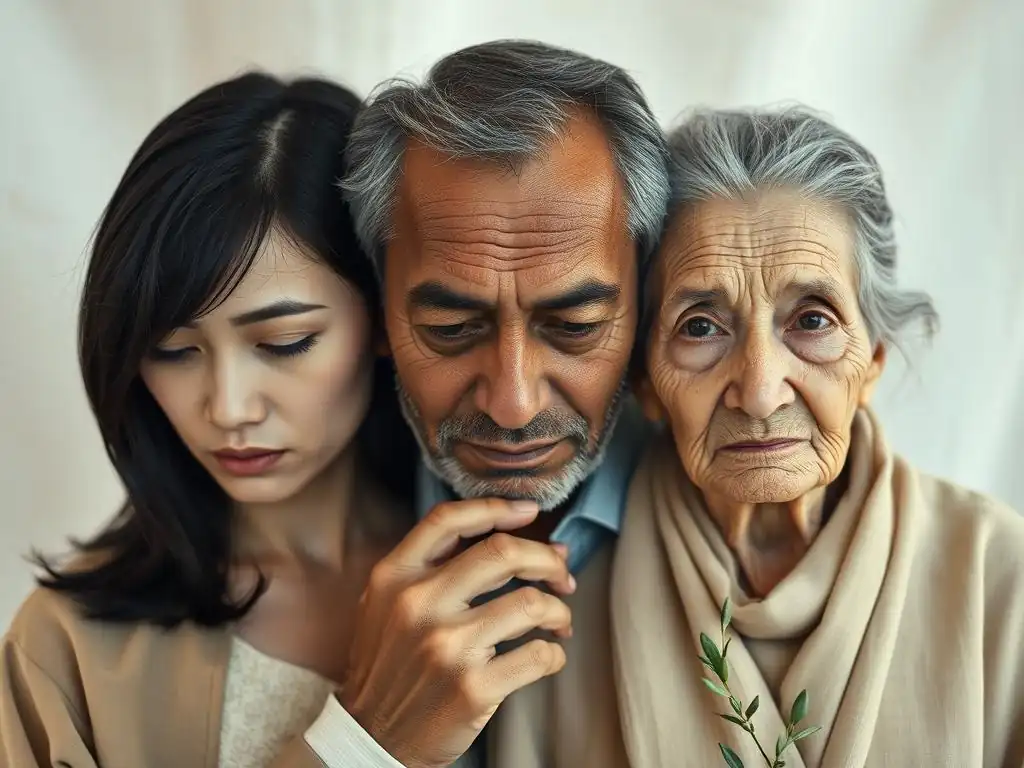
Story 1: Fatima, Egypt - The Weight of Family Honor and Postpartum Depression
Fatima, a 28-year-old mother in Cairo, experienced severe postpartum depression after the birth of her first child. In Egyptian culture, there is a strong emphasis on family honor and the expectation that a new mother should be immediately joyful and capable. Mental health issues, particularly those affecting women, are often not openly discussed and can be seen as a sign of weakness or even a moral failing that reflects poorly on the entire family unit.
The stigma impact cultural experiences like this can be immense, making it incredibly difficult for women like Fatima to admit they are struggling. She felt an overwhelming pressure to embody the "ideal mother" figure, which is deeply embedded in cultural expectations, further isolating her in her distress.
Fatima initially hid her feelings of despair, anxiety, and detachment from her baby from her husband and in-laws, fearing their judgment and that she would be seen as an inadequate mother or wife. The cultural taboo surrounding mental illness meant there was no readily available language or framework for her to understand what she was experiencing, let alone express it.
The stigma impact cultural experiences within her community meant that admitting to feeling anything other than happiness after childbirth was almost unthinkable, leading to months of suffering in silence and a worsening of her symptoms. This fear of shame and dishonor was a significant barrier to seeking any form of help outside the family.
The Cultural Context: Emphasis on family reputation and the "ideal mother" in Egyptian culture.
The Personal Experience: Fatima's struggle with postpartum depression and fear of judgment.
Overcoming Stigma: Seeking support from a therapist and connecting with other mothers.
Eventually, driven by desperation and a growing concern for her child's well-being, Fatima confided in a close friend who had quietly sought therapy for anxiety. This friend helped her find a female therapist who understood the cultural nuances of her situation. Attending therapy sessions in secret was challenging, but it provided Fatima with a safe space to process her emotions and learn coping strategies. The therapist also connected her with an online support group for mothers, where she found solidarity with others facing similar challenges.
Connecting with other mothers, both online and eventually in a small, discreet local group, was transformative. Hearing their stories and realizing she wasn't alone in her struggles began to chip away at the isolation and shame. While the broader cultural stigma persists, Fatima's personal experience of seeking help and connecting with peers has empowered her. She now advocates quietly within her close circle for more open conversations about maternal mental health, demonstrating how individuals can begin to counter the negative stigma impact cultural experiences through peer support and professional help.
Kenji, a 35-year-old salaryman in Tokyo, experienced severe burnout and depression after years in a demanding corporate environment known for its long hours and intense pressure. Japanese culture places a strong emphasis on group harmony, loyalty, and conformity, particularly within the workplace. Mental health issues, especially those related to stress or burnout, are often viewed as a personal weakness or an inability to cope with the expected rigors of professional life. This cultural backdrop creates a significant stigma impact cultural experiences in the workplace, discouraging employees from admitting they are struggling.
When Kenji's depression became debilitating, affecting his performance and leading to panic attacks, he decided to disclose his condition to his manager, hoping for understanding and potential adjustments to his workload. However, his disclosure was met with discomfort and veiled criticism. He noticed colleagues distancing themselves, and opportunities for advancement seemed to disappear. The fear of being labeled as "weak" or "unreliable" is a powerful part of the stigma impact cultural experiences in the Japanese corporate world, and Kenji felt this keenly as he faced subtle discrimination and isolation after revealing his struggles.
The Cultural Context: Intense work culture and expectation of conformity in Japan.
The Personal Experience: Kenji's experience of burnout and discrimination after disclosing his depression.
Finding Strength and Advocating for Change: Joining a support group and speaking out about workplace mental health.
Feeling increasingly isolated at work, Kenji sought help outside his immediate professional sphere. He joined a local support group for individuals experiencing depression and anxiety, finding a community where he felt understood and accepted without judgment. Hearing the stories of others navigating similar challenges in the Japanese context provided him with strength and perspective. Through the support group, he learned coping mechanisms and strategies for managing his condition while also recognizing the systemic issues contributing to workplace stress and stigma.
Inspired by the resilience of his peers and armed with a newfound understanding of his rights, Kenji began speaking out cautiously. He contributed anonymously to online forums discussing mental health in the workplace and eventually participated in a small, informal gathering advocating for better mental health policies in Japanese companies. Kenji's journey illustrates how navigating the stigma impact cultural experiences in a high-pressure environment requires both personal resilience and collective action, showing that finding strength in community can empower individuals to advocate for change, even within rigid cultural structures.
Story 3: Maria, Mexico - Seeking Help in a Community Where Mental Illness is Taboo
Maria, a 45-year-old woman living in a rural community in Oaxaca, Mexico, suffered from debilitating anxiety for years. In many traditional Mexican communities, particularly in rural areas, mental health issues are often not understood through a clinical lens. They may be attributed to 'nervios' (nerves), spiritual imbalances, or external stressors, and seeking help often involves consulting traditional healers or relying solely on family support rather than formal medical or psychological services. This cultural perspective significantly shapes the stigma impact cultural experiences of those with mental illness, making professional help-seeking uncommon and sometimes viewed with suspicion.
Maria's family, while supportive in their way, didn't understand her constant worry, panic attacks, and physical symptoms. They suggested home remedies and prayer but were hesitant about her seeing a doctor or therapist, partly due to limited access to such services in their remote area and partly because mental health issues carried a social stigma.
The idea of discussing personal problems with an outsider was uncomfortable, and there was a fear that admitting to a mental health condition would bring shame upon the family. The stigma impact cultural experiences in her community meant that her suffering was often dismissed or misunderstood as simply being overly sensitive or weak.
The Cultural Context: Strong influence of traditional beliefs and limited access to mental health resources in rural Mexico.
The Personal Experience: Maria's difficulty accessing support for her anxiety and community's misunderstanding.
Building Awareness and Challenging Misconceptions: Educating her family and community about mental health.
Despite the challenges, Maria's anxiety worsened to the point where it significantly impacted her ability to function. A visiting health worker, part of a non-profit organization working in the region, recognized her symptoms and provided basic information about anxiety and where she might find help. Although accessing a therapist involved traveling to a larger town, Maria decided to make the journey, taking a significant step against the prevailing cultural norms.
Upon returning from her first therapy sessions, Maria began cautiously sharing what she was learning with her family, explaining that anxiety is a real health condition, not a character flaw. She used simple language and related the concepts to experiences they could understand, gradually challenging years of ingrained misconceptions. While change is slow, her openness has started conversations in her family and among close neighbors. Maria is becoming an unintentional educator, demonstrating how directly addressing misunderstandings and providing basic information can begin to counteract the stigma impact cultural experiences rooted in traditional beliefs and lack of access.
Story 4: Aisha, Nigeria - The Intersection of Gender, Culture, and Bipolar Disorder Stigma
Aisha, a 30-year-old woman in Lagos, Nigeria, was diagnosed with bipolar disorder. In Nigerian society, as in many parts of the world, mental illness is heavily stigmatized, often attributed to spiritual factors, witchcraft, or moral failings. This general stigma is compounded by gender inequality and societal expectations placed on women. Women are often expected to be resilient, nurturing caregivers, and any deviation from this can be viewed negatively. The intersection of these factors creates a unique and challenging stigma impact cultural experiences for women like Aisha dealing with mental health conditions.
Aisha faced significant challenges accessing appropriate treatment. Some family members initially sought help from traditional healers, believing her condition was spiritual. When she did seek medical help, she encountered healthcare providers who were not adequately trained in mental health or held stigmatizing beliefs themselves. Furthermore, the unpredictable nature of bipolar episodes sometimes led to her being perceived as erratic or uncontrollable, reinforcing negative stereotypes about women with mental illness. The stigma impact cultural experiences here meant she not only battled her illness but also the double burden of being a woman with a stigmatized condition in a patriarchal society.
The Cultural Context: Gender inequality and societal expectations for women's roles in Nigeria.
The Personal Experience: Aisha's experiences with gendered stigma and challenges in accessing treatment for bipolar disorder.
Empowering Women and Challenging Societal Norms: Becoming an advocate for mental health and women's rights.
Finding a well-trained psychiatrist who could provide evidence-based treatment was a turning point for Aisha. As she stabilized with medication and therapy, she began to channel her experiences into advocacy. Recognizing the particular struggles faced by women, she became involved with local organizations working on both mental health awareness and women's rights. She started sharing her story at community gatherings and through local media, specifically addressing the unique stigma impact cultural experiences faced by Nigerian women.
Aisha's advocacy work focuses on educating communities about mental health from a medical perspective while also challenging harmful gender stereotypes that prevent women from seeking help. She highlights the importance of accessible, culturally appropriate mental healthcare and empowers other women to speak up about their experiences. Her journey demonstrates the power of intersectional advocacy in tackling the multifaceted stigma impact cultural experiences and working towards a society where both mental health and gender equality are prioritized.
Analyzing Common Threads: Cultural Nuances and Universal Experiences of Stigma
Comparing and Contrasting Stigma Across Different Cultures
While the specific manifestations of mental health stigma vary across cultures, influenced by unique historical, religious, and social factors, several common threads emerge from these personal stories. In many non-Western cultures, there is a stronger tendency to attribute mental illness to external or spiritual causes rather than internal biological or psychological factors, which can lead to seeking non-medical interventions first. The emphasis on family honor and collective reputation is a significant factor in the stigma impact cultural experiences in many societies, leading individuals to hide their struggles to protect their family's standing.
Conversely, in some Western cultures, while there is greater awareness of biological and psychological causes, stigma can manifest as a focus on individual responsibility, sometimes leading to blame or the perception that mental illness is a sign of weakness. Workplace stigma, as seen in Kenji's story, is a significant issue in many industrialized nations regardless of specific cultural values, highlighting the universal challenge of balancing productivity expectations with employee well-being. Despite these differences, the core experience of shame, fear of judgment, and social exclusion due to the stigma impact cultural experiences remains a tragically common denominator worldwide.
Identifying Universal Challenges in Combating Mental Health Stigma
Regardless of cultural context, several universal challenges hinder efforts to combat mental health stigma. A fundamental issue is the lack of accurate information and understanding about mental health conditions. Misconceptions persist globally, fueled by outdated beliefs, negative media portrayals, and a general reluctance to discuss the topic openly. This lack of knowledge contributes significantly to the stigma impact cultural experiences in various societies.
Another universal challenge is the systemic underfunding and lack of access to quality, affordable mental healthcare. Even where attitudes might be slowly improving, the practical barriers of limited resources, too few trained professionals, and geographical distance mean that seeking help remains difficult for many. Furthermore, self-stigma, where individuals internalize societal prejudices and feel shame about their own condition, is a universal barrier that prevents many from even considering seeking help, regardless of external support availability. Addressing these universal challenges alongside culturally specific nuances is crucial for making meaningful progress against the stigma impact cultural experiences.
Strategies for Reducing Stigma and Promoting Mental Well-being Across Cultures
Culturally Sensitive Mental Health Resources and Support Systems
Developing and implementing culturally sensitive mental health resources is paramount to reducing stigma and improving outcomes globally. This involves tailoring diagnostic tools, therapeutic approaches, and support services to align with local cultural norms, beliefs, and languages. For instance, integrating traditional healing practices with Western medicine where appropriate, or involving family members in therapy in cultures that value collectivism, can make services more acceptable and effective. Understanding the specific stigma impact cultural experiences within a community allows providers to address barriers directly and build trust.
Furthermore, training mental health professionals in cultural competence is essential. They must be equipped to understand how cultural background influences symptom presentation, help-seeking behaviors, and the patient's perception of their illness and treatment. Creating community-based support systems led by peers or trusted local figures can also be highly effective, as these resources are often more accessible and less intimidating than formal institutions, directly addressing the stigma impact cultural experiences that make individuals hesitant to seek help from outsiders.
The Role of Education and Awareness Campaigns in Challenging Stigma
Education and awareness campaigns are powerful tools for challenging misconceptions and reducing the negative stigma impact cultural experiences. These initiatives should aim to provide accurate information about mental health conditions, emphasizing that they are treatable health issues, not moral failings or spiritual curses. Campaigns should be designed with cultural sensitivity, using language, imagery, and messengers that resonate with specific communities. Partnering with local leaders, religious figures, and community influencers can help disseminate information effectively and build trust.
Sharing personal stories, as highlighted earlier, is a critical component of these campaigns. Hearing from individuals who have experienced mental health challenges and navigated the stigma impact cultural experiences can break down "us vs. them" barriers and foster empathy. Schools, workplaces, and community centers are all vital venues for delivering mental health education, normalizing conversations, and equipping individuals with the knowledge and confidence to support themselves and others. Consistent, culturally appropriate messaging over time is needed to counteract deeply ingrained prejudices.
Empowering individuals who have lived experience with mental health conditions to share their stories is a crucial strategy for reducing stigma and driving systemic change. Providing safe platforms and support for individuals to speak openly about their journeys, including the stigma impact cultural experiences they faced, can inspire others, challenge stereotypes, and humanize mental illness. Training programs that equip individuals with advocacy skills enable them to effectively communicate their needs and influence policy decisions.
Supporting peer-led initiatives, such as support groups and advocacy networks, provides individuals with a sense of community and collective strength. These groups can work towards challenging discriminatory practices in healthcare, employment, and social settings. By amplifying the voices of those most affected by the stigma impact cultural experiences, societies can move towards policies and attitudes that are truly inclusive and supportive, recognizing the expertise that comes from lived experience in shaping effective anti-stigma strategies.
Conclusion: Moving Towards a More Inclusive and Understanding World
The Power of Empathy and Connection in Breaking Down Barriers
Ultimately, dismantling the complex web of mental health stigma requires a fundamental shift towards greater empathy and human connection across all cultures. Stigma thrives on isolation and misunderstanding, while empathy builds bridges and fosters compassion. By actively listening to and validating the experiences of individuals facing mental health challenges, we can begin to break down the barriers created by prejudice and fear. Recognizing the common humanity in each person's struggle, regardless of cultural background, is key to reducing the stigma impact cultural experiences.
Creating spaces where people feel safe to be vulnerable and share their true selves, without fear of judgment, is essential. This can happen in families, workplaces, schools, and communities. Simple acts of kindness, support, and non-judgmental listening can have a profound impact on someone struggling with mental health issues and the added burden of stigma. Cultivating a culture of empathy helps to lessen the negative stigma impact cultural experiences, making it easier for individuals to seek help and find acceptance.
A Call to Action: Creating a Culture of Acceptance and Support for Mental Health Globally.
Addressing the stigma impact cultural experiences on mental health is a collective responsibility. It requires action at individual, community, systemic, and global levels. We must commit to educating ourselves and others, challenging discriminatory attitudes and practices wherever we encounter them, and advocating for policies that prioritize mental health equity and access to care for everyone, everywhere.
This call to action extends to supporting initiatives that provide culturally sensitive mental health resources, amplifying the voices of those with lived experience, and fostering open conversations about mental well-being. By working together to challenge the stigma impact cultural experiences and build a world where mental health is treated with the same urgency and compassion as physical health, we can create a more inclusive, understanding, and supportive global community for all.
The journey is long, but every shared story, every act of empathy, and every step towards acceptance moves us closer to a future where no one has to suffer in silence because of stigma.
Frequently Asked Questions
How does cultural background influence the experience of mental health stigma?
Cultural beliefs and norms significantly shape how mental illness is perceived. Some cultures might view mental illness as a weakness or a spiritual failing, leading to increased stigma and discrimination. This impacts help-seeking behavior.
Stigma can manifest as shame, secrecy, and social exclusion. It can also involve discrimination in employment, housing, and healthcare. The specific expressions often vary based on cultural values and beliefs.
How does stigma impact cultural experiences of seeking mental health support?
Stigma can create a significant barrier to accessing mental health services. Individuals might avoid seeking help due to fear of judgment or rejection from their community. This can lead to delayed treatment and poorer outcomes.
Can personal stories help to reduce the stigma associated with mental health across cultures?
Yes, sharing personal stories can humanize the experience of mental illness. By hearing from individuals who have overcome stigma, others may feel more comfortable seeking help and challenging negative stereotypes.
What resources are available to support individuals facing mental health stigma, particularly within diverse cultural contexts?
Many organizations offer culturally sensitive mental health services. These resources often include bilingual therapists, culturally tailored support groups, and educational materials designed to address specific cultural beliefs and practices surrounding mental health.
Final Reflection: The Enduring Shadow of Stigma
The fight against stigma is not a battle fought in isolation; it's a global struggle woven into the very fabric of our cultural experiences. The personal narratives shared throughout this article powerfully illustrate how deeply ingrained stigma is, transcending geographical boundaries and manifesting in diverse, yet often tragically similar, ways. The impact on individuals and communities is undeniable, demanding our immediate and sustained attention.
The stories recounted here underscore the pervasive and insidious nature of stigma, shaping not only individual lives but also the broader cultural landscape. They reveal a painful truth: that prejudice, discrimination, and exclusion are not relics of the past, but ongoing realities that continue to inflict immeasurable suffering. The mark of a truly civilized society is how it treats its most vulnerable members.
This quote rings truer than ever as we grapple with the persistent challenges of stigma in the 21st century. The weight of these experiences compels us to confront the systemic issues that perpetuate this cycle of harm.
You, the reader, now hold the power to make a difference. Reflect on the stories you've encountered, and consider how you can actively challenge stigma in your own life and community. Whether it's through fostering empathy, advocating for inclusive policies, or simply lending a listening ear, your actions can contribute to a world where everyone feels valued, respected, and free from the crushing weight of prejudice. Let the shared experiences in this article inspire you to become an agent of change, helping to illuminate the path towards a more just and compassionate future.
Thank you for taking the time to explore the powerful personal stories shared in this article. You've gained invaluable insight into the diverse experiences of stigma across cultures, and we hope it's sparked reflection and empathy. Now, let's turn that understanding into action.
- Share your own story (anonymously if preferred): Your perspective is vital in breaking down stigma and building a more inclusive world. Even a short anecdote can make a powerful impact. Think about a time you witnessed or experienced stigma—and let's hear your experience.
- Explore resources for support and education: Discover organizations dedicated to fighting stigma and promoting mental well-being within your community. Look for local groups or online platforms offering resources and support.
- Challenge stigma in your everyday life: Consider how you can consciously foster empathy and understanding in your conversations and actions—both online and offline.
What small step will you take today to contribute to a world free from stigma?