
From Stigma to Screen: Making Mental Health Care More Approachable Online


Welcome to Mind Care Guide, a space dedicated to nurturing your mental well-being. Feeling overwhelmed or unsure where to start on your journey to better mental health? You're not alone. This guide explores the expanding world of online mental health support resources, offering a beacon of hope and accessibility. Curious about how technology is breaking down barriers and making mental healthcare more approachable? Let's delve in and discover the possibilities together.
- The Evolution of Mental Health Care: Embracing Online Resources
- Online Mental Health Support Resources: A Comprehensive Overview
- Benefits of Online Mental Health Support Resources
- Overcoming Barriers to Accessing Online Mental Health Support
- Choosing the Right Online Mental Health Support Resource for You
- Maximizing the Effectiveness of Online Mental Health Support
- The Future of Online Mental Health Care: Innovation and Integration
- Finding Online Mental Health Support Resources: A Curated List
- Conclusion: Embracing Online Resources for Mental Well-being
-
Frequently Asked Questions
- What are the key benefits of using online mental health support resources?
- How can I ensure the online mental health support resources I use are legitimate and safe?
- What types of online mental health support resources are typically available?
- Can online mental health support resources replace traditional in-person therapy?
- How do online mental health support resources help reduce the stigma associated with mental health issues?
- Final Reflection: Bridging the Gap to Better Mental Wellbeing Online
- Unleash Your Inner Advocate: Share the Power of Accessible Mental Healthcare
The Evolution of Mental Health Care: Embracing Online Resources
Addressing the Stigma Surrounding Mental Health
Historically, seeking help for mental health challenges has been shrouded in significant stigma, creating a barrier that prevents many from accessing needed support. This societal perception often stems from misunderstanding, fear, and discrimination, leading individuals to suffer in silence rather than risk judgment or negative consequences in their personal and professional lives. Data from various studies consistently shows that stigma remains a primary reason why people delay or avoid seeking treatment.
For instance, a survey might indicate that around half of people struggling with mental health issues fear being seen differently if they disclose their condition, or that a substantial percentage worry about potential repercussions at work or school. This deeply ingrained reluctance has historically limited the reach and effectiveness of traditional mental health services, keeping treatment hidden behind closed doors and contributing to a cycle of untreated conditions.
The impact of this stigma is far-reaching, affecting not only individuals but also public health outcomes. It can manifest as self-stigma, where individuals internalize negative stereotypes and feel shame, further hindering their recovery journey. Public stigma, on the other hand, involves discriminatory attitudes and behaviors from others.
Overcoming these forms of stigma is crucial for improving mental well-being on a broader scale. Efforts to destigmatize mental health have gained momentum in recent years, driven by advocacy groups, public awareness campaigns, and the increasing visibility of mental health conversations in media and popular culture. While progress is being made, the journey is ongoing, and finding innovative ways to make seeking help less daunting remains a critical objective for mental healthcare providers and advocates alike.
The Rise of Digital Therapy: Accessibility and Convenience
The advent of digital technology has ushered in a new era for mental health care, dramatically increasing accessibility and convenience through the rise of digital therapy. This shift has moved mental health support from being solely confined to clinical settings to being available remotely, often through devices people use daily. The growth has been exponential, particularly accelerated by recent global events that necessitated remote solutions.
For example, reports suggest that the adoption of teletherapy surged dramatically, perhaps by several hundred percent in a short period, illustrating its potential to reach individuals who previously faced geographical, logistical, or time constraints. This transition leverages platforms like secure video conferencing, messaging services, and specialized applications to connect users with licensed mental health professionals, breaking down traditional barriers to entry.
Digital therapy, encompassing various online modalities, offers unparalleled flexibility. Individuals can schedule sessions at times that fit their busy lives, whether during a lunch break, after work, or on weekends, without the need for commuting or taking significant time off. This convenience is particularly beneficial for those in rural areas with limited local providers, individuals with mobility issues, or people with demanding schedules.
Furthermore, the comfort of engaging from a familiar environment, such as one's own home, can help reduce anxiety associated with visiting a new clinic. The proliferation of online mental health support resources signifies a pivotal moment in making mental wellness a more integrated, manageable, and less intimidating part of daily life for a wider population.
Online Mental Health Support Resources: A Comprehensive Overview
Types of Online Mental Health Services Available
The landscape of online mental health support resources is diverse and rapidly expanding, offering a spectrum of services designed to meet varying needs and preferences. This digital ecosystem includes everything from direct therapeutic interventions delivered via telecommunication to self-guided tools and community support platforms. Understanding the different types available is the first step for individuals looking to leverage technology for their mental well-being journey.
These resources collectively aim to lower barriers to access, provide flexibility, and offer support in formats that might be more comfortable or convenient than traditional in-person settings. The innovation in this space means that new tools and platforms are constantly emerging, broadening the options available to those seeking assistance.
From structured therapy sessions conducted over video calls to passive tools like meditation apps, the variety ensures that there is likely an online resource suited for different levels of need, from managing mild stress to receiving ongoing support for chronic conditions. Some platforms specialize in connecting users with licensed therapists for one-on-one sessions, while others focus on peer support or self-help techniques.
The integration of technology allows for features not easily replicated in traditional settings, such as mood tracking, automated check-ins, and access to extensive libraries of mental wellness content. Exploring these different types of online mental health support resources is essential for finding the most effective path forward.
Online Therapy Platforms: Connecting with Licensed Therapists
Online therapy platforms serve as digital bridges connecting individuals with licensed mental health professionals, such as therapists, counselors, and social workers, through secure online channels. These platforms typically offer various communication methods, including video conferencing, phone calls, text messaging, and audio messaging. The core service provided is one-on-one therapy sessions mirroring the structure and content of traditional in-person therapy, but conducted remotely.
Users can often choose a therapist based on their profile, specialization (e.g., anxiety, depression, relationship issues), and availability. Reputable platforms prioritize the credentialing of their therapists, ensuring they are licensed and qualified in the user's state or country.
These platforms aim to replicate the therapeutic relationship and process found in traditional settings. Sessions follow established therapeutic modalities like Cognitive Behavioral Therapy (CBT), Dialectical Behavior Therapy (DBT), or psychodynamic therapy. The convenience of scheduling and attending sessions from anywhere with an internet connection is a major draw.
Many platforms offer subscription models, providing access to a certain number of live sessions or unlimited messaging, which can sometimes be more cost-effective than traditional therapy depending on the frequency of use. Examples of such online mental health support resources include platforms like Talkspace and BetterHelp, which have gained significant traction and user bases.
Mental Health Apps: Self-Help Tools and Tracking
Mental health apps offer a diverse range of self-help tools and resources directly accessible via smartphones or tablets. These applications are not typically designed to replace professional therapy but serve as supplementary tools for managing stress, anxiety, improving sleep, or building mindfulness practices. They often feature guided meditations, breathing exercises, mood tracking diaries, journaling prompts, and educational content about various mental health topics. Some apps are based on therapeutic principles, such as CBT or mindfulness, providing exercises and modules users can complete at their own pace.
The benefit of mental health apps lies in their accessibility and integration into daily routines. Users can access support and tools whenever and wherever they need them, offering immediate coping mechanisms or tracking capabilities. While many apps are free, premium versions often unlock additional features or content.
It's important for users to understand that while these apps can be incredibly helpful for self-management and skill-building, they are generally not a substitute for professional diagnosis or treatment, especially for moderate to severe conditions. Popular examples of online mental health support resources in this category include Calm and Headspace, known for their meditation and sleep aid features.
Support Groups Online: Finding Community and Shared Experiences
Online support groups provide virtual spaces where individuals facing similar mental health challenges can connect, share their experiences, and offer mutual support. These groups can be found on dedicated platforms, social media, or through organizations focused on specific conditions (e.g., depression, anxiety, substance use disorders). Participants can share their struggles, offer advice, celebrate successes, and find validation from others who truly understand what they are going through. The format can range from asynchronous forums and message boards to scheduled live video or text chats.
The value of online support groups lies in combating feelings of isolation and building a sense of community. For many, sharing anonymously online can feel less intimidating than attending an in-person group. While not led by licensed therapists in all cases (though some may be facilitated by peer support specialists or professionals), these groups offer invaluable emotional support and practical tips derived from lived experience.
It's crucial for participants to understand the nature of the group – whether it's peer-led or professionally facilitated – and to remember that advice shared is based on personal experience, not professional medical guidance. These online mental health support resources offer a powerful avenue for connection and collective healing.
Telepsychiatry: Remote Psychiatric Consultations and Medication Management
Telepsychiatry extends the reach of psychiatric services beyond traditional office visits, enabling patients to consult with psychiatrists remotely via video conferencing. This allows individuals to receive diagnoses, discuss treatment plans, get prescriptions for medication, and manage ongoing medication regimens without needing to travel to a psychiatrist's office. It is particularly beneficial for those in underserved areas, individuals with mobility issues, or people who prefer the convenience of remote appointments. Telepsychiatry platforms adhere to strict privacy and security regulations to ensure patient confidentiality.
This service is a critical component of comprehensive online mental health support resources, especially for individuals whose treatment involves medication. It provides a direct link to medical doctors specializing in mental health, offering the same level of clinical expertise as in-person consultations. The initial assessment often involves a detailed video consultation to understand the patient's history and current symptoms, followed by follow-up appointments to monitor progress and adjust medication as needed. Some platforms integrate therapy services with telepsychiatry, offering a more holistic approach to care within a single online ecosystem.
Benefits of Online Mental Health Support Resources
Increased Accessibility to Mental Health Care
One of the most significant advantages of online mental health support resources is the dramatic increase in accessibility they provide. Traditional mental health services are often concentrated in urban areas, leaving individuals in rural or remote locations with limited options and requiring long travel times. Online platforms eliminate geographical barriers, allowing anyone with an internet connection to access care regardless of where they live.
This is particularly impactful for individuals in areas designated as mental health professional shortage areas, where the ratio of population to providers is significantly skewed. For example, data might show that a large percentage of counties in a country lack adequate mental health providers, a gap that online services can help bridge.
Furthermore, online resources improve accessibility for individuals facing physical limitations, chronic illnesses, or mobility challenges that make travel difficult or impossible. They also offer a lifeline for those with social anxiety or agoraphobia, for whom leaving the house to attend an appointment can be a significant barrier.
The flexibility in scheduling and location means that care can be accessed from the comfort and safety of one's own home, making it easier to integrate mental health support into daily life without the added stress of logistics. This enhanced accessibility is transforming who can realistically seek and receive help, opening doors for millions previously underserved.
Affordability of Online Therapy Options
While costs vary widely depending on the platform, service type, and subscription model, online mental health support resources, particularly therapy platforms, can often be more affordable than traditional in-person therapy. Overhead costs for providers operating online are typically lower (no office rent, utilities, etc. ), which can sometimes translate into lower fees for clients. Subscription models offered by many platforms might provide a certain number of live sessions or unlimited messaging for a fixed monthly fee, which can be cost-effective for individuals who benefit from frequent contact or prefer text-based communication.
Comparing costs can be illustrative: a single in-person therapy session might range significantly depending on location and provider credentials, potentially costing anywhere from $100 to $250 or more per session. In contrast, some online platforms offer weekly live sessions or unlimited messaging plans that break down to a lower per-session or per-week cost, potentially falling within the range of $60 to $150 per week or session, depending on the plan.
While not always cheaper, especially for those with good insurance for traditional therapy, online options often present a more accessible price point for individuals who are uninsured or underinsured, or who prefer the bundled pricing models. This potential for reduced cost makes online mental health support resources a more viable option for many budget-conscious individuals.
Convenience and Flexibility of Digital Mental Health Tools
The inherent convenience and flexibility offered by digital mental health tools are major drivers of their increasing popularity. Unlike traditional therapy, which requires scheduling appointments during specific office hours and commuting to a physical location, online mental health support resources are available on demand or with much greater scheduling freedom. Users can access therapy sessions from their home, office, or any private location with internet access, eliminating travel time and associated costs like gas or public transport fares. This ease of access is particularly valuable for individuals with demanding jobs, parents with childcare responsibilities, or students juggling multiple commitments.
Furthermore, the asynchronous communication options offered by some platforms, such as text or audio messaging, provide a level of flexibility that traditional therapy cannot match. Users can send messages to their therapist whenever thoughts or feelings arise, and the therapist can respond when available, creating an ongoing dialogue rather than being limited to scheduled sessions.
Mental health apps offer self-help tools that can be accessed 24/7, providing immediate support through guided meditations, coping exercises, or crisis resources whenever needed. This integration of support into daily life, available at the user's convenience, significantly lowers the logistical hurdles to prioritizing mental well-being.
Reduced Stigma Associated with Seeking Help
One of the powerful benefits of accessing online mental health support resources is the potential reduction in the stigma associated with seeking help. For many, the act of walking into a therapist's office or a clinic can feel like a public declaration of needing help, triggering feelings of shame or vulnerability. Online platforms offer a more private and discreet way to initiate contact and engage in therapy. Users can connect with professionals from the anonymity of their own space, without the potential for being seen by others in a waiting room or having to explain their whereabouts.
This layer of privacy can make taking the first step feel less daunting. For individuals who are particularly sensitive to perceived judgment or who live in communities where mental health stigma is particularly strong, online options provide a necessary buffer.
While societal stigma still exists, the process of accessing care online can circumvent some of the face-to-face interactions that might trigger anxiety related to stigma. Studies have indicated that individuals who might be hesitant to seek traditional therapy due to stigma are more likely to explore online mental health support resources, suggesting that the digital format inherently offers a greater sense of safety and anonymity for many.
Enhanced Privacy and Anonymity
Privacy and anonymity are key considerations for many people seeking mental health support, and online mental health support resources often provide enhanced features in these areas compared to traditional settings. While licensed therapists are bound by strict confidentiality laws (like HIPAA in the United States), the physical act of visiting an office, potential encounters in waiting rooms, or concerns about records being accessed can still be sources of anxiety for some. Online platforms mitigate some of these concerns by allowing users to engage from their private space.
Many online platforms also offer options for pseudonyms or allow users to control the level of personal information they initially share. While identity verification is necessary for connecting with licensed therapists for legal and ethical reasons, the overall interaction feels more contained within the digital space.
Furthermore, the communication occurs through secure, encrypted platforms designed to protect sensitive health information, often adhering to the same strict privacy regulations as traditional healthcare providers. This increased sense of control over one's privacy and a feeling of greater anonymity in the initial stages of seeking help can make online mental health support resources a more comfortable entry point for individuals hesitant about disclosing their needs.
Overcoming Barriers to Accessing Online Mental Health Support
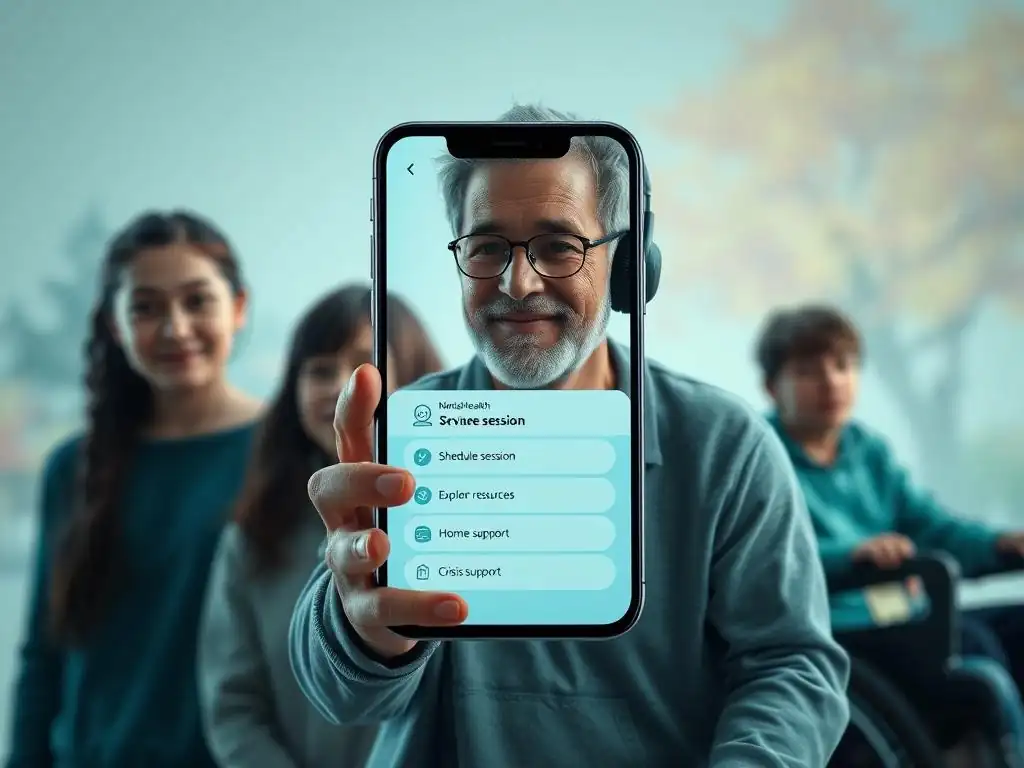
Addressing Concerns about Data Security and Privacy
A significant concern when accessing online mental health support resources is the security and privacy of sensitive personal and health data. Users entrust platforms with highly confidential information about their mental state, history, and treatment. Breaches of this data could have severe consequences. Therefore, it is paramount for platforms to implement robust security measures. Reputable online therapy providers utilize end-to-end encryption for communications, secure servers for storing data, and comply with relevant data protection regulations such as HIPAA in the U.S. or GDPR in Europe.
Users should actively research a platform's privacy policy and security protocols before signing up. Look for clear statements about data encryption, how data is stored, who has access to it, and how it is used.
While no online system can offer absolute immunity from sophisticated cyber threats, platforms that invest heavily in security technology and transparently communicate their practices offer a higher degree of confidence. Asking questions about security measures during initial consultations or contacting customer support for details is a proactive step individuals can take to ensure their data is handled with the utmost care when using online mental health support resources.
Ensuring Quality and Credibility of Online Resources
With the proliferation of online mental health support resources, ensuring the quality and credibility of the services offered is a critical challenge. The digital space is vast, and not all platforms or apps provide evidence-based care or connect users with qualified professionals. Some apps may offer generic advice or unproven techniques, while some online directories might not thoroughly vet the credentials of listed therapists. This lack of oversight in certain corners of the internet means users must exercise caution and perform due diligence.
To ensure quality, individuals should look for platforms that explicitly state the credentials and licensing of their therapists, counselors, or psychiatrists. Verify that professionals are licensed to practice in your specific location.
For mental health apps, look for ones developed or endorsed by mental health organizations, universities, or those with a clear basis in established therapeutic modalities (like CBT or mindfulness). Reading reviews from other users and checking for any certifications or accreditations the platform or app may have received from relevant health or technology bodies can also help in discerning credible online mental health support resources from less reliable ones.
While online mental health support resources significantly increase accessibility for many, they also highlight and can exacerbate the digital divide. Access to reliable internet connectivity and appropriate devices (smartphones, computers) is a prerequisite for using most online platforms. Individuals in low-income communities, rural areas, or certain demographic groups may lack the necessary infrastructure or resources to participate in online therapy or utilize mental health apps effectively. This creates a new barrier to care for those who might benefit most from accessible options.
Addressing the digital divide requires multi-faceted solutions, including public initiatives to expand broadband access, programs to provide affordable devices, and digital literacy training. Some online mental health support resources and providers are exploring low-bandwidth options or partnering with community centers to provide access points. Until these systemic issues are fully resolved, the promise of universal access through online means remains limited for a portion of the population. It's a critical consideration for policymakers and providers aiming to make mental health care truly equitable.
The Importance of Qualified Professionals
Regardless of the convenience and accessibility of online platforms, the effectiveness of therapeutic interventions fundamentally relies on the expertise and qualifications of the mental health professionals providing the care. Online therapy is not merely a technological interface; it is the delivery of professional psychological services through a digital medium. Therefore, verifying that the therapist, counselor, or psychiatrist is appropriately licensed, certified, and experienced is paramount. Licensing ensures that the professional has met specific educational, examination, and supervised practice requirements set by regulatory bodies.
Reputable online mental health support resources make the credentials of their providers transparent and easily verifiable. Users should be able to see the professional's license number, the issuing state or body, and their areas of specialization. Engaging with unlicensed or unqualified individuals, even if they offer seemingly helpful advice, can be ineffective at best and potentially harmful at worst. The therapeutic relationship requires trust and competence, which stems directly from the professional's training and adherence to ethical standards, regardless of whether the session takes place in a physical office or via video call.
Choosing the Right Online Mental Health Support Resource for You
Assessing Your Mental Health Needs
Selecting the most suitable online mental health support resource begins with a clear understanding of your own mental health needs and goals. Are you experiencing symptoms of a specific condition like anxiety or depression? Are you dealing with a life transition, relationship issues, or work stress? Are you looking for ongoing therapy, crisis support, medication management, or simply tools for stress reduction and well-being? Different online resources cater to different levels of need and types of challenges. For example, someone needing immediate crisis intervention would require different resources than someone seeking long-term therapy for a chronic condition.
Taking time to reflect on what you hope to achieve through online support will help narrow down the options. Consider the severity of your symptoms – are they mild, moderate, or severe? Are you in immediate danger or experiencing suicidal thoughts?
(Note: Online therapy platforms are generally not equipped for immediate crisis intervention; emergency services should be contacted in such cases). Understanding your needs helps determine whether you need a licensed therapist, a psychiatrist, a peer support group, or a self-help app. This initial self-assessment is a crucial step before diving into the vast array of available online mental health support resources.
Researching and Evaluating Online Platforms
Once you have a clearer picture of your needs, the next step is to research and evaluate potential online mental health support resources and platforms. The market is crowded, with many companies offering similar-sounding services. Start by looking for platforms that specialize in the type of support you need (e.g., individual therapy, couples counseling, psychiatry, specific conditions). Explore their websites to understand their service model, the types of professionals they employ, their pricing structure, and their privacy policy.
Pay close attention to details regarding therapist credentials and licensing – ensure they are licensed to practice in your location. Look for information on how therapists are matched with clients and whether you have the option to switch therapists if the fit isn't right. Read their privacy policy carefully to understand how your data is protected. Consider the technology requirements and the reliability of their platform. Thorough research is key to finding a legitimate and effective service among the many online mental health support resources available.
Considering Cost and Insurance Coverage
The financial aspect is a practical but important consideration when choosing online mental health support resources. Different platforms have vastly different pricing models, ranging from pay-per-session fees to monthly subscriptions that cover a set number of sessions or unlimited messaging. Some mental health apps are free, while others require a paid subscription for full features. Compare the costs of several options based on the frequency and type of service you anticipate needing.
It is also crucial to investigate whether the online platform accepts your health insurance. While insurance coverage for teletherapy has expanded significantly, especially in recent years, coverage can still vary depending on your specific plan and location. Some platforms work directly with insurers, while others may require you to pay out-of-pocket and submit claims for reimbursement. Contacting both the platform and your insurance provider directly is the best way to confirm coverage and understand your potential out-of-pocket expenses. Understanding the costs upfront helps ensure that the online mental health support resources you choose are financially sustainable for you.
Reading Reviews and Testimonials
Gathering insights from the experiences of other users can provide valuable perspective when evaluating online mental health support resources. Look for reviews and testimonials on independent review sites, forums, and potentially the platform's own website (though be mindful that testimonials on a company's site are often curated). Pay attention to comments regarding the quality of the therapists, the ease of using the platform's technology, the responsiveness of customer support, and the overall effectiveness of the service.
While individual experiences can vary, recurring themes in reviews can highlight potential strengths or weaknesses of a platform. For example, if multiple reviews mention difficulty connecting with a therapist, technical glitches during sessions, or unexpected billing issues, these are red flags. Conversely, consistent positive feedback about therapist quality, platform usability, and positive outcomes can be reassuring. Reading a range of reviews, both positive and negative, can help you form a more balanced picture and make a more informed decision about which online mental health support resources might be the best fit for you.
Understanding the Limitations of Online Therapy
While online mental health support resources offer numerous benefits, it's important to have a realistic understanding of their limitations. Online therapy is not suitable for everyone or every situation. Individuals experiencing severe mental illness, active psychosis, or those at high risk of self-harm or harm to others typically require more intensive, in-person care, potentially including hospitalization. Online platforms are generally not equipped to handle immediate crises or provide emergency interventions.
Furthermore, the effectiveness of online therapy can depend on the individual's comfort level with technology and their ability to create a private, secure space for sessions. Non-verbal cues, which are important in traditional therapy, can sometimes be harder to read through a screen, although experienced online therapists are skilled at navigating this.
Certain therapeutic modalities that rely heavily on in-person interaction or specific physical techniques may not translate well to an online format. Being aware of these limitations ensures that you choose the most appropriate type of care for your specific circumstances and understand when online mental health support resources might need to be supplemented or replaced by traditional services.
Maximizing the Effectiveness of Online Mental Health Support
Creating a Comfortable and Private Environment
To get the most out of online mental health support resources, particularly therapy sessions, creating a comfortable and private environment for your appointments is essential. This involves finding a quiet space where you will not be interrupted and where you feel safe discussing sensitive topics openly. Ensure that others in your household are aware you need privacy during your scheduled session time. Using headphones can further enhance confidentiality and help you focus on the conversation with your therapist.
Consider the physical setting as well. Choose a comfortable chair and ensure the lighting is adequate if using video. Having a glass of water and tissues nearby can also be helpful. Treat the online session like you would an in-person appointment – minimize distractions by turning off notifications on your phone and computer. A dedicated, private space helps establish a therapeutic boundary, allowing you to fully engage with your session and maximize the benefits you receive from online mental health support resources.
Setting Realistic Expectations for Online Therapy
Setting realistic expectations is crucial for a positive and effective experience with online mental health support resources. Therapy, whether online or in-person, is a process that takes time and effort. Significant changes or resolution of complex issues are rarely immediate. Understand that building a rapport with your therapist, exploring deep-seated issues, and developing coping strategies takes multiple sessions over several weeks or months. Quick fixes are uncommon in meaningful therapeutic work.
Be patient with the process and with yourself. There may be sessions where you feel challenged or don't feel immediate relief. This is normal. Discuss your expectations and goals with your therapist early on. Understand what the online platform is designed to provide and what its limitations are. Having realistic expectations about the timeline and nature of progress will help prevent frustration and allow you to appreciate the gradual, often profound, benefits that online mental health support resources can offer over time.
Actively Participating in Online Sessions
Active participation is key to maximizing the effectiveness of online mental health support, just as it is in traditional therapy. Simply showing up to sessions is not enough; you need to be willing to engage honestly and openly with your therapist. This means actively listening, reflecting on what is discussed, and being prepared to share your thoughts, feelings, and experiences, even when it feels difficult. Be open to exploring challenging topics and receiving feedback or suggestions from your therapist.
Beyond the session itself, actively participating involves completing any homework or exercises your therapist might assign, such as journaling, practicing mindfulness techniques, or challenging negative thought patterns. The work of therapy extends beyond the scheduled meeting time. Consistently engaging with the process, both during and between sessions, reinforces learning and facilitates progress. Your willingness to be an active participant is a major determinant of the success you will find with online mental health support resources.
Communicating Effectively with Your Therapist

Clear and effective communication with your therapist is vital for a successful therapeutic relationship, particularly in the online format. Don't hesitate to express your needs, concerns, or preferences. If you are finding the technology challenging, if the session time isn't working, or if you feel the approach isn't the right fit, communicate this openly. Therapists rely on your feedback to tailor their approach and ensure they are meeting your needs.
Be as specific as possible when describing your feelings, symptoms, and experiences. Provide examples to illustrate your points. If something discussed resonates with you or brings up strong emotions, share that with your therapist. Similarly, if you are unclear about something or disagree with a perspective, voice it respectfully. Good communication builds trust and allows your therapist to understand you better, leading to more targeted and effective support from the online mental health support resources you are using.
Supplementing Online Therapy with Other Support Systems
While online therapy can be incredibly beneficial, it is often most effective when integrated into a broader network of support systems. This might include maintaining connections with supportive friends and family, engaging in regular physical activity, practicing mindfulness or meditation (perhaps using mental health apps), ensuring adequate sleep, and maintaining a healthy diet. These lifestyle factors significantly impact mental well-being and can complement the work done in therapy sessions.
Consider supplementing online therapy with other online mental health support resources like peer support groups, either online or in-person, if available and comfortable for you. For individuals with complex needs, coordination of care between an online therapist, a primary care physician, and potentially a telepsychiatrist for medication management can provide a more comprehensive approach. Viewing online therapy as one important piece of your overall wellness strategy, rather than the sole solution, can enhance its impact and support your journey towards improved mental health.
The Future of Online Mental Health Care: Innovation and Integration
Emerging Technologies in Mental Health
The future of online mental health support resources is poised for significant transformation driven by emerging technologies. Innovations such as Virtual Reality (VR) and Augmented Reality (AR) are being explored for their potential to create immersive therapeutic experiences, such as exposure therapy for phobias or social skills training in simulated environments. Wearable devices and sensors are being developed to track physiological indicators related to stress, sleep patterns, and activity levels, providing valuable data that can inform both users and clinicians.
Artificial Intelligence (AI) and machine learning are also playing an increasing role, from powering sophisticated chatbots that provide initial support and resources to analyzing vast datasets to identify patterns and predict individuals who may be at risk of developing mental health issues. While ethical considerations and clinical validation are crucial for these technologies, their potential to enhance assessment, personalize interventions, and extend the reach of care is immense. These emerging technologies promise to make online mental health support resources even more dynamic, personalized, and effective in the coming years.
Integrating Online and In-Person Care
A key trend shaping the future of mental health care is the move towards integrated or "hybrid" models that combine the benefits of online and in-person services. Rather than viewing them as mutually exclusive, providers are exploring how to leverage the strengths of each.
For example, an individual might primarily see a therapist online for convenience but attend occasional in-person sessions for specific types of therapeutic work or assessments. Conversely, someone primarily receiving in-person care might use online mental health support resources like messaging with their therapist between sessions or utilize mental health apps for daily tracking and skill reinforcement.
This integration allows for greater flexibility and can be tailored to individual needs and preferences. It acknowledges that while online care offers accessibility and convenience, certain aspects of the therapeutic relationship or specific interventions might be enhanced by face-to-face interaction. Hybrid models could also facilitate smoother transitions between different levels of care. As technology evolves and both providers and patients become more comfortable with digital tools, these blended approaches are likely to become a more common and effective way to deliver comprehensive mental health support.
The Role of Artificial Intelligence in Mental Health Support
Artificial intelligence is set to play an increasingly significant role within online mental health support resources, though its application is complex and requires careful consideration of ethics and safety. AI is already being used in various ways, such as powering chatbots that can provide initial screening, offer psychoeducational information, or guide users through basic coping exercises based on techniques like CBT. These chatbots are designed to offer support outside of traditional hours and can serve as a first point of contact for individuals hesitant to interact with a human therapist immediately.
Beyond chatbots, AI algorithms are being developed to analyze patterns in user data (with consent and strict privacy controls) from apps or online interactions to identify potential signs of deteriorating mental health or predict the likelihood of response to different types of interventions. This could allow for more personalized and proactive care.
AI is also being used in research to analyze large datasets of therapeutic interactions to identify factors that contribute to successful outcomes. While AI is not expected to replace human therapists for complex clinical work anytime soon, its role in providing accessible, data-driven, and supplementary support within online mental health resources is rapidly expanding.
Finding Online Mental Health Support Resources: A Curated List
Talkspace - Description and Key Features
Talkspace is a prominent online mental health support resource that connects users with licensed therapists via text, audio, and video messaging, as well as live video sessions. Founded in 2012, it has become one of the largest providers of online therapy. Users complete an assessment and are matched with a therapist, though they can request a change if the fit isn't right. The platform offers various subscription plans, typically based on the amount of messaging and live session time included.
Key features of Talkspace include unlimited text, audio, and video messaging with a therapist, allowing for ongoing communication between scheduled live sessions. They offer live video sessions similar to traditional therapy appointments. Talkspace covers a range of mental health issues and offers specialized services, including couples therapy, teen therapy, and psychiatry for medication management in many states. They work with many insurance providers, aiming to make online therapy more accessible.
BetterHelp - Description and Key Features
BetterHelp is another leading online mental health support resource, providing access to licensed therapists, counselors, social workers, and psychologists via video, phone, and chat. It is one of the largest online counseling platforms globally. Users fill out a questionnaire about their needs and preferences and are matched with a therapist. They emphasize the ability to easily switch therapists if needed to find the right match.
BetterHelp offers weekly live sessions (video, phone, or chat) and unlimited messaging with the assigned therapist. Their services cover a wide range of mental health issues, including depression, anxiety, stress, relationship problems, and more. While they operate on a subscription model, the cost varies depending on the specific plan and location. BetterHelp is known for its extensive network of therapists and its user-friendly platform, making it a popular choice among online mental health support resources.
Calm - Description and Key Features
Calm is a popular mental wellness app categorized under online mental health support resources focused on mindfulness, meditation, sleep, and relaxation. While it does not offer direct therapy with licensed professionals, it provides a wealth of self-guided tools designed to reduce stress, improve focus, and promote better sleep. The app is known for its user-friendly interface and high-quality content.
Key features of the Calm app include guided meditations for various purposes (anxiety, stress, focus, gratitude), sleep stories narrated by well-known voices, breathing programs, stretching exercises, and exclusive music designed for relaxation and focus. It offers daily short meditations and masterclasses on topics like mindfulness and resilience. While the app offers some free content, a premium subscription unlocks the full library. Calm serves as a valuable supplementary tool for individuals seeking to incorporate mindfulness and relaxation techniques into their daily routine as part of their overall mental well-being strategy.
Conclusion: Embracing Online Resources for Mental Well-being
The Power of Accessible and Affordable Mental Health Care
The rise of online mental health support resources represents a transformative shift in how individuals can access care for their mental well-being. These digital platforms and tools have significantly lowered traditional barriers, making support more accessible to people regardless of their geographical location, physical limitations, or busy schedules. The ability to connect with licensed professionals or access self-help tools from the privacy and comfort of one's own space removes many logistical hurdles. Furthermore, in many cases, online options offer more affordable pathways to care compared to traditional in-person services, opening doors for individuals who previously found therapy prohibitively expensive.
This increased accessibility and potential for affordability empower more people to seek help when they need it. By providing discreet, convenient, and sometimes lower-cost alternatives, online mental health support resources are helping to democratize access to mental health care. They offer a vital lifeline for those in underserved areas and provide flexible options for those navigating the complexities of modern life. Embracing these online resources is a powerful step towards ensuring that mental well-being is prioritized and supported on a much wider scale, moving closer to a future where help is truly within reach for everyone.
Taking the First Step Towards Online Support
Navigating mental health challenges can feel overwhelming, and the decision to seek help is a brave and significant one. For many, the traditional path to therapy has felt inaccessible due to stigma, cost, or logistical constraints. However, the wealth of online mental health support resources now available provides numerous alternative entry points into the world of mental wellness support. Taking the first step might involve exploring mental health apps for self-guided tools, joining an online support group to connect with peers, or researching online therapy platforms to find a licensed professional who can offer tailored guidance and support.
Remember that seeking support is a sign of strength, not weakness. The digital landscape offers a variety of options to match different needs and comfort levels. Start by assessing what kind of support you think would be most helpful, then research platforms or apps that align with those needs. Prioritize resources that emphasize qualified professionals, data security, and positive user experiences. Taking that initial step, whether it's downloading an app or scheduling a first online consultation, can mark the beginning of a positive journey towards improved mental well-being, leveraging the power and convenience of online mental health support resources.
Frequently Asked Questions
What are the key benefits of using online mental health support resources?
Online resources offer convenience and accessibility, removing barriers related to location and scheduling. They can also provide a greater sense of privacy and anonymity, encouraging individuals to seek help.
How can I ensure the online mental health support resources I use are legitimate and safe?
Look for licensed professionals and platforms that prioritize data privacy and security. Verify the platform's credentials and reviews before engaging with its services.
What types of online mental health support resources are typically available?
These resources range from self-help apps and websites to teletherapy platforms and online support groups. Many offer educational materials and guided meditations as well.
Can online mental health support resources replace traditional in-person therapy?
While helpful, online resources aren't always a substitute for face-to-face therapy, especially for complex mental health conditions. They are best used as part of a comprehensive treatment plan or for supplemental support.
How do online mental health support resources help reduce the stigma associated with mental health issues?
By offering private and accessible support, these resources encourage individuals to seek help without fear of social judgment or discrimination. They also promote awareness and education about mental health.
Final Reflection: Bridging the Gap to Better Mental Wellbeing Online
The accessibility of online mental health resources is no longer a luxury; it's a necessity. The digital age has fundamentally shifted how we access information and support, and the mental health landscape is no exception. Ignoring the potential of online platforms to democratize access to care is a disservice to countless individuals struggling in silence.
The shift towards online mental health support has been profoundly impactful, challenging long-held stigmas and opening doors for those previously unable to seek help. The convenience and anonymity offered by online platforms are invaluable, particularly for individuals in rural areas, those with mobility issues, or those facing social anxieties that prevent them from seeking in-person care. The greatest barrier to mental health care is often not the lack of resources, but the lack of access.
This quote perfectly encapsulates the power of online platforms to dismantle this barrier and create a more inclusive system of care.
Now, consider your own role in this evolving landscape. Are you actively seeking out resources that prioritize your mental wellbeing? Are you engaging in conversations that normalize mental health discussions and challenge the stigma surrounding it? You have the power to make a difference, not only in your own life but in the lives of others. Take the time to explore the resources highlighted in this article, share this information with those who might benefit, and continue to advocate for a more accessible and supportive mental health system for all.
Thanks for taking the time to learn about making mental healthcare more approachable online! We hope you gained valuable insights into how technology can bridge the gap to support and understanding. Now, let's take action together.
- Share this article: Spread the word about accessible mental health resources by sharing this piece on your social media channels. Let's build a community of support!
- Explore online resources: Discover additional mental health platforms and applications that can help you or someone you know. A little research can make a big difference.
- Leave a comment: What's one way you think we can make mental healthcare more accessible online? Share your ideas below; your perspective matters.
Ready to be part of the change?