
Autism Spectrum Disorder: The Epigenetic Puzzle Pieces

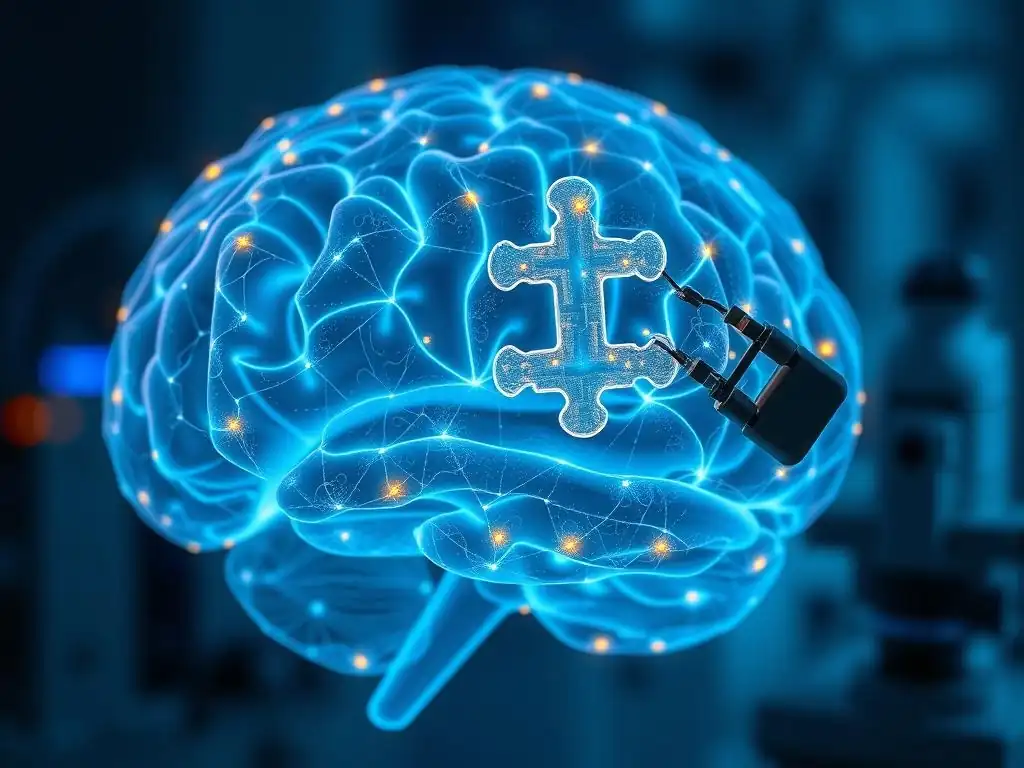
Welcome to Mind Care Guide, a space dedicated to understanding and nurturing mental well-being.
Are you searching for answers about Autism Spectrum Disorder? We delve into the fascinating world of Autism genetics epigenetic research strategies in our latest article, "Autism Spectrum Disorder: The Epigenetic Puzzle Pieces." What if the key to understanding ASD lies not just in our genes, but in how they're expressed? Join us as we explore the cutting-edge research that's reshaping our understanding of this complex condition and offering new avenues for hope. Explore with us and let's unravel this together.
Autism Spectrum Disorder: The Epigenetic Puzzle Pieces
- Understanding Autism Spectrum Disorder (ASD) and its Genetic Basis
- Epigenetics: Bridging the Gap Between Genes and Environment in Autism
- Autism Genetics Epigenetic Research Strategies: Unraveling the ASD Epigenome
- Environmental Factors and Epigenetic Changes in Autism
- The Promise of Epigenetic Therapies for Autism Spectrum Disorder
- The Importance of Early Detection and Intervention in Autism
- Conclusion: The Future of Autism Research and the Power of Epigenetics
-
Frequently Asked Questions
- What is the current understanding of the role of genetics in Autism Spectrum Disorder (ASD)?
- What is epigenetics and how does it relate to Autism Spectrum Disorder?
- What are some of the key epigenetic research strategies being used to study ASD?
- Can environmental factors interacting with genetics increase the risk of Autism Spectrum Disorder?
- Where can I find support and resources for understanding Autism Spectrum Disorder and the latest research in autism genetics epigenetic research strategies?
- Final Reflection: Unlocking the Epigenetic Code of Autism
- Unlock Your Understanding of Autism: Take the Next Step
Understanding Autism Spectrum Disorder (ASD) and its Genetic Basis
Defining Autism Spectrum Disorder: A Neurodevelopmental Perspective
Autism Spectrum Disorder (ASD) is a complex neurodevelopmental condition characterized by persistent challenges in social interaction, communication, and restricted, repetitive patterns of behavior, interests, or activities. The term "spectrum" reflects the wide range of symptoms, skills, and levels of impairment that individuals with ASD experience. These characteristics typically emerge in early childhood and can significantly impact daily functioning. The diagnostic criteria, as outlined in the Diagnostic and Statistical Manual of Mental Disorders (DSM-5), emphasize this spectrum nature, moving away from previous distinct categories like Asperger's syndrome.
Individuals with ASD may exhibit varying degrees of difficulty in understanding social cues, initiating or maintaining conversations, and engaging in reciprocal interactions. Repetitive behaviors can include hand flapping, rocking, or repeating phrases (echolalia), while restricted interests might involve intense focus on specific topics or objects. Sensory sensitivities, either hyper- or hypo-sensitivity to stimuli like sounds, lights, or textures, are also common. Understanding ASD as a neurodevelopmental difference is crucial, acknowledging that the autistic brain processes information and interacts with the world in distinct ways.
The Role of Genetics in Autism: Identifying Susceptibility Genes
Research has consistently shown that genetics plays a significant role in the etiology of Autism Spectrum Disorder. Family studies have revealed a higher concordance rate among identical twins compared to fraternal twins, suggesting a strong genetic influence. While precise figures vary across studies, estimates often place the heritability of ASD between 70% and 90%. This high heritability indicates that genetic factors contribute substantially to an individual's predisposition to developing the condition.
Identifying specific genes involved in ASD has been a major focus of research. Studies using techniques like genome-wide association studies (GWAS) and whole-exome sequencing have pinpointed numerous genes associated with increased risk. Some well-known examples include SHANK3, CHD8, ADNP, and genes involved in synaptic function and chromatin remodeling. However, no single gene causes autism; rather, it's a complex interplay of many genes, each contributing a small effect, sometimes in combination with environmental factors.
Exploring the Complexity of Autism Genetics: Beyond Mendelian Inheritance
While some rare cases of ASD can be linked to single-gene mutations (like in Fragile X syndrome or Rett syndrome, which are sometimes associated with or co-occur with autistic traits), the vast majority of ASD cases do not follow simple Mendelian inheritance patterns. This suggests that autism genetics is polygenic, involving multiple genes acting together, and often involves complex genetic variations beyond simple point mutations. These include copy number variations (CNVs) – deletions or duplications of segments of DNA – which have been found more frequently in individuals with ASD than in the general population.
The genetic landscape of ASD is highly heterogeneous. Different individuals with autism may have different sets of genetic variations contributing to their condition. This genetic diversity likely underlies the clinical variability observed in the autism spectrum.
Furthermore, while many genetic risk factors are inherited, a significant proportion of cases arise from de novo mutations – new genetic changes that occur spontaneously in the egg or sperm cells or during early embryonic development and are not present in the parents' DNA. Studies estimate that de novo CNVs and single nucleotide variants (SNVs) account for a substantial fraction of ASD cases, potentially up to 10-20%.
Epigenetics: Bridging the Gap Between Genes and Environment in Autism
What is Epigenetics? Understanding Epigenetic Mechanisms
Epigenetics refers to heritable changes in gene expression that occur without alterations to the underlying DNA sequence. Think of it as a layer of instructions on top of the genetic code that tells your cells which genes to turn on or off, when, and where. These modifications can be influenced by development, environmental factors, lifestyle, and disease states. Unlike genetic mutations, epigenetic changes are often reversible, making them potential targets for therapeutic intervention.
Key epigenetic mechanisms include DNA methylation, histone modification, and the action of non-coding RNAs. DNA methylation typically involves the addition of a methyl group to a cytosine base, often within a CpG dinucleotide. Methylation in gene promoter regions usually leads to gene silencing.
Histone modifications involve chemical changes to the proteins around which DNA is wrapped (histones), affecting how tightly the DNA is coiled and thus its accessibility to the cellular machinery that reads genes. For example, histone acetylation often leads to increased gene expression, while deacetylation can suppress it. Non-coding RNAs, such as microRNAs, can regulate gene expression by binding to messenger RNA molecules, preventing protein synthesis.
How Epigenetic Modifications Influence Gene Expression in ASD
In the context of Autism Spectrum Disorder, epigenetic modifications are thought to play a crucial role by altering the expression levels of genes critical for brain development and function. These modifications can disrupt the precise timing and location of gene activity required for the formation of neural circuits, synaptic plasticity, and neuronal differentiation – processes known to be altered in ASD. For instance, differential DNA methylation patterns have been observed in genes involved in neurodevelopmental pathways in brain tissue and blood samples from individuals with ASD compared to neurotypical controls.
Specific examples include studies showing altered methylation status in genes like MECP2 (involved in Rett syndrome, an ASD-related disorder), OXTR (oxytocin receptor gene, linked to social behavior), and genes involved in GABAergic signaling. These epigenetic changes don't change the DNA sequence of these genes but rather influence whether they are actively transcribed into RNA and subsequently translated into proteins. This modulation of gene activity, driven by epigenetic marks, can significantly impact neuronal connectivity and function, contributing to the complex phenotype of ASD.
The Interplay of Genes and Environment in Autism Development: An Epigenetic Perspective
One of the most compelling aspects of epigenetics is its ability to act as a bridge between an individual's genetic predisposition and their environmental exposures. While genetics provides the blueprint, environmental factors can leave epigenetic marks on the DNA or histones, influencing how those genes are expressed. This gene-environment interaction is particularly relevant for complex conditions like ASD, where both genetic vulnerability and environmental influences are implicated.
For example, an individual might inherit a genetic variant that slightly increases their risk for ASD. Exposure to certain environmental factors during critical periods of prenatal or early postnatal development might then induce specific epigenetic changes that amplify the effect of this genetic variant, pushing the individual across a threshold for developing the disorder.
Conversely, protective environmental factors might lead to epigenetic modifications that mitigate genetic risk. Autism genetics epigenetic research strategies are increasingly focused on understanding these complex interactions, investigating how factors like maternal nutrition, stress, infections, or exposure to toxins might induce epigenetic changes that contribute to ASD risk in genetically vulnerable individuals.
Autism Genetics Epigenetic Research Strategies: Unraveling the ASD Epigenome

Epigenome-Wide Association Studies (EWAS) in Autism Research
Epigenome-Wide Association Studies (EWAS) are a primary strategy within autism genetics epigenetic research strategies aimed at identifying epigenetic variations across the entire genome that are associated with ASD. Similar to GWAS which looks at genetic variants, EWAS surveys epigenetic marks, most commonly DNA methylation, at hundreds of thousands or millions of sites across the genome in large cohorts of individuals with and without ASD. The goal is to identify differentially methylated positions (DMPs) or regions (DMRs) that are statistically associated with the disorder.
EWAS in ASD has been conducted on various tissue types, including post-mortem brain tissue (cerebral cortex, cerebellum), blood, and even saliva or buccal cells. While brain tissue is arguably the most relevant for a neurodevelopmental disorder, accessibility makes blood or other peripheral tissues more practical for large-scale studies. Findings from EWAS have identified epigenetic differences in genes related to synaptic function, immune response, and developmental pathways, providing valuable insights into the molecular underpinnings of ASD. However, correlating findings across different tissue types and developmental stages remains a challenge in autism genetics epigenetic research strategies.
Investigating DNA Methylation Patterns in Individuals with ASD
Detailed investigation of DNA methylation patterns is a cornerstone of autism genetics epigenetic research strategies. Techniques like Reduced Representation Bisulfite Sequencing (RRBS) or Whole-Genome Bisulfite Sequencing (WGBS) allow researchers to map methylation status at single-base resolution across the genome. These methods enable the identification of specific genes or regulatory regions that exhibit altered methylation in individuals with ASD.
Studies have reported both hyper- and hypo-methylation in specific genes or genomic regions in individuals with ASD. For instance, some research has found altered methylation in imprinted genes, which are genes expressed only from the maternal or paternal allele due to epigenetic marks established during gamete formation. Other studies focus on methylation changes in enhancers and promoters, regulatory elements that control gene transcription. Understanding these specific methylation changes provides clues about which genes' expression is being dysregulated and potentially contributing to the autistic phenotype, informing subsequent functional studies within autism genetics epigenetic research strategies.
Beyond DNA methylation, analyzing histone modifications is another critical component of autism genetics epigenetic research strategies. Histones are proteins around which DNA is wrapped, and various chemical modifications to their tails (like acetylation, methylation, phosphorylation, ubiquitination) can affect chromatin structure and gene accessibility. Techniques such as Chromatin Immunoprecipitation followed by sequencing (ChIP-Seq) are used to map the locations of specific histone modifications across the genome.
Researchers use ChIP-Seq to identify regions where specific histone marks associated with active or repressed gene transcription are altered in brain tissue or relevant cell models from individuals with ASD. For example, changes in histone acetylation patterns have been observed in genes known to be involved in neuronal connectivity and plasticity in ASD models.
Understanding which histone marks are altered and at which specific genes helps to elucidate the mechanisms by which epigenetic dysregulation contributes to the disorder. This line of inquiry is vital for painting a complete picture of the epigenetic landscape in ASD as part of comprehensive autism genetics epigenetic research strategies.
Exploring the Role of Non-Coding RNAs in Autism Epigenetics
Non-coding RNAs (ncRNAs), particularly microRNAs (miRNAs), are increasingly recognized as important players in epigenetic regulation and are actively studied within autism genetics epigenetic research strategies. miRNAs are small RNA molecules that can bind to messenger RNA (mRNA) molecules, leading to their degradation or inhibiting their translation into proteins. This effectively regulates the expression of target genes post-transcriptionally.
Studies have found altered expression levels of various miRNAs in the brains and blood of individuals with ASD. These dysregulated miRNAs can impact the expression of numerous target genes, many of which are involved in neurodevelopmental processes, synaptic function, and neuronal signaling pathways implicated in autism. For example, specific miRNAs have been shown to regulate the expression of genes involved in synaptogenesis or neuronal migration. Investigating the profiles of ncRNAs and their target genes provides another layer of understanding regarding the complex epigenetic mechanisms contributing to ASD within the broader scope of autism genetics epigenetic research strategies.
Environmental Factors and Epigenetic Changes in Autism
Prenatal Environmental Exposures and Autism Risk: An Epigenetic Link
The prenatal period is a critical window for brain development, and exposure to certain environmental factors during this time has been linked to an increased risk of ASD. Epigenetics provides a plausible biological mechanism by which these exposures might exert their long-lasting effects. Maternal infections, for instance, can lead to inflammation, which might trigger epigenetic changes in fetal brain cells, altering the expression of genes important for neural circuit formation.
Studies have explored the epigenetic consequences of prenatal exposure to factors like valproic acid, an anti-epileptic drug known to increase ASD risk. Research in animal models and human cells suggests that valproic acid can inhibit histone deacetylases (HDACs), enzymes that remove acetyl groups from histones. This inhibition leads to increased histone acetylation and altered gene expression patterns relevant to neurodevelopment. Investigating these prenatal exposures and their specific epigenetic consequences is a key area within autism genetics epigenetic research strategies.
The Impact of Maternal Health and Nutrition on Autism Development: An Epigenetic Perspective
Maternal health and nutritional status during pregnancy are also considered potential environmental influences on ASD risk, mediated partly through epigenetic mechanisms. For example, maternal obesity, diabetes, and immune dysregulation during pregnancy have been associated with a higher likelihood of having a child with ASD. These conditions can create an altered intrauterine environment, potentially influencing the fetal epigenome.
Nutrients essential for DNA synthesis and methylation, such as folate and other B vitamins, are particularly relevant. Deficiencies or imbalances in these nutrients during critical developmental periods could theoretically impact DNA methylation patterns in the developing brain. Research is ongoing to understand how maternal diet and metabolic state might leave lasting epigenetic marks that influence ASD risk. This highlights the importance of maternal well-being during pregnancy, viewed through an epigenetic lens, as part of understanding the complex etiology of ASD in autism genetics epigenetic research strategies.
Environmental Toxins and Autism: Focus on Heavy Metals
Exposure to certain environmental toxins, including heavy metals like lead and mercury, has been investigated as a potential risk factor for ASD. While the evidence is complex and sometimes conflicting, epigenetic mechanisms are a potential pathway through which these toxins could exert neurodevelopmental effects. Heavy metals can interfere with enzymatic processes involved in epigenetic regulation, such as DNA methyltransferases or histone-modifying enzymes.
Studies have explored the association between prenatal or early postnatal exposure to heavy metals and altered DNA methylation patterns. For instance, some research has suggested links between lead exposure and changes in methylation in genes involved in neuronal function. Understanding the specific epigenetic signature left by different environmental toxins could help to identify biomarkers of exposure and risk, further contributing to the comprehensive understanding sought by autism genetics epigenetic research strategies.
The Promise of Epigenetic Therapies for Autism Spectrum Disorder

Targeting Epigenetic Mechanisms for Autism Treatment: A Novel Approach
Given the potential role of reversible epigenetic modifications in ASD, targeting these mechanisms represents a novel and promising therapeutic approach. Unlike genetic mutations, epigenetic marks can be altered, offering the possibility of correcting aberrant gene expression patterns that contribute to the autistic phenotype. The goal of epigenetic therapy would be to restore normal gene activity in affected brain regions or cell types.
This approach is still largely in the experimental and preclinical stages for ASD. However, the concept is to develop pharmacological agents that can modulate the activity of enzymes involved in adding or removing epigenetic marks (like DNA methyltransferases, histone acetyltransferases, or histone deacetylases) or interfere with non-coding RNA function. Such therapies would need to be highly specific to avoid widespread, undesirable changes in gene expression throughout the body.
Histone Deacetylase (HDAC) Inhibitors as Potential Therapeutic Agents
One class of epigenetic drugs that has received attention in the context of neurodevelopmental disorders, including ASD, is Histone Deacetylase (HDAC) inhibitors. As mentioned earlier, HDACs remove acetyl groups from histones, generally leading to condensed chromatin and suppressed gene expression. Inhibiting HDACs can increase histone acetylation, opening up chromatin and potentially reactivating genes that have been inappropriately silenced.
Preclinical studies in animal models of ASD have explored the effects of HDAC inhibitors. Some studies have shown that treatment with certain HDAC inhibitors can ameliorate behavioral deficits relevant to autism, such as social interaction deficits or repetitive behaviors. For example, research in the MECP2 duplication mouse model, which exhibits features similar to human ASD, found that an HDAC inhibitor improved synaptic function and rescued behavioral abnormalities. However, HDAC inhibitors can have broad effects on gene expression, and developing targeted therapies with minimal side effects remains a significant challenge.
Challenges and Future Directions in Autism Epigenetic Therapy
Despite the promise, developing epigenetic therapies for ASD faces significant challenges. The heterogeneity of ASD means that different individuals may have different underlying epigenetic abnormalities, requiring personalized approaches. Targeting the brain specifically is difficult due to the blood-brain barrier. Furthermore, epigenetic marks are dynamic and context-dependent, meaning that interventions need to be carefully timed and targeted to specific cell types and brain regions during critical developmental windows.
Future directions in this area involve developing more specific epigenetic drugs that target particular enzymes or pathways without broad systemic effects. Research is also focused on identifying specific epigenetic biomarkers that could predict who might respond to epigenetic therapy and when such treatment would be most effective. While still early days, the potential for epigenetic therapies to modulate gene expression and potentially alleviate core symptoms of ASD remains an exciting frontier in autism genetics epigenetic research strategies and therapeutic development.
The Importance of Early Detection and Intervention in Autism
Early Diagnosis and its Role in Improving Outcomes for Individuals with ASD
Early detection and diagnosis of Autism Spectrum Disorder are critically important for improving long-term outcomes for individuals with the condition. While ASD is typically diagnosed in early childhood, often around age 2 or 3, signs can sometimes be observed earlier. Receiving a diagnosis allows families to access appropriate support services and interventions during the period of most rapid brain development.
Research consistently demonstrates that early intervention is associated with more significant improvements in cognitive, language, and social skills. For example, a study might show that children who began intervention before age 4 achieved greater gains in communication abilities compared to those who started later. Early diagnosis also provides families with valuable information and resources, helping them to understand their child's needs and navigate the support system. Increasing awareness among parents, educators, and healthcare professionals about early signs of ASD is crucial for reducing the average age of diagnosis.
Applied Behavior Analysis (ABA) and Early Intervention Programs
Applied Behavior Analysis (ABA) is one of the most widely used and extensively researched early intervention approaches for Autism Spectrum Disorder. ABA is based on the principles of learning theory and focuses on teaching specific skills through positive reinforcement and structured teaching methods. It involves breaking down complex skills (like communication, social interaction, or daily living skills) into smaller steps and teaching them systematically.
High-quality early intervention programs, often incorporating ABA principles, are intensive and typically involve many hours per week of therapy. These programs are tailored to the individual child's needs and goals and are delivered by trained professionals. While ABA is a prominent approach, other evidence-based interventions exist, including developmental, relationship-based approaches and naturalistic developmental behavioral interventions (NDBIs). The key is early, intensive, and individualized intervention tailored to the child's unique profile of strengths and challenges, aiming to foster development during critical periods.
Conclusion: The Future of Autism Research and the Power of Epigenetics
The study of Autism Spectrum Disorder has evolved significantly, moving from viewing it solely through a behavioral lens to understanding its complex neurobiological underpinnings. Genetics has provided crucial insights into susceptibility, identifying numerous risk genes. However, the full picture requires integrating genetic findings with the influence of the environment, and it is here that epigenetics offers a powerful framework.
Autism genetics epigenetic research strategies are actively unraveling how epigenetic modifications act as mediators between genetic predispositions and environmental exposures, shaping brain development and function. From large-scale EWAS to detailed analyses of DNA methylation, histone modifications, and non-coding RNAs, these efforts are providing unprecedented insights into the molecular mechanisms underlying ASD heterogeneity.
While epigenetic therapies for ASD are still in their nascent stages, the potential to modulate gene expression offers hope for future targeted interventions. Ultimately, a comprehensive understanding of the interplay between genetics, epigenetics, and environment is essential for developing more effective diagnostic tools, personalized interventions, and potentially preventive strategies for Autism Spectrum Disorder.
Frequently Asked Questions
What is the current understanding of the role of genetics in Autism Spectrum Disorder (ASD)?
Current research suggests that ASD has a strong genetic component, with many genes implicated. However, it's often not a single gene but a combination of genetic variations that contribute to the risk.
What is epigenetics and how does it relate to Autism Spectrum Disorder?
Epigenetics refers to changes in gene expression without altering the DNA sequence itself. These changes, influenced by environmental factors, can affect brain development and are being actively researched in relation to ASD.
What are some of the key epigenetic research strategies being used to study ASD?
Researchers are employing strategies like DNA methylation analysis and histone modification studies to understand how epigenetic marks are altered in individuals with ASD and impact gene expression.
Can environmental factors interacting with genetics increase the risk of Autism Spectrum Disorder?
Yes, environmental factors, such as exposure to certain toxins during pregnancy, can potentially interact with an individual's genetic predisposition and increase the risk of developing ASD.
Where can I find support and resources for understanding Autism Spectrum Disorder and the latest research in autism genetics epigenetic research strategies?
Mind Care Guide offers information, support, and resources related to mental well-being, including ASD. You can also find information at organizations like the Autism Speaks and the National Autistic Society.
Final Reflection: Unlocking the Epigenetic Code of Autism
The intricate dance between genes and environment in Autism Spectrum Disorder (ASD) is no longer a theoretical concept; it's a rapidly evolving field with profound implications for diagnosis, treatment, and ultimately, a deeper understanding of human neurodevelopment. The research detailed in this article highlights the urgent need to move beyond simplistic genetic models and embrace the complexity of epigenetic modifications as key players in the ASD puzzle. This isn't just about identifying risk factors; it's about unlocking the potential for personalized interventions and preventative strategies.
The journey into the epigenetic landscape of ASD has been both challenging and incredibly rewarding. Witnessing the advancements in research methodologies, from advanced sequencing techniques to sophisticated computational analyses, underscores the power of collaborative scientific inquiry. The greatest discoveries are often made when we dare to look beyond the obvious.
This sentiment rings true as we delve deeper into the subtle changes in gene expression that may hold the key to understanding the diverse manifestations of ASD. The ongoing exploration of epigenetic markers offers hope for earlier diagnosis and more targeted therapies, moving us beyond a one-size-fits-all approach to treatment.
Consider the implications of this research for your own life, whether you are a researcher, a parent of a child with ASD, or simply someone interested in the complexities of human development. What steps can you take to support further research in this crucial area? Perhaps it's advocating for increased funding, sharing this information with others, or simply staying informed about the latest breakthroughs.
Let us collectively embrace the challenge of unraveling the epigenetic code of ASD, not just for scientific advancement, but for the betterment of individuals and families affected by this complex condition. The future of ASD research lies in our hands, and the potential for positive change is immense.
Unlock Your Understanding of Autism: Take the Next Step
Thanks for diving into the fascinating world of epigenetics and autism! We hope you gained a deeper understanding of the complex interplay of genes and environment in shaping neurodevelopment. Ready to explore this further?
- Dive deeper: Research epigenetic factors related to specific traits or symptoms that resonated with you from the article. Consider exploring related research papers or books on the topic. This will help solidify your understanding.
- Share your thoughts: Engage with our community on social media – let's discuss what surprised or inspired you most from the article! Start a conversation and help others learn.
- Advocate for further research: Consider contacting your local representatives to support funding for autism research focusing on epigenetics. Even a small step can make a difference.
What specific epigenetic factor are you most curious to investigate further, and why?