
Reclaiming Your Mood: Strategies for Healthy Social Media Use


Welcome to Mind Care Guide.
Feeling overwhelmed by the constant stream of information on social media? You're not alone. We understand how challenging it can be to maintain a positive outlook in today's digital world. This guide offers actionable strategies to reclaim control and cultivate a healthy social media mood boosting experience. Curious how to transform your scrolling from draining to empowering? Let's explore practical steps you can take right now.
Reclaiming Your Mood: Strategies for Healthy Social Media Use
- Understanding the Link Between Social Media and Mood
- Strategies for Healthy Social Media Mood Boosting
- Practical Tips for a Healthier Social Media Experience
- Addressing Common Challenges in Healthy Social Media Usage
- Seeking Professional Help for Social Media-Related Mood Issues
- Maintaining a Positive Mood in the Digital Age
-
Frequently Asked Questions
- What exactly does "Healthy Social Media Mood Boosting" mean in this context?
- How can I identify if social media is negatively affecting my mood?
- What are some specific strategies for using social media in a healthier way?
- What role does mindful engagement play in "Healthy Social Media Mood Boosting"?
- Are there alternative online activities that can contribute to my mental well-being besides social media?
- Final Reflection: Cultivating Joy in the Digital Age
- Rediscover Your Digital Wellbeing: Take Control Now!
Social media platforms have become integral to modern life, offering unparalleled connectivity and access to information. However, extensive research indicates a complex relationship between social media usage and mental well-being. While platforms can foster community and support, excessive or unmanaged use is frequently linked to negative psychological outcomes.
Studies have shown correlations between high levels of social media engagement and increased feelings of loneliness, anxiety, and depression among various age groups. For example, one analysis of young adults found that those who spent the most time on social media were significantly more likely to report symptoms of depression compared to those who spent less time. This suggests that the constant stream of curated content and social comparison inherent in these platforms can contribute to a decline in mood.
Furthermore, the structure and design of social media platforms often leverage psychological principles to maximize engagement, sometimes at the expense of user well-being. Features like infinite scrolling, push notifications, and variable rewards (likes, comments) can create addictive patterns of behavior. This can lead to users spending more time online than intended, displacing activities known to support mental health, such as exercise, face-to-face interactions, and sufficient sleep.
The pressure to maintain an online persona, the fear of missing out (FOMO), and exposure to cyberbullying or negative content can collectively erode self-esteem and contribute to a fragile mood state. Understanding these potential impacts is the first step toward cultivating a healthy social media mood boosting approach.
Recognizing specific social media behaviors or content that negatively impact your mood is crucial for developing healthier habits. Triggers can vary greatly from person to person but often fall into common categories. One significant trigger is social comparison, where viewing others' idealized lives, achievements, or appearances leads to feelings of inadequacy, envy, or dissatisfaction with one's own life.
For instance, seeing a friend's constant vacation photos or career successes might make someone feel their own life is lacking, directly impacting their mood. Another common trigger is encountering negative or distressing content, including news overload, online arguments, or exposure to cyberbullying, which can provoke anxiety, anger, or sadness.
Passive consumption, simply scrolling through feeds without active engagement, can also be a potent mood depressor. This behavior is often linked to increased feelings of isolation and decreased well-being compared to active participation, such as messaging friends or engaging in positive groups. The constant influx of information without meaningful connection can leave individuals feeling drained and disconnected despite being 'online.'
Additionally, the pressure to perform or gain validation through likes and comments can become a source of stress and anxiety, where the absence of expected engagement is interpreted negatively, affecting self-worth and mood. Identifying these specific triggers is a vital step in implementing strategies for healthy social media mood boosting.
Being able to identify how social media usage affects your mood requires self-awareness and an understanding of potential symptoms. Subtle changes in emotional state during or after using social media can be indicators. Common symptoms include feeling more anxious, irritable, or restless after scrolling through feeds.
You might notice a dip in energy levels or a sense of dread when thinking about checking certain platforms. Persistent feelings of sadness, hopelessness, or a lack of motivation, particularly if they seem linked to your online activities, are significant warning signs. For example, someone might feel fine until they spend an hour on Instagram, after which they feel distinctly worse about themselves or their life circumstances.
Physical symptoms can also manifest, such as difficulty sleeping, changes in appetite, or increased muscle tension, which are often associated with elevated stress or anxiety levels potentially exacerbated by social media. Pay attention to behavioral changes too. Are you withdrawing from real-life social interactions in favor of online ones? Are you compulsively checking notifications, even when you don't want to?
Do you find yourself procrastinating important tasks to spend time online, leading to guilt or frustration? These patterns can signal that social media is negatively influencing your mental state. Recognizing these symptoms promptly allows you to take action and implement strategies aimed at healthy social media mood boosting.
Establishing clear boundaries around social media use is fundamental to protecting and improving your mood. Without intentional limits, it's easy to fall into patterns of excessive consumption that can negatively impact mental well-being. Setting boundaries is not about complete deprivation but about creating structure and control over your online interactions.
This involves deciding when, where, and how much time you will spend on social media. Think of it as creating a personal usage policy that prioritizes your mental health. Effective boundaries help prevent the endless scroll and reduce exposure to potential triggers, fostering a healthier relationship with your devices and platforms.
Implementing boundaries requires conscious effort and consistency. It might feel challenging initially, especially if social media has become a default activity during downtime. However, the long-term benefits for your mood and overall well-being are significant. By reclaiming time previously lost to aimless scrolling, you create opportunities for more fulfilling activities that genuinely boost your mood, such as hobbies, exercise, or spending time with loved ones. These boundaries are a key component of a comprehensive approach to healthy social media mood boosting.
Time Management Techniques for Social Media
Managing the amount of time spent on social media is a critical boundary to set. It's easy to underestimate how much time is consumed by checking feeds throughout the day. Start by tracking your current usage; many smartphones and apps offer built-in tools for this. Seeing the actual numbers can be eye-opening. Based on your goals, set specific time limits for each day or week. For example, you might aim for a total of 30-60 minutes per day across all platforms.
Use timers or apps designed to restrict access after a certain duration. Schedule specific times for checking social media, rather than allowing it to be a constant background activity. For instance, you could allocate 15 minutes in the morning and 15 minutes in the evening. Avoid checking social media during transition times, like commuting or waiting in line, where it often becomes a default time-filler. Replace this habit with something else, like reading a book or listening to a podcast, to break the cycle and support healthy social media mood boosting.
Creating Social Media-Free Zones in Your Life
Designating specific times and places as social media-free zones can significantly reduce its intrusion into your life and improve your mood. The bedroom, especially before sleep and immediately upon waking, is a prime candidate for a social media-free zone. Exposure to blue light from screens can disrupt sleep patterns, and starting or ending your day with social media can set a negative tone, inviting comparison or anxiety. Aim to keep devices out of the bedroom entirely or at least put them on silent mode well before bedtime.
Meal times, family gatherings, and social outings are other essential times to disconnect. Being present during these moments allows for deeper connections and more enjoyable experiences, which are vital for mental well-being. Consider implementing a 'digital Sabbath' – a period each week, perhaps a few hours or a full day, where you completely unplug from social media and other non-essential digital communication. These intentional breaks provide mental space, reduce potential stress, and reinforce healthier habits, contributing positively to healthy social media mood boosting.
The content you consume on social media directly impacts your mood. An algorithm-driven feed can quickly fill with content that triggers negative emotions if you're not intentional about shaping it. Curating your feed means actively choosing what you see and who you interact with online to create a more positive and uplifting environment. This process is ongoing, requiring periodic review and adjustment as your needs and the content landscape change. A well-curated feed can transform social media from a source of stress into a tool for inspiration and connection, supporting healthy social media mood boosting.
Effective curation involves both removing negative influences and actively seeking out positive ones. It's about being mindful of how different types of content make you feel and making decisions based on that awareness. This isn't about creating an echo chamber where you avoid challenging ideas, but about minimizing exposure to content that consistently erodes your self-esteem, sparks anxiety, or promotes unhealthy comparisons. Taking control of your feed is a powerful step in reclaiming your mental space and fostering a better mood.
Unfollowing Accounts That Trigger Negative Emotions
A simple yet powerful strategy is to unfollow, mute, or block accounts that consistently make you feel bad about yourself, your life, or the world. This includes accounts that promote unrealistic beauty standards, evoke envy through excessive displays of wealth or perfect lives, or share content that is overly negative, aggressive, or triggering. Don't feel obligated to follow someone just because you know them in real life; your mental health is more important than potential social awkwardness.
Take time to scroll through your following list periodically and honestly assess how each account makes you feel. If an account leaves you feeling inadequate, anxious, or annoyed after viewing its content, it's likely a good candidate to remove from your feed. Muting is a softer option if you feel uncomfortable unfollowing but want to reduce exposure. This proactive step significantly reduces your daily dose of potential triggers, creating space for more positive influences and aiding in healthy social media mood boosting.
Following Accounts Promoting Positivity and Well-being
Actively seeking out and following accounts that inspire, educate, entertain positively, or promote well-being can dramatically shift the tone of your social media experience. Look for accounts focused on mental health advocacy, self-care tips, motivational content, humor that aligns with your values, educational topics you're interested in, or simply beautiful and calming visuals like nature or art. Consider following therapists, wellness coaches, artists, or communities centered around positive hobbies.
Diversify the types of positive content you consume. This could include accounts sharing scientific insights into happiness, stories of resilience, practical tools for managing stress, or content that encourages mindfulness and self-compassion. By intentionally populating your feed with sources of inspiration and positivity, you make your social media time more enjoyable and beneficial. This intentional curation is a vital element in using social media for healthy social media mood boosting.
Mindfulness, often associated with meditation, can also be applied to how we use social media. Mindful social media consumption involves paying attention to your thoughts, feelings, and physical sensations while you are online, without judgment. It's about being present in the moment of consumption rather than mindlessly scrolling. This practice helps you become more aware of how different content affects you in real-time, allowing you to make conscious choices about what you engage with and when to disengage.
When you approach social media mindfully, you move from being a passive recipient of information to an active observer of your own experience. This awareness empowers you to recognize triggers as they happen and step away before your mood is significantly impacted. It also helps you appreciate the positive aspects of social media, such as genuine connections or inspiring content, more fully. Integrating mindfulness into your social media routine is a powerful technique for achieving healthy social media mood boosting.
Being Present While Browsing Social Media
Instead of multitasking or scrolling while distracted, dedicate your full attention when you choose to be on social media. Before opening an app, take a moment to check in with how you are feeling. Ask yourself: Why am I opening this app? What do I hope to gain? As you scroll, notice the content you see and how it makes you feel physically and emotionally. Do you feel a tightening in your chest? A sense of envy? Or perhaps a spark of joy or interest?
If you encounter content that triggers negative emotions, pause and acknowledge the feeling without getting lost in it. Remind yourself that what you see online is often a curated version of reality. If you find yourself endlessly scrolling out of habit or boredom, recognize that behavior and consciously choose to stop. Close the app and redirect your attention to something else. This conscious awareness during usage is key to preventing social media from negatively hijacking your mood and supports healthy social media mood boosting.
Avoiding Comparison and Focusing on Your Own Journey
Social media is often a highlight reel, presenting carefully selected moments of success, happiness, and idealized appearances. Comparing your everyday life, including your struggles and imperfections, to these curated snapshots is a direct path to dissatisfaction and low mood. Understand that what you see online is rarely the full, complex reality of someone's life. Everyone faces challenges that are not typically broadcast on social media.
Consciously catch yourself when you start comparing. When you see something that sparks comparison, acknowledge the thought ("I'm comparing my house to theirs") and then gently redirect your focus back to your own life and your own path. Celebrate your own achievements, no matter how small they seem compared to others' online portrayals. Remind yourself of your unique strengths and values. Focusing on your personal growth and journey, rather than comparing it to others' online personas, is essential for maintaining a positive mood and achieving healthy social media mood boosting.
Cultivating Real-Life Connections to Improve Mood
While social media can facilitate connections, it cannot fully replace the depth and richness of real-life interactions. Face-to-face connections provide non-verbal cues, shared physical experiences, and a sense of genuine presence that online interactions often lack. Prioritizing and nurturing these in-person relationships is crucial for mental well-being and serves as a powerful counterbalance to the potential downsides of digital connectivity. Strong social support networks are consistently linked to lower rates of anxiety and depression and higher levels of happiness.
Engaging in activities outside of social media also exposes you to different environments, experiences, and opportunities for real-world connection. These activities can provide a sense of accomplishment, joy, and purpose that contributes significantly to a stable and positive mood. Balancing your online life with a rich offline life is not just a strategy; it's a necessity for holistic well-being and reinforces the benefits of healthy social media mood boosting by providing alternative sources of fulfillment.
Prioritizing Face-to-Face Interactions
Make a conscious effort to spend time with friends, family, or community members in person. Schedule regular meetups, even if it's just for coffee or a walk. Participate in group activities like sports leagues, book clubs, or volunteer work. These interactions provide vital social support, reduce feelings of isolation, and offer opportunities for shared laughter and experiences, all of which are potent mood boosters.
When you are with others, make an effort to be fully present. Put your phone away and resist the urge to constantly check notifications. Engage actively in conversations and activities. The quality of face-to-face interaction is often more important than the quantity of online connections. Nurturing these real-world relationships provides a solid foundation of emotional support that can buffer against the negative impacts of online stressors and contribute significantly to healthy social media mood boosting.
Engaging in Activities Outside of Social Media
Fill your time with activities that bring you joy, a sense of accomplishment, or relaxation, independent of social media validation. This could include hobbies like painting, playing a musical instrument, gardening, cooking, or engaging in physical activities such as hiking, dancing, or yoga. Learning a new skill, volunteering for a cause you care about, or simply spending time in nature are also excellent ways to boost your mood and enrich your life offline.
These activities provide alternative sources of fulfillment and self-esteem that are not tied to likes, shares, or comments. They help you develop skills, connect with your interests, and can lead to new real-life connections. By investing time and energy in offline pursuits, you reduce your reliance on social media for entertainment or validation and build a more robust sense of self and happiness. This balance is fundamental to maintaining a positive mood and is a key element of healthy social media mood boosting.
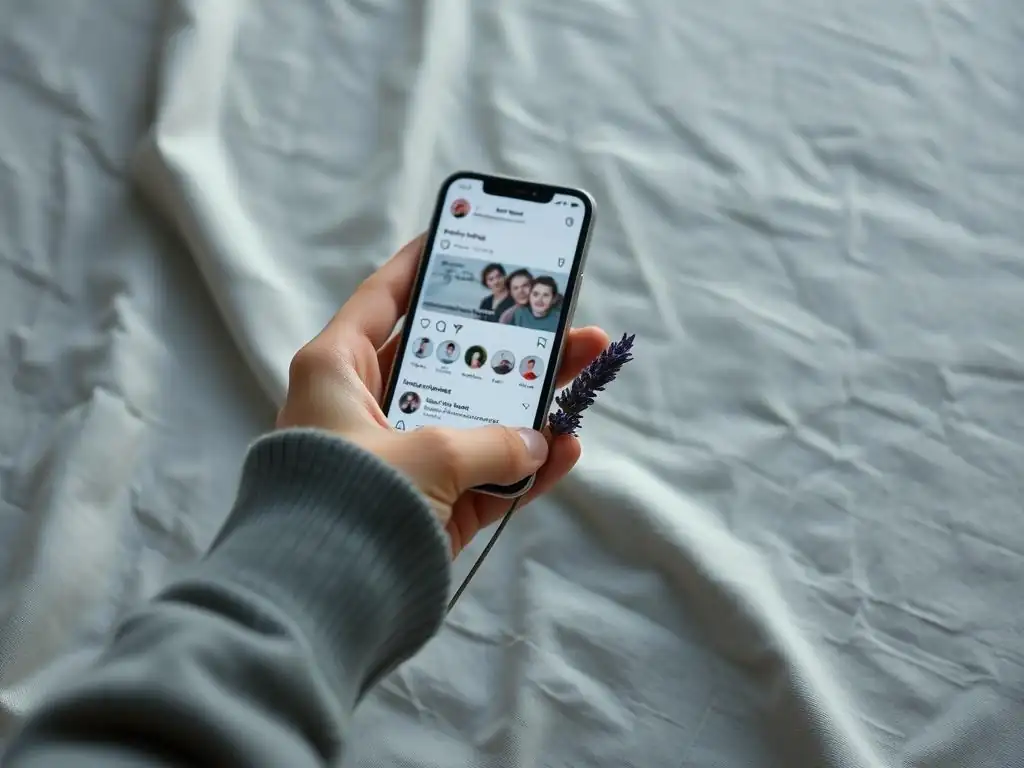
Limiting Screen Time to Enhance Mood
Consciously reducing the total amount of time you spend looking at screens, particularly on social media, can have a direct positive impact on your mood. Excessive screen time is linked to sedentary behavior, disrupted sleep, and reduced engagement in real-world activities, all of which can negatively affect mental health. Setting and sticking to daily limits helps you regain control over your time and energy, freeing them up for activities that are genuinely restorative and mood-enhancing.
Consider setting daily time limits using your phone's built-in features or third-party apps. Aim to gradually decrease your usage over time. For example, if you currently spend two hours a day on social media, try reducing it to 1.5 hours for a week, then one hour the following week. Be mindful of how you spend that limited time; prioritize meaningful interactions or consumption rather than mindless scrolling. Reducing overall screen time is a practical step towards healthy social media mood boosting.
Engaging in Digital Detoxes for Mental Clarity
Periodically taking a complete break from social media, known as a digital detox, can be incredibly beneficial for mental clarity and mood. This could range from a few hours to a weekend, a week, or even longer. During a detox, you intentionally abstain from checking social media apps and potentially other non-essential digital communication. This break allows your mind to rest from the constant stimulation and information overload.
A digital detox can help reset your relationship with social media, making you more aware of how dependent you might have become. It provides an opportunity to rediscover offline activities, reconnect with yourself and others, and observe any changes in your mood, stress levels, or sleep patterns during the break. Many people report feeling calmer, more focused, and less anxious after a digital detox. Scheduling regular detoxes can be a powerful tool in your strategy for healthy social media mood boosting.
Focusing on Authentic Connection vs. Validation
Shift your focus on social media from seeking external validation (likes, comments, followers) to cultivating authentic connections. Instead of posting content primarily aimed at gaining approval, use platforms to genuinely connect with friends and family, share aspects of your life that feel meaningful to you, or engage in conversations about topics you care about. This change in perspective can reduce anxiety associated with performance and comparison.
Engage in more one-on-one or small group messaging rather than just broadcasting to a large audience. Comment thoughtfully on friends' posts and initiate genuine conversations. Remember that true connection comes from mutual exchange and understanding, not from the number of likes. By prioritizing authentic interaction, you can make your social media experience more fulfilling and less stressful, fostering a genuine sense of connection that contributes to healthy social media mood boosting.
Social media doesn't have to be a purely passive or negative experience. You can actively use it as a tool to promote positivity and support, both for yourself and others. Share content that you find uplifting, inspiring, or informative. Offer words of encouragement to friends or participate in positive online communities related to your interests or mental well-being.
Consider using social media to raise awareness for causes you believe in or to share resources that could help others struggling with similar issues. Engaging in prosocial behavior online can create a sense of purpose and connection, which are significant mood boosters. Being a source of positivity in the digital space not only helps others but also reinforces your own positive mindset, turning social media into a platform for healthy social media mood boosting.
Overcoming FOMO (Fear of Missing Out)
FOMO, the anxiety that an exciting or interesting event is happening elsewhere, often fueled by social media portrayals of others' lives, is a significant barrier to healthy social media use. It can lead to excessive checking, feeling inadequate, and difficulty setting boundaries. To overcome FOMO, recognize that social media often presents an incomplete and idealized picture. What you see is not the full story, and everyone experiences mundane moments and disappointments that aren't typically shared online.
Practice gratitude for what you have in your own life and focus on the experiences you are actually having, rather than those you are missing out on. Limit exposure to content that specifically triggers your FOMO, perhaps by muting certain accounts or taking breaks during peak social events. Remind yourself that missing one event online allows you to be fully present for the experiences in your immediate reality, which are often more enriching and contribute more positively to your mood than passive observation online.
While not formally recognized as a clinical addiction in the same way as substance abuse, problematic or compulsive social media use shares many characteristics with addictive behaviors and can significantly impair functioning and mood. Signs include spending excessive time online despite negative consequences, feeling restless or irritable when unable to check social media, needing to use it in increasing amounts to feel satisfied, and neglecting responsibilities or relationships due to usage.
If you suspect you have a problematic relationship with social media, acknowledging it is the first step. Set clear limits and use tracking tools to monitor compliance. Identify the triggers for compulsive checking (e.g., boredom, stress, loneliness) and find healthier coping mechanisms. Seek support from friends, family, or a mental health professional if you find it difficult to manage on your own. Treating compulsive social media use like any other habit you want to change, with clear goals and support, is vital for achieving healthy social media mood boosting.
Dealing with Cyberbullying and Online Harassment
Exposure to cyberbullying, online harassment, or negative comments can be incredibly damaging to mood and mental health. This can range from rude remarks and arguments to targeted harassment and threats. If you experience this, remember that you are not alone, and it is not your fault. Do not engage with the aggressor; often, they are seeking a reaction.
- Document: Take screenshots of the offending content.
- Block: Immediately block the individual or account.
- Report: Use the platform's reporting tools to flag the behavior.
- Seek Support: Talk to a trusted friend, family member, or mental health professional about what you're experiencing.
- Take a Break: If necessary, take a temporary break from the platform or social media entirely to protect your mental space.
Protecting yourself from online negativity is crucial for maintaining a positive mood and is a necessary defense when aiming for healthy social media mood boosting.

While implementing strategies for healthy social media use can significantly improve mood, sometimes the negative impacts are deeper and require professional intervention. If you find that your social media usage is contributing to persistent feelings of sadness, anxiety, hopelessness, or if it's interfering with your daily life, relationships, or work, it may be time to seek help from a mental health professional. Therapists and counselors are trained to help you understand the underlying issues contributing to your mood difficulties and develop effective coping strategies.
They can provide personalized guidance on managing social media's impact, addressing any co-occurring mental health conditions like depression or anxiety, and developing healthier digital habits. Seeking professional support is a sign of strength and a proactive step towards reclaiming your mental well-being. It provides a safe space to explore your experiences and develop a tailored plan for achieving lasting healthy social media mood boosting.
When to Consider Therapy or Counseling
Consider seeking therapy or counseling if:
- Your mood is consistently low or anxious, and you suspect social media plays a significant role.
- You feel unable to control your social media use despite wanting to cut back.
- Social media is causing significant distress, impacting your self-esteem, or leading to frequent comparison and feelings of inadequacy.
- You are experiencing symptoms of depression or anxiety that seem exacerbated by your online activities.
- You have been a target of cyberbullying or online harassment and are struggling to cope with the emotional aftermath.
- Your social media use is negatively affecting your relationships, work, or studies.
A therapist can help you explore the root causes of your difficulties, develop coping mechanisms, and build resilience against the negative aspects of the digital world. They can also assist in setting realistic goals for social media use and provide strategies for maintaining a healthy balance.
Numerous resources are available to support your mental health journey and navigate the complexities of social media. National and local mental health organizations often provide helplines, online resources, and directories of therapists. University counseling centers are available for students. Employee assistance programs (EAPs) can be a resource for working individuals.
Many websites and apps offer tools and information specifically focused on digital well-being and managing screen time. Look for reputable sources that provide evidence-based strategies for healthy social media use and mental health support. Remember that connecting with others who understand your struggles, either through support groups (online or offline) or trusted individuals, can also be a valuable resource in your pursuit of healthy social media mood boosting.
You don't have to navigate the challenges of social media alone. Building a support system among friends, family, or peers can provide encouragement, accountability, and shared strategies for healthier habits. Talk to people you trust about your goals for managing social media use and how it affects your mood. Share your experiences and listen to theirs; you may find common ground and helpful insights.
Consider finding an "accountability buddy" who also wants to develop healthier social media habits. Check in with each other regularly to share progress and challenges. Join online or offline communities focused on digital wellness or mental health. Sharing your journey with others who understand can reduce feelings of isolation and reinforce your commitment to making positive changes. A strong support system is invaluable when working towards healthy social media mood boosting.
Maintaining a Positive Mood in the Digital Age
Sustaining a positive mood in the digital age requires ongoing effort and a commitment to long-term strategies for social media well-being. This isn't a one-time fix but an evolving practice of mindful engagement and boundary setting. Regularly review your social media habits and assess their impact on your mood. What worked last month might need tweaking this month. Stay informed about new platform features and trends that could affect your usage.
Integrate your healthy social media practices into your overall lifestyle. Just as you prioritize sleep, nutrition, and exercise for physical health, prioritize digital wellness for mental health. This includes consistent time limits, regular feed curation, scheduled detoxes, and prioritizing real-life connections. Making these practices habitual ensures that your social media use remains a positive or neutral force, rather than a drain on your emotional resources, contributing to sustained healthy social media mood boosting.
A crucial long-term strategy is to build a strong sense of self-esteem that is not dependent on external validation from social media. True self-worth comes from within – from your values, character, efforts, and contributions, not from the number of likes you receive or the curated image you present online. Focus on developing your talents, achieving personal goals, and nurturing meaningful relationships offline.
Engage in activities that genuinely make you feel good about yourself and your abilities. Practice self-compassion and acceptance, recognizing that everyone has imperfections and faces challenges. Reduce the importance you place on online metrics and opinions. By anchoring your self-esteem in intrinsic qualities and real-world experiences, you become less vulnerable to the ups and downs of social media validation, building resilience and maintaining a more stable and positive mood, which is the ultimate goal of healthy social media mood boosting.
Embracing a Balanced Lifestyle for a Happier Mood
Ultimately, maintaining a positive mood in the digital age is about embracing a balanced lifestyle. Social media is just one component of life, and it should not overshadow other essential areas. Ensure you are dedicating sufficient time and energy to physical health (exercise, sleep, nutrition), mental health (mindfulness, relaxation, seeking help when needed), social connections (real-life interactions), hobbies, work/school, and personal growth.
View your social media use within the context of this broader balance. Is it enhancing your life or detracting from it? Adjust your habits as needed to ensure social media complements, rather than compromises, your overall well-being. A lifestyle rich in diverse experiences and meaningful connections, with social media playing a limited and intentional role, is the most effective path to a happier mood and sustainable healthy social media mood boosting.
Frequently Asked Questions
It refers to using social media in a way that positively impacts your mental well-being and boosts your mood, rather than contributing to anxiety or negativity. The goal is to cultivate a healthier and more beneficial relationship with these platforms.
Pay attention to your feelings after using social media. Are you experiencing increased anxiety, jealousy, or feelings of inadequacy? These are signs of a negative impact.
Consider implementing strategies like limiting screen time, unfollowing accounts that trigger negative emotions, and actively seeking out positive and uplifting content. Prioritize real-life interactions.
Mindful engagement involves being present and intentional with your social media use. This means being aware of your emotions and motivations while online, and avoiding mindless scrolling that can lead to negativity.
Yes, many exist! Consider engaging in online learning, virtual support groups, or creative pursuits that align with your interests and promote a sense of connection and purpose.
Final Reflection: Cultivating Joy in the Digital Age
The pervasive nature of social media in our lives demands a conscious approach to its use; our mental well-being hinges on it. Ignoring the impact of endless scrolling and curated perfection is no longer an option. We must actively reclaim our moods and cultivate a healthier relationship with these powerful platforms.
The insidious creep of comparison and the relentless pursuit of online validation have profoundly shaped our cultural landscape. We're bombarded with idealized versions of reality, leading to feelings of inadequacy and anxiety. This constant pressure to present a flawless online persona takes a toll on our mental health. The internet is a powerful tool, but it's a tool. It's not a solution to our problems, and it's not a replacement for real-life connection.
This quote underscores the importance of remembering that social media is a tool, not a reflection of true reality, and should be used mindfully.
You now have the knowledge and strategies to cultivate a more positive and intentional relationship with social media. Consider which techniques resonate most with you – whether it's setting time limits, curating your feed, or prioritizing real-life connections. Take the first step today. Unplug, reconnect with yourself, and rediscover the joy in genuine human interaction. Your mental well-being is worth it.
Rediscover Your Digital Wellbeing: Take Control Now!
Thanks for taking the time to explore healthier social media habits with us! We hope you found practical strategies to improve your online experience and, more importantly, your mood. Ready to put these insights into action?
- Prioritize your digital detox: Identify one specific social media platform or activity that consistently drains your energy and commit to reducing your time on it by 30 minutes each day this week. Notice the difference!
- Share your experiences: Discuss this article with a friend or family member—perhaps they'll find helpful tips too! Sharing is caring.
- Uncover hidden patterns: Try tracking your social media usage for a few days. What patterns emerge? This simple step can reveal surprising insights into your digital habits.
What small change will you implement today to improve your relationship with social media?