
GABA and Glutamate: The Exciting and Inhibitory Balance in Mood

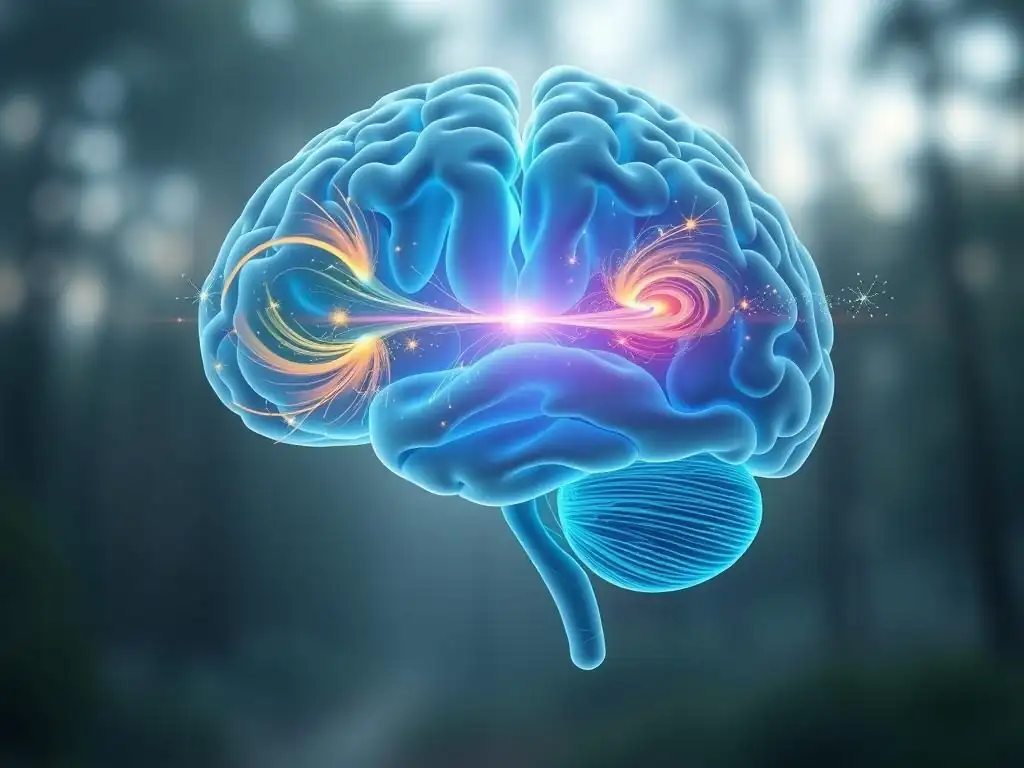
Welcome to Mind Care Guide, your compassionate companion on the journey to mental well-being.
Feeling overwhelmed by the complexities of mood and mental health? You're not alone. We understand. Dive in and explore the fascinating interplay of brain chemicals, starting with the crucial GABA glutamate mental health balance. Discover how these key players influence your mood and unlock potential pathways to a more balanced and fulfilling life. What if understanding this intricate connection could be the key to unlocking greater emotional stability? Let's find out together.
- GABA and Glutamate: The Exciting and Inhibitory Balance in Mood for Mental Well-being
- GABA: The Calming Neurotransmitter for Mood Stabilization
- Glutamate: The Exciting Neurotransmitter and its Importance for Brain Function
- The Delicate Balance: GABA and Glutamate in Mental Health
- Factors Affecting GABA and Glutamate Levels: Lifestyle, Diet, and Stress
- Strategies to Support a Healthy GABA Glutamate Balance for Mood Improvement
- GABA and Glutamate in Mood Disorders: A Deeper Dive into Brain Chemistry
- Treatments Targeting GABA and Glutamate for Mental Health
-
Frequently Asked Questions
- What is the relationship between GABA and glutamate in the context of mental health?
- How does an imbalance between GABA and glutamate affect mental well-being?
- What are some potential symptoms of a GABA deficiency?
- What are some potential ways to naturally support healthy GABA levels?
- How can I determine if a GABA/glutamate imbalance is contributing to my mental health concerns?
- Final Reflection: Finding Harmony in the Brain's Chemical Dance
- Unlock Your Mood's Potential: Find Your GABA-Glutamate Balance
GABA and Glutamate: The Exciting and Inhibitory Balance in Mood for Mental Well-being
What are GABA and Glutamate? The Basics of Brain Chemistry
GABA (gamma-aminobutyric acid) and Glutamate are the two most abundant neurotransmitters in the mammalian central nervous system. Neurotransmitters are chemical messengers that transmit signals from one neuron to another across a synapse. GABA is considered the primary inhibitory neurotransmitter, meaning it reduces the activity of neurons, making them less likely to fire. Glutamate, conversely, is the primary excitatory neurotransmitter, increasing the likelihood that a neuron will fire. Their interplay is fundamental to virtually all brain functions.
The balance between these two powerful forces is critical for maintaining stable brain function and, consequently, stable mood. GABA acts like a brake pedal, preventing the nervous system from becoming overstimulated, while Glutamate acts like an accelerator, driving neuronal activity. This delicate balance is not static but constantly adjusted based on signals received and processed by the brain. Disruptions in this fine-tuning can have profound effects on cognitive function, emotional regulation, and overall mental well-being, highlighting the importance of the GABA glutamate mental health balance.
The Role of Neurotransmitters in Mental Health: An Overview
Neurotransmitters like GABA and Glutamate are fundamental to the complex processes that underlie mood, emotion, and behavior. They influence everything from our ability to feel pleasure and pain to our capacity for learning and memory. When neurotransmitter systems are dysregulated – either through insufficient production, excessive release, impaired receptor function, or problems with reuptake – it can contribute significantly to the development or exacerbation of various mental health conditions.
Research has consistently shown altered levels or function of various neurotransmitters, including serotonin, dopamine, norepinephrine, and acetylcholine, in conditions like depression, anxiety disorders, schizophrenia, and bipolar disorder. The focus on GABA and Glutamate is particularly significant because of their widespread influence as the main inhibitory and excitatory signals, respectively. Understanding their roles and interactions provides crucial insights into the neurobiological underpinnings of mood disorders and potential targets for therapeutic intervention aimed at restoring the crucial GABA glutamate mental health balance.
GABA: The Calming Neurotransmitter for Mood Stabilization
How GABA Works: Inhibitory Action and its Impact on Brain Activity
GABA exerts its inhibitory effects primarily by binding to GABA receptors on neurons. There are two main types of GABA receptors: GABA-A and GABA-B. When GABA binds to GABA-A receptors, it typically causes an influx of negatively charged chloride ions into the neuron. This makes the inside of the neuron more negative (hyperpolarization), effectively inhibiting the neuron from firing an action potential. This process is rapid and crucial for quickly dampening neuronal activity.
GABA-B receptors, on the other hand, are G protein-coupled receptors that mediate slower, longer-lasting inhibition. When activated, they can affect potassium and calcium channels, leading to decreased neuronal excitability. The collective action of GABA through these receptors helps regulate overall brain excitability, preventing runaway neuronal firing which could lead to seizures or states of extreme anxiety. This inhibitory control is vital for maintaining a calm and stable state, underpinning the role of GABA in the GABA glutamate mental health balance.
GABA's Role in Reducing Anxiety and Promoting Relaxation
Given its primary function as an inhibitory neurotransmitter, it's unsurprising that GABA plays a crucial role in reducing anxiety and promoting states of relaxation. By dampening excessive neuronal activity, particularly in brain regions associated with fear and stress responses, GABA helps to calm the nervous system. Think of it as the body's natural tranquilizer, capable of reducing the physiological symptoms associated with anxiety, such as a racing heart, sweating, and restlessness.
Many medications prescribed for anxiety disorders, such as benzodiazepines (e.g., alprazolam, lorazepam), work by enhancing the effects of GABA at the GABA-A receptor. These drugs don't directly provide GABA, but they increase the receptor's sensitivity or the frequency of the ion channel opening when GABA is present, thus amplifying GABA's natural calming signal. This therapeutic approach highlights the direct link between sufficient GABAergic activity and a reduction in anxiety symptoms, underscoring GABA's critical contribution to the GABA glutamate mental health balance.
GABA Deficiency and its Link to Mood Disorders: Anxiety Disorders, Insomnia, Epilepsy
When GABA levels are insufficient or GABAergic signaling is impaired, the brain's overall level of excitability can increase. This heightened state of neuronal activity is strongly linked to several neurological and psychiatric conditions. For instance, a deficiency in GABA is widely implicated in anxiety disorders. Studies using magnetic resonance spectroscopy (MRS) have shown reduced GABA concentrations in certain brain regions, such as the prefrontal cortex, in individuals with generalized anxiety disorder (GAD) compared to healthy controls.
Insomnia is another condition where GABA deficiency is thought to play a role. Adequate GABA is needed to dampen the activity of wake-promoting brain regions and allow for the transition to sleep. Research suggests that individuals with chronic insomnia may have lower levels of GABA in specific brain areas. Epilepsy, characterized by recurrent seizures resulting from excessive and synchronized neuronal firing, is perhaps the most direct example of the consequences of insufficient inhibition; many anti-epileptic drugs work by increasing GABAergic transmission, providing strong evidence for GABA's role in preventing over-excitation.
Glutamate: The Exciting Neurotransmitter and its Importance for Brain Function

How Glutamate Works: Exciting Action and Neuronal Communication
Glutamate is the brain's primary excitatory neurotransmitter, mediating rapid communication between neurons. It exerts its effects by binding to several types of receptors, the most well-known being NMDA (N-methyl-D-aspartate), AMPA (alpha-amino-3-hydroxy-5-methyl-4-isoxazolepropionic acid), and kainate receptors. When glutamate binds to AMPA receptors, it typically causes an influx of positively charged sodium ions into the neuron, making the neuron's interior more positive (depolarization). This moves the neuron closer to its firing threshold.
NMDA receptors are particularly interesting because they are 'coincidence detectors'; they require both glutamate binding and a certain level of depolarization (often achieved by AMPA receptor activation) to open their ion channel, which allows calcium ions to enter the neuron. This influx of calcium is crucial for initiating intracellular signaling cascades involved in synaptic plasticity, the process by which synapses strengthen or weaken over time. This excitatory signaling is fundamental to brain function but must be tightly controlled to maintain the overall GABA glutamate mental health balance.
Glutamate's Role in Learning, Memory, and Cognitive Function
As the main excitatory neurotransmitter, Glutamate plays a critical role in synaptic plasticity, which is the cellular basis for learning and memory. Processes like Long-Term Potentiation (LTP), a persistent strengthening of synapses based on recent patterns of activity, are heavily dependent on Glutamate signaling, particularly through NMDA receptors. When we learn something new, the connections between specific neurons involved in processing that information are strengthened through mechanisms involving Glutamate.
Beyond learning and memory, Glutamate is essential for a wide range of cognitive functions, including attention, executive function, and information processing. Its ubiquitous presence and rapid excitatory action make it central to virtually all active brain processes. Optimal cognitive performance relies on efficient and well-regulated Glutamate signaling, highlighting its importance in maintaining overall brain health and contributing to the complex interplay that forms the GABA glutamate mental health balance.
Glutamate Excess and its Potential Contribution to Mood Imbalances: Excitotoxicity and Neurodegeneration
While essential for normal brain function, excessive Glutamate activity can be detrimental. A phenomenon known as excitotoxicity occurs when neurons are overstimulated by Glutamate, leading to excessive calcium influx and activation of damaging enzymes, ultimately causing neuronal damage or death. This process is implicated in acute brain injuries like stroke and traumatic brain injury, but chronic, lower-level excitotoxicity may also contribute to neurodegenerative diseases like Alzheimer's and Huntington's.
In the context of mood disorders, dysregulated Glutamate signaling, particularly excessive activity, has been linked to conditions like depression and anxiety. Elevated Glutamate levels or increased sensitivity of its receptors in certain brain circuits could contribute to symptoms like agitation, restlessness, and even contribute to the neurobiological changes observed in chronic stress and mood disorders. Maintaining the proper balance between Glutamate and GABA is therefore crucial not just for acute brain health but also for preventing longer-term neurological and psychiatric issues, emphasizing the critical nature of the GABA glutamate mental health balance.
The Delicate Balance: GABA and Glutamate in Mental Health
GABA Glutamate Mental Health Balance: Maintaining Equilibrium for Optimal Mood
The health of our brain, and by extension, our mental well-being, depends significantly on the dynamic equilibrium between the inhibitory effects of GABA and the excitatory effects of Glutamate. This balance dictates the overall level of neuronal activity in specific brain circuits. If the system is tilted too far towards excitation due to insufficient GABA or excessive Glutamate, it can lead to states of anxiety, restlessness, and potentially excitotoxicity. Conversely, if inhibition dominates due to excessive GABA or insufficient Glutamate, it can result in lethargy, cognitive impairment, and potentially contribute to depressive states or sedation.
Think of the brain's activity level like a volume knob. Glutamate turns the volume up, increasing neuronal firing, while GABA turns it down, decreasing firing. Optimal brain function requires the volume to be just right – loud enough for efficient processing and communication, but not so loud that it becomes chaotic or damaging. Maintaining this precise GABA glutamate mental health balance is fundamental for regulating mood, managing stress, and ensuring cognitive clarity.
Imbalances in GABA and Glutamate: Contributing Factors and Consequences
Imbalances in the GABA-Glutamate system can arise from various factors, including genetic predispositions, chronic stress, poor diet, inadequate sleep, exposure to toxins, and certain medical conditions. For example, chronic stress is known to increase Glutamate release, potentially overwhelming the inhibitory capacity of GABA. Nutritional deficiencies, such as lack of magnesium or B6, which are cofactors in GABA synthesis, can also impair the production of this calming neurotransmitter.
The consequences of these imbalances are significant and varied. An overactive Glutamate system relative to GABA can manifest as symptoms characteristic of anxiety disorders, panic attacks, or even contribute to obsessive-compulsive disorder (OCD) symptoms through hyperactive neural circuits. Conversely, relative GABA excess or Glutamate deficiency might contribute to symptoms of depression, including low energy, reduced motivation, and cognitive sluggishness. These examples highlight how disruptions to the GABA glutamate mental health balance can directly impact emotional and cognitive states.
The Importance of the GABA/Glutamate Ratio for Mental Well-being
While absolute levels of GABA and Glutamate are important, the ratio between their activities is arguably even more critical for optimal brain function and mood regulation. The balance is not about having fixed amounts, but about the relative strength of inhibition versus excitation in specific brain circuits at specific times. Researchers often look at the GABA/Glutamate ratio in brain imaging studies (like MRS) to assess this balance in individuals with different conditions.
Studies have reported altered GABA/Glutamate ratios in various mental health disorders. For example, some studies suggest a reduced GABA/Glutamate ratio in certain brain areas in individuals with schizophrenia or bipolar disorder during manic episodes, indicating a shift towards excessive excitation. Conversely, some forms of depression might be linked to altered ratios in different ways, potentially involving reduced Glutamate activity or disruptions in how the balance is regulated. Understanding and potentially modulating this crucial GABA glutamate mental health balance is a key focus of current neuropsychiatric research.
Factors Affecting GABA and Glutamate Levels: Lifestyle, Diet, and Stress
The Impact of Diet on GABA and Glutamate Production: Fermented Foods, Green Tea, and Protein Intake
Diet plays a significant, though complex, role in influencing neurotransmitter levels and the overall GABA glutamate mental health balance. For instance, the amino acid L-glutamine is a precursor for both Glutamate and GABA synthesis in the brain. Ensuring adequate protein intake, which provides L-glutamine, is therefore foundational. However, simply increasing glutamine doesn't guarantee balance, as the enzymes converting it to GABA (GAD - Glutamic Acid Decarboxylase) or Glutamate need to be functioning correctly.
Certain foods and dietary patterns are thought to influence these systems more directly. Fermented foods (like yogurt, kimchi, sauerkraut) contain probiotics, which can influence the gut-brain axis. Emerging research suggests that gut bacteria can produce neurotransmitters or their precursors, potentially impacting central nervous system levels.
Green tea contains L-theanine, an amino acid that can cross the blood-brain barrier and has been shown in some studies to increase GABA levels and promote relaxation, contributing positively to the GABA glutamate mental health balance. Conversely, a diet high in processed foods, sugar, and unhealthy fats can contribute to inflammation and oxidative stress, which may negatively impact neurotransmitter synthesis and function.
Stress and its Effects on GABA and Glutamate Levels: Cortisol's Role in Glutamate Increase
Chronic stress is a major disruptor of the GABA glutamate mental health balance. The primary stress hormone, cortisol, released by the adrenal glands in response to stress, has complex effects on neurotransmitter systems. Acute stress can transiently increase GABA release as a protective mechanism, but chronic exposure to elevated cortisol can lead to adaptations that ultimately shift the balance towards excitation.
Studies have shown that chronic stress can increase the release of Glutamate in certain brain regions, like the hippocampus and prefrontal cortex. This excessive Glutamate, combined with potential stress-induced reductions in GABA receptor function or density, can lead to a state of heightened excitability and vulnerability to anxiety and depression. For example, research in animal models of chronic stress often shows increased Glutamate signaling and reduced GABAergic tone in stress-sensitive brain areas, providing a neurobiological basis for stress-related mood disorders and highlighting how stress negatively impacts the GABA glutamate mental health balance.
Lifestyle Factors that Influence GABA and Glutamate Balance: Sleep Hygiene, Regular Exercise
Beyond diet and stress management, other lifestyle factors significantly impact the GABA glutamate mental health balance. Adequate sleep is crucial; during sleep, the brain clears metabolic waste and restores optimal neurotransmitter function. Chronic sleep deprivation can disrupt the balance, potentially leading to increased Glutamate activity and impaired GABAergic inhibition, contributing to irritability, poor concentration, and heightened anxiety. Aiming for 7-9 hours of quality sleep per night is a cornerstone of mental health support.
Regular physical exercise is another powerful modulator. Exercise has been shown to increase GABA levels in certain brain regions, such as the motor cortex, which may contribute to its anti-anxiety and mood-boosting effects. For example, a study using MRS showed that a single bout of exercise (about 20 minutes) could increase GABA levels in the visual cortex. Exercise also influences Glutamate metabolism and signaling, helping to maintain healthy synaptic function. Integrating regular physical activity (e.g., 150 minutes of moderate exercise per week) into one's routine is a practical strategy for supporting the GABA glutamate mental health balance.
Strategies to Support a Healthy GABA Glutamate Balance for Mood Improvement

Dietary Interventions for Optimizing GABA and Glutamate Levels: Increasing Magnesium, Reducing Processed Foods
Targeting the GABA glutamate mental health balance through diet involves focusing on nutrient-dense foods that support neurotransmitter synthesis and function, while reducing inflammatory and disruptive elements. Magnesium is a key mineral that acts as a cofactor for the enzyme GAD, which converts Glutamate into GABA. Ensuring adequate magnesium intake through foods like leafy greens, nuts, seeds, and whole grains, or potentially supplementation (around 300-400 mg per day, but consult a healthcare provider), may help support GABA synthesis. Vitamin B6 is another essential cofactor for GAD.
Equally important is reducing consumption of processed foods, excessive sugar, and artificial additives. These can contribute to systemic inflammation and oxidative stress, which can negatively impact neuronal health and neurotransmitter signaling. Limiting caffeine and alcohol intake is also advisable, as both can acutely disrupt the GABA glutamate mental health balance – caffeine by blocking adenosine receptors (which indirectly increases excitation) and alcohol by initially enhancing GABA but leading to rebound excitation and Glutamate surges upon withdrawal.
Lifestyle Modifications to Promote GABA and Reduce Glutamate: Mindfulness Meditation, Regular Exercise
Adopting specific lifestyle practices can directly influence the GABA glutamate mental health balance. Mindfulness meditation and other relaxation techniques have been shown to increase GABA levels in the brain. For instance, a study found that participants who engaged in 8 weeks of mindfulness training had significantly higher GABA levels in the thalamus compared to a control group. These practices help calm the nervous system and counteract the excitatory effects of stress.
As mentioned earlier, regular exercise is beneficial. Activities ranging from aerobic exercise (like brisk walking or cycling) to resistance training can positively impact both GABA and Glutamate systems, promoting a healthier balance. Aiming for consistency, such as exercising for 30 minutes most days of the week, provides cumulative benefits. Prioritizing sufficient, quality sleep (7-9 hours) is also non-negotiable, as sleep is when crucial restoration of the GABA glutamate mental health balance occurs.
Supplementation for GABA and Glutamate Support: Magnesium, L-Theanine, and Probiotics
While a balanced diet and healthy lifestyle are foundational, certain supplements may offer additional support for the GABA glutamate mental health balance, although they should always be used under the guidance of a healthcare professional. Magnesium (e.g., magnesium glycinate or citrate) is often recommended due to its role in GABA synthesis and NMDA receptor modulation (reducing excessive Glutamate activity). Typical doses range from 200-400 mg daily.
L-theanine, found in green tea, is available as a supplement and is often used for its calming effects, which are thought to be mediated, in part, by increasing GABA and blocking Glutamate receptors. Doses typically range from 100-200 mg. Probiotic supplements, by influencing the gut-brain axis, may indirectly support neurotransmitter balance; research is ongoing, but some studies suggest certain probiotic strains might influence GABA production in the gut. It is crucial to remember that supplements are not a substitute for professional medical advice or treatment for mood disorders.
GABA and Glutamate in Mood Disorders: A Deeper Dive into Brain Chemistry
GABA, Glutamate and Anxiety Disorders: Understanding the Connection
The connection between GABA and anxiety disorders is well-established. Reduced GABAergic tone or function is a significant factor in the heightened state of arousal and worry characteristic of conditions like Generalized Anxiety Disorder (GAD), Panic Disorder, and Social Anxiety Disorder. Brain imaging studies often show lower GABA concentrations in specific brain regions, such as the prefrontal cortex and amygdala, in individuals with anxiety disorders compared to healthy controls. The amygdala, a key area for processing fear, is normally regulated by inhibitory GABA signals; deficient GABA allows this area to become hyperactive, leading to exaggerated fear responses.
Furthermore, the interplay with Glutamate is crucial. While GABA is reduced, there can also be a relative increase in Glutamate activity or a disruption in how neurons respond to Glutamate, shifting the GABA glutamate mental health balance towards excitation. This excitatory dominance contributes to the persistent state of unease and hypervigilance seen in anxiety. Many effective anxiolytic medications work by enhancing GABAergic signaling, providing strong pharmacological evidence for its central role in regulating anxiety levels.
The Role of GABA and Glutamate in Depression: Neurochemical Perspectives
While serotonin and norepinephrine are traditionally the focus of depression research and treatment, evidence increasingly points to significant roles for GABA and Glutamate imbalances as well. Some studies have found reduced GABA levels in certain brain regions, such as the occipital cortex and prefrontal cortex, in individuals with major depressive disorder (MDD). Lower GABA could contribute to some depressive symptoms, such as increased anxiety or agitation often seen in depression.
Glutamate's role in depression is complex and appears to involve dysregulation rather than a simple increase or decrease. Alterations in NMDA receptor function and signaling pathways involving Glutamate have been observed in depressed individuals. Rapid-acting antidepressants like ketamine, which primarily targets NMDA receptors, have shown remarkable efficacy in quickly alleviating severe depressive symptoms in some individuals, strongly suggesting Glutamate system involvement. This highlights that depression is not solely about monoamine deficiencies but also involves imbalances in the fundamental GABA glutamate mental health balance.
GABA and Glutamate Imbalances in Bipolar Disorder: Exploring the Complexities
Bipolar disorder, characterized by alternating episodes of mania (or hypomania) and depression, presents a more complex picture regarding GABA and Glutamate. During manic episodes, there is often thought to be a state of increased neuronal excitability. Some research suggests altered Glutamate levels or signaling may contribute to the hyperactive state of mania. For example, studies using MRS have sometimes reported elevated Glutamate levels in certain brain areas during mania.
Conversely, depressive episodes in bipolar disorder may share some neurochemical features with MDD, potentially involving reduced GABA or altered Glutamate signaling. Mood stabilizers used to treat bipolar disorder, such as lithium and valproate, are known to modulate both Glutamate and GABA systems. Lithium, for instance, affects multiple neurotransmitter systems, while valproate enhances GABAergic function and modulates Glutamate. This suggests that restoring the overall GABA glutamate mental health balance is a key therapeutic target in managing the mood swings characteristic of bipolar disorder.
Treatments Targeting GABA and Glutamate for Mental Health
Medications that Influence GABA and Glutamate: Benzodiazepines, SSRIs, and Anticonvulsants
Many psychiatric medications exert their effects, at least in part, by modulating GABA or Glutamate signaling. Benzodiazepines (like diazepam, lorazepam) are well-known for their anxiolytic and sedative effects, which they achieve by binding to a specific site on the GABA-A receptor, enhancing GABA's inhibitory action. While effective for acute anxiety, their potential for dependence necessitates careful use.
Selective Serotonin Reuptake Inhibitors (SSRIs), commonly prescribed for depression and anxiety, primarily target the serotonin system. However, long-term use of SSRIs can also indirectly influence GABA and Glutamate levels and receptor function, contributing to their broader therapeutic effects on the GABA glutamate mental health balance. Anticonvulsant medications (like gabapentin, pregabalin, lamotrigine), initially developed for epilepsy, are often used off-label for anxiety disorders, bipolar disorder, and neuropathic pain due to their ability to modulate calcium channels and influence GABA release or Glutamate activity.
Therapies that Address GABA and Glutamate Imbalances: Neurofeedback, Transcranial Magnetic Stimulation (TMS)
Beyond pharmacology, certain therapeutic approaches may also influence brain activity and potentially impact the GABA glutamate mental health balance. Neurofeedback, a type of biofeedback, trains individuals to self-regulate their brainwave patterns. While the direct impact on specific neurotransmitter levels is not fully understood, by promoting shifts towards calmer brain states (e.g., increasing alpha or theta waves and decreasing high beta waves), it may indirectly support a healthier balance between inhibition and excitation.
Transcranial Magnetic Stimulation (TMS) is a non-invasive brain stimulation technique used for treating depression, particularly in individuals who haven't responded to medication. TMS delivers magnetic pulses to specific areas of the brain, most commonly the prefrontal cortex. These pulses induce electrical currents that alter neuronal activity. Research suggests that the therapeutic effects of TMS may involve modulating the balance between excitatory (Glutamate) and inhibitory (GABA) neurotransmission in the targeted brain regions, helping to restore more typical activity patterns associated with improved mood and a better GABA glutamate mental health balance.
Future Directions in GABA and Glutamate Research for Mood Disorder Treatment
Research into the roles of GABA and Glutamate in mood disorders is an active and exciting field, holding promise for developing novel treatments. Scientists are exploring drugs that more selectively target specific Glutamate receptor subtypes (like mGluRs) or enhance GABAergic signaling in a way that avoids the side effects or dependence potential of current medications. For instance, drugs that act as positive allosteric modulators of GABA-A receptors (different from benzodiazepines) are under investigation.
There is also increasing interest in understanding how the gut-brain axis influences GABA and Glutamate systems and whether manipulating the gut microbiome through prebiotics or probiotics could offer therapeutic benefits for mood disorders. Furthermore, advanced imaging techniques like MRS are continually being refined to better measure and understand GABA and Glutamate dynamics in the living human brain, providing crucial insights into the neurobiological basis of mental health conditions and guiding the development of more targeted interventions aimed at restoring the vital GABA glutamate mental health balance.
Frequently Asked Questions
What is the relationship between GABA and glutamate in the context of mental health?
GABA and glutamate are neurotransmitters that play crucial, opposing roles in the brain. Glutamate is primarily excitatory, while GABA is primarily inhibitory, and a healthy balance between them is essential for stable mood and cognitive function.
How does an imbalance between GABA and glutamate affect mental well-being?
An imbalance, such as too much glutamate or too little GABA, can lead to over-excitation in the brain, potentially contributing to anxiety, seizures, and other mental health challenges. Conversely, excessive GABA might result in over-inhibition, leading to sedation or cognitive slowing.
What are some potential symptoms of a GABA deficiency?
Symptoms of a GABA deficiency can include increased anxiety, difficulty relaxing, insomnia, irritability, and heightened sensitivity to stress. These symptoms can significantly impact one's overall mental well-being.
What are some potential ways to naturally support healthy GABA levels?
Some natural ways to support healthy GABA levels include regular exercise, mindfulness practices such as meditation, and consuming foods rich in GABA precursors or those that promote GABA synthesis, like fermented foods. Consult with a healthcare professional for personalized advice.
How can I determine if a GABA/glutamate imbalance is contributing to my mental health concerns?
It's important to consult with a qualified healthcare professional, such as a doctor or therapist. They can assess your symptoms, conduct relevant tests (if necessary), and determine if a GABA/glutamate imbalance is a contributing factor to your mental health struggles.
Final Reflection: Finding Harmony in the Brain's Chemical Dance
The delicate balance between GABA and glutamate is not merely a neurological curiosity; it's the cornerstone of mental well-being in our increasingly stressful world. Understanding this intricate interplay offers a powerful lens through which to view anxiety, depression, and even cognitive function, providing crucial insights into potential therapeutic avenues and self-care strategies.
The exploration of GABA and glutamate's roles has profoundly impacted my understanding of mental health, shifting my perspective from a purely symptomatic approach to a deeper appreciation of the underlying neurochemical processes. The mind is its own place, and in itself can make a heaven of hell, a hell of heaven.
– John Milton. This quote, while not directly about neurochemistry, perfectly encapsulates the power of internal balance – a balance heavily reliant on the harmonious functioning of GABA and glutamate. The ongoing research in this field continues to illuminate the complexity of mental health, highlighting the need for holistic approaches that consider both the mind and the body's intricate biochemical systems.
Now, consider your own mental landscape. Are you nurturing the delicate balance within your brain? This article isn't just about neurotransmitters; it's a call to action. Explore lifestyle choices that support GABA production and manage glutamate levels – from mindful stress management techniques to dietary adjustments and regular exercise. By understanding the intricate dance between these two crucial neurochemicals, you can take proactive steps towards cultivating a more balanced, resilient, and ultimately, happier you.
Unlock Your Mood's Potential: Find Your GABA-Glutamate Balance
Thanks for diving into the fascinating world of GABA and glutamate! You've now gained valuable insights into this crucial brain chemistry duo and its impact on your mood. Ready to take the next step towards feeling your best?
- Prioritize sleep hygiene: This is key to supporting your brain's natural GABA production. Aim for 7-9 hours of quality sleep each night.
- Explore mindful techniques: Try incorporating simple meditation or deep breathing exercises into your daily routine to influence your neurotransmitter balance. This can have a surprisingly positive effect!
- Share your insights: Discuss this information with friends or family who might also benefit from understanding the GABA-glutamate connection. Let's spread the word about natural mood support!
What small change will you make today to better support your brain’s natural balance?