
Irritability and Mood Disorders: What's Happening Chemically?

Welcome to Mind Care Guide, a sanctuary dedicated to your mental well-being.
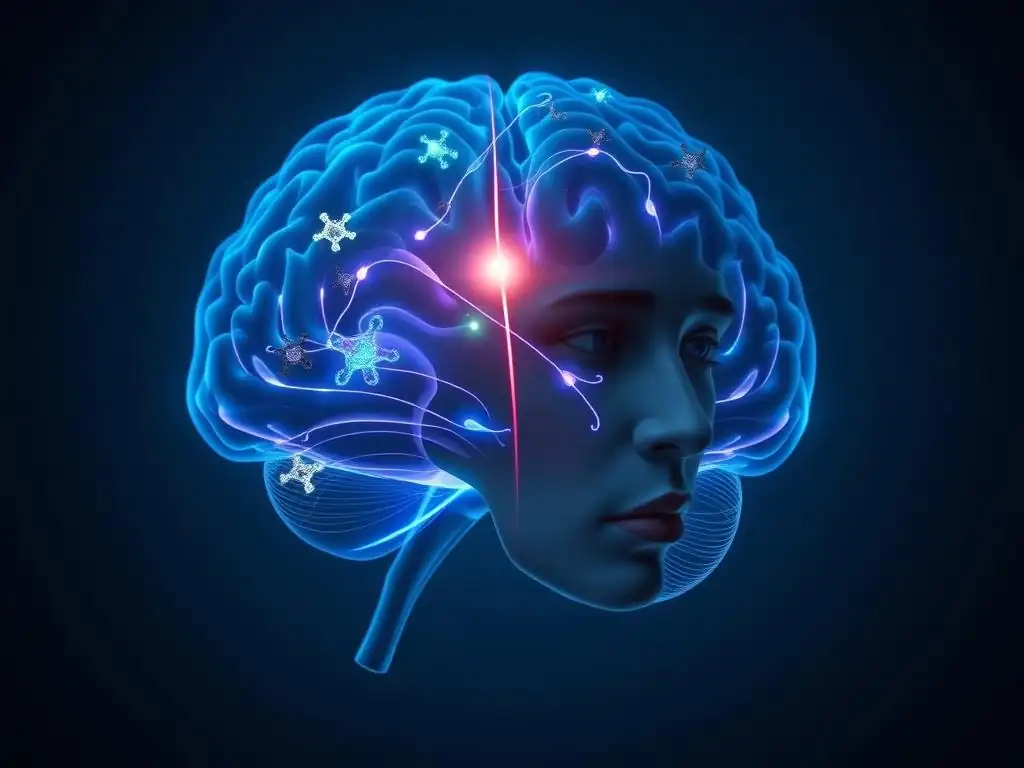
Ever wonder if your persistent irritability might be more than just a bad day? We understand the frustration and confusion that comes with fluctuating moods. In this article, we delve into the often-misunderstood role of chemical imbalances and how they can significantly contribute to irritability and mood disorders. Discover the science behind your feelings and unlock pathways towards a more balanced and fulfilling life. Let's explore what's happening chemically, together.
- Irritability and Mood Disorders: A Mind Care Guide to Brain Chemistry
- The Neurochemical Basis of Irritability in Mood Disorders
- Specific Mood Disorders and Their Chemical Irregularities
- Diagnosing Chemical Imbalances Contributing to Irritability
- Treatment Options for Chemical Imbalances and Irritability
- Lifestyle Strategies to Improve Mood and Reduce Irritability
- When to Seek Professional Help for Irritability and Mood Disorders
- The Future of Research in Irritability and Brain Chemistry
-
Frequently Asked Questions
- What role do chemical imbalances play in irritability and mood disorders?
- How can I tell if my irritability is caused by a chemical imbalance?
- Are there medications to correct chemical imbalances and alleviate irritability?
- Besides medication, what other options are available for addressing irritability possibly linked to chemical imbalances?
- What resources does Mind Care Guide offer for understanding and managing irritability related to potential chemical imbalances?
- Final Reflection: Unraveling the Chemistry of Irritability
- Unlock Your Mood's Potential: Take Charge Now!
Irritability and Mood Disorders: A Mind Care Guide to Brain Chemistry
What is Irritability and How Does it Relate to Mood?
Irritability is a common emotional state characterized by heightened sensitivity and a tendency to become easily annoyed, frustrated, or angered. While everyone experiences irritability occasionally, especially under stress or lack of sleep, persistent or intense irritability can be a significant symptom of underlying mood disorders. It's often described as feeling on edge, having a short fuse, or reacting disproportionately to minor annoyances. This state is intrinsically linked to mood because our baseline emotional state heavily influences how we perceive and react to stimuli. When mood is dysregulated, the threshold for irritation lowers significantly.
The relationship between irritability and mood is cyclical. Poor mood can lead to increased irritability, and conversely, persistent irritability can negatively impact overall mood, potentially contributing to feelings of sadness, frustration, or even hopelessness. Research indicates that chronic irritability is not just a symptom but can sometimes be a core feature of certain mood disorders, impacting daily functioning, relationships, and quality of life. Understanding this connection is crucial for recognizing when irritability signals something more than just a bad day.
Identifying Common Mood Disorders Associated with Irritability
Irritability is a pervasive symptom across a spectrum of mood disorders, though its presentation and severity can vary. Major Depressive Disorder (MDD), often associated with sadness and loss of interest, can manifest significantly with irritability, particularly in men and adolescents. Instead of overt sadness, individuals might present with persistent frustration, anger outbursts, or a general sense of being agitated and restless.
Bipolar Disorder is another condition where irritability is a hallmark symptom, frequently occurring during manic, hypomanic, or mixed episodes. During these phases, irritability can be intense and coupled with racing thoughts, decreased need for sleep, and impulsive behavior. Anxiety disorders, while primarily characterized by excessive worry and fear, also commonly feature irritability as a prominent symptom, often stemming from the constant state of heightened alert and tension. Premenstrual Dysphoric Disorder (PMDD) is also strongly linked to severe premenstrual irritability, alongside other mood symptoms, highlighting a connection to hormonal fluctuations impacting brain chemistry.
The Neurochemical Basis of Irritability in Mood Disorders
Exploring Chemical Imbalances and Their Role in Mood Regulation
The intricate network of the brain relies on chemical messengers called neurotransmitters to regulate everything from our thoughts and feelings to our physical movements. Mood regulation is heavily dependent on the balanced activity of several key neurotransmitters. When there are disruptions in the production, release, reuptake, or reception of these chemicals, it can lead to what is often referred to as "chemical imbalances."
These imbalances don't necessarily mean there's a simple deficit of one chemical; rather, it's a complex picture of dysregulation in how brain circuits communicate. It is widely understood that chemical imbalances cause irritability mood symptoms by disrupting the delicate equilibrium required for emotional stability.
Research over decades has consistently pointed to the involvement of specific neurotransmitters in mood disorders. While the exact mechanisms are still being unraveled, evidence suggests that suboptimal levels or function of serotonin, dopamine, and norepinephrine, among others, are strongly correlated with mood dysregulation, including heightened irritability. For example, studies examining cerebrospinal fluid or using neuroimaging techniques like PET scans have shown altered neurotransmitter activity in individuals with depression, bipolar disorder, and anxiety. Understanding how these chemical imbalances cause irritability mood symptoms is foundational to developing effective treatments.
The Role of Serotonin in Irritability and Mood Stability
Serotonin, often dubbed the "feel-good" neurotransmitter, plays a crucial role in regulating mood, sleep, appetite, and social behavior. Low levels or impaired function of serotonin are strongly implicated in depression and anxiety, conditions where irritability is frequently present. Serotonin helps modulate the activity of other brain circuits involved in emotional processing, particularly those linked to impulse control and emotional reactivity.
When serotonin signaling is disrupted, individuals may experience increased emotional sensitivity and a decreased ability to cope with frustration or stress, leading to heightened irritability. Many common antidepressant medications, such as SSRIs, work by increasing serotonin availability in the brain, which can help improve mood stability and reduce irritability in conditions like MDD and certain anxiety disorders. Clinical trials have demonstrated that SSRIs can significantly reduce irritability scores in depressed patients within weeks of starting treatment.
Dopamine's Influence on Motivation, Pleasure, and Irritability
Dopamine is central to the brain's reward system, influencing motivation, pleasure, and goal-directed behavior. However, it also plays a role in regulating mood and emotional responses, including irritability. Dysregulation of dopamine pathways is strongly linked to conditions like ADHD and Bipolar Disorder, both of which can feature significant irritability. Dopamine activity in areas like the prefrontal cortex and limbic system influences our ability to regulate impulses and manage frustration.
When dopamine signaling is either too high or too low in specific brain regions, it can contribute to mood instability and irritability. For instance, during manic phases of Bipolar Disorder, which are associated with elevated dopamine activity, individuals often experience heightened energy levels, impulsivity, and pronounced irritability. Conversely, some forms of depression, potentially linked to reduced dopamine function, can also present with low motivation and increased irritability due to difficulty experiencing pleasure or engaging with the environment.
Norepinephrine's Impact on Energy Levels and Irritability
Norepinephrine is a neurotransmitter involved in the body's stress response, alertness, and energy levels. It works alongside serotonin and dopamine to regulate mood. Imbalances in norepinephrine activity are associated with both depressive and anxiety symptoms. When norepinephrine levels are dysregulated, it can affect arousal, attention, and emotional reactivity.
Excessive norepinephrine activity, often seen in states of stress or anxiety, can lead to hyperarousal, restlessness, and increased irritability. Conversely, low levels, sometimes associated with certain types of depression, can result in fatigue, difficulty concentrating, and a different form of irritability driven by low energy and frustration. Medications like SNRIs target both serotonin and norepinephrine to help stabilize mood and energy levels, aiming to correct these chemical imbalances cause irritability mood symptoms.
The Gut-Brain Axis and its Connection to Mood and Irritability
Emerging research highlights the significant bidirectional communication between the gut and the brain, known as the gut-brain axis. The gut microbiome, the trillions of bacteria residing in our digestive system, produces various neuroactive compounds, including precursors to neurotransmitters like serotonin. It also influences inflammation, which has been linked to mood disorders.
Disruptions in the gut microbiome composition or function can impact brain chemistry and contribute to mood symptoms, including irritability. For example, imbalances in gut bacteria have been associated with altered levels of neurotransmitters and increased markers of inflammation, potentially affecting brain regions involved in mood regulation. This underscores that addressing irritability and mood disorders may involve considering factors beyond just the brain's direct chemical processes, looking also at systemic influences like gut health.
Neurotransmitters and Irritability: A Deeper Dive
The relationship between neurotransmitters and irritability is complex, involving not just the absolute levels of these chemicals but also how effectively they are transmitted and received within neural circuits. Irritability can arise from a breakdown in the signaling pathways that normally help us regulate our emotional responses to stimuli. This includes the prefrontal cortex, which is involved in executive functions like impulse control, and the amygdala, which processes emotions like fear and anger.
When neurotransmitter systems are imbalanced, the communication between these brain regions can become inefficient or dysregulated. For instance, insufficient inhibitory signals (like those mediated by GABA) or excessive excitatory signals (like those mediated by glutamate), coupled with dysregulation of serotonin, dopamine, and norepinephrine, can lead to a state where the brain is overly responsive to negative stimuli and less able to dampen down frustrating or annoying feelings. This heightened reactivity is a core component of irritability.
How Neurotransmitter Deficiencies Contribute to Irritability
While it's an oversimplification to say a direct "deficiency" of one neurotransmitter causes irritability, inadequate signaling within certain systems can certainly contribute. For example, reduced serotonin activity is associated with lower impulse control and increased aggression, both of which can manifest as irritability. Similarly, suboptimal dopamine function in reward pathways might lead to frustration and irritability when expectations aren't met or activities aren't perceived as rewarding.
Consider the role of GABA (gamma-aminobutyric acid), the primary inhibitory neurotransmitter. GABA helps to calm neural activity. If there is insufficient GABA signaling, brain circuits might become overactive, leading to feelings of restlessness, anxiety, and irritability. This highlights that the balance between excitatory and inhibitory signals, modulated by various neurotransmitters, is key. When this balance is disrupted, perhaps due to genetic factors, stress, or other environmental influences impacting chemical synthesis or reception, the result can be heightened irritability.
The Complex Interplay of Neurotransmitters in Mood Regulation
Mood regulation is not governed by a single neurotransmitter but by the dynamic interplay of many different chemical systems. Serotonin, dopamine, norepinephrine, GABA, glutamate, acetylcholine, and others all work together in intricate neural circuits. The effect of one neurotransmitter can influence the synthesis, release, and reception of others. For example, serotonin can modulate dopamine release in certain brain areas, and stress hormones like cortisol can impact the function of serotonin and norepinephrine systems.
This complex interaction means that a problem in one system can cascade and affect others, creating a broader pattern of dysregulation that impacts mood and causes irritability. For instance, chronic stress can lead to changes in cortisol levels, which in turn can disrupt the balance of serotonin and norepinephrine, contributing to symptoms of depression and irritability. Understanding this complex interplay is vital because it explains why treatments often need to target multiple neurotransmitter systems or address underlying factors like stress or inflammation to effectively alleviate irritability and mood disorder symptoms.
Specific Mood Disorders and Their Chemical Irregularities
Major Depressive Disorder: Chemical Imbalances and Irritability
Major Depressive Disorder (MDD) is classically associated with persistent sadness, loss of interest, and fatigue. However, irritability is a frequently overlooked symptom, present in a significant percentage of individuals with MDD, estimated to be between 30% and 50% in some studies, and potentially higher in men and children. While the exact chemical imbalances causing MDD are still being researched, dysregulation of monoamine neurotransmitters—serotonin, norepinephrine, and dopamine—is a leading hypothesis.
In MDD, altered signaling in pathways involving these neurotransmitters can lead to reduced emotional resilience and heightened reactivity. For instance, studies using PET scans have shown reduced serotonin transporter availability in certain brain regions in depressed individuals. This altered neurochemistry contributes to the core symptoms of low mood, but also to the increased frustration, short temper, and agitation characteristic of irritability in depression. Addressing these chemical imbalances is a primary goal of antidepressant therapy for MDD.
Bipolar Disorder: The Role of Neurotransmitters in Mood Swings and Irritability
Bipolar Disorder is characterized by dramatic shifts in mood, energy, and activity levels, ranging from depressive lows to manic or hypomanic highs. Irritability is a core feature of manic and hypomanic episodes, sometimes even more prominent than euphoria. During these elevated states, individuals may experience racing thoughts, decreased need for sleep, impulsivity, and intense, easily triggered irritability that can escalate into aggression.
The neurochemical underpinnings of Bipolar Disorder are complex, involving dysregulation across multiple neurotransmitter systems, including dopamine, norepinephrine, serotonin, and glutamate. While mania is often linked to increased dopamine and norepinephrine activity, the rapid cycling and mixed states (simultaneous symptoms of mania and depression) often seen in Bipolar Disorder highlight a profound instability in these systems. This instability and the resulting chemical imbalances cause irritability mood swings that are a hallmark of the condition. Treatments often involve mood stabilizers that modulate neurotransmitter activity and ion channels to dampen these extreme fluctuations.
Anxiety Disorders: Exploring the Chemical Connection to Irritability
Anxiety disorders encompass conditions like Generalized Anxiety Disorder (GAD), Panic Disorder, and Social Anxiety Disorder, all characterized by excessive fear, worry, and nervousness. Irritability is a very common symptom of chronic anxiety, often stemming from the constant state of heightened physiological arousal and mental tension. The brain's threat detection system, involving structures like the amygdala and relying on neurotransmitters like norepinephrine and glutamate, is often overactive in anxiety disorders.
Dysregulation of neurotransmitters such as GABA, which inhibits neural activity, and serotonin, which modulates emotional processing, are strongly implicated in anxiety. Insufficient GABAergic tone can lead to excessive firing of neurons, contributing to feelings of restlessness and tension that manifest as irritability. Similarly, altered serotonin signaling can impact the brain's ability to regulate worry and fear responses. These chemical imbalances cause irritability mood symptoms as the anxious individual becomes easily overwhelmed and frustrated by their persistent state of unease.
Premenstrual Dysphoric Disorder (PMDD): Hormonal Fluctuations and Irritability
Premenstrual Dysphoric Disorder (PMDD) is a severe form of Premenstrual Syndrome (PMS) characterized by significant mood disturbances, including intense irritability, depression, anxiety, and emotional lability, occurring in the week or two before menstruation and resolving shortly after its onset. While not strictly a "mood disorder" in the same category as MDD or Bipolar Disorder, it involves significant mood dysregulation linked to hormonal changes.
PMDD is thought to be related to an abnormal response in the brain to normal fluctuations in estrogen and progesterone levels during the menstrual cycle. Specifically, some individuals with PMDD may have a heightened sensitivity to the metabolites of progesterone, such as allopregnanolone, which interacts with GABA receptors. This altered sensitivity can disrupt serotonin and GABA systems, leading to pronounced irritability, anxiety, and low mood. This provides a clear example of how hormonal changes can directly impact brain chemistry and cause irritability mood symptoms.
Diagnosing Chemical Imbalances Contributing to Irritability
Assessment Methods for Identifying Neurochemical Deficiencies
Directly measuring specific neurotransmitter levels in the living brain to diagnose mood disorders and identify contributing chemical imbalances is complex and not routinely done in clinical practice. Blood, urine, or cerebrospinal fluid tests can measure neurotransmitter levels, but these may not accurately reflect activity in the specific brain regions involved in mood regulation. The blood-brain barrier also complicates direct measurement.
Instead, diagnosis relies primarily on clinical assessment, evaluating symptoms, medical history, and psychological factors. However, research methods and some specialized clinical tests can provide insights. For example, PET scans using radioactive tracers that bind to specific neurotransmitter receptors or transporters can visualize and quantify their activity in different brain areas.
This research helps us understand the patterns of chemical imbalances linked to irritability and mood disorders, even if it's not a standard diagnostic tool for individual patients. Genetic testing can also sometimes identify variations in genes related to neurotransmitter synthesis or metabolism, offering potential clues about predisposition but not definitive diagnosis of current imbalances.
The Role of Neuropsychological Testing in Diagnosing Mood Disorders
Neuropsychological testing assesses cognitive functions such as memory, attention, executive functions (like planning and problem-solving), and emotional processing. While this testing doesn't directly measure chemical imbalances, it can provide valuable information about brain function and identify patterns of cognitive deficits often associated with specific mood disorders. For example, individuals with MDD might show impairments in executive function and processing speed, while those with Bipolar Disorder might show deficits in decision-making or cognitive flexibility during certain phases.
These cognitive patterns are often downstream effects of the underlying neurochemical dysregulation. By identifying specific cognitive strengths and weaknesses, neuropsychological testing can help differentiate between various conditions that might present with irritability, such as distinguishing the irritability of depression from that of ADHD or a different neurological condition. It complements the clinical interview and helps build a more complete picture of how the individual's brain is functioning, indirectly supporting the understanding of potential underlying chemical imbalances contributing to their irritability and mood symptoms.
Treatment Options for Chemical Imbalances and Irritability
Medication Management: Targeting Neurotransmitters for Mood Stabilization
Medication is a cornerstone in treating mood disorders and the associated irritability, particularly when symptoms are severe and linked to significant chemical imbalances. Psychiatric medications primarily work by modulating neurotransmitter activity in the brain. The goal is not necessarily to achieve a perfect chemical "balance" in a literal sense, but to restore more functional communication between brain circuits involved in mood regulation.
Different classes of medications target different neurotransmitter systems based on the specific diagnosis and symptoms. For example, antidepressants often target serotonin and norepinephrine, while mood stabilizers used for Bipolar Disorder can affect a wider range of systems, including glutamate and ion channels. The choice of medication depends on the specific mood disorder diagnosed, the severity of irritability, potential side effects, and individual patient factors. It's important to note that finding the right medication and dosage often requires a period of trial and error, guided by a mental health professional.
Selective Serotonin Reuptake Inhibitors (SSRIs) and Irritability Reduction
Selective Serotonin Reuptake Inhibitors (SSRIs) are a common class of antidepressants that work by blocking the reabsorption (reuptake) of serotonin in the brain. This increases the amount of serotonin available in the synaptic cleft, potentially enhancing serotonin signaling. SSRIs are widely used to treat Major Depressive Disorder, various anxiety disorders, and PMDD, all conditions where irritability is a prominent symptom and where chemical imbalances cause irritability mood issues.
By increasing serotonin availability, SSRIs can help improve mood, reduce anxiety, and lessen emotional reactivity, thereby decreasing irritability. Studies have shown that SSRIs can be effective in reducing irritability scores in patients with depression and anxiety. While they may take several weeks to show full effects, many patients experience a noticeable reduction in their tendency to be easily annoyed or angered. Examples include fluoxetine, sertraline, and escitalopram.
Serotonin-Norepinephrine Reuptake Inhibitors (SNRIs) and Mood Enhancement
Serotonin-Norepinephrine Reuptake Inhibitors (SNRIs) are another class of antidepressants that block the reuptake of both serotonin and norepinephrine. By increasing the availability of both these neurotransmitters, SNRIs can impact a broader range of symptoms associated with mood disorders, including low mood, fatigue, and irritability. They are used for MDD, GAD, and other conditions.
SNRIs like venlafaxine and duloxetine can be particularly helpful for individuals whose irritability is accompanied by low energy or difficulty concentrating, as norepinephrine plays a significant role in alertness and energy levels. By enhancing both serotonin and norepinephrine signaling, SNRIs aim to address multiple facets of the chemical imbalances cause irritability mood symptoms, potentially leading to improved mood, reduced anxiety, and decreased irritability.
Mood Stabilizers for Bipolar Disorder and Irritability Control
Mood stabilizers are the primary class of medications used to treat Bipolar Disorder. Unlike antidepressants, which can sometimes trigger manic episodes in individuals with Bipolar Disorder, mood stabilizers are designed to prevent or reduce the severity and frequency of both manic and depressive episodes. They work through various mechanisms, often influencing multiple neurotransmitter systems and cellular processes.
Lithium, a classic mood stabilizer, is thought to affect ion channels and neurotransmitter systems like glutamate and GABA. Anticonvulsant medications like valproate and lamotrigine, also used as mood stabilizers, can modulate GABA and glutamate activity. These medications are crucial for managing the intense irritability that is characteristic of manic and mixed episodes in Bipolar Disorder. By stabilizing the profound chemical imbalances cause irritability mood swings, they help individuals maintain a more even emotional state.
Therapeutic Interventions: Complementing Medication for Optimal Results
While medication can address the neurochemical aspects of mood disorders, therapeutic interventions are essential for developing coping strategies, understanding triggers, and addressing behavioral patterns associated with irritability. Therapy works in tandem with medication to provide a comprehensive approach to managing irritability and mood disorders. It helps individuals identify the thoughts, feelings, and behaviors that contribute to their irritability and learn healthier ways to respond.
Therapy can also help individuals navigate the challenges posed by their condition, improve relationships strained by irritability, and build resilience. For many people, a combination of medication and therapy offers the most effective path to recovery and long-term symptom management. Therapy empowers individuals with practical tools to manage their emotional responses and improve their overall well-being, complementing the biological effects of medication.
Cognitive Behavioral Therapy (CBT) for Managing Irritability and Mood
Cognitive Behavioral Therapy (CBT) is a widely used therapeutic approach that is highly effective for treating mood and anxiety disorders. CBT operates on the principle that our thoughts, feelings, and behaviors are interconnected. It helps individuals identify negative or unhelpful thought patterns (cognitive distortions) that contribute to their irritability and poor mood.
For example, someone prone to irritability might have automatic thoughts like "This is unbearable" or "They are doing this just to annoy me." CBT helps challenge these thoughts and replace them with more realistic and helpful ones. It also teaches behavioral techniques, such as anger management strategies, relaxation techniques, and problem-solving skills, to help individuals respond to frustrating situations in a less irritable manner. Numerous studies support the efficacy of CBT in reducing symptoms of depression, anxiety, and associated irritability.
Lifestyle Modifications: Diet, Exercise, and Sleep Hygiene for Neurochemical Balance
Lifestyle factors have a significant impact on brain chemistry and overall mental well-being. Making positive changes in diet, exercise, and sleep hygiene can support neurochemical balance and help reduce irritability and improve mood. While these modifications may not replace medication for severe conditions, they are powerful complementary strategies.
- [ ] Evaluate current diet for processed foods and high sugar intake.
- [ ] Plan regular physical activity sessions (aim for 150 minutes of moderate exercise per week).
- [ ] Establish a consistent sleep schedule.
- [ ] Create a relaxing bedtime routine.
- [ ] Limit screen time before bed.
Adopting a balanced diet rich in omega-3 fatty acids, complex carbohydrates, and lean proteins provides the building blocks for neurotransmitter synthesis. Regular exercise has been shown to increase the production of endorphins (natural mood boosters) and can positively influence serotonin, dopamine, and norepinephrine levels. Consistent, quality sleep is crucial for brain health and mood regulation; sleep deprivation significantly worsens irritability and mood instability. Prioritizing these lifestyle elements can significantly support the brain's natural ability to maintain chemical balance.
Lifestyle Strategies to Improve Mood and Reduce Irritability
Nutritional Strategies for Brain Health and Mood Regulation
What we eat directly impacts the health and function of our brain, including the production and regulation of neurotransmitters. A diet rich in whole foods can support optimal brain chemistry. For instance, omega-3 fatty acids, found in fatty fish, flaxseeds, and walnuts, are essential components of brain cell membranes and play a role in neurotransmitter function. Studies suggest that higher intake of omega-3s may be associated with lower rates of depression.
B vitamins (like B6, B12, and folate) are crucial cofactors in the synthesis of neurotransmitters like serotonin and dopamine. Deficiencies in these vitamins have been linked to mood disturbances. Complex carbohydrates provide a steady source of glucose for brain energy and can influence serotonin levels.
Probiotic-rich foods (like yogurt and sauerkraut) and prebiotic fibers (found in fruits, vegetables, and whole grains) support a healthy gut microbiome, which, as discussed, influences the gut-brain axis and potentially mood. Minimizing processed foods, excessive sugar, and unhealthy fats can help reduce inflammation and support stable blood sugar levels, both of which can impact mood and irritability.
The Importance of Exercise for Neurotransmitter Production
Regular physical activity is a potent modulator of brain chemistry and mood. Exercise increases blood flow to the brain, promoting the growth of new neurons and synapses, a process called neurogenesis. Crucially, exercise stimulates the release and production of several key neurotransmitters implicated in mood regulation, including endorphins, serotonin, dopamine, and norepinephrine.
Even moderate exercise, such as brisk walking for 30 minutes several times a week, can have significant antidepressant and anti-anxiety effects. The increase in these neurotransmitters can directly contribute to improved mood, increased feelings of well-being, and reduced irritability. Exercise also helps regulate the stress response system, reducing levels of cortisol, which, when chronically elevated, can negatively impact brain chemistry and mood. Making exercise a consistent part of a routine is a powerful strategy for combating the effects of chemical imbalances cause irritability mood symptoms.
Sleep Hygiene Practices for Mood Stabilization
Sleep is fundamental to brain health and emotional regulation. During sleep, the brain consolidates memories, clears metabolic waste products, and regulates neurotransmitter systems. Chronic sleep deprivation or poor sleep quality can profoundly disrupt brain chemistry, leading to increased irritability, anxiety, and depressed mood. Studies show that even one night of poor sleep can significantly impact emotional reactivity the following day.
Establishing good sleep hygiene involves creating consistent habits that promote restful sleep. This includes going to bed and waking up around the same time each day, even on weekends, creating a dark, quiet, and cool sleep environment, and avoiding caffeine, alcohol, and heavy meals close to bedtime. Limiting exposure to screens emitting blue light in the hour before bed can also help regulate the body's natural sleep-wake cycle (circadian rhythm), supporting the neurochemical processes necessary for stable mood and reduced irritability.
Stress Management Techniques to Reduce Irritability
Chronic stress is a major contributor to mood disorders and significantly exacerbates irritability. Prolonged exposure to stress hormones like cortisol can alter the structure and function of brain regions involved in mood and impulse control, impacting neurotransmitter systems. Learning effective stress management techniques is therefore vital for reducing irritability and stabilizing mood.
Techniques such as mindfulness meditation, deep breathing exercises, progressive muscle relaxation, and yoga can help activate the body's relaxation response, counteracting the effects of the stress response. Engaging in hobbies, spending time in nature, and maintaining social connections are also powerful stress reducers. By effectively managing stress, individuals can help buffer their brain chemistry against the negative impacts of chronic stress, thereby reducing their susceptibility to irritability and supporting overall mood stability.
When to Seek Professional Help for Irritability and Mood Disorders
Recognizing the Signs and Symptoms of a Mood Disorder
While occasional irritability is normal, persistent, severe, or disruptive irritability is a red flag that warrants professional evaluation. Pay attention if your irritability is significantly impacting your relationships, work, or daily functioning. Other signs of a potential mood disorder include:
- Persistent sadness or feelings of emptiness
- Loss of interest or pleasure in activities you once enjoyed
- Significant changes in appetite or weight
- Sleep disturbances (insomnia or excessive sleeping)
- Fatigue or low energy
- Feelings of worthlessness or excessive guilt
- Difficulty concentrating, remembering, or making decisions
- Restlessness or feeling slowed down
- Recurrent thoughts of death or suicide
If you experience several of these symptoms alongside significant irritability for two weeks or longer, it's crucial to seek professional help. The presence of chemical imbalances cause irritability mood symptoms that are persistent indicates a need for expert assessment and potential treatment.
Finding a Mental Health Professional: Psychiatrists, Psychologists, and Therapists
If you suspect you may be experiencing a mood disorder or your irritability is significantly impacting your life, seeking help from a qualified mental health professional is the most important step. Different types of professionals offer different services:
- Psychiatrists: Medical doctors specializing in mental health. They can diagnose mental health conditions, prescribe and manage medication (targeting chemical imbalances), and provide therapy. They are often the first point of contact for assessing the biological aspects of mood disorders.
- Psychologists: Professionals with advanced degrees in psychology. They diagnose mental health conditions and provide various forms of therapy (like CBT, DBT, etc.). They do not typically prescribe medication, though some states allow it with specific training.
- Therapists/Counselors: Licensed professionals (e.g., Licensed Clinical Social Workers, Licensed Professional Counselors) who provide therapy. They help individuals develop coping skills, process emotions, and address behavioral patterns.
Choosing the right professional or team depends on your needs. A psychiatrist can assess the potential role of chemical imbalances and manage medication, while a psychologist or therapist can provide essential talk therapy to address psychological and behavioral factors. Often, a collaborative approach involving both medication management and therapy offers the most comprehensive care for mood disorders and associated irritability.
The Future of Research in Irritability and Brain Chemistry
Emerging Therapies for Mood Disorders and Neurochemical Imbalances
Research into the neurobiological underpinnings of mood disorders and irritability is constantly evolving, leading to the development of new and innovative therapies. Beyond traditional antidepressants and mood stabilizers that primarily target monoamines, researchers are exploring compounds that act on other neurotransmitter systems, such as glutamate (e.g., ketamine and esketamine for severe depression) and GABA.
There is also significant interest in neuromodulation techniques, such as Transcranial Magnetic Stimulation (TMS) and Deep Brain Stimulation (DBS), which use electrical or magnetic pulses to stimulate specific brain regions involved in mood regulation. These techniques aim to reset dysfunctional brain circuits that contribute to chemical imbalances cause irritability mood symptoms. Furthermore, research into psychedelics (like psilocybin and MDMA), used in controlled clinical settings, is showing promise in rapidly altering brain connectivity and neurotransmitter activity to alleviate severe mood disorder symptoms.
The Role of Genetics in Predisposition to Mood Disorders and Irritability
Genetics play a significant role in an individual's predisposition to developing mood disorders and experiencing symptoms like irritability. While there isn't a single "gene for depression" or "gene for irritability," variations in multiple genes can influence the structure and function of brain circuits, the synthesis and metabolism of neurotransmitters, and the sensitivity of receptors.
For example, variations in genes related to the serotonin transporter (like SLC6A4) or enzymes involved in dopamine production (like COMT) have been studied for their potential links to mood disorder risk and symptom presentation, including irritability. Future research aims to better understand how specific genetic profiles interact with environmental factors (like stress or trauma) to increase vulnerability. This understanding could eventually lead to more personalized treatment approaches, tailoring interventions based on an individual's genetic makeup to more effectively address the specific chemical imbalances cause irritability mood symptoms they experience.
Frequently Asked Questions
What role do chemical imbalances play in irritability and mood disorders?
Chemical imbalances are often cited as a factor, affecting neurotransmitters like serotonin and dopamine that are vital for mood regulation. However, it's rarely the sole cause; other factors are usually involved.
How can I tell if my irritability is caused by a chemical imbalance?
It's difficult to self-diagnose. Persistent and significant irritability, especially when accompanied by other symptoms like sleep disturbances or changes in appetite, warrants a consultation with a mental health professional. They can properly assess the situation.
Are there medications to correct chemical imbalances and alleviate irritability?
Yes, certain medications, such as antidepressants, can help regulate neurotransmitter levels and improve mood. However, medication is usually part of a broader treatment plan that might include therapy.
Besides medication, what other options are available for addressing irritability possibly linked to chemical imbalances?
Therapy, particularly cognitive behavioral therapy (CBT), can help develop coping mechanisms. Lifestyle changes like improved sleep, diet, and exercise are also beneficial.
Mind Care Guide offers articles, information, and resources related to mental well-being, including specific guides on mood disorders. It also provides links to support networks and professional help.
Final Reflection: Unraveling the Chemistry of Irritability
The intricate relationship between chemical imbalances and irritability is not merely a theoretical concept; it's a lived reality for millions. Understanding the neurochemical processes underlying mood disorders, particularly the role of neurotransmitters like serotonin and dopamine, is crucial for developing effective treatments and fostering empathy for those struggling with these conditions. This knowledge empowers us to move beyond simplistic explanations and delve into the complex interplay of biological, psychological, and environmental factors that contribute to irritability and mood instability.
The impact of this understanding extends far beyond the clinical setting. It shapes our societal perceptions of mental health, challenging the stigma often associated with mood disorders. By acknowledging the biological basis of irritability, we can foster a more compassionate and informed approach to mental well-being. The mind is its own place, and in itself can make a Heaven of Hell, a Hell of Heaven.
- John Milton. This quote highlights the powerful internal experience of mood disorders, emphasizing the need for both internal and external support systems.
Now, consider your own experiences with irritability. Have you ever felt inexplicably frustrated or short-tempered? Perhaps you've witnessed these emotions in others. This article serves as a starting point for deeper self-reflection and a greater understanding of the complex interplay of factors influencing our moods. Take the time to learn more about the neurochemistry of your brain, and advocate for improved mental health resources in your community. By fostering a culture of understanding and support, we can create a world where everyone has the opportunity to thrive, regardless of the challenges they face.
Unlock Your Mood's Potential: Take Charge Now!
Thanks for exploring the fascinating world of mood and its chemical underpinnings with us! We hope you gained a clearer understanding of the intricate connections between brain chemistry and irritability. Ready to take the next step in your journey to better emotional well-being?
- Prioritize one small self-care practice today: Maybe it's a mindful walk, a relaxing bath, or simply journaling for five minutes. Small steps lead to big changes!
- Share this article with someone who might find it helpful: Let's build a community of support and understanding around mental health.
- Explore additional resources on our website (MindCareGuide.org) to dive deeper into mood management techniques.
What small act of self-care will you prioritize today to nurture your emotional well-being?