
The Perfect Feed Lie: How Social Media Pressure Impacts Mood


Welcome to Mind Care Guide, your sanctuary for understanding and nurturing your mental well-being.
Ever felt that subtle pang of inadequacy scrolling through your feed? You're not alone. This article delves into the often-unseen ways social media impacts mood, revealing how the curated perfection we see online can subtly chip away at our own sense of self. Ready to uncover the truth behind the "perfect feed lie" and reclaim your emotional balance? Let's explore the connection together.
The Impact of Social Media on Adolescent Mental Health
- Understanding the Social Media-Mental Health Link
- The Pressure of Online Comparison and Self-Esteem in Adolescents
- The Cycle of Validation: Likes, Comments, and Self-Perception
- Identifying and Addressing Negative Social Media Effects in Adolescents
- Strategies for Managing Social Media's Influence on Adolescent Mood
- Building a Healthier Relationship with Social Media for Adolescents
- Resources for Adolescent Mental Health and Social Media Use
-
Frequently Asked Questions
- How does social media create pressure that can negatively impact my mood?
- What is the "perfect feed lie" and how does it contribute to mood problems?
- What are some specific mental health challenges linked to excessive social media use?
- Are there any strategies for minimizing the negative impact of social media on my mood?
- Where can I find resources and support if I'm struggling with the effects of social media on my mental well-being?
- Final Reflection: Unmasking the Illusion of the Perfect Feed
- Unlock Your Authentic Self: Reclaim Your Mood from Social Media
Extensive research over the past decade has highlighted a significant correlation between increased social media use and various aspects of adolescent mental health. While the relationship is complex and not simply cause-and-effect, studies consistently show that higher levels of engagement, particularly passive consumption and comparison, are associated with increased risks of depression, anxiety, and low self-esteem among teenagers.
For instance, a large-scale study involving thousands of adolescents found that those spending more than a few hours a day on social media reported higher levels of symptoms related to poor social media mood impact. This connection is thought to stem from a variety of factors inherent to the online environment, including constant social comparison, the pressure to present an idealized self, and exposure to cyberbullying or unrealistic standards.
Furthermore, the social media mood impact on young people can manifest in different ways depending on individual vulnerabilities and specific online experiences. Some adolescents may be more susceptible to feeling inadequate after viewing curated feeds, while others might experience heightened anxiety related to social interactions online or the fear of missing out (FOMO). The sheer volume of information and social interactions teenagers navigate daily on platforms like Instagram, TikTok, and Snapchat creates a unique psychological landscape.
Navising this landscape without developing healthy coping mechanisms can contribute to negative emotional states and potentially exacerbate existing mental health challenges. It's crucial to understand that this isn't just about screen time; it's about the nature of the interaction and the content being consumed, which profoundly influences a teenager's internal state and overall well-being.
The Prevalence of Filtered Reality: Impact on Perception
Social media platforms thrive on presenting curated, often idealized versions of reality. Users, including adolescents, frequently share only their highlights – perfect photos, successful moments, exciting events – often enhanced with filters and editing tools. This creates a pervasive "perfect feed lie" where the mundane struggles and imperfections of everyday life are hidden. Teenagers scrolling through these feeds are constantly exposed to what appears to be an endless stream of perfect bodies, luxurious lifestyles, and effortless happiness. This skewed representation of reality can significantly distort their perception of what is normal or achievable.
The constant exposure to this filtered reality can have a profound negative social media mood impact. When adolescents compare their authentic, often messy lives to these carefully constructed online personas, feelings of inadequacy, envy, and dissatisfaction can arise. They may feel like their own life is boring or that they are not attractive, popular, or successful enough.
This comparison trap is particularly potent during adolescence, a critical period for identity formation and self-discovery. Without a strong sense of self, teenagers are more vulnerable to believing the "perfect feed lie" and internalizing the message that they are somehow falling short, contributing to feelings of anxiety and depression.
The Pressure of Online Comparison and Self-Esteem in Adolescents
Social Comparison Theory posits that individuals evaluate their own worth, abilities, and opinions by comparing themselves to others. In the age of social media, this natural human tendency is amplified exponentially. Adolescents are constantly bombarded with opportunities for both upward comparison (comparing oneself to someone perceived as better off) and downward comparison (comparing oneself to someone perceived as worse off). However, the prevalence of idealized content online often leads to excessive upward comparison, where teenagers measure themselves against seemingly perfect peers, influencers, or celebrities.
This relentless upward comparison on social media has a significant negative social media mood impact on adolescent self-esteem. Studies and anecdotal evidence suggest that many teenagers report feeling less confident or worse about themselves after spending time scrolling through social media feeds. For example, research has indicated that teenage girls, in particular, are highly susceptible to decreases in self-esteem related to appearance after viewing peers' photos online.
This constant feeling of not measuring up erodes their internal sense of worth and can contribute to feelings of inadequacy, shame, and anxiety. Unlike traditional social interactions where comparisons might be limited to a small peer group, social media exposes adolescents to a vast, often unrealistic, global standard of comparison.
The Impact of Edited Images on Body Image and Self-Worth in Teenagers
The widespread use of photo editing apps and filters on social media platforms presents a unique challenge to adolescent body image and self-worth. These tools allow users to instantly alter their appearance – smoothing skin, changing body shapes, enhancing features – creating images that are often unattainable in reality. Teenagers are not only comparing themselves to peers but also to digitally manipulated versions of those peers or themselves. This constant exposure to unrealistic beauty standards, often presented as authentic, can be incredibly damaging.
The social media mood impact related to body image is particularly concerning. Reports suggest a rise in body dissatisfaction, eating disorders, and requests for cosmetic procedures among young people, partly attributed to the pressures created by social media's visual culture. For example, many teenagers report feeling compelled to use filters themselves before posting photos, indicating a fear that their natural appearance is not "good enough" for online validation. This cycle reinforces the idea that one's worth is tied to achieving an impossible aesthetic standard, severely undermining self-acceptance and contributing to anxiety and depression.
Fear of Missing Out (FOMO): A Major Source of Anxiety for Adolescents
Fear of Missing Out, or FOMO, is a psychological phenomenon exacerbated by social media that significantly impacts adolescent mood and anxiety levels. Social media platforms constantly display others' activities, events, and social gatherings, often presented in an exciting and enviable light. Seeing friends or acquaintances having fun without them can trigger intense feelings of exclusion, inadequacy, and anxiety in teenagers. The constant stream of updates fuels a pervasive worry that they are missing out on important experiences or connections.
This pervasive FOMO creates a compulsion to constantly check social media feeds, driven by the anxiety of potentially missing something. This can disrupt sleep patterns, reduce focus on schoolwork or real-life interactions, and trap adolescents in a cycle of checking and feeling worse.
The social media mood impact of FOMO is characterized by restlessness, dissatisfaction with one's own life, and heightened anxiety, particularly in social situations where they feel they don't measure up to the online portrayals they've seen. It's a significant source of stress that keeps many teenagers tethered to their devices, preventing them from fully engaging with their present reality.
The Cycle of Validation: Likes, Comments, and Self-Perception
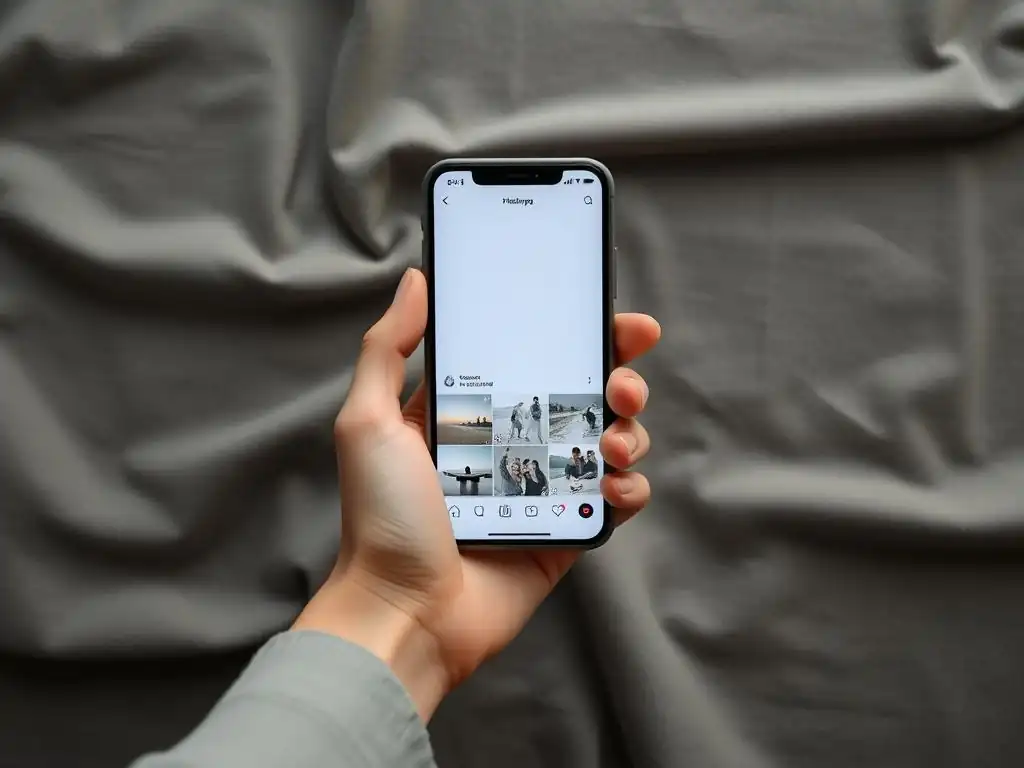
Social media platforms are designed to be addictive, and a key mechanism is the variable reward system triggered by notifications like likes, comments, and shares. When an adolescent receives a notification indicating positive feedback on their post, it activates the brain's reward pathways, releasing dopamine. This creates a pleasurable feeling and reinforces the behavior that led to the reward – in this case, posting content and seeking validation. This neurological response is similar to that associated with other addictive behaviors, making it difficult for teenagers to resist checking their phones.
This constant seeking and receiving of variable rewards trains the adolescent brain to crave external validation. The anticipation of a like or comment can be as powerful as receiving it, keeping teenagers in a state of heightened alert and potentially contributing to anxiety. Conversely, the lack of expected validation can be perceived as a rejection, leading to disappointment and negative social media mood impact. The adolescent brain, still developing its prefrontal cortex responsible for impulse control and long-term planning, is particularly susceptible to this immediate gratification cycle, making them more vulnerable to developing a dependence on social media validation.
Dependence on External Validation and its Consequences for Identity Formation
When an adolescent's sense of self-worth becomes heavily reliant on external validation received through social media metrics (likes, comments, follower count), it can have detrimental consequences for their identity formation. Adolescence is a crucial period for developing an internal sense of self, understanding personal values, and forming a stable identity independent of external opinions. However, a focus on online validation shifts the focus outwards, making teenagers prioritize presenting a version of themselves that is likely to receive positive feedback, rather than exploring and expressing their authentic self.
This dependence means that their mood and self-perception can fluctuate wildly based on their online performance. A post that receives many likes might lead to temporary elation, while one that receives few can trigger feelings of inadequacy or rejection, demonstrating a clear social media mood impact. This external reliance hinders the development of resilience and an internal compass for self-worth. Instead of building confidence based on their achievements, values, and relationships, they learn to measure their value based on superficial online metrics, making them vulnerable to anxiety and instability in their self-concept.
Social media algorithms are designed to keep users engaged by showing them content they are likely to interact with. While this can sometimes mean positive or relevant content, it can also inadvertently trap teenagers in echo chambers or expose them to content that reinforces negative feelings.
For example, if an adolescent interacts with content related to body dissatisfaction or anxiety, the algorithm may show them more similar content, potentially amplifying their negative thoughts and feelings. This can create a feedback loop where negative social media mood impact is not only maintained but potentially worsened by the very platforms they use.
Furthermore, algorithms can prioritize emotionally charged content, which is often negative or controversial, because it tends to generate more engagement (comments, reactions). This means teenagers can be disproportionately exposed to conflict, negativity, or distressing news, contributing to increased anxiety and a skewed perception of the world. The personalized nature of algorithms, while intended to enhance user experience, can also limit exposure to diverse perspectives and positive, uplifting content if the user's initial interactions lean towards negativity, thus reinforcing a negative social media mood impact.
Identifying when social media is having a negative social media mood impact on an adolescent is the first step towards addressing the issue. Parents, educators, and caregivers should look for specific behavioral and emotional changes. Signs might include increased irritability or sadness after using social media, withdrawal from real-life social interactions, changes in sleep patterns (e.g., staying up late scrolling), or noticeable shifts in eating habits. A teenager might also express excessive anxiety about posting content, constantly check their phone, or become overly preoccupied with likes and comments.
Other indicators could be a sudden drop in self-esteem, expressed feelings of inadequacy related to appearance or popularity after being online, or comparison statements about peers' lives on social media. They might also seem more anxious or stressed, particularly in social situations, or show signs of perfectionism driven by online standards. Observing how their mood shifts immediately after using social media can provide valuable clues. For example, do they seem more withdrawn, upset, or agitated compared to before they started scrolling? Recognizing these patterns is crucial for understanding the link between their social media habits and their emotional state.
Implementing strategies to limit social media exposure is a practical way to mitigate its negative social media mood impact. Setting clear time limits for daily or weekly social media use is essential. Many smartphones and social media apps now have built-in tools to track usage and set restrictions. Encouraging screen-free times, such as during meals, homework, or before bed, can also help reduce overall exposure and prevent late-night scrolling that disrupts sleep.
Another effective strategy is to turn off notifications for social media apps. This reduces the constant interruptions and the urge to check the phone every time an alert appears, breaking the cycle of seeking immediate validation. Designating specific "social media zones" or times of day can also help; for example, only allowing social media use in a common area or only during certain hours. Furthermore, curating their feed by unfollowing accounts that trigger negative feelings or comparison can significantly improve the online experience and reduce negative social media mood impact.
Beyond simply limiting time, promoting mindful social media use is key to fostering a healthier relationship with these platforms. This involves encouraging teenagers to be more aware of why they are using social media and how it makes them feel. Best practices include encouraging them to pause and reflect before scrolling: What is their intention? Are they seeking connection, information, or just mindlessly passing time?
Teaching teenagers to critically evaluate the content they see is also vital. This involves understanding that what is posted online is often a highlight reel, not a full or accurate representation of reality. Encouraging them to question the authenticity of filtered images and curated lives can help reduce the impact of comparison. Promoting engagement in positive and supportive online communities, rather than just passively consuming content, can also shift the social media mood impact from negative to positive, fostering a sense of connection and belonging.

Establishing clear and consistent boundaries around social media use is fundamental for managing its influence on adolescent mood. This involves more than just saying "use it less"; it requires specific rules and limits. For instance, agreeing on a maximum number of minutes or hours per day or week dedicated to social media can be a concrete step. Using app limit features available on most smartphones can help enforce these boundaries automatically.
It's also beneficial to define specific times or locations where social media is off-limits. This could include no phones in bedrooms after a certain time, no social media during family meals, or a complete digital detox for a few hours every day or on weekends. These boundaries help create space for other activities and reduce the omnipresence of social media in their lives, giving their minds a break from the constant input and comparison that contributes to negative social media mood impact.
Cultivating a Positive Online Environment: Identifying and Following Supportive Accounts for Adolescents
The content teenagers consume online significantly shapes their experience and social media mood impact. Encouraging them to actively cultivate a positive online environment is a powerful strategy. This involves identifying and unfollowing accounts that promote unrealistic standards, trigger comparison, or spread negativity. Instead, they should seek out and follow accounts that are uplifting, inspiring, educational, or aligned with their genuine interests and values.
Examples of supportive content could include accounts that promote body positivity, mental health awareness, self-compassion, diverse perspectives, or creative hobbies. Shifting their feed from an endless stream of idealized lives to content that is authentic, informative, or genuinely entertaining can dramatically improve their online experience and reduce negative social media mood impact. It empowers them to take control of what influences their mood online.
Practicing Self-Compassion and Challenging Negative Thoughts: Techniques for Teenagers
Social media often fuels negative self-talk and comparison. Teaching teenagers techniques rooted in self-compassion and cognitive behavioral therapy can help them manage the social media mood impact. Self-compassion involves treating oneself with the same kindness, understanding, and acceptance they would offer a friend facing similar struggles. When they feel inadequate after seeing something online, practicing self-compassion means acknowledging the pain without harsh self-criticism.
Challenging negative thoughts involves identifying the unhelpful thought triggered by social media (e.g., "Everyone else is happier/prettier/more popular than me") and questioning its validity. Are these thoughts based on facts or assumptions? Is the online portrayal a complete picture of reality? Replacing these thoughts with more balanced and realistic perspectives can diminish the power of social media to negatively impact their mood. Techniques like mindfulness can also help them observe these thoughts and feelings without getting swept away by them.
Encouraging Real-Life Connections and Experiences Over Online Validation
One of the most effective ways to build a healthier relationship with social media and mitigate its negative social media mood impact is by prioritizing real-life connections and experiences. Encouraging teenagers to spend time with friends and family face-to-face, participate in sports or clubs, pursue hobbies, and engage in activities outside of the digital realm helps build a stronger sense of self-worth derived from authentic interactions and achievements.
Real-life experiences provide genuine fulfillment and validation that is not dependent on likes or comments. Spending time outdoors, learning a new skill, volunteering, or simply having a meaningful conversation with a friend offers a different, often more profound, sense of connection and accomplishment than anything found online. These experiences help ground teenagers in reality and reduce their reliance on the often superficial validation found on social media, improving their overall mood and resilience.
Prioritizing Mental Well-being Over Online Popularity
Teaching adolescents to prioritize their mental well-being over the pursuit of online popularity is a critical life skill in the digital age. This involves understanding that online metrics like follower counts or likes do not define their value as a person. It means making conscious choices to disconnect when social media is negatively impacting their mood, even if it means missing out on some online interactions or opportunities for validation.
This shift in perspective empowers teenagers to make decisions based on what is healthy for them, rather than what might garner the most likes or attention. It involves recognizing that taking a break, unfollowing triggering accounts, or setting boundaries is an act of self-care, not a failure to keep up. Fostering this mindset helps reduce the pressure and anxiety associated with maintaining an online persona and significantly lessens the negative social media mood impact.
Seeking Support from Mental Health Professionals Specializing in Adolescent Issues
For some adolescents, the negative social media mood impact can be significant and persistent, contributing to or exacerbating serious mental health issues like depression, anxiety disorders, or eating disorders. In such cases, seeking support from mental health professionals specializing in adolescent issues is crucial. Therapists who understand the unique challenges faced by teenagers in the digital age can provide tailored strategies and support.
Mental health professionals can help adolescents process the feelings of inadequacy or anxiety triggered by social media, develop healthier coping mechanisms, and build resilience. They can also assist families in navigating difficult conversations about social media use and establishing healthy boundaries. Recognizing when professional help is needed is a sign of strength, and it provides adolescents with the specialized tools and support required to navigate the complex relationship between social media and their mental health.
[Link to Relevant Articles on Adolescent Depression and Anxiety]
[Information on Local Teen Mental Health Services]
Frequently Asked Questions
Social media often presents a curated and unrealistic view of life, leading to feelings of inadequacy and comparison. This constant exposure to "perfect" lives can fuel social comparison and low self-esteem.
What is the "perfect feed lie" and how does it contribute to mood problems?
The "perfect feed lie" refers to the highly filtered and edited content people share online, creating a false impression of constant happiness and success. This distorted reality can leave viewers feeling like their own lives are lacking.
Excessive social media use has been linked to increased anxiety, depression, and body image issues. The constant need for validation and fear of missing out (FOMO) also contribute to these challenges.
Yes! Strategies include limiting screen time, unfollowing accounts that trigger negative emotions, and focusing on real-life connections. Practicing mindfulness and gratitude can also help.
The "Mind Care Guide" website offers information, support, and resources for various mental health challenges. You can also seek help from a therapist, counselor, or support group specializing in social media's impact on mental health.
Final Reflection: Unmasking the Illusion of the Perfect Feed
The curated perfection we see on social media is a lie, and its impact on our mood is far more significant than we often realize. This carefully constructed illusion, designed to garner likes and followers, actively contributes to a pervasive sense of inadequacy and unhappiness, affecting millions worldwide. The constant comparison, the relentless pursuit of unattainable ideals, and the curated highlight reels all contribute to a toxic cycle that impacts our mental well-being profoundly.
The insidious nature of this "perfect feed" lie extends far beyond individual experiences; it shapes our cultural landscape, influencing our self-perception, our values, and even our understanding of success. It fosters a culture of comparison and competition, where genuine connection is often overshadowed by the pursuit of online validation. We don't see the behind-the-scenes struggles, the failures, the moments of vulnerability. We only see the carefully crafted image, the polished facade.
This quote perfectly encapsulates the deceptive nature of social media's curated reality and its impact on our collective mental health.
You hold the power to break free from this cycle. Take a moment to critically examine your own relationship with social media. Ask yourself: Does it uplift you, or does it leave you feeling depleted? Consciously curate your feed, unfollow accounts that trigger negative emotions, and prioritize real-life connections over online validation. Remember, true happiness isn't found in the fleeting approval of likes and comments, but in genuine self-acceptance and meaningful relationships. Embrace authenticity, both online and offline, and reclaim your mental well-being.
Thanks for taking the time to explore the impact of social media on your mood. We hope this article helped you understand the pressures you might be facing and how to navigate them. Now, it's time to take action!
- Prioritize your mental wellbeing: Identify three specific things that genuinely bring you joy and make a conscious effort to incorporate them into your daily routine – even for just 15 minutes. This could be anything from reading a book to spending time in nature.
- Re-evaluate your online presence: Consider unfollowing accounts that consistently trigger negative emotions, and explore platforms that focus on genuine connections and uplifting content.
- Share your experience: Let's start a conversation! Share your thoughts and experiences in the comments below. What strategies have you found effective in managing social media’s impact on your mood?
What small step will you take today to prioritize your mental wellbeing and reclaim your happiness from the pressures of social media?