
Beyond the Label: Understanding and Challenging Mood Disorder Stereotypes


Welcome to Mind Care Guide, a space dedicated to nurturing your mental well-being.
Feeling misunderstood? Many face the same struggle. This week, we delve into challenging mood disorder stereotypes, unpacking the myths and misconceptions that can hinder understanding and recovery. It's time to look beyond the label and explore the realities of living with mood disorders. Are you ready to learn more and help break down these harmful barriers?
Beyond the Label: Understanding and Challenging Mood Disorder Stereotypes
- Introduction: The Impact of Stigma on Mood Disorders
- Understanding Common Mood Disorder Stereotypes
- The Harmful Effects of Mood Disorder Stereotypes
-
Challenging Mood Disorder Stereotypes: Practical Strategies
- Education and Awareness: The Power of Sharing Accurate Information
- Promoting Empathy and Understanding: Humanizing the Experience of Mood Disorders
- Language Matters: Avoiding Stigmatizing Language in Discussions About Mental Health
- Media Representation: Advocating for Responsible Portrayals of Mood Disorders
- Supporting Individuals with Mood Disorders and Combating Stigma
- Success Stories: Examples of Individuals Thriving with Mood Disorders
- Resources for Challenging Mood Disorder Stigma
- Conclusion: Creating a More Compassionate World for Those with Mood Disorders
-
Frequently Asked Questions
- What are some common stereotypes surrounding mood disorders?
- How do these stereotypes affect individuals living with mood disorders?
- What is Mind Care Guide's role in challenging these stereotypes?
- What are some practical steps I can take to challenge mood disorder stereotypes in my daily life?
- How can I find more information and resources on Mind Care Guide related to mood disorders?
- Final Reflection: Reclaiming Narratives, Redefining Understanding
- Uncover Your Strength: Moving Beyond the Stereotypes
Introduction: The Impact of Stigma on Mood Disorders
Why Challenging Mood Disorder Stereotypes Matters for Mental Health
Challenging mood disorder stereotypes is not merely an academic exercise; it is a critical component of improving mental health outcomes globally. Stigma creates significant barriers that prevent individuals from acknowledging their struggles, seeking necessary professional help, and receiving the support they need from their communities. When society holds negative or inaccurate beliefs about conditions like depression, bipolar disorder, or seasonal affective disorder, those affected often internalize this shame, leading to delayed diagnosis and treatment, poorer prognosis, and increased suffering.
Moreover, the pervasive nature of these stereotypes affects policy, funding for mental health services, and public understanding. For instance, studies suggest that a significant portion of people experiencing symptoms of a mood disorder delay seeking help for years, often citing fear of judgment or discrimination as a primary reason. This delay can allow conditions to worsen, requiring more intensive intervention later.
Therefore, actively challenging mood disorder stereotypes is fundamental to fostering an environment where mental health is treated with the same urgency and compassion as physical health. It's about creating a world where individuals feel safe and empowered to seek care without fear of negative repercussions.
[Organization Name]'s Commitment to Breaking Down Mental Health Barriers
At [Organization Name], we are deeply committed to dismantling the barriers that prevent individuals from achieving optimal mental well-being. A significant part of this commitment involves actively challenging mood disorder stereotypes and the broader stigma associated with mental illness. We understand that education is a powerful tool, and through resources like this article, we aim to provide accurate information that counters harmful myths and promotes a more informed and compassionate public dialogue.
Our work extends beyond providing information; we advocate for systemic changes that reduce discrimination and improve access to care. We support initiatives that promote mental health literacy in schools, workplaces, and communities, fostering environments where open conversations about mental health are encouraged. By partnering with individuals with lived experience, mental health professionals, and other advocacy groups, [Organization Name] strives to create a future where mood disorders are understood as treatable health conditions, free from the burden of unfair judgment and prejudice. Challenging mood disorder stereotypes is central to our mission of supporting recovery and promoting dignity for all.
Understanding Common Mood Disorder Stereotypes
The "Just Snap Out Of It" Myth: Understanding the Reality of Mood Disorders
One of the most damaging and pervasive stereotypes about mood disorders is the idea that individuals can simply "snap out of it" through willpower or a change in attitude. This myth fundamentally misunderstands the complex biological, chemical, and environmental factors that contribute to these conditions. Mood disorders, such as major depressive disorder or bipolar disorder, are recognized medical illnesses affecting brain function, including areas responsible for mood regulation, energy levels, and thought processes. They are not indicators of laziness, weakness, or a lack of effort.
Attributing mood disorders solely to a person's state of mind ignores the underlying physiological changes, such as imbalances in neurotransmitters like serotonin, norepinephrine, and dopamine, which play crucial roles in mood regulation. While positive coping strategies and therapy are vital components of recovery, they work in conjunction with or are made possible by addressing these biological underpinnings, often with medication. Telling someone with a mood disorder to "just cheer up" or "think positive" is akin to telling someone with diabetes to "just lower their blood sugar" without medical intervention – it dismisses the biological reality and invalidates their struggle.
Stereotypes About Mood Disorders and Personal Weakness
Closely related to the "snap out of it" myth is the stereotype that experiencing a mood disorder is a sign of personal weakness or a character flaw. This belief is deeply ingrained in some cultures and individual perspectives, leading to immense shame and self-blame for those affected. It implies that if someone were strong enough, resilient enough, or had better coping skills, they would not experience the profound lows of depression or the intense shifts of bipolar disorder. This perspective fails to recognize that mood disorders can affect anyone, regardless of their strength, intelligence, or background.
The reality is that mood disorders are health conditions influenced by a combination of genetics, brain structure and function, life experiences, and environmental factors. They are not a reflection of someone's inherent character or moral fiber. Many individuals who experience mood disorders are incredibly strong, managing daily life, work, and relationships while silently battling significant internal challenges. Perpetuating the idea of weakness not only adds to the suffering of those affected but also discourages open dialogue and help-seeking behavior, reinforcing the very stigma we aim to break down.
The Misconception of Mood Disorders as Constant Sadness: Exploring the Spectrum of Moods
Another common misconception is that mood disorders, particularly depression, are characterized solely by constant sadness. While persistent low mood is a hallmark symptom of depression, the experience is far more complex and varied. Depression can manifest not only as sadness but also as profound emptiness, irritability, loss of interest or pleasure in activities (anhedonia), fatigue, changes in sleep patterns, difficulty concentrating, and physical symptoms like headaches or digestive issues. Some individuals may not appear overtly sad at all but rather withdrawn, restless, or lacking energy.
Furthermore, the spectrum of mood disorders includes conditions like bipolar disorder, which involves significant shifts between periods of elevated mood (mania or hypomania) and periods of depression. These elevated states are not simply "happiness" but can involve increased energy, racing thoughts, decreased need for sleep, impulsivity, and sometimes irritability or grandiosity.
Seasonal Affective Disorder (SAD) is another example where mood changes are linked to specific times of the year, often characterized by depressive symptoms during winter months. Understanding this spectrum is crucial for challenging mood disorder stereotypes and recognizing the diverse ways these conditions can present, moving beyond the simplistic image of perpetual sadness.
Deconstructing the "Violent" Stereotype Associated with Mood Disorders
A particularly harmful stereotype is the association of mood disorders, or mental illness in general, with violence and dangerousness. Media portrayals often contribute to this myth, linking mental health challenges to criminal behavior despite evidence to the contrary. This fear-based stereotype fuels discrimination, making individuals with mood disorders reluctant to disclose their condition and leading to unnecessary apprehension from others.
In reality, individuals with mood disorders are far more likely to be victims of violence than perpetrators. While complex factors can contribute to violence, having a mood disorder alone is not a strong predictor. Studies consistently show that the vast majority of people with mental health conditions are not violent. Focusing on this stereotype distracts from the real issues related to violence in society and unfairly stigmatizes a vulnerable population. Challenging mood disorder stereotypes means actively countering this false narrative and promoting accurate information about the minimal link between mood disorders and violent behavior.
The Harmful Effects of Mood Disorder Stereotypes
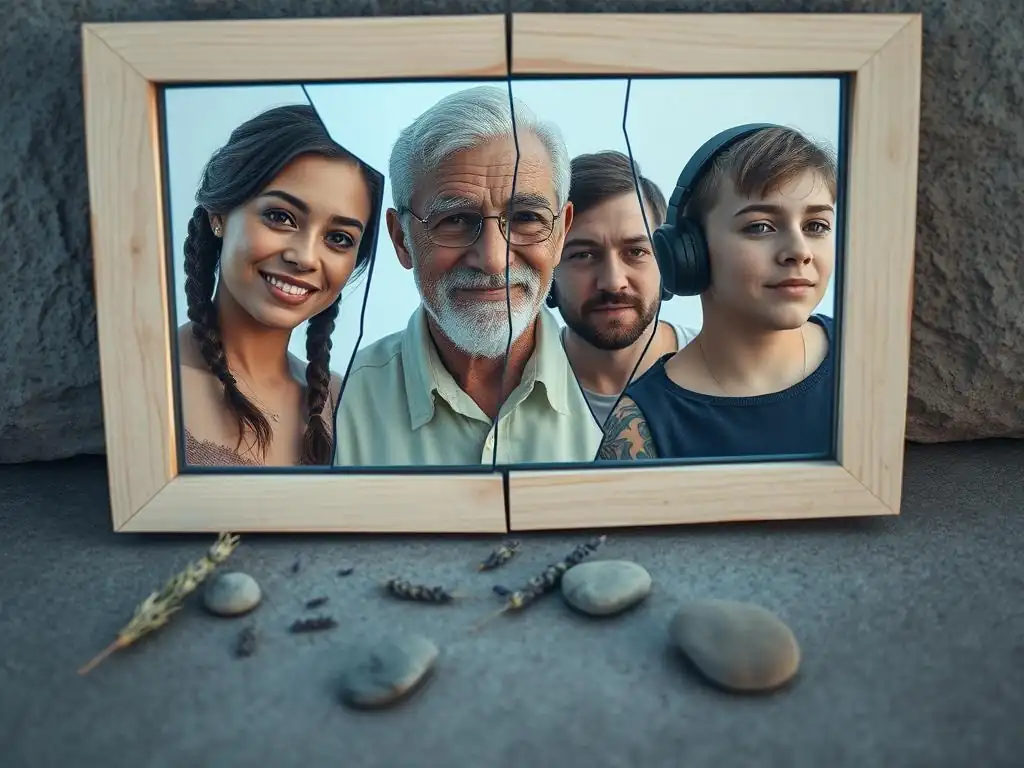
Impact on Seeking Help: Why Stereotypes Prevent People from Getting Treatment
The burden of mood disorder stereotypes significantly impacts an individual's willingness to seek professional help. Fear of being labeled, judged, or discriminated against can be so powerful that it outweighs the desire for relief from distressing symptoms. Many people internalize societal shame and believe that their struggles are a personal failing, not a treatable health condition. This leads to isolation and suffering in silence, rather than reaching out for support from doctors, therapists, or support groups.
Research indicates that a substantial percentage of individuals with diagnosable mood disorders do not receive any treatment. For example, estimates often suggest that less than half of people with major depression seek professional help. The fear of confirming a stigmatized identity, coupled with the belief that they should be able to handle it on their own (reinforced by stereotypes like "just snap out of it"), acts as a major barrier. Challenging mood disorder stereotypes is essential to encouraging help-seeking behavior and connecting individuals with the care they need to recover and manage their condition effectively.
Beyond preventing help-seeking, mood disorder stereotypes contribute to significant social isolation and discrimination. Individuals may face prejudice in various aspects of life, including employment, housing, education, and personal relationships. Friends and family members, influenced by stereotypes, may react with fear, misunderstanding, or avoidance, leading to estrangement and loneliness for the person experiencing the mood disorder.
In the workplace, for instance, an individual who discloses a mood disorder might be unfairly perceived as unreliable, unstable, or less capable, potentially hindering career advancement or leading to unfair treatment. While laws exist to protect against discrimination, the subtle and overt forms of prejudice rooted in stereotypes remain prevalent. This social exclusion and discrimination exacerbate the challenges already faced by individuals managing a mood disorder, highlighting the urgent need for widespread efforts in challenging mood disorder stereotypes and promoting acceptance.
Internalized Stigma: How Stereotypes Affect Self-Esteem and Recovery
Perhaps one of the most insidious effects of mood disorder stereotypes is internalized stigma. This occurs when individuals absorb negative societal beliefs about mental illness and apply them to themselves. They may come to believe that they are weak, fundamentally flawed, or deserving of their suffering because they have a mood disorder. This self-stigma can severely damage self-esteem and self-worth.
Internalized stigma acts as a significant obstacle to recovery. It can lead individuals to feel hopeless, believe that treatment won't work, or avoid engaging fully in therapeutic processes because they feel unworthy or irreparably damaged. It can also fuel self-isolation and prevent them from connecting with others who could provide support. Overcoming internalized stigma is a crucial step in the recovery journey, and it is directly linked to the broader societal effort of challenging mood disorder stereotypes and fostering an environment of acceptance and understanding.
Challenging Mood Disorder Stereotypes: Practical Strategies
Education and Awareness: The Power of Sharing Accurate Information
One of the most effective tools for challenging mood disorder stereotypes is widespread education and awareness. Many harmful beliefs stem from a lack of accurate information about the nature, causes, and treatability of these conditions. By sharing factual information, we can replace myths with understanding and fear with empathy. This involves explaining that mood disorders are complex health conditions, not character flaws, and highlighting that recovery is possible for many individuals.
Educational initiatives can take many forms, from public awareness campaigns and school programs to workplace training and online resources. Sharing personal stories of recovery (with permission) can be particularly powerful in humanizing the experience and demonstrating that individuals with mood disorders are capable, contributing members of society. Providing clear, accessible information about symptoms, treatment options, and where to seek help empowers both those affected and the wider community to approach mood disorders with knowledge rather than prejudice.
Promoting Empathy and Understanding: Humanizing the Experience of Mood Disorders
Moving beyond simply listing facts, promoting empathy and understanding is vital for effectively challenging mood disorder stereotypes. Empathy involves trying to see the world from the perspective of someone experiencing a mood disorder, recognizing the profound impact it can have on their daily life, thoughts, and feelings. Understanding comes from learning about the lived experience, not just the clinical definition.
Sharing narratives, whether through personal testimony, literature, or responsible media portrayals, can foster this connection. Hearing from individuals about the invisible weight of depression, the unpredictable shifts of bipolar disorder, or the constant battle against internal critics helps others see the person beyond the label. This humanization breaks down the "us vs. them" mentality that stigma thrives on and builds bridges of compassion, making people more likely to offer support and less likely to perpetuate harmful stereotypes.
Language Matters: Avoiding Stigmatizing Language in Discussions About Mental Health
The language we use when discussing mental health has a profound impact on perpetuating or challenging mood disorder stereotypes. Using outdated, judgmental, or dismissive terms reinforces negative perceptions and contributes to stigma. For instance, referring to someone as "crazy," "insane," or "mentally ill" in a derogatory way is harmful and dehumanizing. Similarly, trivializing mood disorders by saying someone is "so bipolar" when they are just having a mood swing or "so depressed" over a minor inconvenience minimizes the severity of the actual conditions.
Adopting person-first language, such as saying "a person with bipolar disorder" rather than "a bipolar person," emphasizes the individual rather than the condition defining them. Using accurate and respectful terminology reflects an understanding that mood disorders are health conditions, not identities. Encouraging mindful language in everyday conversations, media, and professional settings is a simple yet powerful way of challenging mood disorder stereotypes and fostering a more respectful and inclusive environment.
Media Representation: Advocating for Responsible Portrayals of Mood Disorders
Media, including television, movies, news, and social media, plays a significant role in shaping public perception and either reinforcing or challenging mood disorder stereotypes. Historically, portrayals have often been inaccurate, sensationalized, or linked mood disorders to violence or instability, fueling fear and misunderstanding. Advocating for more responsible and accurate media representation is a crucial strategy in combating stigma.
This involves encouraging media creators to consult with mental health professionals and individuals with lived experience when developing characters or storylines involving mood disorders. It means depicting a range of experiences, including successful management and recovery, rather than solely focusing on crises. It also involves critically analyzing existing media and speaking out against harmful stereotypes when they appear. By demanding more nuanced and realistic portrayals, we can help the public see mood disorders as they are – complex, treatable conditions affecting real people, thus actively challenging mood disorder stereotypes perpetuated by harmful narratives.
Supporting Individuals with Mood Disorders and Combating Stigma
Being an Ally: How to Support Someone Facing Stigma
Being an ally to someone with a mood disorder involves offering support, understanding, and acceptance in the face of stigma. It begins with educating yourself about mood disorders and the impact of stigma, so you can offer informed support. Listen without judgment if someone chooses to share their experiences, validating their feelings and struggles rather than dismissing them with platitudes like "you'll be fine."
An ally also speaks up against stigmatizing language or behavior when they encounter it, whether it's a casual joke or overt discrimination. This doesn't necessarily mean confronting aggressively but can involve gently correcting misinformation or expressing discomfort with harmful stereotypes. Offering practical support, like helping navigate treatment options or simply spending time together, can also be invaluable. Being a reliable, non-judgmental presence demonstrates that the person is valued and not defined by their condition, which is a powerful counter to the isolating effects of stigma.
Creating Inclusive Environments: Fostering Acceptance and Understanding
Creating inclusive environments in workplaces, schools, communities, and families is fundamental to combating the effects of mood disorder stereotypes. Inclusivity means fostering a culture where open conversations about mental health are normalized, and individuals feel safe disclosing their struggles without fear of negative consequences. This involves promoting mental health literacy among staff, students, or family members.
Workplaces can implement policies that support mental health, such as flexible work arrangements, access to employee assistance programs, and training for managers on recognizing and supporting mental health challenges. Schools can integrate mental health education into the curriculum and provide accessible counseling services. Families can practice open communication and mutual support regarding mental health. By actively working to build environments where individuals feel accepted and understood, we directly counter the exclusion driven by mood disorder stereotypes.
Advocating for Policy Changes: Fighting Discrimination at a Systemic Level
Challenging mood disorder stereotypes also requires addressing the systemic issues that perpetuate discrimination. This involves advocating for policy changes at local, national, and even international levels. Policies related to healthcare access, employment rights, housing, and education can either protect or disadvantage individuals with mood disorders.
Advocacy can include supporting legislation that mandates parity between mental and physical health coverage in insurance plans, ensuring equal access to treatment. It can involve pushing for stronger anti-discrimination laws in employment and housing. It also includes advocating for increased funding for mental health research, prevention, and treatment services. By engaging in policy advocacy, we work to dismantle the structural barriers that reinforce stigma and discrimination, creating a more equitable society for individuals living with mood disorders.
Success Stories: Examples of Individuals Thriving with Mood Disorders

Kay Redfield Jamison is a distinguished clinical psychologist and professor of psychiatry at Johns Hopkins University School of Medicine. She is also a leading authority on bipolar disorder, a condition she herself lives with and has written about extensively. Her memoir, An Unquiet Mind, published in 1995, offered a groundbreaking and deeply personal account of her experiences with bipolar disorder, from the exhilarating highs of mania to the devastating lows of depression.
Jamison's openness about her own struggles, combined with her professional expertise, has been immensely influential in challenging mood disorder stereotypes, particularly those surrounding bipolar disorder. She has demonstrated through her prolific career and academic achievements that it is possible to live a full, productive life and reach the pinnacle of one's profession while managing a serious mood disorder. Her work has helped countless individuals understand their own experiences and has educated the public, showing that insight, treatment, and support can lead to successful management and meaningful contributions.
Demi Lovato: Singer and Advocate for Mental Health Awareness
Demi Lovato is a globally recognized singer, songwriter, and actress who has become a prominent advocate for mental health awareness. Lovato has openly shared their journey with bipolar disorder, addiction, and other mental health challenges, using their platform to reduce stigma and encourage others to seek help. Their willingness to discuss difficult personal experiences, including hospitalizations and treatment, has resonated with millions, particularly younger audiences.
Through interviews, documentaries, and social media, Lovato has consistently worked towards challenging mood disorder stereotypes by showing the reality of living with these conditions, the challenges of recovery, and the importance of self-care and professional support. Their advocacy highlights that mental health struggles affect people from all walks of life, regardless of fame or success, and that vulnerability in seeking help is a sign of strength, not weakness. Lovato's public presence actively counters the idea that mood disorders are something to be hidden or ashamed of.
Winston Churchill: Prime Minister and Public Figure Who Experienced Depression
Sir Winston Churchill, the iconic British Prime Minister who led the United Kingdom during World War II, is widely believed to have experienced significant periods of depression throughout his life. He famously referred to his depressive episodes as his "black dog," a term that has since become widely associated with depression. While mental health understanding and terminology were different during his era, historical accounts and his own writings suggest he grappled with profound low moods and lethargy.
Churchill's example, though often interpreted through a historical lens, serves as a powerful illustration that even individuals who achieve extraordinary things and demonstrate immense strength and resilience can be affected by mood disorders. His ability to lead a nation through one of its most challenging periods, despite battling his "black dog," challenges the stereotype that mood disorders are inherently debilitating or incompatible with high levels of functioning and leadership. His story underscores the complexity of these conditions and the potential for individuals to achieve greatness while managing their mental health.
Resources for Challenging Mood Disorder Stigma
Organizations Dedicated to Mental Health Advocacy
Numerous non-profit organizations are dedicated to mental health advocacy and play a crucial role in challenging mood disorder stereotypes. These groups often engage in public awareness campaigns, legislative advocacy, and provide resources to educate the public and support individuals affected by mental illness. They work at national, regional, and local levels to shift public perception, fight discrimination, and promote policies that improve mental healthcare access and quality.
These organizations serve as central hubs for information and action. They often publish reports on the impact of stigma, develop educational materials for schools and workplaces, and mobilize communities to advocate for change. By supporting or engaging with these groups, individuals can contribute to the broader movement of challenging mood disorder stereotypes and creating a more supportive society. Their collective efforts are vital in driving systemic change and fostering a culture of acceptance.
Educational Materials and Websites on Mood Disorders
A wealth of educational materials and websites provide accurate, evidence-based information about mood disorders, serving as essential resources for challenging stereotypes. These resources, often developed by mental health professionals, research institutions, and reputable health organizations, explain the symptoms, causes, diagnosis, and treatment options for conditions like depression and bipolar disorder in accessible language.
Accessing and sharing these materials helps counter misinformation and replace harmful stereotypes with factual knowledge. Websites can offer articles, FAQs, videos, and infographics that demystify mood disorders and highlight that they are treatable conditions. Utilizing these resources is a proactive step individuals can take to educate themselves and others, fostering greater understanding and empathy within their communities and contributing significantly to challenging mood disorder stereotypes.
Support Groups and Communities for Individuals with Mood Disorders
Support groups and communities, both in-person and online, offer invaluable resources for individuals with mood disorders and their families, simultaneously helping to challenge stigma. These groups provide a safe space for people to share their experiences, challenges, and successes with others who understand what they are going through. This peer support reduces feelings of isolation and shame, which are often amplified by stigma.
Participating in a support group can empower individuals, build resilience, and provide practical coping strategies learned from peers. Seeing others who are managing their condition effectively and living meaningful lives is a powerful counter to the hopelessness that stereotypes can instill. These communities also serve as informal advocates, with members often sharing their experiences and educating others, thereby directly contributing to challenging mood disorder stereotypes through lived experience and solidarity.
Conclusion: Creating a More Compassionate World for Those with Mood Disorders
The Ongoing Importance of Challenging Misconceptions About Mental Illness
Challenging misconceptions about mental illness, particularly mood disorders, remains an ongoing and vital endeavor. While progress has been made in increasing awareness, harmful stereotypes persist, continuing to impact individuals' lives in profound ways. The journey towards a truly stigma-free society requires sustained effort from individuals, communities, institutions, and policymakers.
Every conversation that counters a myth, every act of empathy, every policy that promotes equity, and every story shared contributes to dismantling the barriers created by stigma. Recognizing that mood disorders are treatable health conditions, not personal failings, is the foundation upon which a more compassionate world can be built. The work of challenging mood disorder stereotypes is not just about changing minds; it's about changing lives, ensuring that everyone affected feels seen, valued, and supported.
[Organization Name]'s Role in Promoting Mental Well-being and Reducing Stigma
[Organization Name] is dedicated to playing a leading role in promoting mental well-being and actively reducing the stigma associated with mood disorders and other mental health conditions. Through educational initiatives, advocacy efforts, and resource provision, we strive to empower individuals and communities with the knowledge and tools needed to challenge harmful stereotypes effectively. Our commitment is rooted in the belief that everyone deserves to pursue mental wellness without fear of judgment or discrimination.
We will continue to collaborate with individuals with lived experience, mental health professionals, and partners to amplify voices and drive positive change. By providing accurate information, fostering empathy, and advocating for supportive policies, [Organization Name] aims to contribute significantly to creating a future where challenging mood disorder stereotypes is a collective effort, leading to a society that is truly inclusive, understanding, and supportive of mental health for all.
Frequently Asked Questions
What are some common stereotypes surrounding mood disorders?
Common stereotypes include the belief that mood disorders are simply phases or attention-seeking behavior. They also often involve assumptions of inherent weakness or lack of willpower. These misconceptions can significantly hinder understanding and support.
How do these stereotypes affect individuals living with mood disorders?
Stereotypes can lead to self-stigma and shame, making individuals less likely to seek help. They may also face discrimination in social and professional settings, further isolating them and impacting their well-being.
What is Mind Care Guide's role in challenging these stereotypes?
Mind Care Guide aims to provide accurate information and supportive resources, debunking myths surrounding mood disorders. We foster understanding and empathy through educational content and personal stories, promoting a more informed perspective.
What are some practical steps I can take to challenge mood disorder stereotypes in my daily life?
You can challenge stereotypes by educating yourself and others about mood disorders. Actively listen to and support individuals with lived experience, and speak out against harmful or inaccurate portrayals.
Visit our website and use the search function for "mood disorders," "mental well-being," or "challenging stereotypes." You'll find articles, guides, and resources designed to help you learn more and access support.
Final Reflection: Reclaiming Narratives, Redefining Understanding
The pervasive nature of mood disorder stereotypes continues to hinder accurate diagnosis, effective treatment, and genuine empathy. These misconceptions not only stigmatize individuals but also prevent them from seeking the help they desperately need. We must actively challenge these harmful narratives to foster a more compassionate and informed society.
The journey to understanding mood disorders is a collective one, demanding both personal introspection and societal shifts. The impact of these stereotypes extends far beyond individual experiences; they shape public policy, influence media portrayals, and ultimately dictate how we, as a society, interact with those struggling with mental health. The greatest barrier to recovery is often the stigma surrounding mental illness.
This quote underscores the urgent need for continued education and open dialogue. My own exploration of this topic has deepened my understanding of the complexities involved, highlighting the importance of listening to lived experiences and amplifying the voices of those who have been marginalized.
You, the reader, now hold the power to effect change. Consider how you perceive mental illness, and challenge any preconceived notions you may hold. Engage in conversations, educate yourself, and actively combat the stigma surrounding mood disorders. By fostering empathy, understanding, and open communication, we can create a world where individuals struggling with mental health feel supported, validated, and empowered to seek the help they deserve. Let's work together to build a future where "beyond the label" truly means a future of acceptance and healing.
Uncover Your Strength: Moving Beyond the Stereotypes
Thanks for taking the time to explore the complexities of mood disorders with us. We hope you gained a clearer understanding of the challenges faced by individuals and the importance of compassionate perspective. Now, let's turn this knowledge into action:
- Share this article: Let's break down the stigma surrounding mood disorders together. Share this piece on your social media to spark conversations and raise awareness among your network.
- Challenge a stereotype: Think about a common misconception you've encountered about mood disorders. Take a moment to actively challenge that belief – whether it’s through discussion or reflection. This is a powerful step.
- Learn more: Explore additional resources on Mind Care Guide to delve deeper into specific aspects that resonated with you.
Ready to be a part of a more understanding and supportive community? What small step will you take today to challenge mood disorder stereotypes?