
Dancing Your Way to Happiness: The Mental Perks of Letting Loose Through Dance

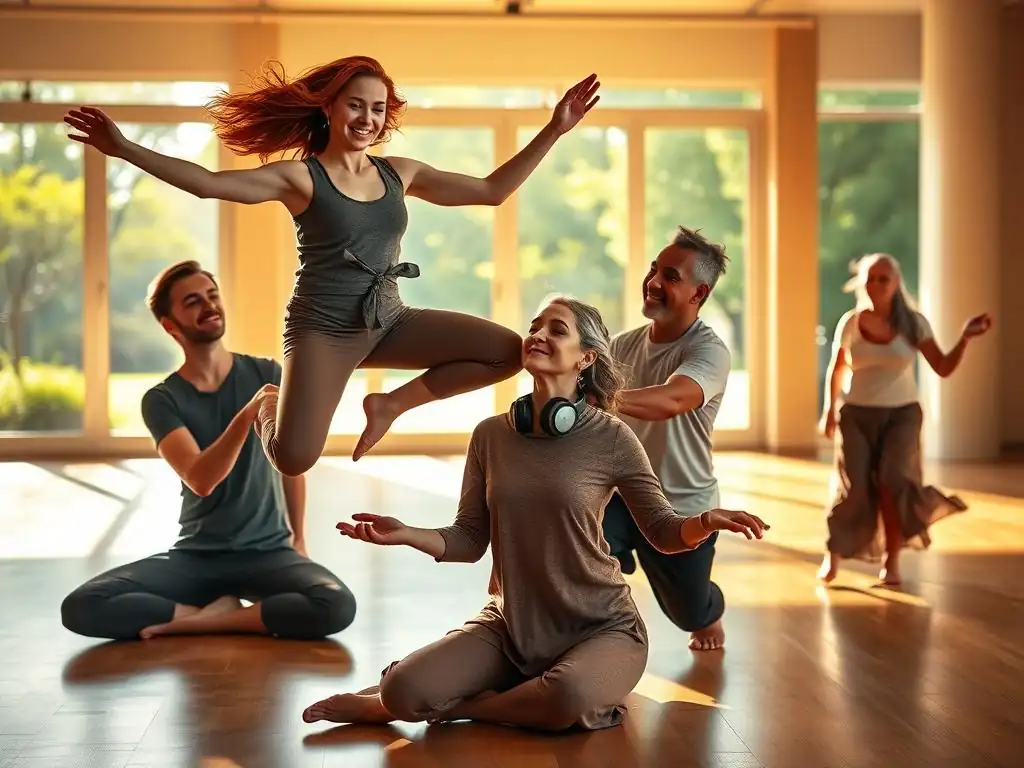
Welcome to Mind Care Guide, a sanctuary for your mental well-being.
Feeling overwhelmed or simply seeking a more joyful path to inner peace? We understand. That's why we're thrilled to explore a powerful, often overlooked, tool for mental health: dance! This article delves into the incredible dance therapy benefits for mental health, revealing how moving your body can unlock emotional expression, reduce stress, and boost your overall happiness. Curious to discover how dancing your way to happiness can transform your life? Let's move!
Dancing Your Way to Happiness: The Mental Perks of Letting Loose Through Dance
- Introduction: Unlocking Joy Through Dance Therapy
- Dance Therapy Benefits Mental Health: A Comprehensive Overview
- The Science Behind Dance and Mental Health
- Exploring Different Types of Dance for Mental Wellness
- Dance Therapy for Specific Mental Health Conditions
- Getting Started with Dance Therapy: A Practical Guide
- The Social Benefits of Dance: Connection and Community
- Beyond Therapy: Dance as a Preventative Mental Health Strategy
- Conclusion: Embrace the Joy of Dance for a Healthier Mind
-
Frequently Asked Questions
- What are the primary dance therapy benefits for mental health?
- How does dance therapy differ from simply dancing for fun?
- What types of mental health challenges can dance therapy help address?
- Do I need to be a skilled dancer to benefit from dance therapy?
- How can I find a qualified dance therapist?
- Final Reflection: The Enduring Rhythm of Joy and Wellbeing
- Unleash Your Inner Dancer: Find Joy and Wellbeing Through Movement
Introduction: Unlocking Joy Through Dance Therapy
The Connection Between Movement and Mental Well-being
The human body and mind are intrinsically linked, a connection beautifully illuminated by the impact of physical movement on our psychological state. Engaging in physical activity, such as dance, releases endorphins, often referred to as the body's natural mood boosters. These neurochemicals interact with receptors in the brain that reduce the perception of pain and trigger a positive feeling in the body, similar to that of morphine. Beyond the chemical response, movement provides a powerful avenue for self-expression, allowing individuals to explore emotions and experiences non-verbally.
Consider the simple act of walking briskly or stretching; these actions can shift our perspective and energy levels. Dance takes this a step further by combining structured or free-form movement with rhythm and often music. This combination stimulates multiple areas of the brain, enhancing cognitive function while simultaneously providing an outlet for physical tension. The physical exertion inherent in dance helps to dissipate stress hormones like cortisol, contributing to a calmer and more balanced mental state, showcasing how fundamental movement is to overall mental wellness.
Why Dance Therapy is Gaining Popularity for Mental Health
Dance therapy, formally known as Dance/Movement Therapy (DMT), is increasingly recognized as a powerful therapeutic modality. It operates on the principle that movement reflects an individual's inner state and that changing movement patterns can lead to changes in the psyche. Unlike traditional talk therapy, DMT utilizes the body as the primary tool for exploration and healing, making it particularly effective for individuals who may struggle to articulate their feelings verbally or for those whose trauma is stored somatically.
The growing acceptance of holistic approaches to well-being has propelled dance therapy into the spotlight. Research is consistently demonstrating how dance therapy benefits mental health across various populations and conditions. For example, a review of studies published in the Journal of Psychiatric Practice highlighted the positive impact of DMT on symptoms of depression and anxiety. Its non-intimidating nature and emphasis on creative expression make it an accessible and engaging option for many seeking alternative or complementary mental health support, contributing to its rising popularity in clinical and wellness settings.
Dance Therapy Benefits Mental Health: A Comprehensive Overview
Reducing Stress and Anxiety with Dance Movement
Chronic stress and anxiety can manifest physically, leading to muscle tension, shallow breathing, and a constant state of hyperarousal. Dance movement provides a dynamic way to interrupt this cycle. The rhythmic nature of many dance forms, combined with focused breathing and expansive movements, can activate the body's relaxation response. As the body moves, stored tension is released, much like wringing out a sponge, allowing for a physical and mental letting go of stressors.
Studies have shown objective measures of stress reduction through dance. For instance, research has indicated that participants in regular dance classes or therapy sessions exhibit lower levels of cortisol, a primary stress hormone, compared to sedentary control groups. The physical exertion also helps to process adrenaline, which is often elevated during anxious states. By engaging the body fully, individuals can shift their focus away from anxious thoughts and into the present moment, experiencing a tangible reduction in the intensity of their stress and anxiety symptoms, illustrating a key way dance therapy benefits mental health.
Dance as a Tool for Emotional Release and Regulation
Emotions are not just mental states; they have physical correlates. We speak of feeling "heavy-hearted," "uptight," or having "butterflies" in our stomach. Dance offers a safe and non-judgmental space to explore and express these physical manifestations of emotion. Unlike language, which can sometimes feel limiting or inadequate, movement allows for a raw and authentic expression of feelings – joy, sorrow, anger, fear – through gestures, posture, and rhythm.
Furthermore, dance therapy helps individuals develop better emotional regulation skills. By becoming more attuned to the sensations in their bodies during movement, people can learn to identify emotions as they arise. A therapist might guide a client to explore how anger feels in their body and find movements that express or process that feeling constructively. This embodied awareness fosters a greater capacity to tolerate difficult emotions and respond to them in healthier ways, rather than being overwhelmed or suppressing them, showcasing the deep emotional work possible when dance therapy benefits mental health.
Improving Mood and Combating Depression Through Dance
The link between physical activity and improved mood is well-established, and dance is a particularly potent form of this connection. The release of endorphins during dancing creates a natural uplift, often described as a "dancer's high." Beyond this immediate chemical boost, regular engagement in dance provides structure, social connection, and a sense of accomplishment, all of which are vital in managing and reducing symptoms of depression.
For individuals experiencing depression, finding motivation for activity can be challenging. However, the engaging and often joyful nature of dance can make it more appealing than other forms of exercise. Participating in dance, whether in a group class or a therapeutic setting, fosters a sense of agency and self-efficacy as new movements are learned and mastered. This process can help combat feelings of helplessness and low self-worth commonly associated with depression, providing a pathway towards improved mood and vitality, demonstrating how significantly dance therapy benefits mental health recovery.
The Science Behind Dance and Mental Health
Neurochemical Changes Triggered by Dancing
Dancing is a powerful catalyst for positive neurochemical changes in the brain. As mentioned, it prompts the release of endorphins, which act as natural painkillers and mood elevators. But the benefits extend beyond this. Dance also increases levels of dopamine and serotonin, neurotransmitters associated with pleasure, reward, and mood regulation. Low levels of these chemicals are often linked to depression and anxiety.
Moreover, rhythmic movement, especially when synchronized with music, can influence brainwaves, potentially leading to states of relaxation and improved focus. The combination of physical exertion, musical engagement, and creative expression creates a unique neurochemical cocktail that fosters well-being. This intricate interplay of brain chemicals underscores the biological basis for why dance therapy benefits mental health, providing a scientific foundation for its therapeutic effects.
How Dance Impacts Brain Function and Cognitive Health
Beyond immediate mood changes, regular dancing can lead to structural and functional changes in the brain, particularly in areas associated with memory, emotion, and executive function. The coordination required in many dance styles stimulates the cerebellum and basal ganglia, improving motor skills and coordination. Learning new choreography challenges the brain, promoting neuroplasticity – the brain's ability to reorganize itself by forming new neural connections.
Studies have indicated that dancing can increase the volume of the hippocampus, a brain region crucial for memory and learning, which often shrinks in conditions like depression and Alzheimer's. The cognitive demands of remembering steps, coordinating movements with music, and interacting with partners or a group provide a robust workout for the brain, enhancing cognitive flexibility, problem-solving skills, and even potentially delaying age-related cognitive decline. This cognitive enhancement is a significant aspect of how dance therapy benefits mental health across the lifespan.
The Role of Mirror Neurons in Dance and Empathy
Mirror neurons are a fascinating class of neurons that fire both when we perform an action and when we observe someone else performing the same action. These neurons are believed to play a crucial role in learning, imitation, and understanding the intentions and emotions of others – essentially, empathy. Dance, particularly partner or group dance, heavily engages the mirror neuron system.
When we dance with others, we are constantly observing, interpreting, and responding to their movements. This process strengthens our mirror neuron activity, enhancing our ability to connect with and understand those around us on a non-verbal level. For individuals who struggle with social interaction or empathy, engaging in shared movement experiences through dance can be a powerful way to develop these skills, highlighting the social-cognitive benefits that contribute to how dance therapy benefits mental health in interpersonal contexts.
Exploring Different Types of Dance for Mental Wellness
Ballet: Grace, Discipline, and Mental Focus
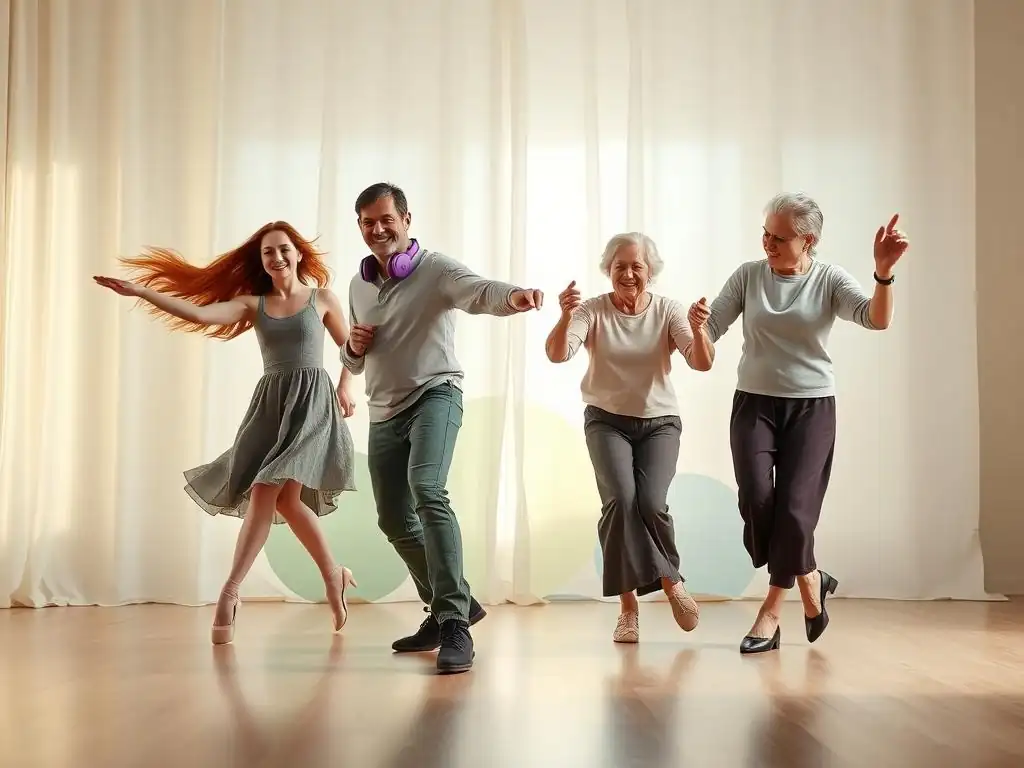
Ballet, with its emphasis on precision, posture, and controlled movement, offers unique mental benefits. The rigorous discipline required in ballet training fosters focus, patience, and perseverance. Dancers must maintain intense concentration to execute complex steps and sequences accurately, which can improve attention span and cognitive control. The constant effort to refine posture and alignment also builds strong body awareness.
Beyond the technical demands, ballet provides a profound avenue for artistic expression. The ethereal quality of the movement allows dancers to explore themes of beauty, strength, and vulnerability. The dedication to mastering challenging techniques instills a sense of accomplishment and self-efficacy, contributing to improved self-esteem. For those seeking structure, discipline, and a mindful connection to their physical form, ballet can be a powerful practice for mental wellness.
Hip-Hop: Expression, Confidence, and Community
Hip-Hop dance is characterized by its energetic, dynamic movements, improvisation, and strong connection to rhythm and music. It is inherently a form of self-expression, allowing dancers to embody their personality and feelings through movement. The freestyle elements encourage creativity and spontaneity, fostering a sense of freedom and liberation on the dance floor.
Participating in Hip-Hop classes or cyphers often involves learning choreography but also encourages individual style and improvisation. This balance helps build confidence as dancers find their unique voice and feel empowered to share it. The communal aspect is also significant; Hip-Hop culture is rooted in community and shared experience, providing opportunities for social connection, support, and belonging, showcasing how this style of dance therapy benefits mental health through empowerment and social bonds.
Salsa: Passion, Connection, and Joyful Movement
Salsa is a vibrant, rhythmic partner dance that is inherently social and expressive. The fast-paced footwork and intricate turns require focus and coordination, offering a fun cognitive challenge. However, the primary mental health benefits often come from the strong emphasis on connection with a partner and the sheer joy of the music and movement.
Dancing salsa involves non-verbal communication, trust, and responsiveness between partners. Learning to lead or follow effectively requires presence and attunement to another person, enhancing interpersonal skills and building confidence in social settings. The infectious rhythm and passionate style of salsa create an uplifting and joyful atmosphere, providing a powerful antidote to stress and low mood, demonstrating how culturally specific dance forms can contribute to how dance therapy benefits mental health through connection and positive affect.
Modern Dance: Freedom, Exploration, and Self-Discovery
Modern dance emerged as a rebellion against the strictures of classical ballet, prioritizing freedom of movement, self-expression, and exploration of the human condition. It encourages dancers to explore their natural range of motion and delve into personal experiences and emotions through abstract or narrative movement. There are often no rigid steps or forms, allowing for immense creativity and improvisation.
This emphasis on internal experience and creative exploration makes modern dance particularly valuable for self-discovery and emotional processing. It provides a space to move authentically, without judgment, and to connect deeply with one's body and inner landscape. The fluidity and expressiveness of modern dance can be incredibly cathartic, offering a powerful way to release pent-up emotions and gain insights into oneself, highlighting the introspective benefits when considering how different styles of dance therapy benefits mental health.
Tango: Connection, Sensuality, and Emotional Expression
Argentine Tango is a complex, intimate partner dance known for its dramatic flair, close connection, and nuanced communication between partners. It is a dance of improvisation, where the leader guides the follower through a series of steps dictated by the music and the feel of the embrace. This requires intense focus, presence, and non-verbal attunement.
The close physical contact and shared movement in tango foster a unique sense of connection and trust. It provides a structured yet flexible framework for exploring themes of boundaries, communication, and intimacy in a safe environment. The passionate and melancholic music of tango allows for deep emotional expression, offering a powerful outlet for exploring complex feelings. The mental benefits stem from this blend of focused presence, intimate connection, and emotional depth, illustrating another facet of how dance therapy benefits mental health through interpersonal dynamics.
Dance Therapy for Specific Mental Health Conditions
Dance Therapy for Anxiety Disorders
For individuals with anxiety disorders, who often experience racing thoughts and physical symptoms like tension and restlessness, dance therapy can provide significant relief. The structured yet expressive nature of DMT helps ground individuals in their bodies, shifting focus from anxious rumination to present-moment physical sensation. Rhythmic movements can be particularly soothing, activating the parasympathetic nervous system and promoting a sense of calm.
Therapists might use specific techniques, such as mirroring movements to build rapport and safety, or guiding clients through exercises that help them explore and release physical tension associated with anxiety. A meta-analysis published in 2019 reviewing studies on DMT for anxiety found a moderate effect size, suggesting that participants experienced notable reductions in anxiety symptoms after engaging in dance therapy sessions. The embodied approach allows individuals to develop new coping mechanisms for managing physical and emotional arousal linked to anxiety, showing practical applications of how dance therapy benefits mental health conditions like anxiety.
Dance Therapy for Depression and Mood Disorders
Dance therapy is a valuable intervention for depression and other mood disorders, offering both physical and emotional benefits. The physical activity component helps combat the fatigue and low energy often associated with depression, while the creative expression provides an outlet for feelings that may be difficult to verbalize. The social aspect of group dance therapy can also help alleviate feelings of isolation and withdrawal.
In a therapeutic setting, movement interventions might focus on expanding the body's range of motion to counter the constricted posture often seen in depression, or using uplifting rhythms and movements to shift mood. Research, including a systematic review of studies, has consistently shown that dance therapy can lead to significant reductions in depressive symptoms, sometimes comparable to or even exceeding the effects of other interventions. This is attributed to a combination of neurochemical changes, increased physical activity, improved self-esteem, and enhanced emotional expression, highlighting how broadly dance therapy benefits mental health challenges like depression.
Dance Therapy for Trauma and PTSD
Trauma is often stored in the body, leading to physical symptoms, dissociation, and difficulty feeling safe. Dance therapy offers a gentle yet powerful way to process traumatic experiences without relying solely on verbal narrative, which can be re-traumatizing for some individuals. The focus is on helping clients rebuild a sense of safety and agency within their own bodies.
Therapists use movement to help clients explore boundaries, develop self-awareness, and regulate their nervous system responses. Techniques might involve grounding exercises, exploring different movement qualities to express feelings associated with trauma, or using rhythmic movement to create a sense of predictability and safety. A study published in Frontiers in Psychology discussed the potential of DMT to address the somatic symptoms of PTSD, noting its ability to help individuals integrate fragmented body sensations and emotions related to traumatic memories, underscoring the profound way dance therapy benefits mental health recovery from trauma.
Dance Therapy for Autism Spectrum Disorder (ASD)
For individuals with Autism Spectrum Disorder, who may face challenges with social interaction, communication, and sensory processing, dance therapy can provide a supportive environment for growth. Movement is a primary mode of communication, making it accessible for those who find verbal language difficult. DMT can help improve body awareness, coordination, and motor skills.
Furthermore, group dance therapy offers opportunities to practice social skills in a playful and less pressured setting. Mirroring exercises can help individuals with ASD understand and respond to others' movements and emotions, fostering empathy and connection. Rhythmic movement can also be regulating for sensory sensitivities. Research suggests that DMT can enhance non-verbal communication skills, improve social interaction, and reduce repetitive behaviors in individuals with ASD, illustrating a specific population for whom dance therapy benefits mental health development.
Dance Therapy for Eating Disorders
Eating disorders often involve a distorted body image, disconnection from physical sensations, and difficulty expressing emotions. Dance therapy provides a unique pathway to address these issues by focusing on the body as a source of strength and expression, rather than an object to be judged or controlled. It helps individuals reconnect with their physical selves in a nurturing way.
Through movement, clients can explore their relationship with their body, challenge negative beliefs, and find healthier ways to cope with difficult emotions that might otherwise lead to disordered eating behaviors. Therapists use movement to help clients identify and tolerate physical sensations, improve interoceptive awareness (the ability to feel internal signals), and develop a more compassionate relationship with their body.
While research is still developing, preliminary findings and clinical observations suggest that DMT can be a valuable adjunct therapy, helping individuals with eating disorders integrate their physical and emotional experiences, showing another critical area where dance therapy benefits mental health recovery.
Getting Started with Dance Therapy: A Practical Guide
Finding a Qualified Dance Therapist
If you're interested in exploring dance therapy, the first step is often finding a qualified professional. Dance therapists typically hold a Master's degree in Dance/Movement Therapy and are registered or board-certified (R-DMT or BC-DMT) through the American Dance Therapy Association (ADTA) or equivalent bodies internationally. These credentials ensure they have received specialized training in both dance and therapeutic practices.
You can search for registered dance therapists through professional association websites or directories. It's also advisable to check their specific areas of focus and experience to ensure they align with your needs, whether you are seeking support for anxiety, trauma, or general well-being. Don't hesitate to schedule an initial consultation to see if their approach feels like a good fit for you, as the therapeutic relationship is key to how dance therapy benefits mental health journeys.
Exploring Dance Classes and Workshops in Your Community
Formal dance therapy isn't the only way to experience the mental health benefits of dance. Many regular dance classes and workshops in your community can offer significant psychological advantages, even if they aren't explicitly therapeutic. Styles like Zumba, Nia, or even community folk dance groups provide opportunities for physical activity, social connection, and joyful movement.
Look for classes that emphasize expression, enjoyment, and a non-judgmental atmosphere rather than strict technique or performance. Community centers, dance studios, or local gyms often list various options. While these classes don't replace clinical therapy, they can be a wonderful way to incorporate movement and social interaction into your routine, contributing positively to your mental well-being and serving as a gateway to understanding how dance therapy benefits mental health.
Creating Your Own Dance Practice at Home
You don't need a studio or a partner to start dancing your way to better mental health. Creating your own dance practice at home can be incredibly liberating and accessible. Find a comfortable space where you can move freely without fear of judgment. Put on music that resonates with you – whether it makes you want to move energetically or sway gently.
Allow yourself to move however feels natural, without worrying about steps or looking "right." This free-form movement can be a powerful way to check in with your body, release tension, and express whatever emotions are present. Even just 10-15 minutes of spontaneous dancing can shift your mood and energy. Think of it as movement meditation or a physical journal entry; it's your time to connect with yourself through motion, a simple yet effective way to harness the principles of how dance therapy benefits mental health in a personal context.
Setting Realistic Goals and Expectations
As with any new practice, setting realistic goals and expectations is important when starting with dance for mental health. If you are new to dance or movement, begin slowly. Even gentle stretching and swaying can be beneficial. Don't expect immediate, dramatic results, especially if you are dealing with complex mental health challenges; therapy is a process.
Understand that progress may not be linear. Some days you might feel energized and expressive, while others might feel challenging or less fluid. Be patient and compassionate with yourself. The goal isn't perfection in movement, but rather consistent engagement with your body and emotions through dance. Celebrating small victories, like showing up for a session or feeling a moment of release during a home practice, helps build momentum and reinforces the positive impact that dance therapy benefits mental health over time.
Building Relationships Through Dance
Dance, especially partner or group dance, is inherently social. It provides a unique platform for building connections with others, often without the pressure of verbal conversation that can feel daunting for some. Sharing a rhythm, moving in sync, or navigating space together fosters a sense of camaraderie and shared experience.
In dance classes or therapy groups, individuals connect through a common activity and shared vulnerability. The non-verbal communication involved in many dance forms can deepen understanding and empathy between participants. These shared experiences can lead to genuine friendships and a stronger support network, demonstrating how the social dimension is integral to how dance therapy benefits mental health by combating isolation.
Social isolation is a significant risk factor for poor mental health, contributing to depression, anxiety, and cognitive decline. Joining a dance group or class can be a powerful antidote to loneliness. It provides a regular scheduled activity that requires interaction, even if minimal initially.
The structure of a class or therapy group offers a predictable environment for social engagement. As participants become more comfortable, opportunities for conversation and deeper connection naturally arise. The shared goal of learning or expressing through dance creates a sense of belonging, helping individuals feel connected to something larger than themselves and actively overcoming feelings of isolation, which is a crucial way group dance therapy benefits mental health.
Dance as a Form of Non-Verbal Communication
Long before language, humans communicated through movement, gesture, and rhythm. Dance taps into this primal form of communication, allowing for expression and understanding that transcends words. Emotions, intentions, and even complex narratives can be conveyed through the body.
In a dance therapy context, this non-verbal communication is central. Clients can express feelings they cannot articulate, and therapists can gain insight by observing movement patterns. Learning to "read" and respond to others' movements in partner or group dance also enhances non-verbal communication skills in daily life, improving relationships and understanding. This embodied communication is a key mechanism through which dance therapy benefits mental health, particularly for those with communication difficulties.
Beyond Therapy: Dance as a Preventative Mental Health Strategy
Incorporating Dance into Your Daily Routine for Stress Management
You don't need to be in therapy to use dance as a tool for managing daily stress. Integrating short bursts of movement into your routine can make a significant difference. This could be dancing to a favorite song while making dinner, taking a few minutes to stretch and sway during a work break, or joining an online dance fitness class.
Consistent, even brief, engagement with dance helps regulate the nervous system, release physical tension accumulated throughout the day, and provide a positive emotional outlet. It's a proactive way to prevent stress from building up and becoming overwhelming. Making dance a regular, enjoyable part of your day is a sustainable strategy for maintaining emotional balance, showcasing how the principles of how dance therapy benefits mental health can be applied preventatively.
Using Dance to Enhance Self-Esteem and Body Image
Societal pressures often lead to negative body image and low self-esteem. Dance offers an alternative perspective, focusing on what the body can do and express rather than just how it looks. Learning new movements, mastering choreography, and feeling the rhythm can be incredibly empowering.
In dance, there's an emphasis on inhabiting your body fully and moving authentically. This process helps challenge internal criticism and fosters a more positive relationship with your physical self. As skills improve and confidence grows on the dance floor, this often translates into greater self-acceptance and self-esteem in other areas of life. Feeling capable and expressive in one's body is a core way dance therapy benefits mental health by building resilience and self-worth.
The Power of Movement for Long-Term Mental Well-being
Regular physical activity, including dance, is strongly correlated with long-term mental well-being. It supports brain health, emotional regulation, stress resilience, and social connection – all pillars of a healthy mind. Making dance a consistent part of your life can contribute to sustained improvements in mood, cognitive function, and overall quality of life.
Whether it's through formal dance therapy, recreational classes, or simply dancing in your living room, the cumulative effect of incorporating movement and rhythm into your life is profound. It's a joyful, creative, and effective strategy for maintaining mental health over the long haul, demonstrating the enduring impact of how dance therapy benefits mental health not just acutely, but as a lifestyle choice.
Conclusion: Embrace the Joy of Dance for a Healthier Mind
The Transformative Potential of Dance for Mental Health
Dance is far more than just movement; it is a language, a form of expression, a connection to self and others, and a powerful therapeutic tool. From reducing stress and anxiety to combating depression, processing trauma, and enhancing social skills, the ways dance therapy benefits mental health are extensive and deeply impactful. It offers an embodied approach to healing and growth, reaching parts of ourselves that words sometimes cannot access.
The evidence, both scientific and anecdotal, points to the significant transformative potential of dance. It engages the brain, soothes the nervous system, releases emotions, and builds connections. It reminds us that our bodies are not just vessels but integral parts of our emotional and psychological landscape, capable of expressing profound truths and finding joy in motion.
Taking the First Step Towards a Happier, Healthier You Through Dance
Embarking on a journey with dance for mental well-being can feel like a leap, but the rewards are immense. Whether you explore formal dance therapy, join a local class, or simply put on your favorite music and move freely at home, taking that first step is an act of self-care. There is no right or wrong way to dance for mental health; the most important thing is to move authentically and compassionately.
Allow yourself the freedom to explore, express, and connect through the power of dance. Embrace the rhythm, trust your body, and discover the profound joy and healing that can be found on the dance floor – wherever that may be for you. Your mind and body will thank you for allowing them to dance their way to a happier, healthier state.
Frequently Asked Questions
What are the primary dance therapy benefits for mental health?
Dance therapy uses movement to express emotions and reduce stress. It can also improve body image and self-esteem.
How does dance therapy differ from simply dancing for fun?
While both involve movement, dance therapy is guided by a qualified therapist. It focuses on specific therapeutic goals and self-awareness, not just enjoyment.
What types of mental health challenges can dance therapy help address?
Dance therapy can be effective for a range of issues, including anxiety, depression, and trauma. It can also help with social isolation and building confidence.
Do I need to be a skilled dancer to benefit from dance therapy?
No, no dance experience is necessary. The focus is on emotional expression and movement, not technical skill. Anyone can participate and benefit.
How can I find a qualified dance therapist?
Look for therapists who are registered dance/movement therapists (R-DMTs). You can also ask your doctor or mental health professional for referrals in your area.
Final Reflection: The Enduring Rhythm of Joy and Wellbeing
The connection between movement and mental wellbeing isn't just a fleeting trend; it's a fundamental truth resonating deeply within our human experience. Dance, in its myriad forms, offers a powerful pathway to improved mental health, a fact increasingly recognized and validated by research and personal testimonies alike. This isn't simply about physical fitness; it's about unlocking emotional resilience and fostering a deeper connection with oneself.
The transformative power of dance extends far beyond the dance floor; it ripples outwards, influencing our relationships, our self-perception, and our overall approach to life. Dance provides a safe space for self-expression, allowing us to process emotions that might otherwise remain bottled up. It fosters a sense of community and belonging, connecting us with others through shared movement and experience. As Martha Graham eloquently stated, Dance is the hidden language of the soul.
This hidden language speaks volumes, offering solace, strength, and a renewed sense of purpose.
Now, consider your own life. What movements bring you joy? What rhythms resonate with your soul? I invite you to explore the potential of dance, not just as a form of exercise, but as a vital tool for nurturing your mental and emotional wellbeing. Whether it's joining a dance class, swaying to your favorite music at home, or simply allowing yourself to move freely, embrace the power of rhythm and release. Let the dance of life lead you to a place of greater happiness, resilience, and self-discovery.
Unleash Your Inner Dancer: Find Joy and Wellbeing Through Movement
Thanks for taking the time to explore the incredible mental benefits of dance! We hope you've discovered a new path towards joy and wellbeing. Now, it's time to put those newfound insights into action.
- Start your dance journey today! Find a local class, put on your favorite music at home, or simply let loose with a spontaneous dance break. This is your first step to a happier, healthier you.
- Share your dance experiences! Tell us (and others!) about your favorite dance style, a song that gets you moving, or any surprising benefits you've already experienced.
- Challenge a friend to join you! Dancing is even more fun (and motivating!) when shared with others.
Ready to embrace the rhythm of a happier life? What's the first dance move you'll try today?