
Navigating Gift Giving for PTSD: Finding Items That Truly Help

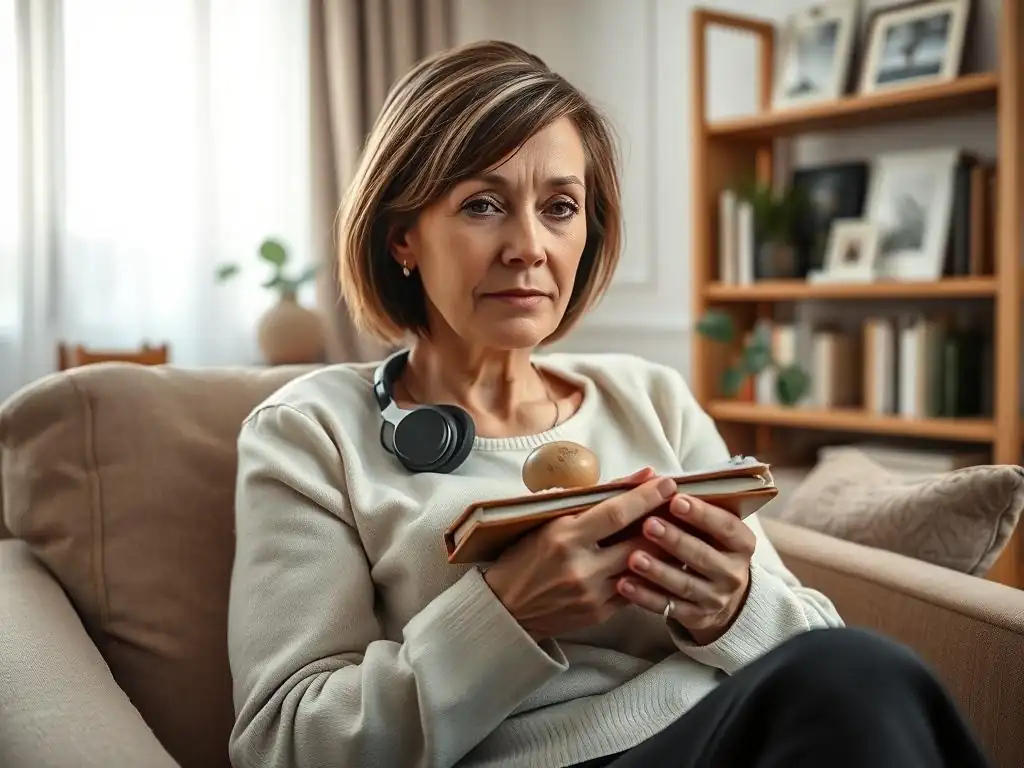
Welcome to Mind Care Guide, a supportive space dedicated to nurturing your mental well-being. Are you searching for a thoughtful way to show someone you care, especially when they're navigating the complexities of PTSD? It can be a delicate path, and choosing the right gift is crucial. Discover our guide to PTSD gift ideas for healing, offering compassionate suggestions that go beyond the ordinary and truly support their journey towards recovery. Intrigued? Let's explore how a carefully chosen present can make a profound difference.
Navigating Gift Giving for PTSD: Finding Items That Truly Help
- Understanding PTSD and Thoughtful Gift-Giving
- PTSD Gift Ideas for Healing: Promoting Relaxation and Safety
- Thoughtful Gifts for PTSD: Encouraging Connection and Support
- What to Avoid: Gifts That Could Potentially Trigger PTSD
- Maximizing the Impact: Presenting Gifts with Sensitivity and Care
- Choosing the Right PTSD Gift Ideas for Healing: A Personalized Approach
- Mind Care Guide: Resources for Supporting Individuals with PTSD
-
Frequently Asked Questions
- What types of gifts should I avoid giving to someone with PTSD?
- What are some safe and effective PTSD gift ideas focused on relaxation?
- How can I choose a PTSD gift that shows I understand their specific needs?
- Are there practical gifts that can help someone manage their PTSD symptoms daily?
- What's the most important thing to remember when selecting PTSD gift ideas?
- Final Reflection: The Power of Thoughtful Giving in PTSD Recovery
- Unlock a World of Supportive Gifts for PTSD
Understanding PTSD and Thoughtful Gift-Giving
The Importance of Mindful Gifting for Individuals with PTSD
Choosing a gift for someone living with Post-Traumatic Stress Disorder (PTSD) requires a level of thoughtfulness and sensitivity that goes beyond typical gift-giving occasions. Unlike simply selecting something enjoyable, the goal is to find items or experiences that can genuinely support their healing journey, promote a sense of safety, and offer comfort without inadvertently causing distress. It's about showing you care in a way that respects their unique challenges and recovery process.
Many individuals with PTSD struggle with hypervigilance, anxiety, and difficulty relaxing, making certain types of gifts counterproductive. Therefore, focusing on items known to aid relaxation, grounding, and self-care can make a significant positive impact, offering true PTSD gift ideas for healing.
Mindful gifting acknowledges the individual's specific needs and current state of well-being. It involves considering their triggers, preferences, and what might genuinely bring them peace or a sense of security. For instance, a gift that provides a sense of calm or helps manage anxiety symptoms can be incredibly valuable.
Research indicates that supportive relationships and a feeling of safety are crucial components in trauma recovery. A carefully chosen gift, presented with understanding and no pressure, reinforces the message that they are seen, supported, and cared for, contributing to their overall sense of well-being and resilience. This thoughtful approach transforms a simple gesture into a meaningful act of support tailored to someone navigating the complexities of PTSD.
Common Triggers and How to Avoid Them When Choosing Gifts
Understanding potential triggers is paramount when selecting PTSD gift ideas for healing. Triggers can be sensory – sights, sounds, smells, tastes, or touch – or situational, like specific places, times of year, or social interactions. For example, sudden loud noises are a common trigger for individuals whose trauma involved explosions or violence. A gift that unexpectedly makes a loud sound, such as a novelty item or certain toys, could easily cause distress or flashbacks. Similarly, strong smells, even if seemingly pleasant, can be linked to traumatic memories for some individuals.
To avoid triggering potential distress, it's wise to steer clear of gifts that are loud, startling, overly stimulating, or strongly scented unless you are absolutely certain the person is comfortable with them and they are not associated with their trauma. This also extends to experiences; while an exciting surprise party might seem fun, the unexpectedness and potential lack of control can be highly triggering for someone with PTSD.
Gifts related to the specific location or context of the trauma (e.g., a souvenir from a place associated with the event) should also be strictly avoided. Prioritizing gifts that promote calm, predictability, and a sense of personal space and control is a safer and more empathetic approach.
Mind Care Guide's Approach to Trauma-Informed Gift Recommendations
At Mind Care Guide, our approach to recommending PTSD gift ideas for healing is rooted in the principles of trauma-informed care: safety, trustworthiness, peer support, collaboration, empowerment, and cultural humility. We understand that recovery is a deeply personal journey, and what helps one person may not help another. Our recommendations prioritize items and experiences that align with promoting a sense of internal and external safety, offering tools for self-regulation, and supporting the individual's autonomy in their healing process. We aim to provide a diverse range of suggestions that cater to different needs, preferences, and stages of recovery.
We carefully consider how a gift might be perceived and used by someone sensitive to triggers and unpredictable stimuli. This means favoring items that offer comfort without being overwhelming, tools for grounding or mindfulness that can be used privately, and resources for education and self-exploration that empower the individual.
Our suggestions for PTSD gift ideas for healing are curated with the intention of reducing anxiety, enhancing coping skills, and fostering a sense of peace, always emphasizing that the most valuable "gift" is ongoing, non-judgmental support and understanding from loved ones. We encourage thoughtful consideration and, where possible, open communication (when appropriate and safe) with the recipient about their needs.
PTSD Gift Ideas for Healing: Promoting Relaxation and Safety
Calming Sensory Gifts: Weighted Blankets, Essential Oils, and More
Sensory input plays a significant role in regulating the nervous system, which is often dysregulated in individuals with PTSD. Gifts that provide calming sensory experiences can help ground a person during moments of anxiety or distress and promote overall relaxation. These items engage the senses in a soothing way, offering a tangible method for managing overwhelming feelings. From the comforting pressure of a weighted blanket to the gentle aroma of essential oils, these gifts are designed to create a sense of calm and safety, making them excellent PTSD gift ideas for healing.
Focusing on gifts that offer controlled, predictable, and pleasant sensory input can counteract the unpredictable and often distressing sensory experiences associated with trauma. Items like soft textiles, gentle lighting options (like a salt lamp), or even high-quality noise-canceling headphones can help create a personal sanctuary. The goal is to provide tools that the individual can use whenever they feel overwhelmed, giving them a sense of agency over their environment and internal state. These types of gifts are not just objects; they are potential aids in self-regulation and finding moments of peace amidst the challenges of recovery.
Weighted Blankets: Providing a Sense of Security and Comfort
Weighted blankets have gained significant recognition for their therapeutic benefits, particularly for individuals experiencing anxiety, stress, or sensory processing issues often co-occurring with PTSD. These blankets typically range in weight from 5 to 30 pounds and are designed to provide deep pressure stimulation, sometimes referred to as "deep touch pressure." This type of sensory input can have a calming effect on the nervous system, similar to a hug or being swaddled.
Studies and anecdotal evidence suggest that using a weighted blanket can help reduce cortisol levels (the stress hormone) and increase serotonin and melatonin production, which are associated with mood regulation and sleep. For someone with PTSD experiencing hyperarousal or difficulty feeling safe, the consistent, gentle pressure can create a feeling of being grounded, secure, and contained, potentially easing anxiety and making it easier to relax or fall asleep.
When considering this as one of your PTSD gift ideas for healing, ensure the weight is appropriate for the individual's body weight (often recommended as about 10% of their body weight) and that the material is comfortable.
Essential Oil Diffusers: Aromatherapy for Anxiety and Stress Reduction
Aromatherapy, utilizing essential oils through diffusers, is another sensory approach that can aid in relaxation and stress reduction for individuals with PTSD. Certain essential oils are known for their calming properties and can help create a peaceful atmosphere in a living space. Lavender is perhaps the most well-known for its ability to promote relaxation and improve sleep quality, often backed by studies showing reduced anxiety scores in participants using lavender aromatherapy.
A diffuser gently disperses the scent of the essential oil into the air, providing a subtle and continuous therapeutic effect. Other oils often recommended for their calming or grounding effects include chamomile, bergamot, frankincense, and vetiver. Giving a diffuser along with a selection of high-quality, pure essential oils can offer someone with PTSD a simple, controllable way to influence their environment and mood. It's important to include a variety of scents or choose universally calming ones, as individual preferences and sensitivities vary, making this a versatile option among PTSD gift ideas for healing.
Soothing Sounds: White Noise Machines and Nature Soundscapes
Auditory triggers are common in PTSD, and unpredictable noises can be highly distressing. Conversely, predictable, soothing sounds can help mask jarring noises and create a more peaceful auditory environment. White noise machines, or devices that play nature soundscapes like rain, ocean waves, or forest ambient sounds, fall into this category. White noise works by providing a consistent frequency that can help block out sudden or variable sounds that might be triggering.
For someone struggling with hypervigilance or difficulty sleeping due to noise sensitivity, a high-quality sound machine can be invaluable. It offers a controllable source of sound that promotes relaxation and can help mitigate the impact of unexpected noises during the day or night. Many machines offer a variety of sound options, allowing the user to choose what is most comforting to them. This gift provides a tool for creating a personal sound sanctuary, contributing significantly to a sense of safety and calm, and is a practical entry on the list of PTSD gift ideas for healing.
Gifts that Encourage Mindfulness and Self-Care
Mindfulness and self-care practices are essential tools in managing PTSD symptoms and fostering recovery. Mindfulness helps individuals stay present and grounded, reducing the likelihood of being overwhelmed by intrusive thoughts or flashbacks. Self-care encourages tending to one's physical and emotional needs, which can be challenging when dealing with trauma's effects. Gifts that support these practices provide valuable resources for daily coping and long-term healing.
These types of gifts empower the individual by offering accessible ways to engage in practices that promote well-being on their own terms. They can range from guided meditation resources to creative outlets that encourage focus and relaxation. Providing tools for mindfulness and self-care acknowledges the importance of the individual's active role in their recovery and offers tangible ways to integrate helpful habits into their routine. Exploring various PTSD gift ideas for healing in this category can lead to finding something truly beneficial.
Mindfulness Meditation Apps: Guiding Individuals to Calmness and Presence
Mindfulness meditation is a practice clinically shown to help reduce symptoms of anxiety, depression, and PTSD. It involves focusing on the present moment without judgment, which can be particularly challenging but also incredibly beneficial for individuals whose minds are often preoccupied with past trauma or future worries. Subscription-based mindfulness meditation apps offer guided sessions, breathing exercises, body scans, and calming music accessible anytime, anywhere.
Popular apps often feature specific programs tailored to stress reduction, sleep improvement, or managing anxiety, sometimes even including trauma-sensitive content. A gift subscription (e.g., for 6 or 12 months) to a reputable app like Headspace or Calm provides consistent access to guided support for developing a meditation practice. These apps offer sessions ranging from just a few minutes to longer guided meditations, making it easy for someone to incorporate mindfulness into their day, even when feeling overwhelmed. This is a modern, accessible form of support among effective PTSD gift ideas for healing.
Adult Coloring Books and Art Supplies: Engaging the Mind and Reducing Stress
Engaging in creative activities like coloring or drawing can be a form of active meditation, helping to quiet the mind and reduce stress. Adult coloring books, often featuring intricate patterns and designs, require focus and attention to detail, which can pull someone out of ruminative thought patterns or flashbacks by grounding them in the present task. The simple, repetitive motion of coloring can be inherently calming.
Pairing a high-quality adult coloring book with a set of nice colored pencils or markers offers a complete, low-pressure creative outlet. This activity doesn't require artistic skill, making it accessible and non-intimidating. It provides a safe way to express oneself or simply engage in a soothing activity that occupies the hands and mind, offering a gentle distraction from anxiety. This type of gift is a simple yet effective option within the realm of PTSD gift ideas for healing, promoting relaxation through focused engagement.
Yoga Mats and Online Yoga Classes: Promoting Physical and Mental Well-being
Yoga is increasingly recognized as a powerful complementary therapy for PTSD, as it helps individuals reconnect with their bodies in a safe and controlled way. Trauma can cause people to feel disconnected from their physical selves or experience their bodies as unsafe. Gentle yoga practices emphasize mindful movement, breathwork, and grounding, helping to restore a sense of safety and presence in the body. Studies have shown that yoga can help reduce symptom severity in veterans and other trauma survivors.
A comfortable yoga mat, perhaps accompanied by a subscription to an online yoga platform (like Yoga With Adriene on YouTube, which is free, or a paid service like Glo or Gaia), can provide accessible tools for incorporating this healing practice. Choosing trauma-informed yoga resources specifically is ideal, as they focus on gentle movements, avoiding potentially triggering poses, and emphasizing choice and empowerment. This gift supports physical health while also offering a pathway to emotional regulation and body-mind connection, making it a holistic choice for PTSD gift ideas for healing.
Promoting Sleep Hygiene as a Healing Gift for PTSD
Sleep disturbances are a very common and often debilitating symptom of PTSD, including insomnia, nightmares, and difficulty staying asleep. Poor sleep significantly worsens other symptoms like anxiety, irritability, and difficulty concentrating. Gifts that help improve sleep hygiene – the habits and environment conducive to restful sleep – can therefore have a profound positive impact on overall well-being and recovery. Focusing on creating a peaceful, dark, and quiet sleep environment is key.
These gifts address a fundamental physiological need that is often disrupted by trauma. By helping someone achieve more consistent and restorative sleep, you are directly supporting their brain's ability to process emotions, consolidate memories (in a healthy way), and regulate mood. Simple items that block light or noise can make a significant difference in the quality and duration of sleep, offering practical and effective PTSD gift ideas for healing focused on essential rest.
Blackout Curtains: Creating a Dark and Restful Sleep Environment
Exposure to light during sleep can disrupt the body's natural sleep-wake cycle (circadian rhythm) and suppress the production of melatonin, the hormone that regulates sleep. For individuals with PTSD who may already have disrupted sleep patterns, minimizing light is crucial. Blackout curtains are designed to block out almost all external light, creating a dark environment that signals to the body that it's time to sleep.
Installing blackout curtains in a bedroom can significantly improve sleep quality, especially in urban environments or during summer months with long daylight hours. They help maintain darkness even if the person wakes up during the night, making it easier to fall back asleep. Providing a set of high-quality blackout curtains is a practical gift that directly addresses a common barrier to restful sleep for individuals with PTSD, making it a valuable contribution to their healing environment and a useful item among PTSD gift ideas for healing.
Sleep Masks: Blocking Out Light for Deeper Sleep
Similar to blackout curtains, a comfortable sleep mask serves to block out light, but offers a portable and often simpler solution. Even small amounts of light from streetlights, electronics, or early morning sun can interfere with sleep architecture, preventing deeper, more restorative sleep stages. A good sleep mask creates complete darkness directly over the eyes.
Choosing a mask made from soft, breathable material that fits comfortably without putting too much pressure on the eyes is important. Silk or padded masks are often preferred for their comfort and ability to block light effectively. A sleep mask is an excellent travel companion and can be used in various settings, offering flexibility in creating a dark sleep environment. It's a small item that can make a big difference in sleep quality, serving as a simple yet effective component of PTSD gift ideas for healing.
White Noise Machines: Masking Disruptive Sounds for Improved Sleep
As mentioned earlier, white noise machines can help mask sudden or inconsistent noises that might wake someone up or prevent them from falling asleep. Beyond masking triggers, a consistent, soothing sound can also be a comforting presence in a quiet room, helping to ease anxiety that might arise when alone with one's thoughts at night. The predictability of the sound can be inherently calming.
Many white noise machines offer a variety of sounds, allowing the user to choose what is most relaxing to them. Some also include timers, so the sound can fade out after the person has fallen asleep if preferred. For someone whose sleep is easily disrupted by external noise or internal hypervigilance, a white noise machine provides a tool to create a more stable and peaceful auditory environment conducive to sleep. It reinforces the sleep hygiene focus and is a practical item among PTSD gift ideas for healing.
Thoughtful Gifts for PTSD: Encouraging Connection and Support

Recovery from PTSD is not just about managing symptoms; it's also about rebuilding a sense of self, purpose, and connection with others. Gifts that encourage healthy self-expression, provide opportunities for learning and understanding their experiences, or facilitate positive connections can be incredibly supportive. These types of gifts acknowledge the importance of emotional processing and the healing power of relationships and engagement with life.
Focusing on gifts that promote emotional intelligence, self-compassion, and gentle re-engagement with the world can provide valuable support beyond just symptom management. Whether it's through writing, reading, or shared positive experiences, these gifts help foster resilience and a sense of hope. They represent thoughtful PTSD gift ideas for healing that nurture the inner world and external connections.
Journaling Prompts for Trauma Recovery: Expressing Emotions and Processing Experiences
Journaling is a widely recommended tool in trauma therapy, offering a safe and private space for individuals to express emotions, process thoughts, and make sense of their experiences. It can help externalize difficult feelings, identify patterns, and track progress. For someone with PTSD, however, starting to write can feel daunting, especially if they fear being overwhelmed by memories. Journals with specific, gentle, trauma-informed prompts can provide structure and guidance.
These prompts are designed to encourage reflection without forcing direct engagement with traumatic memories before someone is ready. They might focus on identifying feelings, practicing gratitude, tracking coping skills, exploring values, or setting small, achievable goals. Providing a journal with such prompts acknowledges the therapeutic value of writing while offering a gentle, supportive framework, making it a considerate choice among PTSD gift ideas for healing.
Trauma-Informed Journals: Guided Prompts for Safe Exploration
Trauma-informed journals are specifically created with the needs of trauma survivors in mind. They often include psychoeducational snippets about trauma responses, coping mechanisms, and the nervous system. The prompts are carefully worded to be grounding and empowering, focusing on present feelings, physical sensations, strengths, and hopes, rather than solely dwelling on past events.
These journals might include exercises like body scans for grounding, lists for identifying triggers and coping strategies, or pages dedicated to tracking small victories. The structure helps prevent the individual from feeling lost or overwhelmed, providing a sense of safety and control over the writing process. Gifting a well-regarded trauma-informed journal demonstrates an understanding of their journey and provides a practical tool for supported self-exploration.
Blank Journals and High-Quality Pens: Encouraging Free-Form Expression
While guided journals are helpful, some individuals prefer the freedom of a blank page. A beautiful, high-quality blank journal combined with a smooth-writing pen can be an inviting canvas for free-form expression. This allows the individual complete autonomy over what, when, and how they write, which can be empowering for someone whose sense of control has been compromised by trauma.
The tactile pleasure of writing in a nice journal with a good pen can also be a grounding sensory experience. This gift supports the general practice of journaling as a self-care tool, trusting the individual to use it in the way that feels safest and most beneficial for them. It's a classic option among thoughtful PTSD gift ideas for healing, offering a private space for reflection and processing.
Books on PTSD, Trauma, and Resilience: Understanding and Healing
Education is a powerful component of trauma recovery. Learning about PTSD, how trauma affects the brain and body, and pathways to healing can help individuals make sense of their symptoms, reduce self-blame, and feel empowered to take steps towards recovery. Books written by experts in the field offer valuable insights, validation, and practical strategies.
Choosing accessible and well-regarded books provides reliable information and can be a source of hope and understanding. It allows the individual to learn at their own pace, in the privacy of their own home. Sharing knowledge through books is a way to offer support and resources that can significantly aid in navigating the complexities of living with PTSD, making them impactful PTSD gift ideas for healing.
"The Body Keeps the Score" by Bessel van der Kolk M.D. : A Foundational Text on Trauma
"The Body Keeps the Score: Brain, Mind, and Body in the Healing of Trauma" by Bessel van der Kolk M.D. is widely considered a seminal work in the field of trauma recovery. Dr. van der Kolk, a leading expert, explores how trauma physically reshapes both the body and brain, explaining symptoms like flashbacks, dissociation, and difficulty with emotional regulation through a neurobiological lens.
The book validates the experiences of trauma survivors and discusses various therapeutic approaches, including body-oriented therapies like yoga, neurofeedback, and EMDR, alongside traditional talk therapy. It empowers readers by explaining why they feel and react the way they do and offers hope by detailing effective methods for healing. While dense, it's an invaluable resource for anyone seeking a deeper understanding of trauma's impact and potential paths to recovery. It stands out as a highly recommended book when considering PTSD gift ideas for healing through knowledge.
"Complex PTSD: From Surviving to Thriving" by Pete Walker: A Guide to Recovery
For individuals who experienced chronic or prolonged trauma, often starting in childhood (resulting in Complex PTSD or CPTSD), Pete Walker's book "Complex PTSD: From Surviving to Thriving: A Guide and Map for Recovering from Childhood Trauma" is frequently recommended. Walker, a therapist who also has CPTSD, provides a compassionate and practical guide specifically addressing the unique challenges of complex trauma survivors, such as emotional flashbacks, toxic shame, self-abandonment, and relationship difficulties.
The book outlines a four-stage model of recovery and offers practical tools and techniques for navigating common CPTSD challenges. Walker's writing is accessible and validating, making complex concepts understandable. For someone struggling with the deep-seated impacts of chronic trauma, this book can feel like a roadmap and a companion on the healing journey. It's a targeted and supportive option among PTSD gift ideas for healing for those dealing with CPTSD.
Experiences over Things: Creating Positive Memories and Connection
While tangible gifts can be helpful, sometimes the most meaningful gift is an experience that fosters positive memories, connection, or gentle re-engagement with enjoyable activities. Trauma can isolate individuals and make it difficult to experience joy or feel safe in social settings. Thoughtfully chosen experiences, where the individual feels safe and supported, can counteract this isolation and contribute to building a sense of purpose and connection.
When considering experience-based PTSD gift ideas for healing, prioritize low-pressure environments and activities that the person genuinely enjoys or has expressed interest in. Offering to accompany them can provide support, but also respect their need for space or the option to go alone or with someone else. The goal is to create opportunities for positive engagement with life, rather than overwhelming social situations.
Tickets to a Relaxing Event: Concert, Museum, or Nature Walk
Choosing an event that is known to be calming or inspiring can be a wonderful gift. This might include tickets to a classical music concert (if they enjoy it), a quiet art museum exhibit, or even a guided nature walk in a peaceful setting. The key is "relaxing"; avoid crowded, loud, or unpredictable events like bustling festivals or loud sporting events, which could be overwhelming or triggering.
Offer the tickets with flexibility – perhaps they can choose the date, or you offer to go with them but make it clear they can decide otherwise. The opportunity to experience beauty, culture, or nature in a low-stress way can be healing and provide a positive focus outside of their trauma. It's an experience that nourishes the soul and offers a break from daily stressors, making it a thoughtful entry in the list of PTSD gift ideas for healing.
A Gift Certificate for a Massage or Spa Treatment
Therapeutic touch can be incredibly healing for trauma survivors, helping them reconnect with their bodies and experience safe physical contact. However, it's crucial that this is approached with extreme sensitivity and only offered if the individual is comfortable with the idea and feels safe receiving touch. A gift certificate for a massage from a therapist experienced in trauma-informed bodywork or a spa treatment (like a facial or pedicure) that involves less direct or deep touch can be beneficial.
Ensure the spa or therapist is reputable and ideally has experience working with clients with trauma histories. Allow the person to book the appointment themselves so they can choose the timing and therapist they feel most comfortable with. This gift provides an opportunity for physical relaxation and self-care, but requires careful consideration of the individual's comfort level and boundaries.
Classes or Workshops Related to Hobbies or Interests
Reconnecting with hobbies or discovering new interests can help individuals with PTSD rebuild a sense of self outside of their trauma narrative and find sources of joy and purpose. A gift certificate for a class or workshop related to something they love (or have always wanted to try) can be incredibly empowering. This could be pottery, painting, gardening, creative writing, cooking, or learning a musical instrument.
Choose a class that is beginner-friendly and ideally in a smaller setting to minimize potential social anxiety. The focus is on the activity itself and the positive engagement it provides. Learning a new skill or spending time on a beloved hobby offers a sense of accomplishment and a healthy distraction, fostering positive emotions and re-engagement with life. It's an investment in their well-being and personal growth, making it a meaningful gift among PTSD gift ideas for healing.
What to Avoid: Gifts That Could Potentially Trigger PTSD
Just as certain gifts can support healing, others can inadvertently cause distress or trigger traumatic memories. Being mindful of potential triggers is as important as choosing helpful items. Avoiding gifts that are startling, remind the person of their trauma, or feel overly intrusive demonstrates respect for their experience and prioritizes their safety and comfort.
Understanding the general categories of triggering gifts can help you navigate choices more safely. While individual triggers vary widely, certain types of items or experiences are more likely to cause distress for someone with PTSD. Err on the side of caution if you are unsure, and remember that a gift intended with love can still be harmful if it activates a trauma response.
Loud or Startling Gifts: Fireworks, Noisemakers, or Surprise Parties
Sudden, loud noises are potent triggers for many people with PTSD, especially if their trauma involved combat, explosions, accidents, or violence. Fireworks, party poppers, air horns, or even certain toys that make unexpected loud sounds can induce intense anxiety, panic attacks, or flashbacks. The lack of control over when the noise occurs is particularly distressing.
Similarly, surprise parties, while intended as a joyful celebration, can be highly triggering due to the element of surprise, lack of control over the environment and attendees, and the sudden influx of sensory stimulation (noise, people, activity). For someone whose nervous system is already on high alert, a surprise can feel like a threat. It is always better to plan gatherings openly and allow the individual agency over their participation. These are definite no-gos when considering PTSD gift ideas for healing.
Gifts That Remind of the Trauma: Location-Specific Souvenirs, Items Associated with the Event
Anything that directly or indirectly reminds the person of their traumatic experience can be a significant trigger. This includes souvenirs from a location where the trauma occurred, items that were present during the event, or even gifts related to the theme of the trauma (e.g., certain uniforms, specific types of vehicles, particular scents). These items can instantly transport the person back to the traumatic moment, leading to intense emotional and physical reactions.
Even if you think an item is "just a souvenir" or unrelated, if it holds a strong associative link for the individual, it can be harmful. Unless the person has specifically stated that they have reclaimed an item or symbol related to their trauma in a therapeutic context, it is safest to avoid anything that could potentially evoke traumatic memories. Respecting this boundary is crucial for their safety and healing process.
Overly Personal or Intrusive Gifts: Items That Might Make the Person Feel Vulnerable or Exposed
Gifts that feel overly personal, intrusive, or put the person on the spot can also be problematic. This might include revealing gifts that require them to disclose personal information, items that feel like they cross a boundary, or gifts that imply they need "fixing" in a way that feels shaming. For example, unsolicited self-help books specifically focused on their trauma (unless they have expressed interest), or items that feel like a judgment on their lifestyle.
Respecting the individual's privacy and boundaries is paramount. Gifts should feel supportive and empowering, not like an invasion or a demand for vulnerability they are not ready to give. Always consider whether a gift might make them feel exposed, uncomfortable, or pressured. When exploring PTSD gift ideas for healing, aim for items that offer comfort and support within their personal space and control.
Maximizing the Impact: Presenting Gifts with Sensitivity and Care

How a gift is given can be just as important as the gift itself, especially when supporting someone with PTSD. Presenting a gift with sensitivity, clear communication, and respect for their boundaries ensures that the gesture is received with the love and support it is intended to convey, rather than causing anxiety or pressure.
A thoughtful presentation reinforces the message that you see and care about their well-being. It minimizes potential misunderstandings and empowers the recipient to engage with the gift on their own terms. This careful approach enhances the positive potential of any item chosen from the list of PTSD gift ideas for healing.
Communicate Your Intentions: Explain Why You Chose the Gift and How You Hope It Will Help
When giving a gift intended to be supportive for someone with PTSD, it can be helpful to gently explain why you chose it. A simple note or a brief, calm explanation can clarify your intentions and frame the gift as a tool for comfort or support, rather than just a random item. For example, "I saw this weighted blanket and thought it might offer some comfort when you're feeling anxious," or "I know you've been working on mindfulness, and I thought this app subscription might be a helpful resource."
This communication removes ambiguity and allows the person to understand the supportive thought behind the gift. It gives them context and permission to use it for its intended purpose. It also opens the door for them to express if the gift isn't right for them, without feeling guilty. Clarity and honesty build trust and ensure the gift is truly received as an act of care.
Respect Boundaries: Allow the Person to Decline the Gift or Set Limits on Its Use
For someone with PTSD, maintaining a sense of control and having their boundaries respected is vital. When giving a gift, especially one intended for therapeutic purposes, it's important to make it clear that there is no obligation to use it if it doesn't feel right. Explicitly state that it's okay if the gift isn't helpful or if they prefer not to use it.
This might sound like, "Please know there's absolutely no pressure to use this if it doesn't feel helpful or comfortable for you," or "Feel free to use this whenever and however works best for you, or not at all." Allowing them this autonomy reinforces their sense of control and makes the gift a genuine offer of support, free from obligation or potential guilt if it doesn't meet their needs at that moment.
Offer Ongoing Support: Let the Person Know You Are There for Them, Regardless of the Gift
Ultimately, the most valuable support you can offer someone with PTSD is your consistent presence, understanding, and willingness to learn. The gift itself is a tangible expression of this, but it's the ongoing emotional support that truly matters. Accompanying the gift with a message that reiterates your care and availability reinforces that the relationship is the priority.
A simple note saying, "I'm here for you," or "Thinking of you and sending support," alongside the gift can be incredibly meaningful. This ensures the focus remains on the person and their well-being, rather than the material item. It communicates that your support isn't conditional on them using or benefiting from the gift, but is freely given as they navigate their recovery journey. This continuous support is the foundation upon which the positive impact of any PTSD gift ideas for healing is built.
Choosing the Right PTSD Gift Ideas for Healing: A Personalized Approach
Selecting the perfect gift requires a personalized approach, recognizing that each individual's experience with trauma is unique. What resonates deeply with one person might not be helpful for another, even if they share a diagnosis of PTSD. Taking the time to consider their specific situation, preferences, and stage of recovery is key to choosing a gift that truly supports their healing.
This requires empathy, observation, and potentially, sensitive communication. The goal is to find something that aligns with their current needs and helps them feel seen, safe, and supported on their individual path towards well-being. A personalized choice among PTSD gift ideas for healing shows genuine care and understanding.
Considering Individual Needs and Preferences
Think about the person's specific symptoms and challenges. Are they struggling most with sleep, anxiety, hypervigilance, or feeling disconnected from their body? Are they introverted or extroverted? Do they prefer solitary activities or gentle social engagement? Do they have any sensory sensitivities (positive or negative) to smells, textures, or sounds? A weighted blanket might be wonderful for someone with anxiety and sensory needs but overwhelming for someone else. A journaling prompt might be helpful for someone comfortable with introspection but triggering for someone who fears confronting thoughts.
Consider their existing coping mechanisms and interests. Do they already practice mindfulness? Are they creative? Do they enjoy being in nature? Choose a gift that complements their current efforts or introduces a new, gentle tool that aligns with their personality and preferences. A tailored approach ensures the gift is more likely to be welcomed and used effectively.
Understanding the Person's Specific Trauma and Triggers
While you don't need to know every detail of someone's trauma to offer support, having a general understanding of potential trigger categories relevant to their experience can be immensely helpful in avoiding problematic gifts. For example, if their trauma was related to a car accident, avoid gifts involving driving or vehicles. If it was related to a fire, avoid items with smoky scents or fire imagery.
If you are unsure about potential triggers, it is always safer to stick to universally calming items or experiences that are less likely to have specific traumatic associations. When in doubt, ask a trusted mutual friend or family member (if appropriate and safe to do so) who may have more insight, or err on the side of caution by choosing very neutral, calming items. Prioritizing safety over a potentially triggering "clever" gift is always the right choice.
Consulting with a Therapist or Mental Health Professional for Guidance
If you are very close to the individual and want to ensure your gift is supportive and appropriate, or if you are considering a significant or potentially sensitive gift (like a therapy-related resource), consulting with their therapist or a mental health professional (with the individual's explicit permission, of course) can provide invaluable guidance. Therapists often have deep insight into a client's specific needs, triggers, and what types of support might be most beneficial at their current stage of recovery.
A therapist could confirm if a particular type of gift, like a specific book or a subscription to a particular app, aligns with the therapeutic work they are doing. They can also offer advice on how to present the gift sensitively. This step requires open communication and consent from the individual receiving therapy, but it ensures the gift is not only well-intentioned but also therapeutically informed.
Mind Care Guide: Resources for Supporting Individuals with PTSD
Mind Care Guide is dedicated to providing comprehensive information and resources for mental well-being, including extensive support for individuals navigating the challenges of PTSD and trauma recovery. We understand that finding the right support and tools can make a significant difference in the healing journey. Our platform offers a wealth of resources designed to empower individuals and their loved ones.
We strive to be a trustworthy source of information, offering insights grounded in therapeutic principles and lived experience. Our goal is to make the path to recovery feel less overwhelming by providing accessible guidance and connecting individuals with helpful resources, including thoughtful PTSD gift ideas for healing that can complement therapeutic work and daily coping.
Articles and Information on PTSD and Trauma Recovery
Our website features a wide range of articles covering various aspects of PTSD and trauma. These resources explain what PTSD is, its common symptoms, how trauma affects the brain and body, and different therapeutic approaches. We provide accessible information on topics like managing flashbacks, coping with hypervigilance, improving sleep, and building resilience.
These articles are written to be informative yet empathetic, offering validation and practical strategies. Reading about their condition can help individuals feel less alone and more in control of their recovery process. Directing someone to these resources, or using them yourself to better understand what your loved one is going through, can be a powerful form of support.
Directory of Mental Health Professionals and Support Groups
Connecting with qualified mental health professionals and finding supportive communities are crucial steps in trauma recovery. Mind Care Guide offers a directory that can help individuals locate therapists, counselors, and trauma specialists in their area. We also provide information on support groups specifically for trauma survivors, offering a space for peer support and shared understanding.
Access to professional help ensures individuals receive evidence-based treatment tailored to their needs, while support groups provide invaluable connection with others who have similar experiences. Navigating the mental healthcare system can be challenging, and our directory aims to simplify this process, facilitating access to vital resources.
Based on our understanding of trauma-informed care and the needs of individuals with PTSD, Mind Care Guide offers recommendations and reviews for products that can support healing and well-being. This includes items like those discussed in this article – weighted blankets, diffusers, journals, and books – curated with sensitivity and potential therapeutic benefit in mind.
We aim to help individuals and their loved ones find high-quality, appropriate items that can serve as helpful tools in managing symptoms and promoting comfort. Our product recommendations are intended to guide those looking for tangible ways to support recovery, making it easier to find effective PTSD gift ideas for healing that align with therapeutic goals and personal comfort.
Frequently Asked Questions
What types of gifts should I avoid giving to someone with PTSD?
Avoid gifts that might be triggering or overstimulating. This includes loud or surprising items, anything related to the traumatic event, or things that demand a lot of attention.
What are some safe and effective PTSD gift ideas focused on relaxation?
Consider gifts that promote calmness and relaxation, like weighted blankets, aromatherapy diffusers with soothing essential oils, or a subscription to a meditation app.
How can I choose a PTSD gift that shows I understand their specific needs?
Think about their individual coping mechanisms and preferences. A journal for processing emotions or a gift certificate for a massage are thoughtful options depending on their needs.
Are there practical gifts that can help someone manage their PTSD symptoms daily?
Yes, gifts that promote self-care and structure can be beneficial. Examples include a planner for scheduling routines, a sunrise alarm clock to ease anxiety, or a healthy meal delivery service.
What's the most important thing to remember when selecting PTSD gift ideas?
The most important thing is to show support and understanding. Choose gifts that are thoughtful and considerate, focusing on comfort and promoting a sense of safety and well-being.
Final Reflection: The Power of Thoughtful Giving in PTSD Recovery
The struggle to find meaningful support for someone with PTSD is real, and the right gift can be a lifeline, offering comfort and a tangible symbol of care. Finding these gifts isn't about material possessions; it's about understanding the unique challenges of PTSD and choosing items that foster healing and self-care. This understanding is crucial in our increasingly aware, yet still often insensitive, society.
The impact of thoughtful gifting extends far beyond the initial moment of receiving the present. It's about fostering a sense of validation and understanding, reminding the recipient that they are seen, heard, and supported. The greatest gift is a portion of one's time.
This quote, while seemingly simple, speaks volumes about the true value of a gift chosen with intention and empathy. It's about investing in the recipient's journey, offering tools and resources that contribute to their long-term well-being, rather than simply adding to the clutter.
Consider the impact of your choices. Are you choosing a gift that truly supports healing, or simply a generic item? Take the time to reflect on the power of your actions, and the potential to make a real difference in someone's life. Let this article serve as a guide, not just for finding the perfect gift, but for cultivating a deeper understanding of PTSD and the profound impact of empathy and thoughtful support. Choose to give with intention, and you'll be giving a gift far greater than any material object.
Unlock a World of Supportive Gifts for PTSD
Thanks for taking the time to explore thoughtful gift-giving for those affected by PTSD. We hope you discovered valuable insights to help you choose presents that truly support well-being. Now, let's put that knowledge into action!
- Identify a perfect, personalized gift: Consider the specific needs and interests of your loved one. Think beyond material items – a relaxing bath set, a donation to their favorite charity in their name, or a promise of quality time together can be incredibly impactful.
- Share this guide with others: Help spread awareness and empower more people to make a difference in the lives of those affected by PTSD. Let's build a community of support!
- Explore additional resources: Delve deeper into understanding PTSD and discover more ways to show your care and compassion by searching for relevant articles on MindCareGuide.org.
What thoughtful gift will you choose to make a lasting positive impact?