
Gifts for Better Sleep: Helping Someone with PTSD Find Rest and Peace

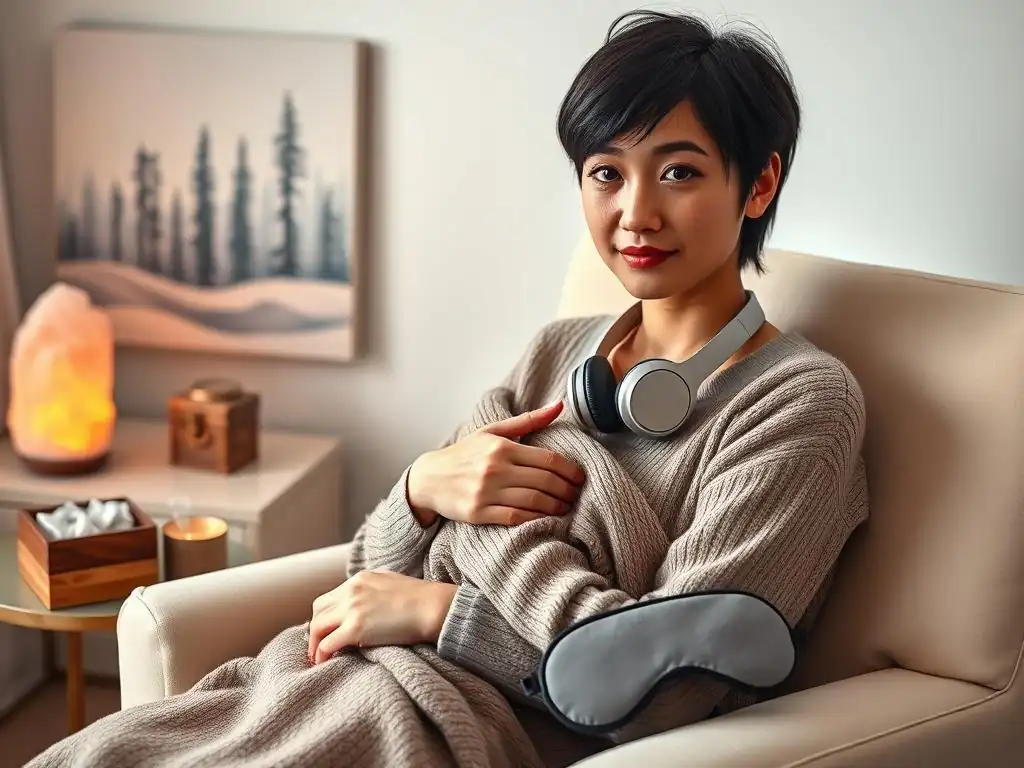
Welcome to Mind Care Guide, your compassionate companion on the journey to mental well-being. Are you seeking ways to support a loved one struggling with sleepless nights due to PTSD? We understand the profound impact this can have. Dive into our latest article, "Gifts for Better Sleep: Helping Someone with PTSD Find Rest and Peace," where you'll discover thoughtful PTSD sleep gifts relaxation tips designed to foster tranquility and provide much-needed respite. Let's explore practical solutions together and unlock the path to restful nights.
- Understanding PTSD and the Importance of Restful Sleep
- Best Relaxation Gifts for PTSD: Promoting Restful Sleep
- Soothing Comfort Items to Ease PTSD-Related Anxiety and Insomnia
- Creating a Bedtime Routine for PTSD: Relaxation Tips and Strategies
- Supporting Someone with PTSD: Understanding and Empathy
- Conclusion: Choosing the Right PTSD Sleep Gifts for Peace and Rest
-
Frequently Asked Questions
- What types of gifts are most helpful for someone with PTSD who struggles with sleep?
- How can I choose a gift that specifically addresses PTSD-related sleep issues like nightmares?
- Are there any gifts that might be counterproductive or potentially triggering for someone with PTSD?
- Besides material gifts, what other forms of support can help someone with PTSD improve their sleep?
- Where can I find more information and resources about PTSD and sleep disturbances?
- Final Reflection: Finding Restful Sleep: A Journey Towards Healing
- Unwind Their World: Give the Gift of Peaceful Sleep
Understanding PTSD and the Importance of Restful Sleep
The Connection Between PTSD Symptoms and Sleep Disturbances
Post-Traumatic Stress Disorder (PTSD) is a complex mental health condition that can develop after experiencing or witnessing a traumatic event. While many symptoms exist, sleep disturbances are among the most common and debilitating issues faced by individuals with PTSD. These disturbances often manifest as difficulty falling asleep, staying asleep, or experiencing nightmares related to the trauma.
Research consistently shows a strong link, with studies indicating that a significant majority, often cited as over 70%, of people with PTSD report chronic sleep problems like insomnia or fragmented sleep. These issues aren't just inconvenient; they are often intertwined with other PTSD symptoms, potentially exacerbating anxiety, irritability, difficulty concentrating, and hypervigilance.
The constant state of alert associated with PTSD can make relaxation and sleep incredibly challenging. The sympathetic nervous system, responsible for the "fight or flight" response, may remain in overdrive, making it difficult to quiet the mind and body needed for rest. Nightmares, a hallmark symptom for many, can cause individuals to dread going to sleep, leading to avoidance behaviors that further disrupt sleep patterns.
This vicious cycle of poor sleep worsening symptoms and symptoms worsening sleep highlights why finding effective ways to promote restful sleep is absolutely critical for those navigating PTSD. Addressing these sleep issues is not merely about comfort; it's a fundamental step in managing symptoms and supporting overall well-being and recovery. Thoughtful PTSD sleep gifts can play a supportive role in breaking this cycle.
Why Quality Sleep is Crucial for PTSD Recovery
Quality sleep is not a luxury; it is a fundamental pillar of physical and mental health, especially vital for individuals recovering from trauma. During sleep, the brain processes emotions and memories, a function believed to be particularly impaired in PTSD. Restorative sleep helps regulate neurotransmitters and hormones that influence mood, stress response, and cognitive function. When sleep is consistently poor, the ability to cope with daily stressors diminishes, emotional regulation becomes harder, and symptoms like anxiety and depression can intensify. Adequate rest supports the brain's capacity to heal and adapt, making therapy and other recovery efforts more effective.
Furthermore, chronic sleep deprivation weakens the immune system and increases the risk of various physical health problems. For someone with PTSD, who may already be experiencing physical manifestations of stress, maintaining physical health through sleep is doubly important. Improving sleep quality can lead to a reduction in symptom severity, better emotional resilience, and an increased sense of control and well-being.
It empowers individuals to engage more fully in their lives and recovery journey. Therefore, focusing on improving sleep through various means, including thoughtful PTSD sleep gifts and effective relaxation tips, is a compassionate and practical way to support someone in their recovery.
The Role of Thoughtful Gifts in Promoting Relaxation and Sleep Hygiene
Giving a gift to someone with PTSD can be a meaningful gesture of support and understanding. When these gifts are specifically chosen to address common challenges like sleep disturbances and anxiety, they can become valuable tools in their daily lives. Thoughtful PTSD sleep gifts are more than just objects; they represent care and a recognition of the unique struggles faced. Gifts focused on relaxation and sleep hygiene acknowledge the importance of creating a peaceful environment and developing healthy habits conducive to rest. They can help someone feel seen and supported in their efforts to manage their symptoms.
These gifts can range from items that provide physical comfort, like weighted blankets, to tools that help create a calming atmosphere, such as sound machines or aromatherapy diffusers. They can also include items that encourage healthy bedtime routines or self-care practices. The key is selecting items that align with the individual's preferences and needs, avoiding anything that might inadvertently trigger anxiety.
The act of receiving a gift specifically chosen to aid sleep and relaxation can itself be comforting, reinforcing the message that they are not alone in their journey. By providing tangible aids for better rest, these gifts contribute directly to implementing effective relaxation tips and improving overall sleep quality for individuals with PTSD.
Best Relaxation Gifts for PTSD: Promoting Restful Sleep
Weighted Blankets: A Hug of Comfort for PTSD Sleep
Weighted blankets have gained significant popularity as a tool for managing anxiety and improving sleep, and they can be particularly beneficial for individuals with PTSD. These blankets are filled with materials like glass beads or plastic pellets, making them significantly heavier than standard blankets, typically ranging from 5 to 30 pounds or more. The concept behind their effectiveness is deep pressure stimulation (DPS), which is a firm but gentle squeezing or pressure that is evenly distributed across the body. This type of pressure is often described as feeling like a comforting hug or swaddle.
The application of deep pressure stimulation through a weighted blanket can have a profound calming effect on the nervous system. It is thought to increase the production of serotonin, a neurotransmitter associated with mood regulation and well-being, and melatonin, the hormone that promotes sleep. Simultaneously, it can help decrease levels of cortisol, the stress hormone.
For someone with PTSD who may experience hyperarousal or feel constantly on edge, the grounding sensation provided by a weighted blanket can help reduce feelings of anxiety, quiet racing thoughts, and create a sense of security, making it easier to relax and drift off to sleep. Many users report feeling more centered and less restless when using one.
How Weighted Blankets Can Reduce Anxiety and Promote Sleep
The therapeutic benefits of weighted blankets stem from their ability to mimic the sensation of being held or hugged. This deep touch pressure activates the parasympathetic nervous system, which is responsible for the "rest and digest" state, counteracting the sympathetic nervous system's "fight or flight" response often heightened in PTSD. By calming the nervous system, the blanket can lower heart rate and blood pressure, reducing the physical symptoms of anxiety. This physiological shift promotes a state of relaxation conducive to sleep.
Studies and anecdotal evidence suggest that using a weighted blanket can decrease the time it takes to fall asleep and reduce nighttime awakenings. For individuals struggling with insomnia related to PTSD, this can be transformative. The consistent, gentle pressure provides proprioceptive input, helping the body feel more grounded and aware of its position, which can be particularly helpful for those who feel disconnected or restless. By providing a tangible source of comfort and security, a weighted blanket can help mitigate the anxiety and hypervigilance that often interfere with sleep for individuals with PTSD, making them excellent PTSD sleep gifts.
Recommended Weighted Blanket: Gravity Blanket - Features and Benefits
One well-known option in the weighted blanket market is the Gravity Blanket. This brand is often cited as a pioneer in bringing weighted blankets to a wider audience for therapeutic use. Gravity Blankets are designed with a focus on even weight distribution, often featuring quilted compartments filled with fine glass beads to prevent shifting and bunching. They typically come with a removable, washable duvet cover, often made from soft, breathable materials like microfleece or cooling fabrics, which adds to the comfort and ease of care.
A key benefit of the Gravity Blanket, and similar quality weighted blankets, is the consistent application of deep pressure across the body. This reliable pressure can help signal to the nervous system that it's safe to relax, which is crucial for someone with PTSD who may struggle with feelings of vulnerability at night.
The weight helps to anchor the body, reducing restless leg syndrome symptoms or general fidgeting that can prevent sleep onset. While they represent an investment, their durable construction and focus on therapeutic benefits make them a highly regarded option for promoting restful sleep and reducing anxiety, fitting well within the category of supportive PTSD sleep gifts.
Choosing the Right Weight and Size for a Weighted Blanket
Selecting the appropriate weight for a weighted blanket is crucial for maximizing its therapeutic benefits and ensuring comfort. The general guideline recommended by occupational therapists and manufacturers is to choose a blanket that is approximately 10% of the user's body weight. For example, someone weighing 150 pounds would typically benefit most from a 15-pound blanket. Going too heavy or too light can diminish the desired effect; too heavy might feel restrictive or uncomfortable, while too light might not provide enough pressure for the calming sensation.
Size is also a consideration, although less critical than weight for the therapeutic effect. Weighted blankets are often sized to fit the individual using them, rather than the bed. A twin or throw size is common, intended to cover the user's body from the neck down.
Larger sizes exist, but the weight should still be chosen based on the individual's body weight, not the bed size. It's generally not recommended for multiple people to share a weighted blanket, as the weight distribution and calculation are specific to one person. When choosing a weighted blanket as one of the PTSD sleep gifts, considering these factors ensures the gift provides the intended comfort and therapeutic benefits.
Sound Machines and White Noise for PTSD Sleep Aid
A quiet environment is often considered ideal for sleep, but for individuals with PTSD, silence can sometimes be unsettling, leaving them hyper-aware of every creak and distant noise. Sound machines, which produce consistent, ambient sounds like white noise, pink noise, brown noise, or natural sounds (rain, ocean waves), can be incredibly helpful sleep aids. They work by creating a masking effect, helping to block out sudden or inconsistent noises that might otherwise be startling or triggering. This can create a more predictable and secure auditory environment conducive to falling and staying asleep.
Beyond masking external sounds, the steady, non-varying nature of white or pink noise can also be inherently calming for some people. It provides a gentle auditory backdrop that helps to quiet the internal noise of racing thoughts or anxiety that can plague someone with PTSD at bedtime. The consistency can be soothing, providing a sense of stability in contrast to the unpredictable nature of traumatic memories or hypervigilance. Incorporating a sound machine is one of the effective relaxation tips that can significantly improve the sleep environment for individuals with PTSD.
Blocking Triggering Sounds and Creating a Calming Environment
For someone with PTSD, certain sounds can be powerful triggers, instantly bringing back memories of the trauma or heightening feelings of danger. These might include sudden loud noises, specific tones, or sounds associated with the traumatic event. Even in a seemingly quiet home, unexpected sounds like a car backfiring, a door slamming, or footsteps in another room can be enough to jolt someone awake or prevent them from relaxing. A sound machine provides a consistent, predictable sound layer that helps to absorb or blend these jarring noises, reducing their impact.
By creating a blanket of ambient sound, the machine helps to normalize the auditory environment. This masking effect reduces the likelihood of being startled by minor sounds and helps to create a sense of being in a controlled, safe space. This predictable soundscape can lower anxiety levels and promote a feeling of security, making it easier for the mind and body to transition into a state of rest. For many, it's not just about blocking noise but about replacing potentially triggering unpredictability with calming consistency, making a sound machine a practical and supportive PTSD sleep gift.
Recommended Sound Machine: LectroFan Evo - Features and Benefits for PTSD
The LectroFan Evo is a highly recommended sound machine known for its wide variety of sounds and flexibility, making it a good option as a PTSD sleep gift. Unlike some machines that rely on short, looping recordings, the LectroFan Evo generates dynamic, non-repeating sounds. It offers 10 variations of white noise, 10 variations of pink noise, 10 variations of brown noise, and 5 variations of ocean and fan sounds. This extensive selection allows users to find the specific frequency and tone that is most soothing and effective for them.
A key benefit for someone with PTSD is the machine's ability to create a truly consistent and non-distracting sound environment. The non-repeating nature of the sounds prevents the brain from trying to find patterns or loops, which can sometimes be disruptive. The variety of noise types (white, pink, brown) offers different frequency ranges, allowing the user to choose what best masks their specific environmental noises or what feels most calming.
It also includes a headphone jack, which can be useful for travel or shared living spaces. Its reliability and range of options make it a powerful tool for implementing effective relaxation tips aimed at improving sleep quality by creating a secure auditory space.
Other Sound Therapy Options: Apps and Natural Sounds
Beyond dedicated sound machines, there are other accessible avenues for incorporating sound therapy into a bedtime routine for PTSD. Numerous smartphone and tablet apps offer a vast library of sounds, including white noise, nature sounds (rain, thunder, forest ambiance), ambient music, and guided meditations or sleep stories. Popular apps often feature customizable mixes, timers, and the ability to play sounds offline. While not as powerful for masking external noise as a dedicated machine, apps offer portability and a wide range of choices, often at a lower cost or even for free.
Natural sounds themselves can also be used, although their consistency might be less controllable. Listening to actual rain, distant ocean waves, or even the soft hum of a fan or air conditioner can provide a degree of ambient noise. Some people find the organic nature of real sounds more soothing than electronic generation.
However, relying solely on natural sounds means less control over volume, type, and consistency, which can be important for effective masking. Exploring different sound therapy options, whether through dedicated machines, apps, or natural sources, allows individuals to find what resonates best with them as part of their relaxation tips for better sleep with PTSD.
Aromatherapy Diffusers and Essential Oils for PTSD Relaxation
Aromatherapy, the use of aromatic plant extracts (essential oils) for therapeutic purposes, can be a gentle and effective way to promote relaxation and prepare the mind and body for sleep. Certain scents have long been associated with calming effects on the nervous system. Using an aromatherapy diffuser allows these scents to be dispersed into the air, creating a fragrant and tranquil atmosphere in the bedroom. This can become a pleasant part of a pre-sleep routine, signaling to the body that it's time to wind down.
For someone with PTSD, who may carry a lot of tension and stress, incorporating calming scents can help break the cycle of hyperarousal leading up to bedtime. The olfactory system is directly linked to the limbic system in the brain, which controls emotions and memory. Certain aromas can trigger a relaxation response, lowering heart rate and blood pressure and reducing the production of stress hormones. While not a standalone solution, aromatherapy can be a supportive element in a comprehensive approach to improving sleep and managing anxiety, making a diffuser and oils thoughtful PTSD sleep gifts.
The Calming Power of Scents: Lavender, Chamomile, and More
Several essential oils are particularly noted for their calming and sleep-promoting properties. Lavender oil is perhaps the most well-known, widely studied for its ability to reduce anxiety and improve sleep quality. Its scent is often described as soothing and peaceful. Chamomile oil, derived from the same plant used to make calming tea, also possesses sedative properties and can help ease tension and promote relaxation. Bergamot, a citrus oil, is also often used for its mood-lifting and stress-reducing effects, which can indirectly aid sleep.
Other oils sometimes used for sleep and relaxation include Ylang Ylang, Valerian, Sandalwood, and Frankincense. Each oil has a unique aroma profile and potential benefits. The key is to find scents that the individual finds pleasant and calming, as personal preference plays a significant role. Using a diffuser allows the scent to gently fill the room without being overpowering. Incorporating these calming aromas into the evening routine is one of the simple yet effective relaxation tips that can help someone with PTSD transition from a state of alertness to one of restfulness.
Recommended Aromatherapy Diffuser: Stadler Form Julia - Features and Benefits
The Stadler Form Julia aroma diffuser is an example of a well-designed diffuser that could serve as a thoughtful PTSD sleep gift. This type of diffuser typically uses ultrasonic technology to create a fine mist that carries the essential oil molecules into the air. Unlike heat-based diffusers, ultrasonic models do not alter the chemical composition of the oils, preserving their therapeutic properties. The Julia is often praised for its elegant design, quiet operation, and effectiveness in scenting a room.
Benefits of using a quality diffuser like the Julia include consistent scent dispersion, adjustable mist output (allowing control over intensity), and often features like an automatic shut-off when the water runs out, adding a layer of safety. Some models also include optional ambient lighting, which can be turned off if total darkness is preferred for sleep, or used to add a soft, calming glow during the wind-down period.
The quiet operation ensures the diffuser itself doesn't become a source of noise disruption. Pairing a reliable diffuser with a selection of calming essential oils provides a practical tool for incorporating aromatherapy into a nightly relaxation tips routine.
Safety Considerations When Using Essential Oils
While essential oils can be beneficial, it is important to use them safely, especially when gifting them to someone who may have sensitivities or health conditions. Essential oils are highly concentrated and should never be ingested unless under the strict guidance of a qualified healthcare professional. When diffusing, ensure the room is well-ventilated, and avoid continuous diffusion for hours on end; shorter periods (e.g., 30-60 minutes before bed) are often sufficient and safer.
It is also important to consider potential allergies or sensitivities. Some oils can cause skin irritation if applied topically without proper dilution (though topical application is less relevant for sleep diffusion). For individuals with respiratory conditions like asthma or allergies, diffusing certain oils might worsen symptoms.
When selecting essential oils as part of PTSD sleep gifts, it's wise to choose high-quality, pure oils from reputable sources and perhaps include a note about safe usage guidelines. If the recipient has known sensitivities or health concerns, consulting with them or a healthcare provider beforehand is advisable. Starting with widely accepted calming oils like lavender is often a safe bet.
Blackout Curtains and Sleep Masks: Creating a Dark and Peaceful Sleep Environment
Light is a primary cue for regulating the body's internal clock, the circadian rhythm. Exposure to light, especially blue light from screens or bright room lights, signals to the brain that it's daytime and time to be awake. Conversely, darkness signals that it's nighttime and time to produce melatonin, the hormone essential for initiating and maintaining sleep. For someone with PTSD, whose sleep-wake cycle may already be disrupted, ensuring the bedroom is as dark as possible can be a simple yet highly effective strategy for improving sleep quality.
Blackout curtains and sleep masks are tools designed specifically to block out unwanted light. Blackout curtains are made from dense fabric that prevents external light, such as streetlights, car headlights, or early morning sun, from entering the room. A sleep mask provides a portable way to block light directly from the eyes. By creating a truly dark sleep environment, these items support the body's natural melatonin production, making it easier to fall asleep and reducing the likelihood of being woken prematurely by light exposure. They are practical PTSD sleep gifts focused on optimizing the sleep setting.
Blocking Light Triggers and Promoting Melatonin Production
Beyond regulating the circadian rhythm, a dark bedroom can also help reduce anxiety for someone with PTSD. A room filled with shadows or external light sources might feel less secure, potentially increasing hypervigilance. Complete darkness removes these visual uncertainties, contributing to a feeling of safety and peace. Blackout curtains are particularly effective at eliminating external light pollution, which is a common issue in urban or suburban areas.
The absence of light is the key signal for the brain to release melatonin. Melatonin levels naturally rise in the evening and peak during the night, promoting drowsiness and regulating the sleep cycle. Exposure to light, even dim light, during the sleep period can suppress melatonin production, making sleep more difficult or fragmented. By ensuring maximum darkness, blackout curtains and sleep masks help optimize the body's natural sleep-promoting mechanisms. This simple environmental adjustment is one of the foundational relaxation tips for anyone struggling with sleep, and especially beneficial for those with PTSD.
Recommended Blackout Curtains: NICETOWN Blackout Curtains - Features and Benefits
NICETOWN Blackout Curtains are a popular and widely available option often recommended for their effectiveness and range of styles, making them a practical PTSD sleep gift. These curtains are typically constructed with multiple layers of fabric, including a dense black lining, specifically designed to block out 99% or more of sunlight and UV rays. This multi-layer design also offers the added benefit of reducing noise, which can be a significant advantage for someone with PTSD who is sensitive to sudden sounds.
Key benefits include their high light-blocking capability, which creates a near-total darkness essential for optimal melatonin production and reducing visual triggers. They also provide thermal insulation, helping to keep the room cooler in the summer and warmer in the winter, contributing to a more comfortable sleep temperature. Available in various sizes and colors, they can be chosen to match existing decor while serving a crucial functional purpose. Their combination of light blocking, noise reduction, and insulation makes them a valuable addition to creating a tranquil sleep environment.
Recommended Sleep Mask: Manta Sleep Mask - Features and Benefits
For those who cannot install blackout curtains, travel frequently, or need supplemental light blocking, a high-quality sleep mask is an excellent alternative or addition. The Manta Sleep Mask is often highlighted for its unique design, which prioritizes comfort and complete darkness, making it a practical PTSD sleep gift. Unlike traditional flat sleep masks, the Manta features adjustable eye cups that mold around the eyes without putting pressure on the eyelids or lashes.
This design ensures complete darkness for virtually all face shapes by blocking light from below the eyes and around the nose, areas where light often leaks in with standard masks. The lack of pressure on the eyes is particularly comfortable for side sleepers. The adjustable straps allow for a secure but not overly tight fit.
By providing total darkness directly to the eyes, the Manta Sleep Mask helps reinforce the body's signal to produce melatonin, aiding in faster sleep onset and potentially reducing awakenings caused by light changes. Its effectiveness in creating a personal dark haven makes it a valuable tool among relaxation tips for improving sleep quality, especially when environmental light is hard to control.

Cooling Mattress Toppers: Aiding Temperature Regulation for Comfortable Sleep
Body temperature plays a significant role in the sleep cycle. As bedtime approaches, our core body temperature naturally drops, a signal that helps initiate sleep. Feeling too hot or too cold during the night can lead to discomfort, restlessness, and frequent awakenings. For individuals with PTSD, who may experience night sweats or heightened physical tension, maintaining a comfortable and cool sleep temperature can be particularly challenging but crucial for uninterrupted rest.
Cooling mattress toppers are designed to address this issue by incorporating materials or technologies that dissipate heat and promote airflow. These toppers sit directly on top of the existing mattress and can significantly alter the sleep surface's temperature. By helping to regulate body temperature throughout the night, a cooling topper can prevent overheating, reduce sweating, and create a more stable and comfortable microclimate around the body. This physical comfort contributes directly to the ability to relax and stay asleep, making it a thoughtful consideration among PTSD sleep gifts.
Maintaining a Cool Body Temperature for Deeper Sleep
Research suggests that a slightly cooler sleep environment is optimal for promoting deep, restorative sleep. When the body is able to cool down effectively, it helps reinforce the natural drop in core temperature that facilitates sleep onset. Overheating, on the other hand, can lead to increased heart rate and metabolic activity, making it harder to fall asleep and more likely to wake up during the night.
Cooling mattress toppers often use materials like gel-infused memory foam, phase-change materials (PCMs), or breathable latex and covers designed for ventilation. Gel particles in foam absorb and disperse heat, while PCMs absorb and release heat to maintain a stable temperature. Breathable materials prevent heat from getting trapped.
For someone with PTSD, who may already be experiencing physiological stress responses, minimizing physical discomfort like overheating is vital for promoting a sense of calm and enabling the body to settle into a state conducive to sleep. A cooling topper is a practical investment in creating an environment that supports effective relaxation tips and better sleep hygiene.
Recommended Cooling Mattress Topper: Sleep Number DualTemp Layer - Features and Benefits
The Sleep Number DualTemp Layer is an example of a premium cooling and heating mattress topper that offers advanced temperature regulation, making it a potentially impactful, albeit significant, PTSD sleep gift. This specific topper provides individual temperature control for each side of the bed, allowing users to select their preferred temperature setting, ranging from cool to warm. It uses active air technology to circulate air through a layer on top of the mattress.
The primary benefit for someone with PTSD is the precise control over their sleep temperature. If they experience night sweats or simply find that being cool is essential for their comfort and ability to relax, this topper allows them to set and maintain that ideal temperature throughout the night.
This level of personalization can significantly improve sleep quality by removing temperature as a source of discomfort or disruption. While it is a more expensive option compared to passive cooling toppers, the active temperature regulation provides a consistent benefit that can be invaluable for those whose sleep is significantly impacted by thermal discomfort, supporting their application of relaxation tips for better rest.
Comfortable and Supportive Pillows: Promoting Proper Sleep Posture and Reducing Tension
The importance of a good pillow for sleep cannot be overstated. A pillow's primary function is to support the head, neck, and spine in proper alignment, regardless of sleep position. When the neck and spine are misaligned, it can lead to muscle tension, pain, and discomfort, all of which can make it difficult to fall asleep and stay asleep. For someone with PTSD, who may already carry significant physical tension due to chronic stress and hypervigilance, a supportive pillow is particularly crucial.
An uncomfortable or unsupportive pillow can exacerbate existing neck or shoulder pain, create new pressure points, and lead to tossing and turning throughout the night. Finding a pillow that provides the right level of loft (height) and firmness for an individual's specific sleep position (side, back, stomach) and body type is essential for minimizing physical discomfort and promoting relaxation. A pillow that correctly supports the natural curve of the neck helps the muscles relax, contributing to overall physical ease needed for sleep.
Choosing the Right Pillow for Individual Sleep Needs
Selecting the right pillow is a highly personal choice, as the ideal pillow depends heavily on an individual's preferred sleep position and body structure. Side sleepers generally need a firmer, higher loft pillow to fill the space between their shoulder and head, keeping the neck aligned with the spine. Back sleepers typically need a medium loft and firmness to support the natural curve of the neck without pushing the head too far forward. Stomach sleepers, while often advised to change positions, need a very soft, low loft pillow (or no pillow at all) to minimize strain on the neck.
Materials also matter; options range from memory foam (which contours to the head and neck), latex (supportive and often cooler), down or feather (soft and moldable), to various synthetic fills. The goal is to find a pillow that keeps the spine neutral throughout the night. Considering these individual needs is key when choosing a pillow as one of the PTSD sleep gifts, perhaps opting for an adjustable pillow or one known for versatile support.
Recommended Pillow for Neck Pain and Support: Coop Home Goods Original Pillow - Features and Benefits
The Coop Home Goods Original Pillow is frequently recommended, especially for individuals seeking adjustable support to alleviate neck pain and improve sleep posture, making it a potentially excellent PTSD sleep gift. This pillow is filled with a blend of shredded memory foam and microfiber, allowing it to be fluffed and shaped like a traditional down pillow, but with the contouring support of memory foam.
A key benefit of the Coop pillow is its adjustability. It comes slightly overstuffed, and users can add or remove the fill to achieve their perfect loft and firmness level, tailoring the support precisely to their body and sleep position. This customization is particularly valuable as it accommodates different preferences and needs, ensuring proper neck and spine alignment.
The fill and cover are also designed to be breathable, helping to regulate temperature. By providing customizable, supportive comfort, this type of pillow helps reduce physical tension and discomfort that can interfere with sleep, contributing significantly to effective relaxation tips for better rest.
Subscription Boxes for Self-Care and Relaxation: Regularly Delivered Comfort
Maintaining a consistent self-care routine is vital for managing stress and anxiety, particularly for individuals with PTSD. However, finding the energy or motivation to seek out and acquire self-care items can sometimes be challenging. A subscription box specifically curated for relaxation and well-being can provide a regular, effortless infusion of comforting and supportive items, serving as ongoing PTSD sleep gifts that reinforce the importance of self-care and relaxation.
These boxes typically arrive monthly or quarterly and contain a variety of products designed to promote relaxation, reduce stress, and encourage healthy habits. Items might include bath products, aromatherapy items, journals, teas, mindfulness tools, snacks, or small comforting accessories. The element of surprise can also be a positive, providing something to look forward to. Receiving a curated box of relaxation aids can serve as a regular reminder to prioritize self-care and engage in activities that help quiet the mind and prepare for rest.
Monthly Boxes Tailored to Stress Relief and Relaxation
Subscription boxes focused on stress relief and relaxation are specifically curated with the intention of providing tools and experiences that calm the nervous system and promote well-being. Unlike general lifestyle boxes, these are often centered around themes like mindfulness, hygge (coziness), or sleep enhancement. The items included are chosen for their potential to reduce anxiety, encourage moments of peace, and support healthy routines.
These boxes can introduce individuals to new relaxation tips and products they might not discover on their own, such as unique herbal teas known for calming properties, specialized bath salts, or lesser-known aromatherapy blends. The regularity of the delivery helps establish a rhythm of self-care, providing fresh inspiration and resources each month. For someone with PTSD, this consistent influx of supportive items can be a valuable component of their ongoing efforts to manage symptoms and prioritize rest and recovery.
Recommended Subscription Box for Relaxation: TheraBox - Features and Benefits
TheraBox is a well-known subscription box specifically designed around promoting self-care and reducing stress and anxiety, making it a thoughtful, ongoing PTSD sleep gift. Each monthly box is curated by therapists and features a mix of research-backed therapeutic activities and feel-good wellness products. Typically, a box includes one therapeutic activity (like a guided journal or mindfulness exercise) and 7-8 full-sized wellness items.
The benefit of TheraBox for someone with PTSD is its intentional focus on mental wellness and stress reduction. The inclusion of therapeutic activities provides actionable relaxation tips and coping strategies that can be incorporated into daily or nightly routines. The accompanying wellness products provide tangible tools for implementing self-care, such as aromatherapy rollerballs, calming bath bombs, healthy snacks, or comforting accessories.
The curation by therapists adds a layer of credibility and ensures the items are genuinely intended to support mental well-being. It offers a consistent source of comfort, support, and practical tools for relaxation and self-care, contributing positively to sleep hygiene.
Creating a Bedtime Routine for PTSD: Relaxation Tips and Strategies
The Importance of a Consistent Sleep Schedule for PTSD Recovery
Establishing and maintaining a consistent sleep schedule is one of the most powerful relaxation tips and foundational strategies for improving sleep quality, particularly for individuals managing PTSD. Going to bed and waking up at roughly the same time every day, even on weekends, helps to regulate the body's internal circadian rhythm. This consistency strengthens the signal that tells the body when it's time to be awake and when it's time to sleep, making it easier to fall asleep faster and experience more consolidated sleep throughout the night.
Irregular sleep patterns, common in PTSD due to nightmares or difficulty falling asleep, can further disrupt the circadian rhythm, leading to a cycle of daytime fatigue and nighttime alertness. By adhering to a schedule, the body's natural sleep-wake drive becomes more predictable, making the transition to sleep smoother. While challenging to implement initially, especially after nights of poor sleep, consistency over time gradually retrains the body's clock, leading to more regular and potentially more restful sleep. This stability is crucial for overall symptom management and recovery.
Mindfulness and meditation are powerful relaxation tips that can be particularly beneficial for addressing the racing thoughts, anxiety, and hypervigilance that often contribute to insomnia in PTSD. Mindfulness involves paying attention to the present moment without judgment, while meditation often involves focused attention or open awareness to calm the mind. These practices can help individuals develop a greater awareness of their thoughts and feelings without getting overwhelmed by them.
Simple mindfulness exercises before bed, such as focusing on the breath or a body scan meditation (gently bringing awareness to different parts of the body), can help ground an individual in the present and draw attention away from intrusive thoughts or worries about sleep itself. Guided meditations specifically designed for sleep or anxiety reduction are widely available through apps and online resources. Regular practice can help lower overall stress levels, reduce physiological arousal, and improve the ability to quiet the mind, making the transition to sleep less fraught with anxiety. Even 5-10 minutes of practice can make a difference.
Limiting Screen Time Before Bed: Reducing Exposure to Blue Light
Exposure to electronic screens (smartphones, tablets, computers, televisions) in the hour or two before bedtime is a significant contributor to sleep problems for many people, and especially disruptive for someone with PTSD already struggling with sleep onset. These devices emit blue light, a wavelength of light that is particularly effective at suppressing the production of melatonin, the sleep hormone. Using screens close to bedtime essentially tells the brain that it's still daytime, interfering with the natural process of preparing for sleep.
Implementing a "digital curfew" is a crucial relaxation tip. This means turning off all electronic devices that emit blue light at least one hour, and preferably two hours, before the planned bedtime. This allows the body's natural melatonin production to increase, promoting drowsiness. Instead of screen time, the period before bed can be used for more relaxing activities. While some devices have "night mode" filters that reduce blue light, completely avoiding screens is the most effective strategy for minimizing their negative impact on sleep preparation.
Creating a Calming Bedtime Ritual: Reading, Gentle Stretching, and Warm Baths
Developing a consistent and calming bedtime ritual is a set of relaxation tips that signals to the body and mind that it's time to wind down and prepare for sleep. This ritual should involve activities that are inherently relaxing and performed in the same order each night, reinforcing the association between these actions and sleep. Consistency is key to training the body's internal clock and reducing bedtime anxiety.
Examples of calming activities include reading a physical book (not on a backlit device), taking a warm bath or shower (the drop in body temperature after getting out can be soporific), gentle stretching or yoga, listening to quiet music or a podcast, journaling (especially focusing on positive reflections or simply clearing the mind of worries), or engaging in quiet hobbies like knitting. The goal is to create a peaceful transition from the day's activities to sleep, avoiding anything stimulating or stressful.
Over time, this ritual becomes a powerful cue for relaxation and sleep onset, significantly benefiting someone with PTSD working towards better rest.
Supporting Someone with PTSD: Understanding and Empathy
The Importance of Creating a Safe and Supportive Environment
Supporting someone with PTSD goes far beyond offering PTSD sleep gifts or relaxation tips; it requires creating an environment where they feel safe, understood, and supported. Trauma can shatter a person's sense of safety and trust, and the process of recovery involves rebuilding these foundations. A supportive environment means being patient, non-judgmental, and reliable. It involves respecting their boundaries, understanding that their reactions and behaviors are often symptoms of the trauma, and avoiding anything that could inadvertently be triggering.
This support extends to practical help, like encouraging healthy routines (including sleep hygiene), offering to participate in calming activities, or simply being present. It means listening actively without trying to "fix" things or minimize their experiences. A safe environment is one where they feel empowered to express their feelings, seek help when needed, and know that they are not alone in their struggles. This foundation of safety and support is paramount for any recovery effort, including addressing sleep disturbances.
Talking to Someone About Their Sleep Troubles: Active Listening and Validation
Initiating a conversation about sleep troubles with someone who has PTSD requires sensitivity and empathy. Sleep problems are often deeply intertwined with the trauma itself and can be a source of significant distress and frustration. Approaching the topic with genuine concern and a willingness to listen without judgment is crucial. Avoid putting pressure on them or offering simplistic solutions like "just try to relax."
Instead, use active listening techniques: pay full attention, nod, use verbal affirmations like "I understand," and summarize what they've said to ensure you've heard correctly. Validate their experience by acknowledging that their sleep difficulties are real and challenging, for example, "It sounds incredibly difficult to deal with the nightmares every night," or "I can see how exhausting it must be to struggle to fall asleep." Offer support rather than unsolicited advice, perhaps by saying, "I'm here if you want to talk about it," or "Would you be open to trying some relaxation tips together?"
or "I was thinking about getting you one of those PTSD sleep gifts I read about, like a weighted blanket, if that's something you think might help?" Frame potential solutions as collaborative efforts rather than mandates.
Seeking Professional Help: Therapy and Medication Options
While supportive gifts and relaxation tips can be incredibly helpful aids, it is essential to recognize that PTSD is a complex mental health condition that often requires professional intervention. Encouraging and supporting someone with PTSD to seek professional help is one of the most important things a supporter can do. Therapies specifically designed for trauma, such as Trauma-Focused Cognitive Behavioral Therapy (TF-CBT) or Eye Movement Desensitization and Reprocessing (EMDR), are highly effective in processing traumatic memories and reducing symptoms, including sleep disturbances.
Psychotherapy provides a safe space to explore the impact of trauma and develop coping strategies. In some cases, a healthcare provider might also recommend medication to help manage specific symptoms like severe anxiety, depression, or persistent nightmares that significantly disrupt sleep. Antidepressants or other medications might be prescribed.
It is crucial that any decision about medication is made in consultation with a qualified medical professional. Supporters can help by offering to assist in finding therapists or doctors, providing transportation to appointments, or simply offering encouragement. Professional guidance ensures that the individual receives evidence-based care tailored to their specific needs, complementing the benefits of supportive PTSD sleep gifts and home-based relaxation strategies.
Conclusion: Choosing the Right PTSD Sleep Gifts for Peace and Rest
Recap of Recommended Products and Relaxation Tips
Navigating sleep challenges with PTSD is a significant hurdle, but supportive tools and strategies can make a meaningful difference. We've explored several categories of PTSD sleep gifts and relaxation tips aimed at promoting rest and peace. Recommended gifts include weighted blankets, which offer comforting deep pressure stimulation; sound machines, which create a calming auditory environment by masking disruptive noises; aromatherapy diffusers and essential oils like lavender, which use scent to promote relaxation; and blackout curtains and sleep masks, essential for creating a dark sleep space optimal for melatonin production.
Beyond tangible gifts, implementing consistent relaxation tips and strategies is paramount. These include establishing a regular sleep schedule, incorporating mindfulness or meditation into the evening routine, limiting exposure to blue light from screens before bed, and creating a calming bedtime ritual involving activities like reading or taking a warm bath. Supportive comfort items like cooling mattress toppers for temperature regulation and comfortable, supportive pillows for proper alignment can also significantly improve sleep quality by addressing physical discomfort.
Emphasizing the Importance of Personalized Care and Support
Ultimately, the most effective approach to supporting someone with PTSD in finding better sleep involves personalized care and unwavering support. While the suggested PTSD sleep gifts and relaxation tips offer a range of options, the best choice depends entirely on the individual's specific symptoms, preferences, and comfort levels. What works wonders for one person might not be helpful for another. Engaging in open, empathetic conversations about their struggles and needs is the first step in determining which tools or strategies might be most beneficial.
Remember that gifts and tips are aids, not cures. They are part of a broader support system that should ideally include professional mental health care. By offering understanding, patience, and practical support tailored to their unique journey, coupled with thoughtful gifts that promote rest and relaxation, you can play a valuable role in helping someone with PTSD find the peace and restorative sleep they need for healing and recovery. The journey is challenging, but with the right support and tools, better nights are possible.
Frequently Asked Questions
What types of gifts are most helpful for someone with PTSD who struggles with sleep?
Gifts that promote relaxation and a sense of safety are generally best. Think about items that encourage calming routines and minimize sleep disturbances.
Consider gifts that offer sensory comfort, such as weighted blankets or aromatherapy diffusers. Some relaxation techniques, like guided meditations, can also help before bedtime.
Are there any gifts that might be counterproductive or potentially triggering for someone with PTSD?
Avoid gifts that are loud, bright, or overly stimulating. Anything that could unexpectedly evoke past trauma should also be avoided.
Besides material gifts, what other forms of support can help someone with PTSD improve their sleep?
Offering practical help with daily tasks can reduce stress and improve sleep. Encouraging them to seek professional help is also essential.
Where can I find more information and resources about PTSD and sleep disturbances?
Mind Care Guide offers a comprehensive guide to mental well-being. Consult with mental health professionals for personalized recommendations.
Final Reflection: Finding Restful Sleep: A Journey Towards Healing
The struggle for restorative sleep is a pervasive challenge for those living with PTSD, impacting not only their physical health but also their emotional well-being and overall quality of life. The gifts and relaxation techniques explored in this article offer a tangible path towards easing this burden, providing a glimmer of hope in the often-dark landscape of trauma. These aren't just material objects; they represent a commitment to supporting individuals on their journey to healing.
The impact of PTSD extends far beyond the individual, rippling outwards to affect families, communities, and society as a whole. The pervasive nature of sleep disruption in PTSD highlights the urgent need for increased understanding, compassion, and accessible resources. The most basic of human needs – sleep – is often the most elusive for those struggling with the invisible wounds of trauma.
This quote underscores the importance of not only providing practical solutions but also fostering a culture of empathy and support for those navigating the complexities of PTSD.
You, the reader, now hold the power to make a difference. Consider the information presented here – the gifts, the relaxation techniques, the importance of understanding and empathy. Reflect on how you can contribute to creating a more supportive environment for someone you know who is struggling with PTSD.
A simple act of kindness, a listening ear, or the thoughtful gift of a weighted blanket can be a powerful step towards helping someone find the peace and rest they so desperately deserve. Let's work together to illuminate the path towards healing and peaceful sleep for those affected by this often-invisible condition.
Unwind Their World: Give the Gift of Peaceful Sleep
Thanks for taking the time to learn about how you can support someone with PTSD by helping them find better sleep. You've gained valuable insights into the challenges they face and the power of thoughtful gifts. Now, let's put that knowledge into action!
- Prioritize a sleep-enhancing gift: Consider a weighted blanket, aromatherapy diffuser with calming essential oils, or a high-quality sleep mask – something that directly addresses their sleep difficulties. This is your primary action.
- Share this article with others: Help spread awareness and empower more people to support loved ones facing PTSD. Let's create a supportive community.
- Explore sleep hygiene resources together: Suggest researching and implementing simple sleep hygiene strategies – like creating a relaxing bedtime routine. This simple step can have a powerful impact.
What small act of support will you take today to help someone find more peaceful rest?