
Supporting Family Members with PTSD: Kind and Helpful Gift Ideas


Welcome to Mind Care Guide, a place dedicated to nurturing your mental well-being and offering support through life's challenges.
Is your loved one living with PTSD? It can be difficult to know how to best show your support. We understand. In this guide, we explore thoughtful and practical PTSD family support gift ideas that can offer comfort, promote healing, and demonstrate your unwavering care. Discover gifts that truly make a difference and help you navigate this journey together. Let's explore how to make a meaningful impact.
Supporting Family Members with PTSD: Kind and Helpful Gift Ideas
- Understanding PTSD and the Importance of Thoughtful Gifts
- Practical PTSD Family Support Gift Ideas: Comfort and Relaxation
- Engaging PTSD Family Support Gift Ideas: Mindfulness and Creative Expression
- Experiential PTSD Family Support Gift Ideas: Creating Positive Memories
- Supporting Ongoing Mental Health: Gifts That Keep on Giving
- Conclusion: Choosing the Perfect Gift to Support Your Loved One's PTSD Journey
- Frequently Asked Questions
- Final Reflection: The Ripple Effect of Kindness in PTSD Support
- Unleash the Power of Support: Give the Gift of Healing
Understanding PTSD and the Importance of Thoughtful Gifts
What is PTSD and How Does it Affect Loved Ones?
Post-Traumatic Stress Disorder (PTSD) is a mental health condition that's triggered by a terrifying event—either experiencing it or witnessing it. Symptoms may include flashbacks, nightmares, severe anxiety, and uncontrollable thoughts about the event. For family members supporting someone with PTSD, the effects can be profound. They might witness emotional numbness, irritability, difficulty concentrating, or avoidance behaviors in their loved one. This can strain relationships, create communication challenges, and sometimes lead to secondary trauma or burnout for the supporter. Understanding that these are symptoms of the disorder, rather than personal choices, is crucial for providing effective support.
Living with PTSD means navigating a world that can feel constantly threatening. Simple things like loud noises, specific smells, or even certain times of day can trigger intense reactions, bringing the trauma back vividly. This makes daily life unpredictable and exhausting for the individual and those around them. Family members often become informal caregivers, providing emotional support, helping manage triggers, and encouraging professional help. Thoughtful gestures, including carefully chosen PTSD family support gift ideas, can show solidarity and provide practical comfort in this challenging journey.
The Power of Gifts in Promoting Healing and Well-being for PTSD Sufferers
A well-chosen gift is more than just a material item; it's a tangible expression of care, understanding, and support. For someone navigating the complexities of PTSD, a thoughtful present can offer comfort, reduce anxiety, encourage self-care, or provide tools for coping. It signifies that their struggles are seen and that they are not alone. These gifts can contribute positively to their healing process by providing moments of peace, distraction from intrusive thoughts, or resources that aid therapeutic practices like mindfulness or creative expression.
Selecting gifts with the unique challenges of PTSD in mind demonstrates empathy and a genuine desire to help. Instead of standard presents, focusing on items that promote relaxation, safety, creativity, or self-reflection can be incredibly impactful. These PTSD family support gift ideas can become valuable components of a person's daily coping strategy, offering small but significant improvements in their quality of life. They can help create a sense of security, provide sensory relief, or simply offer a moment of gentle respite from the internal turmoil often experienced with PTSD.
Key Considerations When Choosing PTSD Family Support Gift Ideas
When selecting a gift for a family member with PTSD, sensitivity and understanding are paramount. Avoid anything that could potentially be a trigger, such as items related to the trauma or things that might cause sudden loud noises or bright lights. Consider the person's specific symptoms and preferences. Do they struggle with anxiety, sleep disturbances, hypervigilance, or emotional numbing? A gift that addresses a particular challenge they face will likely be more appreciated and useful.
Furthermore, the presentation of the gift matters. A calm, quiet setting for giving the gift might be preferable to a noisy party. Focus on the intention behind the gift – demonstrating love, patience, and support – rather than the monetary value. Practical gifts that aid in daily coping or relaxation are often more beneficial than purely decorative items. Think about gifts that encourage self-care, provide comfort, or offer calming sensory input.
[ ] Research specific examples for each gift category
[ ] Ensure each ### has 2+ detailed paragraphs
[ ] Integrate keyword variations naturally
[ ] Check for real/approximate data or specific examples
[ ] Verify adherence to all formatting and prohibition rules
[ ] Maintain Informative and Empathetic tone
Practical PTSD Family Support Gift Ideas: Comfort and Relaxation
Weighted Blankets: The Ultimate Comfort Gift for PTSD Anxiety
Weighted blankets are designed to provide deep pressure stimulation, a therapeutic technique that applies gentle pressure to the body. This sensation is often described as feeling like a comforting hug or swaddle.
For individuals with PTSD, who may experience heightened anxiety, hypervigilance, or difficulty sleeping, this deep pressure can help activate the parasympathetic nervous system, promoting a sense of calm and safety. The weight, typically ranging from 5 to 25 pounds and often recommended at about 10% of the user's body weight, distributes evenly across the body, which can help reduce the physical symptoms of anxiety, such as a racing heart or restless limbs.
Numerous users report that weighted blankets significantly improve their sleep quality, helping them fall asleep faster and stay asleep longer. This is crucial for managing PTSD symptoms, as sleep disturbances are common and can exacerbate anxiety and irritability. The consistent pressure can also provide a grounding effect during moments of intense anxiety or flashback, helping the individual feel more present and less overwhelmed. As a practical PTSD family support gift idea, a weighted blanket offers a tangible tool for managing stress and promoting relaxation in the privacy of one's home.
How Weighted Blankets Help Reduce Anxiety and Promote Sleep
Deep pressure stimulation provided by weighted blankets works by increasing the release of neurotransmitters like serotonin and melatonin, which are associated with mood regulation and sleep. Simultaneously, it can decrease the production of cortisol, the stress hormone. This biochemical effect helps to calm the nervous system, making it easier for someone with PTSD to relax and feel less anxious. The sensation of being gently held can counteract feelings of being unsafe or exposed, common struggles for those with trauma histories.
Beyond the chemical effects, the physical sensation itself provides a comforting boundary. For individuals who feel overwhelmed by sensory input or constantly on edge, the consistent, gentle pressure offers a predictable and soothing experience. This can make settling down for sleep less daunting and provide a sense of security during the night. Many find that using a weighted blanket during moments of peak anxiety during the day, perhaps while sitting on the couch or reading, can also help de-escalate their distress.
Top Weighted Blanket Recommendations: Gravity Blanket vs. Mosaic Weighted Blankets
When considering a weighted blanket as one of your PTSD family support gift ideas, two popular brands often come up: Gravity Blanket and Mosaic Weighted Blankets. Gravity Blanket is well-known for popularizing weighted blankets and offers a premium feel, often using fine-grade glass beads for weight distribution and a soft duvet cover. Their pricing typically starts around $200-$250 for a standard adult size (e.g., 15-20 lbs). They focus on a luxurious feel and consistent weight distribution.
Mosaic Weighted Blankets, on the other hand, emphasizes customization and caters specifically to therapeutic needs, including those with sensory sensitivities often associated with conditions like PTSD. They offer a wider range of fabric options, weights, and sizes, including options for different temperature preferences (like cotton for cooler sleepers). Their pricing can vary more widely depending on customization but often starts slightly lower than Gravity, around $130-$180 for a similar weight and size, providing a potentially more accessible or tailored option. Both brands generally use non-toxic materials and are designed for even weight distribution.
User Reviews and Testimonials: Real-Life Experiences with Weighted Blankets
Many people with PTSD have shared powerful testimonials about the positive impact of weighted blankets. For instance, one user reported feeling "grounded and safe for the first time in years" when using their blanket during an anxiety attack. Another noted a significant reduction in nighttime awakenings and nightmares, stating they finally felt "rested" after incorporating the blanket into their sleep routine. While individual experiences vary, a common theme in reviews is the sense of calm and security the blanket provides.
Reviewers often highlight how the blanket helps quiet their racing thoughts and allows their body to relax when hypervigilance makes it difficult to settle down. Some mention using it not just for sleep but also during therapy sessions or while engaging in calming activities like reading or watching TV. The consensus among many is that while not a cure, a weighted blanket is a valuable tool that offers consistent, non-pharmacological relief from some of the most challenging physical and emotional symptoms of PTSD.
Noise-Canceling Headphones: Creating a Safe and Quiet Space
For individuals with PTSD, sudden or loud noises can be significant triggers, instantly transporting them back to a traumatic event or heightening their sense of danger. This hypervigilance makes navigating daily life challenging, whether it's unexpected construction noise, a car backfiring, or even just the general din of a crowded place. Noise-canceling headphones offer a practical solution by actively reducing ambient sound, creating a personal bubble of quiet that can feel incredibly safe and controllable.
These headphones don't eliminate all sound, but they significantly dampen low-frequency noise, such as engine hums, air conditioning units, or distant traffic. This reduction in auditory stimuli can lower anxiety levels, prevent triggers, and provide a sense of peace in potentially overwhelming environments. They allow the wearer to control their sensory input, which is a form of empowerment for someone who may feel they have little control over their reactions or environment due to trauma.
Benefits of Noise-Canceling Headphones for PTSD Triggers
One of the primary benefits is the ability to mitigate auditory triggers. A loud bang or shout can instantly send someone with PTSD into a state of fight-or-flight. Wearing noise-canceling headphones in public or even at home can significantly reduce the impact of such sounds, potentially preventing or lessening the severity of a flashback or panic attack. This allows the individual to feel safer and more confident in environments that might otherwise be overwhelming.
Beyond preventing triggers, these headphones also facilitate focus and relaxation. They can be used to listen to calming music, guided meditations, or simply enjoy silence, making activities like reading, working, or traveling less stressful. The ability to create a quiet sanctuary on demand provides a valuable coping mechanism for managing anxiety and hypervigilance throughout the day. As a thoughtful element among PTSD family support gift ideas, they offer a portable tool for finding peace in a noisy world.
Recommended Noise-Canceling Headphones: Sony WH-1000XM5 vs. Bose QuietComfort 45
When looking for high-quality noise-canceling headphones, the Sony WH-1000XM5 and the Bose QuietComfort 45 are often considered top contenders. The Sony WH-1000XM5 is renowned for its industry-leading noise cancellation, effectively blocking out a wide range of frequencies. It also boasts excellent sound quality for listening to calming audio and features like an "Awareness Mode" that allows controlled ambient sound in when needed, which can be adjusted for safety in certain situations. These typically retail around $350-$400.
The Bose QuietComfort 45 headphones are celebrated for their exceptional comfort, making them ideal for long-term wear, which is important if someone needs to wear them for extended periods in public. They also offer very effective noise cancellation, particularly strong in blocking out voices and mid-range frequencies. While their noise cancellation might be marginally less powerful than Sony's in some tests, their comfort and signature balanced sound profile make them a favorite for many. These usually cost around $300-$330. Both models provide a reliable barrier against disruptive noise, making either a valuable PTSD family support gift idea.
Using Noise-Canceling Headphones for Relaxation and Focus
Noise-canceling headphones are not just for blocking out noise; they can also be used proactively to enhance relaxation and focus. Many individuals with PTSD find listening to calming soundscapes, nature sounds, or instrumental music through the headphones helps to soothe their nervous system. Apps like Headspace or Calm offer guided meditations that can be listened to privately using the headphones, providing a focused and immersive experience even in a busy environment.
Furthermore, for those who struggle with concentration due to intrusive thoughts or hypervigilance, wearing noise-canceling headphones can create a mental space conducive to focus. Whether reading, working on a hobby, or simply trying to rest, reducing external distractions allows the mind to settle. This ability to intentionally control one's auditory environment is a powerful tool for managing sensory overload and promoting mental well-being.
Aromatherapy Diffusers and Essential Oils: Calming Scents for PTSD Relief
Aromatherapy involves using natural plant extracts, known as essential oils, to promote health and well-being. The scents are typically inhaled, and the olfactory system, which processes smells, has a direct pathway to the limbic system in the brain – the area involved in emotions, memory, and stress response. For someone with PTSD, where the limbic system is often hyperactive and associated with traumatic memories, certain aromas can have a profound calming and grounding effect, helping to regulate mood and reduce anxiety.
Using an aromatherapy diffuser allows these calming scents to gently fill a personal space, creating an environment of peace and tranquility. Unlike candles, diffusers use water and ultrasonic vibrations to disperse the oils, which is often considered safer and provides a more consistent aroma without smoke or open flames. This creates a continuous, subtle therapeutic presence in a room, offering a gentle way to influence mood and promote relaxation throughout the day or night.
The Science Behind Aromatherapy and PTSD
Research suggests that inhaling certain essential oils can influence brain activity and physiological responses related to stress. For instance, studies on lavender have shown it can reduce anxiety and improve sleep quality, potentially by interacting with neurotransmitters and calming the nervous system. Frankincense has been studied for its potential mood-lifting properties and ability to promote deeper breathing, which aids relaxation. While not a standalone treatment, aromatherapy can be a complementary therapy that supports other coping mechanisms.
The direct link between scent and memory can be double-edged for those with PTSD, as smells can also be triggers. However, intentionally introducing calming, positive scents can help build new, positive associations with a space or activity. By creating a deliberate olfactory environment, individuals can use aromatherapy as a tool to anchor themselves in the present moment and counteract the negative influences of trauma-related memories or triggers.
Best Essential Oils for PTSD: Lavender, Chamomile, and Frankincense
Several essential oils are commonly recommended for their calming and anxiety-reducing properties, making them excellent additions to PTSD family support gift ideas. Lavender is perhaps the most well-known for its relaxation benefits, often used to promote sleep and reduce general anxiety. Its gentle floral scent is widely accepted and can be used in diffusers, baths, or diluted for topical application.
Chamomile essential oil, particularly Roman chamomile, is also highly regarded for its soothing effects. It has a sweet, apple-like scent and is often used to calm nerves, reduce restlessness, and promote relaxation, making it helpful for managing agitation and sleep disturbances. Frankincense has an earthy, slightly spicy aroma and is valued for its ability to promote feelings of peace and grounding, often used during meditation or moments of stress to encourage deep, calming breaths. Other potentially helpful oils include Bergamot (uplifting and calming) and Vetiver (grounding).
Aromatherapy Diffuser Recommendations: Vitruvi Stone Diffuser for Home vs. Stadler Form Aroma Diffuser Mia for Travel
Choosing the right diffuser depends on where and how it will be used. For creating a calming sanctuary at home, the Vitruvi Stone Diffuser is a popular, aesthetically pleasing option. Made from ceramic, it functions as a piece of decor while effectively diffusing essential oils across a medium-sized room for several hours (often up to 7 hours intermittently). Its quiet operation and elegant design make it a favored choice for bedrooms or living spaces, typically retailing around $120-$150.
For portability and use in smaller spaces or during travel, the Stadler Form Aroma Diffuser Mia is a more compact and budget-friendly choice. It’s small enough to fit on a desk or nightstand and runs quietly, diffusing scent for a few hours. While it covers a smaller area than larger home diffusers, its portability makes it a practical option for maintaining a calming environment in a hotel room or office. These usually cost around $40-$60, offering a more accessible entry point for trying aromatherapy.
Engaging PTSD Family Support Gift Ideas: Mindfulness and Creative Expression

Mindfulness Meditation Apps: A Pathway to Inner Peace
Mindfulness meditation involves focusing one's awareness on the present moment, acknowledging and accepting feelings, thoughts, and bodily sensations without judgment. For individuals with PTSD, whose minds might be constantly pulled into traumatic memories or future anxieties, learning to stay present is a powerful coping skill. Mindfulness meditation apps provide guided practices and tools that make learning and incorporating this technique into daily life more accessible.
These apps offer various sessions, from short breathing exercises for immediate anxiety relief to longer guided meditations focused on specific challenges like sleep or managing difficult emotions. They provide structure and expert guidance, which can be less intimidating than attending in-person classes, especially for someone who may struggle with social anxiety or hypervigilance in public settings. Gifting access to such an app is a way to provide a tool for building resilience and finding moments of calm amidst the internal storm of PTSD.
How Mindfulness Meditation Can Help Manage PTSD Symptoms
Mindfulness meditation can help manage PTSD symptoms by training the mind to observe thoughts and feelings without getting overwhelmed by them. This practice can reduce reactivity to triggers and intrusive thoughts by helping the individual develop a greater capacity to tolerate distress. Regular practice has been shown in studies to reduce symptom severity, including decreased hypervigilance, anxiety, and avoidance behaviors. It helps to create a psychological distance from the trauma, allowing the individual to observe their reactions rather than being consumed by them.
Furthermore, mindfulness often incorporates body scan meditations, which can help individuals with PTSD reconnect with their physical sensations in a safe and controlled way. Trauma can lead to dissociation or feeling disconnected from the body; mindfulness helps rebuild this connection, which is vital for healing. By focusing on the breath and physical sensations, individuals can ground themselves in the present, counteracting the feeling of being pulled back into a traumatic past.
Top Mindfulness Apps for PTSD: Headspace vs. Calm vs. Insight Timer
Headspace and Calm are two of the most popular mindfulness apps globally, each offering extensive libraries of guided meditations, sleep stories, and mindfulness exercises. Headspace is known for its playful, accessible approach with short, guided sessions perfect for beginners, and it has grown to have millions of users worldwide. Calm is recognized for its soothing interface and a wider range of content, including sleep sounds and celebrity-narrated sleep stories, also serving millions. Both require paid subscriptions (typically around $70-$100 annually) for full access but offer robust features.
Insight Timer is another highly-rated app that stands out for its vast library of free guided meditations (over 100,000) contributed by teachers globally. While it offers a paid subscription for premium courses, the free content is extensive and includes many meditations specifically tagged for trauma, anxiety, and sleep. Its sheer volume and focus on community make it a valuable resource, particularly for those seeking diverse perspectives or needing a cost-effective option. Gifting a premium subscription to Headspace or Calm, or simply recommending Insight Timer, can be a powerful PTSD family support gift idea.
Guided Meditations Specifically Designed for Trauma Recovery
Many mindfulness apps and online resources offer guided meditations specifically tailored for individuals with trauma histories. These meditations are often slower-paced, focus heavily on grounding techniques, and avoid language or imagery that could be triggering. They might incorporate body-based practices to help individuals feel safe and present in their bodies. Examples include meditations for building a sense of safety, releasing tension, or cultivating self-compassion, which is often challenging for trauma survivors.
Some programs, like those found on platforms offering trauma-informed yoga or specialized mindfulness courses, delve deeper into practices designed to regulate the nervous system and gently process difficult emotions. Access to these specialized resources, perhaps through a gifted subscription or recommendation, can provide targeted support that general mindfulness practices might not fully address. It's important to choose resources developed by trauma-informed practitioners.
Adult Coloring Books and Art Supplies: Unleashing Creativity and Reducing Stress
Engaging in creative activities like coloring or drawing can be a powerful therapeutic tool, offering a non-verbal outlet for emotions and a way to quiet a busy mind. Adult coloring books, known for their intricate patterns and designs like mandalas or nature scenes, provide a structured yet creative activity. The act of choosing colors and staying within the lines requires focus, pulling attention away from intrusive thoughts or worries.
Art supplies, such as colored pencils, markers, or watercolors, paired with sketchbooks or coloring books, provide the materials for this therapeutic process. The tactile experience of using these materials and the visual satisfaction of filling a page with color can be incredibly calming and grounding. This form of creative expression doesn't require artistic skill, making it accessible to anyone seeking a simple, engaging way to relax and process emotions.
The Therapeutic Benefits of Art Therapy for PTSD
While coloring books aren't a substitute for professional art therapy, they tap into similar therapeutic principles. Art therapy allows individuals to express feelings and experiences that may be too difficult or overwhelming to put into words. For trauma survivors, who may struggle with verbalizing their trauma, creating art can provide a safe distance from which to explore emotions and memories. The process itself can be meditative, reducing stress hormones like cortisol.
Engaging in art also fosters a sense of control and accomplishment. Completing a complex coloring page or a simple sketch can provide a tangible result of one's effort, counteracting feelings of helplessness that can accompany PTSD. It encourages mindfulness by focusing attention on the task at hand – the colors, the textures, the lines – grounding the individual in the present moment.
Recommended Adult Coloring Books: Mandalas, Nature Scenes, and Abstract Designs
When choosing adult coloring books as part of your PTSD family support gift ideas, consider themes that are calming and non-triggering. Mandalas, with their circular, geometric patterns, are particularly popular for their meditative qualities. The repetitive nature of coloring these patterns can be deeply soothing and help focus the mind. Books featuring nature scenes – forests, oceans, gardens – can also be very calming, evoking feelings of peace and connection to the natural world.
Abstract designs or patterns can offer freedom from representational imagery, allowing for pure focus on color and form. Avoid books with complex figures or potentially disturbing imagery. Look for books printed on good quality paper to prevent bleed-through if using markers or certain pens. Popular series can be found from publishers specializing in adult coloring books, often available for around $8-$15 per book.
High-Quality Art Supplies: Prismacolor Colored Pencils, Winsor & Newton Watercolor Sets, and Moleskine Sketchbooks
Pairing coloring books with quality art supplies enhances the experience. Prismacolor Colored Pencils are highly regarded for their rich pigments, smooth application, and blendability. A set of 24 or 36 colors provides a good range for detailed work and costs roughly $20-$40. Their soft cores make coloring less strenuous on the hand, which can be a consideration for extended sessions.
For those who might prefer painting, a small Winsor & Newton watercolor set is a good option. Their Cotman Water Colours are student-grade but offer good pigment quality and mixability, available in pan sets starting around $15-$25. Watercolor allows for a more fluid and less structured approach than coloring pencils, which some may find more freeing. For drawing or sketching, a Moleskine Sketchbook provides durable, portable paper suitable for various dry media, with prices around $10-$20 depending on size. Providing quality tools shows care and makes the creative process more enjoyable.
Journaling Prompts: Encouraging Self-Reflection and Healing
Journaling is a widely recognized therapeutic tool that involves writing down thoughts, feelings, and experiences. For individuals with PTSD, it can serve as a safe, private space to process trauma, express emotions that are difficult to verbalize, and identify patterns in their thoughts and behaviors. Unlike talking, which can sometimes feel overwhelming or require immediate articulation, writing allows for a slower, more controlled exploration of internal states.
Providing journaling prompts can make the process less daunting, especially for someone who might feel stuck or unsure where to start. Prompts offer a gentle structure, guiding the writer towards topics that encourage self-reflection, emotional processing, and gratitude. This practice can help externalize difficult experiences, making them feel less overwhelming and providing a sense of agency over one's narrative.
The Power of Journaling in Processing Trauma and Emotions
Journaling can help individuals with PTSD process their experiences by providing a structured way to organize chaotic thoughts and feelings. Writing about traumatic events, even in small, manageable steps, can help integrate fragmented memories and reduce their emotional intensity over time. It allows for a safe release of pent-up emotions like anger, sadness, or fear without fear of judgment or consequence.
Furthermore, journaling can help identify triggers and coping mechanisms. By tracking daily experiences, emotions, and reactions, individuals can gain valuable insights into what makes their symptoms better or worse. This self-awareness is crucial for developing effective strategies to manage PTSD. It also provides a space to write about positive experiences, gratitude, and hopes for the future, helping to balance the focus away from the trauma and towards healing and growth.
Journaling Prompt Ideas for PTSD: Gratitude, Self-Compassion, and Trigger Identification
Thoughtful journaling prompts can guide the process effectively. Prompts focused on gratitude, such as "List three things you were grateful for today," can help shift focus to positive aspects of life, counteracting the negativity bias often associated with trauma. Prompts centered on self-compassion, like "Write a letter to your younger self," or "Describe yourself as a kind friend would," encourage gentle self-treatment and acceptance.
Prompts for trigger identification and management could include "Describe a recent time you felt triggered. What happened right before? How did you react? What could you do differently next time?" or "List things that make you feel safe or calm." Other helpful prompts might explore personal strengths, small victories, or future goals. Providing a list of varied prompts alongside a journal offers a gentle invitation to begin this healing practice.
Beautiful Journals and Pens: Leuchtturm1917 and Pilot G2
A beautiful journal and a smooth-writing pen can make the act of journaling more appealing. The Leuchtturm1917 notebook is a popular choice among journalers for its quality paper (often acid-free, preventing ink bleed-through), durable cover, and thoughtful features like numbered pages, an index, and a back pocket. Available in various sizes and colors, these notebooks offer a pleasant writing experience and a sense of permanence for one's thoughts. A standard A5 size costs around $20-$25.
Pairing a journal with a good pen enhances the experience. The Pilot G2 gel pen is widely available and loved for its smooth ink flow and comfortable grip. It comes in various tip sizes and colors, making the writing process effortless and enjoyable. A pack of Pilot G2 pens costs around $5-$10. While any notebook and pen will suffice, gifting high-quality tools can make the act of journaling feel more like a special self-care ritual, encouraging consistent use.
Experiential PTSD Family Support Gift Ideas: Creating Positive Memories
Spa Day Gift Certificate: Pampering and Self-Care
Self-care is a critical component of managing PTSD and promoting recovery. Trauma can leave individuals feeling disconnected from their bodies or viewing their bodies as unsafe. Activities that promote relaxation and gentle physical awareness, like a spa day, can help rebuild a positive relationship with the self and body. A gift certificate for a spa day offers a dedicated opportunity for pampering and stress reduction in a calming environment.
Choosing a spa experience as one of your PTSD family support gift ideas can provide a much-needed respite from the daily challenges of managing symptoms. Services like massages (with clear communication about pressure and areas to avoid), facials, or simply spending time in a quiet relaxation room can help lower anxiety, reduce muscle tension often held from hypervigilance, and promote a sense of peace. It's an invitation to pause, breathe, and receive gentle care.
The Importance of Self-Care for PTSD Recovery
Chronic stress from PTSD can take a significant toll on both mental and physical health. Prioritizing self-care helps replenish depleted resources, build resilience, and maintain overall well-being. Activities that promote relaxation, reduce stress, and bring pleasure are not luxuries but necessities for someone navigating trauma recovery. Self-care can include simple daily habits like taking a warm bath or reading, but dedicated experiences like a spa day emphasize the importance of setting aside time specifically for healing and rejuvenation.
Engaging in self-care also reinforces the idea that the individual is worthy of care and attention, which can be challenging for trauma survivors who may struggle with self-worth or guilt. It encourages a shift from a constant state of survival to one where healing and comfort are prioritized. A spa day provides a structured opportunity to step away from stressors and focus purely on personal comfort and relaxation.
Choosing a Spa with Trauma-Informed Therapists
When selecting a spa gift certificate, it's beneficial, if possible, to choose a location that employs trauma-informed therapists or is at least open to requests for sensitivity. Trauma-informed care in a spa setting means practitioners understand that touch, certain scents, or enclosed spaces can be triggering. They should be skilled in communicating clearly, asking for consent regarding pressure and areas of the body, and creating a safe, respectful environment.
While not all spas explicitly advertise trauma-informed services, calling ahead and speaking to the manager or therapist to explain the situation and ask about their approach to clients with sensitivities is recommended. Some spas offer options for shorter services or allow clients to remain partially clothed if that increases their sense of safety. Prioritizing comfort and control for the individual is key to making the spa experience beneficial rather than potentially distressing.
The Woodhouse Day Spa Offering Specialized Services
While finding explicitly "trauma-informed" spas can be challenging, some higher-end chains like The Woodhouse Day Spa may offer a level of professionalism and customization that allows for a more sensitive experience. Many of their treatments are designed with relaxation and stress reduction in mind, and they typically have well-trained therapists who can adapt techniques based on client needs and preferences. For instance, they offer deep tissue massages but also gentle relaxation massages, and clients can specify areas to focus on or avoid.
A gift certificate to a reputable spa chain like The Woodhouse, which has locations across the US, provides flexibility for the recipient to choose services they feel comfortable with and schedule at their convenience. While it's still crucial for the recipient to communicate their needs with the therapist, gifting access to a professional environment known for client care can be a thoughtful gesture. Gift certificates for specific services or dollar amounts (e.g., $150-$250 for a massage or facial) are common.
Cooking Classes: Learning New Skills and Bonding with Loved Ones
Learning to cook or bake can be a therapeutic activity, offering a sense of accomplishment, encouraging focus, and providing a creative outlet. It engages multiple senses – sight, smell, touch, taste – which can help ground an individual in the present moment. Cooking also provides a tangible result, a meal or baked good, which can be rewarding and shared with others, fostering connection.
A cooking class gift certificate offers the opportunity to learn new skills in a supportive environment. It can be attended alone or with a trusted family member or friend, providing a positive shared experience. For someone with PTSD, activities that build confidence and offer positive social interaction on their own terms can be incredibly beneficial. It's a gift that provides both a new skill and potentially positive memories.
The Therapeutic Benefits of Cooking and Baking
Cooking and baking involve following steps, measuring ingredients, and paying attention to detail, which can be a form of mindful activity. The focus required for these tasks can provide a welcome distraction from intrusive thoughts. The process of transforming raw ingredients into a finished dish offers a sense of control and mastery, counteracting feelings of helplessness. The sensory aspects – the aroma of spices, the feel of dough, the sizzle of food – can be grounding and soothing.
Sharing a meal cooked together or enjoyed after a class can also strengthen social bonds. Isolation is sometimes a challenge for those with PTSD, and participating in a shared activity like a cooking class or preparing a meal together offers a low-pressure way to connect with loved ones. It creates opportunities for positive interaction and shared enjoyment, building new, positive memories.
Online Cooking Classes: MasterClass Offering Diverse Culinary Experiences
For someone who might prefer the comfort and security of their own home, online cooking classes are an excellent alternative. Platforms like MasterClass offer high-quality video lessons taught by world-renowned chefs, such as Gordon Ramsay or Thomas Keller. A MasterClass subscription (typically around $180 per year) provides access not just to cooking classes but also lessons in other creative fields, offering a wide range of potential engaging activities.
Online classes allow the individual to learn at their own pace, pause when needed, and control their environment entirely. This can be less intimidating than an in-person class for someone managing social anxiety or hypervigilance. It offers flexibility and access to a vast library of culinary knowledge, from basic techniques to advanced recipes, providing a long-lasting source of engagement and skill development.
Cooking Class Gift Certificates: Sur La Table
For those who enjoy in-person experiences and feel comfortable in group settings (or with a supportive companion), a gift certificate to a local cooking school or a national retailer like Sur La Table is a great option. Sur La Table offers hands-on cooking classes covering a variety of cuisines and techniques, from pasta making to baking bread. Classes often run for 2-3 hours and provide a social, interactive learning experience.
A gift certificate (available in various denominations, typically $75-$100 covers a single class) allows the recipient to choose a class that interests them and fits their schedule. Participating in an in-person class can provide a sense of community and shared purpose, offering positive social engagement. The structure of the class provides a safe and focused environment to learn and create, making it a thoughtful and engaging PTSD family support gift idea.
Nature Retreats: Reconnecting with the Outdoors and Finding Peace
Spending time in nature has well-documented benefits for mental health, including reducing stress, anxiety, and symptoms of depression. For individuals with PTSD, connecting with the natural world can be particularly healing, offering a sense of peace, perspective, and grounding. A gift of a nature retreat or support for outdoor activities provides an opportunity to step away from daily stressors and immerse oneself in a calming environment.
Nature retreats range from guided programs focused on mindfulness or wellness to simple cabin stays or camping trips. The key is the immersion in natural surroundings – forests, mountains, coastlines – which can lower cortisol levels, improve mood, and provide a sense of spaciousness and tranquility. It's a gift that encourages physical activity (like hiking) and quiet contemplation, both beneficial for trauma recovery.
The Healing Power of Nature for PTSD
Exposure to nature can have a restorative effect on the nervous system. The sights, sounds, and smells of the natural world can reduce rumination and promote a sense of calm. Studies have shown that spending time in green spaces can decrease activity in the part of the brain associated with stress and negative thoughts. For someone with PTSD, who may feel constantly on alert, the relative peace and predictability of nature can be incredibly soothing.
Nature also offers opportunities for physical activity, which is known to reduce anxiety and improve mood. Hiking, walking, or simply sitting outdoors can help release tension and promote physical well-being. Furthermore, connecting with the vastness and beauty of nature can provide perspective, helping individuals feel less consumed by their trauma and more connected to something larger than themselves.
Recommended Nature Retreats: Esalen Institute and The Art of Living Retreat Center
For structured retreats that combine nature with therapeutic practices, consider places like the Esalen Institute in Big Sur, California, known for its stunning coastal location and diverse workshops on mindfulness, movement, and personal growth. While not exclusively for PTSD, their focus on mind-body connection and healing in a powerful natural setting can be very beneficial. Programs vary in length and cost, often ranging from $400-$800 for a weekend stay with workshops.
The Art of Living Retreat Center in Boone, North Carolina, offers programs focused on yoga, meditation, and breathwork in a peaceful mountain setting. Their techniques, particularly breathwork, are often helpful in regulating the nervous system, which is key for PTSD recovery. They offer retreats specifically focused on stress reduction and resilience, providing a structured approach to using natural surroundings for healing. Weekend retreats here might range from $300-$600. Gifting a stay or contributing to the cost of such a retreat is a significant and potentially transformative PTSD family support gift idea.
Hiking Gear and Outdoor Essentials: Backpacks, Water Bottles, and Comfortable Shoes
If a full retreat isn't feasible or desired, gifting quality gear to support outdoor activities can encourage time in nature. A comfortable, well-fitting backpack (like those from Osprey or Deuter, ranging $80-$150 for a daypack) makes carrying essentials easier during hikes or walks. A durable, reusable water bottle (like Hydro Flask or Nalgene, $15-$40) is essential for staying hydrated, especially during physical activity.
Comfortable, supportive walking or hiking shoes (brands like Merrell or Keen, $80-$150) are crucial for enjoying time outdoors without physical discomfort. Other useful items could include moisture-wicking socks, layered clothing, a hat for sun protection, or a small first-aid kit. Gifting practical items that make spending time outside more comfortable and accessible removes potential barriers and encourages engagement with the healing power of nature.
Supporting Ongoing Mental Health: Gifts That Keep on Giving
Subscription Boxes for Self-Care and Mental Wellness
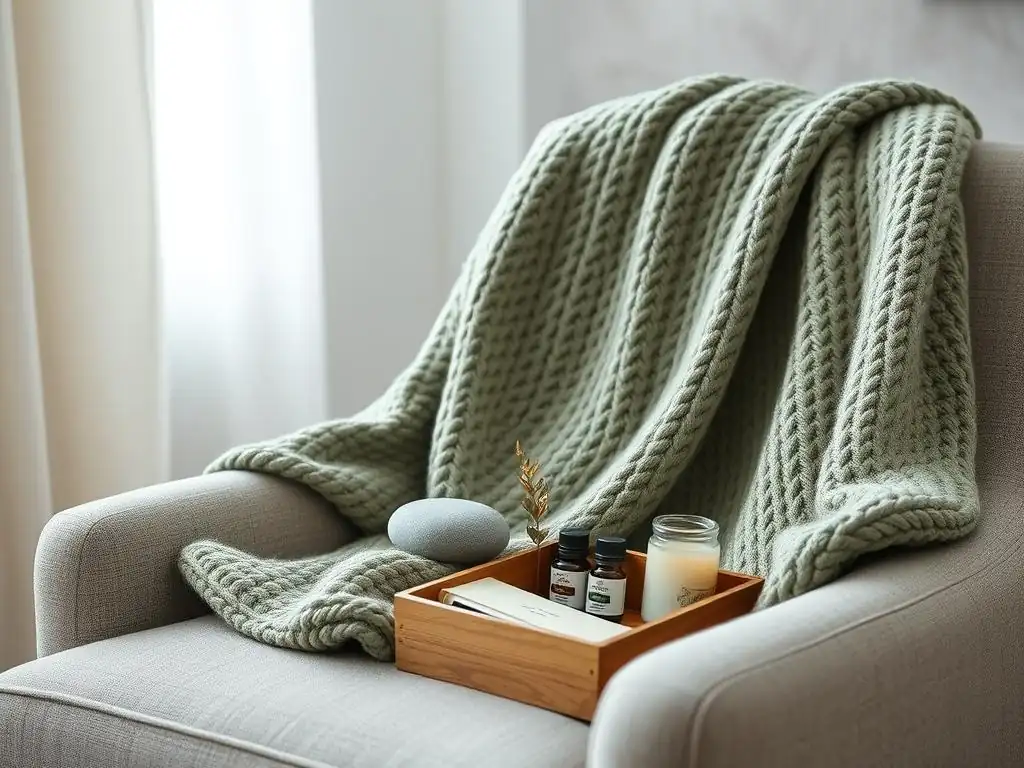
Subscription boxes focused on self-care or mental wellness offer a recurring gift that provides regular reminders to prioritize well-being. These boxes are typically curated with a selection of items designed to promote relaxation, mindfulness, creativity, or comfort. Receiving a new box periodically can be something to look forward to, providing a consistent source of positive reinforcement and practical tools for managing stress and anxiety.
The contents of these boxes vary widely but often include items like aromatherapy products, journals, mindfulness prompts, healthy snacks, bath and body care items, or small creative projects. The surprise element can be enjoyable, and the curated selection often introduces recipients to new self-care practices or products they might not discover on their own. It's a way to provide ongoing support and encouragement for their healing journey.
Curated Boxes Designed to Promote Relaxation and Well-being
These subscription services take the guesswork out of selecting multiple self-care items. Experts or curators choose products based on themes like "stress reduction," "mindfulness," or "sleep." This ensures the items are generally aligned with promoting relaxation and mental wellness. For someone with PTSD, receiving a box specifically focused on well-being can feel incredibly supportive, acknowledging their need for ongoing care.
The variety within a single box allows the recipient to explore different self-care practices. They might discover a new essential oil they love, a journaling technique that resonates, or a type of tea that is particularly soothing. This exploration is part of building a personalized toolkit for managing symptoms and promoting resilience. It transforms the act of self-care from a chore into a regular, anticipated treat.
Recommended Subscription Boxes: TheraBox and Hopebox
TheraBox is a popular self-care subscription box curated by therapists. Each box contains a mix of research-backed therapeutic activities and feel-good wellness items. Past boxes have included items like aromatherapy rollerballs, mindfulness journals, bath bombs, and stress-reducing gadgets. A monthly subscription typically costs around $40-$45 per box, focusing on mental wellness and self-love.
Hopebox is another option that focuses on sending boxes filled with encouraging and uplifting items. While not exclusively for PTSD, their mission is to send "boxes of hugs" filled with handmade and ethically sourced goods designed to comfort and inspire. Contents might include artisan candles, natural bath products, cozy socks, or inspirational books. Their focus on comfort and positive vibes makes them a suitable choice, with prices starting around $40-$45 per box. Both offer subscriptions of varying lengths, allowing you to gift a few months or a full year of support.
What to Expect in a Mental Wellness Subscription Box
While contents vary, a typical mental wellness subscription box often includes 5-10 items across several categories. You might find something for relaxation (e.g., bath salts, eye mask), something for mindfulness (e.g., guided meditation cards, small journal), something sensory (e.g., essential oil blend, calming tea), something comforting (e.g., cozy socks, small blanket swatch), and perhaps a small activity or challenge related to self-care.
The focus is on providing a multi-sensory experience that encourages the recipient to take time for themselves. The value of the items included is often stated to be significantly higher than the subscription cost. For someone with PTSD, receiving a box filled with items specifically chosen to promote calm and well-being can feel like a consistent gesture of care and a tangible reminder to engage in self-care practices.
Books on PTSD and Trauma Recovery
Understanding PTSD is a crucial step in managing it, both for the individual experiencing it and their support system. Books written by experts in the field can provide valuable information about the nature of trauma, how it affects the brain and body, common symptoms, and evidence-based strategies for healing. Gifting such books demonstrates a commitment to understanding their experience and provides resources for self-education and empowerment.
These books can offer validation for the individual's struggles, normalize their symptoms, and provide hope for recovery. They can also be incredibly helpful for family members seeking to understand their loved one's behavior and learn how to provide effective support. Choosing well-regarded books from reputable authors is key to providing accurate and helpful information.
Understanding PTSD and Its Impact
Books on PTSD often delve into the neurobiological effects of trauma, explaining how it can alter brain function and lead to symptoms like hypervigilance, memory issues, and emotional dysregulation. They discuss the different ways trauma can manifest, including through flashbacks, nightmares, anxiety, depression, and physical health problems. Understanding these impacts can help reduce self-blame for the individual and foster patience and empathy in family members.
Many books also explore the concept of post-traumatic growth, highlighting that while trauma is deeply painful, it is possible to heal and even develop new strengths and perspectives as a result of the recovery process. This provides a message of hope and resilience, which is vital for someone navigating the challenges of PTSD.
Recommended Books: "The Body Keeps the Score" by Bessel van der Kolk, "Complex PTSD: From Surviving to Thriving" by Pete Walker
"The Body Keeps the Score: Brain, Mind, and Body in the Healing of Trauma" by Bessel van der Kolk, M.D., is widely considered a seminal work in the field of trauma recovery. Dr. van der Kolk, a leading expert, provides a comprehensive overview of how trauma affects the brain and body and explores various therapeutic approaches, including traditional therapy, yoga, mindfulness, and other body-based therapies. The book has sold millions of copies globally and is highly recommended for both individuals with PTSD and their families.
"Complex PTSD: From Surviving to Thriving" by Pete Walker is specifically aimed at individuals who experienced chronic, relational trauma (often in childhood), leading to Complex PTSD (C-PTSD). Walker offers practical strategies and exercises for managing the specific challenges of C-PTSD, such as emotional flashbacks, toxic shame, and relationship difficulties. This book is often praised for its validating and empowering approach. Both books are readily available online and in bookstores, typically priced around $15-$20 for a paperback.
Where to Purchase Books: Amazon, Local Bookstores
These recommended books, and many others on PTSD and trauma, are widely available. Online retailers like Amazon offer convenience and often have customer reviews that can help in making a selection. They also typically have both physical copies and e-book versions available.
Alternatively, purchasing from a local independent bookstore supports community businesses and can offer a more personal shopping experience. While they might not always have every title in stock, they can usually order them. Gifting a physical book can feel more substantial and provides a tangible resource that doesn't require screen time, which some individuals managing PTSD might prefer.
Therapy or Counseling Sessions (Considerations and Alternatives)
Professional therapy is often the most effective treatment for PTSD. Therapists trained in trauma-specific modalities, such as Trauma-Focused Cognitive Behavioral Therapy (TF-CBT), Eye Movement Desensitization and Reprocessing (EMDR), or Somatic Experiencing, can provide the necessary support and tools for processing trauma and developing coping mechanisms. While directly gifting therapy sessions can be complex due to insurance, personal choice, and the therapeutic relationship, offering support in accessing therapy is a profound gift.
This support could involve helping a family member research trauma-informed therapists, offering practical assistance like childcare or transportation to appointments, or contributing financially if they are facing barriers to access (while respecting their autonomy and privacy regarding their treatment). It's a gift of practical aid and unwavering support for their healing journey.
The Importance of Professional Support for PTSD Recovery
PTSD is a complex condition that often requires specialized professional intervention. Therapists provide a safe, confidential space to explore traumatic experiences and their impact. They teach coping skills to manage symptoms like anxiety, flashbacks, and hypervigilance. Evidence-based therapies have demonstrated significant success in reducing PTSD symptoms and improving quality of life. Trying to navigate trauma recovery solely through self-help methods can be overwhelming and less effective.
Professional support also helps address co-occurring conditions like depression, anxiety disorders, or substance abuse, which are common among individuals with PTSD. A therapist can create a tailored treatment plan that addresses the individual's specific needs and challenges, guiding them through the complex process of healing in a structured and supportive manner.
Finding a Therapist Specializing in Trauma
Finding the right therapist is crucial. It's important to look for licensed mental health professionals (psychologists, social workers, counselors) who have specific training and experience in treating trauma. Websites like the Anxiety & Depression Association of America (ADAA), the International Society for Traumatic Stress Studies (ISTSS), or Psychology Today's therapist finder can help locate therapists by specialization and location. Asking potential therapists about their experience with PTSD and their therapeutic approach is recommended.
The relationship with the therapist, known as the therapeutic alliance, is a key predictor of successful treatment outcomes. It's important that the individual feels safe, respected, and understood by their therapist. This might mean trying a few different therapists before finding the right fit, which is a normal part of the process.
Alternatives to Therapy: Online Counseling Platforms, Support Groups
For various reasons, traditional in-person therapy might not be immediately accessible or preferred. Online counseling platforms like BetterHelp or Talkspace offer therapy sessions via video, phone, or text, providing flexibility and access from the comfort of one's home. These platforms can be a good alternative, though it's still important to inquire about the therapists' trauma specialization. Subscription costs vary but can be comparable to or sometimes less than out-of-pocket costs for traditional therapy.
Support groups, either in-person or online, offer a different but valuable form of support. Connecting with others who have similar experiences can reduce feelings of isolation and provide a sense of community and shared understanding. Organizations like the Department of Veterans Affairs (for veterans) or local mental health associations often host PTSD support groups. While not a substitute for therapy, support groups can be a powerful complement to professional treatment and a source of validation and practical coping tips from peers.
Conclusion: Choosing the Perfect Gift to Support Your Loved One's PTSD Journey
Recap of the Best PTSD Family Support Gift Ideas
Supporting a family member with PTSD is a journey that requires patience, understanding, and empathy. While there's no single gift that can "fix" PTSD, thoughtful presents can offer comfort, tools for coping, and tangible expressions of love and support. We've explored various PTSD family support gift ideas, ranging from items that provide physical comfort like weighted blankets and noise-canceling headphones to those that encourage mental and emotional well-being like mindfulness apps, art supplies, and journals.
Experiential gifts, such as spa days, cooking classes, or nature retreats, offer opportunities for positive experiences and memory-making. Finally, gifts that support ongoing mental health, like subscriptions to wellness boxes or educational books on PTSD, provide resources for continued healing and growth. The best gift is ultimately one that resonates with the individual's specific needs and preferences, demonstrating that you see and care about their struggles.
Emphasizing the Importance of Thoughtfulness and Understanding
More important than the gift itself is the thought and understanding behind it. Choosing a gift that acknowledges the challenges of PTSD and offers genuine support for their well-being speaks volumes. It shows your family member that you are trying to understand their experience and are committed to supporting them in their recovery journey. Avoid gifts that might add pressure, create sensory overload, or inadvertently trigger difficult memories.
Approach gift-giving with empathy and sensitivity. Consider their current state and what might genuinely bring them comfort or peace. Sometimes, the most valuable gift is simply the gift of your presence, your patience, and your willingness to listen without judgment. These PTSD family support gift ideas are meant to complement, not replace, the essential human connection and understanding you provide.
Resources for Further Support and Information on PTSD
For those seeking more information about PTSD and how to support loved ones, numerous resources are available. Organizations like the National Center for PTSD (part of the U.S. Department of Veterans Affairs) offer extensive information, resources, and tools for both individuals with PTSD and their families. The Anxiety & Depression Association of America (ADAA) and the National Alliance on Mental Illness (NAMI) also provide valuable information and support networks.
Understanding PTSD is an ongoing process. Educating yourself about the condition, its symptoms, and effective coping strategies is one of the most powerful ways to support your family member. These resources can provide deeper insights and guidance as you navigate this journey together. Remember to also prioritize your own well-being and seek support for yourself if needed, as supporting someone with PTSD can be challenging.
Frequently Asked Questions
What are some thoughtful gifts for a family member with PTSD?
A few thoughtful gifts include self-care items, like journals or aromatherapy kits, and comfort items such as weighted blankets, which can provide a sense of security.
How can gifts help someone with PTSD?
Gifts can show support and understanding, helping to create a safe space for the individual. They can also promote self-compassion and encourage healthy coping mechanisms.
Are there specific items that can aid in PTSD recovery?
Yes, items like mindfulness books, stress-relief tools, and relaxation aids can be beneficial. These gifts can help foster emotional healing and mental resilience.
Should I consider the individual's preferences when choosing a gift?
Absolutely! Understanding the individual's unique preferences and triggers is essential to ensure that the gift is both thoughtful and supportive.
Where can I find more resources about PTSD and family support?
You can explore websites like Mind Care Guide for comprehensive resources, including articles on mental well-being and support strategies for families dealing with PTSD.
Final Reflection: The Ripple Effect of Kindness in PTSD Support
The struggle with PTSD doesn't end with the individual; it ripples outward, impacting families and loved ones deeply. Understanding this ripple effect is crucial, and offering meaningful support can make a profound difference in the healing journey of both the individual and their family. This article explored practical gift ideas, but the true gift lies in the act of compassionate understanding itself.
The impact of PTSD extends far beyond the diagnosed individual, creating a complex web of emotional and practical challenges for family members. The constant worry, the emotional toll of witnessing trauma's effects, and the need for unwavering support can be overwhelming. As one family member eloquently stated, It's not just about the person with PTSD; it's about rebuilding the whole family system.
This quote underscores the importance of acknowledging and addressing the needs of everyone involved, fostering a supportive environment where healing can truly begin.
Now, consider your own relationships. Is there someone in your life struggling with the invisible wounds of trauma? Perhaps it's time to move beyond simple gestures and offer a deeper level of understanding and support. Take a moment to reflect on how you can contribute to the healing process, whether through active listening, offering practical assistance, or simply being a present and compassionate presence. The power of empathy and thoughtful action can be transformative, creating a ripple effect of healing that extends far beyond the initial gift.
Unleash the Power of Support: Give the Gift of Healing
Thanks for taking the time to learn more about supporting loved ones with PTSD. We hope this guide provided valuable insights and practical ideas. Now, let's turn that knowledge into action!
Here's how you can make a real difference today:
- Prioritize a thoughtful gift: Consider a self-care item that promotes relaxation and well-being – a weighted blanket, essential oil diffuser, or a gift certificate for a massage. This shows your support in a tangible way.
- Share this article with others: Help spread awareness and understanding of PTSD by sharing this guide with family, friends, or support groups. Every shared piece of knowledge is a step towards greater understanding.
- Engage in a supportive conversation: Reach out to your loved one and initiate a conversation about their well-being. Sometimes, the greatest gift is simply being there to listen.
Ready to empower your loved one on their journey to healing? What small act of support will you implement this week?