
Gifts Addressing PTSD Symptoms: From Sleep Aids to Grounding Tools

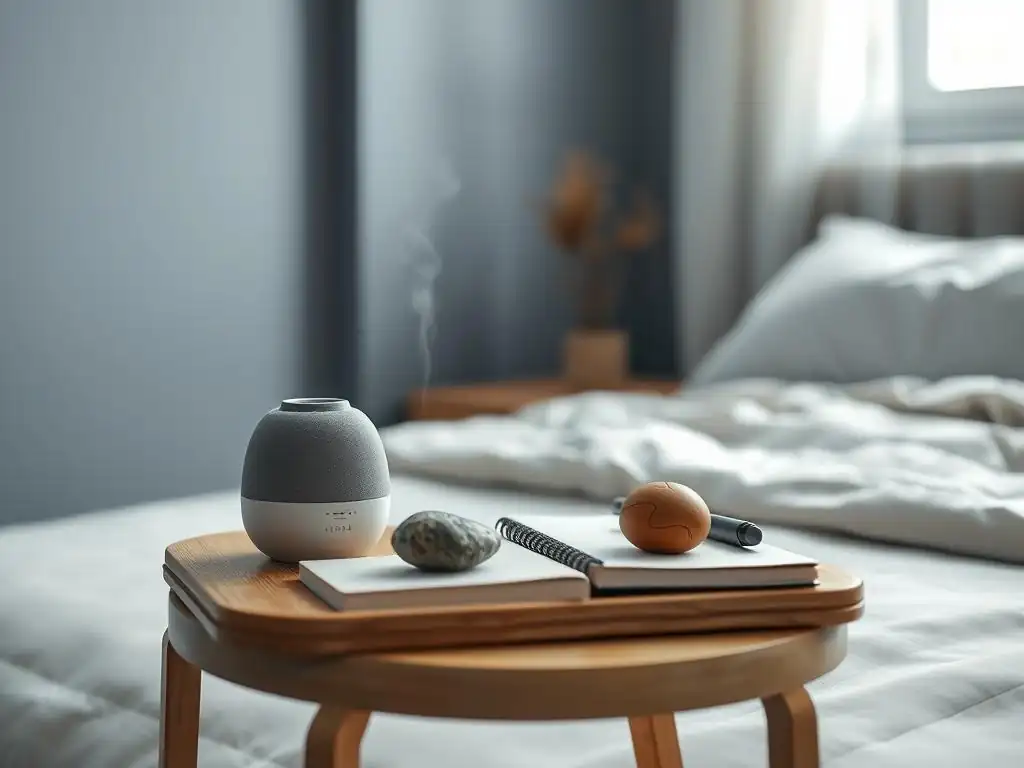
Welcome to Mind Care Guide, a sanctuary for your mental well-being. Are you or a loved one navigating the complexities of PTSD and struggling to find restful sleep? Understanding the profound impact of PTSD, we've curated a guide to PTSD coping gifts for sleep that goes beyond the ordinary. Explore practical and thoughtful solutions that can bring comfort and support during challenging times. Let's embark on this journey to find tools for peace, one restful night at a time.
- Supporting PTSD Recovery with Thoughtful Gifts: A Mind Care Guide
- Best PTSD Coping Gifts for Sleep: Finding Restful Nights
- Grounding Gifts for PTSD: Anchoring in the Present Moment
- Gifts to Ease Anxiety: Comfort and Support for PTSD Symptoms
- Choosing the Right PTSD Coping Gifts: Considerations and Tips
- Conclusion: Supporting Healing and Well-being Through Thoughtful Gifts
-
Frequently Asked Questions
- What types of gifts are considered helpful for individuals with PTSD struggling with sleep?
- How can grounding tools assist with PTSD symptoms and contribute to better sleep?
- Why are sleep aids considered valuable gifts for people experiencing PTSD?
- Are there any specific types of aromatherapy scents that are particularly beneficial for PTSD-related sleep issues?
- Besides material gifts, are there alternative gift ideas that can support PTSD coping and improve sleep?
- Final Reflection: Finding Solace and Strength: Gifts for Navigating PTSD
- Unwind & Reclaim Your Peace: Practical Steps to Wellbeing
Supporting PTSD Recovery with Thoughtful Gifts: A Mind Care Guide
Living with Post-Traumatic Stress Disorder (PTSD) presents significant challenges, impacting daily life, relationships, and overall well-being. Symptoms can range from intrusive thoughts and flashbacks to hypervigilance, anxiety, and difficulty sleeping. While professional therapy and medical support are crucial components of recovery, thoughtful gestures from loved ones can also play a vital role in providing comfort, support, and practical tools for coping with symptoms. These gifts aren't simply material items; they are tangible expressions of care, understanding, and a commitment to supporting the individual's healing journey.
Choosing a gift for someone with PTSD requires sensitivity and an understanding of their specific challenges. What might be helpful for one person could be overwhelming for another. The most effective gifts are those that address specific symptoms the person experiences, offering practical aid in managing distress, promoting relaxation, or fostering a sense of safety and calm. This guide explores various PTSD coping gifts designed to help manage common symptoms, from the pervasive issue of sleep disturbance to the need for grounding during moments of anxiety or flashbacks.
Best PTSD Coping Gifts for Sleep: Finding Restful Nights
Sleep disturbances are among the most common and debilitating symptoms of PTSD. Nightmares, difficulty falling asleep, staying asleep, or hypervigilance keeping someone awake are frequent struggles. Finding effective PTSD coping gifts for sleep can significantly improve an individual's quality of life, offering a pathway towards more restful and restorative nights. These gifts focus on creating a calming environment, providing sensory input that promotes relaxation, or offering tools to quiet a racing mind before bed.
Addressing sleep problems is a critical step in managing PTSD symptoms, as chronic sleep deprivation can exacerbate anxiety, irritability, and difficulty concentrating. The gifts discussed in this section are specifically chosen for their potential to soothe the nervous system and create conditions conducive to sleep. While individual results vary, many people with PTSD find these items helpful additions to their nighttime routine, offering comfort and a sense of security as they prepare for rest.
Weighted blankets provide deep pressure stimulation, a therapeutic technique known to calm the nervous system. This sensation is often described as feeling like a gentle, firm hug, which can reduce feelings of anxiety and promote relaxation.
For someone struggling with PTSD-related insomnia or nightmares, the consistent, comforting pressure throughout the night can help mitigate hyperarousal and make falling or staying asleep easier. Studies, such as one published in the Journal of Clinical Sleep Medicine in 2020, have shown that participants using weighted blankets reported reduced insomnia severity and improved sleep quality compared to a control group, with a significant percentage experiencing a positive response.
Typically weighing between 5 and 25 pounds, weighted blankets work by increasing serotonin and melatonin levels while decreasing cortisol, the stress hormone. This neurochemical effect contributes to improved mood and promotes sleep. The physical sensation of being enveloped can also serve as a form of grounding, keeping the individual anchored in the present moment and potentially reducing the likelihood or intensity of nightmares. Choosing the right weight, generally recommended as about 10% of the user's body weight, is key to maximizing the therapeutic benefits and ensuring comfort throughout the night.
White Noise Machines: Masking Triggers and Promoting Deep Sleep
For individuals with PTSD, sudden or unexpected noises can be highly triggering, disrupting sleep or preventing them from falling asleep due to hypervigilance. White noise machines, or sound machines offering a variety of ambient sounds like pink noise, brown noise, or nature sounds, can create a consistent auditory environment. This steady background sound helps to mask abrupt noises, making it less likely for a person to be startled awake or kept awake by sounds from outside or within their home.
Beyond masking triggers, the consistent, non-varying sound provided by these machines can also be inherently soothing and conducive to sleep. It provides a predictable auditory anchor that can help quiet a restless mind. Some people prefer the uniform frequency of white noise, while others find the lower frequencies of pink or brown noise more relaxing.
Many machines offer options like rain, ocean waves, or fan sounds, allowing the user to choose what is most calming for them. Introducing a white noise machine as a PTSD coping gift for sleep can transform a chaotic auditory environment into a predictable, safe soundscape.
Aromatherapy Diffusers and Essential Oils: Soothing Scents for Relaxation and Sleep
Aromatherapy harnesses the power of scent to influence mood and physiological responses. Certain essential oils are well-known for their calming and sleep-promoting properties, making diffusers and oil sets excellent PTSD coping gifts for sleep. Lavender is perhaps the most widely recognized, with research suggesting it can reduce anxiety and improve sleep quality. Chamomile, bergamot, and frankincense are other oils often used for their relaxing effects. Using an aromatherapy diffuser in the bedroom before or during sleep can create a tranquil atmosphere that signals the body and mind it is time to rest.
Essential oils can be used in various ways, including through diffusers that disperse the scent into the air, roll-on applicators for topical use (diluted with a carrier oil), or added to a warm bath. For sleep support, diffusing in the bedroom is popular, but a roll-on applied to the wrists or temples can also provide a personal, portable calming scent.
It's important to use high-quality, pure essential oils and follow safety guidelines, especially regarding dilution for topical use. Offering a beautiful diffuser along with a selection of calming oils can be a gentle yet effective way to help someone with PTSD unwind and prepare for a better night's sleep.
Grounding Gifts for PTSD: Anchoring in the Present Moment

Flashbacks and dissociation are challenging symptoms of PTSD where a person may feel disconnected from reality or relive traumatic events. Grounding techniques help an individual return to the present moment, anchoring their mind and body in the here and now. Gifts that facilitate grounding can be incredibly helpful tools for managing distress, providing a tangible point of focus or sensory input when feeling overwhelmed or disconnected. These items serve as discreet aids that can be used anywhere, offering a sense of stability during difficult moments.
Grounding gifts often engage the senses – touch, sight, sound, smell, or even taste – to pull the person back from intrusive thoughts or feelings. They provide a distraction and a focus point away from internal turmoil. The items discussed here are practical, often portable, and designed to be used whenever the need arises, offering immediate support in managing acute symptoms.
Fidget Toys: Discreet Tools for Managing Anxiety and Trauma Triggers
Fidget toys provide a simple, repetitive physical action that can help manage anxiety, restlessness, and the urge to engage in less helpful coping mechanisms. For someone with PTSD, having a discreet fidget tool can be invaluable during moments of heightened anxiety, hypervigilance, or when feeling triggered. The tactile input and focused movement can serve as a grounding technique, redirecting attention away from distressing thoughts or feelings and providing a physical outlet for nervous energy.
Examples range from classic fidget spinners (though sometimes less discreet) to more subtle options like spinner rings worn on a finger, textured stones, pliable putty or stress balls, or small cubes with various buttons and switches. The key is finding a toy that provides satisfying sensory input and can be used without drawing undue attention if desired. Carrying a small fidget item allows the individual to engage in a calming, repetitive action whenever they feel the need, offering a sense of control and a simple way to self-regulate in potentially overwhelming situations.
Adult Coloring Books: Mindfulness and Creative Expression for PTSD Relief
Adult coloring books have gained popularity as a therapeutic tool for reducing stress and anxiety. Engaging in the simple, repetitive action of coloring within lines requires focus and attention, drawing the mind away from worries or intrusive thoughts. This activity can be a form of mindfulness, keeping the individual present in the moment as they choose colors and fill in patterns. For someone with PTSD, this focused concentration can provide a welcome break from rumination or hypervigilance.
Beyond mindfulness, coloring also offers a form of creative expression without the pressure of creating something entirely new. It can be a relaxing and absorbing pastime that provides a sense of accomplishment upon completion of a page. Many adult coloring books feature intricate designs, mandalas, or nature scenes that are aesthetically pleasing and further enhance the calming experience. Gifting a beautiful coloring book along with a set of quality colored pencils or markers provides a tangible tool for relaxation and creative grounding.
Worry Stones: Tactile Reminders of Safety and Calm
Worry stones are small, smooth stones, typically oval-shaped with a thumb-sized indentation. They are designed to be held and rubbed between the thumb and forefinger. This simple, repetitive tactile action serves as a grounding technique, providing sensory input that helps anchor the individual in the present moment. The smooth texture and the physical act of rubbing the stone can be incredibly soothing, offering a quiet, discreet way to manage anxiety or distress.
Carrying a worry stone provides a constant, tangible reminder of the potential for calm and a tool that is always available. When feeling overwhelmed, triggered, or anxious, simply reaching into a pocket and touching or rubbing the stone can help interrupt the cycle of distressing thoughts and bring focus back to physical sensation. It's a low-cost, portable, and highly effective grounding tool that can be a comforting presence during challenging times.
Gifts to Ease Anxiety: Comfort and Support for PTSD Symptoms
Anxiety is a pervasive symptom of PTSD, often manifesting as excessive worry, restlessness, difficulty concentrating, and physical tension. Gifts aimed at easing anxiety can provide comfort, promote relaxation, and offer practical strategies for managing overwhelming feelings. These gifts often incorporate sensory elements or provide tools for practicing calming techniques that can help regulate the nervous system and reduce the intensity of anxious responses.
Supporting someone with PTSD often involves helping them build a toolkit of coping mechanisms. The gifts in this section provide different avenues for anxiety relief, from physical sensations that soothe to guided practices that promote mental calm. Offering these gifts shows recognition of their struggle with anxiety and provides resources they can turn to when needed.
Compression Clothing: A Soothing Squeeze for Sensory Regulation
Compression clothing, such as weighted vests, compression shirts, or even snug leggings, provides deep pressure input to the body. Similar to weighted blankets, this deep pressure can have a calming effect on the nervous system, reducing feelings of anxiety and improving sensory regulation. For individuals with PTSD who experience heightened sensory sensitivity or feel overwhelmed by external stimuli, the consistent, gentle squeeze of compression clothing can provide a sense of being held and grounded.
Wearing compression clothing can help improve body awareness and reduce feelings of disorganization or agitation. It can be worn discreetly under regular clothing throughout the day or specifically during times of anticipated stress or anxiety. While not a substitute for other therapeutic interventions, it can be a supportive tool that offers a continuous sense of comfort and security, helping manage the physical manifestations of anxiety associated with PTSD.
Meditation Apps and Subscriptions: Guided Mindfulness for Trauma Recovery
Meditation and mindfulness practices have been shown to be beneficial in managing PTSD symptoms, particularly anxiety and intrusive thoughts. However, starting a meditation practice can feel daunting, especially when the mind is racing. Gifting a subscription to a meditation app provides access to guided meditations specifically designed for relaxation, anxiety reduction, or even trauma recovery. These apps offer structured sessions, often ranging from a few minutes to longer durations, making meditation accessible and less intimidating.
Popular meditation apps like Headspace or Calm offer extensive libraries of guided content, including body scans, breathing exercises, sleep stories (which can be beneficial PTSD coping gifts for sleep), and sessions focused on specific challenges like anxiety or stress. Some apps even have specific programs related to trauma or healing. A subscription offers ongoing access to resources that can help someone with PTSD develop coping skills, practice relaxation techniques, and cultivate a greater sense of presence and calm.
Journals for Trauma Recovery: Processing Emotions and Tracking Progress
Journaling is a powerful tool for processing emotions, organizing thoughts, and gaining perspective, particularly for individuals navigating trauma recovery. Providing a journal, perhaps one with prompts specifically designed for trauma or mental health, can encourage therapeutic writing. Writing about experiences and feelings can help externalize difficult emotions, reduce their intensity, and make them feel more manageable. It can also help identify patterns in triggers or symptoms.
A journal can serve multiple purposes: a space for free-form expression of feelings, a log for tracking moods, triggers, or coping strategies used, or a place to practice gratitude or write positive affirmations. Some journals include guided prompts that help structure the writing process, which can be less overwhelming than a blank page. Gifting a beautiful, sturdy journal encourages this valuable self-reflection and processing, offering a private space for navigating the complexities of PTSD.
Choosing the Right PTSD Coping Gifts: Considerations and Tips
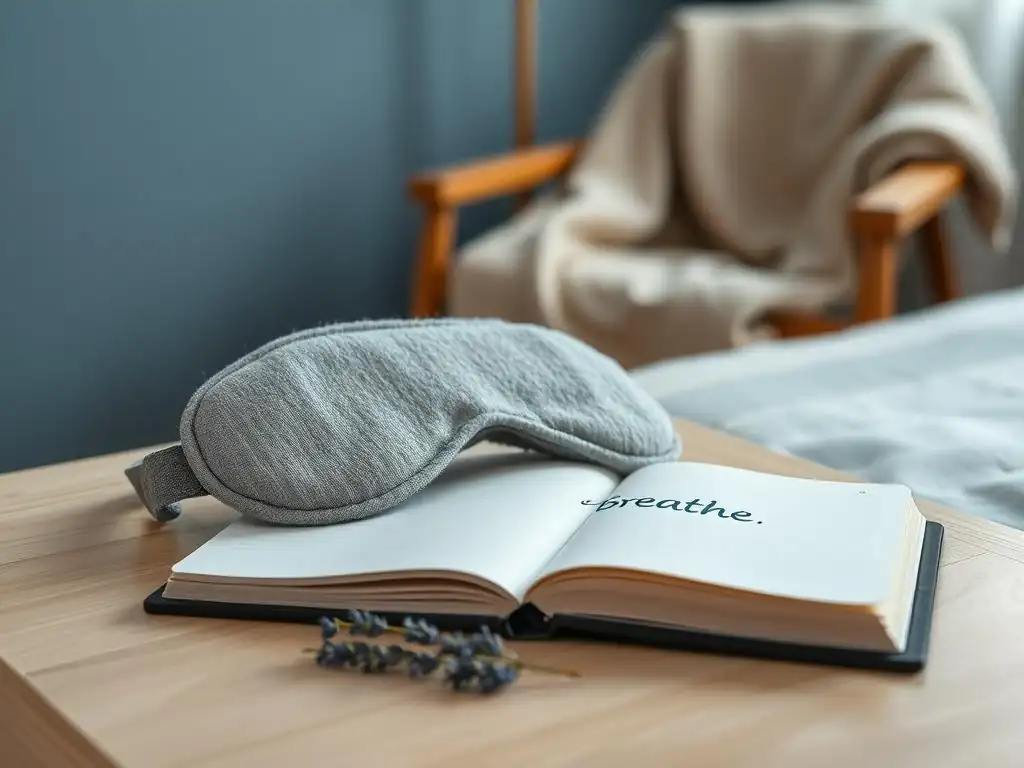
Selecting the perfect gift for someone with PTSD requires careful thought and sensitivity. The most important consideration is the individual's specific needs and preferences. What symptoms do they struggle with most? Are they open to trying new coping mechanisms? Observing their challenges and listening empathetically can provide clues about what kind of gift might be most helpful. Avoid anything that could potentially be triggering; for example, strong perfumes might be overwhelming for someone with sensory sensitivities.
It's also crucial to present the gift without pressure. Frame it as a tool for comfort or support, not a cure. Let them know it's there if they find it helpful, with no expectation that they must use it immediately or that it will solve all their problems.
Including a heartfelt card expressing care and understanding can enhance the gift's impact. Consider their lifestyle – are they home often, or do they need portable items? Ultimately, the most meaningful aspect of the gift is often the intention behind it: a demonstration of love, patience, and unwavering support for their healing journey.
Conclusion: Supporting Healing and Well-being Through Thoughtful Gifts
Living with PTSD is a challenging path, marked by difficult symptoms that can significantly impact daily life. While professional support is fundamental, the role of understanding and supportive loved ones cannot be overstated. Thoughtful PTSD coping gifts, ranging from practical sleep aids like weighted blankets and white noise machines to grounding tools like fidget toys and worry stones, and anxiety-easing items like compression clothing and meditation app subscriptions, can provide tangible comfort and support.
These gifts are more than just objects; they are tools that can empower individuals to manage their symptoms, find moments of calm, and feel supported in their recovery. By choosing gifts that address specific needs, such as improving sleep quality or providing grounding during distress, you offer practical help alongside your empathy. The act of giving such a gift communicates care, patience, and belief in their strength and resilience. Ultimately, the best gift is often the continued presence and understanding of supportive relationships, making these thoughtful items a complement to the invaluable gift of human connection.
Frequently Asked Questions
What types of gifts are considered helpful for individuals with PTSD struggling with sleep?
Gifts that promote relaxation and comfort are ideal. This includes items like weighted blankets to reduce anxiety, aromatherapy diffusers with calming scents, and blackout curtains to create a restful environment.
How can grounding tools assist with PTSD symptoms and contribute to better sleep?
Grounding tools help individuals reconnect with the present moment, reducing overwhelming feelings of anxiety or flashbacks. This can lead to a more calm and peaceful state of mind, conducive to sleep.
Why are sleep aids considered valuable gifts for people experiencing PTSD?
Many individuals with PTSD experience nightmares, insomnia, and hyperarousal, significantly impacting their sleep quality. Sleep aids, like sleep masks or white noise machines, can help mitigate these symptoms.
Lavender, chamomile, and sandalwood are often recommended for their calming and sleep-promoting properties. These scents can help to reduce anxiety and promote relaxation, aiding in sleep.
Besides material gifts, are there alternative gift ideas that can support PTSD coping and improve sleep?
Consider gifts that promote self-care and relaxation, such as a subscription to a meditation app, a gift certificate for a massage, or a journal for processing emotions and thoughts before bed.
The struggle with PTSD is a deeply personal journey, but the path toward healing is paved with support, understanding, and the small, tangible comforts that can make a world of difference. The gifts explored in this article—from sleep aids to grounding tools—represent more than just material objects; they are symbols of hope and resilience, offering practical strategies to manage the often-overwhelming symptoms of PTSD. This is not just a matter of finding the right product; it's about recognizing the power of self-care and the importance of fostering a supportive environment for those affected.
The impact of PTSD extends far beyond the individual, rippling through families and communities. Understanding and addressing this condition requires a collective effort, a shift in societal perception that acknowledges the invisible struggles faced by so many. The most basic of all human needs is the need to understand and be understood.
- Ralph Nichols. This quote highlights the crucial role of empathy and support in the healing process. By offering thoughtful gifts, we acknowledge the pain and offer a tangible expression of our care, fostering a sense of connection and validation that is essential for recovery.
Consider the gifts discussed within this article not just as purchases, but as opportunities. Opportunities to show you care, to offer practical assistance, and to contribute to a journey of healing. You have the power to make a difference.
Take a moment to reflect on the individuals in your life who may be silently battling PTSD. What small act of kindness, what thoughtful gift, could you offer to help them find a moment of peace, a deeper breath, a more restful sleep? Let your compassion guide you, and together, we can build a more supportive and understanding world for those navigating the complexities of PTSD.
Unwind & Reclaim Your Peace: Practical Steps to Wellbeing
Thanks for taking the time to explore ways to address PTSD symptoms. We hope this article provided valuable insights and actionable strategies for finding comfort and healing. Now, let's take these ideas further.
- Prioritize one self-care practice: Choose a sleep aid, grounding technique, or other tool discussed that resonates most with you and commit to incorporating it into your daily routine for the next week. Notice how it affects your well-being.
- Share your experiences: Connect with others facing similar challenges. Share a resource or tip that helped you in the comments below — your insight could be incredibly valuable to someone else.
- Explore further resources: If you’re ready to dive deeper, consider researching additional coping mechanisms or reaching out to a support group dedicated to PTSD.
What small step will you take today to nurture your mental wellbeing?